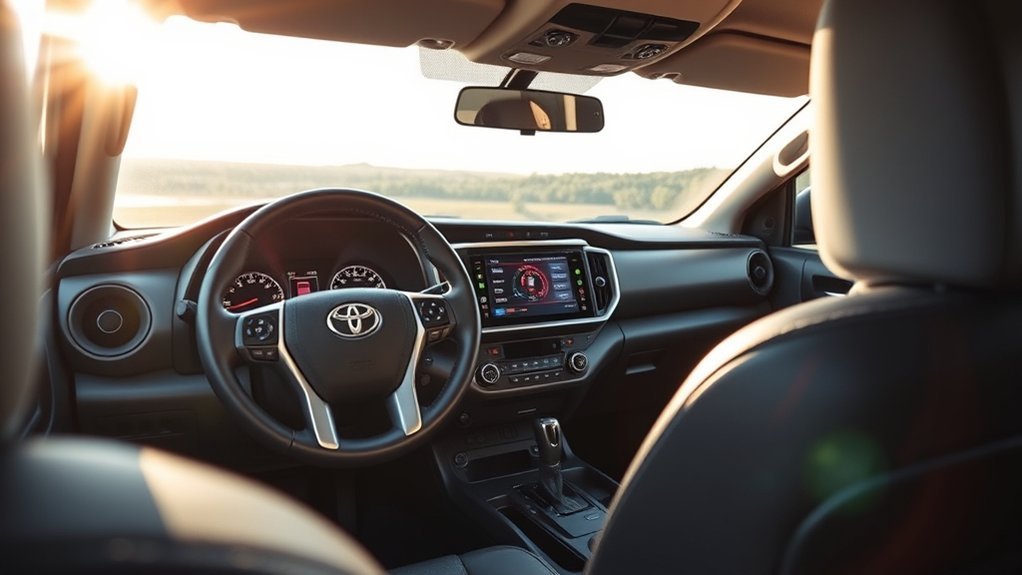
A TPMS warning light on your Toyota Hilux can point to low tyre pressure, a damaged tyre, or a system fault. The Toyota Hilux Tire Pressure Monitoring System (TPMS) uses wheel sensors to monitor tyre pressure and, on many models, tyre temperature. When pressure drops enough to affect safe driving, the dashboard warning light turns on. This guide explains how the system works, what to check first, how to reset it after tyre changes, and when you should ask a Toyota technician for help.
Quick Answer
The Toyota Hilux TPMS watches tyre pressure through sensors linked to the wheels. If one or more tyres lose pressure, the warning light alerts you so you can check the tyres before driving farther. After you inflate, rotate, or replace tyres, you may need to reset the TPMS so it can read the new pressure levels correctly.
Key Takeaways
- Check all tyre pressures as soon as the TPMS warning light turns on.
- Inspect each tyre for punctures, cuts, leaks, or uneven wear before you keep driving.
- Reset the TPMS after inflation changes, tyre rotation, or wheel replacement when your model requires it.
- Ask a Toyota technician to inspect the system if the light flashes or stays on after you correct the pressures.
What Does the Toyota Hilux TPMS Do?
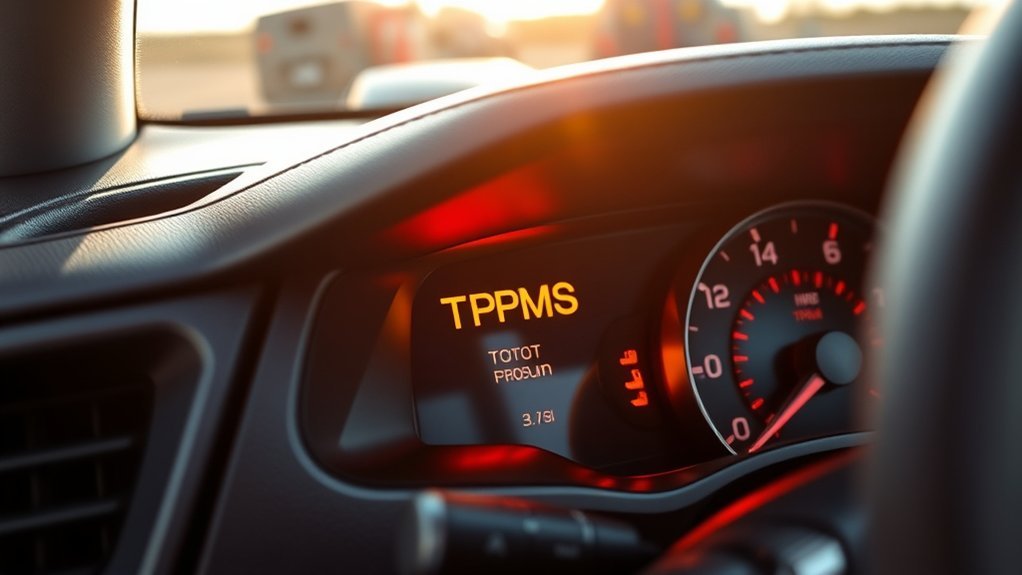
The Toyota Hilux Tire Pressure Monitoring System (TPMS) helps you spot tyre pressure problems before they become serious. It uses battery-powered sensors in the wheels to send pressure data to the vehicle’s control module. On the dashboard, the warning symbol usually looks like a horseshoe with an exclamation mark.
Low tyre pressure can affect braking, handling, fuel use, and tyre life. That makes the TPMS a safety aid, not a replacement for regular tyre checks. You should still use a tyre pressure gauge at least once a month and before long trips.
After tyre rotation, inflation, or wheel replacement, some Hilux models need a TPMS reset. If the light flashes when you start the vehicle, the system may have a sensor or communication fault. In that case, book a diagnostic check with a Toyota dealership or a qualified tyre technician.
How Does the TPMS Detect Low Tyre Pressure?
Your Toyota Hilux TPMS detects low tyre pressure through sensors fitted to the wheel valve area. These sensors track pressure and send readings wirelessly to the vehicle. When one tyre drops well below the expected level, the warning light turns on.
Many TPMS systems trigger the alert when pressure falls by about 20 to 25 percent. Treat that light as a prompt to stop safely and check every tyre. Do not rely on a visual check alone, because a tyre can look normal while it still has low pressure.
If the warning light stays on after you inflate the tyres, you may need to reset the system. A persistent light can also point to a damaged sensor, an unregistered sensor, or a tyre with a slow leak.
Note: Tyre pressure changes with temperature, so check pressures when the tyres are cold for the most reliable reading.
What Should You Do When the TPMS Warning Light Turns On?
When the TPMS warning light activates, act quickly and safely. Pull over when you can, then check the tyre pressure of all wheels with a gauge. Next, inspect the tyres for visible damage, leaks, or objects stuck in the tread.
Take Immediate Action
A quick tyre check can help you find leaks, punctures, or under-inflation before they cause more damage. If you see a severely damaged tyre, do not keep driving on it. Fit the spare wheel if it is safe to do so, or call roadside help.
| Action | Why It Matters | Possible Risk If Ignored |
|---|---|---|
| Check Tyres | Protects safety | Tyre failure |
| Inspect for Damage | Finds leaks early | Higher repair costs |
| Monitor Pressure | Supports fuel economy | Uneven tyre wear |
Do not ignore the signal. A fast response protects your tyres, your passengers, and your vehicle.
2. Check Tyre Pressure
A drop in tyre pressure can trigger the TPMS warning light in your Toyota Hilux. Start by checking every tyre with a reliable gauge, including the spare if your model monitors it. Compare each reading with the pressure listed on the tyre placard or in your owner’s manual.
If a tyre is low and undamaged, inflate it to the recommended pressure. The warning light may stay on until all tyres reach the correct level and the vehicle completes its reset or relearn process. If the light stays on, follow your model’s TPMS reset steps.
3. Inspect for Damage
Inspect each tyre when the TPMS warning light turns on. Look for punctures, cuts, cracks, bulges, valve leaks, or objects stuck in the tread. Also check for uneven wear, because it can point to alignment or suspension problems.
Use a tyre pressure gauge to confirm the pressure instead of guessing by sight. If you find damage, do not just inflate the tyre and keep driving. Repair or replace the tyre before it causes a loss of control.
Warning: Do not drive far on a tyre that keeps losing pressure, because it can overheat and fail.
How Do You Reset the Toyota Hilux TPMS After Tyre Adjustments?

Before you reset the Toyota Hilux TPMS, set all tyre pressures to the manufacturer’s recommended levels. You can usually find the correct pressure on the driver’s door placard or in the owner’s manual. Then follow the reset process for your model year and trim.
Set tyre pressures to the manufacturer’s specification before you reset the TPMS.
- Start the engine and locate the TPMS reset button, usually near the steering wheel or lower dashboard.
- Press and hold the reset button until the TPMS indicator on the dashboard blinks slowly three times.
- Release the reset button and keep the engine running for several minutes so the system can record the new tyre pressures.
Reset the TPMS after tyre rotation, inflation changes, wheel replacement, or sensor replacement when your model requires it. If the TPMS warning light remains on after resetting, the system may need a diagnostic scan.
[Products Worth Considering]

Replace worn or malfunctioning GM TPMS sensors with this 433MHz pre-programmed sensor set designed for compatibility with many Chevrolet, Buick, GMC, and Cadillac models. It includes guidance for proper OBDII relearning/pairing after installation and supports reliable long-term operation with a high-performance CR2032 battery. Quality tested for durability and performance to help restore accurate tire pressure monitoring.

This TPMS relearn tool helps you quickly activate, match, and reset GM tire pressure sensors to keep the vehicle monitoring system working properly. It clears tire pressure alarms and dashboard warning lights after sensor replacement or tire rotation, and supports learning for common 315/433 MHz TPMS sensors. Designed for simple one-button operation, it can help you avoid unnecessary trips to repair shops.

Marsflex brand TPMS replacement sensors help restore tire pressure monitoring for compatible Toyota, Lexus, Scion, and Pontiac models. Each sensor is pre-programmed for the vehicle application and includes a long-life battery for up to 8 years of normal use. Designed to replace common OE numbers and requires relearning using a TPMS scan tool after installation.
How Can You Troubleshoot Common TPMS Issues?
Start with the easiest checks before you assume the system has failed. Confirm tyre pressures, inspect for damage, then reset the system if your Hilux requires it. If the warning light still stays on, look for common TPMS causes.
- A tyre has a slow leak or valve stem leak.
- A wheel sensor battery has reached the end of its life.
- A new sensor needs registration with the vehicle.
- The system needs a reset after tyre rotation or inflation.
- The vehicle control module cannot read one or more sensors.
Some Hilux models use direct TPMS sensors, while some markets and years may use different monitoring logic. Check your owner’s manual before you buy sensors or attempt a reset. If you install new tyres or wheels, make sure the sensors match your vehicle and get registered correctly.
[Products Worth Considering]

The Tymate TM12 RV TPMS delivers real-time tire pressure and temperature monitoring with a stable 433Hz display for safer long-distance driving. It supports simultaneous monitoring across vehicle and trailer zones, includes six alarm modes for pressure, temperature, leakage, battery, and signal loss, and features easy DIY installation with auto calibration. Power is supplied via USB-C charging or solar recharging, with a wide 0–144 PSI range and up to 50 ft signal coverage for RVs and towable trailers.
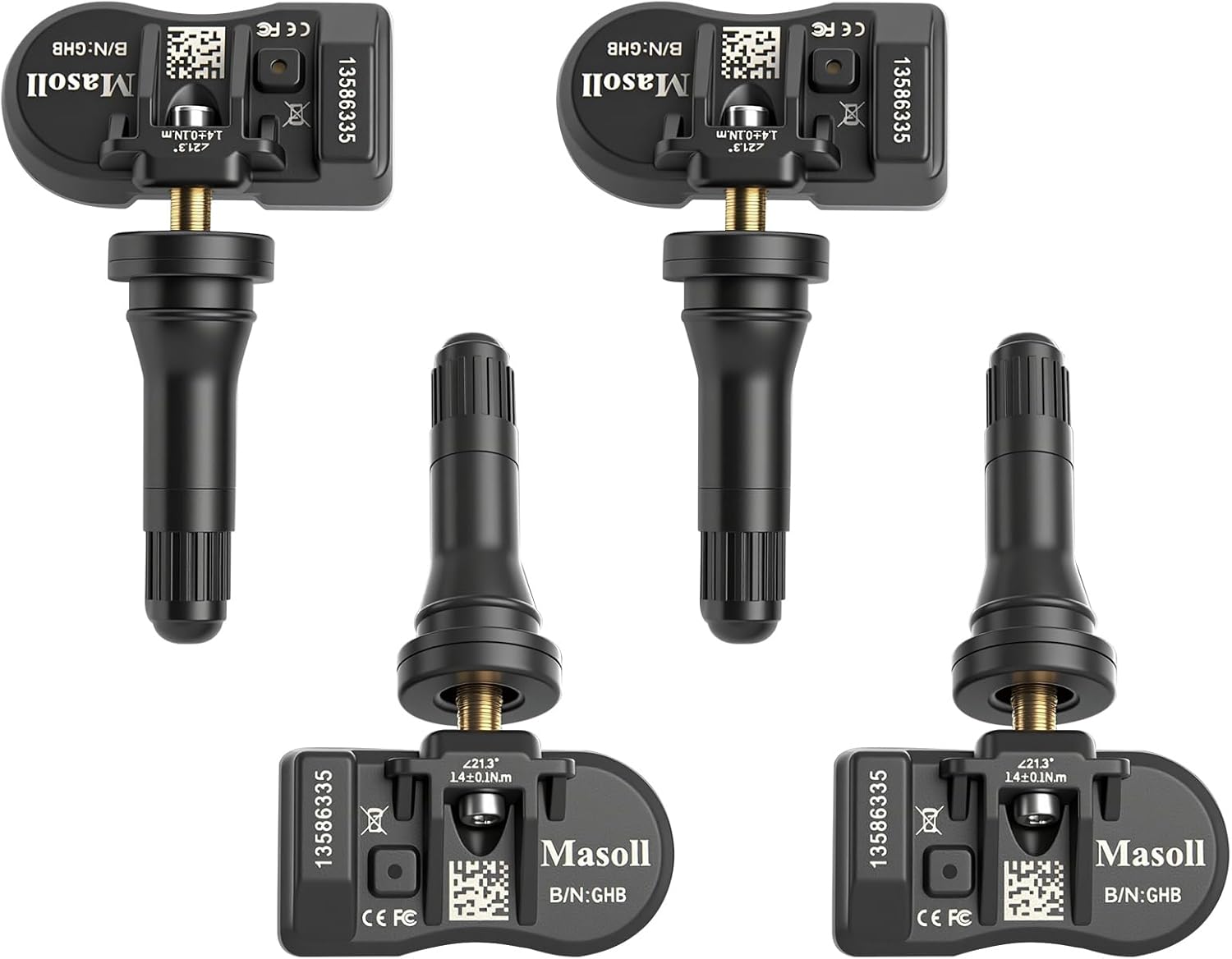
Masoll TPMS sensors are designed for most GM vehicles after 2006, helping you clear tire pressure warnings with OEM-level 315/433MHz compatibility. The 4-pack includes pre-programmed sensors, but re-learning is required after installation using a GM TPMS relearn tool or scan tool. Built with a dual-antenna design and a long-life CR2050 battery, these sensors deliver reliable performance in extreme temperatures with corrosion-resistant valve construction.

Replace your worn or missing TPMS sensors with pre-programmed, direct-fit sensors for compatible Ford, Lincoln, and select Mazda models. Each sensor comes ready to activate with a scan tool, helping restore accurate tire pressure monitoring and trouble-free installation. Built with a long-life CR2032 battery and tested before factory release, this set provides dependable performance with a one-year warranty.
How Do You Maintain Correct Tyre Pressure and TPMS Function?
Maintaining ideal tyre pressure helps your Toyota Hilux handle, brake, and carry loads safely. Proper inflation also reduces uneven tyre wear and can support better fuel economy. Use these habits to keep the system useful:
- Check pressures monthly: Inspect tyre pressure at least once a month and before long trips.
- Use cold readings: Check tyres before driving, because heat raises pressure readings.
- Adjust as needed: Inflate tyres to the pressure listed by Toyota, not the maximum pressure on the tyre sidewall.
- Reset after changes: Reset the TPMS when your model requires it after pressure changes or tyre rotation.
Do not wait for the warning light to check your tyres. Regular checks help you catch small pressure losses before they affect safety.
What Should You Do If the TPMS Light Stays On?
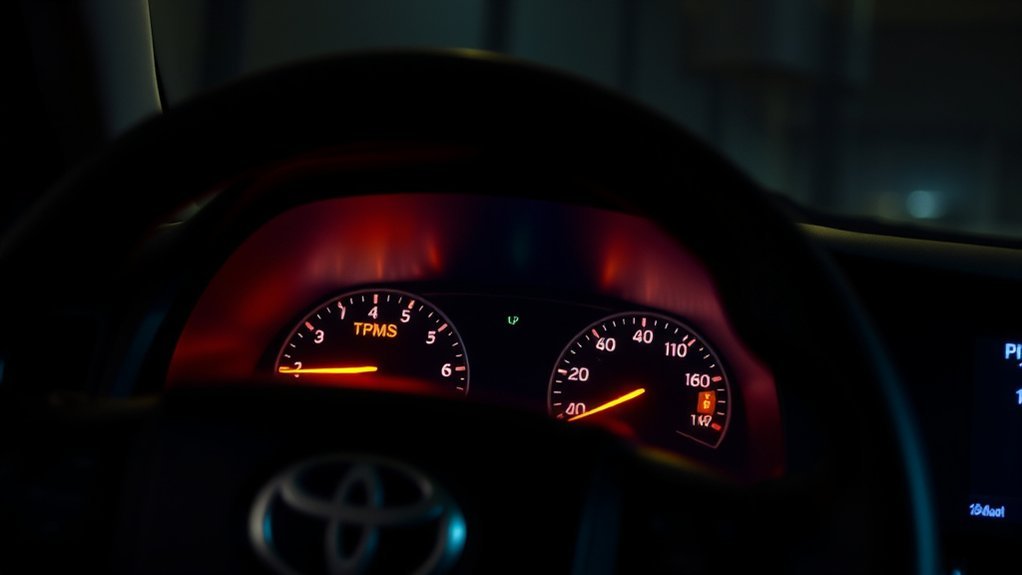
Once you’ve confirmed that your tyre pressures match the recommended levels, watch the TPMS warning light while you drive. Some systems need a short drive before they clear the warning. If the light stays on, reset the TPMS using the correct method for your Hilux.
If the light flashes or returns soon after reset, check for sensor or tyre damage. A flashing TPMS light often means the system cannot read one or more sensors. Ask your local Toyota dealership or a qualified tyre shop to scan the system and identify the fault.
[Products Worth Considering]
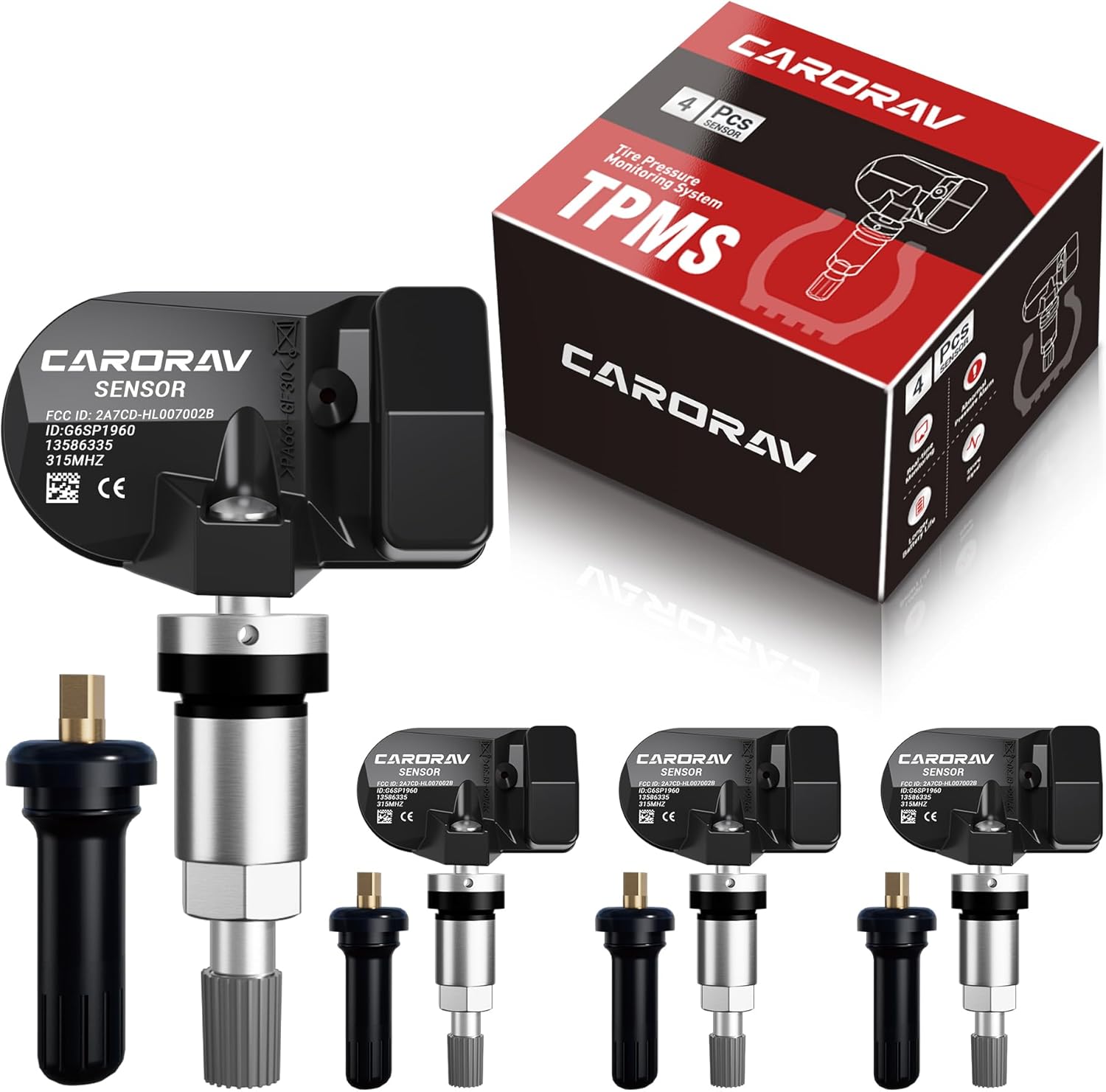
Replace worn or missing TPMS sensors with CARORAV pre-programmed GM-compatible sensors for a smoother installation experience. These 315MHz replacement sensors help monitor tire pressure in real time with long battery life, and they are designed to withstand harsh temperatures. Manual or OBDII relearn may be required to reset the system for proper recognition.

Masoll Gen 2 external TPMS sensors are a DIY replacement set of 4 for select GM vehicles made after 2006, helping you shut off the TPMS warning light quickly. Simply screw the sensors onto the tire valves and sync to your car ECU using the included EL-50448 relearn tool. Dual-frequency 315/433 MHz design provides OEM-level performance with accurate readings and replaceable batteries for about two years.

This TPMS sensor training and relearn reset tool is customized for Ford, Lincoln, and Mercury vehicles to help activate tire pressure programming after sensor replacement or tire rotation. It can activate individual tire pressure sensors with one-button operation, helping prevent TPMS warning light illumination. It is not a sensor programming tool and cannot program replacement sensors—use it to trigger/activate sensors only.
Frequently Asked Questions
How Do Toyota TPMS Sensors Work?
Toyota TPMS sensors monitor tyre pressure and send readings to the vehicle by radio signal. When the system detects low pressure or a sensor fault, it turns on the dashboard warning light. Some sensors also report tyre temperature, depending on the model and market.
Does Toyota Use Direct or Indirect TPMS?
Many Toyota vehicles use direct TPMS, which means sensors measure pressure inside each wheel. Some models, years, or markets may use different systems, so you should check your owner’s manual. A tyre shop or Toyota dealership can also confirm the system type on your Hilux.
Do Hilux Have TPMS?
Many Toyota Hilux models include TPMS, but availability depends on model year, trim level, and market. If your dashboard has the tyre pressure warning symbol, your vehicle has a monitoring system. Your owner’s manual can confirm the exact setup.
Can You Drive With the TPMS Light On?
You can drive a short distance if the tyres look safe and the vehicle handles normally, but you should check pressures as soon as possible. Do not keep driving if a tyre looks flat, damaged, or unstable. Low pressure can damage the tyre and reduce control.
Why Does the TPMS Light Come Back After Reset?
The light can return if a tyre keeps losing air, a sensor has failed, or a new sensor was not registered. It can also return if you reset the system before setting the correct tyre pressures. Recheck every tyre first, then arrange a diagnostic scan if the warning remains.
Conclusion
The Toyota Hilux TPMS helps you catch low tyre pressure before it affects safety, handling, or tyre life. Check your tyre pressures first whenever the warning light turns on. Then inspect for damage, inflate tyres to the correct level, and reset the system if your model requires it. If the light flashes or stays on after those steps, let a Toyota technician or qualified tyre shop diagnose the system. Good tyre care keeps your Hilux safer, steadier, and ready for the next drive.