
Toyota Hilux TPMS Sensor Maintenance: What to Know
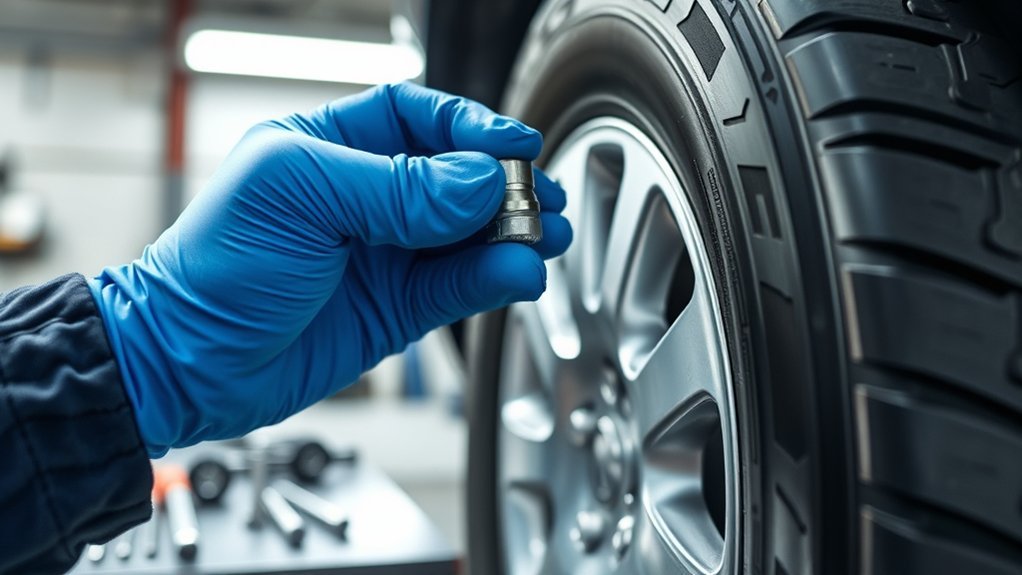
Maintaining your Toyota Hilux TPMS sensors helps you catch low tire pressure before it damages a tire, hurts fuel economy, or affects handling. The system is useful, but it is not a replacement for checking tire pressure with a gauge. Use the TPMS light as an early warning, then confirm the pressure, inspect the tires, and reset or service the system only after the tires are correctly inflated.
Quick Answer
To maintain Toyota Hilux TPMS sensors, check all tires cold with a reliable gauge, inflate them to the pressure on the vehicle placard or owner’s manual, inspect valve stems and tires for damage, reset the TPMS after tire work, and get a scan-tool diagnosis if the light flashes or stays on.
Key Takeaways
- A solid TPMS light usually means one or more tires may be significantly underinflated.
- A flashing TPMS light that later stays on usually points to a system fault, not just low air pressure.
- Always check tire pressure when the tires are cold, before driving or after the Hilux has been parked for several hours.
- After replacing tires, wheels, valve stems, or TPMS sensors, the system may need resetting, relearning, or sensor ID registration.
- If the warning light remains after correct inflation and reset, have the sensors scanned by a tire shop or Toyota service center.
At a Glance
| Time Required | 5–10 minutes for a pressure check; 15–30 minutes for reset and inspection; longer if sensors need programming |
| Difficulty | Easy for pressure checks; moderate to professional for sensor replacement or registration |
| Tools Needed | Accurate tire pressure gauge, air compressor, valve caps, owner’s manual, and a TPMS scan/programming tool if replacing sensors |
| Cost | Usually free for pressure checks; sensor diagnosis or replacement cost varies by market, sensor type, and labor |
How to Identify When Your TPMS Needs Attention
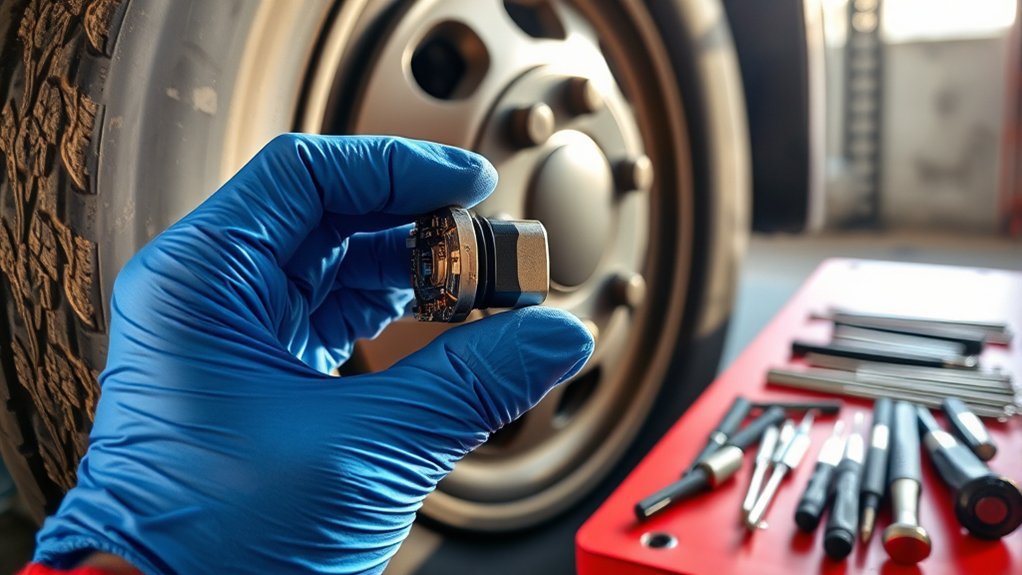
You can usually tell your TPMS needs attention by watching the tire pressure warning light and checking how the Hilux feels on the road. A solid warning light often means one or more tires may be low. A flashing light that turns solid usually points to a TPMS fault, such as a failed sensor, missing sensor ID, or communication problem.
Start with the simple checks first. Park safely, let the tires cool if possible, and check all four tires with a reliable tire pressure gauge. Use the tire pressure shown on your Hilux tire placard or in the Toyota owner’s manual, not the maximum pressure printed on the tire sidewall. The spare tire may or may not be monitored, depending on the model and market, so inspect it manually too.
Warning: If the TPMS light appears with a visible flat tire, a bulge, a cut, a loud air leak, vibration, or sudden pulling, do not keep driving normally. Slow down, stop in a safe place, and inspect the tire before continuing.
Other warning signs include a TPMS light after a tire change, a warning that returns soon after inflation, or no warning when a tire is clearly low. Increased fuel use can also happen when tires are underinflated, but it should not be treated as a TPMS diagnosis by itself. Always confirm with a gauge.
[Products Worth Considering]

EVOULTES heavy duty tire inflator with an integrated gauge delivers accurate pressure readings from 10–120 PSI, helping you inflate, deflate, and check tires in one tool. The 16.5-inch extended dual-head air chuck with swivel base reaches hard-to-access dual wheel valves on trucks and RVs. A brass trigger core and side-mounted air release valve make operation smooth, with standard 1/4" NPT threading and quick-connect compatibility for easy setup.

This portable cordless tire inflator delivers up to 160 PSI with fast 17 L/min airflow to help you quickly top up tires and get back on the road. It features dual power mode, running on a 21V rechargeable battery or a 12V DC adapter for convenient roadside use. An automatic shut-off with digital pressure gauge helps prevent overinflation, and a built-in LED light improves visibility in low-light conditions.
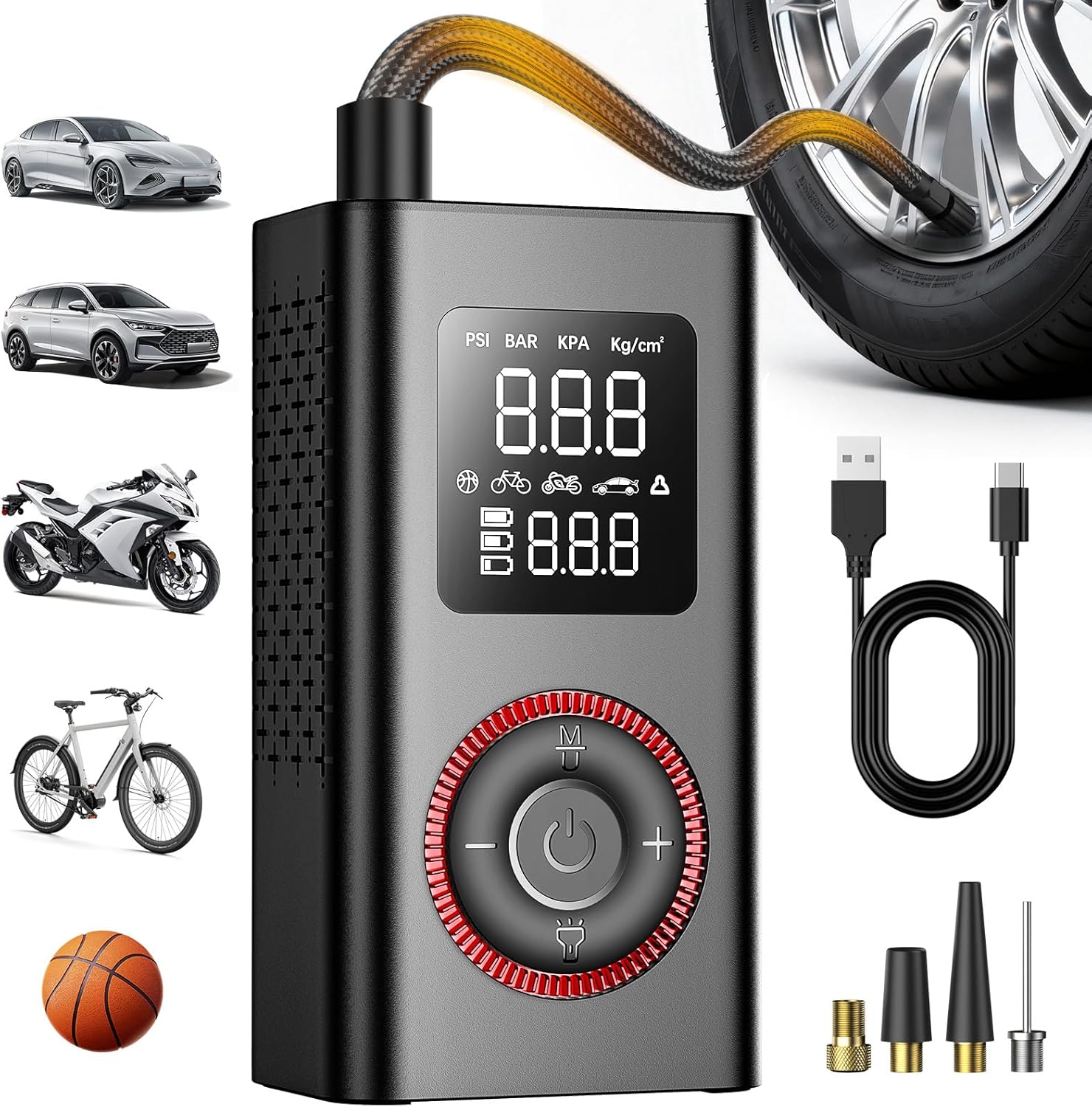
This portable tire inflator delivers fast, efficient inflation with a maximum 150 PSI rating and accurate pressure control for cars, motorcycles, bikes, and more. It features preset modes with automatic shutoff to help prevent overinflation, plus a real-time digital gauge and bright LED light for roadside use. Powered by a rechargeable 6000mAh battery with Type-C charging and a USB output, it’s also useful as an emergency power source for devices.
What Solid and Flashing TPMS Lights Mean
The tire pressure warning light gives you important clues. Understanding the light pattern helps you decide whether to add air, reset the system, or schedule service.
| Light Behavior | Likely Meaning | What to Do |
| Solid light | One or more tires may be significantly underinflated | Check all tires cold, inflate to the placard pressure, then drive and confirm the light goes out |
| Light comes on during cold weather, then turns off | Pressure may be near the warning threshold and changing with temperature | Check pressure cold and adjust all tires to the correct specification |
| Flashes first, then stays on | Possible TPMS malfunction | Check pressure, then have the system scanned if the light returns |
| Light after tire or wheel replacement | Sensor damage, missing sensor, wrong sensor, or ID registration needed | Return to the installer or use a TPMS scan tool to confirm sensor IDs and signal |
In U.S.-regulated light vehicles, federal TPMS rules require a low-pressure warning when tire pressure reaches the required underinflation threshold, commonly tied to 25% below the vehicle manufacturer’s recommended cold inflation pressure. NHTSA also warns that TPMS is not a substitute for monthly manual tire checks. See the 49 CFR 571.138 TPMS standard and NHTSA TireWise guidance for the safety basis behind these warnings.
Common Causes of TPMS Sensor Failures
When monitoring your TPMS, understanding the common causes of sensor failure helps you fix small issues before they become repeat warnings. Many Hilux models use direct TPMS sensors mounted at the valve stem inside the wheel. These sensors send pressure information to the vehicle, so damage, weak batteries, incorrect sensors, or missing registration can trigger a warning.
- Low or sealed sensor battery: Many direct TPMS sensors use sealed internal batteries. When the battery weakens, the sensor is usually replaced as a complete unit.
- Physical damage: Tire machines, curb impacts, corrosion, road debris, or broken valve stems can damage the sensor or valve hardware.
- Improper installation: A sensor can leak, sit incorrectly, or fail to communicate if installed with the wrong service kit or torque.
- Wrong or unregistered sensor: After replacing a sensor, the Hilux may need the new sensor ID registered or relearned with a compatible TPMS tool.
- Temperature swings: Cold weather can lower tire pressure enough to trigger a warning, especially when pressure was already marginal.
- Wheel or tire changes: Aftermarket wheels, winter wheel sets, or tire swaps can create TPMS warnings if sensors are missing, incompatible, or not programmed.
Note: A TPMS warning is not always a bad sensor. Most diagnosis should begin with actual tire pressure, tire condition, and valve-stem inspection before replacing parts.
Resetting Your TPMS Light After Maintenance
To make sure your Toyota Hilux TPMS light resets properly after maintenance, start by confirming that every tire is inflated to the recommended cold pressure. If the tire pressure is still wrong, the light may remain on even if the sensors are working.
Next, follow the reset method for your exact Hilux model year and market. Some versions use a reset button, some use a dashboard menu, and some require driving for a short learning period. Direct TPMS systems may also need sensor ID registration after replacing sensors, wheels, or tires. If the owner’s manual gives a specific sequence, use that sequence first.
- Park safely and let the tires cool: Cold pressure readings are most accurate before driving or after the vehicle has been parked for several hours.
- Check all tires with a gauge: Include the spare if your Hilux carries one, even if it is not monitored by TPMS.
- Inflate to the placard pressure: Use the Hilux tire placard or owner’s manual, not the number molded into the tire sidewall.
- Inspect valve stems: Look for cracks, corrosion, missing caps, leaks, or loose stems.
- Run the reset procedure: Use the reset button, instrument-cluster menu, or owner’s manual process for your model.
- Drive and recheck: Some systems need a short drive before the warning clears.
- Scan if the light returns: A TPMS scan tool can read sensor IDs, pressure, battery status, and fault codes.
Pro Tip: Reset the TPMS only after correcting tire pressure. Resetting while a tire is low can teach the system the wrong baseline on indirect systems or delay the real fix on direct systems.
Why Regular Checks of Your TPMS Sensor Matter
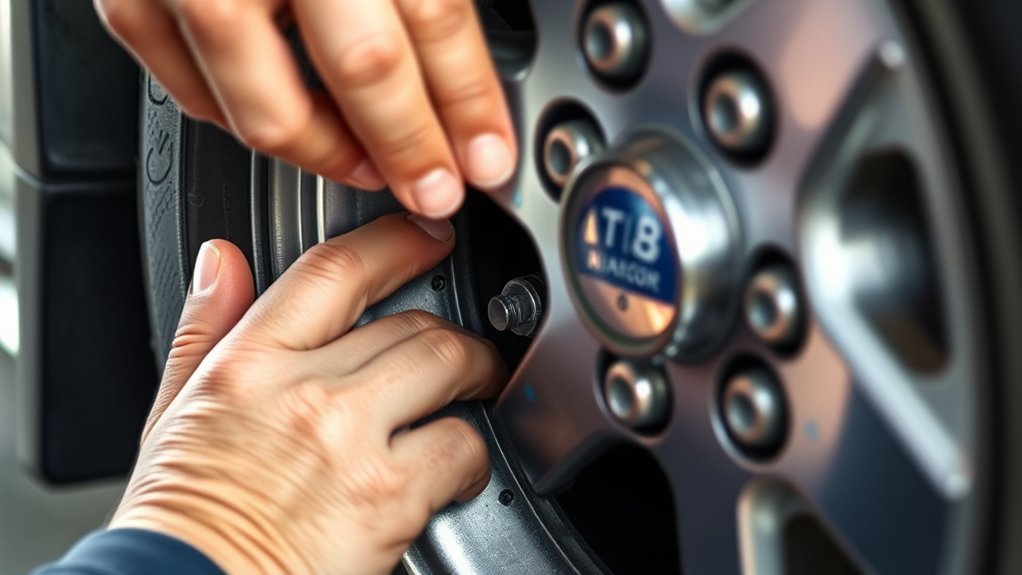
Regular checks of your TPMS sensor are essential for maintaining accurate warnings and preventing tire damage. TPMS helps you catch pressure problems, but it does not remove your responsibility to inspect the tires. NHTSA recommends monthly tire pressure checks with an accurate gauge, because underinflated tires can be hard to spot by eye.
Importance of Sensor Accuracy
Accurate TPMS sensor readings help maintain ideal tire performance. A faulty sensor can fail to warn you about underinflation, while a tire with low pressure can overheat, wear unevenly, and lose load-carrying strength. Proper pressure also helps handling, braking feel, tread life, and fuel economy.
Sensor accuracy depends on the sensor, valve condition, wheel setup, tire pressure, and system calibration. If your Hilux has direct TPMS, the sensor battery and signal matter. If it uses an indirect system, tire size, rotation, pressure baseline, and reset timing can affect the warning.
FuelEconomy.gov states that keeping tires properly inflated can improve gas mileage by 0.6% on average and up to 3% in some cases.
Preventing Tire Damage
Routine checks protect your tires and help your Hilux stay stable under load. This matters even more if you tow, carry cargo, drive off-road, or use the truck in hot weather.
- Detect pressure loss early: A slow leak can become dangerous before the tire looks flat.
- Improve fuel efficiency: Correct pressure reduces unnecessary rolling resistance.
- Extend tire lifespan: Proper inflation helps prevent shoulder wear, heat buildup, and casing stress.
- Reduce roadside risk: Finding a nail, valve leak, or damaged sidewall early can prevent a breakdown.
Essential Maintenance Tips for Your TPMS Sensors

To keep your Toyota Hilux TPMS sensors working well, combine manual tire checks with sensor-aware tire service. A TPMS sensor is small, but it depends on a good valve seal, correct installation, and correct registration with the vehicle.
| Maintenance Task | Frequency | Why It Matters |
| Check tire pressure cold | Monthly and before long trips | Confirms real pressure instead of relying only on the warning light |
| Inspect valve stems and caps | Monthly | Prevents leaks, corrosion, and contamination around the TPMS valve |
| Inspect tires for cuts, nails, bulges, and uneven wear | Monthly and after off-road driving | TPMS may not warn about every type of tire damage |
| Reset TPMS after pressure correction or tire work | As needed | Helps the system recognize the corrected pressure baseline |
| Scan TPMS sensor IDs and battery status | When the light flashes, persists, or after sensor replacement | Confirms whether the fault is a sensor, registration, receiver, or tire issue |
If you drive with heavy loads, adjust pressure only according to the Hilux tire placard or owner’s manual for your load condition. Do not guess or inflate to the maximum sidewall number unless the manual specifically calls for it.
How to Handle a Faulty TPMS Sensor
If a faulty TPMS sensor activates the warning light despite normal tire pressure, deal with it promptly. A failed sensor may stop the system from warning you when a tire actually becomes low.
- Verify tire pressure: Check all tires cold with a gauge and compare them with the placard pressure.
- Inspect for tire damage: Look for punctures, cuts, bulges, sidewall cracks, uneven wear, and leaking valve stems.
- Confirm the light pattern: A solid light points first to pressure. A flashing-then-solid light points more toward a system fault.
- Reset only after correction: Use the Hilux reset process after the pressure is correct.
- Scan the sensors: A TPMS tool can show whether each sensor is transmitting, whether the battery is weak, and whether the sensor ID is registered.
- Replace the sensor if needed: If the sensor battery or transmitter has failed, replacement is usually the proper repair.
When replacing a sensor, use a compatible sensor for your Hilux model year and market. Many aftermarket sensors work well when they match the frequency, protocol, and programming requirements, but low-quality or incorrectly programmed sensors can cause repeat warnings.
[Products Worth Considering]

The JACO FlowPro Tire Inflator measures, inflates, and airs down tires up to 100 PSI with battery-free operation and ±2% accuracy after calibration. It features a glowing pressure dial for night visibility, a heavy-duty steel build with a hybrid hose, and a precision push-to-inflate thumb trigger. The patented Lightning Air Chuck locks on for a secure seal, and the kit includes quick-connect hardware for easy inline use with your air compressor.

This multi-function tire valve stem removal tool set makes it fast to remove, install, bleed, and clean valve cores for easier tire maintenance. It includes valve core removers, a 4-way spool tool, replacement valve caps, and spare cores to handle replacements and repairs with confidence. Universal compatibility suits cars, trucks, motorcycles, bicycles, and more for roadside convenience.
When to Seek Professional Help for TPMS Issues
Seek professional help if the TPMS warning light stays on after all tires are correctly inflated, if the light flashes before staying on, or if the warning appeared right after new tires, wheels, or sensors were installed. A tire shop or Toyota service center can test each sensor instead of guessing.
Professional diagnosis is also smart if you notice unusual handling, repeated pressure loss, a damaged valve stem, or increased fuel consumption with no clear tire-pressure issue. A technician can check for slow leaks, sensor signal strength, stored fault codes, sensor IDs, and receiver communication problems.
After sensor replacement, some Hilux models need the new IDs programmed into the vehicle. If this step is skipped, the TPMS light may stay on even when the new sensor is good.
Checking if Your TPMS Sensor Is Working Properly
To check if your TPMS sensor is working properly, start with the tire pressure warning light, then confirm with manual pressure readings. A working system should respond correctly to tire pressure changes and should not flash a malfunction warning during normal driving.
Common Sensor Issues
While regular tire maintenance is essential for safety, making sure your TPMS sensor works correctly is just as important. Watch for these common problems:
- Weak sensor battery: A sealed internal battery can fail after years of service and usually requires sensor replacement.
- No signal from one wheel: A scan tool may show a dead sensor, broken valve stem, or sensor ID problem.
- Wrong sensor after tire work: A replacement wheel set may have incompatible or unprogrammed sensors.
- Pressure mismatch: The dashboard may show a warning even though one tire is only low when checked cold.
- Leak at valve stem: Corrosion, a damaged seal, or loose hardware can cause slow pressure loss.
Visual Inspection Techniques
A thorough visual inspection of your TPMS sensors and tires can prevent unexpected tire issues. Start by examining each tire for punctures, cuts, sidewall bulges, exposed cords, or uneven wear. Check the valve stems for cracks, corrosion, missing caps, or signs of air leakage.
Make sure the valve stem sits straight and is not loose. If the valve stem moves, leaks, or looks damaged, have it repaired before driving far. Also check whether the TPMS light appears during the ignition lamp check. If the light never appears during the bulb check, the warning system itself may need diagnosis.
Testing Tire Pressure Accuracy
Verifying your TPMS sensor starts with a manual gauge. Tire pressure changes as tires warm up, so a cold check is the best baseline.
- Use a reliable gauge: Digital or quality dial gauges are usually easier to read than cheap pencil gauges.
- Check tires cold: Measure before driving or after the Hilux has been parked for several hours.
- Use the vehicle placard: The correct pressure is the Toyota recommendation for your tire size and load, not the tire’s maximum sidewall pressure.
- Compare all tires: A single low tire may indicate a puncture, leaking valve, or rim leak.
- Recheck after inflation: Add air slowly and confirm the pressure again before replacing the valve cap.
If the TPMS light stays on after pressures are correct and the reset procedure is complete, the issue is probably not normal tire pressure. Have the TPMS scanned for sensor, receiver, or registration faults.
Direct vs Indirect TPMS on a Toyota Hilux
Hilux TPMS design can vary by model year and market. Some vehicles use direct TPMS, where each wheel has a pressure sensor. Others may use an indirect TPMS, where the system estimates pressure changes through wheel-speed data.
| System Type | How It Works | Maintenance Difference |
| Direct TPMS | Sensors inside the wheels measure pressure and send data to the vehicle | Sensors, valve hardware, batteries, and sensor IDs may need service or registration |
| Indirect TPMS | The vehicle estimates pressure loss using wheel-speed and related data | Correct pressure and proper reset after tire work are especially important |
If you are unsure which system your Hilux has, check the owner’s manual, ask a Toyota dealer, or have a tire shop scan the vehicle. This matters because a direct sensor can fail electronically, while an indirect system may need a reset after tire rotation, replacement, or pressure correction.
Frequently Asked Questions
How do temperature changes affect TPMS sensor performance?
Temperature changes affect tire pressure, which can trigger the TPMS light even when there is no puncture. Cold weather can lower pressure enough to cross the warning threshold. Check pressures cold and adjust them to the Hilux placard pressure instead of simply resetting the light.
Can I replace my TPMS sensors myself?
You can replace TPMS sensors yourself only if you have the right tire equipment, valve hardware, torque specs, compatible sensors, and a TPMS programming or relearn tool. For most owners, a tire shop or Toyota service center is safer because the tire must often be dismounted and the sensor ID may need registration.
What tools do I need for TPMS maintenance?
For basic TPMS maintenance, you need a reliable tire pressure gauge, an air source, valve caps, and your Hilux owner’s manual. For sensor diagnosis or replacement, you may also need a TPMS scan tool, valve service kit, torque tools, and a programming or relearn tool.
Does tire pressure impact TPMS sensor lifespan?
Tire pressure does not usually drain a direct TPMS sensor battery by itself, but poor tire maintenance can create heat, leaks, corrosion, and tire damage that lead to more service issues. Keeping the tires correctly inflated protects the tires and helps the TPMS do its job.
Are aftermarket TPMS sensors reliable for my Toyota Hilux?
Aftermarket TPMS sensors can be reliable if they match your Hilux’s required frequency, protocol, valve type, and programming method. Choose a quality brand, confirm compatibility by model year and market, and make sure the installer registers or relearns the sensor IDs correctly.
Why is my TPMS light still on after I added air?
The light may stay on if one tire is still below the correct cold pressure, the system has not completed its drive cycle, the TPMS was reset incorrectly, a valve is leaking, or a sensor fault exists. Recheck all tires cold, follow the reset procedure, and have the system scanned if the light returns.
Do I need to reset TPMS after rotating tires on a Hilux?
You may need to reset or relearn TPMS after tire rotation, depending on your Hilux system. Direct systems may need sensor position recognition, while indirect systems often need a new baseline after pressures are corrected. Check your owner’s manual for the exact procedure.
Conclusion
Staying on top of your Toyota Hilux TPMS is a simple safety habit that protects your tires, fuel economy, and handling. Check tire pressure monthly with a gauge, use the correct cold-pressure specification, inspect valve stems and tires, and reset the system only after the pressure is right. If the warning light flashes, stays on, or returns after tire work, treat it as a system fault and have the TPMS scanned. A few minutes of checking can prevent tire damage, avoid repeat warnings, and keep your Hilux safer on the road.
Sources
- NHTSA TireWise — supports monthly tire pressure checks, TPMS warning meanings, and the warning that TPMS is not a substitute for tire maintenance.
- 49 CFR 571.138 — Tire Pressure Monitoring Systems — supports TPMS low-pressure and malfunction warning requirements.
- FuelEconomy.gov — Keeping Your Vehicle in Shape — supports the fuel economy benefit of proper tire inflation.
- Toyota UK Owner’s Manuals — supports using the owner’s manual for model-specific Hilux procedures.
- Toyota UK Warning Signs and Sensors — supports consulting Toyota guidance or a dealer for warning-light information.

Related Articles

Toyota Hilux Run-Flat Tires: What You Need to Know
Take control of your safety with Toyota Hilux run-flat tires; discover their benefits and hidden costs that could change your driving experience forever.
Read More
Effects of Underinflated Tires on the Toyota Hilux
Inadequate tire pressure in your Toyota Hilux can lead to serious safety issues and costly repairs; discover how to avoid these pitfalls.
Read More
The Risks of Overinflating Toyota Hilux Tires
Overinflating your Toyota Hilux tires can lead to dangerous blowouts and uneven wear, but understanding the risks is crucial for your safety.
Read More