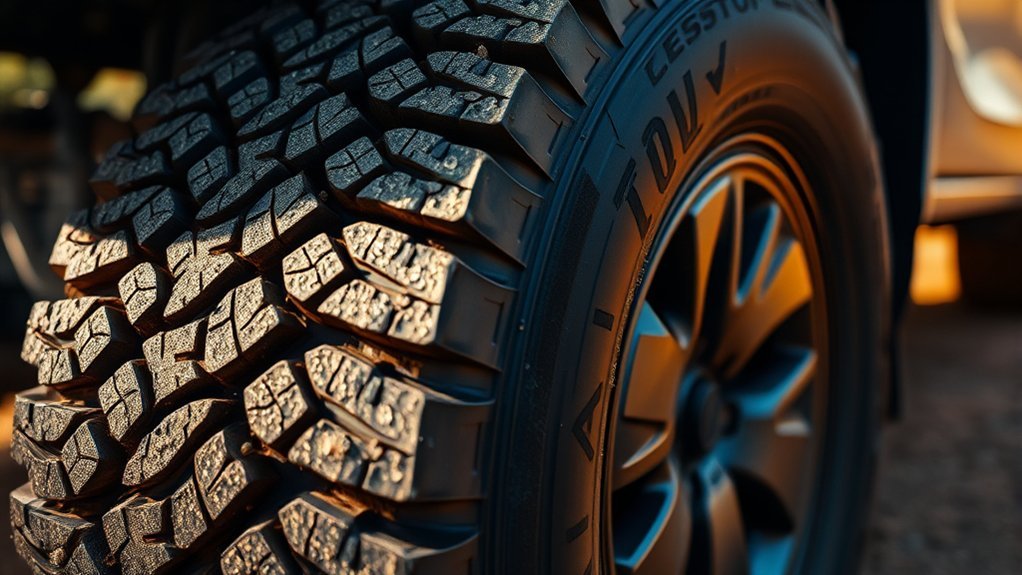
All-season tire compounds can make your Toyota Hilux easier to live with year-round, especially if you drive in mixed dry, wet, and mild cold conditions. The right tire compound helps balance grip, tread life, rolling resistance, and wet-road control, but it still needs to match your Hilux tire size, load rating, driving conditions, and the pressure shown on your vehicle placard or owner’s manual.
Quick Answer
All-season tire compounds help a Toyota Hilux by staying flexible enough for everyday wet, dry, and mild cold driving while resisting wear better than a dedicated winter tire in warm weather. They improve grip through rubber chemistry, tread grooves, and sipes, but they are not a substitute for winter-rated tires in regular snow, ice, or severe cold.
Key Takeaways
- All-season tires are best for Hilux drivers who face changing weather but not constant ice, deep snow, or extreme winter roads.
- Modern rubber compounds use blends of polymers, fillers, and tread additives to balance wet grip, durability, and fuel efficiency.
- Tread grooves and sipes help move water away from the contact patch, reducing hydroplaning risk when tires have enough tread depth.
- Hilux tire pressure is not one universal PSI number; use the cold pressure on the door placard, owner’s manual, or Toyota’s tire-size guidance.
- For towing, payload, off-road driving, or LT/C-rated replacements, confirm size and load rating with a qualified tire professional.
At a Glance
| Time Required | 10–15 minutes for a monthly tire check |
| Difficulty | Easy for pressure and visual checks; professional help recommended for alignment, balancing, repairs, or non-standard fitment |
| Tools Needed | Tire pressure gauge, air compressor, tread depth gauge or coin, flashlight, and your Hilux owner’s manual |
| Cost | Usually $0–$20 for basic checking tools; tire rotation, balancing, alignment, and repairs vary by shop |
Key Benefits of All-Season Tires for Versatile Driving

When you consider the diverse driving conditions the Toyota Hilux often encounters, all-season tires can be a practical choice for daily use, highway trips, light-duty hauling, and changing weather. They blend some traits of summer and winter tires, giving you a single tire option for dry roads, wet roads, and light snow without changing tire sets every season.
The main benefit is balance. All-season tire compounds are designed to stay usable across a wider range of everyday temperatures than a summer tire, while also resisting the fast warm-weather wear you would get from running a soft winter tire year-round. They also use tread grooves and biting edges to help maintain control on rainy roads and in mild winter conditions.
Warning: Do not treat standard all-season tires as a replacement for winter tires if you regularly drive on ice, deep snow, slush, mountain passes, or freezing roads. Michelin notes that all-season tires are designed for moderate climates and light snow, while winter tires are the safer choice for regular snow, ice, and freezing conditions.
For Hilux drivers in mild or mixed climates, the convenience is clear: fewer seasonal tire swaps, steady wet-road performance, and reasonable tread life. For drivers who tow, carry heavy loads, drive off-road, or live in severe winter areas, tire choice should be more specific than “all-season” alone.
How All-Season Tire Compounds Improve Grip and Durability on the Toyota Hilux
All-season tire compounds improve grip and durability by balancing several competing needs. A Hilux tire has to hold the road, resist heat, carry vehicle weight, shed water, and wear evenly. To do that, manufacturers blend natural rubber, synthetic rubber, polymers, reinforcing fillers, oils, and other materials into the tread compound.
Modern compound technology can improve wet grip, fuel efficiency, wear resistance, and durability. Bridgestone, for example, describes its NanoPro-Tech material technology as a way to improve tire properties such as fuel efficiency, wet grip, wear resistance, and durability. That is the type of engineering goal all-season tires aim for: enough grip for changing conditions without giving up too much tread life.
On a Toyota Hilux, that balance matters because the vehicle may be used as a family pickup, work truck, tow vehicle, or light off-road vehicle. A soft compound can grip well but may wear faster under load or heat. A harder compound may last longer but can lose wet or cold traction. A quality all-season compound sits between those extremes.
Note: Tire compound is only one part of performance. Tire size, load index, speed rating, tread pattern, tread depth, air pressure, wheel alignment, and driving style all affect how your Hilux handles.
Essential Features of All-Season Tire Tread Design
While the compound controls flexibility and wear, the tread pattern controls how the tire meets the road. A good all-season tread design gives your Toyota Hilux a larger, more stable contact patch on dry pavement while still providing channels for rainwater and small biting edges for mild winter traction.
Here are the key tread features to look for:
- Circumferential grooves: These long channels help move water away from the tire’s contact patch, which helps reduce hydroplaning risk in rain.
- Lateral grooves: These grooves move water outward and improve grip during braking and cornering on wet roads.
- Sipes: These small slits create biting edges for light snow and cold wet pavement.
- Stable tread blocks: Firmer blocks support dry handling and steering response, especially on a heavier pickup like the Hilux.
- Even void spacing: Balanced spacing helps reduce noise while still allowing water evacuation.
Deep, open grooves can help in wet conditions, but tread design cannot overcome worn rubber. Once tread depth is too low, the tire loses the channels it needs to move water. In the United States, federal inspection guidance uses 2/32 inch as a minimum tread depth threshold, but wet-weather performance can decline before that point. For frequent rain, towing, or winter driving, inspect sooner and replace before the tire becomes marginal.
[Products Worth Considering]

These aluminum alloy tire valve stem caps with an O-ring seal help protect valve stems from corrosion while adding a clean, stylish look to your vehicle. The universal fit works across cars, trucks, motorcycles, bicycles, and more, making them an easy upgrade for everyday driving and off-road use. Installation is quick, and the included four-pack keeps all your tires dressed and protected.

The SAFELIFE dial tire tread depth gauge measures tread depth in 1/32 inch increments with clear, easy-to-read 2-inch dial face. Color zones using a traffic light system help you quickly judge whether tread is low, marginal, or ample for safer driving. Built with a durable zinc cast body and a metal detect probe for precise, comfortable use across cars, motorcycles, trucks, and buses.

Monitor tire tread wear with a smart, color-coded depth gauge that shows clear condition ranges at a glance. The bar is range marked for fast, easy readings, helping you maintain safer traction and performance. Each gauge is portable with a pocket clip, and the set includes 20 units for daily use and sharing.
How Rubber Technology Boosts All-Season Tire Performance
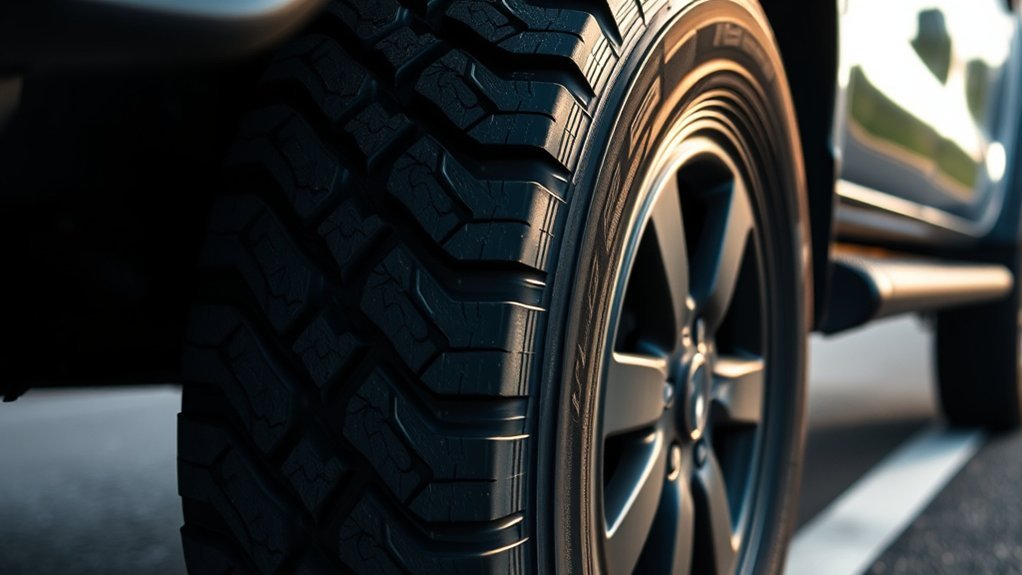
Rubber technology boosts all-season tire performance by helping the tread stay useful in more than one condition. In warm weather, the compound must resist heat buildup and wear. In rain, it must keep enough flexibility and grip to maintain contact with the road. In mild cold, it must avoid becoming too stiff.
Manufacturers often use advanced fillers and polymer systems to improve the “triangle” of tire performance: grip, durability, and rolling resistance. This matters on a Hilux because pickups place real demands on tires during braking, cornering, towing, and carrying payload. A tire that works well on a small car may not be the best match for a loaded pickup.
When comparing all-season tire options, do not judge the compound from marketing words alone. Look for the correct size, load rating, speed rating, treadwear warranty, wet traction rating, and whether the tire is designed for SUVs, pickups, light trucks, or commercial-style use. If your Hilux uses LT or C-rated tires, confirm that any replacement tire meets the required load capacity.
All-Season vs. All-Weather vs. Winter Tires for a Toyota Hilux
The terms sound similar, but they do not always mean the same thing.
- All-season tires are built for dry, wet, and light winter use in moderate climates. They are convenient, but they are not the best choice for severe snow and ice.
- All-weather tires are usually a stronger year-round option for drivers who see more winter weather. Many carry the Three-Peak Mountain Snowflake, or 3PMSF, symbol.
- Winter tires are designed for regular freezing temperatures, snow, ice, and slush. Michelin advises winter tires if you regularly drive in snow, ice, or freezing temperatures, even if your vehicle has AWD or 4WD.
The Hilux’s 4WD system can help you move forward on loose or slippery surfaces, but it does not shorten braking distance by itself. Braking and cornering still depend heavily on the tires. If your winter roads are severe, choose winter-rated tires rather than relying on drivetrain alone.
[Products Worth Considering]

Measure tire tread depth quickly and accurately with this LUMITECO dial gauge that reads in 1/32" increments up to 14/32". The color-coded green/yellow/red zones make it easy to judge tire wear and know when replacement is needed. A rugged, compact design with a protective pouch helps keep the gauge ready for use on cars, trucks, motorcycles, and more.

Accurately measure tire tread depth with a calibrated gauge marked from 0 to 1 inch in 1/32 inch increments. The color-coded bar helps you quickly identify tread condition ranges, supporting safe driving for trucks, motorcycles, automobiles, and passenger vehicles.

Milton S-921 pencil tire pressure gauge helps you maintain optimal tire pressure for passenger cars with accurate readings in PSI and kPa. It features a built-in deflator valve for convenient pressure adjustments, plus a single chuck head and nylon indicator bar for easy use on the go. Built from durable plated brass and designed for reliable performance, it’s a practical road trip and cold-weather maintenance tool.
Choosing the Right All-Season Tires for Your Toyota Hilux
Before buying all-season tires for a Hilux, check the tire information placard, owner’s manual, and current sidewall. Match these details first:
- Tire size: Common Hilux sizes vary by market and trim, so do not assume another Hilux uses the same size as yours.
- Load index or load range: This is critical for payload, towing, work use, and off-road gear.
- Speed rating: Match the manufacturer’s requirement or a professionally approved alternative.
- Construction type: LT, C-rated, and passenger-style tires are not always interchangeable without expert guidance.
- Driving conditions: Highway commuting, gravel roads, job sites, towing, and winter roads may require different tread priorities.
Pro Tip: If you tow, carry tools, add a canopy, install off-road accessories, or run non-standard tire sizes, ask a tire professional to confirm load capacity and inflation guidance before buying.
[Products Worth Considering]

Upgrade your Toyota’s wheels with durable aluminum alloy valve stem caps that help protect valve cores from corrosion and direct exposure to road grime, clay, water, and snow. Rubber rings improve sealing to help prevent air leakage and maintain stable tire pressure for safer driving. These caps are easy to install or remove without tools and add a unique, stylish look to your car.

Measure tyre tread depth precisely with a digital gauge that reads in both MM and inches, helping you monitor safe driving conditions. The large LCD screen is easy to operate, and the compact tool fits for cars, trucks, and motorcycles. It provides high accuracy with a 0-25.4mm range and includes a 1-year warranty for added peace of mind.

TIRESHIELD PRO RV tire covers in a set of four deliver year-round protection against UV rays, cracking, fading, water, and snow. The StormLock-System helps keep the covers securely fastened through high wind, while heavy-duty, double-stitched construction supports long-lasting performance. Designed for universal fit, they’re intended for RV, camper, truck, car, and trailer tires within the 26–28.75 inch diameter range, with easy wipe-clean care and storage in the included bag.
Maintenance Tips to Extend the Life of Your All-Season Tires
To keep your all-season tires on your Toyota Hilux performing at their best, regular maintenance is essential. Use this simple checklist:
- Check tire pressure cold: NHTSA says the correct pressure is the vehicle manufacturer’s recommended cold inflation pressure, measured when the tire has not been driven for at least three hours. Use the Hilux placard, certification label, or owner’s manual.
- Use the right Hilux pressure for your tire size: Toyota’s published UK guide gives Hilux examples of 35 psi for 225/70 R17 and 29 psi for 265/65 R17 or 265/60 R18, but your exact vehicle placard and manual should take priority.
- Rotate regularly: The Tire Industry Association recommends rotation every 5,000–7,000 miles, depending on the vehicle. For 4WD/AWD use, the pattern may differ from a two-wheel-drive vehicle, so follow your manual or tire shop guidance.
- Inspect tread depth: Replace tires at or before the legal minimum in your region. For wet roads or winter use, do not wait until the tread is nearly gone.
- Look for uneven wear: Feathering, cupping, shoulder wear, or one tire wearing faster than the others can point to alignment, suspension, pressure, or balancing issues.
- Check for damage: Cuts, cracks, bulges, exposed cords, punctures, and sidewall bubbles need professional inspection. Do not continue driving on a tire with structural damage.
- Clean the tires: Use mild soap and water to remove mud, road salt, and grime. Avoid harsh petroleum-based cleaners that can dry or damage rubber.
- Recheck after heavy use: Inspect tires after towing, off-road driving, pothole impacts, long highway trips, or carrying heavy payloads.
When to Replace All-Season Tires on a Hilux
Replace or professionally inspect your all-season tires if you notice any of these signs:
- Tread wear bars are flush with the tread.
- Tread depth is near the legal minimum or wet traction has noticeably declined.
- Sidewalls show cracking, bulges, bubbles, or cuts.
- The Hilux vibrates at speed after balancing or after a pothole hit.
- One tire wears much faster than the others.
- The tire has repeated punctures or a puncture near the shoulder or sidewall.
- The tires are older and the rubber has hardened, even if tread remains.
Because the Hilux may carry more weight than a typical passenger car, do not ignore tire age, load rating, or uneven wear. A tire can have visible tread and still be unsafe if the structure is damaged.
Frequently Asked Questions
How does Toyota Tire and Wheel Protection work?
Toyota Financial Services says Tire & Wheel Protection can cover repair or replacement costs for tires or wheels damaged by eligible road hazards or defects, plus certain associated costs such as mounting, balancing, valve stems, disposal fees, and taxes. Exact coverage depends on your agreement, market, and plan terms, so read the contract before assuming alignment, cosmetic damage, or every road incident is covered.
How do all-season tires work?
All-season tires work by combining a balanced rubber compound with tread grooves, tread blocks, and sipes. The compound helps the tire stay usable in dry, wet, and mild cold conditions, while the tread design helps move water away and adds biting edges for light snow. They are built for balance, not for extreme summer performance or severe winter traction.
What is the correct tyre pressure for a Toyota Hilux?
The correct Toyota Hilux tyre pressure depends on tire size, model, load, and market. Toyota’s UK guide lists Hilux examples such as 35 psi for 225/70 R17 and 29 psi for 265/65 R17 or 265/60 R18, but you should always use the cold pressure shown in your owner’s manual or driver-side door placard for your exact vehicle.
Are all-season tires good for a Toyota Hilux in snow?
They can work in light snow if they have adequate tread depth, correct pressure, and a suitable tread design. For frequent snow, ice, freezing pavement, or mountain driving, choose winter tires or an all-weather tire with the 3PMSF symbol. A Hilux with 4WD still needs the right tires for braking and cornering.
Can I use passenger all-season tires on a Hilux?
Only if the tire size, load index, speed rating, and construction match what your Hilux requires. Many pickups need higher load capacity than a normal passenger car tire provides, especially when towing, hauling, or driving off-road. Confirm the replacement with your owner’s manual, tire placard, or a qualified tire professional.
How often should I rotate all-season tires on a Hilux?
A common interval is every 5,000–7,000 miles, but your owner’s manual and tire warranty should guide the final schedule. Four-wheel-drive vehicles may use a different rotation pattern than two-wheel-drive vehicles, and directional tires may have special limits.
Conclusion
All-season tires can be a strong everyday match for a Toyota Hilux when you want balanced grip, durability, wet-road control, and mild winter capability from one tire set. The compound helps manage flexibility and wear, while the tread design helps drain water and add light-snow traction. The key is choosing the right tire for your Hilux’s size, load rating, and climate, then maintaining cold pressure, tread depth, rotation, and alignment. If your roads involve regular snow, ice, heavy towing, or demanding off-road work, step beyond generic all-season advice and choose a tire built for those conditions.
Sources
- NHTSA TireWise — cold inflation pressure, placard guidance, and tire safety basics.
- Toyota UK Tyre Pressure and Size Guide — Toyota pressure examples and guidance to use the handbook or driver-side door recess.
- Tire Industry Association: Tire Rotation — rotation interval and rotation-pattern guidance.
- Michelin Winter Tire Buying Guide — all-season limits, winter tire use, and 3PMSF guidance.
- Bridgestone NanoPro-Tech — tire compound technology related to wet grip, fuel efficiency, wear resistance, and durability.
- Toyota Financial Services Tire & Wheel Protection — official description of coverage for eligible road hazards, defects, and associated costs.