
Toyota Hilux Tire Rubber Compounds Fully Explained
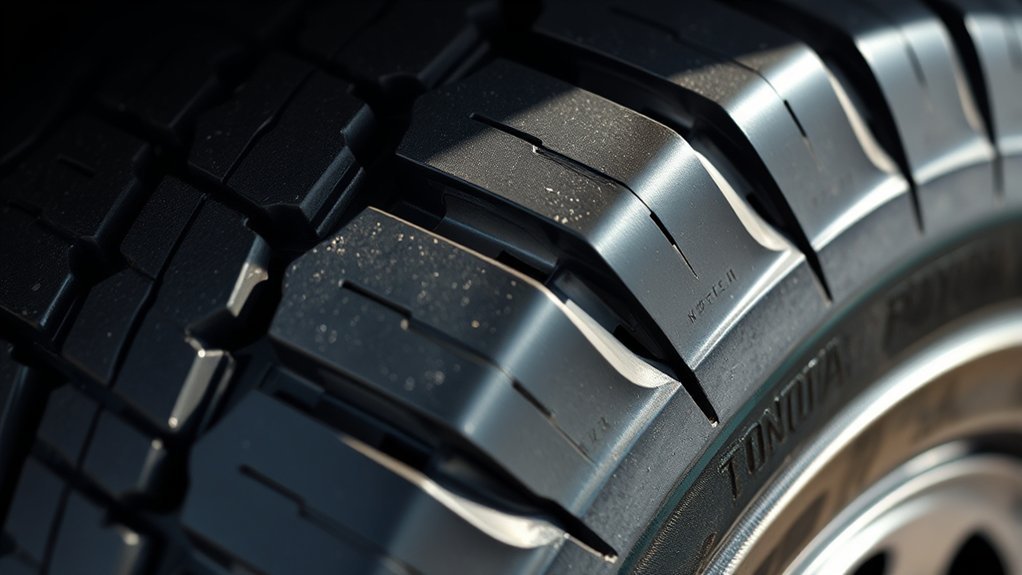
When selecting tire rubber compounds for your Toyota Hilux, understanding their impact on performance is essential. Softer compounds enhance traction and handling, especially in cold or wet conditions, but wear quickly. In contrast, harder compounds offer greater durability and fuel efficiency, ideal for long distances and warm climates. Regular inspections of tread wear and understanding the right compound for your driving conditions can maximize performance and safety. There’s more to discover about optimizing your Hilux’s tire choices.
What Are Tire Rubber Compounds for the Toyota Hilux?
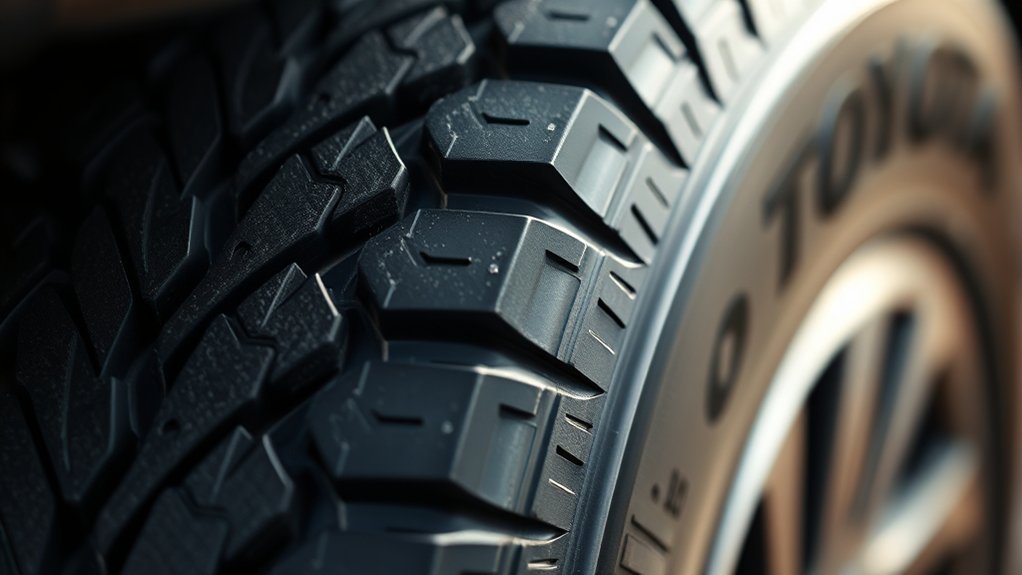
Tire rubber compounds are vital to the performance and longevity of the Toyota Hilux. The advancements in tire technology have led to a variety of compound formulation differences tailored to meet diverse driving needs. Most Hilux models use harder compounds that enhance durability, making them ideal for long-distance travel and demanding off-road scenarios. However, certain variants offer softer compounds, designed to improve traction and handling in challenging weather conditions.
Your choice of tire compound can greatly impact your Hilux’s capabilities. For example, heat-resistant materials are essential for hot climates, while flexible rubbers cater to colder environments. Understanding these formulation differences is important for optimizing safety, fuel efficiency, and overall driving experience. By evaluating your driving habits and the conditions you face, you can select the most suitable tire compound, ultimately liberating your Hilux’s full potential on any terrain.
How Tire Compounds Affect Your Vehicle’s Performance and Safety
Tire compounds considerably impact your Toyota Hilux’s grip dynamics, which directly affects traction and handling on various surfaces. As you consider tread wear and weather adaptability, remember that the right compound can enhance both longevity and performance in extreme conditions. Optimizing these factors not only boosts your safety but also improves overall driving efficiency.
Tire Grip Dynamics
When selecting the right tires for your Toyota Hilux, understanding how different rubber compounds affect grip is critical for optimizing your vehicle’s performance and safety. Tire compounds directly influence grip enhancement and traction balance through their flexibility and hardness. Softer compounds provide improved adaptability for better traction during acceleration and cornering but wear quicker. Conversely, harder compounds guarantee longevity and fuel efficiency, making them suitable for daily use. The driving environment also matters; softer tires excel in cold conditions, while harder ones thrive in warmer climates. By grasping tire specifications like UTQG ratings, you can make informed choices that enhance both grip and safety.
| Tire Compound Type | Grip Enhancement | Longevity |
|---|---|---|
| Softer | High | Low |
| Harder | Moderate | High |
| Mixed | Balanced | Medium |
Tread Wear Considerations
Understanding how different rubber compounds influence tread wear is vital for maximizing your Toyota Hilux’s performance and safety. Softer compounds offer superior grip, making them ideal for off-road conditions, but they wear down faster. Conversely, harder compounds extend tread life, enhancing highway durability, yet may compromise traction. Monitoring tread depth and compound flexibility is important; regular inspections guarantee your tires maintain peak grip and safety, especially in varying conditions. Temperature stability also plays a key role—compounds designed for high heat resistance help prevent premature tread degradation in warm climates. By comprehending how tire compounds align with your driving needs, you can strike a balance between performance and longevity, making sure your Hilux delivers when it matters most.
Weather Adaptability Factors
Choosing the right rubber compound for your Toyota Hilux isn’t just a matter of preference; it directly impacts your vehicle’s performance and safety across varying weather conditions. Tire compounds are engineered for weather responsiveness, with softer variants excelling in cold climates to enhance grip and braking. In contrast, harder compounds offer durability in heat, essential for off-road adventures. For wet conditions, specialized formulations resist hydroplaning, guaranteeing traction and control. Temperature fluctuations affect performance; compounds designed for extreme heat maintain grip, while flexible options secure road contact in the cold. Selecting the right tires, tailored to your typical driving conditions, enhances compound versatility, markedly improving handling and response times, ultimately keeping you safe on the road.
Comparing Soft and Hard Tire Compounds: Performance and Longevity
When you compare soft and hard tire compounds, you’ll notice significant differences in performance under varying conditions and their impact on fuel efficiency. Soft compounds enhance traction and handling but wear faster, while hard compounds offer durability and better fuel economy over long distances. Understanding these nuances helps you make informed choices based on your driving habits and environmental factors.
Performance Under Different Conditions
Selecting the right tire compound can greatly impact your Toyota Hilux’s performance, especially under varying conditions. Soft tire compounds excel in traction performance, making them ideal for off-road capability and quick acceleration, but they wear out faster in daily use. Conversely, hard compounds are tailored for durability, providing extended tread life during long-distance drives and reducing rolling resistance for better fuel efficiency. In hot climates, hard compounds maintain their integrity, while soft compounds risk overheating. Cold weather shifts the advantage to soft compounds, which remain flexible for improved grip on icy surfaces. Ultimately, your choice between soft and hard compounds will considerably influence your Hilux’s performance across diverse terrains and conditions.
Durability Over Time
While both soft and hard tire compounds offer unique advantages, understanding their durability over time is essential for optimizing your Toyota Hilux’s performance. Soft compounds provide superior grip but wear out quickly, making them less ideal for longevity. In contrast, hard compounds enhance tread life, especially in hot conditions, reducing replacement frequency.
| Tire Compound | Grip Level |
|---|---|
| Soft | High |
| Hard | Moderate |
When considering tire longevity factors, think about your driving habits. Compound selection strategies can guide you: daily commuters may prefer the durability of hard compounds, while performance enthusiasts might opt for soft compounds to maximize traction. Assess your needs to make an informed choice.
Impact on Fuel Efficiency
Understanding the impact of tire compounds on fuel efficiency is vital for enhancing your Toyota Hilux’s performance. Hard tire compounds reduce rolling resistance, improving fuel efficiency, especially for long-distance drives. They can boost mileage by up to 10%, making them ideal for daily commuters. In contrast, softer compounds provide superior grip but increase rolling resistance, adversely affecting fuel consumption. This can lead to more frequent replacements and higher long-term costs. Additionally, maintaining proper tire pressure is essential; it maximizes the advantages of both compounds, ensuring your Hilux performs effectively in varying conditions. By choosing the right tire compound and staying vigilant with maintenance, you can achieve significant savings at the pump while enjoying your drive.
How to Choose the Right Tire Compound?
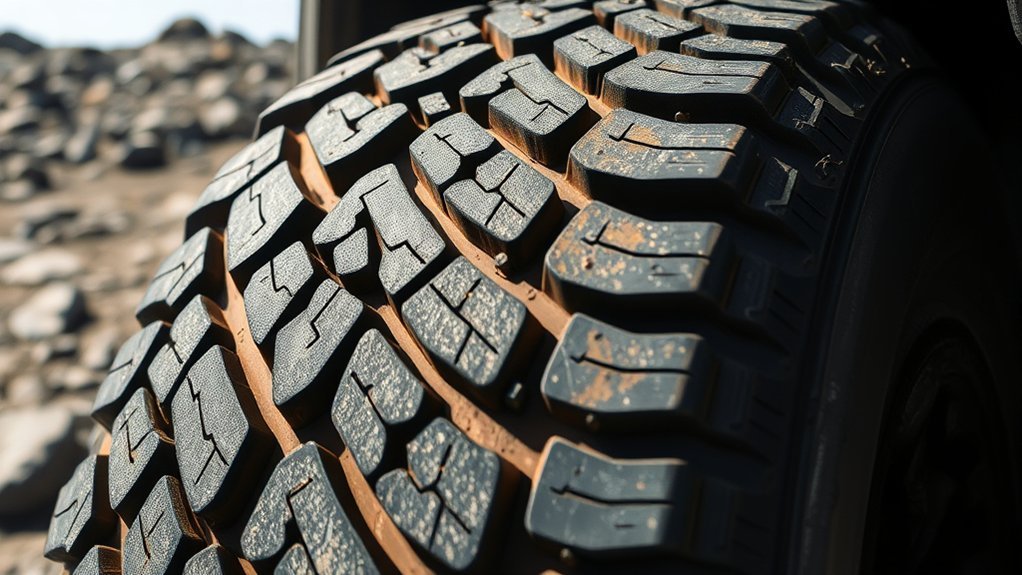
How can you guarantee that your tires are perfectly matched to your driving needs? Start with a driving style assessment. Long highway commutes benefit from hard compounds for durability, while city driving prioritizes soft compounds for traction. Consider climate conditions; warm areas need heat-resistant materials, while cold climates require flexible rubber for grip. Seasonal weather patterns also play a role; opt for all-season compounds or specialized tires as necessary.
| Driving Style | Recommended Compound | Key Considerations |
|---|---|---|
| Highway Commuting | Hard Compounds | Durability and longevity |
| City Driving | Soft Compounds | Traction and handling |
| Warm Climate | Heat-Resistant Materials | Performance in heat |
| Cold Climate | Flexible Rubber | Better grip in low temps |
| Mixed Conditions | All-Season Compounds | Versatility |
Don’t forget to review the UTQG rating and consult tire professionals for tailored recommendations and tire maintenance tips.
How Knowing Tire Compounds Can Save You Money
Knowing the right tire compound can greatly reduce your long-term driving costs. Selecting harder compounds for daily driving can extend tread life, considerably lowering tire costs over time. By understanding the performance differences between new and used tires, you can make informed choices that prevent premature wear and enhance your investment. While tires with higher UTQG ratings may offer durability, they might sacrifice grip; finding the right balance between performance and longevity optimizes compound benefits. Investing in quality tires tailored for your specific driving conditions not only enhances performance but can also improve fuel efficiency, further reducing overall operating costs. Regularly inspecting tire condition and opting for compounds resistant to wear will minimize unexpected expenses related to replacements and maintenance. By leveraging this knowledge, you empower yourself to make economical decisions that liberate your budget in the long run.
Tips for Selecting the Best Tires for Your Toyota Hilux
Selecting the best tires for your Toyota Hilux involves considering several key factors that directly impact performance and safety. First, evaluate your driving conditions and climate. Softer compounds enhance traction in wet or cold environments, while harder compounds provide durability in hot, dry conditions. Next, assess your driving habits—if you frequently go off-road, opt for tires with softer compounds for better grip on uneven surfaces.
Don’t forget to check the UTQG rating; a rating under 200 offers superior grip for performance driving, while higher ratings focus on longevity. Decide whether to purchase new or used tires; new options deliver maximum performance, while used tires require thorough inspection for compound integrity and tread depth. Finally, consult tire professionals to guarantee you select the right compound tailored to your Hilux’s needs. Adhering to these tire maintenance tips will enhance your vehicle’s off-road suitability and overall performance.
Frequently Asked Questions
What Are the Different Tire Compounds?
You’ve got soft compounds for superior traction performance, ideal for off-road, and hard compounds ensuring tire durability for everyday use. Choosing the right type impacts your vehicle’s grip and longevity based on driving conditions.
Can You Use the Same Tyre Compound in a 1 Stop in F1?
You can’t use the same tire compound in a one-stop F1 strategy. Different compounds optimize tire performance and compound durability, ensuring you maintain grip while managing wear effectively throughout the race. Adjust your strategy accordingly.
Conclusion
To conclude, understanding tire rubber compounds can greatly enhance your Toyota Hilux’s performance and safety. By choosing the right compound, you’ll not only improve handling and longevity but also potentially save money on replacements. It’s interesting how a simple decision can lead to a smoother ride and better traction, making every drive feel like a new adventure. So, the next time you hit the road, remember that the right tires can transform your experience behind the wheel.

Related Articles
Toyota Hilux Load Range Tires: What Each Rating Means
Ineffective tire choices can compromise your Toyota Hilux's performance; learn how load ranges impact safety and towing capacity. Find out which rating suits your needs.
Read More
How Rim Width Affects Tire Size on the Toyota Hilux
Get the scoop on how rim width influences tire performance on your Toyota Hilux and discover essential tips for optimal fitment.
Read More
Toyota Hilux Tire Width Options: A Complete Guide
Unlock the secrets of tire width options for your Toyota Hilux and discover how the right choice can elevate your driving experience.
Read More