
Choosing wheels and tires for a Toyota Tacoma is not just about picking the most aggressive stance. The right setup depends on your Tacoma’s model year, generation, suspension height, wheel offset, center bore, tire load rating, and how much trimming you are willing to do. This guide breaks down the common Tacoma wheel sizes, bolt pattern, lug specs, tire sizes, and rubbing fixes so you can upgrade with fewer surprises.
Quick Answer
Most 2016–2026 Toyota Tacomas use a 6×139.7mm bolt pattern, but lug thread, torque, center bore, factory offset, and stock wheel sizes differ by generation. For 2016–2023 models, common stock wheels range from 16 to 18 inches. For 2024–2026 models, verify fitment because Toyota changed several wheel-hub details.
Key Takeaways
- Do not treat every Tacoma from 2016 onward as the same. The 2016–2023 Tacoma is third generation, while 2024–2026 models are fourth generation.
- The common Tacoma bolt pattern is 6×139.7mm, but lug thread and center bore differ between many 2016–2023 and 2024+ trucks.
- For mild upgrades, 17-inch wheels are usually the most flexible choice because they support many all-terrain tire sizes.
- More negative offset creates a wider stance, but it can increase fender, mud flap, and body-mount rubbing.
- Always match or exceed the original tire load index and follow the tire placard or owner’s manual for pressure and torque.
At a Glance
| Time Required | 30–60 minutes for fitment research; 1–3 hours for installation and clearance checks |
| Difficulty | Moderate if staying near stock size; advanced if trimming, lifting, or fitting 33-inch-plus tires |
| Tools Needed | Torque wrench, jack and stands, tire-pressure gauge, measuring tape, alignment check, and basic trim tools if clearance work is needed |
| Cost | Usually $1,000–$3,000+ for wheels and tires, depending on tire size, wheel brand, load rating, and installation |
Understanding Toyota Tacoma Wheel Sizes and Offsets
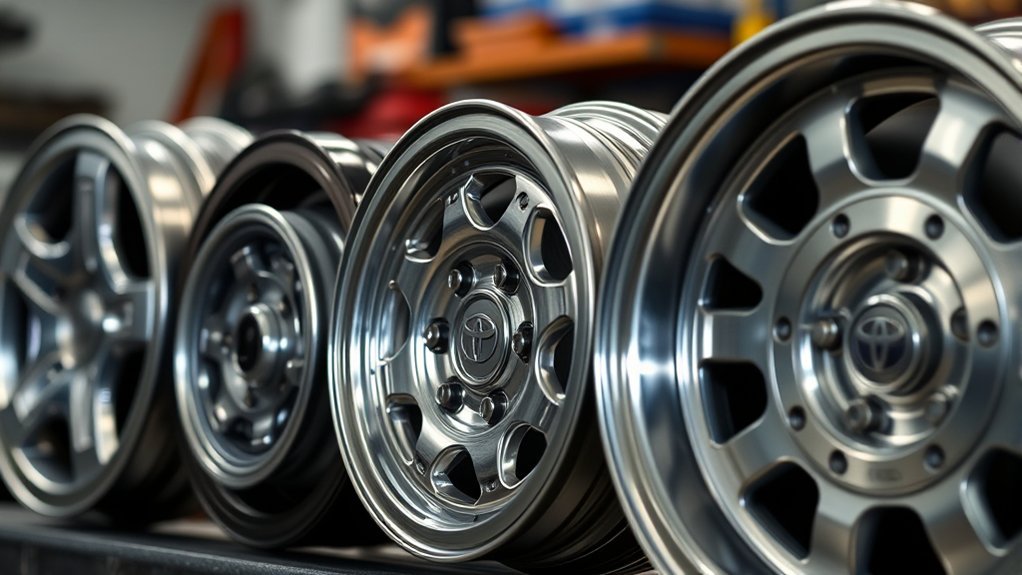
When you are choosing Toyota Tacoma wheels, start with the model year. The Tacoma changed significantly for 2024, so a wheel setup that works perfectly on a 2016–2023 truck may not be the right fit for a 2024–2026 truck. Toyota describes the 2024 Tacoma as an all-new model, and the current Toyota Tacoma lineup includes newer trims such as Trailhunter and i-FORCE MAX hybrid models.
Wheel size is written as diameter by width, such as 17×8.5. Offset is measured in millimeters and tells you how far the wheel mounting surface sits from the wheel’s centerline. Positive offset pulls the wheel inward. Negative offset pushes the wheel outward. Backspacing is the distance from the mounting surface to the inner edge of the wheel, and it matters because it affects clearance near the upper control arms, suspension, and inner fender.
Note: Wheel fitment is not only about diameter. Always check bolt pattern, center bore, lug nut seat style, lug thread, load rating, offset, backspacing, brake clearance, and tire diameter before ordering.
Tacoma Bolt Pattern, Lug Nut Size, Torque, and Center Bore
The common bolt pattern for modern six-lug Tacoma trucks is 6×139.7mm, also written as 6×5.5 inches. The details that need extra attention are lug thread, torque, and center bore because they are not the same across every recent Tacoma generation.
| Spec | 2016–2023 Tacoma | 2024–2026 Tacoma | Fitment Note |
|---|---|---|---|
| Bolt pattern | 6×139.7mm | 6×139.7mm | Confirm exact fitment for your trim and drivetrain. |
| Common lug thread | M12x1.5 | M14x1.5 | Use the correct thread and seat style for your wheels. |
| Wheel nut torque | Commonly listed around 83 ft-lb / 113 Nm | Commonly listed around 103 ft-lb / 140 Nm | Always follow your exact owner’s manual and wheel maker instructions. |
| Center bore | Often listed around 106.1mm | Often listed around 95.1–95.2mm | Use hub-centric rings when needed for aftermarket wheels. |
Warning: Never guess on lug nuts or torque. Wrong thread pitch, wrong seat style, undertorque, or overtorque can damage studs, loosen wheels, or create a safety risk. Check the Toyota owner’s manual for your model year before installation.
Stock Wheel Sizes Across Tacoma Trims
Stock wheel sizes vary by trim, package, and model year. The common 2016–2023 Tacoma range is 16 to 18 inches, while newer 2024–2026 trucks use different factory wheel and hub specs. Use the table below as a practical starting point, then verify your exact truck by checking the door placard, owner’s manual, or Toyota build sheet.
| Tacoma Setup | Common Factory Wheel | Common Factory Tire | Notes |
|---|---|---|---|
| 2016–2023 SR / SR5 / TRD Off-Road | 16×7 or similar | 265/75R16 | Popular for off-road builds because 16-inch tires have more sidewall. |
| 2016–2023 TRD Sport | 17×7.5 or similar | 265/70R17 | A strong all-around size for daily driving and all-terrain upgrades. |
| 2016–2023 Limited | 18×7.5 or similar | 265/65R18 | Best for street comfort and factory-style appearance. |
| 2024–2026 Tacoma | 17- or 18-inch wheels depending on trim | Varies by trim and package | Toyota’s current lineup includes SR, SR5, TRD PreRunner, TRD Sport, TRD Off-Road, Limited, Trailhunter, and TRD Pro trims. |
Choosing the Best Aftermarket Wheel Size
For many Tacoma owners, a 17-inch aftermarket wheel is the safest balance of tire choice, sidewall, brake clearance, and trail comfort. A 17×8.5 or 17×9 wheel is popular because it works with common tire upgrades like 265/70R17, 275/70R17, and 285/70R17, depending on suspension height and offset.
- 16-inch wheels: Good for maximum sidewall on many 2016–2023 off-road builds, but confirm brake clearance before buying.
- 17-inch wheels: The most versatile choice for daily driving, all-terrain tires, and moderate off-road use.
- 18-inch wheels: Good for street comfort and factory-style appearance, but tires usually have less sidewall than 16- or 17-inch setups.
- Wheel width: 8 to 9 inches is a practical range for many Tacoma all-terrain setups.
- Offset: Mild positive or near-zero offset is usually easier to fit than aggressive negative offset.
Pro Tip: Before ordering, ask the wheel seller for the exact fitment data for your Tacoma’s year, trim, brake package, center bore, and intended tire size. “Fits Tacoma” is not detailed enough.
[Products Worth Considering]

Upgrade your wheels with MIKKUPPA M12x1.5 mag seat lug nuts built for secure, corrosion-resistant performance. These closed-end chrome lug nuts are a direct replacement for select Toyota models, including Camry, Corolla, RAV4, Sienna, Avalon, Highlander, Matrix, Venza, and Prius. Triple-chromium plating and cold-forged, heat-treated steel help deliver strength for daily driving and replacement needs.

These M14x1.5 closed-end chrome lug nuts are a one-piece replacement designed for secure fitment on compatible GM, Ford, and select Chrysler/Dodge models. Featuring a 60-degree conical seat and anti-rust chrome plating, they help resist corrosion and maintain a bright look for everyday driving. Built for long-term durability, they include OEM-style part references and are backed by 12 months of support.

These aluminum alloy tire valve stem caps with an O-ring seal help protect valve stems from corrosion while adding a clean, stylish look to your vehicle. The universal fit works across cars, trucks, motorcycles, bicycles, and more, making them an easy upgrade for everyday driving and off-road use. Installation is quick, and the included four-pack keeps all your tires dressed and protected.
The Importance of Wheel Offset for Tacoma Performance
Wheel offset affects more than appearance. It changes how far the tire sits in or out from the fender, which can influence steering feel, scrub radius, suspension clearance, and rubbing. A wider stance can look great, but the more aggressive the offset, the more carefully you need to check clearance.
Offset Impact on Handling
A modest offset change can help create a wider stance and more room between the tire and upper control arm. However, too much negative offset can increase steering effort, throw more debris onto the paint, add stress to wheel bearings, and make fender rubbing more likely.
- Positive offset keeps the wheel tucked closer to the truck.
- Zero offset puts the mounting pad near the wheel centerline.
- Negative offset pushes the wheel outward for a wider stance.
- Very aggressive offset often requires trimming, alignment changes, or suspension upgrades.
Clearance and Rubbing Issues
Rubbing usually happens at the mud flaps, inner fender liner, front bumper area, cab mount area, or upper control arm. The same tire size can fit differently depending on the tire brand because tread width and shoulder shape vary.
| Offset Type | Clearance Impact |
|---|---|
| Positive offset | Keeps the wheel tucked in, which can reduce fender poke but may reduce inner suspension clearance with wider tires. |
| Zero offset | Often a balanced choice for many 2016–2023 Tacoma builds, but fitment still depends on tire size. |
| Negative offset | Pushes wheels outward for a wider stance, but increases the chance of fender liner, mud flap, and cab mount rubbing. |
Aesthetic and Performance Balance
The best Tacoma wheel offset is the one that gives you the look you want without creating avoidable rubbing or steering problems. Mild setups are easier to live with every day. Aggressive setups can look excellent, but they may need trimming, aftermarket upper control arms, alignment changes, and more frequent inspection.
Best Tire Sizes for Tacoma Configurations
The safest tire upgrade is one that keeps the overall diameter, load index, and clearance close to the factory design. Bigger tires can improve ground clearance and appearance, but they also add weight, change gearing feel, affect braking, and may make the speedometer read low.
[Products Worth Considering]

Upgrade your wheels with MIKKUPPA closed-end lug nuts designed for reliable fit and corrosion resistance. The one-piece, cold-forged and heat-treated steel construction helps resist rust and stripping, while the integrated finish delivers a durable black appearance. Built to OEM standards with a conical 60-degree seat, these nuts provide a secure solution for compatible Ford, Honda, Jeep, and Chevrolet models.

The Trivd Frol 1/2" air impact wrench delivers high performance torque up to 1500 ft-lbs with a twin hammer impact mechanism for strong, balanced blows. It features an ergonomic grip, compact lightweight design, and quick-stop control with 3 forward speeds up to 8000 RPM plus a reverse speed. Built for demanding automotive repair and tire shop work, the rear exhaust helps keep debris away from the surface.

This professional wheel and rim brush kit makes it easy to lift brake dust, grime, and dirt from wheels and tires without scratching finishes. The brushes feature soft, metal-free wool heads and a flexible 360-degree rim brush design for reaching hard-to-clean areas. Includes multiple brush types plus accessories for thorough car, motorcycle, and general vehicle detailing.
Stock Tire Options
Common stock-style Tacoma tire sizes include:
- 265/75R16: Common on many 16-inch third-generation Tacoma setups.
- 265/70R17: Common on many 17-inch third-generation Tacoma setups.
- 265/65R18: Common on many 18-inch Tacoma setups.
- 2024–2026 tire sizes: Vary more by trim and package, so check your door placard and owner’s manual before buying.
Upgraded Tire Recommendations
| Configuration | Common Tire Size | Fitment Notes |
|---|---|---|
| Stock-height daily driver | 265/70R17 or 265/75R16 | Usually the easiest fitment range with factory-like drivability. |
| Stock height with mild upgrade | 275/70R17 | May require careful offset choice and minor mud flap or liner adjustment. |
| Leveling kit | 275/70R17 or 285/70R17 | 285s often need trimming, alignment attention, and the right wheel offset. |
| 2–3 inch lift | 285/70R17, 285/75R16, or similar 33-inch class tires | Clearance varies by tire brand, wheel offset, control arms, and trimming. |
Warning: Do not install a tire with a lower load index than the original tire listed on your Tacoma’s tire placard or owner’s manual. NHTSA’s TireWise guidance emphasizes proper tire pressure, load limits, tread inspection, and regular maintenance.
Upgrading to Larger Tires: What Fits Without Modifications?
On many stock 2016–2023 Tacomas, a stock-equivalent tire around the 31.5- to 31.7-inch range is usually the easiest no-modification fit. Examples include 265/75R16, 265/70R17, and 265/65R18. Moving beyond that can work, but “fits” depends on the full wheel-and-tire package.
For 275/70R17 or 285/70R17 tires, expect more variables. Some trucks may only need a small liner push or mud flap adjustment. Others may rub at full lock, in reverse, or while the suspension is compressed off-road. Tires with squared shoulders and aggressive side lugs usually need more clearance than highway-terrain tires in the same size.
- Check clearance at full steering lock in both directions.
- Check clearance in reverse, where rubbing can show up sooner.
- Inspect the mud flaps, inner fender liners, bumper edge, body mount, and upper control arm.
- Confirm brake clearance before buying smaller-diameter wheels.
- Recheck alignment after changing tire size, wheel offset, or suspension height.
Tips to Prevent Rubbing When You Upgrade Tires
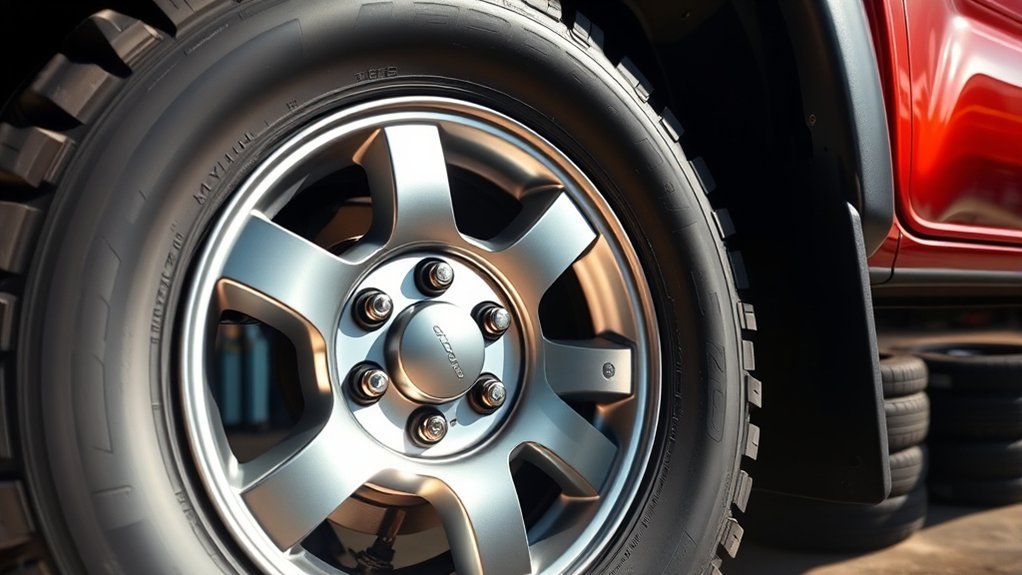
Rubbing is common when you combine larger tires with wider wheels or aggressive offsets. The best fix depends on where the tire touches. Do not cut first and diagnose later. Turn the wheels, mark the contact point, and check clearance again after every change.
Trim Inner Fender Liners
Trimming or reshaping the inner fender liner can help when larger tires touch plastic at full lock. Use clean cuts, secure the liner afterward, and avoid leaving sharp plastic edges that can contact the tire.
- Find the exact contact point before trimming.
- Use proper trim tools for clean cuts.
- Test with full steering lock in both directions.
- Check again after suspension flex if you drive off-road.
- Keep wiring, washer lines, and brackets clear of the tire path.
Remove or Adjust Mud Flaps
Mud flaps are a common rubbing point on Tacoma tire upgrades. Removing or trimming them can create extra clearance, especially with 275- or 285-width tires. The tradeoff is more road spray and debris on the rocker panels and lower doors.
Check Alignment and Caster
Alignment can make or break a Tacoma fitment. Adding positive caster can help move the tire away from the rear of the fender opening on some setups, but the correct setting depends on the suspension, tire size, and control arms. Use a qualified alignment shop that understands lifted trucks and off-road tire fitment.
Popular Aftermarket Wheel and Tire Combos for Tacoma
These combinations are popular starting points, but they are not universal guarantees. Always confirm fitment for your model year, trim, suspension, and tire brand.
- 17×8.5 or 17×9 with 265/70R17: A mild daily-driver setup with a factory-like tire diameter.
- 17×8.5 or 17×9 with 275/70R17: A stronger stance that may need minor clearance work depending on offset.
- 17×9 with 285/70R17: Popular for leveled or lifted Tacomas, but trimming is often needed.
- 16×8 with 265/75R16: A practical off-road-friendly choice for many 2016–2023 trucks when brake clearance is confirmed.
- 18×9 with 265/70R18 or 275/70R18: A bigger-wheel look that needs careful offset and clearance checks.
Brand-specific examples such as KMC, Black Rhino, Method Race Wheels, Nitto Ridge Grappler, Goodyear Wrangler, and BFGoodrich All-Terrain T/A KO2 can work well when the sizing is right. The key is matching the wheel specs to the tire’s true measured width and your Tacoma’s suspension setup.
[Products Worth Considering]

This 1/2-inch drive breaker bar delivers powerful leverage for loosening and tightening stubborn lug nuts and automotive fasteners. The 180-degree flex head helps you reach tight spaces at the angle you need, making tire and brake jobs easier. A spring-loaded ball detent design holds 1/2-inch sockets securely while the chrome-moly head provides durable strength for everyday use.

Keep your tires properly inflated with this analog VONDIOR tire pressure gauge, designed for fast, easy readings without batteries. The swiveling, two-axis hose and large glow dial help you measure at any tire angle with instant visibility. Built with a protective rubber shield, it supports durable, low-maintenance use for cars and trucks.

Monitor tire tread wear with a smart, color-coded depth gauge that shows clear condition ranges at a glance. The bar is range marked for fast, easy readings, helping you maintain safer traction and performance. Each gauge is portable with a pocket clip, and the set includes 20 units for daily use and sharing.
Maintaining Your Tacoma’s Wheel and Tire Setup
After installing new wheels and tires, maintenance is what keeps the setup safe. Check lug torque with a calibrated torque wrench, inspect tire pressure when cold, rotate tires on schedule, and watch for uneven tread wear. Larger tires can hide problems at first, so inspect for rubbing marks after the first few drives.
- Torque lug nuts in a crisscross pattern using the correct spec for your model year.
- Recheck torque after the first short driving interval recommended by your wheel installer.
- Use the pressure listed on the door placard unless a tire professional recommends a safe adjustment for your specific load and tire.
- Check tread depth and sidewall condition regularly.
- Confirm that the spare tire, jack, and tools still work with the new setup.
- Remember that larger tires can affect speedometer accuracy, braking distance, fuel economy, and shift behavior.
The cleanest Tacoma wheel setup is not always the biggest one. The best setup clears at full lock, matches the truck’s load needs, torques correctly, and still drives well every day.
Frequently Asked Questions
Are all Tacomas 6×139.7 bolt pattern?
Most modern six-lug Tacoma trucks, including 2016–2026 models, use a 6×139.7mm bolt pattern. Older Tacoma years and certain two-wheel-drive configurations can differ, so always verify by model year, trim, and hub before buying wheels.
What lug nut size does a Toyota Tacoma use?
Many 2016–2023 Tacomas use M12x1.5 lug threads, while many 2024–2026 Tacomas use M14x1.5. Lug seat style also matters because factory wheels and aftermarket wheels may require different lug nuts.
What is the best wheel size for a Tacoma?
For most owners, 17-inch wheels are the best balance because they allow a useful all-terrain tire sidewall while still offering broad tire availability. Street-focused builds may prefer 18-inch wheels, while some off-road builds use 16-inch wheels when brake clearance allows.
Can I fit 285/70R17 tires on a Tacoma?
Often, yes, but 285/70R17 tires usually require the right offset and may need trimming, mud flap removal, alignment changes, or a leveling kit. Fitment depends on the tire brand, wheel width, wheel offset, suspension setup, and model year.
Do I need hub-centric rings for aftermarket Tacoma wheels?
You may need hub-centric rings if the aftermarket wheel’s center bore is larger than your Tacoma’s hub bore. Rings help center the wheel on the hub and can reduce vibration when the wheel design requires them.
Conclusion
Upgrading Toyota Tacoma wheels and tires is one of the best ways to improve the truck’s stance, traction, and trail capability, but the details matter. For the cleanest fit, separate 2016–2023 specs from 2024–2026 specs, confirm the 6×139.7mm bolt pattern, use the correct lug thread and torque, match the center bore, choose a sensible offset, and never ignore load rating or tire pressure. Measure first, install carefully, and recheck clearance before your first long drive or off-road trip.
Sources
- Toyota USA Newsroom: 2024 Toyota Tacoma — confirms the 2024 Tacoma as an all-new model generation.
- Toyota 2026 Tacoma official page — supports current 2026 Tacoma trim and model context.
- Toyota Owners: 2023 Tacoma manuals — owner manual reference for third-generation Tacoma maintenance and specifications.
- Toyota Owners: 2025 Tacoma manuals — owner manual reference for fourth-generation Tacoma maintenance and specifications.
- NHTSA TireWise — tire pressure, load, tread, recall, and maintenance safety guidance.
- 49 CFR §571.110 — federal tire selection and rim safety standard for light vehicles.


1 thought on “Toyota Tacoma Wheel Size and Offset Guide All Trims”