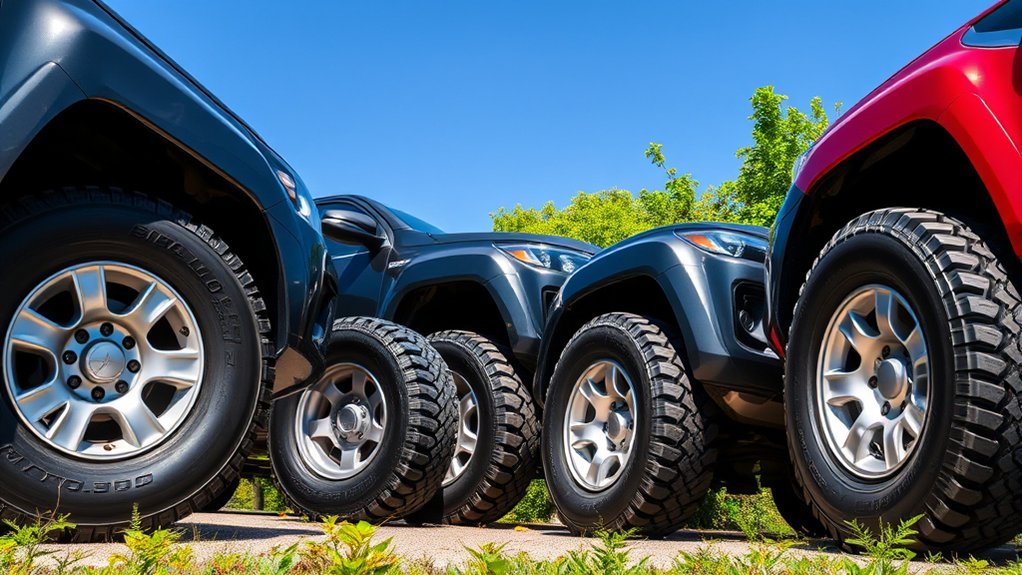
Finding the right tire size for your Toyota Hilux starts with the vehicle itself, not a generic chart. Check the tire sidewall, the driver-side door jamb placard, and your owner’s manual before buying replacements. Hilux tire sizes vary by year, market, trim, wheel package, load rating, and whether the vehicle is used for city driving, towing, payload, or off-road work.
Quick Answer
The correct Toyota Hilux tire size is printed on your current tire sidewall and confirmed on the driver-side tire placard or in the owner’s manual. Common modern Hilux examples include 265/65R17 and 265/60R18, but always match the placard, load index, speed rating, and cold tire pressure for your exact model.
Key Takeaways
- Use the Hilux tire placard and owner’s manual as the final authority for tire size and pressure.
- Do not use the maximum pressure printed on the tire sidewall as your normal driving pressure.
- Match the tire size, rim diameter, load index, and speed rating—not just the “265/65R17” part.
- Check tire pressure when the tires are cold and inspect tread, age, cracks, bulges, and punctures at least monthly.
- Be careful with larger sizes such as 265/70R17; they can affect clearance, speedometer accuracy, handling, legality, and insurance.
At a Glance
| Time Required | 5–10 minutes to check size, pressure, tread, and placard details |
| Difficulty | Easy for checks; professional help recommended for tire-size changes |
| Tools Needed | Tire pressure gauge, tread depth gauge or tread indicator, flashlight, owner’s manual |
| Cost | Free if checking visually; usually low-cost for a pressure gauge or tread gauge |
How to Find the Right Tire Size for Your Hilux

The fastest way to find your Hilux tire size is to read the code molded into the tire sidewall. It usually looks like 265/65R17 or 265/60R18. Then confirm that number against the tire placard on the driver-side door jamb and the owner’s manual. The NHTSA tire safety guide also recommends using the vehicle’s Tire and Loading Information Label or owner’s manual when choosing the correct size.
Here is what a size like 265/65R17 means:
- 265 — tire width in millimeters.
- 65 — sidewall height as a percentage of the tire width.
- R — radial construction.
- 17 — wheel rim diameter in inches.
Pro Tip: Take a photo of your tire sidewall and the door jamb placard before shopping. It helps you compare size, load rating, speed rating, and pressure without guessing at the tire shop.
Do not rely on tire size alone. A replacement tire should also match or exceed the correct load index, speed rating, and construction type shown on the placard or original tire. This matters on a Hilux because many owners carry payloads, tow trailers, or drive off-road.
Common Toyota Hilux Tire Size Examples
Toyota Hilux tire sizes vary by year, market, grade, and wheel package. For example, the current Toyota Australia HiLux specification table lists 17-inch and 18-inch wheel packages with tire examples such as 265/65R17 and 265/60R18. Use the table below as a guide, not a replacement for your own tire placard.
| Tire Size | Common Use | What to Check |
|---|---|---|
| 265/65R17 | Common on many 17-inch Hilux wheel packages | Load index, speed rating, rim width, and placard pressure |
| 265/60R18 | Common on many 18-inch Hilux alloy wheel packages | Clearance, load rating, and correct 18-inch rim fitment |
| Other market-specific sizes | Older Hilux models, work grades, regional variants, and modified vehicles | Owner’s manual, placard, VIN-based dealer check, and local road rules |
Note: If your Hilux has aftermarket wheels, suspension changes, flares, spacers, or a lift kit, the factory tire chart may no longer tell the full story. Have clearance and legality checked before buying tires.
What’s the Right Tire Pressure for Your Hilux?
The right Toyota Hilux tire pressure is the cold pressure printed on your vehicle’s tire placard or listed in the owner’s manual. The placard is usually on the driver-side door jamb or B-pillar. You can also search official Toyota owner documents through Toyota Service Information and Repair Manuals.
Check pressure when the tires are cold, meaning the Hilux has not been driven for at least three hours. The pressure printed on the tire sidewall is not your normal driving pressure; it is usually the tire’s maximum pressure rating. For daily driving, towing, or heavy payload, follow the placard/manual values for your exact vehicle and load.
| Tire Position | What to Use | Important Reminder |
|---|---|---|
| Front | Cold placard/manual pressure | Front and rear pressures may differ on some load settings. |
| Rear | Cold placard/manual pressure | Use the loaded-vehicle value when carrying heavy cargo or towing if listed. |
| Spare | Spare-tire pressure shown on placard/manual | Check it monthly; spares often lose pressure because they are forgotten. |
According to FuelEconomy.gov, underinflated tires can lower gas mileage by about 0.2% for every 1 psi drop in the average pressure of all tires.
How to Check Hilux Tire Pressure Correctly
- Park on level ground and wait until the tires are cold.
- Find the placard pressure on the driver-side door jamb or in the owner’s manual.
- Remove the valve cap and press a tire gauge firmly onto the valve stem.
- Compare the reading with the placard value for your tire position and load condition.
- Add or release air until the tire matches the recommended cold pressure.
- Repeat for all tires, including the spare.
- Recheck after adjustment and reinstall the valve caps.
Warning: Do not run highway speeds after airing down for sand, mud, or rocks. Reinstate the correct road pressure before returning to sealed roads, towing, or carrying heavy loads.
Selecting the Right Tire Type for Different Driving Conditions
Choosing the right tire type for your Toyota Hilux depends on how you use it most of the time. A tire that works well for highway commuting may not be ideal for mud, rocks, work sites, or towing.
- Highway-terrain tires: Best for daily driving, lower road noise, long-distance comfort, and fuel efficiency.
- All-terrain tires: A balanced option for drivers who split time between sealed roads, gravel, camping tracks, and light off-road use.
- Mud-terrain tires: Better for deep mud and rough trails, but usually louder, heavier, and less comfortable on highways.
- Commercial or LT-rated tires: Often worth considering if your Hilux regularly carries payload, tools, towing equipment, or canopy weight.
No matter which tire type you choose, keep the tread above the legal and safe minimum, match the correct load rating, and confirm that the tire is approved for your rim size and vehicle use.
[Products Worth Considering]

The SAFELIFE dial tire tread depth gauge measures tread depth in 1/32 inch increments with clear, easy-to-read 2-inch dial face. Color zones using a traffic light system help you quickly judge whether tread is low, marginal, or ample for safer driving. Built with a durable zinc cast body and a metal detect probe for precise, comfortable use across cars, motorcycles, trucks, and buses.

Monitor tire tread wear with a smart, color-coded depth gauge that shows clear condition ranges at a glance. The bar is range marked for fast, easy readings, helping you maintain safer traction and performance. Each gauge is portable with a pocket clip, and the set includes 20 units for daily use and sharing.

Measure tire tread depth quickly and accurately with this LUMITECO dial gauge that reads in 1/32" increments up to 14/32". The color-coded green/yellow/red zones make it easy to judge tire wear and know when replacement is needed. A rugged, compact design with a protective pouch helps keep the gauge ready for use on cars, trucks, motorcycles, and more.
Towing, Payload, and Off-Road Pressure Tips
A Hilux used for towing or payload may need a different pressure than an unloaded Hilux used for commuting. Use the higher-load values on the placard or in the owner’s manual when they are provided. Heavy loads can increase heat buildup, sidewall flex, and tire wear if the tires are underinflated.
For off-road driving, some drivers temporarily lower tire pressure for sand, rocks, or corrugations. This can improve traction and comfort, but it also increases sidewall flex and heat if you drive too fast. Use a suitable gauge, drive slowly, avoid sharp impacts, and reinflate before normal road speeds.
[Products Worth Considering]

Keep your tires properly inflated with this analog VONDIOR tire pressure gauge, designed for fast, easy readings without batteries. The swiveling, two-axis hose and large glow dial help you measure at any tire angle with instant visibility. Built with a protective rubber shield, it supports durable, low-maintenance use for cars and trucks.

Upgrade your Toyota tire setup with these corrosion-resistant, leak-proof valve stem caps designed to help protect the valve core from water, snow, and road grime. The caps feature a snug rubber seal and durable copper alloy construction to resist rust and oxidation while maintaining stable tire pressure. Ideal for replacing worn original caps and keeping your wheels looking clean and stylish.

Measure tyre tread depth precisely with a digital gauge that reads in both MM and inches, helping you monitor safe driving conditions. The large LCD screen is easy to operate, and the compact tool fits for cars, trucks, and motorcycles. It provides high accuracy with a 0-25.4mm range and includes a 1-year warranty for added peace of mind.
When to Replace Your Toyota Hilux Tires
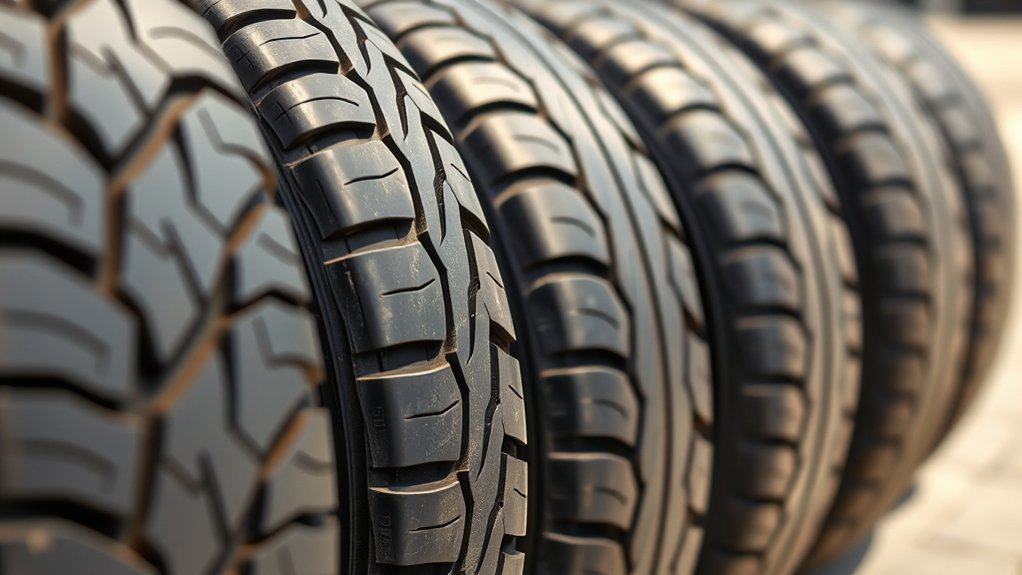
Replace your Toyota Hilux tires when the tread is worn, the tire is damaged, or the tire is too old to use safely. The NHTSA says tires should be replaced when tread is worn down to 2/32 inch, which is about 1.6 mm. In wet, muddy, or off-road conditions, replacing tires earlier can be safer.
Use this inspection checklist at least once a month:
- Tread depth: Replace at the legal minimum or earlier if traction is poor.
- Uneven wear: Feathering, cupping, or one-sided wear can point to alignment, balance, or suspension issues.
- Bulges or bubbles: Replace the tire immediately; this can indicate internal damage.
- Cracks or cuts: Sidewall cracking, deep cuts, or exposed cords are unsafe.
- Punctures: Have punctures inspected by a professional; not all punctures are repairable.
- Vibration or pulling: Check balance, alignment, wheel damage, and tire condition.
- Age: Check the DOT date code or local equivalent. Some manufacturers recommend replacement after six to 10 years, regardless of tread.
Consequences of Incorrect Tire Pressure
Incorrect tire pressure can affect your Hilux’s safety, handling, braking, fuel use, and tire life. Underinflated tires flex more, build heat, wear faster on the shoulders, and can reduce fuel economy. Overinflated tires can reduce the contact patch, create harsher ride quality, and increase center tread wear.
The biggest risk is not just saving fuel or extending tire life; it is keeping the Hilux stable under braking, cornering, towing, and load. A few minutes with a gauge can prevent uneven wear, poor handling, and avoidable tire damage.
What to Know Before Changing to a Larger Tire Size
Larger tires can look better and improve ground clearance, but they are not automatically safe or legal. Before changing from a factory size such as 265/65R17 to a larger size such as 265/70R17, check:
- Overall diameter: Taller tires can affect speedometer and odometer accuracy.
- Clearance: Check the front bumper, mud flaps, guards, suspension, chassis, and full steering lock.
- Wheel offset and rim width: A size that fits one wheel may rub on another.
- Load index: The replacement tire must suit the Hilux’s axle loads and use.
- Spare tire compatibility: A different rolling diameter can create problems if mixed with other tires.
- ABS, stability control, and gearing: Large changes can affect braking, handling, and drivability.
- Local road rules and insurance: Some regions limit tire diameter changes or require inspection/approval.
Warning: Never assume an online tire size recommendation fits your Hilux. Confirm with the placard, owner’s manual, tire professional, and local modification rules before buying non-factory sizes.
[Products Worth Considering]

These aluminum alloy tire valve stem caps with an O-ring seal help protect valve stems from corrosion while adding a clean, stylish look to your vehicle. The universal fit works across cars, trucks, motorcycles, bicycles, and more, making them an easy upgrade for everyday driving and off-road use. Installation is quick, and the included four-pack keeps all your tires dressed and protected.

Accurately measure tire tread depth with a calibrated gauge marked from 0 to 1 inch in 1/32 inch increments. The color-coded bar helps you quickly identify tread condition ranges, supporting safe driving for trucks, motorcycles, automobiles, and passenger vehicles.

Secure your vehicle during transport with this 4-pack of heavy-duty tire tie down straps designed for trailers and hauling. The ratchet system with flat hooks and D-rings helps you tension the straps quickly, while the wheel-friendly design protects tires. With high break strength and corrosion-resistant hardware, these straps provide reliable, confidence-inspiring tie-down security for cars, trucks, and UTVs.
Rotation, Balance, and Alignment
Regular rotation helps reduce irregular wear and can extend tire life. Check your owner’s manual for the correct rotation pattern, especially if your Hilux has a directional tread pattern, different front/rear sizes, or a spare included in the rotation. NHTSA recommends checking the owner’s manual and, when the manufacturer recommends it, rotating tires every 5,000 to 8,000 miles or sooner if uneven wear appears.
Balance new tires when installed, and book a wheel alignment if the Hilux pulls to one side, the steering wheel sits off-center, or the tires show uneven wear. This is especially important after off-road impacts, suspension work, or fitting larger tires.
Frequently Asked Questions
Will 265/70R17 fit a Toyota Hilux?
Maybe, but do not treat it as a guaranteed fit. A 265/70R17 tire is taller than a 265/65R17, so it may affect clearance, speedometer accuracy, gearing, and local legality. Check wheel offset, suspension height, guard clearance, load rating, spare compatibility, and insurance rules before fitting it.
What size wheels are on a 2016 Hilux SR5?
Many 2016 Hilux SR5 models were sold with 17-inch alloy wheels in some markets, but the exact wheel and tire size can vary by region, package, and previous owner changes. Check the door jamb placard, the tire sidewall, and the owner’s manual before ordering tires.
What size wheels are on a 2020 Hilux SR5?
Many 2020 Hilux SR5 models use 18-inch alloy wheels in some markets, often with a tire size such as 265/60R18, but specifications vary. Confirm your exact size from the tire sidewall and placard because accessories, trims, and market specifications can differ.
Can I use the pressure printed on the tire sidewall?
No. The sidewall usually shows the tire’s maximum pressure, not the recommended driving pressure for your Hilux. Use the cold tire pressure listed on the vehicle placard or in the owner’s manual.
Should I replace all four Hilux tires at once?
Replacing all four is best when the tires are worn evenly or when changing tire type or size. If replacing only two, match the same size, load rating, speed rating, and tread type where possible, and ask a tire professional where they should be fitted for your drivetrain and conditions.
How often should I check Hilux tire pressure?
Check tire pressure at least once a month, before long trips, before towing, and after major temperature changes. Always check when the tires are cold for the most accurate reading.
Conclusion
The safest way to choose Toyota Hilux tires is simple: start with the tire placard and owner’s manual, then match the size, rim diameter, load index, speed rating, and cold pressure for your exact vehicle. Common sizes such as 265/65R17 and 265/60R18 appear on many modern Hilux models, but they are not universal for every year or market. Check your tires monthly, replace damaged or worn tires early, and get professional fitment advice before moving to larger aftermarket sizes.
Sources
- Toyota Australia HiLux specifications — current official wheel and tire examples for Hilux grades.
- Toyota Service Information and Repair Manuals — official Toyota owner manual and service document search.
- NHTSA TireWise tire safety guide — tire placard, cold pressure, tread depth, rotation, aging, and inspection guidance.
- FuelEconomy.gov gas mileage maintenance tips — fuel economy impact of underinflated tires.