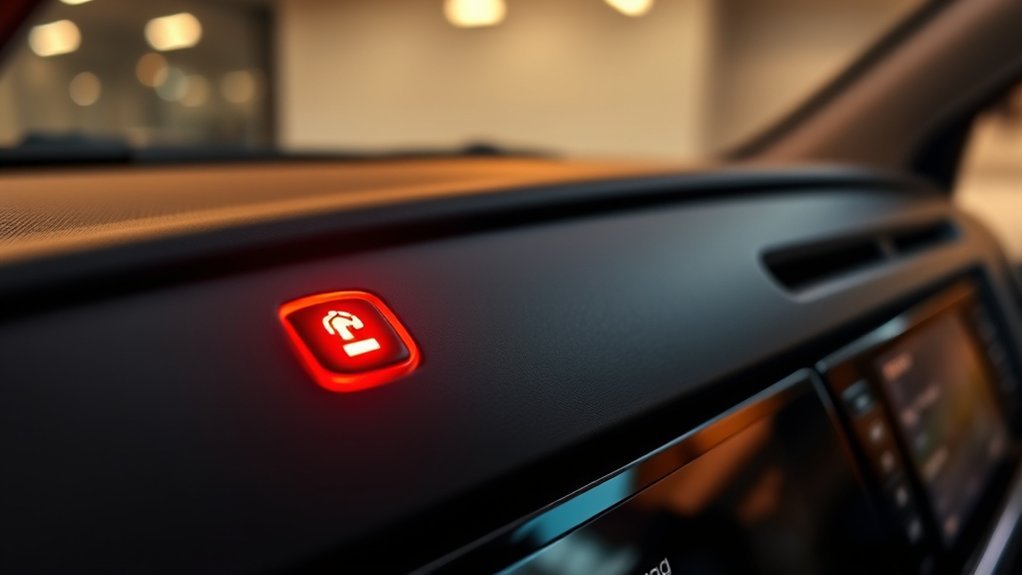
If the tire pressure warning light, TPWS light, or “run-flat” style warning appears on your Toyota Hilux, treat it as a tire safety alert first. It usually means one or more tires may be underinflated, but it can also point to a TPWS/TPMS sensor fault, a recent tire change, or a system that needs initialization after the pressures are corrected.
Quick Answer
On a Toyota Hilux, this warning is best understood as a tire pressure warning, not proof that the truck has run-flat tires. Stop safely, check all tires with a reliable gauge when they are cold, inflate to the door-jamb or owner’s manual pressure, then reset or initialize TPWS only if your model requires it.
Key Takeaways
- Toyota commonly refers to this system as TPWS, or Tyre Pressure Warning System, while many drivers call it TPMS.
- A steady tire warning light usually means low pressure; a flashing light that stays on often points to a system or sensor fault.
- Do not assume your Hilux has run-flat tires. Confirm the tire type from the tire sidewall and your owner’s manual.
- Check tire pressure when the tires are cold and use the vehicle placard or owner’s manual, not the maximum PSI printed on the tire sidewall.
- If the light returns after correct inflation, inspect for a slow leak, puncture, damaged tire, missing sensor, or TPWS registration issue.
At a Glance
| Time Required | 10–20 minutes for a pressure check and visual inspection |
| Difficulty | Easy for pressure checks; moderate if sensor diagnosis is needed |
| Tools Needed | Accurate tire pressure gauge, air compressor or inflator, owner’s manual, and a flashlight for tire inspection |
| Cost | Usually no shop cost if the tires only need air; repair or sensor service may cost extra if there is a leak or TPWS fault |
What Is the Run-Flat Tire Indicator Light?
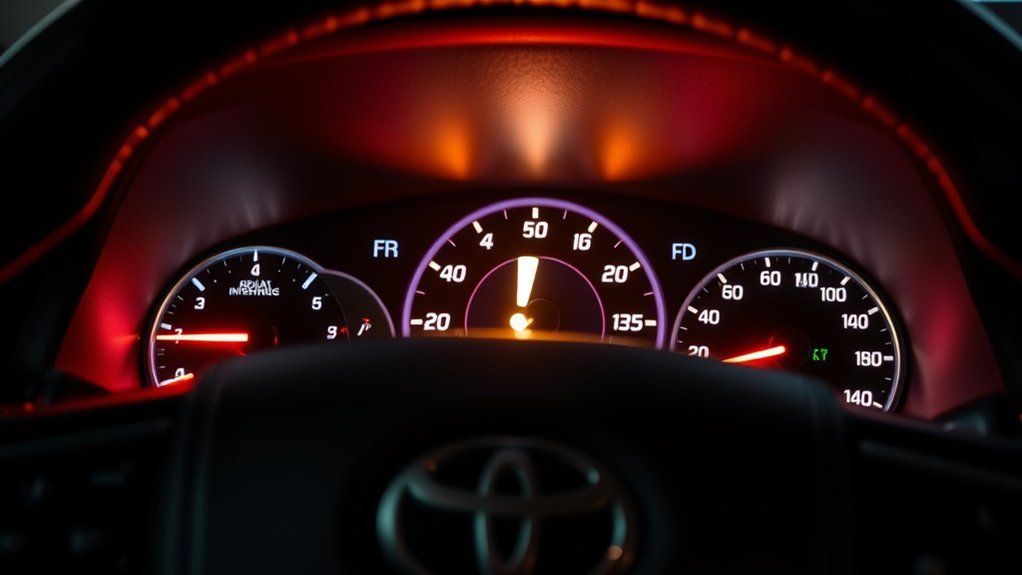
On a Toyota Hilux, the warning most drivers are asking about is usually the tire pressure warning light from the Toyota Hilux Tyre Pressure Warning System, often shortened to TPWS. Some owners also call it TPMS, which stands for Tire Pressure Monitoring System.
The dashboard symbol is typically shaped like a tire cross-section with an exclamation mark. It warns you that tire pressure may be low enough to affect handling, braking, tire life, and heat buildup. It may also appear if the system cannot read one or more tire sensors.
Note: A tire pressure warning light does not automatically mean your Hilux has run-flat tires. Run-flat capability depends on the tires fitted to the vehicle, not just the warning system.
Why Is My Run-Flat Tire Light On?
Your Hilux tire pressure warning light may come on for several reasons. Start with pressure because that is the most common and most safety-critical cause.
| Warning behavior | Likely meaning | What to do first |
|---|---|---|
| Steady light while driving | One or more tires may be underinflated | Stop safely and check all tires with a gauge |
| Light flashes, then stays on | Possible TPWS/TPMS malfunction or unread sensor | Check pressure manually, then have the system inspected |
| Light appears after tire rotation, new tires, or new wheels | The system may need initialization or sensor registration | Set correct cold PSI first, then initialize TPWS if required |
| Light appears after off-road airing down | Pressure is below the road-use setting | Reinflate before highway driving and confirm pressure when cold |
The Toyota tire pressure monitoring guidance says a warning light that remains on should lead you to check all tires and refill, repair, or replace any tire below the proper pressure. Do not use a reset as a shortcut before confirming the real tire pressure.
How to Check Tire Pressure on Your Toyota Hilux
Check tire pressure when the tires are cold. A cold tire is one that has been parked long enough to cool down, usually before you drive for the day. Heat from driving raises pressure, so a hot reading can hide an underinflated tire.
- Park on a safe, level surface away from traffic.
- Find the recommended cold tire pressure on the driver-side door placard or in your Hilux owner’s manual.
- Remove the valve cap from one tire.
- Press a reliable gauge straight onto the valve stem until the reading stabilizes.
- Add air if the tire is low, or bleed a little air if it is over the recommended setting.
- Repeat the check on every road tire. Check the spare too if your maintenance schedule calls for it.
- Reinstall all valve caps, then inspect the tread and sidewalls for punctures, cuts, bulges, cracks, or exposed cords.
The Bridgestone TPMS guide also stresses that TPMS does not replace routine pressure checks. A tire can be below the ideal pressure before the warning light appears, especially when pressure changes gradually.
Pro Tip: If you use your Hilux off-road and air down for sand, rocks, or corrugations, carry a gauge and compressor. Reinflate to the correct road pressure before returning to highway speed.
[Products Worth Considering]

Replace worn or malfunctioning GM TPMS sensors with this 433MHz pre-programmed sensor set designed for compatibility with many Chevrolet, Buick, GMC, and Cadillac models. It includes guidance for proper OBDII relearning/pairing after installation and supports reliable long-term operation with a high-performance CR2032 battery. Quality tested for durability and performance to help restore accurate tire pressure monitoring.
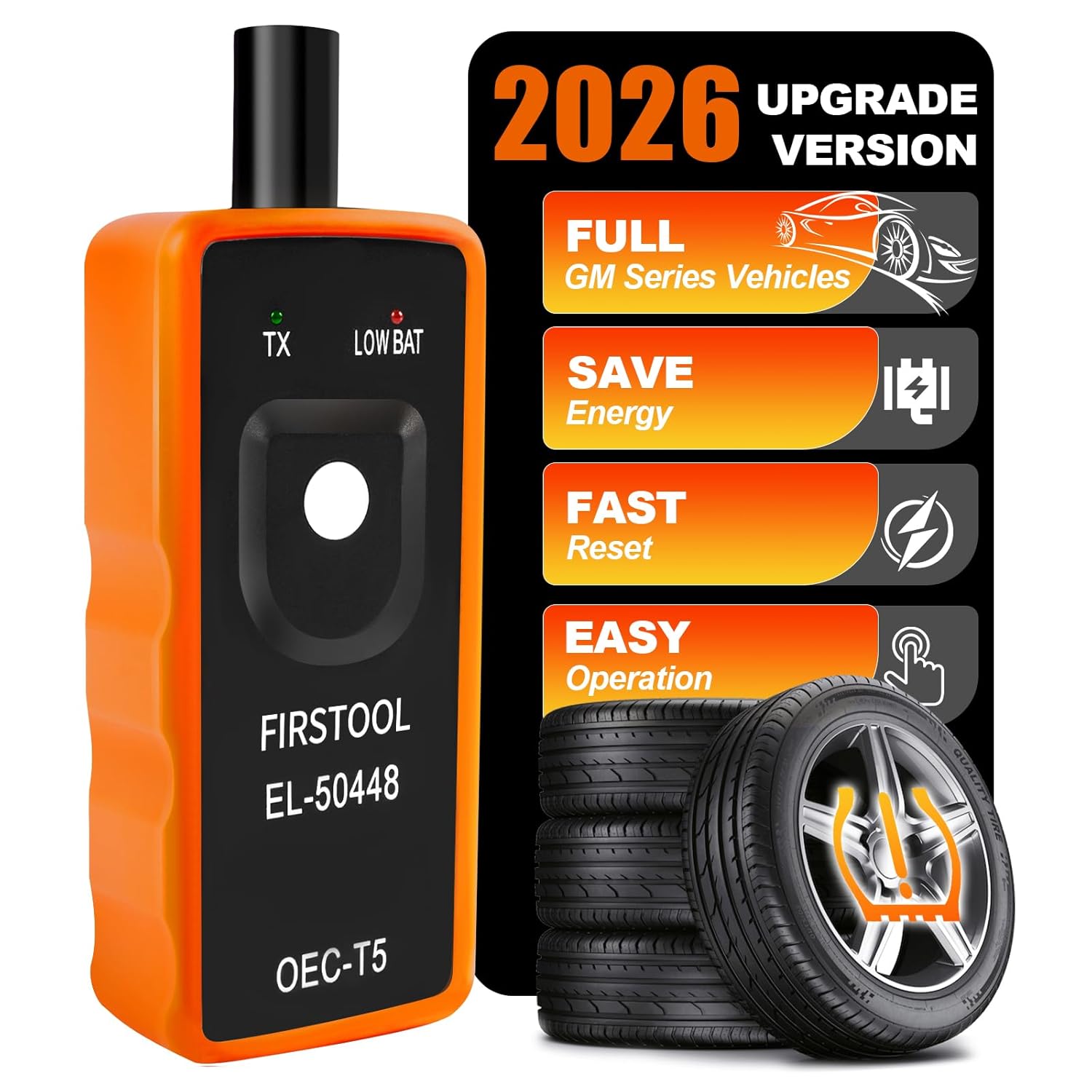
This TPMS relearn tool helps you quickly activate, match, and reset GM tire pressure sensors to keep the vehicle monitoring system working properly. It clears tire pressure alarms and dashboard warning lights after sensor replacement or tire rotation, and supports learning for common 315/433 MHz TPMS sensors. Designed for simple one-button operation, it can help you avoid unnecessary trips to repair shops.

Marsflex brand TPMS replacement sensors help restore tire pressure monitoring for compatible Toyota, Lexus, Scion, and Pontiac models. Each sensor is pre-programmed for the vehicle application and includes a long-life battery for up to 8 years of normal use. Designed to replace common OE numbers and requires relearning using a TPMS scan tool after installation.
What to Do If the Light Stays On?
If the light stays on, work through the problem in the right order. The goal is to find the tire issue first and only reset the system after the tires are set correctly.
[Products Worth Considering]

These aluminum alloy tire valve stem caps with an O-ring seal help protect valve stems from corrosion while adding a clean, stylish look to your vehicle. The universal fit works across cars, trucks, motorcycles, bicycles, and more, making them an easy upgrade for everyday driving and off-road use. Installation is quick, and the included four-pack keeps all your tires dressed and protected.
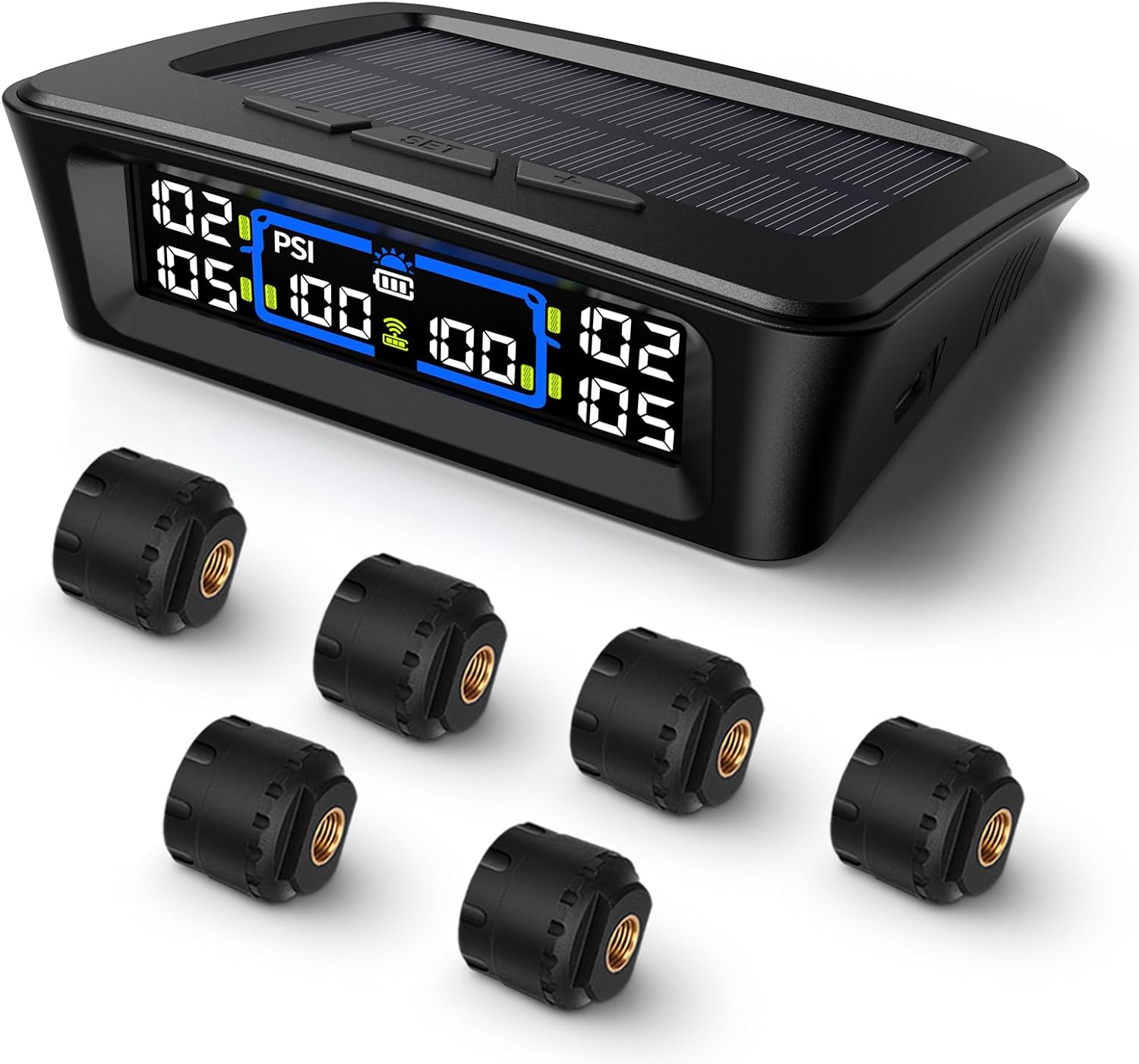
The Tymate TM12 RV TPMS delivers real-time tire pressure and temperature monitoring with a stable 433Hz display for safer long-distance driving. It supports simultaneous monitoring across vehicle and trailer zones, includes six alarm modes for pressure, temperature, leakage, battery, and signal loss, and features easy DIY installation with auto calibration. Power is supplied via USB-C charging or solar recharging, with a wide 0–144 PSI range and up to 50 ft signal coverage for RVs and towable trailers.

Monitor tire tread wear with a smart, color-coded depth gauge that shows clear condition ranges at a glance. The bar is range marked for fast, easy readings, helping you maintain safer traction and performance. Each gauge is portable with a pocket clip, and the set includes 20 units for daily use and sharing.
Check Tire Pressure First
Use a gauge on all tires, even if only one tire looks low. TPWS/TPMS is a warning system, not a replacement for a manual pressure check.
| Action | Description | Why it matters |
|---|---|---|
| Check tire pressure | Use a reliable gauge when tires are cold | Confirms whether the warning is pressure-related |
| Inspect tires | Look for nails, cuts, bulges, cracks, and uneven wear | Finds damage that air alone will not fix |
| Set correct cold PSI | Use the Hilux placard or owner’s manual pressure | Prevents unsafe underinflation or overinflation |
| Initialize TPWS if needed | Use the menu or reset button method for your model | Stores the correct pressure baseline after adjustment |
| Get service if it returns | Have the tire, valve stem, wheel, and sensors checked | A slow leak or failed sensor can keep triggering the light |
Inspect TPMS Sensors
If every tire is set correctly and the light still comes back, the problem may be with the TPWS/TPMS system. Direct sensor systems can have dead sensor batteries, damaged valve-stem sensors, missing sensors in aftermarket wheels, or sensors that were not registered after a wheel change.
- Check whether the light flashes before staying on.
- Look for damaged valve stems or missing sensor-style valve hardware.
- Think about recent tire rotation, wheel replacement, puncture repair, or spare tire use.
- Confirm that aftermarket wheels have compatible sensors installed.
- Have a tire shop or Toyota technician scan and register sensors if needed.
Reset or Initialize the System After Correcting Pressure
Do not reset TPWS while a tire is still low. First set all tires to the recommended cold pressure. Then use the reset method that matches your Hilux model year and market.
- Park safely and switch the vehicle on without driving.
- Open the vehicle settings or TPWS/TPMS menu if your Hilux uses the multi-information display.
- Select the tire pressure warning setting or pressure initialization option.
- Hold the select/OK/enter control until the system confirms or the warning light blinks as described in the manual.
- If your Hilux has a physical TPWS set button instead, press and hold it according to the owner’s manual after all tires are correctly inflated.
- Drive normally if your manual says the system needs drive time to relearn sensor readings.
Toyota service information for tire pressure warning initialization follows the same core principle: adjust tires to the standard tire inflation pressure first, and do it when the tires are cold.
Warning: Never reset the tire pressure warning system just to turn the light off. If the tire is leaking, damaged, or dangerously low, resetting the warning can hide a safety problem.
Warning Signs of a Damaged Tire
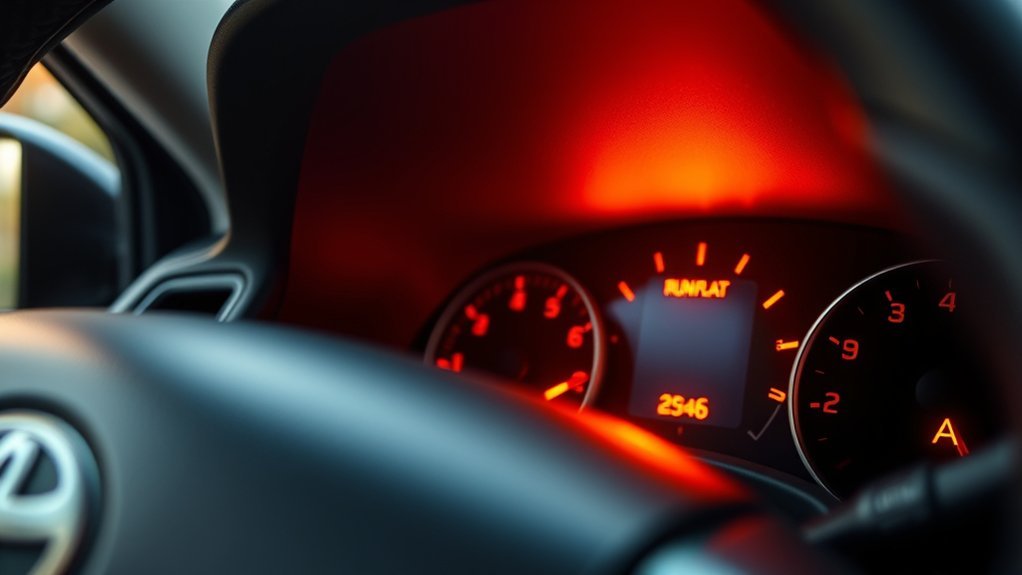
Whether your Hilux has conventional tires or confirmed run-flat tires, visible damage matters. Do not keep driving on a tire that looks structurally damaged.
Visual Indicators of Damage
- Bulges or bubbles: A sidewall bulge can mean internal cord damage.
- Sidewall cuts or cracks: Sidewall damage can weaken the tire and is often not repairable.
- Exposed cords: Replace the tire before driving further.
- Uneven wear: Cupping, bald shoulders, or one-sided wear may point to pressure, alignment, or suspension issues.
- Punctures: Nails or screws in the tread may cause a slow leak and repeated warnings.
- Hot tire smell or smoke: Stop driving and get roadside help.
Performance Degradation Symptoms
Pay attention to how the Hilux feels. A damaged or underinflated tire can make the truck pull to one side, feel unstable in corners, vibrate at speed, or ride harshly. You may also hear thumping, flapping, or rumbling from the affected corner.
Underinflation can increase heat buildup and tire stress. The NHTSA TireWise tire safety guidance recommends regular pressure and tread checks because tire condition directly affects safety.
Can I Drive With the Tire Pressure Warning Light On?
You may be able to drive a short distance to a safe stopping place, but you should not ignore the light. Your next step depends on the tire type and how the vehicle feels.
- If the Hilux has conventional tires: Stop safely, check pressure, and do not drive on a flat or severely underinflated tire.
- If the Hilux has confirmed run-flat tires: Follow the tire maker’s speed and distance limit. For example, Bridgestone run-flat tire guidance describes up to 50 miles or 80 km at up to 50 mph or 80 km/h for its run-flat tires, but your tire and vehicle instructions override general rules.
- If the truck pulls, shakes, or makes noise: Slow down, avoid sudden steering or braking, and stop in a safe place.
- If you are towing or carrying a heavy load: Be extra cautious because low pressure creates more heat and stress.
- If you just aired down off-road: Reinflate before highway driving.
A tire pressure light is not a “drive normally” light. It is a prompt to verify pressure, inspect for damage, and correct the cause before the tire overheats or fails.
When to Seek Professional Help for Tires or TPWS
Get professional help if the light stays on after you set the correct cold pressure, if it flashes and then stays on, or if the same tire keeps losing air. A technician can check for leaks, valve-stem damage, wheel damage, sensor battery failure, or TPWS registration problems.
You should also get service after installing new wheels, replacing TPWS sensors, using a spare, repairing a puncture, or changing tire sizes. Some Hilux models and markets require sensor registration or pressure initialization after this kind of work.
[Products Worth Considering]

The VEHLIVE SU-50448 II TPMS relearn tool provides a fast activation reset to restore accurate tire pressure monitoring after sensor replacement or tire rotation. It supports 315 MHz and 433 MHz GM series sensors and helps clear dashboard pressure warnings. With simple two-button operation and horn-confirmed relearning order, you can reprogram sensors conveniently at home.
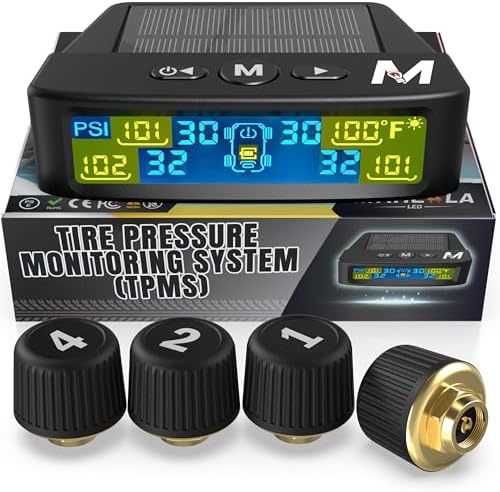
Marcala’s TPMS set of four sensors helps you monitor tire pressure and temperature in real time while driving, with updates every second. The bright color LCD uses auto-dimming for easy viewing, powered by dual solar and USB charging, and offers six alarm modes. Built for trailers, RVs, campers, trucks, and towing setups, the sensors support monitoring 1-4 wheels up to 98 PSI with IP67 waterproof protection.

This tire inflator with pressure gauge delivers long-lasting performance with a durable rubber-protected gauge and sturdy build. The longer hose and 360 swivel air chuck help you seal the valve securely and keep your hands free while measuring, inflating, or deflating. It’s battery-free for reliable use and provides ±2 PSI accuracy in the mid-range for most typical tires, with universal compatibility for 1/4 NPT compressor outputs.
How to Keep Your Hilux Tires in Top Shape
Good tire care prevents many warning-light problems. Make these checks part of your regular Hilux maintenance routine, especially before long trips, towing, hauling, or off-road driving.
- Check tire pressure at least monthly and before long drives.
- Use the recommended cold pressure from the vehicle placard or owner’s manual.
- Inspect tread depth, sidewalls, valve stems, and tire shoulders.
- Rotate tires according to the maintenance schedule for your Hilux and tire type.
- Check alignment if you see uneven wear or the truck pulls to one side.
- Reinflate after off-road airing down before driving at road speed.
- Do not mix tire types, load ratings, or sizes unless your owner’s manual and tire professional confirm the setup is safe.
Understanding Tire Monitoring Systems
TPWS and TPMS are designed to warn you when tire pressure may be unsafe. Some systems use wheel-mounted sensors that read pressure directly. Other systems may infer pressure loss through wheel-speed changes. The exact setup depends on model year, market, and trim.
In markets that follow U.S. FMVSS No. 138-style TPMS rules, the system must warn when one or more tires are significantly underinflated, including thresholds based on the manufacturer’s recommended cold inflation pressure. That is why a gauge check still matters: the light warns about a problem, but it does not replace regular inspection.
Note: If your Hilux shows individual tire pressures on the display, use those readings as a helpful guide, but confirm suspicious readings with a manual gauge before driving far.
Frequently Asked Questions
How do I know if my Toyota TPMS sensor is bad?
A bad sensor is likely if the light flashes before staying on, if one tire never reports pressure, or if the warning remains after all tires are correctly inflated. A tire shop or Toyota technician can scan the sensor IDs, battery status, and system fault codes.
Does the Toyota Hilux come with run-flat tires?
Do not assume it does. Hilux tire equipment varies by market, grade, and previous owner changes. Check the tire sidewall for run-flat markings and confirm the tire specification in your owner’s manual or with a Toyota dealer.
Why did the tire pressure light come on after a cold night?
Cooler air can lower tire pressure enough to trigger the warning. Check all tires when cold and inflate them to the recommended cold pressure on the vehicle placard or in the owner’s manual.
Can I reset the Hilux tire pressure light without adding air?
You should not. Resetting before you correct the pressure can store an unsafe baseline and hide a real tire problem. Always set all tires to the recommended cold pressure first.
Why does the light stay on after new tires or wheels?
The new wheels may not have compatible sensors, the sensor IDs may need registration, or TPWS may need initialization after the correct pressures are set. This is common after wheel swaps, tire replacement, or aftermarket wheel installation.
What pressure should I use for my Toyota Hilux tires?
Use the cold tire pressure listed on the driver-side door placard or in the owner’s manual for your exact model, tire size, and load condition. Do not use the maximum pressure printed on the tire sidewall as your normal setting.
Conclusion
The Toyota Hilux tire pressure warning light deserves quick attention. Start with a cold-pressure check, inspect every tire for damage, and inflate to the pressure listed for your truck. Then reset or initialize TPWS only if your model requires it.
If the light flashes, returns after inflation, or appears with vibration, pulling, bulges, cuts, or rapid pressure loss, stop treating it as a simple reset issue. Have the tire and TPWS sensors checked before you keep driving, especially if you tow, haul, or drive off-road.
Sources
- Toyota Hilux PDF Guide — supports Hilux TPWS equipment terminology.
- Toyota Support: How the Tire Pressure Monitoring System Works — supports checking, refilling, repairing, or replacing tires when the warning remains on.
- Bridgestone: TPMS Light On — supports TPMS warning meanings, flashing-light behavior, and manual pressure checks.
- Bridgestone: What Are Run Flat Tires? — supports limited run-flat driving distance and speed guidance.
- NHTSA TireWise — supports routine tire pressure, tread, and safety inspections.
- eCFR 49 CFR §571.138 — supports official TPMS warning-system requirements in applicable U.S. contexts.