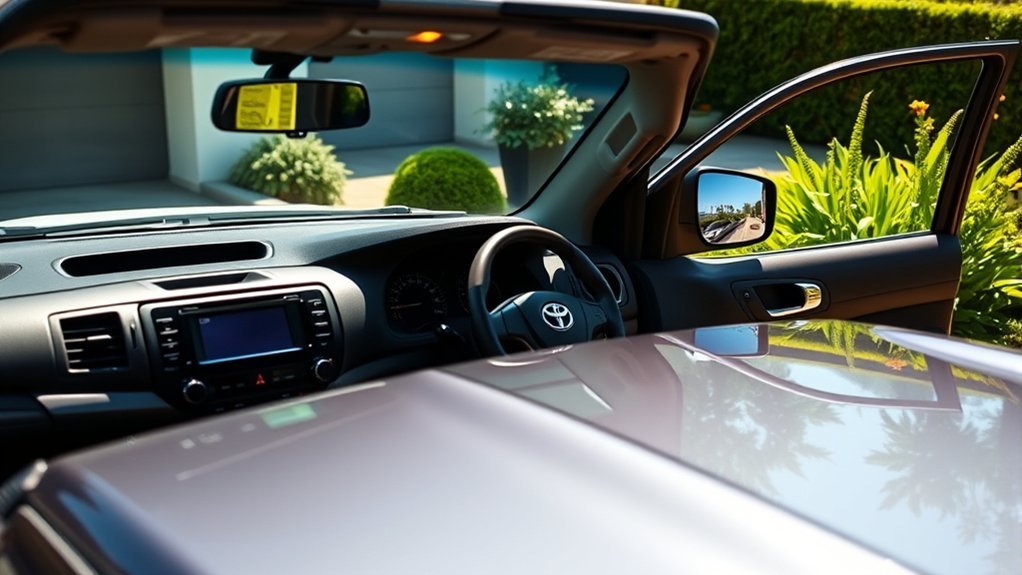
If your Toyota Hilux tire pressure warning light comes on, treat it as a prompt to check your tires, not just as a dashboard annoyance. The light usually means one or more tires are low, but it can also point to a puncture, a slow leak, a damaged sensor, or a Tire Pressure Warning System issue. Start with a cold tire pressure check before you reset anything.
Quick Answer
Check all tires with an accurate gauge when they are cold, inflate them to the PSI listed on the driver-side tire label or in your owner’s manual, then drive and reset the TPWS only if the pressures are correct. If the light flashes, returns, or one tire keeps losing air, get the tire and sensor inspected.
Key Takeaways
- Use the Toyota Hilux tire placard or owner’s manual for the correct cold PSI, not the maximum PSI printed on the tire sidewall.
- Check tire pressure at least once a month and before long trips because TPMS is not a substitute for regular tire maintenance.
- Reset the TPWS only after you correct the pressure and inspect for obvious tire damage.
- A warning light that flashes, stays on after proper inflation, or returns quickly can signal a leak, sensor fault, or system issue.
At a Glance
| Time Required | 10 to 20 minutes for a pressure check and adjustment |
| Difficulty | Easy for pressure checks; moderate if a sensor or leak needs diagnosis |
| Tools Needed | Tire pressure gauge, air compressor, valve caps, owner’s manual |
| Cost | Usually free if you already have a gauge and air; service costs vary if a leak or sensor needs repair |
How to Address the Tire Pressure Warning Light on Your Toyota Hilux
When the tire pressure warning light appears on your Toyota Hilux, slow down if the truck feels unstable, then stop somewhere safe for a visual tire check. Look for a visibly flat tire, damaged sidewall, embedded nail, cracked valve stem, or unusual bulge before you add air or continue driving.
Warning: Do not keep driving on a visibly flat, damaged, or overheating tire. Pull over safely and use roadside assistance or a qualified tire shop if the tire looks unsafe.
If the tires look normal, check each tire with a reliable gauge. The correct pressure is the cold tire pressure listed on the Toyota Hilux tire placard, usually near the driver-side door opening, or in your owner’s manual. Do not use the maximum pressure printed on the tire sidewall as your target pressure.
Some Hilux models show individual tire pressure readings in the instrument cluster, while others only show a warning light. If your truck has a pressure display, use it as a helpful reference, but still confirm the reading with a handheld gauge. Tire pressure monitoring systems can warn you when pressure is significantly low, but NHTSA says TPMS is not a substitute for regular tire checks.
How to Check and Adjust Your Tire Pressure Correctly
Checking tire pressure correctly matters because warm tires can read higher after driving. For the most accurate result, check the tires before you drive, or wait until the Hilux has been parked for at least three hours.
- Find the correct PSI. Look at the tire and loading label near the driver-side door opening or check your owner’s manual.
- Check every tire. Measure all four tires, and check the spare if your Hilux has one that requires maintenance.
- Add air if pressure is low. Add small amounts, then recheck with the gauge.
- Release air if pressure is too high. Press the valve stem briefly and recheck until the tire matches the recommended cold PSI.
- Replace the valve caps. Valve caps help keep dirt and moisture away from the valve stem.
- Recheck after driving if needed. If the warning returns, one tire may have a leak or the system may need service.
Here’s a safer reference table for common pressure-check situations:
| Condition | Recommended Action |
|---|---|
| Cold morning warning | Check pressure with a gauge and inflate to the recommended cold PSI. |
| After highway driving | Let tires cool before making final adjustments when possible. |
| Before a long trip or heavy load | Check the owner’s manual for load-specific pressure guidance. |
| Monthly maintenance | Check pressure, tread, sidewalls, and valve stems. |
Pro Tip: Keep a dedicated tire pressure gauge in your glove box. Gas station gauges can be worn or inaccurate, especially when many drivers use them every day.
[Products Worth Considering]

AstroAI’s heavy-duty digital tire pressure gauge delivers quick, accurate readings with 0.1 increments and a secure valve-stem seal. It features a green backlit LCD and built-in flashlight for easy use in low light, plus an ergonomic non-slip stainless-steel design. The wide 0–230 PSI range works across common vehicle tires, with unit selection and an auto shut-off to save battery.
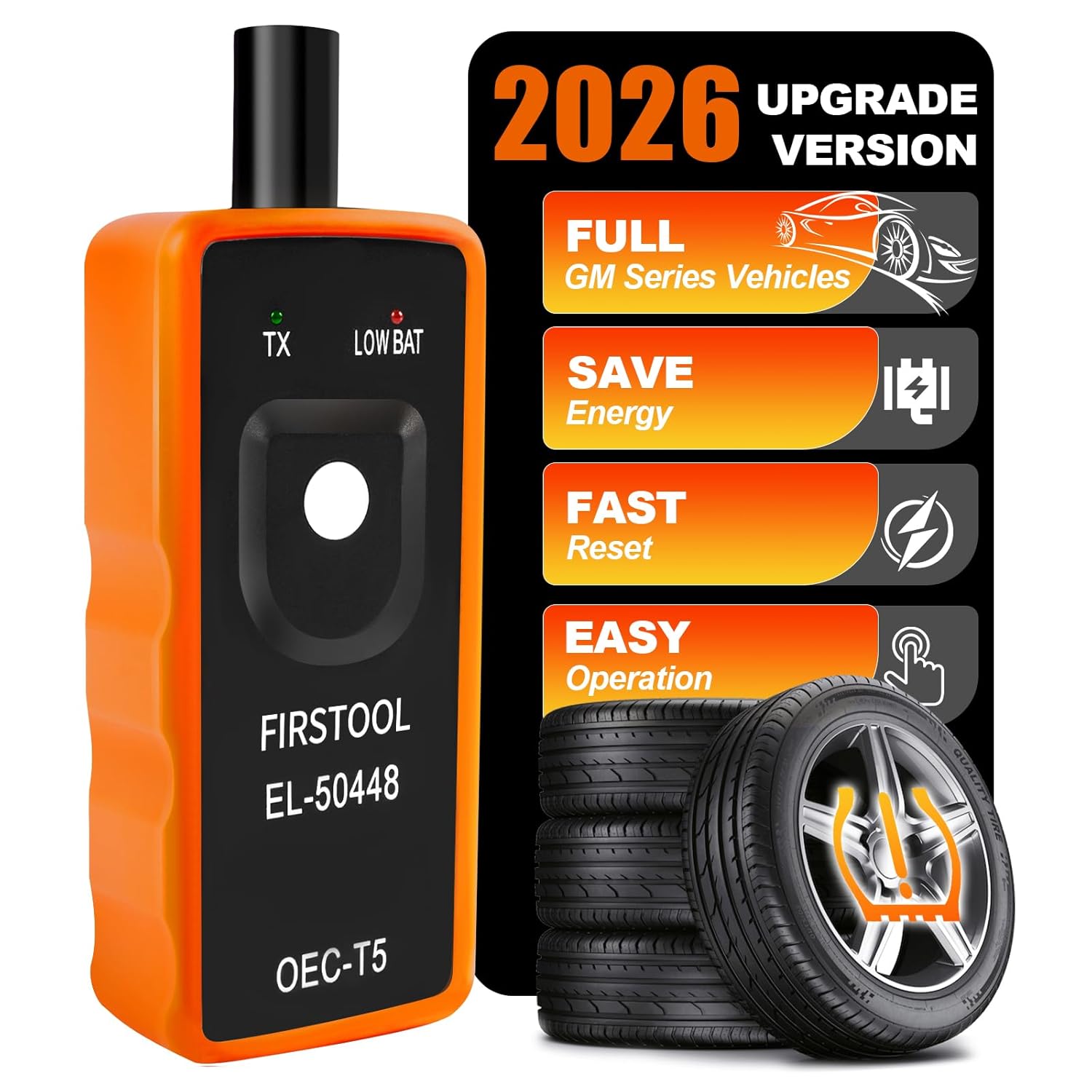
This TPMS relearn tool helps you quickly activate, match, and reset GM tire pressure sensors to keep the vehicle monitoring system working properly. It clears tire pressure alarms and dashboard warning lights after sensor replacement or tire rotation, and supports learning for common 315/433 MHz TPMS sensors. Designed for simple one-button operation, it can help you avoid unnecessary trips to repair shops.
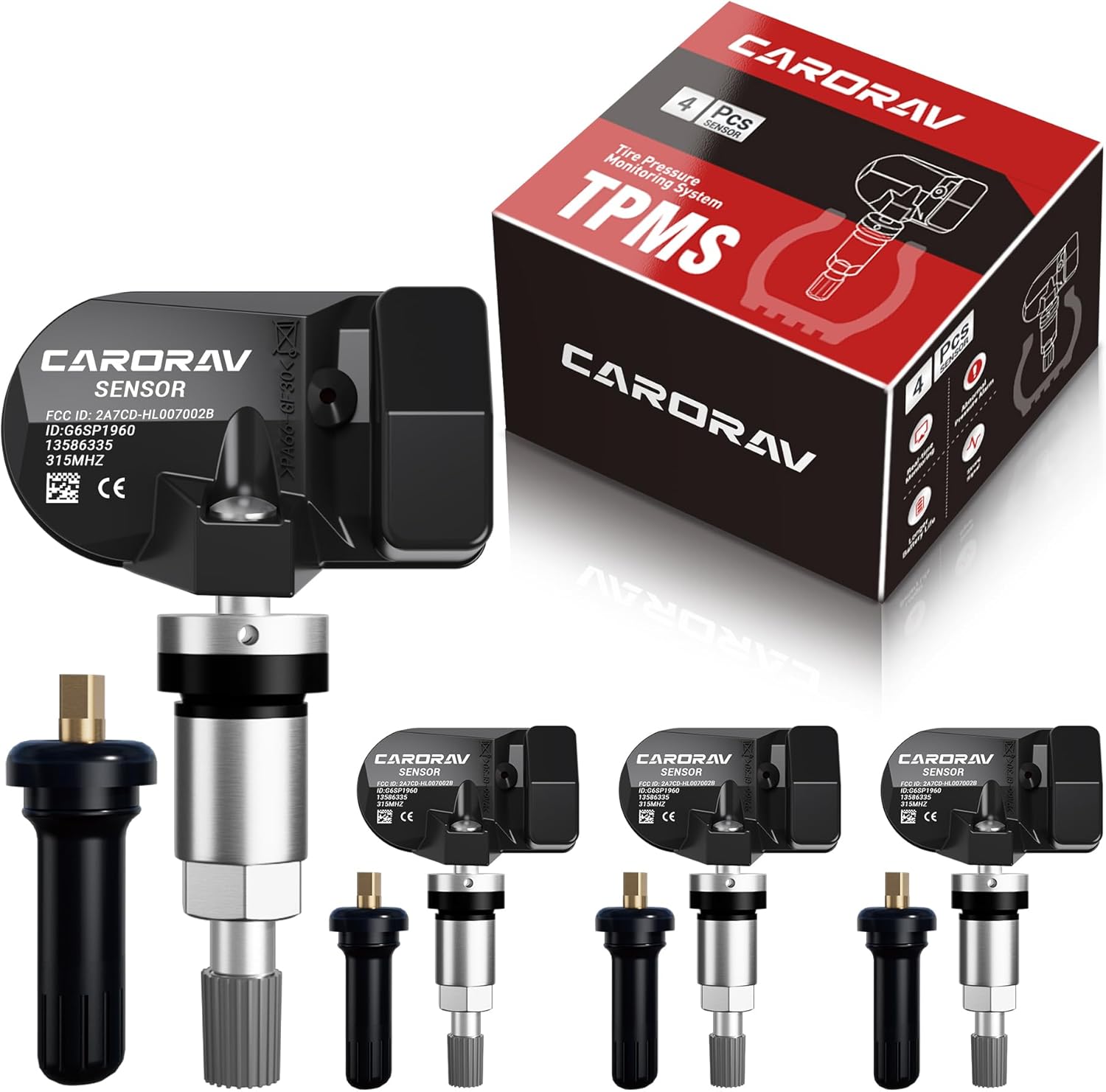
Replace worn or missing TPMS sensors with CARORAV pre-programmed GM-compatible sensors for a smoother installation experience. These 315MHz replacement sensors help monitor tire pressure in real time with long battery life, and they are designed to withstand harsh temperatures. Manual or OBDII relearn may be required to reset the system for proper recognition.
Understanding the TPWS Light: Steady, Flashing, or Returning
Your Toyota Hilux may call the system TPWS, which means Tire Pressure Warning System. Many drivers also call it TPMS, or Tire Pressure Monitoring System. The warning behavior can help you decide what to do next.
- Steady warning light: At least one tire may be significantly underinflated. Check pressure as soon as you can do so safely.
- Light turns on during a cold morning, then turns off: Tire pressure may be close to the warning threshold. Check the tires cold instead of ignoring it.
- Light flashes, then stays on: The system may have a malfunction, such as a sensor, receiver, or communication issue.
- Light returns after inflation: A slow leak, puncture, valve stem issue, damaged wheel, or sensor fault may be present.
Proper tire pressure affects safety, tire life, and fuel use. FuelEconomy.gov says proper inflation can improve gas mileage by 0.6% on average and up to 3% in some cases.
Identifying Tire Issues Beyond Low Pressure
Low tire pressure is the most common reason for the warning light, but it is not the only one. A tire can lose air slowly through a nail hole, cracked valve stem, corroded rim bead, or poor tire bead seal. That slow leak may not look obvious when you walk around the truck.
Also check for uneven tire wear, bulges, cuts, vibration, pulling, or a tire that looks lower than the others. These signs can point to alignment, suspension, balance, or tire damage issues. If one tire keeps losing pressure after you refill it, do not keep resetting the warning light. Have the tire inspected.
A faulty tire pressure sensor can also trigger a warning. Sensor problems are more likely after tire replacement, wheel replacement, harsh impact, valve stem damage, or battery failure inside an older sensor. If the warning light flashes before staying on, schedule a system diagnosis.
Note: Tire sealant can interfere with some tire pressure sensors. If you used emergency sealant, tell the tire shop before they inspect or repair the tire.
[Products Worth Considering]

Milton S-921 pencil tire pressure gauge helps you maintain optimal tire pressure for passenger cars with accurate readings in PSI and kPa. It features a built-in deflator valve for convenient pressure adjustments, plus a single chuck head and nylon indicator bar for easy use on the go. Built from durable plated brass and designed for reliable performance, it’s a practical road trip and cold-weather maintenance tool.

The TYAMATE TM8 solar-powered wireless TPMS delivers real-time tire pressure and temperature monitoring with six alarm modes for safer driving. A vibrant color LCD display shows readings clearly while windshield mounting keeps it hands-free and easy to read. With a wide 0–87 PSI range, strong 433.92 MHz signal transmission, and quick sensor pairing, it’s ideal for RV, sedan, SUV, MPV, and truck use.

Get precise tire readings with the ETENWOLF T300 Plus digital gauge, calibrated to ANSI B40.7 Grade 2A for reliable accuracy. It measures across a wide 3–200 PSI range and includes thermal compensation for dependable performance from extreme cold to heat. The bright LED display, LED illumination, and replaceable AAA batteries make it easy to check pressures quickly, even in low light.
How and When to Reset the Tire Pressure Warning Light?
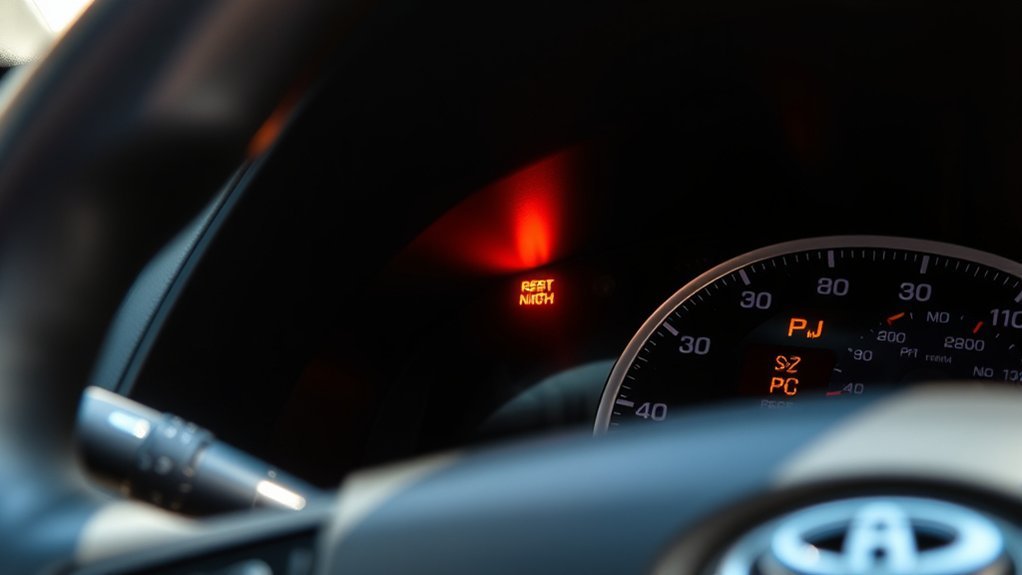
Reset the tire pressure warning light only after you confirm that every tire is set to the correct cold PSI. Resetting before fixing the pressure can teach the system the wrong baseline and hide a real tire problem.
On many Toyota Hilux models, the reset process uses the multi-information display and steering wheel controls. The exact menu can vary by model year, market, and trim, so use your owner’s manual as the final guide. A common process looks like this:
- Park safely and set every tire to the recommended cold PSI.
- Turn the ignition on or start the vehicle, depending on your model’s instructions.
- Use the steering wheel controls to open the vehicle settings menu.
- Find the TPWS or tire pressure warning system setting.
- Select the set pressure, initialize, or reset option.
- Hold the OK button if your display asks you to confirm.
- Drive normally so the system can relearn and confirm the tire pressure status.
If the light comes back after the reset, do not repeat the reset over and over. Recheck all tire pressures when cold. If one tire has dropped again, treat it as a leak until a tire shop proves otherwise.
The Role of Tire Maintenance in Preventing Warning Lights
Good tire maintenance helps prevent warning lights, uneven wear, poor handling, and early tire replacement. According to NHTSA tire maintenance guidance, you should check tire pressure at least once a month when the tires are cold. You should also inspect tread and visible tire damage during the same check.
Regular Pressure Checks
Regular pressure checks give you three clear benefits:
- Safer handling: Correct pressure helps the tire keep proper contact with the road.
- Better fuel use: FuelEconomy.gov says underinflated tires can lower gas mileage by about 0.2% for every 1 PSI drop in the average pressure of all tires.
- Longer tire life: Correct pressure helps reduce shoulder wear, heat buildup, and uneven tread wear.
Check pressure before long trips, before towing, after a large temperature swing, and any time the Hilux feels unstable or pulls to one side.
Importance Of Tire Rotation
Tire rotation helps your Hilux tires wear more evenly. Follow the rotation interval and pattern in your owner’s manual, especially if your Hilux has different tire sizes, directional tires, or a spare tire rotation pattern. As general tire care guidance, NHTSA says some vehicles should rotate tires every 5,000 to 8,000 miles if the manufacturer recommends it, or sooner if uneven wear appears.
Balancing and wheel alignment also matter. A balance issue can create vibration, while misalignment can make the truck pull to one side and wear tires unevenly. These problems may not directly cause every TPWS alert, but they can shorten tire life and make pressure-related issues harder to diagnose.
When to Bring Your Hilux to a Toyota Dealer or Tire Shop
Bring your Hilux to a Toyota dealer, trusted mechanic, or qualified tire shop if the warning light keeps returning after you set the correct pressure. A technician can check for leaks, scan the TPWS, test sensor operation, and inspect the tires from the inside if needed.
Get professional help if you notice any of these signs:
- Persistent warning light: The light reappears soon after proper inflation and reset.
- Flashing TPWS light: The system may have a sensor or communication fault.
- One tire keeps losing air: A slow leak, valve stem problem, puncture, or rim leak may be present.
- Visible tire damage: Bulges, cuts, cords, cracks, or sidewall damage need immediate attention.
- Recent tire or wheel work: A sensor may need relearning, replacement, or correct registration.
[Products Worth Considering]

This tire inflator with pressure gauge delivers long-lasting performance with a durable rubber-protected gauge and sturdy build. The longer hose and 360 swivel air chuck help you seal the valve securely and keep your hands free while measuring, inflating, or deflating. It’s battery-free for reliable use and provides ±2 PSI accuracy in the mid-range for most typical tires, with universal compatibility for 1/4 NPT compressor outputs.

The VEHLIVE SU-50448 II TPMS relearn tool provides a fast activation reset to restore accurate tire pressure monitoring after sensor replacement or tire rotation. It supports 315 MHz and 433 MHz GM series sensors and helps clear dashboard pressure warnings. With simple two-button operation and horn-confirmed relearning order, you can reprogram sensors conveniently at home.
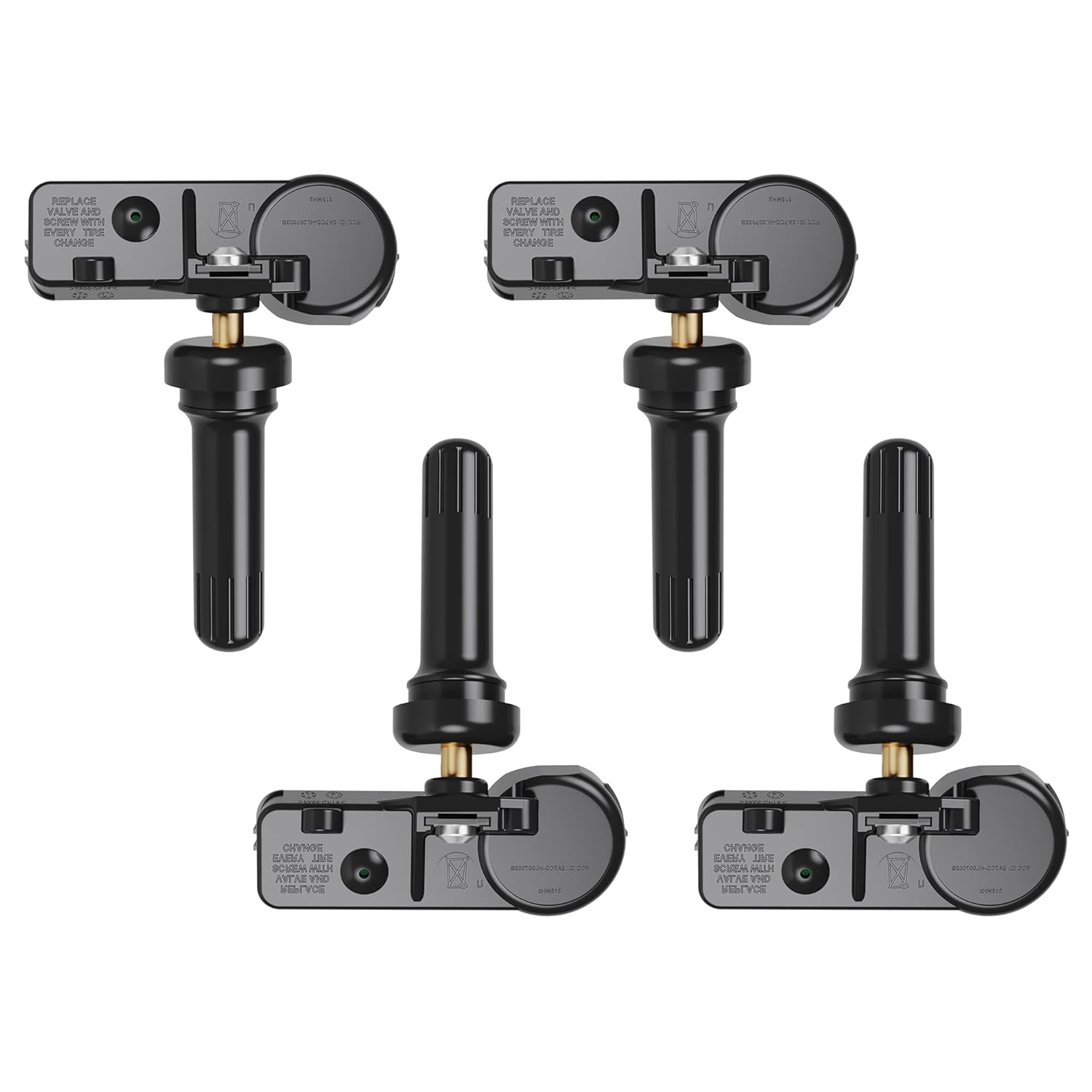
Replace worn or faulty TPMS sensors with this brand new 315MHz GM-compatible replacement set for select Chevy, GMC, Buick, Cadillac, and similar vehicles. These sensors are pre-programmed for your make/model/year and typically only require activation with a scan tool. Built for long service life with a high-temperature battery, they help maintain reliable tire pressure monitoring for safer driving.
Common Causes of the Tire Pressure Warning Light
When the tire pressure warning light pops on in your Toyota Hilux, start with pressure, then move to leaks, sensors, temperature changes, and recent tire service. This order saves time and reduces the chance of missing a simple issue.
Low Tire Pressure
Low tire pressure often happens because tires naturally lose small amounts of air over time. A cold morning can also push a marginally low tire below the warning threshold. Check the tires cold, inflate to the placard PSI, and recheck after a day or two.
If one tire loses pressure faster than the others, inspect it for a nail, screw, valve leak, rim damage, or bead leak. A tire shop can use leak-detection methods to find problems that you cannot see from the outside.
Faulty Tire Pressure Sensor
A faulty sensor can turn on the warning light even when the tire pressure is correct. Sensor batteries can weaken with age, and sensors can be damaged during tire changes, curb impacts, or valve stem repairs. Some wheels or aftermarket sensors may also need proper programming before the system recognizes them.
If the warning light flashes for a short period and then stays on, the system may be reporting a TPWS malfunction instead of simple low pressure. In that case, a diagnostic check is the best next step.
Temperature Changes Impacting Pressure
Temperature changes can affect tire pressure enough to trigger a warning, especially when the tires were already close to the lower limit. Cold weather can make the light appear in the morning, while pressure may rise after driving as the tires warm up.
Avoid bleeding air from a hot tire just because the number looks higher after a drive. Set your final pressure when the tires are cold, unless your owner’s manual gives a specific procedure for warm tire adjustment.
What Not to Do When the Tire Pressure Light Is On
- Do not ignore the light. Underinflated tires can affect handling, heat buildup, tread wear, and fuel use.
- Do not reset first. Correct the pressure and inspect the tires before using the reset function.
- Do not inflate to the sidewall maximum. Use the vehicle’s recommended cold PSI.
- Do not assume the sensor is bad. Check pressure and leaks before blaming the TPWS.
- Do not keep driving on a damaged tire. Sidewall damage, bulges, and exposed cords need immediate service.
Frequently Asked Questions
Why is my tire pressure light on when my tires look fine on my Toyota Hilux?
A tire can be low without looking flat. Underinflated tires are hard to spot by sight, so check each tire with a gauge. The light can also come on because of a slow leak, cold weather, a faulty sensor, or a TPWS malfunction.
Can I fix a TPMS or TPWS error myself?
You can check and correct tire pressure yourself, then reset the system if your owner’s manual allows it. If the light flashes, returns quickly, or stays on after correct inflation, the tire or sensor needs professional diagnosis.
Should I reset the Toyota Hilux tire pressure light before adding air?
No. Always check and correct the tire pressure first. Resetting before the tires are set correctly can hide the real issue and may store the wrong baseline in the system.
What PSI should I use for my Toyota Hilux tires?
Use the PSI listed on your Hilux tire and loading label or in your owner’s manual. The correct number can vary by model, tire size, load, and market. Do not use the maximum PSI printed on the tire sidewall as your normal target.
Why does the tire pressure light come on after new tires?
After new tires, the light may come on if the pressure was not set correctly, a valve stem leaks, a sensor was damaged, or the sensors need relearning. Recheck cold pressure first, then ask the tire shop to inspect the sensors if the warning remains.
Conclusion
Your Toyota Hilux tire pressure warning light deserves quick attention because it can point to low pressure, a leak, tire damage, or a sensor fault. Check every tire cold, inflate to the recommended PSI, inspect for visible damage, and reset the TPWS only after the pressure is correct.
If the light keeps returning, flashes, or follows recent tire work, book a tire or TPWS inspection. A few minutes with a gauge can protect your tires, improve safety, and help you avoid a bigger repair later.
Sources
- NHTSA TireWise — tire pressure, cold tire checks, tire placard guidance, TPMS warnings, tread, rotation, balance, and alignment.
- FuelEconomy.gov: Keeping Your Vehicle in Shape — fuel-economy effect of properly inflated and underinflated tires.
- 49 CFR 571.138: Tire Pressure Monitoring Systems — federal TPMS warning and malfunction requirements for covered vehicles.