
Why Toyota Hilux Tires Wear Out on the Outer Edge
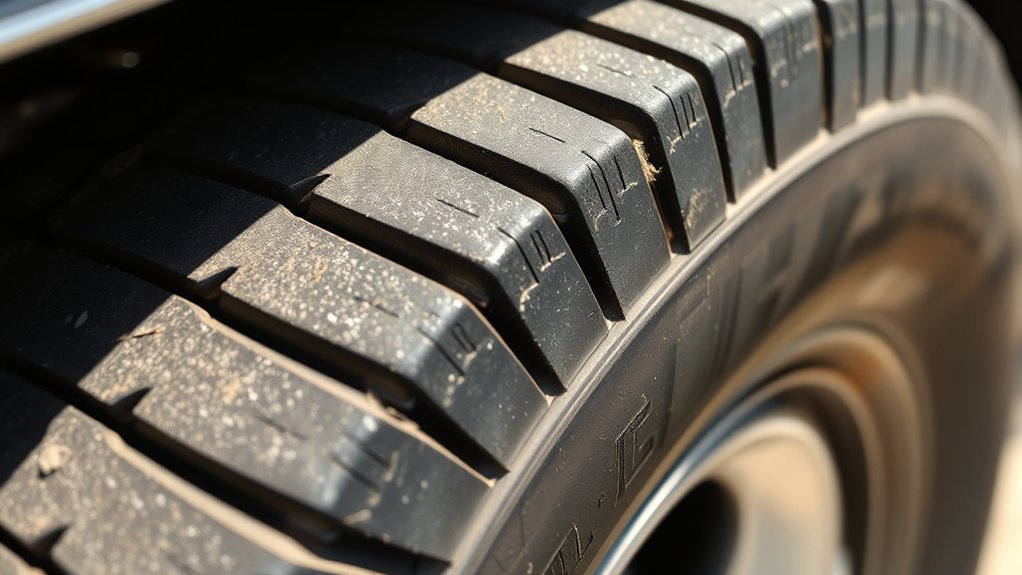
If your Toyota Hilux tires are wearing on the outer edges, do not assume the tire is simply “bad.” Outer-edge wear usually means the tread is not sitting on the road evenly. The most common causes are low tire pressure, wheel alignment problems, worn suspension parts, heavy loads, hard cornering, or a mix of these issues. The exact cause depends on the wear pattern, so start by checking whether both shoulders are worn or only one outside edge is wearing faster.
Quick Answer
Toyota Hilux tires usually wear on the outer edges because of underinflation, incorrect wheel alignment, worn suspension parts, overloading, or aggressive cornering. Wear on both shoulders often points to low pressure or heavy loads. Wear on one outside shoulder often points to camber, toe, or suspension problems.
Key Takeaways
- Outer-edge wear on both sides of the tread often means low tire pressure, heavy loading, or frequent hard cornering.
- Outer-edge wear on only one shoulder often points to wheel alignment, camber, toe, or worn suspension parts.
- Check tire pressure when the tires are cold and use the pressure listed on your Hilux door placard or owner’s manual.
- Do not keep driving on tires with exposed cords, bulges, deep cracks, severe vibration, or tread worn to the wear indicators.
- A proper fix usually requires correcting the cause first, then rotating or replacing the affected tires as needed.
At a Glance
| Time Required | 10–15 minutes for a basic tire check; 30–60 minutes for a professional alignment or suspension inspection |
| Difficulty | Easy for pressure and tread checks; professional service recommended for alignment and suspension diagnosis |
| Tools Needed | Tire pressure gauge, tread depth gauge or coin, flashlight, notepad, and your Hilux owner’s manual or tire placard |
| Cost | Usually free for a visual check; shop costs vary for alignment, tire replacement, balancing, or suspension repairs |
Why Your Toyota Hilux Tires Wear Unevenly: Common Causes and Solutions
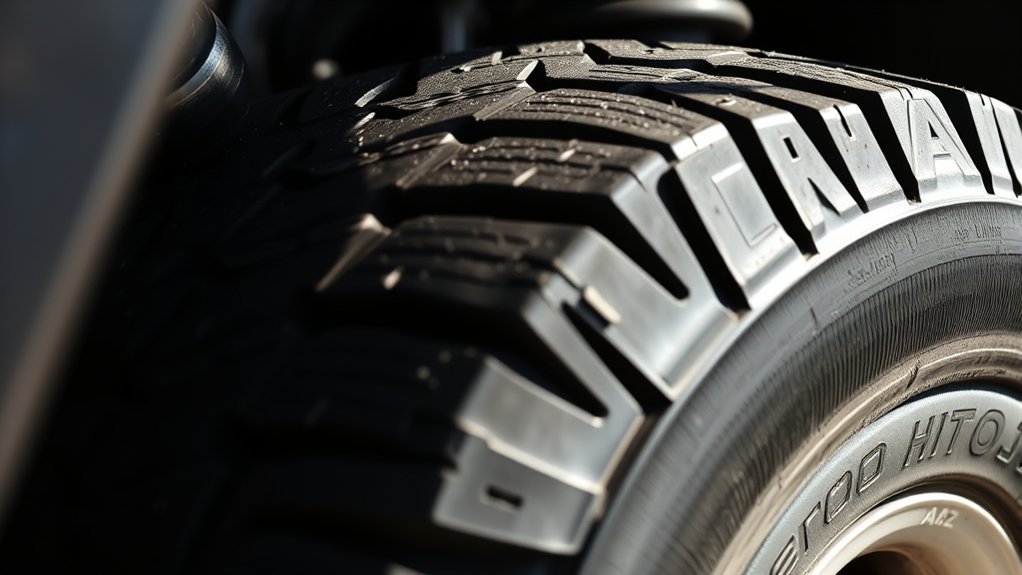
Uneven tire wear on your Toyota Hilux can affect grip, braking, steering feel, fuel use, and ride comfort. The first step is to read the pattern. A tire worn on both outer shoulders tells a different story than a tire worn only on the outside shoulder.
Two common causes of irregular tire wear are improper inflation pressure and out-of-spec alignment. Low tire pressure lets the tire flex too much, which can overwork the shoulders. Alignment problems change how the tire contacts the road, often wearing one shoulder faster than the rest of the tread.
Hilux owners should also consider how the truck is used. Heavy payloads, towing, gravel roads, off-road driving, pothole hits, curb impacts, and worn suspension parts can all speed up outer-edge wear. If the wear returns after you replace the tires, the truck likely has an unresolved pressure, alignment, load, or suspension problem.
| Wear Pattern | Likely Cause | What to Check First |
|---|---|---|
| Both outer shoulders worn | Low tire pressure, heavy load, or hard cornering | Cold tire pressure, slow leaks, load weight, and driving style |
| One outside shoulder worn | Camber, toe, or suspension geometry issue | Alignment report, steering pull, tire feathering, and suspension joints |
| Feathered or saw-tooth edges | Toe misalignment or worn steering parts | Tie rods, alignment settings, and steering wheel position |
| Cupped or scalloped tread | Suspension wear, imbalance, or weak shocks | Shock absorbers, wheel balance, bearings, and bushings |
| Center tread worn faster | Overinflation or incorrect pressure for the load | Door placard pressure, load pressure guidance, and tire gauge accuracy |
Warning: Do not keep driving on a Hilux tire with exposed cords, a bulge, a deep crack, a blister, severe vibration, or tread worn level with the treadwear indicators. Have the tire inspected and replaced if needed before you drive at highway speed.
[Products Worth Considering]

EVOULTES heavy duty tire inflator with an integrated gauge delivers accurate pressure readings from 10–120 PSI, helping you inflate, deflate, and check tires in one tool. The 16.5-inch extended dual-head air chuck with swivel base reaches hard-to-access dual wheel valves on trucks and RVs. A brass trigger core and side-mounted air release valve make operation smooth, with standard 1/4" NPT threading and quick-connect compatibility for easy setup.

The JACO FlowPro Tire Inflator measures, inflates, and airs down tires up to 100 PSI with battery-free operation and ±2% accuracy after calibration. It features a glowing pressure dial for night visibility, a heavy-duty steel build with a hybrid hose, and a precision push-to-inflate thumb trigger. The patented Lightning Air Chuck locks on for a secure seal, and the kit includes quick-connect hardware for easy inline use with your air compressor.

This portable cordless tire inflator delivers fast, efficient inflation for cars, motorcycles, bikes, and sports balls with a digital pressure gauge. Use the one-click PSI preset with auto shut-off for accurate, hands-free topping to your target pressure up to 150 PSI. It’s compact and rechargeable with a built-in emergency LED light plus valve adapters and accessories for quick, ready-to-go use.
How Improper Tire Pressure Leads to Uneven Tire Wear
Tire pressure controls the shape of the tire and how the tread meets the road. Toyota explains that tire pressure affects load capacity, tread contact, tire heat, handling, safety, and fuel efficiency. When pressure drops below the recommended level, the tire flexes more than it should. That extra flex creates heat and can wear the shoulders faster.
Always check Hilux tire pressure when the tires are cold. Use the pressure listed on the tire and loading placard or in your owner’s manual. Do not use the maximum pressure molded into the tire sidewall as your normal driving pressure. That sidewall number is not the same as Toyota’s recommended pressure for your vehicle, load, and tire size.
NHTSA recommends checking all tires, including the spare, at least once a month when they are cold. You should also check pressure before a long trip, before towing, and before carrying a heavy load. If one tire repeatedly loses air, look for a puncture, leaking valve stem, cracked wheel, or bead leak.
Pro Tip: Measure tread depth at the inner, center, and outer grooves of each tire. Write the numbers down. A simple tread log makes it easier to spot whether pressure, alignment, or suspension is causing the wear.
The Role of Wheel Alignment in Maximizing Tire Longevity
Wheel alignment sets the angles of the tires so they roll straight and contact the road correctly. Alignment does not adjust the tire itself. It adjusts steering and suspension angles such as camber, toe, and caster.
If the outside shoulder of one front tire is wearing faster than the rest of the tread, alignment should be high on your checklist. Excessive camber can load one shoulder of the tire. Incorrect toe can scrub the tread as the tire rolls, often creating feathered edges that feel sharp in one direction and smooth in the other.
Importance of Proper Alignment
Proper alignment helps the tire roll instead of scrub. That protects tread life, steering stability, and ride comfort. It also helps prevent the Hilux from pulling to one side on a straight, level road.
Toyota UK notes that steering pull can be related to tracking, unequal tire pressures, or mismatched front tread. That is why you should not jump straight to an alignment without checking pressure and tread condition first.
Effects of Misalignment
Misalignment can cause outer shoulder wear, feathering, steering pull, an off-center steering wheel, and faster tire noise. It can happen after hitting a pothole, striking a curb, driving on rough roads, or replacing suspension parts without a follow-up alignment.
On a Hilux used for work, towing, or off-road driving, alignment can move out of specification sooner than it would on a lightly used road vehicle. If the truck starts pulling, the wheel sits crooked, or a new tire begins wearing unevenly within a few thousand miles, book an alignment check.
Regular Alignment Checks
Alignment does not need to be checked on one universal mileage schedule for every Hilux. A better rule is to check it after a hard impact, after suspension work, when you notice steering pull, when the steering wheel is off-center, or when tire wear appears uneven.
| When to Check Alignment | Why It Matters |
|---|---|
| After hitting a pothole or curb | Impact can bend or shift steering and suspension angles. |
| When the Hilux pulls to one side | Pulling can point to alignment, pressure, or tire mismatch issues. |
| When outer-edge wear appears | Early correction may save the tire before the shoulder is ruined. |
| After replacing suspension parts | New parts can change camber, toe, or steering position. |
How to Spot Suspension Problems Affecting Your Tires
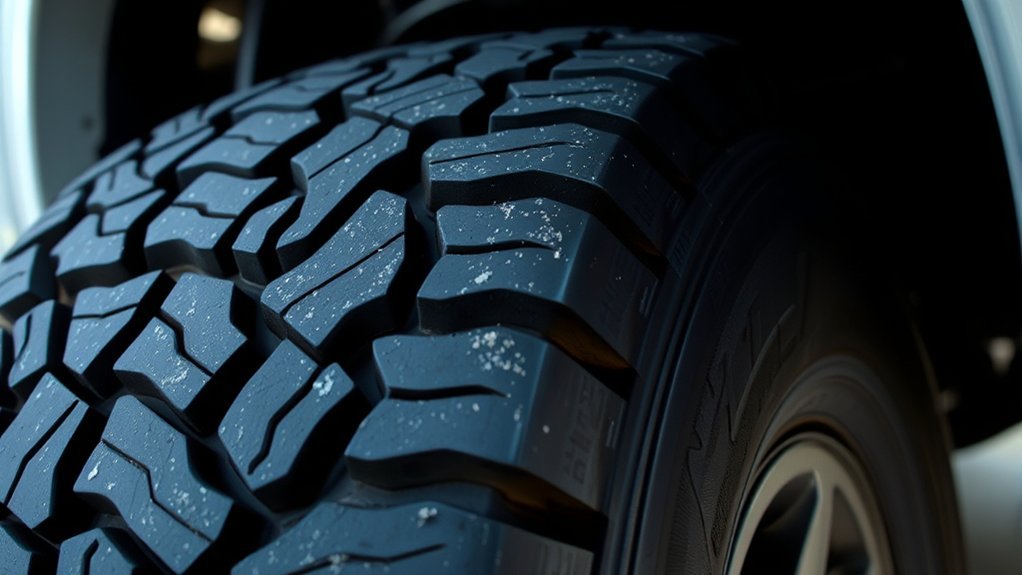
Suspension and steering parts keep the tire stable as it rolls, turns, brakes, and moves over bumps. When those parts wear out, the tire can bounce, tilt, drag, or scrub across the road. That can create outer-edge wear, feathering, cupping, vibration, or steering wander.
Visible Tire Damage
Start with a visual inspection in good light. Turn the steering wheel to expose the front tire shoulders, then inspect the inside, center, and outside tread. Look for:
- Cracks, blisters, bulges, or cuts on the tire sidewall or tread
- Outer shoulder wear that is much worse on one front tire
- Feathered tread blocks that feel sharp when you run your hand across them
- Cupped or scalloped low spots around the tire
- Exposed cords, exposed steel belts, or rubber worn flat to the treadwear bars
If you see cords, bulges, or deep cracks, treat it as a safety issue. A tire in that condition can fail without much warning, especially under load, heat, or highway speed.
Irregular Wear Patterns
Irregular wear patterns often tell you where to look next. Feathering points toward toe alignment or steering wear. One-sided shoulder wear points toward camber or suspension geometry. Cupping can point toward weak shocks, imbalance, loose wheel bearings, or worn suspension parts.
Common parts to inspect include tie rod ends, ball joints, control arm bushings, shock absorbers, struts, wheel bearings, and bent wheels. If your Hilux has been driven off-road or used for heavy work, inspect these parts more often. A small amount of looseness can become a tire-wear problem quickly.
Note: Rotating tires can even out normal wear, but it will not fix the root cause of severe outer-edge wear. Correct pressure, alignment, load, or suspension problems before expecting a rotation to help.
Tips for Preventing Tire Wear on Your Toyota Hilux
Preventing tire wear on a Toyota Hilux comes down to routine checks and quick action when something changes. Use the same simple routine every month so you can catch small problems before they ruin a tire.
- Check pressure cold every month. Include the spare if your Hilux carries one.
- Use the correct pressure source. Follow the tire placard or owner’s manual, not the tire sidewall maximum.
- Rotate tires on the recommended schedule. NHTSA advises checking the owner’s manual and rotating every 5,000 to 8,000 miles if the manufacturer recommends it.
- Balance tires when vibration appears. Vibration can speed up irregular wear and stress suspension parts.
- Inspect tread depth across the full width. Measure inner, center, and outer grooves.
- Watch your load. Do not exceed your Hilux payload, axle, towing, or tire load limits.
- Slow down on rough surfaces. Potholes, corrugations, rocks, and curbs can knock alignment out or damage a tire.
- Book an inspection after an impact. A bent wheel or shifted alignment can start wearing a tire quickly.
Driving habits matter too. Fast cornering, repeated tight turns on pavement, and heavy loads can all scrub the outer shoulders. If you use your Hilux for work or towing, check the front tires more often because steering and braking forces can reveal problems there first.
A tire that keeps wearing on the outer edge after rotation is not asking for another rotation. It is asking for a pressure, alignment, load, or suspension diagnosis.
[Products Worth Considering]

The Tymate TM3 RV TPMS delivers real-time tire pressure monitoring from 0 to 144 PSI with accurate readings and dependable wireless communication. It includes four external sensors with pre-pairing, six alarm modes for rapid leak, pressure extremes, temperature, and signal loss, plus an easy-reference setup for alert thresholds. Solar and USB-C charging help keep the display powered, while the color LCD and adaptive backlight improve visibility for safer driving and towing.

This portable cordless tire inflator delivers up to 160 PSI with fast 17 L/min airflow to help you quickly top up tires and get back on the road. It features dual power mode, running on a 21V rechargeable battery or a 12V DC adapter for convenient roadside use. An automatic shut-off with digital pressure gauge helps prevent overinflation, and a built-in LED light improves visibility in low-light conditions.
What to Do First if the Outer Edges Are Already Worn
If your Hilux tires already show outer-edge wear, work through the checks in this order. This keeps you from paying for an alignment when the real problem is a slow leak, or replacing tires before fixing a worn suspension part.
- Check tire pressure cold. Compare each tire with the Hilux placard or owner’s manual.
- Inspect the full tread width. Look at the inner shoulder, center tread, and outer shoulder.
- Compare left and right tires. A single tire with heavy outer wear often points to alignment or suspension.
- Check for damage. Look for bulges, cracks, punctures, cords, uneven tread blocks, and bent wheels.
- Think about recent impacts. A pothole, curb hit, or off-road impact can change alignment.
- Review load use. Heavy cargo or towing may require pressure and load checks before every trip.
- Get a professional inspection. Ask for alignment readings and a suspension check before installing new tires.
If the worn tire is still safe and has usable tread, a technician may recommend rotation after the root cause is corrected. If the shoulder is too worn, cracked, or showing cords, replacement is the safer choice.
When to Consult a Mechanic for Your Toyota Hilux’s Tire Issues
Consult a mechanic or tire professional if the outer edge is wearing quickly, one tire looks much worse than the others, the Hilux pulls to one side, the steering wheel is off-center, or you feel vibration through the steering wheel or seat. You should also book an inspection after a hard pothole hit, curb strike, or off-road impact.
Ask the shop for more than a quick visual check. A proper diagnosis should include cold tire pressure, tread depth across each tire, wheel balance if vibration is present, alignment readings, and inspection of steering and suspension parts. If parts are worn, repair those first. Aligning a truck with loose or damaged components may not hold the correction for long.
Also consult a professional before replacing only one tire on an axle if the other tire is heavily worn. Tire size, tread depth, load rating, and speed rating affect handling. Your owner’s manual and tire placard should guide the correct tire size and pressure.
Frequently Asked Questions
Why are my Toyota Hilux tyres balding on the outer edge?
Your Hilux tyres may be balding on the outer edge because of low pressure, wheel alignment problems, worn suspension parts, heavy loads, or aggressive cornering. If both outer shoulders are worn, check pressure and load first. If only one outside shoulder is worn, check alignment and suspension.
What condition causes excessive wear on the outside edge of a tire?
Excessive outside-edge wear is often caused by camber or toe alignment that is out of specification. It can also come from worn control arm bushings, tie rods, ball joints, shocks, wheel bearings, heavy loads, low tire pressure, or repeated hard cornering.
What does it mean when a tyre is worn out on both outer edges?
Wear on both outer shoulders usually points to underinflation, heavy loading, or frequent hard cornering. Check the pressure cold, inspect for slow leaks, confirm the correct load pressure in your Hilux owner’s manual or tire placard, and avoid exceeding payload or tire load limits.
Can I keep driving if the outside edge of the tire is worn?
You may be able to drive briefly if the tire still has safe tread depth and no damage, but you should inspect it right away. Do not keep driving on exposed cords, bulges, cracks, blisters, severe vibration, or tread worn to the treadwear indicators.
Will rotating the tires fix outer-edge wear?
Rotation can help reduce normal uneven wear, but it will not fix the cause of outer-edge wear. Check pressure, alignment, suspension, balance, and load first. If the shoulder is badly worn, the tire may need replacement instead of rotation.
What tire pressure should I use for my Toyota Hilux?
Use the pressure listed on your Hilux tire and loading placard or in your owner’s manual. The correct pressure can vary by tire size, market, load, axle, and model year. Check it when the tires are cold, and recheck before long trips or heavy loads.
Conclusion
Outer-edge tire wear on a Toyota Hilux is a warning sign, not something to ignore. Start with the simple checks: cold tire pressure, tread depth, tire damage, and load. Then look for alignment symptoms such as pulling, feathering, or an off-center steering wheel. If the wear is severe, one-sided, or paired with vibration, get the alignment and suspension inspected before buying new tires.
Fixing the cause first protects your next set of tires and keeps your Hilux safer to drive. Replace any tire with exposed cords, bulges, deep cracks, or tread worn to the indicators, and use your owner’s manual or tire placard for the correct pressure and tire size.
Sources
- NHTSA TireWise — tire pressure, tread, balance, alignment, rotation, and tire safety guidance.
- Toyota: How To Check Tire Pressure — manufacturer guidance on tire pressure, load, heat, handling, and checking the placard or owner’s manual.
- Toyota: Tire Rotation Guide — tire rotation basics and effects of skipped rotation.
- Bridgestone: Tire Tread Wear & Causes — inflation, alignment, camber, toe, feathering, and one-sided shoulder wear guidance.
- Toyota UK: Oil & Tyres — steering pull, tracking, tire pressure, tread mismatch, and sidewall damage guidance.
- Transport Canada: Riding on Air — tire damage, treadwear indicators, alignment, balancing, and replacement safety guidance.

Related Articles

best high-performance tires for toyota hilux
You rely on your Hilux for work, adventure, and everyday driving, so choosing high-performance tires matters more than you might think. The right tires…
Read More
best premium off-road tires for toyota hilux
You rely on your Hilux to handle rough trails, heavy loads and unpredictable weather, so choosing the right premium off-road tires matters. The right…
Read More
best premium winter tires for toyota hilux
Choosing the right premium winter tires for your Toyota Hilux matters because you rely on strong traction and load capacity when roads turn icy…
Read More