Last updated: July 2026
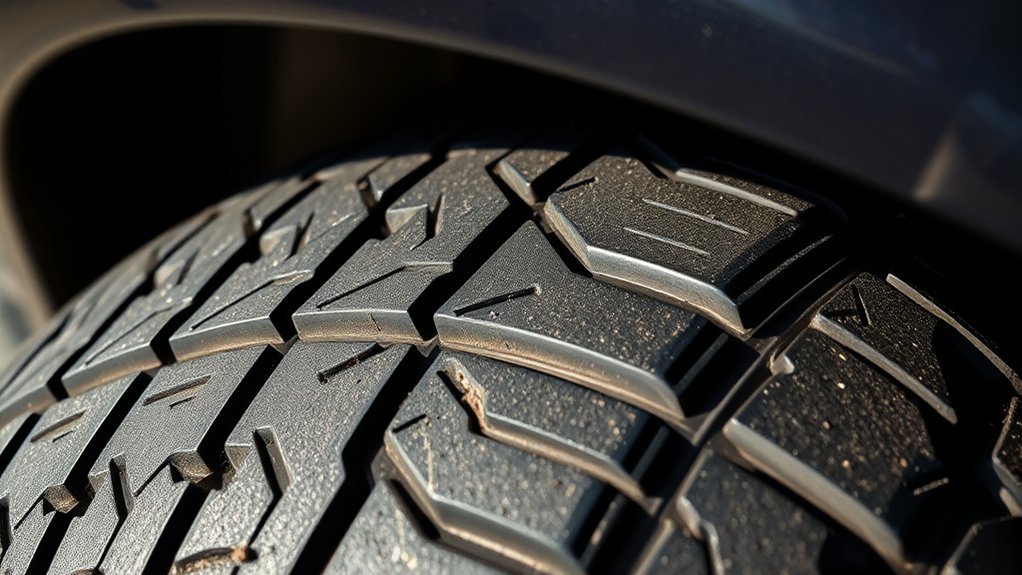
Outside edge tire wear on a Honda Accord doesn’t happen by accident. Something specific forces your tires to carry more load on one side, and without fixing the root cause, a fresh set of tires will wear out just as fast. This guide walks you through every cause and gives you clear steps to stop the damage for good.
Quick Answer
Outside edge tire wear on a Honda Accord most often comes from wheel misalignment, low (underinflated) tire pressure, or worn suspension components. Get an alignment check, verify your tire pressure monthly against the door jamb sticker, and inspect suspension parts like struts and control arm bushings to stop the wear. Overinflation, by contrast, wears the center of the tread — not the outer edges.
Key Takeaways
- Wheel misalignment is the most common cause of outside edge wear; get an alignment check every 6,000 to 12,000 miles or after any major impact.
- Underinflation drives outside edge wear because the tire rides on its shoulders; overinflation wears the center of the tread instead. Check tire pressure monthly against the manufacturer’s specification.
- Worn struts, sagging springs, and damaged control arm bushings alter tire contact angles and cause rapid edge wear.
- Aggressive driving habits, including hard cornering and sudden braking, put extra stress on the outer tire edges.
- Rotating your tires every 6,000 to 7,000 miles distributes wear evenly and extends tire life significantly.
What’s in This Article
- What Causes Outside Edge Tire Wear on a Honda Accord?
- How to Read Your Tire Wear Pattern
- Common Causes of Uneven Tire Wear
- How Wheel Alignment Affects Tire Wear
- How Tire Pressure Influences Outer Edge Wear
- How Suspension Problems Cause Outside Edge Wear
- How Driving Habits Lead to Uneven Tire Wear
- Signs of Outside Edge Tire Wear and When to Act
- Why Regular Tire Maintenance Matters
- How to Fix and Prevent Outside Edge Tire Wear
- When to See a Professional
- Frequently Asked Questions
What Causes Outside Edge Tire Wear on a Honda Accord?
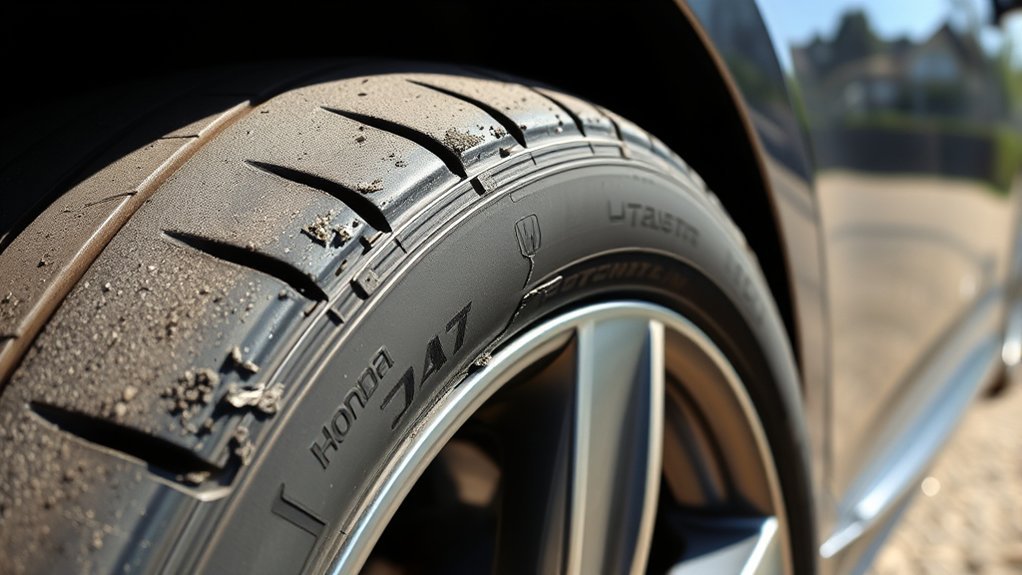
Outside edge tire wear on a Honda Accord always points to a specific mechanical problem. Understanding the cause helps you fix it before you burn through another set of tires. Three issues stand out: skipped tire rotations, low tire pressure, and worn suspension parts.
Regular tire rotation is essential. Skipping it causes accelerated outside edge wear, especially on the front tires. Tire pressure matters just as much, but direction is everything: underinflation lets the tire ride on its outer shoulders and wears both edges, while overinflation wears the center of the tread. So pressure that is off in either direction drives uneven wear — but it’s low pressure, not high, that produces the outer-edge pattern this article is about.
A suspension inspection rounds out the picture. Worn components like struts and control arms change camber angles, causing the outside edges to wear faster. Your driving style plays a role too — aggressive cornering and hard braking push stress onto the outer tire edges and speed up wear.
How to Read Your Tire Wear Pattern
Before you fix anything, confirm what the wear is actually telling you. Where the wear sits on the tread points to different root causes, so a quick look narrows the diagnosis fast.
| Wear pattern | Most likely cause |
|---|---|
| Both outer edges (shoulders) | Underinflation |
| Center of the tread | Overinflation |
| One edge only (inner or outer) | Camber or toe misalignment |
| Feathered (angled) tread ribs | Toe misalignment |
| Cupping or scalloping | Worn shocks, struts, or suspension |
If your Accord shows wear on both outer shoulders, start with tire pressure. If only one edge is worn, alignment is the more likely culprit. Cupping or scalloping points to worn suspension. This one check saves you from chasing the wrong fix.
Common Causes of Uneven Tire Wear
Uneven tire wear on your Honda Accord stems from several common issues that compound over time. Misalignment tops the list and often follows a pothole hit or worn suspension component. It forces the outer tire edge to carry more load than it should.
Underinflation lets the tire ride on its outer shoulders and accelerates edge wear, while overinflation shifts wear to the center — so getting pressure right in both directions matters. Skipped tire rotations let one area of the tread break down faster than the rest. Aggressive driving, sharp turns, and sudden stops all push extra stress onto the outer edges.
Worn suspension parts like struts or control arm bushings disrupt alignment and make the problem worse. Keeping up with alignment checks and a consistent tire rotation schedule is the most effective defense against premature outside edge wear.
How Wheel Alignment Affects Tire Wear
Misalignment forces specific parts of your tires to degrade faster than others. When wheels fall out of alignment, several problems follow:
- Excessive toe-in or toe-out: This causes rapid edge wear and often a feathered tread pattern.
- Too much positive camber: This tilts the tire so the outer edge carries more load, wearing that shoulder faster.
- Worn suspension components: These change the angle at which your tires contact the road.
- Pothole impacts: Even minor hits can knock alignment off.
- Skipped alignment checks: Schedule one every 6,000 to 12,000 miles to catch problems before they escalate.
Ignoring alignment shortens tire life and creates unpredictable handling. Keeping your wheels aligned correctly and your tires properly inflated gets the most from every set. Proactive alignment checks prevent costly replacements and keep your car safe.
Pro tip: Get an alignment check after any pothole hit or curb strike — don’t wait for your next scheduled service.
[Products Worth Considering]

Steelman white tire marking crayons provide high-contrast, semi-permanent marks for repairing and inspecting tires and equipment. They write on wet or dry, smooth or coarse surfaces including rubber, metal, glass, and wood, making them ideal for puncture location and damage outlining. The lead- and zinc-free crayons resist weather and fading yet wipe away when you no longer need the marks.

Measure tire tread depth quickly and accurately with this LUMITECO dial gauge that reads in 1/32" increments up to 14/32". The color-coded green/yellow/red zones make it easy to judge tire wear and know when replacement is needed. A rugged, compact design with a protective pouch helps keep the gauge ready for use on cars, trucks, motorcycles, and more.

Monitor tire tread wear with a smart, color-coded depth gauge that shows clear condition ranges at a glance. The bar is range marked for fast, easy readings, helping you maintain safer traction and performance. Each gauge is portable with a pocket clip, and the set includes 20 units for daily use and sharing.
How Tire Pressure Influences Outer Edge Wear
Tire pressure shapes how your Honda Accord’s tread wears, and the direction of the error decides the pattern. Underinflation is the pressure problem behind outer-edge wear: too little air lets the tire flex onto its shoulders, so both outer edges wear faster. Overinflation does the opposite and wears the center of the tread. Setting pressure to the manufacturer’s specification on the door jamb keeps the full width of the tread in even contact with the road.
Tire Pressure Effects
Tire pressure affects your Honda Accord’s wear pattern more than most drivers realize. Here’s how inflation level maps to wear:
- Underinflation widens the contact patch onto the shoulders, increasing friction and heat and wearing both outer edges faster; it also raises blowout risk.
- Overinflation shrinks the contact patch and concentrates load in the middle, wearing the center of the tread rather than the edges.
- Monthly pressure checks help you hold the manufacturer’s recommended level consistently.
- Even a few psi below spec increases shoulder wear and rolling resistance, so regular monitoring pays off.
Can Overinflation Cause Outside Edge Wear?
Not directly. Overinflation reduces the tire’s contact patch and concentrates load in the middle of the tread, so its signature pattern is center wear — not outer-edge wear. If your Accord shows wear on the outer shoulders, overinflation is unlikely to be the cause. Look first at underinflation, wheel alignment (toe and camber), and worn suspension components.
Keeping pressure at the door-jamb specification avoids both failure modes: center wear from too much air and shoulder wear from too little. Overinflated tires also ride harsher and lose grip in wet conditions, so more air is rarely the answer. Checking monthly is the simplest way to stay in the safe window.
Underinflation Consequences
Running your Honda Accord’s tires underinflated doesn’t just compromise safety — it drives wear at both outer edges. Here’s what happens:
- Increased contact patch: Low pressure widens the tire’s contact area onto the shoulders, generating more friction.
- Accelerated heat build-up: Extra friction creates heat that speeds up shoulder wear.
- Uneven tread wear: With lower pressure, both outer edges wear faster than the center.
- Higher blowout risk: Underinflated tires are prone to sudden failure under load, especially at highway speeds.
Warning: Driving on underinflated tires in hot weather or at highway speed significantly raises the risk of a blowout — always check pressure before long trips.
Regular pressure checks ensure even weight distribution and extend tire life. This simple monthly habit prevents costly replacements and keeps you safe on the road.
How Suspension Problems Cause Outside Edge Wear
Suspension problems hit your tires hard. Worn struts or sagging springs cause misalignment that pushes excessive load onto the outside tire edge. If you spot irregular wear patterns, a suspension inspection should come next. A bent axle beam or faulty camber setting changes how your tires contact the road and makes the wear worse.
Note: A camber angle out of spec by even one degree can shift most of the tire’s load to the outer edge — an alignment service can measure and correct this.
Regularly inspecting suspension components is essential. Worn control arm bushings misplace your wheels and add to uneven wear. Run a simple bounce test as a rough check: push down on one corner of the car and release. If it settles within one to two bounces, your struts are probably fine. More than that, and they need a closer look — the bounce test is a quick screen, not a substitute for a proper inspection.
Fixing suspension problems quickly extends tire life and makes your car safer to drive. Don’t let overlooked components run up your tire bill.
[Products Worth Considering]

Keep your tires properly inflated with this analog VONDIOR tire pressure gauge, designed for fast, easy readings without batteries. The swiveling, two-axis hose and large glow dial help you measure at any tire angle with instant visibility. Built with a protective rubber shield, it supports durable, low-maintenance use for cars and trucks.

The SAFELIFE dial tire tread depth gauge measures tread depth in 1/32 inch increments with clear, easy-to-read 2-inch dial face. Color zones using a traffic light system help you quickly judge whether tread is low, marginal, or ample for safer driving. Built with a durable zinc cast body and a metal detect probe for precise, comfortable use across cars, motorcycles, trucks, and buses.

Accurately measure tire tread depth with a calibrated gauge marked from 0 to 1 inch in 1/32 inch increments. The color-coded bar helps you quickly identify tread condition ranges, supporting safe driving for trucks, motorcycles, automobiles, and passenger vehicles.
How Driving Habits Lead to Uneven Tire Wear
Your driving style directly shapes how your tires wear over time. Managing these habits protects your outer edges:
- Aggressive acceleration and braking: Rapid starts and hard stops stress the outer tire edges.
- Sharp turns: Frequent hard cornering increases friction and worsens outside edge wear.
- Poor road conditions: Hitting potholes and rough surfaces can knock your wheels out of alignment.
- Smooth driving style: Gradual acceleration and gentle stops distribute wear evenly across the tread.
Signs of Outside Edge Tire Wear and When to Act
Catching outside edge wear early saves money and keeps your car safe. Look for these indicators:
- Visible tread patterns: One side of the tire wears noticeably more than the other.
- Feathering or scalloping: These irregular patterns point to misalignment or worn suspension that needs attention.
- Tread depth below 2/32 inch: At this depth the tire needs immediate replacement — this is the US legal minimum.
- Tire pressure: Check monthly and compare against the manufacturer’s figure on the door jamb sticker.
Regular tire rotation and consistent tread inspections help you catch these issues before they become expensive. Schedule alignment checks every 6,000 to 12,000 miles or after any significant impact. Staying alert to these signs protects both your tires and your safety.
Why Regular Tire Maintenance Matters

Regular tire maintenance protects your safety and stretches your tire investment. Checking tire pressure monthly prevents uneven wear and maintains proper road contact. According to industry guidance, rotating tires every 6,000 to 7,000 miles distributes wear evenly across all four tires and cuts the risk of premature outer edge wear significantly.
An alignment check every 6,000 to 12,000 miles — or after any major impact — keeps your tires tracking straight. Regular inspections of suspension parts like struts and bushings catch problems before they destroy your tires. Proper inflation also improves fuel economy by up to 3%, according to the U.S. Department of Energy. These maintenance steps pay for themselves quickly in tire life and fuel savings.
How to Fix and Prevent Outside Edge Tire Wear
Stopping outside edge wear takes consistent maintenance and a few habit changes. Ensuring proper wheel alignment, monitoring tire pressure, and adjusting how you drive will cut your risk of uneven wear significantly.
[Products Worth Considering]
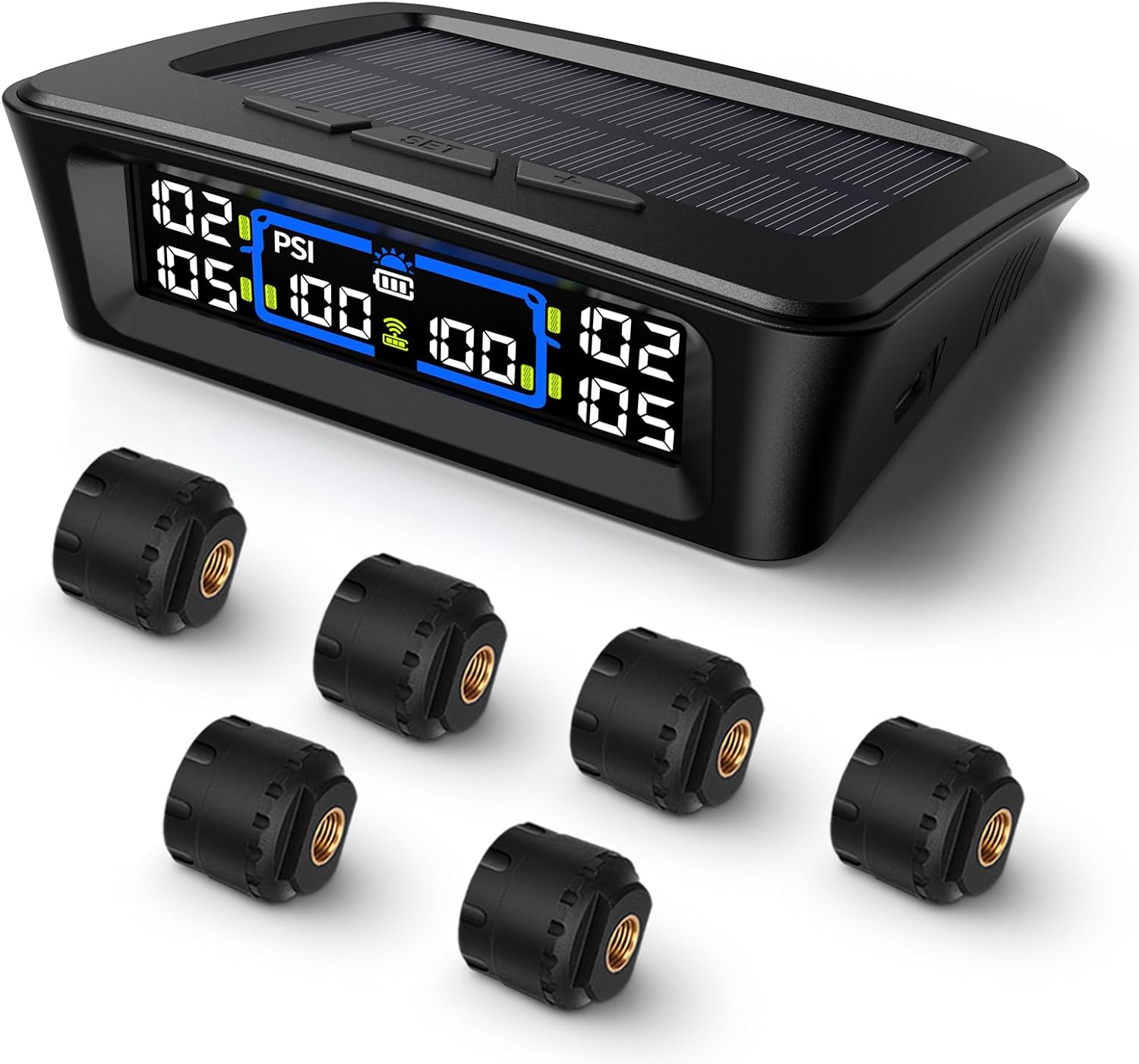
The Tymate TM12 RV TPMS delivers real-time tire pressure and temperature monitoring with a stable 433Hz display for safer long-distance driving. It supports simultaneous monitoring across vehicle and trailer zones, includes six alarm modes for pressure, temperature, leakage, battery, and signal loss, and features easy DIY installation with auto calibration. Power is supplied via USB-C charging or solar recharging, with a wide 0–144 PSI range and up to 50 ft signal coverage for RVs and towable trailers.

The Big Rig Defense Tire Thumper is a truck tire pressure checker that lets you quickly check multiple tires by giving them a firm whack. Listen for a reassuring thump and feel the stick bounce when a tire is fully inflated, helping you get back on the road safely. It features a comfortable, glove-friendly handle and a secure wrist strap for confident use on busy routes.

Measure tyre tread depth precisely with a digital gauge that reads in both MM and inches, helping you monitor safe driving conditions. The large LCD screen is easy to operate, and the compact tool fits for cars, trucks, and motorcycles. It provides high accuracy with a 0-25.4mm range and includes a 1-year warranty for added peace of mind.
Regular Tire Maintenance
Keep your Honda Accord’s tires in top shape with these steps:
- Check tire pressure monthly against the manufacturer’s specification to avoid underinflation or overinflation.
- Rotate tires every 6,000 to 7,000 miles, or with each oil change, to promote even tread wear.
- Inspect tread depth consistently; replace tires when they reach the legal minimum of 2/32 inch.
- Adopt smoother driving habits to reduce stress on the outer tire edges.
Proper Wheel Alignment
Wheel alignment is the single most important factor in maximizing tire life on your Honda Accord. Misalignment, especially camber or toe problems, causes outside edge wear fast. A regular alignment service catches these issues before they become expensive.
Check your alignment every 6,000 to 12,000 miles, and always after hitting a pothole or curb. Pairing regular alignment with tire rotations every 6,000 to 7,000 miles gives your tires the best chance of wearing evenly across the full tread.
Monitor Driving Habits
A smoother driving style reduces stress on your tires and keeps wear even. Focus on these practices:
- Gradual stops: Ease to a stop instead of braking hard at the last moment.
- Steady acceleration: Accelerate gently to reduce strain on the outer edges.
- Check tire pressure: Keep inflation at the correct level to prevent pressure-related edge wear.
- Routine rotations: Rotate tires every 6,000 to 7,000 miles for even wear across all four.
When to See a Professional
Some tire wear problems go beyond what you can fix at home. Take your Honda Accord to a qualified mechanic or tire shop if you notice any of these:
- Outside edge wear continues after a recent alignment service — this may point to a worn suspension part the alignment alone can’t fix.
- Your car pulls to one side while driving straight.
- You feel vibration or shaking in the steering wheel at highway speeds.
- Tread depth drops to or below 2/32 inch on any tire.
- Suspension components show visible damage, such as cracked bushings or leaking struts.
A professional inspection typically covers an alignment check, a full suspension component review, and a tire condition assessment. Catching these problems early costs far less than replacing tires that failed because of an underlying mechanical fault you didn’t know about.
Frequently Asked Questions
What causes excessive wear on the outside edge of a Honda Accord tire?
Outside edge wear usually comes from wheel misalignment, underinflation, or worn suspension components. Misalignment shifts tire load to the outer edge, while low pressure lets the tire ride on its shoulders. An alignment check combined with a tire pressure inspection resolves most cases. (Overinflation causes center wear, not edge wear.)
Why are the outsides of my tires bald?
Bald outer edges typically point to alignment problems or low tire pressure. Both conditions force the outer edge to bear more road contact than the center of the tread. An alignment service and inflating tires to the manufacturer’s recommended level stops the premature wear.
What causes a tire to wear excessively on both outside edges?
Wear on both outside edges at once usually means the tire is underinflated. Low pressure causes the sidewalls to flex, pushing load to the outer edges on both sides. Check tire pressure against the door jamb sticker and inflate to the correct level to stop this pattern.
How often should I get a wheel alignment on my Honda Accord?
Most mechanics recommend an alignment check every 6,000 to 12,000 miles. Always get one after hitting a large pothole, striking a curb, or noticing your car pulling to one side. Catching misalignment early protects both your tires and your suspension components.
Can I drive with outside edge tire wear, or do I need to replace the tires right away?
If tread depth stays above 2/32 inch, you can continue driving, but fix the underlying cause immediately. Driving with active outside edge wear without addressing alignment or pressure problems destroys tires quickly. Replace any tire at or below the 2/32 inch legal minimum without delay.
Conclusion
Outside edge tire wear on your Honda Accord always has a fixable cause. Wheel misalignment, underinflation, and worn suspension components are the most common culprits, and all three respond to regular maintenance. Start by reading the wear pattern, checking your tire pressure monthly, and booking an alignment service if you haven’t had one in the past year.
Catch these issues early and you avoid expensive tire replacements. Take care of the alignment, the pressure, and the suspension, and your tires will wear evenly for the full life of the set — saving you money and keeping your car safe mile after mile.
References
- Keeping Your Car in Shape — Tire Pressure — U.S. Department of Energy, fueleconomy.gov
- Tire Safety — National Highway Traffic Safety Administration (NHTSA)
- Tire Care and Safety Guidelines — U.S. Tire Manufacturers Association