
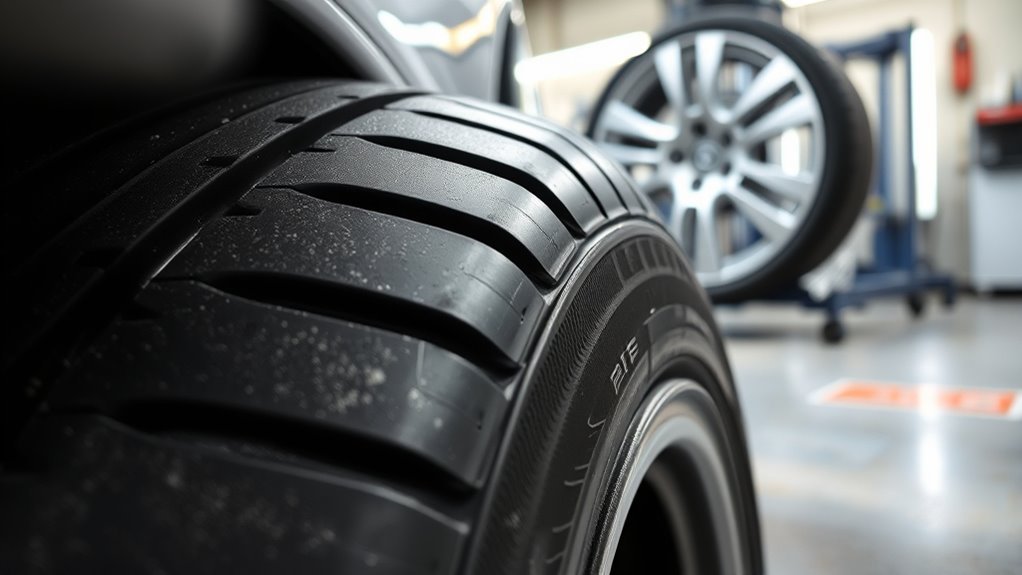
Outer-edge tire wear can look minor at first, but it often points to a problem that affects grip, steering, and tire life. If the outside shoulder wears faster than the center or inner tread, your tire may be carrying load unevenly or scrubbing sideways as you drive. This guide shows you how to spot the pattern, check likely causes at home, and know when to schedule professional service.
Quick Answer
Outer-edge tire wear usually comes from alignment problems, worn suspension parts, low tire pressure, or hard cornering. Check cold tire pressure, compare tread depth across the tire, and look for vibration, pulling, or loose steering. If the outside shoulder keeps wearing faster, schedule an alignment and suspension inspection.
Key Takeaways
- Outer-edge wear often points to alignment, suspension, or tire-pressure problems.
- Positive camber and incorrect toe can overload or scrub the outside shoulder.
- Low tire pressure can wear both outer shoulders faster than the center tread.
- Vibration, looseness, or pulling can signal worn bearings or suspension parts.
- A professional inspection helps prevent more tire damage and unsafe handling.
How to Spot Outer-Edge Tire Wear and Why It Matters
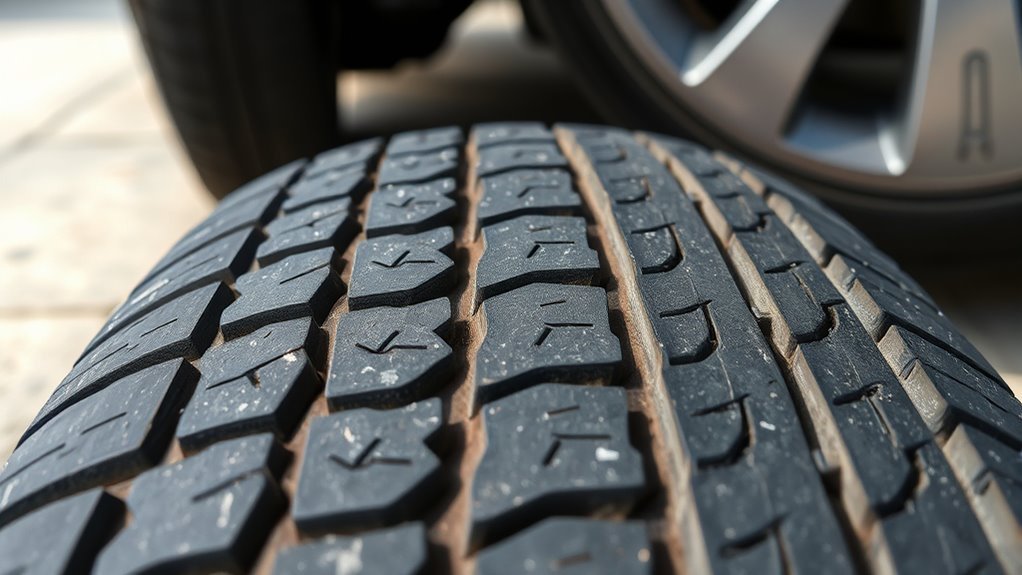
Spotting outer-edge tire wear means looking for faster tread loss along the outside shoulder of the tire. This pattern often signals improper wheel alignment, such as excessive positive camber or incorrect toe, which can place uneven load across the tread.
You may see a thinner tire tread on the outside edge than on the center or inner shoulder. That uneven contact can reduce grip, weaken steering response, and make the vehicle feel less stable.
Aggressive cornering and weak suspension parts can make the pattern worse. Underinflation can also load the outer shoulders, so keep tire pressure at the vehicle maker’s recommended cold pressure.
Warning: Do not ignore visible shoulder wear, exposed cords, bulges, or cracks because these signs can make a tire unsafe.
When you catch outer-edge wear early, you can plan an alignment correction and suspension inspection before the tire loses more tread. That helps restore predictable handling and extends tire life.
Quick Checks You Can Do at Home Before Service
Before you take the car in, run a few simple checks to narrow the likely cause. Start with tire pressure when the tires are cold, before driving or after the car has sat for several hours.
- Check pressure with a reliable gauge and match it to the tire placard on your vehicle.
- Measure tread depth at the outer shoulder, center, and inner shoulder.
- Look for cracks, cuts, bulges, or cords on the tread and sidewall.
- Note whether the car pulls, shakes, wanders, or feels loose while driving.
- Track whether the wear follows one tire after rotation or stays on one vehicle corner.
A steady tread deficit on the outer edge often points to alignment, suspension, or load issues. Clear notes help you ask for precise corrective service instead of a vague inspection.
[Products Worth Considering]

The SAFELIFE dial tire tread depth gauge measures tread depth in 1/32 inch increments with clear, easy-to-read 2-inch dial face. Color zones using a traffic light system help you quickly judge whether tread is low, marginal, or ample for safer driving. Built with a durable zinc cast body and a metal detect probe for precise, comfortable use across cars, motorcycles, trucks, and buses.

Monitor tire tread wear with a smart, color-coded depth gauge that shows clear condition ranges at a glance. The bar is range marked for fast, easy readings, helping you maintain safer traction and performance. Each gauge is portable with a pocket clip, and the set includes 20 units for daily use and sharing.

Measure tire tread depth quickly and accurately with this LUMITECO dial gauge that reads in 1/32" increments up to 14/32". The color-coded green/yellow/red zones make it easy to judge tire wear and know when replacement is needed. A rugged, compact design with a protective pouch helps keep the gauge ready for use on cars, trucks, motorcycles, and more.
How Camber, Toe, and Caster Cause Outer-Edge Wear
If outer-edge loss remains after you correct tire pressure, check suspension geometry next. Three alignment angles matter most: camber, toe, and caster.
Camber describes the inward or outward tilt of the tire when viewed from the front of the vehicle. Excessive positive camber tilts the top of the tire outward, which can place more load on the outside shoulder.
Toe describes whether the tires point slightly inward or outward when viewed from above. Incorrect toe settings create lateral scrub, which wears the tread as the tire drags across the road instead of rolling straight.
Caster mainly affects steering stability and return-to-center feel. Poor caster settings or worn parts can change how the tire loads during turns, which may add to outer-shoulder wear.
Pro tip: Ask the shop for a before-and-after alignment printout so you can see which angles changed.
Keep tire pressure correct first, then use alignment readings to separate pressure problems from geometry problems. Schedule an alignment after curb hits, pothole impacts, steering pull, or repeated uneven wear.
[Products Worth Considering]

Steelman white tire marking crayons provide high-contrast, semi-permanent marks for repairing and inspecting tires and equipment. They write on wet or dry, smooth or coarse surfaces including rubber, metal, glass, and wood, making them ideal for puncture location and damage outlining. The lead- and zinc-free crayons resist weather and fading yet wipe away when you no longer need the marks.

Accurately measure tire tread depth with a calibrated gauge marked from 0 to 1 inch in 1/32 inch increments. The color-coded bar helps you quickly identify tread condition ranges, supporting safe driving for trucks, motorcycles, automobiles, and passenger vehicles.

Measure tyre tread depth precisely with a digital gauge that reads in both MM and inches, helping you monitor safe driving conditions. The large LCD screen is easy to operate, and the compact tool fits for cars, trucks, and motorcycles. It provides high accuracy with a 0-25.4mm range and includes a 1-year warranty for added peace of mind.
Other Vehicle Problems That Can Look Like Alignment Wear
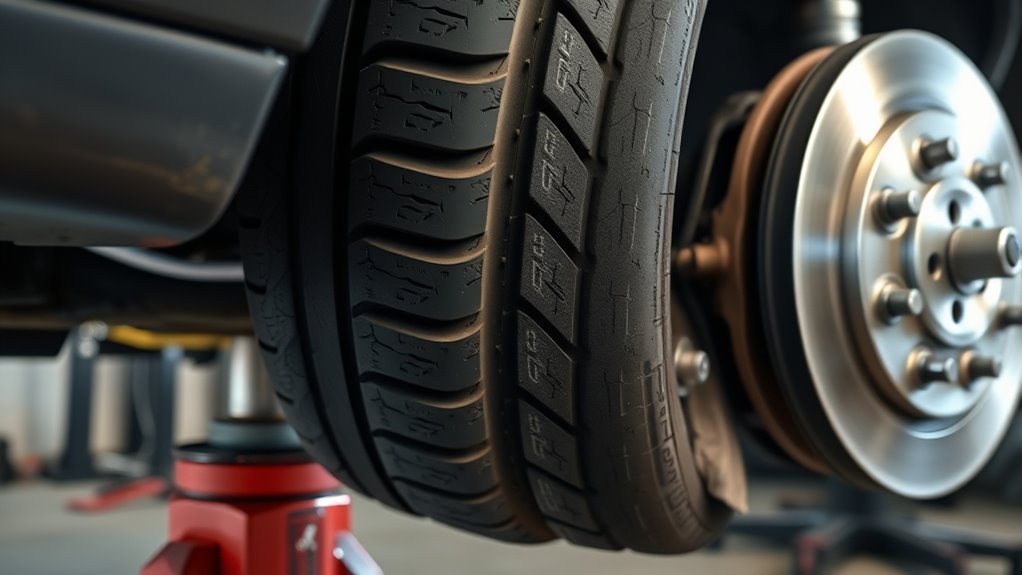
Alignment problems often cause outer-edge wear, but other faults can create a similar pattern. Check related systems before you assume alignment alone caused the damage.
- Inspect shocks, struts, bushings, ball joints, and control arms for looseness or wear.
- Check for wheel-bearing play if you feel wobble, humming, or vibration.
- Correct low tire pressure, which can wear both outer shoulders over time.
- Balance tires if vibration appears at certain speeds.
- Review driving habits, since hard cornering can chew the outer shoulder.
A careful diagnosis helps you avoid replacing parts that do not fix the root cause. Document what you find, then compare it with the technician’s inspection results.
Professional Fixes and Tire Options
Once you rule out basic pressure and visual issues, move to professional corrective steps. A technician can measure camber, toe, caster, and thrust angle, then reset them to the vehicle’s specifications.
Ask the shop to inspect worn suspension components, including control arms, bushings, tie rods, shocks, struts, and ball joints. Replacing worn parts before alignment helps the new settings hold.
If the tire has deep shoulder wear, exposed belts, sidewall damage, or uneven tread that affects handling, replace it. A new alignment cannot make a damaged tire safe again.
When choosing replacement tires, match the size, load rating, and speed rating listed for your vehicle. Touring or performance tires with strong shoulder blocks may hold up better if your driving includes frequent turns, but correct alignment still matters most.
[Products Worth Considering]

The Ziopetru adjustable magnetic wheel alignment tool helps you check and restore camber and caster positioning after removing and reinstalling undercarriage components. With a clear leveling/bubble measurement system and an easy zeroing adjustment knob, it supports precise horizontal angle checking. The strong magnetic base mounts to metal surfaces for convenient use at home on cars, motorcycles, trucks, vans, and SUVs.

This universal wheel alignment tool helps you accurately restore tire tilt angles after tire or suspension repairs using an adjustable camber gauge. It features a powerful magnetic base that firmly attaches to brake rotors for stationary, slip-free readings, improving consistency during measurement. Built from durable PC plastic, it resists wear and corrosion and is compact enough for car, truck, RV, and motorcycle alignment tasks.

Keep your tires properly inflated with this analog VONDIOR tire pressure gauge, designed for fast, easy readings without batteries. The swiveling, two-axis hose and large glow dial help you measure at any tire angle with instant visibility. Built with a protective rubber shield, it supports durable, low-maintenance use for cars and trucks.
Maintenance Schedule and Prevention Tips
Preventing outer-edge tire wear starts with a simple routine. Check tire pressure often, inspect the shoulders, and rotate tires at the interval listed in your owner’s manual.
- Check cold tire pressure with a gauge and use the pressure shown on your vehicle placard.
- Inspect the tread shoulders during fuel stops, washes, or monthly maintenance.
- Rotate tires on the schedule recommended by your vehicle or tire maker.
- Schedule alignment checks after hard impacts, suspension work, or clear uneven wear.
- Repair worn steering or suspension parts before installing new tires.
These habits help you catch uneven wear before it ruins the tire. They also keep handling more predictable and reduce surprise repair costs.
When Outer-Edge Tire Wear Becomes Unsafe
Outer-edge wear becomes unsafe when the tread reaches the legal limit, the shoulder shows cords, or the tire has cracks, cuts, or bulges. You should also treat sudden vibration, thumping, or pulling as a warning sign.
Do not keep driving on a tire that looks damaged or feels unstable. Install the spare if needed, drive slowly, and have a qualified tire or repair shop inspect the tire.
Frequently Asked Questions
What Alignment Issue Causes Outer Tire Wear?
Excessive positive camber and incorrect toe can cause outer tire wear. Positive camber loads the outside shoulder, while bad toe settings scrub the tread as the tire rolls.
What Will Most Likely Cause a Tire to Wear Excessively on Both Outside Edges?
Low tire pressure often causes wear on both outside edges because the center of the tread carries less load. Positive camber, heavy loads, and hard cornering can make the pattern worse.
Can You Drive With Outer-Edge Tire Wear?
You may drive briefly if the wear is mild and the tire has enough tread, but you should inspect it soon. Avoid long trips or high speeds if you see cords, bulges, cracks, or rapid air loss.
Will an Alignment Fix Outer-Edge Tire Wear?
An alignment can stop new uneven wear if bad alignment caused the pattern. It cannot restore tread that has already worn away, so you may still need tire replacement.
Should You Replace One Tire or a Full Set?
That depends on tread depth, tire type, drivetrain, and vehicle maker guidance. All-wheel-drive vehicles often need closely matched tread depth, so ask a tire professional before replacing only one tire.
Safety Disclaimer: This article is for informational purposes only and does not replace inspection by a qualified tire, alignment, or automotive repair professional. Follow your vehicle owner’s manual and get professional help if you see damage, severe wear, vibration, pulling, or handling changes.
Conclusion
Outer-edge tire wear usually means your tire is not meeting the road evenly. Check pressure, inspect tread depth, and look for steering, suspension, or bearing symptoms before the damage spreads.
If the wear keeps returning, schedule an alignment and suspension inspection. Acting early protects your tires, improves handling, and helps you avoid larger repair bills.
