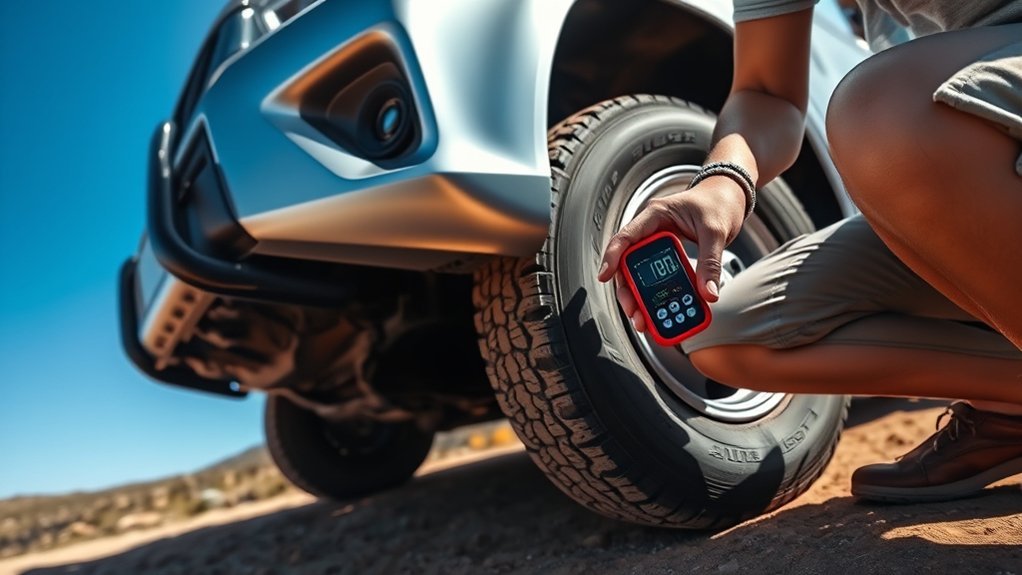
Checking your Toyota Hilux tire pressure is a quick job, but the exact PSI is not the same for every Hilux. The right pressure depends on your model year, tire size, load, and whether you are driving normally, towing, carrying cargo, or heading off-road. The safest rule is simple: use the tire placard on your Hilux, check the tires when they are cold, and confirm the reading with a reliable gauge.
Quick Answer
To check Toyota Hilux tire pressure correctly, park for at least three hours, find the recommended cold PSI on the driver’s door jamb placard, press a tire pressure gauge firmly onto each valve stem, then add or release air until every tire matches the placard. Check the spare too.
Key Takeaways
- Use the Hilux tire placard or owner’s manual for the correct pressure; do not use the maximum PSI printed on the tire sidewall.
- Check pressure when tires are cold, ideally before driving or after the vehicle has been parked for at least three hours.
- Check all four tires and the spare, then reinstall the valve caps to help keep dirt and moisture out of the valve.
- If you tow, carry heavy loads, or drive off-road, follow the load-specific pressure guidance on the placard or in the owner’s manual.
- Do not rely only on the dashboard or Toyota app; TPMS is a warning system, not a replacement for a manual gauge check.
At a Glance
| Time Required | 5–10 minutes |
| Difficulty | Easy |
| Tools Needed | Tire pressure gauge, air compressor or gas-station air pump, valve caps |
| Cost | Free if you already have a gauge; usually low-cost for a basic digital or dial gauge |
Understanding Tire Pressure: Why It Matters for Your Toyota Hilux
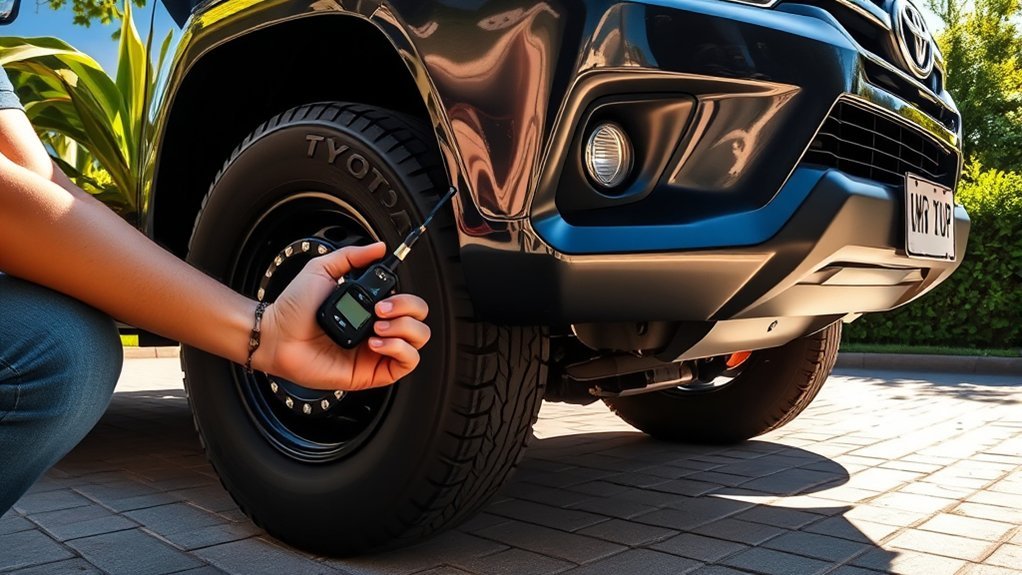
Correct tire pressure helps your Hilux brake, steer, carry weight, and wear its tires evenly. Too little air lets the tire flex more than it should, which can build heat, wear the shoulders of the tread, reduce fuel economy, and increase the risk of tire damage. Too much air can reduce the tire’s contact patch, make the ride harsher, and wear the center of the tread faster.
The most important point is that the correct pressure is the vehicle manufacturer’s recommended cold pressure, not the maximum pressure printed on the tire sidewall. The National Highway Traffic Safety Administration explains that the correct tire pressure is listed on the tire information placard or in the owner’s manual, and it should be checked when the tires are cold.
Properly inflated tires are not just a comfort issue. FuelEconomy.gov says underinflated tires can lower gas mileage by about 0.2% for every 1 PSI drop in the average pressure of all tires.
How to Identify the Correct Tire Pressure for Your Hilux
Before you inflate anything, find the pressure Toyota recommends for your exact Hilux. For many Hilux models, normal road pressure is often in the low-to-mid 30 PSI range, but you should not guess. Tire size, axle position, load, accessories, tray setup, and towing can change the correct number.
- Open the driver’s door and check the tire placard. It is usually on the driver’s door jamb or door frame. It may show PSI, kPa, bar, or more than one unit.
- Match the pressure to your tire size. If the placard lists more than one tire size, use the row that matches the tires fitted to your Hilux.
- Check front and rear values separately. Some vehicles specify different front and rear pressures.
- Look for load or towing guidance. If you are carrying tools, passengers, camping gear, or towing, use the pressure listed for that load condition if Toyota provides one.
- Use the owner’s manual when unsure. You can access Toyota owner resources through the Toyota Australia Owners Hub or your local Toyota owner portal.
Note: The number on the tire sidewall is the tire’s maximum pressure rating, not the recommended daily driving pressure for your Hilux.
Before You Start: Check the Tires Cold
For the most accurate reading, check tire pressure before driving or after the Hilux has been parked for at least three hours. Driving warms the tires and raises the pressure temporarily, so a hot reading can make a tire look correctly inflated when it may still be low once it cools.
If you must add air while the tires are warm, treat it as a temporary adjustment. Inflate carefully, avoid overcorrecting, and recheck the pressure when the tires are cold again.
Pro Tip: Keep a small digital or dial tire pressure gauge in the glove box. Gas-station gauges can be worn, dropped, or inaccurate, so your own gauge gives you a more consistent reading.
[Products Worth Considering]

The SAFELIFE dial tire tread depth gauge measures tread depth in 1/32 inch increments with clear, easy-to-read 2-inch dial face. Color zones using a traffic light system help you quickly judge whether tread is low, marginal, or ample for safer driving. Built with a durable zinc cast body and a metal detect probe for precise, comfortable use across cars, motorcycles, trucks, and buses.

Keep your tires properly inflated with this analog VONDIOR tire pressure gauge, designed for fast, easy readings without batteries. The swiveling, two-axis hose and large glow dial help you measure at any tire angle with instant visibility. Built with a protective rubber shield, it supports durable, low-maintenance use for cars and trucks.

ETENWOLF’s calibrated tire pressure gauge delivers accurate readings for cars, trucks, motorcycles, bikes, SUVs, RVs, and ATVs across a 0–75 PSI range. The large glow dial improves visibility in low light, while the 360° swivel chuck makes it easy to check valve pressure from any angle. It’s designed to stay accurate even in extreme hot or cold weather.
Step-by-Step Guide to Checking Tire Pressure Accurately
Follow these steps for a clean, accurate check:
- Park safely on level ground. Turn the engine off and let the tires cool if the vehicle has been driven recently.
- Find the recommended cold pressure. Read the tire placard on the driver’s door jamb and note any front/rear or load-specific values.
- Remove the valve cap. Put it somewhere safe so it does not roll away.
- Press the gauge firmly onto the valve stem. A short hiss is normal, but a long hiss usually means the gauge is not seated squarely.
- Read the pressure. Compare it with the placard value for that tire position.
- Add air if the tire is low. Use short bursts, then recheck with the gauge.
- Release air if the tire is high. Press the valve stem gently, then recheck.
- Repeat for all four tires and the spare. The spare is easy to forget, but it must be ready before you need it.
- Reinstall the valve caps. Valve caps help keep dirt, water, and grit out of the valve core.
[Products Worth Considering]

ETENWOLF T300 is a calibrated digital tire pressure gauge for accurate readings from 3 to 200 PSI across light and heavy-duty vehicles. It includes thermal compensation for reliable performance in extreme cold or heat, with an auto shut-off to extend battery life and an LED for easier reading. The sturdy design supports rugged everyday use, making it ideal for pickups, RVs, and industrial applications.

Upgrade your Toyota tire setup with these corrosion-resistant, leak-proof valve stem caps designed to help protect the valve core from water, snow, and road grime. The caps feature a snug rubber seal and durable copper alloy construction to resist rust and oxidation while maintaining stable tire pressure. Ideal for replacing worn original caps and keeping your wheels looking clean and stylish.
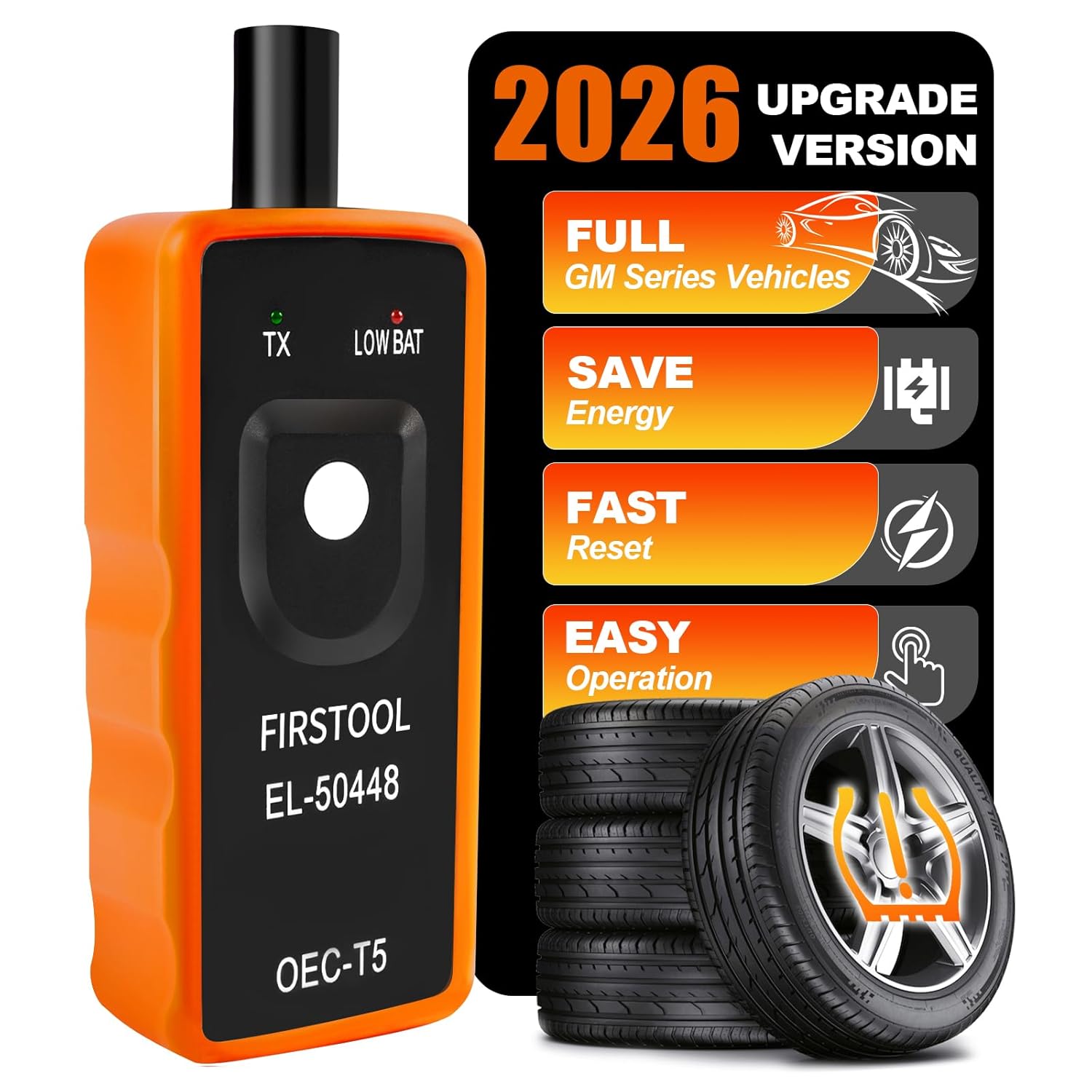
This TPMS relearn tool helps you quickly activate, match, and reset GM tire pressure sensors to keep the vehicle monitoring system working properly. It clears tire pressure alarms and dashboard warning lights after sensor replacement or tire rotation, and supports learning for common 315/433 MHz TPMS sensors. Designed for simple one-button operation, it can help you avoid unnecessary trips to repair shops.
What to Do After Checking Tire Pressure?
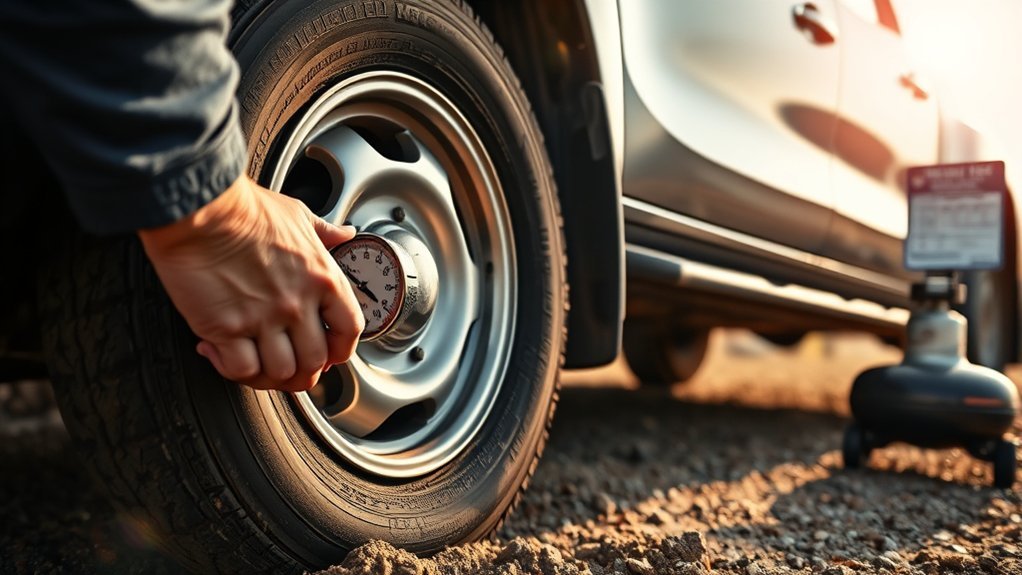
Once you know the reading, adjust each tire to the cold pressure shown on your Hilux placard.
- If the tire is slightly low: add air, then recheck until it matches the placard.
- If the tire is slightly high: release air slowly and recheck. Do not bleed hot tires down aggressively unless you plan to recheck when cold.
- If one tire is much lower than the others: inspect for nails, screws, cracks, sidewall damage, or a leaking valve stem.
- If pressure keeps dropping: have the tire checked by a tire shop or Toyota technician. A slow leak can come from a puncture, valve core, bead seal, cracked wheel, or damaged tire.
Warning: Do not drive at highway speed on a visibly damaged, severely underinflated, bulging, or cracked tire. Fit the spare if safe to do so, or call roadside assistance.
Top Mistakes in Tire Pressure Measurement
A tire pressure check is simple, but these mistakes can lead to wrong readings or unsafe inflation:
- Checking right after a long drive: hot tires read higher than cold tires.
- Using the sidewall number: that is the maximum tire rating, not the Hilux recommended pressure.
- Skipping the spare: a flat spare is useless during a roadside emergency.
- Ignoring front/rear differences: use the placard values for each axle if Toyota lists different pressures.
- Forgetting load changes: towing, tools, passengers, bull bars, canopies, and cargo can change the correct pressure.
- Relying only on TPMS: a warning light is helpful, but it may not replace regular manual checks.
- Leaving valve caps off: missing caps let dirt and water reach the valve core, which can contribute to slow leaks.
How Seasons Affect Tire Pressure
Temperature changes can move tire pressure up or down even when the tire has no leak. AAA notes that tire pressure changes by about 1 PSI for every 10°F change in temperature. Cold mornings often trigger low-pressure warnings because the air inside the tire contracts overnight.
Check more often during seasonal changes, before long trips, and after large temperature swings. If the weather suddenly gets colder, your Hilux may need air even if the tires were correct a few weeks earlier.
Load, Towing, and Off-Road Tire Pressure
A Hilux is often used for work, towing, camping, and off-road driving, so pressure should match the job.
- Heavy loads: use the load-specific pressure on the placard or in the owner’s manual. Do not exceed vehicle load limits.
- Towing: check the tow vehicle and trailer tires before leaving. Payload, tow ball download, and axle load matter.
- Off-road driving: some drivers reduce pressure for sand, rocks, or corrugations, but the safe pressure depends on tire construction, load, speed, and terrain. Reinflate to road pressure before returning to highway speeds.
- After accessories: trays, canopies, bull bars, drawers, and camping setups add weight. If your Hilux is permanently heavier than stock, ask a Toyota dealer or tire professional to confirm suitable pressures and load ratings.
Note: Toyota Australia’s current HiLux specification material reminds owners to consider vehicle limitations such as GVM, GCM, payload, and axle load limits when carrying load or towing.
How to Use the Toyota App for Tire Monitoring
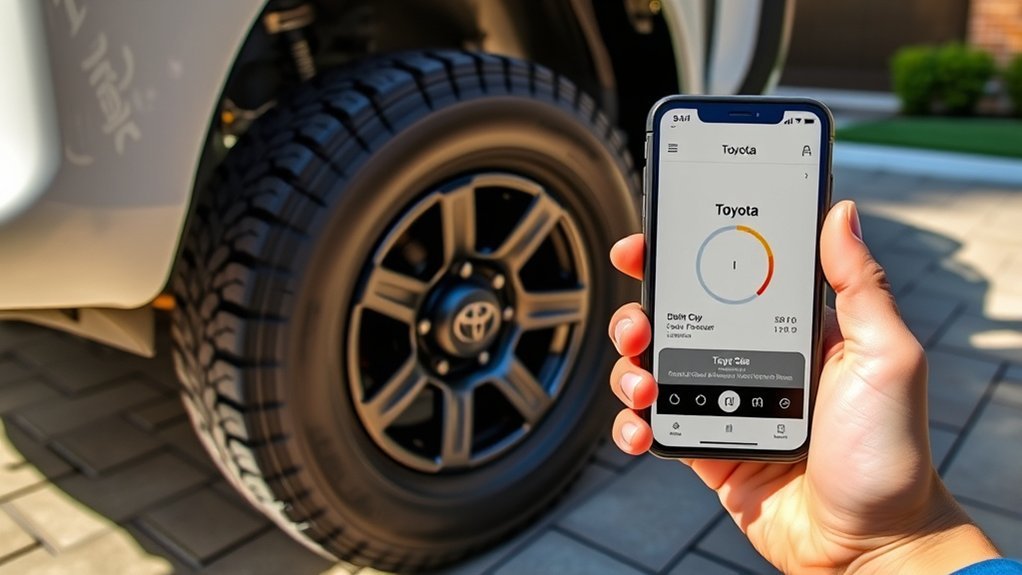
Some Toyota vehicles can show tire-pressure or tire-condition information through the dashboard, TPMS, or Toyota connected services. This depends on your Hilux model, market, grade, production date, hardware, subscription status, and supported app features.
To check whether your Hilux supports this feature, add your vehicle to the myToyota Connect app or your market’s Toyota app, then review the available vehicle status and alert features. Toyota says connected features vary by model and may change, so the app should be treated as a helpful aid rather than your only tire-pressure tool.
If your Hilux has TPMS, use it as an early warning system. If the dashboard warning light comes on, stop when safe, inspect the tires, and confirm pressure with a gauge. A TPMS warning can point to low pressure, a puncture, or a sensor/system issue.
[Products Worth Considering]
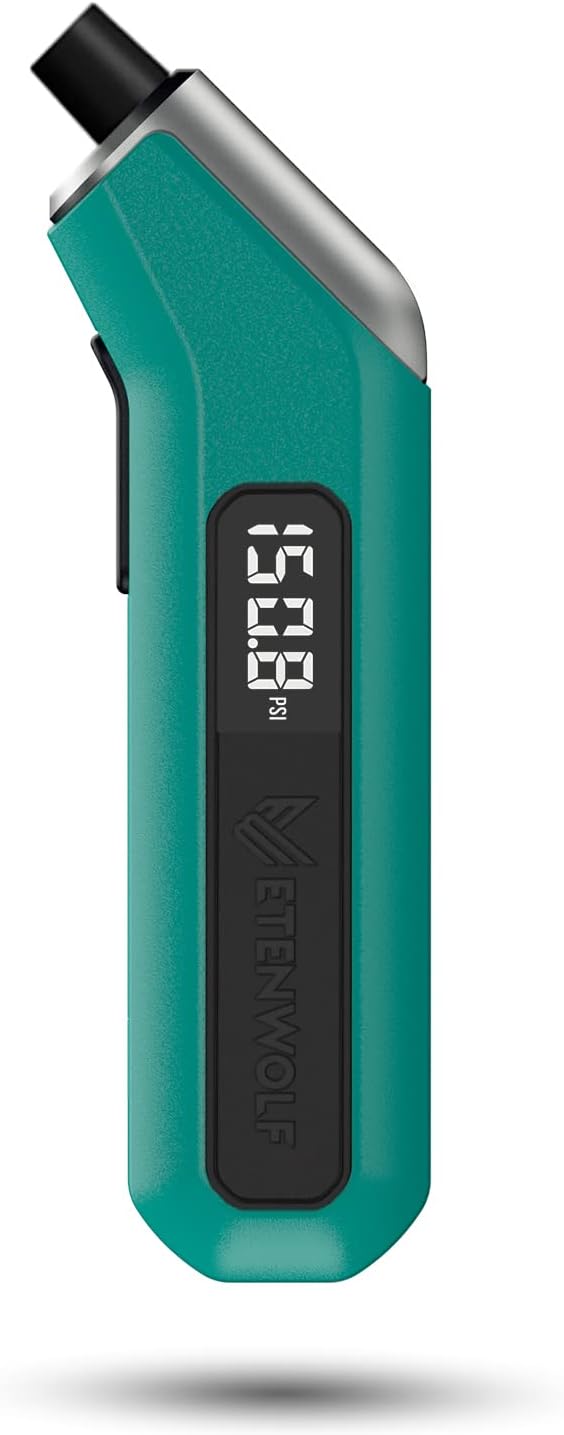
ETENWOLF T300 is a calibrated digital tire pressure gauge designed for reliable readings across low and high pressure ranges. It includes thermal compensation for stable performance in extreme cold or heat, an LED light for visibility, and an auto shut-off to help preserve battery life. Ideal for pickups, RVs, and heavy-duty vehicles, it delivers accurate PSI measurements with sturdy durability.

ETENWOLF’s tire pressure gauge helps you quickly and accurately check tire PSI across cars, trucks, motorcycles, bikes, and more. It’s manually calibrated to ANSI B40.1 Grade A for reliable readings, includes a large glow dial for easy nighttime viewing, and features a 360-degree swivel chuck for use at any valve angle. The gauge also works consistently in extreme hot or cold weather.

AstroAI’s calibrated digital tire pressure gauge delivers precise readings across a 0–150 PSI range, with high clarity from a backlit LCD. Built for everyday road use, it features one-button operation, an anti-slip ergonomic grip, and support for multiple pressure units plus auto shutoff. Powered by AAA batteries, it’s an all-weather essential for checking tire health and TPMS warnings.
Ongoing Tire Maintenance Tips
Pressure checks work best when they are part of a simple tire-care routine. The goal is to catch small issues before they become tire damage, poor handling, or roadside downtime.
Regular Pressure Checks
Check your Hilux tire pressure at least once a month, before long trips, before towing, and before carrying heavy loads. If you drive off-road, on rough work sites, or across long highway distances, check more often.
Seasonal Tire Adjustments
When temperatures drop, pressure usually drops too. When temperatures rise, pressure may increase. Adjust back to the placard pressure when the tires are cold rather than chasing hot readings after a drive.
Monitoring Tread Wear
During each pressure check, look at the tread and sidewalls. Check for uneven wear, cuts, cracks, bulges, exposed cords, punctures, and objects stuck in the tread. Uneven wear can point to incorrect pressure, worn suspension parts, wheel imbalance, or alignment issues.
Use a tread-depth gauge for the most accurate check. In Victoria, Australia, official guidance says tyres must have at least 1.5 mm of tread in all principal grooves, and tread wear indicators must not contact the road surface. For wet-road, work-site, or off-road driving, replacing tires before they reach the legal minimum can be the safer choice.
Tire Rotation and Alignment
Rotate tires according to your owner’s manual and tire type. As a general safety guideline, NHTSA says tires may be rotated every 5,000 to 8,000 miles if recommended by the vehicle manufacturer, or sooner if uneven wear appears. If your Hilux has directional tires, different front/rear sizes, or a special off-road tire setup, ask a tire professional for the correct pattern.
Troubleshooting: Why Tire Pressure Keeps Dropping
If one tire repeatedly loses air, do not keep topping it up without finding the cause. Common reasons include:
- Nail or screw puncture: often causes a slow leak rather than an immediate flat.
- Leaking valve core or valve stem: air can escape around the valve.
- Damaged bead seal: dirt, corrosion, or rim damage can prevent the tire from sealing properly.
- Cracked or bent wheel: more likely after pothole or off-road impact.
- Temperature change: all tires may drop together after a cold snap.
- Old or damaged tire: cracks, sidewall bulges, and separations require professional inspection.
If the same tire loses more than a small amount repeatedly, have it inspected before your next long drive.
Frequently Asked Questions
What is the correct tire pressure for a Toyota Hilux?
The correct Toyota Hilux tire pressure is the cold pressure shown on your vehicle’s tire placard or owner’s manual. Many Hilux models sit around the low-to-mid 30 PSI range for normal road use, but the exact number can change by tire size, axle, load, towing setup, and market.
Can you check tire pressure on the Toyota Hilux dashboard or app?
You can check tire-pressure information through the dashboard or Toyota app only if your Hilux is equipped with the supported TPMS and connected-service features. Availability varies by model, grade, production date, market, and app support. Even when available, confirm pressure with a manual gauge.
Is 40 PSI too high for a 4WD Hilux?
It depends on the placard, tire size, and load. If your placard calls for a lower cold pressure for normal driving, 40 PSI may be too high for everyday use. If Toyota specifies a higher pressure for heavy load or towing, follow that guidance. Do not choose 40 PSI just because the vehicle is a 4WD.
Should I use 32 PSI or 35 PSI on my Hilux?
Use whichever pressure your Hilux placard lists for your tire size and driving condition. If the placard gives different front/rear or loaded/unloaded pressures, follow the matching value. A few PSI can affect ride, wear, and load capacity, so the placard is more reliable than guessing between 32 and 35 PSI.
Should I check Hilux tire pressure hot or cold?
Check tire pressure cold whenever possible. Cold means the Hilux has been parked for at least three hours or has not been driven enough to warm the tires. Hot tires read higher, so recheck later when cold if you had to adjust them after driving.
How often should I check Toyota Hilux tire pressure?
Check at least once a month, before long trips, before towing, and before carrying heavy cargo. Also check after big temperature changes or after off-road driving. If one tire keeps losing pressure, have it inspected for a leak or damage.
Conclusion
Checking Toyota Hilux tire pressure correctly comes down to three habits: use the placard, check cold, and verify every tire with a reliable gauge. The Toyota app or dashboard TPMS can help if your Hilux supports it, but it should not replace manual checks. With regular pressure checks, tread inspections, and load-aware adjustments, your Hilux will handle better, use fuel more efficiently, and stay safer on the road, work site, or trail.
Sources
- NHTSA TireWise — tire pressure placard, cold-tire checking, spare tire checks, and TPMS guidance.
- FuelEconomy.gov: Keeping Your Vehicle in Shape — fuel-economy effect of underinflated tires and warning not to use tire sidewall maximum pressure.
- AAA: How Temperature Changes Affect Your Tire Pressure — temperature-related tire pressure changes and monthly checks.
- Toyota Australia Connected Services — connected-service and app feature availability.
- Toyota Australia HiLux Specification Sheet — current HiLux grade and feature variation, including TPMS availability and load/towing limitations.
- Transport Victoria: Tyre Maintenance and Repair — tyre tread depth, valve caps, and damage inspection guidance.