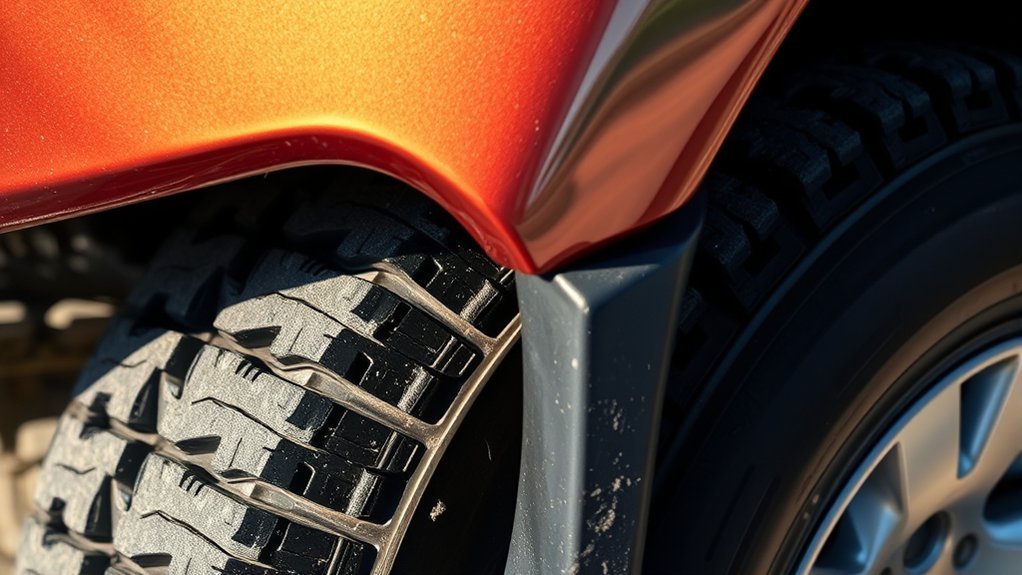
If your Toyota Hilux tires are rubbing against the fender, start with the simple checks first: tire size, wheel offset, loose fender liners, suspension sag, and wheel alignment. Rubbing often shows up after larger tires, aftermarket wheels, spacers, lift kits, worn shocks, or extra front-end weight from accessories. The safest fix depends on where the tire touches, so diagnose the contact point before trimming or changing parts.
Quick Answer
Toyota Hilux tire rubbing usually comes from oversized tires, incorrect wheel offset, wheel spacers, sagging suspension, loose fender liners, or poor alignment. Check the tire size on the placard first, inspect the exact rub point at full lock, then fix clearance from least invasive to most invasive.
Key Takeaways
- Check the tire placard and owner’s manual before assuming a larger tire size is safe.
- Find the exact contact point: front liner, mud flap, body mount, bumper edge, suspension side, or fender lip.
- Wheel spacers and low-offset wheels can push the tire outward and increase fender contact.
- Sagging shocks, worn bushings, heavy accessories, or cargo can reduce clearance under load.
- Try alignment, pressure, liner repair, and fitment corrections before cutting metal.
At a Glance
| Time Required | 20–45 minutes for basic checks; longer if alignment or trimming is needed |
| Difficulty | Easy for inspection; moderate to advanced for suspension, trimming, or body mount work |
| Tools Needed | Flashlight, tire pressure gauge, tape measure, chalk or painter’s tape, jack stands if lifting the vehicle, and alignment printout if available |
| Cost | Free for inspection; shop costs vary for alignment, replacement parts, trimming, or suspension work |
Immediate Solutions for Tire Rubbing
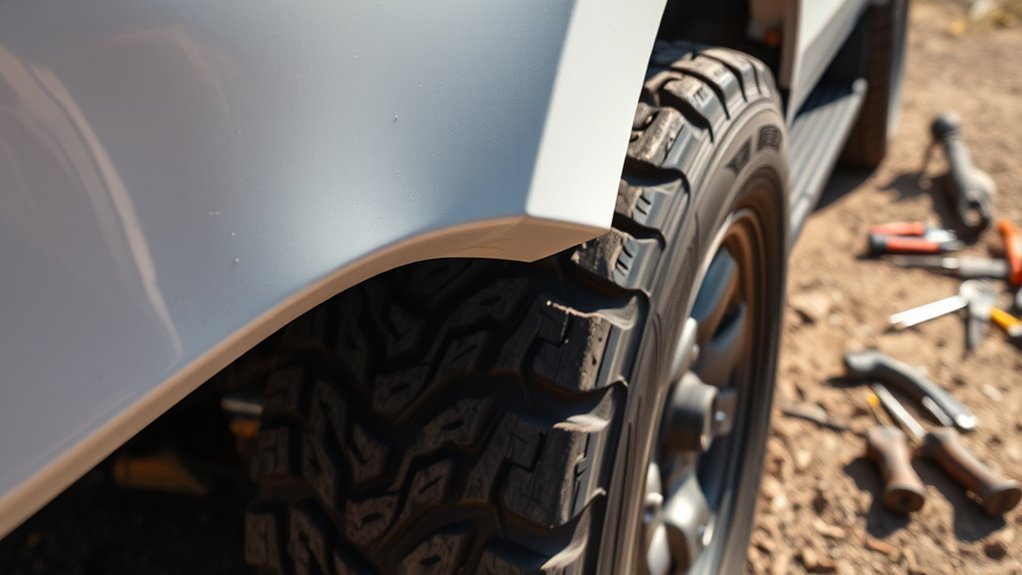
If your Hilux tire is rubbing badly, do not keep driving and hope it clears itself. Stop, inspect the tire sidewall and tread edge, and look for fresh shiny marks on the fender liner, mud flap, bumper edge, body mount, or suspension parts.
Warning: Do not drive at highway speed if the tire is cutting into the liner, fender, wiring, brake hose, or tire sidewall. A rubbing tire can overheat, lose rubber, damage the sidewall, or pull loose plastic into the tread.
Start with quick non-cutting fixes. Remove packed mud or stones from the wheel well. Tighten loose fender liner clips. Refit sagging mud flaps. Check cold tire pressure against the driver’s door placard, owner’s manual, or Toyota’s tire-pressure guidance at Toyota.com. Low pressure can change the tire’s shape and make an existing clearance issue worse.
If your Hilux has wheel spacers, remove them only after checking inner clearance to the upper control arm, strut, brake line, and inner liner. Spacers usually push the tire outward, which can increase contact with the outer fender or bumper edge. Removing them may help outer rubbing, but it can reduce space on the suspension side.
Aftermarket upper control arms can help on some lifted Hilux setups because they restore suspension geometry and improve clearance around the arm. They are not a cure for every rub. If the tire hits the body mount, bumper, or rear of the front liner, you may still need tire-size, offset, alignment, or trimming changes.
[Products Worth Considering]

The 22800 wheel stud installer makes replacing wheel studs quick and secure, saving time and effort during tire service. It uses a ratchet or impact wrench to pull new studs firmly into place, helping when existing studs are too long. Compatible with most automotive wheels and light-duty truck wheel studs, it’s designed for easy, tool-assisted installation.

The Ziopetru adjustable magnetic wheel alignment tool helps you check and restore camber and caster positioning after removing and reinstalling undercarriage components. With a clear leveling/bubble measurement system and an easy zeroing adjustment knob, it supports precise horizontal angle checking. The strong magnetic base mounts to metal surfaces for convenient use at home on cars, motorcycles, trucks, vans, and SUVs.

Monitor tire tread wear with a smart, color-coded depth gauge that shows clear condition ranges at a glance. The bar is range marked for fast, easy readings, helping you maintain safer traction and performance. Each gauge is portable with a pocket clip, and the set includes 20 units for daily use and sharing.
Understanding Tire Rubbing: Causes and Symptoms
Tire rubbing happens when the tire touches a part of the truck while turning, braking, reversing, hitting a bump, or carrying load. On a Toyota Hilux, the most common contact areas are the front fender liner, mud flap, bumper corner, rear of the wheel well, body mount area, fender lip, or suspension side.
The most common causes are larger-than-placard tires, aggressive all-terrain or mud-terrain tread shoulders, low-offset wheels, wheel spacers, worn suspension parts, poor alignment, and extra weight from accessories. A bull bar, winch, canopy, drawers, tools, or towing load can lower ride height enough to reveal rubbing that was not obvious when the truck was empty.
Listen for scraping, thumping, or plastic rubbing when you turn. Also look for polished plastic, missing liner clips, rubber dust, sliced tread edges, rubbed paint, or fresh marks on metal brackets. NHTSA advises drivers to pay attention to tire condition and performance changes such as noise, vibration, or inflation problems and to consult a tire service professional when those issues appear. You can review its tire-safety guidance at NHTSA TireWise.
Diagnosing Tire Rubbing: Step-by-Step
Do not guess the fix from the tire size alone. Two Hilux trucks can run the same tire size and rub in different places because wheel offset, lift height, alignment, accessory weight, and liner position all change clearance.
Step 1: Check the Rubbing Location
Park on level ground, set the parking brake, and turn the steering wheel fully left and fully right. Use a flashlight to inspect both front wheel wells. Mark any suspected contact area with chalk or painter’s tape, then do a slow test roll in a safe open area.
- Front bumper or front liner: Often caused by larger tire diameter, low-offset wheels, or loose plastic.
- Rear of front liner or mud flap: Common with larger tires during reverse turns.
- Body mount area: Usually appears with bigger tire diameters and more aggressive offsets.
- Fender lip: Often linked to outward wheel poke, spacers, or suspension compression.
- Upper control arm or inner liner: Often linked to wheel offset, backspacing, or tire width.
Step 2: Compare Tire Size to OEM Specifications
Find the tire size listed on the vehicle placard, usually on the driver’s door area, and compare it with the size printed on your current tire. Toyota also provides owner’s manual access through official owner manual pages, including Toyota owner’s manuals.
Do not rely on a single “common Hilux tire size” from a forum or another truck. Hilux tire and wheel packages vary by year, market, and trim. For example, Toyota New Zealand has listed 265/65R17 tires on widebody SR and SR5 examples and 265/60R18 tires on SR5 Cruiser examples, while Toyota Australia’s current Hilux range separates 17-inch and 18-inch wheels by grade. Check your exact placard before buying tires.
Step 3: Check Wheel Offset, Spacers, and Backspacing
Wheel offset controls where the tire sits relative to the hub. A lower offset or a spacer can move the tire outward toward the fender and bumper edge. Too much inward movement can create contact with the upper control arm, strut area, or inner liner.
If rubbing started after new wheels, write down the wheel width, offset, spacer thickness, and tire size. Give those numbers to an alignment shop or 4×4 fitment specialist. A small offset change can matter more than a small tire-width change.
Step 4: Inspect Suspension Condition and Ride Height
Check for sagging, leaking shocks, worn bushings, cracked mounts, and uneven ride height. Instead of using one fixed hub-to-fender number, compare left-to-right height on level ground and compare current measurements with your previous baseline or service specifications for your model.
Push down on the front corners of the vehicle and watch how it rebounds. A truck that keeps bouncing, dives heavily in turns, or sits lower on one side may have worn shocks, weak springs, or added accessory weight that needs correcting.
Step 5: Check Alignment and Tread Wear
Inspect tread wear across the tire. Inner-edge wear, feathering, or a steering wheel that sits off-center can point to alignment problems. After installing new tires, wheels, a lift kit, control arms, or suspension parts, get a proper alignment and keep the printout.
Alignment will not fix every rubbing issue, but it can change where the tire sits during steering and help prevent uneven tire wear. If the tire still rubs after alignment, the tire, wheel, or body clearance needs more attention.
Pro Tip: Take photos of the rub marks before visiting a shop. A clear photo of the contact point helps the technician decide whether the problem is tire size, wheel offset, loose liner, alignment, or suspension sag.
Check Your Tire Size Against OEM Specifications
Your Hilux tire placard is the starting point because it lists the tire size and cold inflation pressure Toyota selected for that vehicle setup. Nitto explains that the tire placard tells you the maximum vehicle load, cold tire pressure, and tire size recommended by the vehicle manufacturer. You can read its maintenance guidance at Nitto Tire Maintenance.
[Products Worth Considering]

Vigorder rubber cement glue delivers superior adhesion and cures quickly within about 30 seconds for seamless rubber bonding. Once cured, it helps provide a strong, durable, waterproof seal that holds up to vehicle weight, pressure, and heat. Suitable for cars, motorcycles, trucks, bicycles, and off-road tires, it’s designed for emergency patch and maintenance repairs.

Replace worn wheelchair rear tires with a universal 24x1 no-flat polyurethane foam option designed to mount tightly on 24-inch rims without the tire falling off. Installation is made easier with included tools and multiple methods, including using a pry bar or softening the tire in hot water to reduce resistance. The package includes two tires plus tie ropes for convenient fitting and handling.

Steelman white tire marking crayons provide high-contrast, semi-permanent marks for repairing and inspecting tires and equipment. They write on wet or dry, smooth or coarse surfaces including rubber, metal, glass, and wood, making them ideal for puncture location and damage outlining. The lead- and zinc-free crayons resist weather and fading yet wipe away when you no longer need the marks.
Verify OEM Specifications
Check the placard, then compare the current tire’s width, aspect ratio, rim diameter, load index, and speed rating. A larger diameter can hit the front or rear of the wheel well. A wider tire can hit the fender lip or suspension side. A more aggressive tread shoulder can rub even when the listed width looks close.
If you move to a larger tire, the replacement tire must still support the vehicle properly. Toyo’s replacement tire guidance says to refer to the vehicle placard and owner’s manual, and for custom fitments it recommends confirmation from the auto manufacturer, especially when changes go beyond a simple plus-size move. You can review that guidance at Toyo Tire Replacement References.
Measure Tire Width and Diameter
The numbers on the sidewall tell you the nominal size, but real-world mounted dimensions can vary by brand, tread design, wheel width, and air pressure. Measure the overall diameter and section width if clearance is tight. Also compare both sides of the truck because a loose liner or small alignment difference can make one side rub first.
Do not assume a tire is safe just because another Hilux owner runs it. Their wheel offset, lift height, trim level, accessory weight, and alignment may be different from yours.
Assess Tire Profile and Load
A taller sidewall can improve off-road comfort, but it also increases overall tire diameter. That can reduce clearance at the front bumper, rear liner, and body mount area during full-lock turns.
Load also matters. If your Hilux often carries tools, camping gear, a canopy, or towing weight, check rubbing with the truck loaded the way you actually drive it. A tire that clears when empty may rub when the suspension compresses.
How to Spot Suspension Sag?
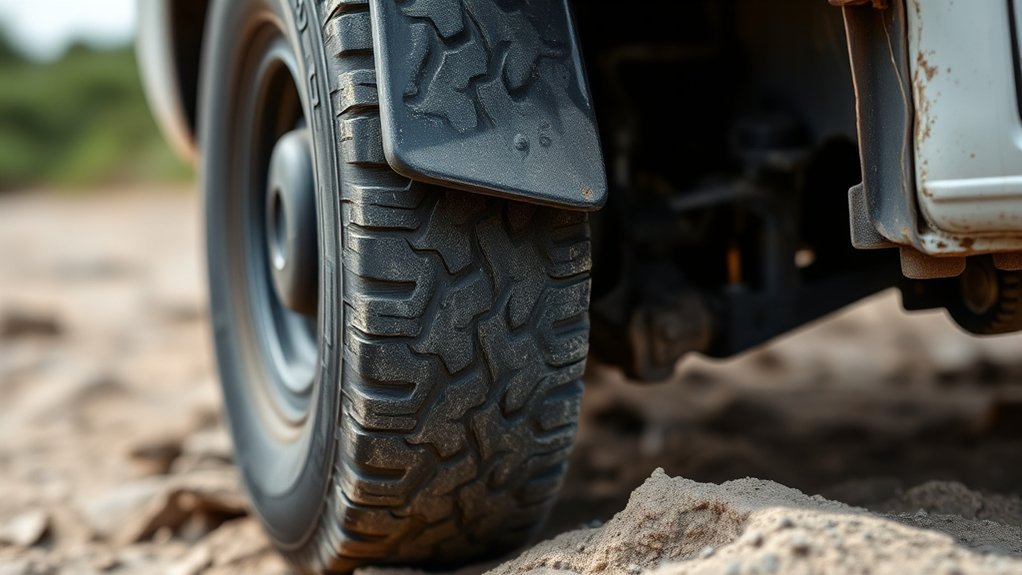
Suspension sag reduces the gap between the tire and the fender, especially when turning, braking, or driving over dips. Look for a nose-down stance, one side sitting lower than the other, leaking shocks, worn bushings, or heavy accessories that were added before the rubbing started.
Measure from the center of the wheel hub to the fender edge on all four corners while the Hilux sits on level ground. The exact number depends on your model, trim, tires, suspension, and accessories, so focus on side-to-side differences and changes from your own baseline.
If the truck bounces more than once after you push down on a corner, dives under braking, or feels loose in corners, have the shocks, springs, and bushings inspected. Correcting worn suspension can restore clearance and improve handling before you spend money on trimming or new wheels.
Checking Wheel Alignment
Wheel alignment affects tire wear, steering feel, and how the tire moves through the wheel well during turns. If rubbing started after hitting a pothole, installing a lift, changing wheels, changing tires, or replacing suspension parts, schedule a four-wheel alignment.
Ask for the before-and-after printout. Camber, caster, and toe all matter, but caster is especially important on many 4×4 fitments because it can shift the tire’s position inside the wheel well during steering. A qualified alignment shop can help balance clearance, tire wear, and straight-line stability.
- Toe problems: Can cause feathered tread wear and poor steering feel.
- Caster changes: Can move the tire closer to the rear liner or body mount during turns.
- Camber issues: Can affect inner or outer shoulder wear.
- Off-center steering wheel: Often signals the alignment needs inspection.
Common Techniques for Fixing Tire Rubbing
Fix tire rubbing in order from least invasive to most invasive. Start with the parts that may have moved or worn out, then move to fitment changes, and only consider cutting or welding when you know exactly where the tire contacts.
[Products Worth Considering]

Replace or upgrade your zero-turn lawn mower tires with a universal fit flat-free tire and wheel assembly in a convenient 2-pack. Smooth tread front-caster style helps turning with reduced turf damage, while flat-free design eliminates the maintenance and downtime of air-filled flats. The included adapter kit supports 5/8-inch axles and hub lengths from 3.4 to 5 inches for compatibility across most ZTR mowers.

Measure tire tread depth quickly and accurately with this LUMITECO dial gauge that reads in 1/32" increments up to 14/32". The color-coded green/yellow/red zones make it easy to judge tire wear and know when replacement is needed. A rugged, compact design with a protective pouch helps keep the gauge ready for use on cars, trucks, motorcycles, and more.

This universal wheel alignment tool helps you accurately restore tire tilt angles after tire or suspension repairs using an adjustable camber gauge. It features a powerful magnetic base that firmly attaches to brake rotors for stationary, slip-free readings, improving consistency during measurement. Built from durable PC plastic, it resists wear and corrosion and is compact enough for car, truck, RV, and motorcycle alignment tasks.
Least-Invasive Fixes
- Tighten or replace loose fender liner clips.
- Refit or trim a plastic mud flap that touches during reverse turns.
- Set tire pressure to the placard recommendation when tires are cold.
- Remove packed mud, stones, or debris from the wheel well.
- Get an alignment after tire, wheel, lift, or suspension changes.
- Remove wheel spacers if they are causing outer fender contact and inner clearance remains safe.
Moderate Fitment Fixes
- Choose a tire size closer to the placard diameter and width.
- Switch to a wheel offset that gives safer clearance on both the fender and suspension sides.
- Install suitable upper control arms when a lift changes suspension geometry.
- Replace worn shocks, springs, or bushings if sag is reducing clearance.
- Trim plastic liner edges only after marking the exact contact point.
Advanced Fixes
A body mount chop, metal trimming, welding, or major liner reshaping should be a last step, not the first one. These changes can affect corrosion protection, structure, roadworthiness, and resale value if done poorly. Use a qualified 4×4 shop if your Hilux needs metal clearance work.
Note: If your Hilux is still under warranty or must pass local roadworthiness inspections, check the rules before changing tire size, wheel offset, spacers, suspension height, or structural mounts.
Frequently Asked Questions
How do you test for tire rubbing on a Toyota Hilux?
Park on level ground, turn the steering fully left and right, and inspect the liner, bumper, mud flap, body mount, fender lip, and suspension side with a flashlight. Then do a slow test roll in a safe area and recheck the fresh rub marks.
Will tires get damaged if they rub the fender lining?
Yes. Light plastic contact may only make noise at first, but repeated rubbing can wear the tread shoulder, damage the sidewall, pull loose liner into the tire, or expose wiring and metal edges. Sidewall rubbing is especially serious and should be fixed immediately.
What causes a Hilux tire to rub when turning?
Common causes include larger tires, aggressive tread shoulders, low-offset wheels, wheel spacers, loose liners, sagging suspension, worn shocks, heavy front accessories, or alignment changes. The exact fix depends on whether the tire touches plastic, metal, suspension, or the body mount area.
Can an alignment fix tire rubbing?
Sometimes. Alignment can help when caster, camber, or toe places the tire too close to the liner during steering. It will not fix a tire that is simply too large for the wheel, offset, suspension height, or body clearance.
Should you trim the fender liner or downsize the tires?
Trim plastic only when the tire lightly touches a non-structural liner or mud flap and the tire size is otherwise safe. Downsize or change wheel offset if the tire hits metal, the body mount, suspension parts, brake lines, or the sidewall is being rubbed.
Conclusion
Toyota Hilux tire rubbing is usually a fitment or clearance problem, not something you should ignore. Start by checking the tire placard, current tire size, wheel offset, spacers, liner condition, suspension height, and alignment. Once you know the exact contact point, choose the safest fix: repair loose plastic, correct pressure and alignment, change tire or wheel fitment, replace worn suspension, or use a qualified shop for advanced trimming or body mount work.
Sources
- Toyota: How To Check Tire Pressure — supports checking the driver’s door jamb sticker, owner’s manual, and model-specific tire pressure guidance.
- Toyota Owner’s Manuals — supports using the owner’s manual for vehicle-specific tire and maintenance information.
- Toyota New Zealand: 2021 Hilux Wheels and Tyres — supports examples of Hilux tire sizes varying by grade.
- NHTSA TireWise — supports tire safety checks and consulting a tire professional when tire performance issues appear.
- Toyo Tire Replacement References — supports checking placard/manual data and load capacity when replacing tires or changing fitment.
- Nitto Tire Maintenance — supports tire placard guidance for original equipment size, load, and cold inflation pressure.