
Toyota Tacoma Tire Rubbing After Lift How To Fix
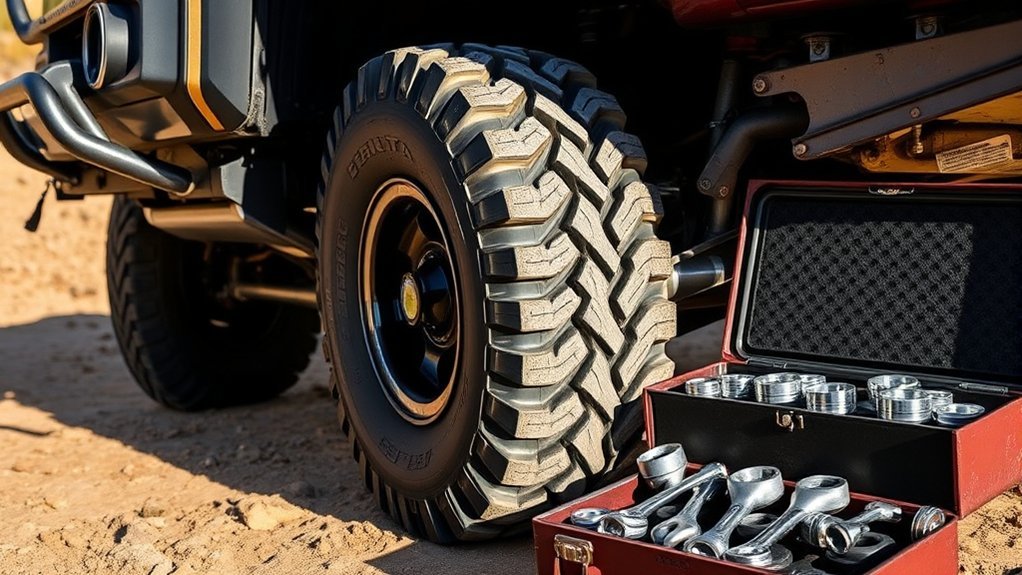
If your Toyota Tacoma is rubbing after a lift, do not start by cutting metal or buying wheels. Start by finding the exact contact point. Most rubbing comes from a mix of larger tires, wheel offset, alignment, fender liner clearance, mud flaps, cab mount clearance, or upper control arm clearance. A lift can add vertical room, but the tire still moves through the wheel well when you turn, brake, reverse, or compress the suspension off-road.
Quick Answer
A lifted Tacoma usually rubs because the tire is too large for the wheel offset, alignment, and wheel-well clearance. Check the rub marks first, then correct alignment, trim plastic liner or mud flaps, adjust offset carefully, consider upper control arms, or use a cab mount chop only when simpler fixes do not clear the tire.
Key Takeaways
- A lift alone does not guarantee clearance for 285/70R17 or similar tires.
- Positive, zero, and negative offset all change where the tire sits, but each one can create a different rub point.
- Alignment matters because caster, camber, and toe affect where the tire sits during steering.
- Trim plastic and verify alignment before moving to major fabrication such as a cab mount chop.
- Stop driving and inspect the tire if rubbing cuts rubber, exposes cords, causes vibration, or creates pressure loss.
At a Glance
| Time Required | 30 to 90 minutes for inspection and basic liner checks; longer for trimming, alignment, spacers, wheels, UCAs, or cab mount work. |
| Difficulty | Easy for inspection; moderate for plastic trimming; advanced for cab mount chop, welding, and suspension changes. |
| Tools Needed | Flashlight, chalk or painter’s tape, tape measure, tire pressure gauge, torque wrench, jack stands, trim tools, and an alignment printout. |
| Cost | Inspection can be free at home. Professional alignment, trimming, spacers, wheels, UCAs, or fabrication vary by shop and parts used. |
Warning: Do not ignore tire rubbing that cuts rubber, damages sidewall lugs, exposes cords, causes vibration, pulls the truck, or creates pressure loss. The NHTSA tire safety guide says tires with physical damage, irregular wear, noise, vibration, or pressure problems should be inspected by a tire professional.
Why Is My Tacoma Rubbing After a Lift?
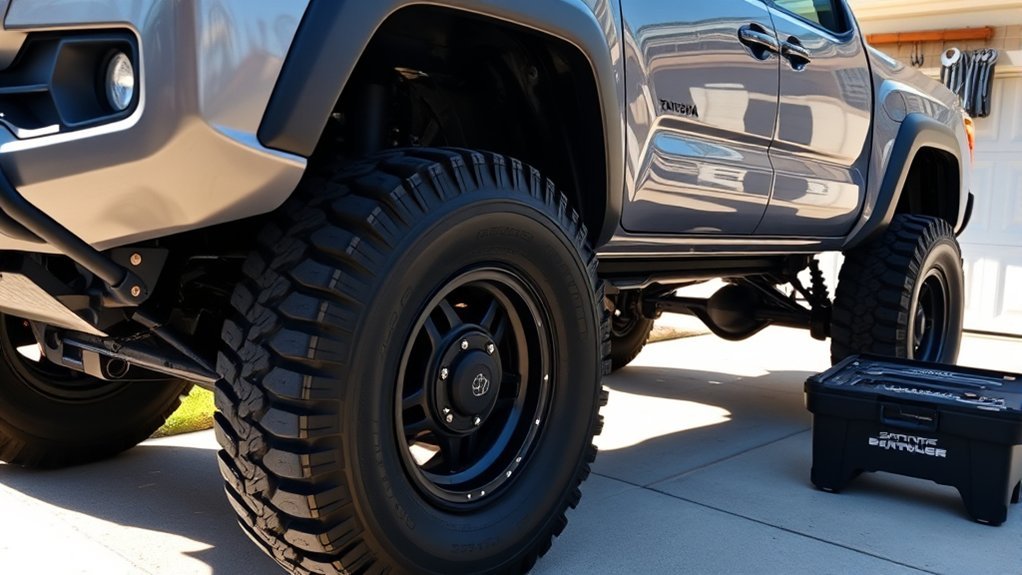
Your Tacoma rubs after a lift because the new tire path no longer matches the factory wheel well. Larger tires, wider wheels, lower offset, taller suspension, and changed alignment all affect clearance. A common example is a Tacoma running a 2 to 3 inch lift with 285/70R17 tires. That setup can work, but it often needs careful alignment, plastic trimming, wheel offset changes, or cab mount clearance work.
A lift gives the tire more vertical space at ride height. It does not magically move the cab mount, fender liner, bumper tab, mud flap, sway bar, or upper control arm. When you steer at full lock, reverse, brake hard, or compress the front suspension, the tire can still sweep into those parts.
Wheel offset also changes the problem. Wheel offset is the distance between the wheel mounting surface and the wheel centerline. More positive offset usually tucks the tire inward. Zero or negative offset pushes the tire outward, which can help upper control arm clearance but may increase rubbing on the fender liner, mud flap, bumper corner, or cab mount.
[Products Worth Considering]

Universal magnetic jack pad with aluminum grooved design to protect vehicle pinch welds during lifting. Durable nylon pad inserts are upgraded and secured with screws to resist damage and keep in place. Designed to fit most single vehicle pinpoint welds for safer, stable jacking when changing tires, repairs, or performing oil changes.

Make hard-to-reach areas easier to access with the MAXXHAUL truck tire service step featuring an adjustable width and height. The foldable design stores compactly, while the serrated non-slip platform provides secure footing for tire-related maintenance. It fits most stock tire sizes up to 31-inch diameter with a 300-lb capacity.

This dual head and ball air chuck set provides closed-flow tire inflation that routes air only through the chuck engaged with the valve. It includes both dual-head and ball-head chucks plus quick plug fittings for easy, fast connections to air lines and compressors. Built for reliable, leak-resistant operation, it’s ideal for filling Schrader valves on bikes, motorcycles, cars, trucks, and more.
How Lift Height Affects Tire Clearance
Lift height helps, but it is only one part of tire fitment. A taller lift can reduce rubbing at normal ride height, but rubbing often happens while turning or when the suspension compresses. That is why two Tacomas with the same lift and tire size can rub in different places.
Lift Height Considerations
A mild lift can usually clear modest tire upgrades with fewer changes. A 2 to 3 inch front lift often creates enough room for popular off-road tire sizes, but tire design, actual section width, wheel width, wheel offset, and alignment still matter. Aggressive mud-terrain sidewall lugs can rub sooner than a smoother all-terrain tire in the same listed size.
| Lift / Fitment Change | What It Usually Helps | What It May Not Fix |
|---|---|---|
| Leveling kit or mild lift | Adds room at ride height. | Full-lock rubbing, mud flap contact, and cab mount contact. |
| 2 to 3 inch suspension lift | Improves approach clearance and tire space. | Poor caster, wide tires, low offset, and body mount contact. |
| Large tire upgrade | Improves ground clearance and off-road traction. | Requires more room during steering and compression. |
| Low or negative offset wheels | Can move the tire away from the upper control arm. | Can increase outer fender, liner, mud flap, and cab mount rubbing. |
Tire Size Compatibility
Tire size compatibility depends on more than the printed size. A 285/70R17 tire is roughly a 33-inch class tire, but the real-world diameter and width vary by brand, tread, and sidewall design. A 275/70R17 tire is slightly narrower and can reduce rubbing while still giving a strong off-road look.
Before buying tires, compare the new tire’s actual diameter, section width, tread width, and recommended wheel width. Also check the wheel’s offset and backspacing. Backspacing and offset describe how the wheel sits in the wheel well, and the correct backspacing leaves room for steering, brakes, and suspension.
How to Find the Exact Rub Point
Do this before spending money. The cleanest fix depends on where the tire touches.
- Inspect both front tires. Look for cuts, shiny rub marks, torn sidewall lugs, missing tread chunks, or exposed cords.
- Check nearby parts. Look at the fender liner, mud flap, cab mount, bumper tab, sway bar, brake hose, and upper control arm.
- Mark suspected areas. Use chalk, painter’s tape, or a washable marker on the liner or cab mount area.
- Turn full lock both ways. Test left and right while parked on flat ground.
- Test reverse. Many Tacomas rub worse in reverse because the tire loads differently.
- Compress the suspension carefully. Check again after driving through a driveway dip or mild trail obstacle.
- Reinspect the marks. Fresh scuffs tell you which part is actually touching.
Pro Tip: Photograph each rub point before making changes. After each fix, repeat the same steering and compression test. This prevents you from trimming the wrong part or chasing a noise that came from a different location.
Identifying Common Rubbing Areas on My Tacoma
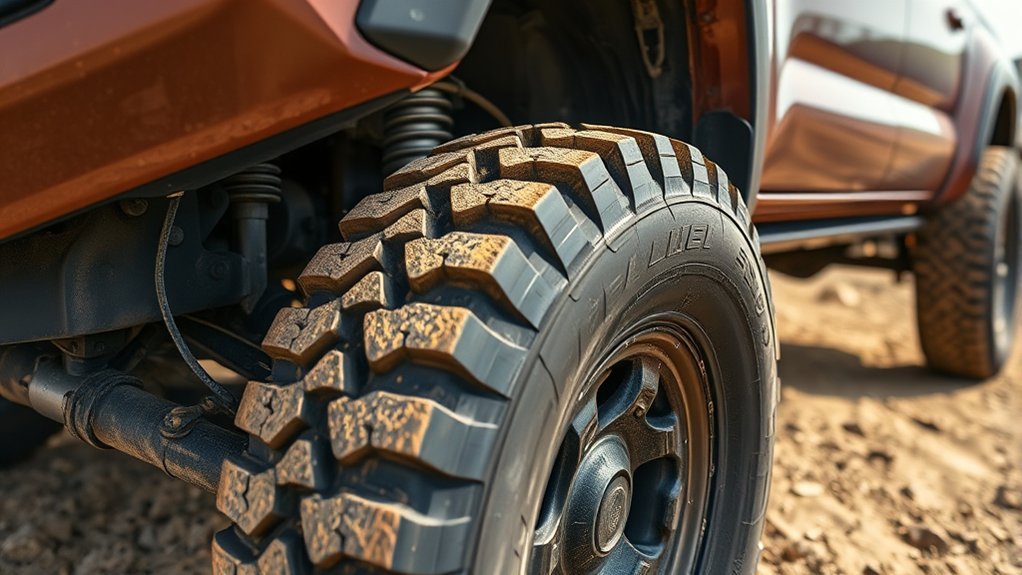
The most common Tacoma rubbing areas are the front fender liner, mud flap, cab mount, bumper tab, sway bar, and upper control arm. The exact location often changes with wheel offset. A tire tucked too far inward may rub the upper control arm. A tire pushed outward may clear the control arm but hit the fender liner, mud flap, or cab mount sooner.
| Rub Point | Likely Cause | Best First Fix |
|---|---|---|
| Upper control arm | High positive offset, wide tire, bulky sidewall lugs, or stock wheel fitment. | Check wheel specs, consider lower positive offset, properly installed spacers, or aftermarket UCAs. |
| Front fender liner | Tire too tall or pushed outward during steering. | Heat and reshape liner, relocate liner, or trim carefully. |
| Mud flap | Rear of front tire contacts flap at full lock or reverse. | Remove, trim, or replace with a flexible low-profile flap. |
| Cab mount / body mount | Large tire contacts rear of wheel well under steering and compression. | Optimize alignment and plastic clearance first; consider CMC or relocation if still rubbing. |
| Bumper tab | Outer edge of tire hits front corner during turns. | Trim or relocate the tab if safe for your bumper setup. |
| Sway bar | Wheel width, offset, or tire width places the tire too close at lock. | Verify wheel specs and steering clearance before changing parts. |
Importance of Proper Wheel Offset for Clearance
Wheel offset can solve one rub point and create another. That is why you should choose offset based on the exact place your tire touches.
If your tire rubs the upper control arm, reducing positive offset can move the tire outward. For example, moving from a +30 mm wheel to a 0 mm wheel moves the wheel mounting relationship by 30 mm, or about 1.18 inches. Moving to -12 mm changes that relationship by 42 mm, or about 1.65 inches. That can help inner clearance, but the extra outward position can make the tire swing into the fender liner, mud flap, bumper tab, or cab mount.
For daily driving, avoid choosing the most aggressive offset just for looks. More poke can change steering feel, increase road spray, and create more trimming work. A balanced fitment usually clears the upper control arm without pushing the tire so far out that it creates major body rubbing.
How to Adjust Alignment to Minimize Rubbing
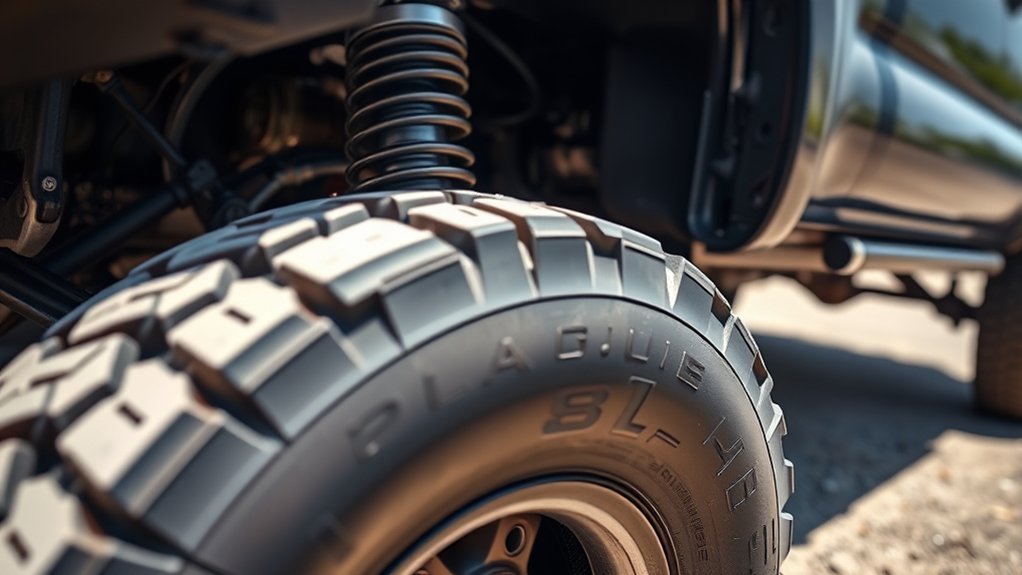
Alignment is one of the first professional checks after a lift. Toyota’s alignment best-practices bulletin tells technicians to check tire size, tire wear, inflation pressure, aftermarket parts, vehicle modifications, and suspension or steering issues before deciding on alignment repairs.
For rubbing, focus on three alignment terms:
- Caster: Affects how far forward or rearward the tire sits in the wheel well during steering. More positive caster, within a safe range, can help move the tire away from the rear cab mount area.
- Camber: Affects tire lean. Incorrect camber can create uneven tire wear and poor handling.
- Toe: Affects whether the tires point inward or outward. Incorrect toe can quickly wear tires and make steering feel unstable.
Tell the alignment shop that the truck is lifted and rubbing. Ask for a before-and-after printout. If the shop cannot bring caster, camber, and toe into a stable range because of the lift, aftermarket upper control arms may help. For example, SPC adjustable upper control arms are designed to add camber and caster adjustment on lifted Toyota truck applications, and SPC says the adjustment can help position oversized tires in the wheel well.
Note: Do not ask a shop to set an unsafe alignment just to stop rubbing. The goal is stable steering, even tire wear, and enough clearance. If the tire still rubs after a proper alignment, fix the physical clearance problem.
Should I Use Wheel Spacers or New Wheels?
Wheel spacers and new wheels can both move the tire outward. The better choice depends on your current wheel specs, your rub point, your budget, and how you use the truck.
Wheel spacers may help if you like your current wheels but need more inner clearance at the upper control arm. Use only quality hub-centric spacers made for your Tacoma’s bolt pattern and hub bore. They must have correct thread engagement, proper lug-nut torque, and regular rechecks. Some tire shops and inspection stations may refuse vehicles with spacers, so check local rules before installing them.
New wheels are cleaner when you want the correct offset, width, load rating, and backspacing in one package. They can also avoid stacking extra parts between the hub and wheel. The downside is that a more aggressive wheel can push the tire into the fender liner or cab mount, so test fitment before assuming it fixes everything.
| Option | Best For | Main Caution |
|---|---|---|
| Hub-centric spacers | Fixing mild UCA rub while keeping current wheels. | Must be installed and torqued correctly; may not be accepted by every shop. |
| Lower positive offset wheels | Gaining inner clearance without extreme poke. | Still needs fender, mud flap, and cab mount clearance checks. |
| Zero or negative offset wheels | More aggressive stance and more UCA clearance. | Can increase outer-body rubbing and steering feel changes. |
[Products Worth Considering]

Camco’s RV wheel chocks with an attached rope help keep your travel trailer securely in place for safer unhitching or parking. This 2-pack is compatible with wheels up to 26-inch diameter and features durable UV-resistant construction for reliable outdoor performance. The rope enables quick, safe removal so you can prepare for your next trip with less hassle.

This roadside assistance kit helps drivers and passengers in urgent situations after an accident or breakdown, providing practical support while waiting for help. It includes a lightweight, compact tire inflator for fast inflation of standard vehicle tires, plus reinforced jumper cable protection for safer handling. Ideal for winter weather, road trips, camping, and travel, with everything stowed neatly in a trunk bag.
Effective Trimming Techniques and Modifications to Reduce Rubbing
Use the least invasive fix that solves the confirmed rub point. Plastic trimming is usually easier to reverse than metal cutting. Alignment should come before major trimming when the tire is sitting too far back in the wheel well.
Trimming Fender Flares and Fender Liners
If the tire touches plastic, start with the liner, mud flap, or flare edge. Clean the area, mark only the fresh rub point, and remove a small amount at a time. A heat gun can help reshape some liner sections, but use low heat and keep it moving so you do not melt the plastic.
Use trim tools, a sharp utility knife, or a rotary tool for controlled cuts. Smooth rough edges with sandpaper or a file. Recheck clearance at full lock in both directions and again after driving. Do not cut near wiring, washer lines, or fasteners without checking what sits behind the panel.
Cab Mount Chop
A cab mount chop, often called a CMC, creates more clearance at the rear of the front wheel well. It is common on Tacoma builds running larger tires, but it is not the first step. Try alignment, liner work, mud flap changes, and tire or offset adjustments first.
A proper CMC usually involves cutting the protruding section, welding in a plate, grinding smooth edges, sealing seams, and painting exposed metal to prevent rust. If you do not weld or fabricate safely, hire a shop that has done Tacoma cab mount clearance work before.
Warning: Do not cut the cab mount casually with a grinder and leave exposed metal. Poor cutting, weak plating, or missing rust protection can create safety and corrosion problems.
Tire Size Adjustment
Sometimes the cleanest fix is a smaller or narrower tire. If 285/70R17 tires rub badly with your wheel offset and driving style, a 275/70R17 or another narrower size may give enough clearance without major cutting. This can be a smart choice if you daily drive the Tacoma, tow, carry gear, or want less steering stress.
Also check tire pressure using the pressure listed for your truck and tire setup. Poor inflation can affect tire wear, handling, and sidewall shape. Pressure alone will not fix a bad fitment, but it should be correct before you diagnose rubbing.
Tacoma Owner Recommendations for Rubbing Solutions
Tacoma owners often solve rubbing by combining small fixes rather than relying on one major change. A common order is alignment, liner or mud flap trimming, offset correction, then cab mount work if needed.
- For UCA rubbing: Check wheel offset and tire width first. Lower positive offset, carefully selected spacers, or aftermarket UCAs may help.
- For mud flap rubbing: Trim, remove, or replace the flap with a lower-profile option.
- For fender liner rubbing: Heat and reshape the liner, relocate fasteners, or trim the exact rub point.
- For cab mount rubbing: Maximize safe caster and plastic clearance first. Move to CMC or relocation only if the tire still contacts metal.
- For repeated rubbing off-road: Test with suspension compression, not just parked steering.
If you install aftermarket upper control arms, confirm they match your Tacoma generation, lift height, and alignment needs. SPC’s later adjustable arm page also states that its arm can correct alignment angles and help center oversized tires in the wheel well on supported Toyota truck applications.
Step-by-Step Fix Order for a Better Ride
Follow this order so you do not waste money or remove more material than needed.
- Inspect tire safety first. If the tire has cuts, exposed cords, bulges, vibration, or air loss, stop and get it inspected.
- Find the exact rub point. Use chalk or tape and test both full-lock directions.
- Write down your setup. Note tire size, wheel width, offset, spacer thickness, lift height, and UCA type.
- Check tire pressure and lug torque. Fix basic maintenance problems before diagnosing fitment.
- Get a proper alignment. Ask for a printout and tell the shop where the tire rubs.
- Trim or reshape plastic only where needed. Start with the liner, mud flap, and small bumper-tab areas.
- Recheck clearance under real movement. Test reverse, full lock, driveway dips, and mild trail compression.
- Adjust wheel fitment if the tire hits the UCA. Consider new wheels or hub-centric spacers only after measuring.
- Consider UCAs if alignment range is limited. This is most useful when the lift makes caster and camber hard to correct.
- Use CMC or body mount relocation as the advanced fix. Do this only when the confirmed rub point is the cab mount and simpler fixes fail.
Optional Modifications for Improved Performance
Once the rubbing is solved, you can plan performance upgrades around how you actually drive. Do not add parts just because another Tacoma build used them. Match the parts to your terrain, tire size, and load.
- Balanced offset wheels: Choose a wheel that clears the UCA without pushing the tire too far into the body.
- Aftermarket upper control arms: Consider them when your lift needs more caster and camber adjustment.
- Quality shocks and coils: Better suspension control can reduce harsh compression and improve trail manners.
- Extended steering or long-travel parts: These are advanced upgrades for serious off-road builds, not basic rubbing fixes.
- Stronger CV axles or drivetrain parts: Consider these only when tire size, terrain, and driving style justify them.
After any suspension or steering modification, recheck alignment, torque, brake-line clearance, ABS wiring, and tire clearance on both sides.
Frequently Asked Questions
Why is my tire rubbing on my suspension?
Your tire may rub the suspension because the tire is too wide, the wheel has too much positive offset, the sidewall lugs are bulky, or the upper control arm sits too close after the lift. Check for fresh marks on the tire and UCA before changing parts.
Will a 3 inch lift stop Tacoma tire rubbing?
Not always. A 3 inch lift can add vertical clearance, but rubbing often happens during steering and suspension compression. Tire size, offset, wheel width, alignment, liner clearance, and cab mount clearance still matter.
Can alignment fix Tacoma rubbing after a lift?
Alignment can help when the tire sits too far back in the wheel well or the lift changed caster and camber. It will not fix every rub point. If the tire still hits plastic or metal after a proper alignment, you need more physical clearance.
Are wheel spacers safe on a Tacoma?
Quality hub-centric spacers can work when installed correctly, but they are not a casual fix. They need the correct size, torque, thread engagement, and regular checks. Some shops may refuse to service vehicles with spacers, so confirm local rules first.
Do I need a cab mount chop for 285/70R17 tires?
You may need one, but not always. Some Tacomas clear 285/70R17 tires with the right alignment, wheel offset, liner work, and mud flap trimming. If the tire still hits the cab mount during steering or compression, a professional CMC may be the cleanest fix.
How can I tell tire rubbing from a bad wheel bearing?
Tire rubbing often happens at full lock, in reverse, over dips, or during off-road compression. A bad wheel bearing usually creates a humming or grinding noise that changes with speed and may cause vibration or wheel play. Inspect both problems if the noise is unclear.
Conclusion
Fixing Tacoma rubbing after a lift starts with diagnosis, not guessing. Find the exact rub point, inspect the tire for damage, confirm your tire and wheel specs, and get a proper alignment. Then use the least invasive fix that clears the tire safely.
For many Tacoma owners, the answer is a combination of alignment, liner trimming, mud flap changes, and smart wheel offset. If the tire still hits metal near the cab mount, move to professional cab mount work. After every change, retest full lock, reverse, compression, and normal road driving before calling the job done.
Sources
- NHTSA TireWise — tire damage, pressure, vibration, and professional inspection guidance.
- Tire Rack: What Is Wheel Offset? — wheel offset definitions and clearance impact.
- Discount Tire: Offset and Backspacing — relationship between offset, backspacing, and fitment clearance.
- Toyota T-SB-0063-20 — alignment troubleshooting and pre-alignment checks.
- SPC Alignment Adjustable UCA 25470 — caster, camber, and oversized tire positioning claims for supported Toyota truck applications.
- SPC Alignment Adjustable UCA 25490 — updated UCA alignment and tire-centering details for supported Toyota truck applications.

Related Articles
How Tire Weight Affects Toyota Tacoma Performance
How does tire weight influence your Toyota Tacoma's performance and efficiency? Discover the surprising effects that could change your driving experience.
Read More
Tire Noise Levels by Tire Type on a Toyota Tacoma
A comprehensive look at how tire types affect noise levels in your Toyota Tacoma reveals surprising insights that could enhance your driving experience.
Read More
How To Choose Tires for a Dual Use Toyota Tacoma
Unlock the secrets to selecting the perfect tires for your dual-use Toyota Tacoma, ensuring optimal performance and comfort on every adventure. Discover more inside!
Read More