
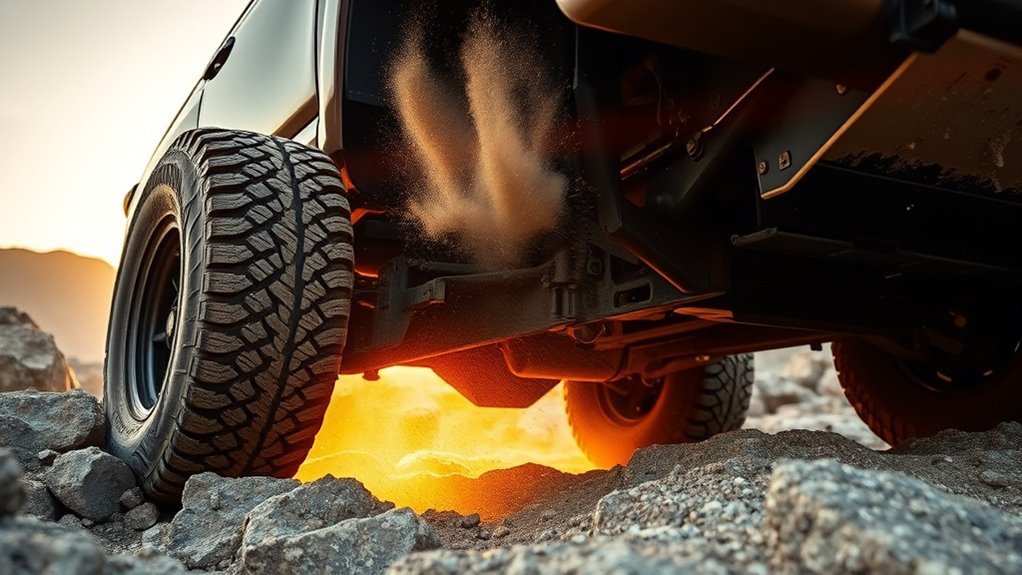
Your 4Runner’s tires rub after a lift because the available tire space changes once you combine taller tires, wider tread, wheel offset, steering angle, suspension compression, and alignment. Most rubbing happens at the front inner fender liner, bumper edge, mud flap area, body mount, or frame at full steering lock. Start by finding the exact contact point, then fix only that area with liner relocation, careful trimming, proper alignment, or a different wheel-and-tire setup.
Quick Answer
To fix 4Runner tire rub after a lift, turn the wheels fully both ways and inspect for fresh marks on the liner, bumper, mud flap, frame, or body mount. Most light rubbing is solved by pushing the fender liner forward, trimming small plastic edges, and getting a post-lift alignment. Heavy body mount contact may need professional cutting and welding.
Key Takeaways
- Do not start cutting until you know exactly where the tire touches.
- Fender liner relocation is usually the cleanest first fix for light front rubbing.
- Trim plastic slowly. Remove less than you think you need, then test again.
- Alignment helps handling, tire wear, and tire position, but it will not solve every fitment problem.
- Body mount rubbing is a bigger job and should be handled by a qualified fabricator if cutting or welding is needed.
At a Glance
| Time Required | 30 minutes for diagnosis; 1–3 hours for liner relocation and light trimming; longer for body mount work. |
| Difficulty | Easy to moderate for liner and plastic trimming; advanced for structural body mount cutting. |
| Tools Needed | Flashlight, painter’s tape, marker, socket set, trim tool, drill, heat gun, utility knife or rotary tool, eye protection, gloves, and torque wrench. |
| Cost | Usually $0–$50 for DIY liner work if you already own tools; alignment and fabrication costs vary by shop. |
Note: Most advice in this guide applies best to modified 2010–2024 5th-gen Toyota 4Runners, because that is where the common 285/70R17-style rubbing discussions usually come from. The 2025+ 4Runner is a different generation, so confirm your own wheel, tire, suspension, and body clearances before copying a 5th-gen trim line.
Diagnose the Tire Rub Before You Cut Anything
Do this first. Tire rub can sound the same from the driver’s seat, but the fix changes depending on the contact point. A liner rub may need only a push-forward. A bumper rub may need a small trim. A body mount rub may require a much more serious repair.
- Park on level ground. Set the parking brake and keep the engine running only if you need power steering.
- Turn full lock left and right. Check both front tires at the rear liner, front bumper edge, mud flap, frame, and body mount.
- Back up while turning. Some 4Runners rub in reverse before they rub while moving forward.
- Look for fresh marks. Shiny plastic, clean metal, black rubber dust, or scraped tread blocks show the contact point.
- Test with suspension loaded. If rubbing only happens off-road or over driveways, the tire may touch during compression, not just while parked.
- Mark the area with tape. Mark only the actual contact point so you do not over-trim.
Warning: Do not keep driving with heavy tire rub. Repeated contact can cut the tire, tear the liner, damage wiring behind the liner, or create sharp plastic and metal edges. If the tire contacts metal or the body mount, stop and fix the clearance before hard trail use.
Fix Tire Rub Fast: Heat Gun and Trim Methods
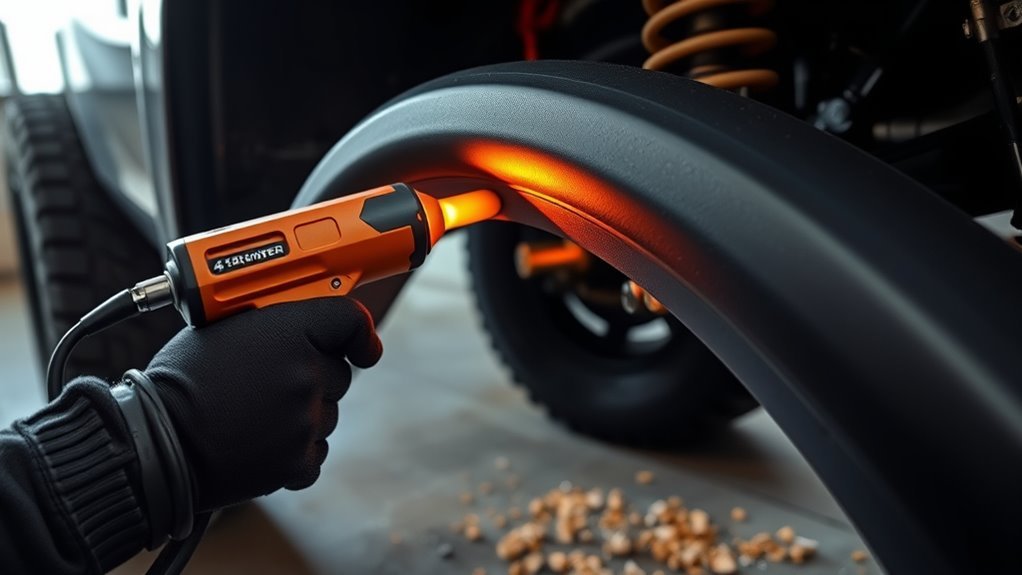
Once you know where the tire touches, start with the least permanent fix. On many lifted 4Runners, the front inner fender liner is the first contact point. Plastic liner work is easier to correct than metal cutting, so handle that before reaching for a grinder.
[Products Worth Considering]
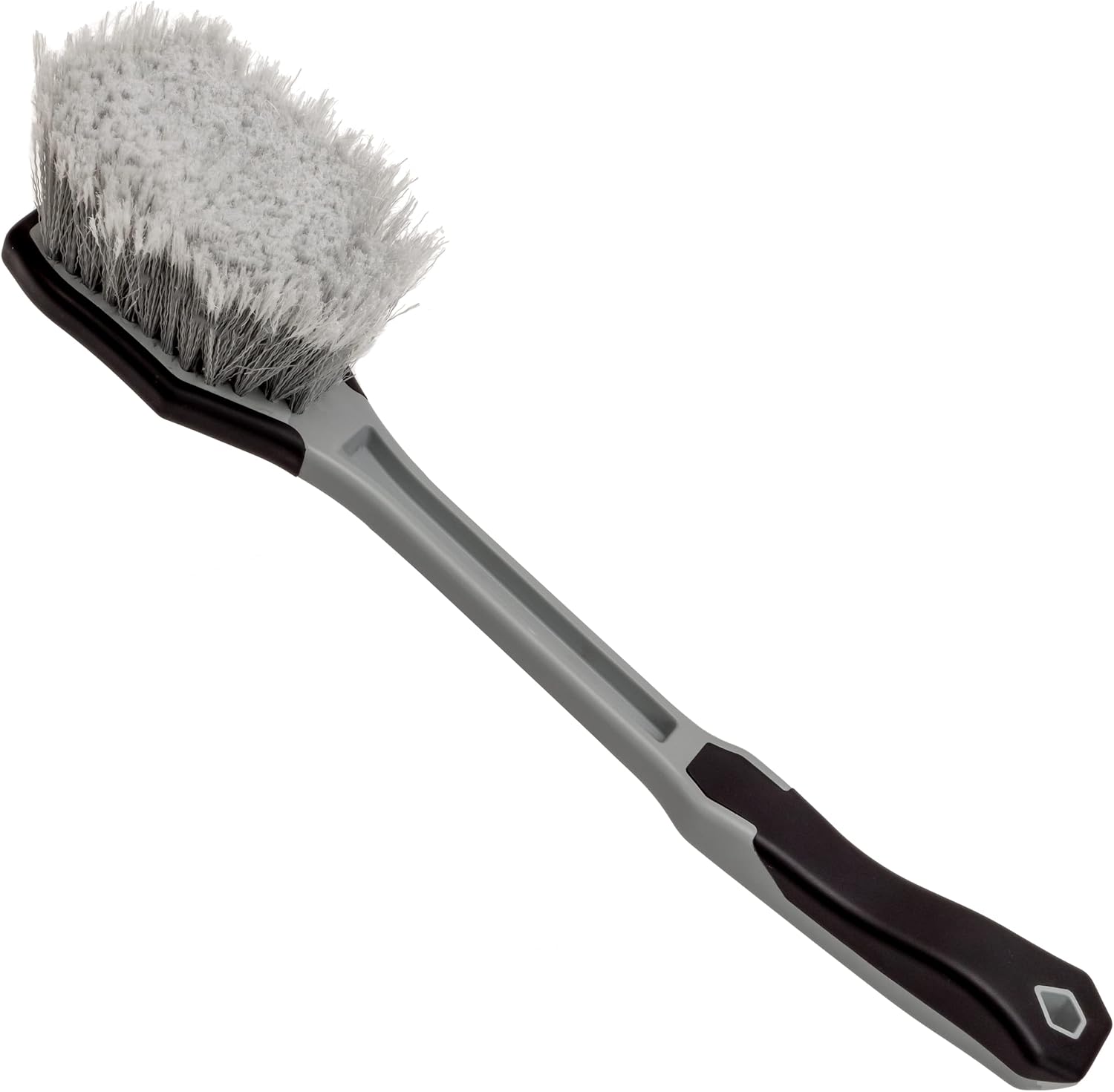
Clean grills, fenders, fender flares, bumpers, and wheel wells with a long-handled brush built for detailed car washing. The soft, triple-flagged bristles and dense scrub coverage help lift dirt gently while making coverage fast and easy. Use it with your favorite car wash soap for tires and exterior surfaces, and it also works for bike, motorcycle, boat, or RV cleaning.

Steelman white tire marking crayons provide high-contrast, semi-permanent marks for repairing and inspecting tires and equipment. They write on wet or dry, smooth or coarse surfaces including rubber, metal, glass, and wood, making them ideal for puncture location and damage outlining. The lead- and zinc-free crayons resist weather and fading yet wipe away when you no longer need the marks.

Measure tire tread depth quickly and accurately with this LUMITECO dial gauge that reads in 1/32" increments up to 14/32". The color-coded green/yellow/red zones make it easy to judge tire wear and know when replacement is needed. A rugged, compact design with a protective pouch helps keep the gauge ready for use on cars, trucks, motorcycles, and more.
Use Heat to Reshape the Fender Liner
A heat gun can soften the plastic liner enough to push it away from the tire. Work slowly and keep the heat gun moving. Warm the plastic, press it into the shape you need, then hold it until it cools.
- Use low to medium heat first. Too much heat can blister the liner or damage paint nearby.
- Protect wiring and hoses. Check behind the liner before heating or drilling.
- Push, cool, and test. Do not assume the new shape is enough until you test full lock again.
Trim Plastic Only Where the Tire Touches
If heating does not create enough clearance, trim the bumper edge, liner lip, or mud flap area in small passes. Use painter’s tape to create a clean cut line. Remove a little material, smooth the edge, then test again.
The best trim job is the smallest one that clears the tire through full steering lock and normal suspension compression.
Pro Tip: Trim both sides only after checking both sides. Driver-side and passenger-side rub marks are not always identical after a lift, alignment, or bumper adjustment.
The Permanent Fix: Relocate Your Fender Liners
Heat and trimming can work, but fender liner relocation is often cleaner when the tire is rubbing the plastic liner near the front bumper. The idea is simple: move the liner mounting points forward so the tire has more room at full lock.
- Remove the lower liner fasteners. Keep the clips and bolts organized so you can reuse them if they are still in good shape.
- Pull the liner forward. Move it only as far as needed for clearance. Many 285/70R17-style setups need around 1–2 inches, but your tire and wheel offset decide the real amount.
- Mark new mounting points. Make sure the liner is not stretched so tightly that it will tear.
- Drill fresh holes. Check behind the liner before drilling so you do not hit wiring, washer lines, or painted metal.
- Reattach with strong clips or bolts. A loose liner can flap back into the tire.
- Test full lock both ways. Drive slowly forward and backward while turning.
This fix can eliminate chronic liner rub, but it does not guarantee clearance for every 33-inch tire. Tire brand, actual diameter, tread shoulder shape, wheel width, backspacing, offset, and alignment all matter.
[Products Worth Considering]

Monitor tire tread wear with a smart, color-coded depth gauge that shows clear condition ranges at a glance. The bar is range marked for fast, easy readings, helping you maintain safer traction and performance. Each gauge is portable with a pocket clip, and the set includes 20 units for daily use and sharing.
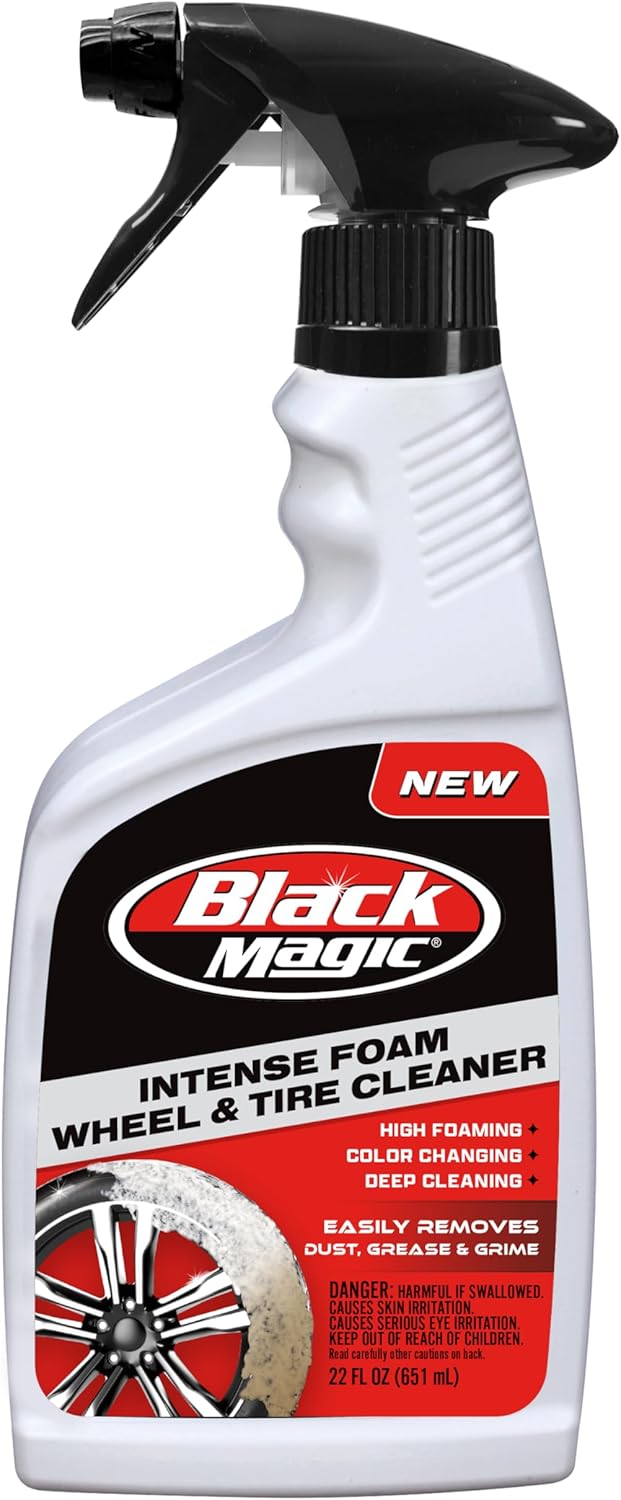
Black Magic Intense Foam Wheel & Tire Cleaner uses a high-foaming action to lift away dirt, grime, and brake dust without scrubbing. The color-changing formula helps show contaminants being dissolved as foam turns from white to brown. Safe for all wheel types and even wheel wells, it leaves a like-new, slick finish with a fresh cherry scent.

These aluminum alloy tire valve stem caps with an O-ring seal help protect valve stems from corrosion while adding a clean, stylish look to your vehicle. The universal fit works across cars, trucks, motorcycles, bicycles, and more, making them an easy upgrade for everyday driving and off-road use. Installation is quick, and the included four-pack keeps all your tires dressed and protected.
Dial In Alignment for Extra Clearance
A post-lift alignment is not optional. Lifting the front end changes suspension position, and larger tires make small alignment errors more obvious. Alignment should be used to restore safe tracking, steering feel, and tire wear. It can also help tire position in the wheel opening, but it is not a substitute for correct fitment.
[Products Worth Considering]

This heavy-duty bicycle rim liner provides complete tube protection by shielding the inner tube from rim spoke holes and sharp metal burrs that can cause flats. Made from premium, wear-resistant PVC, it lays flat with optimized 18 mm width and 0.50 mm thickness for edge-to-edge coverage. Installation is quick with flexible stretch placement and a secure, non-slip fit.

This 3-piece wheel brush set makes it easy to clean wheels and tires with soft, scratch-free brushes designed for lifting brake dust and grime. The flexible rim brush bends up to 360 degrees to reach hard-to-access areas for a thorough clean, while the comfortable grip helps control during detailing. A dedicated detailing brush supports gentle cleaning for sensitive surfaces, including interior use.

This professional wheel and rim cleaning brush set lifts brake dust, grime, and dirt with soft, scratch-free microfiber and synthetic wool fibers. The rim brush bends up to 360 degrees for easy access to hard-to-reach areas around spokes, lips, and faces. Ideal for thorough cleaning of car, truck, motorcycle, bicycle, RV, and more wheel and tire surfaces.
Caster Angle Importance
Caster affects steering stability and the tire’s position through the turning arc. On many lifted Toyota truck setups, a qualified alignment shop may target the higher end of a safe caster range, especially when aftermarket upper control arms are installed. The right number depends on your model year, lift height, control arms, tire size, and wheel offset.
- Do not ask for “maximum caster” blindly. Too much or uneven caster can create poor steering feel or left-to-right pull.
- Keep side-to-side numbers close. A small cross-caster difference may be used to correct road crown, but large differences can feel wrong.
- Check UCA clearance. Wider tires and different backspacing can bring the tire close to the upper control arm.
- Get the printout. Keep the before-and-after alignment sheet so you know what changed.
Toe Adjustment Effects
Toe controls whether the front tires point slightly inward, outward, or straight ahead. Bad toe can make the tires scrub, wear quickly, and feel unstable. It may also make a rubbing issue seem worse because the tire is not tracking correctly.
| Alignment Item | What It Affects | Best Practice |
| Caster | Steering return, stability, and tire position through the steering arc. | Use a safe target for your exact lift, tire, wheel, and control arm setup. |
| Camber | Tire contact patch and inside/outside tire wear. | Keep it near the recommended range unless your alignment specialist has a reason to adjust it. |
| Toe | Straight-line tracking, tire scrub, and tread wear. | Set it correctly after the lift. Do not use bad toe as a clearance shortcut. |
Why Your Lifted 4Runner Rubs at Full Turn
Full-lock turns reveal clearance problems because the tire swings through its widest path. Add a larger tire, more aggressive tread shoulder, wider wheel, or negative offset, and the tire can contact parts that cleared when the vehicle was stock.
Common contact points include:
- Inner fender liner: Plastic liner rub is common and usually the easiest to fix.
- Front bumper edge: The lower bumper corner can catch the outer tread shoulder.
- Mud flap area: Factory mud flaps or their mounting tabs can rub larger tires.
- Frame rail: This can happen with certain tire widths and steering angles.
- Body mount or cab mount: This is a more serious contact point and may require professional fabrication.
You do not need to cut every possible area. Fix the exact point that shows contact, test again, then move to the next restriction only if the tire still rubs.
How Your Lift Kit Changes Tire Space
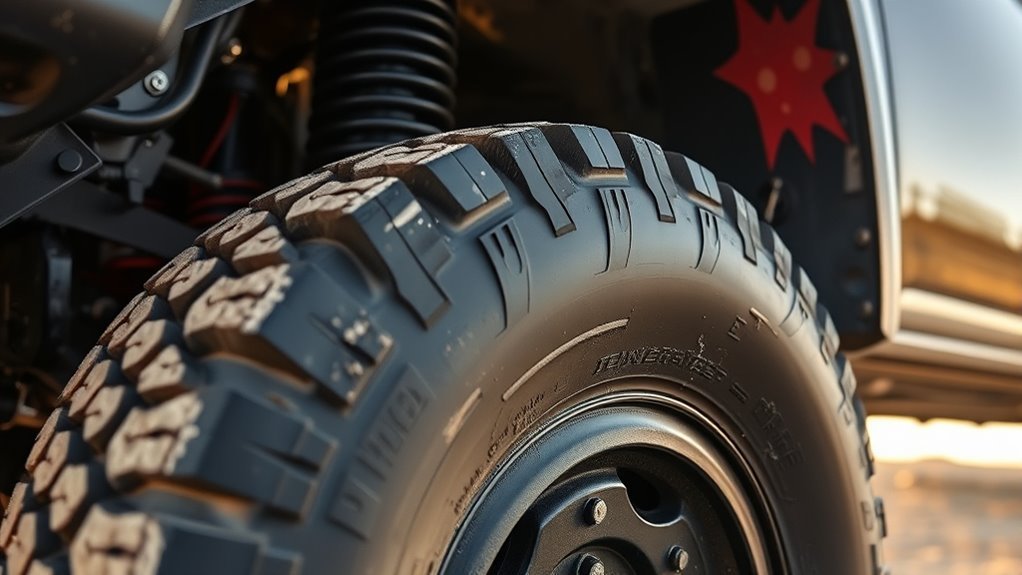
A lift raises the 4Runner, but it does not magically create clearance in every direction. The tire still has to clear the liner, bumper, frame, body mount, and control arms while turning and while the suspension compresses.
The most important change is the tire’s real movement path. At ride height, a setup may look fine. At full lock, while reversing, or when the suspension compresses on a driveway or trail, the tire may move into a part of the wheel well that looked clear when parked.
That is why a 4Runner can clear a tire on flat pavement but rub when loaded with passengers, camping gear, armor, or recovery equipment. Weight changes ride height and compression travel, which changes the clearance you actually have.
How Wheel Offset Pushes Tires Into the Fender
Wheel offset and backspacing decide where the tire sits side-to-side. This can be just as important as lift height.
- More negative offset: Pushes the tire outward. This often improves upper control arm clearance but can increase bumper and fender rub.
- More positive offset: Tucks the tire inward. This may reduce outer fender rub but can bring the tire closer to the frame or upper control arm.
- Wider wheels: Change the tire’s sidewall shape and can make the shoulder sweep a larger arc.
- Aggressive tread shoulders: Mud-terrain and hybrid-terrain tires can rub sooner than a smoother all-terrain in the same labeled size.
Note: Toyota warns owners not to use wheel sizes different from the recommended size because handling control can be affected. Use your door placard, owner’s manual, and a qualified installer when changing wheel or tire size.
Body Mount Rub: When Plastic Trimming Is Not Enough
If the tire hits the body mount behind the front tire, liner relocation and bumper trimming may not solve it. You may hear a heavy clunk or see clean metal on the mount. This is common on more aggressive tire-and-wheel setups, especially when the wheel pushes the tire outward and the tire swings into the rear of the wheel opening.
Your options are:
- Try alignment first. A proper alignment may improve the tire’s position enough for mild contact.
- Choose a different wheel offset or tire size. Sometimes a slightly narrower or less aggressive tire is the cleanest fix.
- Consider aftermarket upper control arms. These may allow a better alignment range on lifted setups, but they do not guarantee clearance.
- Use a professional body mount chop if needed. This involves cutting and welding near a structural area, so it is not a casual driveway trim job.
Warning: Do not cut or grind a body mount unless you understand the structural and corrosion-protection consequences. If welding is required, use a qualified shop and repaint or seal exposed metal afterward.
Troubleshooting by Rub Location
| Rub Location | Likely Symptom | Best First Fix |
| Front inner liner | Light plastic scraping at full lock. | Heat and push the liner, then relocate mounting holes if needed. |
| Bumper edge | Scraping at the outer shoulder of the tire. | Tape a small trim line, cut gradually, and smooth the edge. |
| Mud flap or tab | Rubbing near the rear of the front wheel opening. | Remove or trim the mud flap area only where contact is visible. |
| Frame rail | Firm contact at full steering lock. | Recheck wheel offset, tire width, and alignment before adding more parts. |
| Body mount | Heavy knock or metal contact behind the tire. | Try alignment and fitment changes first; use a professional body mount chop only if necessary. |
Frequently Asked Questions
What is the most common tire-rub problem on a lifted Toyota 4Runner?
On lifted 4Runners with larger tires, the most common tire-rub problem is front tire contact at the inner fender liner, lower bumper edge, mud flap area, or body mount during full-lock turns. The exact spot depends on tire size, tread shape, wheel offset, lift height, and alignment.
Will 285/70R17 tires rub on a 4Runner?
They can. A 285/70R17 tire is a popular 4Runner upgrade, but rubbing depends on the actual tire model, wheel offset, wheel width, alignment, lift height, and bumper or liner position. Some setups need only liner relocation, while others need trimming or body mount work.
Does more lift stop tire rubbing?
Not always. More lift may improve vertical clearance at ride height, but the tire still moves through the same steering arc and can still hit the liner, bumper, frame, or body mount. Correct wheel offset, tire size, liner position, trimming, and alignment are usually more important than simply adding height.
Can an alignment fix 4Runner tire rub by itself?
Sometimes, but only for mild rubbing. Alignment can improve steering feel, tire wear, and tire position in the wheel opening, but it will not fix every clearance issue. If the tire is hitting the liner or bumper hard, you may still need liner relocation, trimming, or a different tire-and-wheel setup.
Is trimming the fender liner safe?
Light plastic trimming is usually safe when you cut only the contact area, smooth sharp edges, and avoid wiring or washer lines behind the liner. Do not cut metal or structural parts unless you understand the repair and can protect the area from rust afterward.
Do I need upper control arms after lifting a 4Runner?
Not for every lift, but aftermarket upper control arms can help some lifted 4Runners achieve better alignment numbers and tire clearance. They are most useful when your alignment shop cannot reach a good caster/camber range or when your tire is close to the factory upper control arm.
Conclusion
Tire rub after a 4Runner lift is fixable, but the best fix depends on where the tire touches. Start with a careful full-lock inspection, then solve the smallest problem first: push the liner, relocate the liner, trim plastic, align the front end, or revisit the wheel-and-tire setup. Save body mount cutting for situations where the tire truly contacts metal and easier fixes are not enough. When the tire clears at full lock, in reverse, and under normal compression, your 4Runner is ready to turn without the scrape.
Sources
- Toyota Owners — 2024 4Runner manuals and warranties — backs up model-specific manual verification.
- Toyota Owners — wheels warning — backs up wheel-size and handling-control caution.
- Toyota Owners — driving assist systems — backs up warnings about different tires affecting vehicle systems.
- NHTSA TireWise tire safety — backs up tire inspection, pressure, tread, and safety guidance.
- AccuTune Off-Road — Tacoma & 4Runner alignment — backs up lifted Toyota truck alignment and tire-fitment nuance.
- Trail4R — 5th-gen 4Runner fender liner push-back and trimming — backs up practical fender liner relocation steps.

