
The right Toyota 4Runner tire size depends on your model year, trim, wheel package, and whether you want a stock replacement or an off-road upgrade. Early 4Runners used smaller 15-inch tires, while modern models commonly use 17-, 18-, or 20-inch tires depending on trim. Before buying, always confirm the size on your driver-door tire placard, owner’s manual, or current tire sidewall.
Quick Answer
Most 2010–2024 Toyota 4Runners use 265/70R17 tires, while Limited and some street-focused trims use 245/60R20. Older models vary by generation, from 15-inch sizes on early trucks to 16-, 17-, and 18-inch options. The newest 2025+ 4Runner commonly uses 245/70R17, 265/70R18, or 265/55R20 depending on trim.
Key Takeaways
- The most common 5th-gen 4Runner stock size is 265/70R17; Limited and some 20-inch wheel trims use 245/60R20.
- The 2025+ 6th-gen 4Runner moves to trim-dependent sizes such as 245/70R17, 265/70R18, and 265/55R20.
- A larger tire can improve clearance and appearance, but it can also cause rubbing, speedometer error, extra weight, and lower fuel economy.
- Never choose a replacement tire with a lower load rating than the vehicle requires; check the door-jamb placard first.
At a Glance
| Time Required | 10–20 minutes to confirm the correct size; longer if checking upgrade clearance. |
| Difficulty | Easy for stock replacement; moderate for larger tire fitment. |
| Tools Needed | Door-jamb placard, owner’s manual, tire gauge, flashlight, and measuring tape for upgrade checks. |
| Cost | Stock replacement usually costs less than upsizing; larger tires may also require alignment, trimming, suspension work, or recalibration. |
Warning: Tire size is not just an appearance choice. A wrong size, low load rating, poor wheel offset, or rubbing tire can affect steering, braking, TPMS function, and vehicle safety. Use your door-jamb placard and a qualified tire shop when changing from stock.
Stock Tire Sizes for Each 4Runner Generation
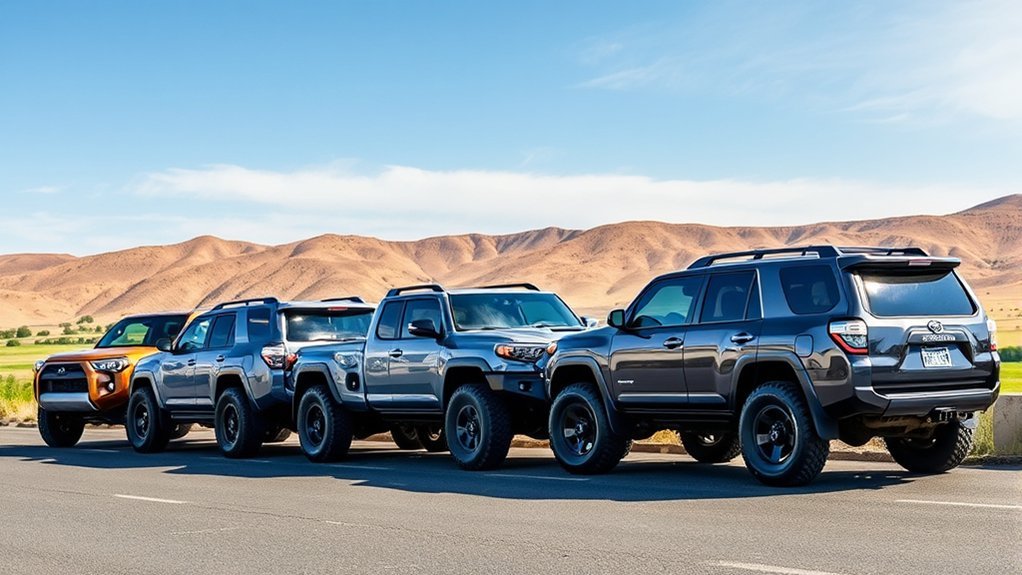
Toyota 4Runner tire sizes changed as the SUV moved from a compact truck-based body to today’s larger body-on-frame platform. The table below lists common U.S. factory tire sizes by generation. Some trims, regional packages, and dealer-installed wheel packages can vary, so use this as a guide—not a replacement for the placard on your own vehicle.
| Generation | Model Years | Common Stock Tire Sizes | Notes |
| 1st gen | 1984–1989 | 225/75R15, 31×10.50R15LT on some packages | Early trucks used 15-inch wheels and narrow, tall sidewalls. |
| 2nd gen | 1990–1995 | 225/75R15, 31×10.50R15LT | Still largely 15-inch based, with SUV-like body changes. |
| 3rd gen | 1996–2002 | 225/75R15, 265/70R16 | Limited and many 4WD versions commonly moved to 16-inch tires. |
| 4th gen | 2003–2009 | 265/70R16, 265/65R17, 265/60R18 | Sport and Limited trims brought larger wheel options. |
| 5th gen | 2010–2024 | 265/70R17, 245/60R20 | Most SR5/TRD trims use 265/70R17; Limited and some road-focused trims use 20-inch tires. |
| 6th gen | 2025+ | 245/70R17, 265/70R18, 265/55R20 | Trim dependent; confirm by trim, market, and wheel package. |
For current details, compare your vehicle against Toyota’s official owner’s manual and warranty portal, the 2024 Toyota 4Runner brochure, and the current Toyota 4Runner specifications page.
Understanding the Evolution of 4Runner Tire Options
The 4Runner’s tire sizes grew for three main reasons: larger vehicle platforms, higher trim differentiation, and changing buyer expectations. Earlier 4Runners used tall 15-inch tires that worked well on rough roads. Later generations added larger wheels for comfort, braking clearance, styling, and trim separation.
A size like 265/70R17 breaks down like this:
- 265 = tire width in millimeters.
- 70 = sidewall height as a percentage of width.
- R = radial construction.
- 17 = wheel diameter in inches.
Note: The number on the tire sidewall tells you the tire size, but the door-jamb placard tells you what the vehicle was certified to use. If the two do not match, confirm whether the wheels or tires were changed by a previous owner.
Modern 4Runner Stock Tire Sizes by Trim
If you own a newer 4Runner, trim matters more than generation alone. A 5th-gen Limited and a 5th-gen TRD Off-Road may sit on different wheel/tire packages even when they share the same model year.
| Model Years | Trim Examples | Common OE Tire Size |
| 2010–2024 | SR5, SR5 Premium, Trail, TRD Off-Road, TRD Pro | 265/70R17 |
| 2010–2024 | Limited, TRD Sport, select 20-inch packages | 245/60R20 |
| 2025+ | SR5 | 245/70R17 |
| 2025+ | TRD Off-Road, TRD Pro, Trailhunter | 265/70R18 |
| 2025+ | TRD Sport, Limited, Platinum | 265/55R20 |
Toyota’s 2025 release also notes that the redesigned 4Runner added new trims such as Trailhunter and Platinum, so shoppers should avoid using old 5th-gen fitment assumptions for 2025+ models. See Toyota’s 2025 4Runner release for current platform and trim context.
Unique Features of 4Runner Tires Through the Years
Each 4Runner generation reflects the tire priorities of its era. Early models favored simple, tall-sidewall tires. Third- and fourth-gen models introduced more 16-, 17-, and 18-inch options. Fifth-gen models made 265/70R17 the familiar off-road-friendly size for many owners, while the sixth generation now uses more trim-specific wheel packages.
Tire Evolution Over Generations
The biggest change is not just wheel diameter; it is how Toyota separates trims by purpose. A 17-inch wheel with a taller sidewall usually makes sense for trails, washboard roads, and potholes. A 20-inch wheel can sharpen the look and steering feel on pavement, but it leaves less sidewall for absorbing impacts.
Performance Enhancements Offered
Tire performance comes from the full tire design, not size alone. Tread pattern, rubber compound, sidewall strength, load rating, tire weight, and inflation pressure all affect how the 4Runner drives. An all-terrain tire can improve grip on dirt, gravel, and snow, but it may add road noise and weight compared with a highway tire.
Size Variations Across Trims
Trim-specific differences can create confusion when buying replacements. For example, many 5th-gen SR5 and TRD models use 265/70R17, while many Limited models use 245/60R20. On 2025+ models, the SR5, TRD/off-road trims, and street/luxury trims can use different sizes. Always match the tire size, load index, and speed rating to the vehicle’s requirements.
Top Tire Sizes for Enhanced Off-Road Performance
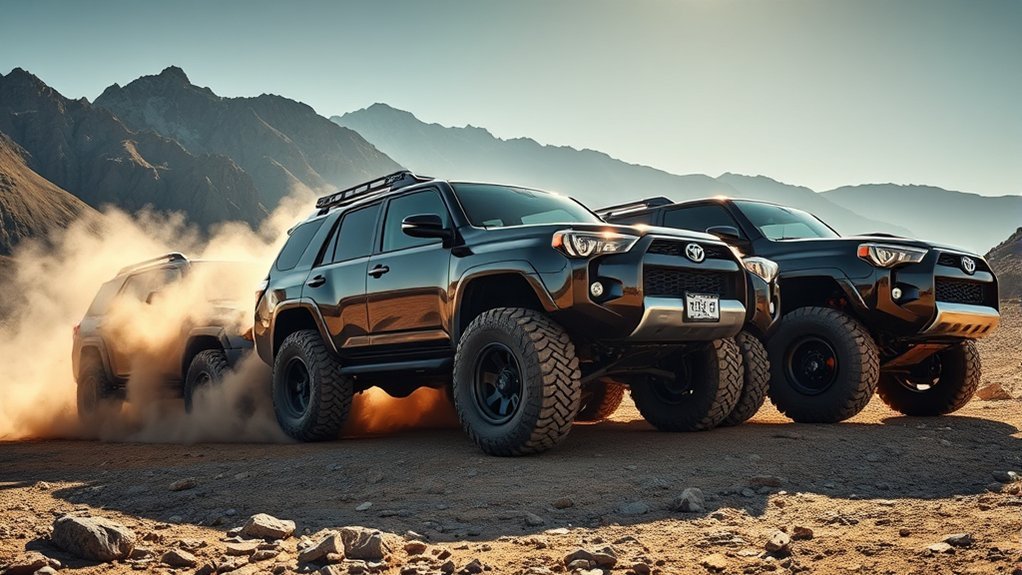
If you want better off-road performance, start with your stock size and decide how much clearance, sidewall, weight, and trimming you are willing to accept. The most popular upgrade sizes are usually chosen for 5th-gen 4Runners on 17-inch wheels, but the same fitment logic applies to other generations.
| Tire Size | Best For | Fitment Notes |
| 265/70R17 | Stock 5th-gen replacement and light trails | Safest choice when the placard lists this size. |
| 275/70R17 | Mild upgrade with a little more footprint | May fit easily on some setups; check mudflaps, liner, and offset. |
| 285/70R17 | Popular “33-inch” off-road look | Often needs alignment/caster adjustment, liner movement, mudflap removal, trimming, or a lift depending on wheel offset and tire model. |
| 285/75R17 or 295/70R17 | More aggressive trail builds | Expect lift, trimming, clearance checks, and possible gearing or drivability trade-offs. |
Pro Tip: If your 4Runner is also a daily driver, a lighter all-terrain tire in a modest size often feels better than the biggest tire that barely clears.
[Products Worth Considering]
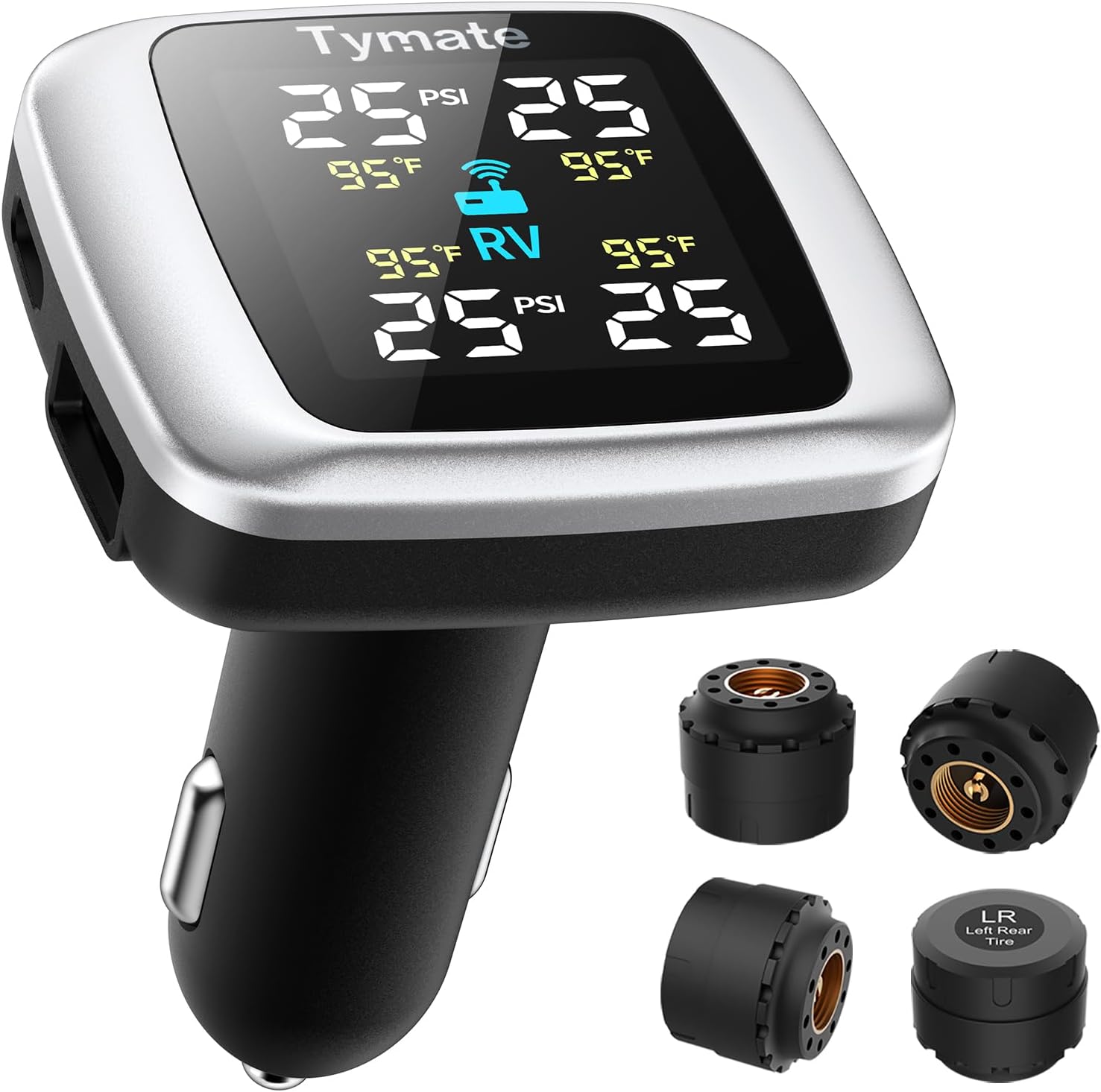
Tymate TM7 is a wireless tire pressure monitoring system that delivers real-time pressure and temperature readings for safer driving. It includes four external sensors, a bright color LCD display with adjustable backlight, and six alarm modes for high/low pressure, fast leakage, high temperature, and sensor signal or battery issues. The system covers a wide 0–144 PSI range and plugs into your vehicle’s cigarette lighter socket for quick DIY setup.

These aluminum alloy tire valve stem caps with an O-ring seal help protect valve stems from corrosion while adding a clean, stylish look to your vehicle. The universal fit works across cars, trucks, motorcycles, bicycles, and more, making them an easy upgrade for everyday driving and off-road use. Installation is quick, and the included four-pack keeps all your tires dressed and protected.

Keep your tires properly inflated with this analog VONDIOR tire pressure gauge, designed for fast, easy readings without batteries. The swiveling, two-axis hose and large glow dial help you measure at any tire angle with instant visibility. Built with a protective rubber shield, it supports durable, low-maintenance use for cars and trucks.
Essential Modifications for Fitting Larger Tires
Larger tires can improve ground clearance and fill the wheel wells, but they also move closer to the fender liner, body mount, mudflaps, bumper cover, and upper control arm. Before ordering oversized tires, check these areas at full steering lock and under suspension compression.
- Wheel offset and backspacing: A wheel that pushes the tire outward can improve inner clearance but may increase fender rubbing.
- Alignment and caster: More positive caster can help pull the tire away from the rear of the fender opening on many 5th-gen setups.
- Mudflaps and fender liners: Mild rubbing often starts here before metal trimming is needed.
- Front bumper and air dam: Some larger tires contact plastic trim during turns.
- Spare tire fit: A larger spare may not fit in the factory location without changes.
- Speedometer and odometer: A larger overall diameter can make the vehicle travel faster than the speedometer shows.
- Load and speed rating: Replacement tires should meet or exceed the vehicle’s required ratings.
For tire safety, NHTSA recommends using the vehicle manufacturer’s cold tire pressure from the placard and checking pressure when tires are cold. See NHTSA TireWise for tire pressure, load, and inspection guidance. Federal tire selection rules also require the tires fitted to a vehicle to support the vehicle’s axle load requirements; see 49 CFR § 571.110.
[Products Worth Considering]

Upgrade your ride with a 2-pack set of 26x1.95 folding mountain bike tires built for dependable traction on mud, rocks, and trail surfaces. A reinforced puncture-resistant layer helps protect against sharp debris, while included butyl inner tubes provide strong sealing and shock absorption. Ready for fast swaps with included tire levers and universal sizing for most bikes.

The Big Rig Defense Tire Thumper is a truck tire pressure checker that lets you quickly check multiple tires by giving them a firm whack. Listen for a reassuring thump and feel the stick bounce when a tire is fully inflated, helping you get back on the road safely. It features a comfortable, glove-friendly handle and a secure wrist strap for confident use on busy routes.

Vigorder rubber cement glue delivers superior adhesion and cures quickly within about 30 seconds for seamless rubber bonding. Once cured, it helps provide a strong, durable, waterproof seal that holds up to vehicle weight, pressure, and heat. Suitable for cars, motorcycles, trucks, bicycles, and off-road tires, it’s designed for emergency patch and maintenance repairs.
Choosing the Right Tire Size for Your 4Runner
To choose the right tire size, start with the factory size, then decide whether your priority is daily comfort, snow traction, towing stability, trail grip, or appearance.
- Check your placard: Look at the driver-door jamb for the certified tire size and cold inflation pressure.
- Read your current sidewall: Confirm whether the vehicle is still on its original size.
- Match load rating: Do not go below the required load index or load range.
- Choose tread type: Highway tires are quiet and efficient; all-terrain tires add trail grip; mud-terrain tires trade comfort for off-road bite.
- Check clearance: Turn lock-to-lock and inspect fender liners, mudflaps, bumper edges, and suspension clearance.
- Plan alignment: Any meaningful tire or suspension change should be followed by an alignment check.
If you mostly drive pavement, the stock size or a mild all-terrain tire is usually the best value. If you regularly drive rocks, ruts, mud, or deep snow, a larger all-terrain tire with the correct load rating can be worth the extra cost and fitment work.
[Products Worth Considering]

The Ziopetru adjustable magnetic wheel alignment tool helps you check and restore camber and caster positioning after removing and reinstalling undercarriage components. With a clear leveling/bubble measurement system and an easy zeroing adjustment knob, it supports precise horizontal angle checking. The strong magnetic base mounts to metal surfaces for convenient use at home on cars, motorcycles, trucks, vans, and SUVs.
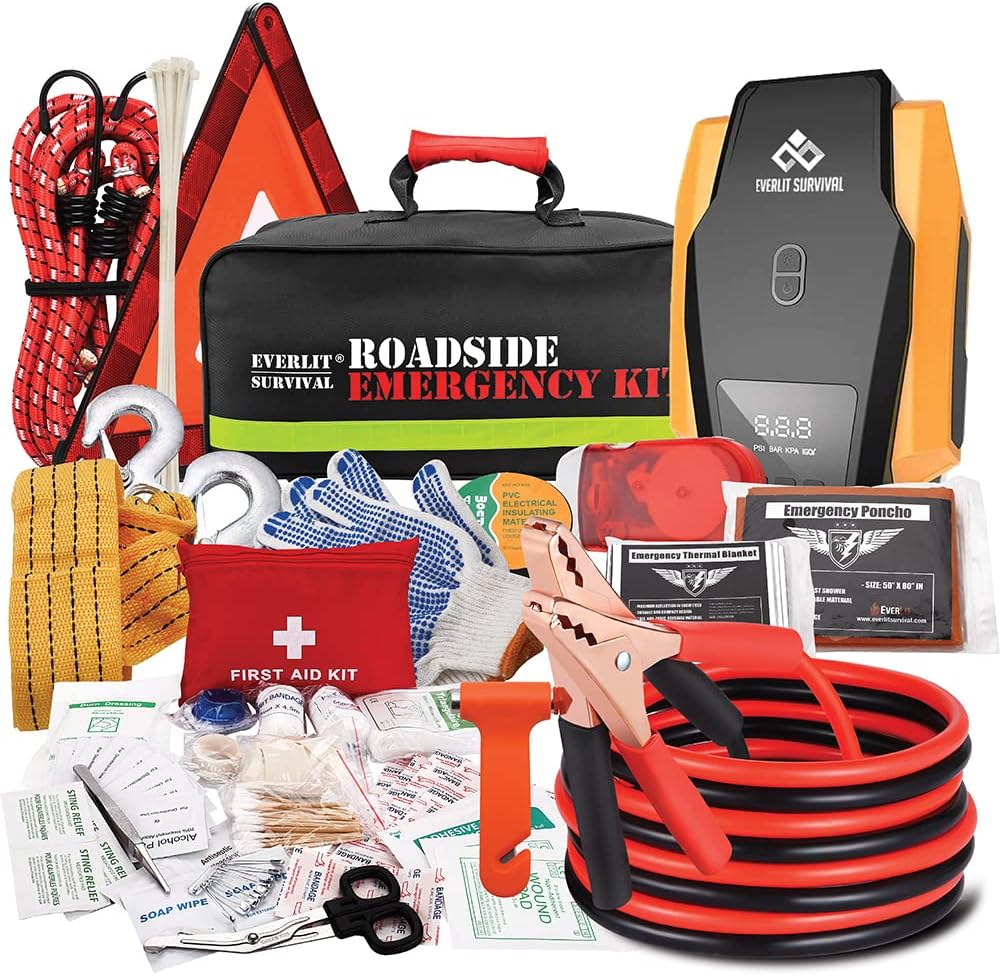
The Everlit Road Guardian emergency kit is designed for roadside breakdowns, combining essential safety gear and roadside tools in one compact bag. It includes a digital 12V auto tire inflator with preset and auto shutoff, plus 12-foot 8-gauge jumper cables to get you moving again. You also get a full 108-piece first aid kit, reflective warning tools, safety gloves, and emergency convenience items for safer travel.

This Hycline 2-pack mountain bike tire set delivers durable, puncture-resistant performance with a high-grip, aggressive tread designed for traction on hard surfaces and confident handling through mud and soil. Includes matching inner tubes and tire levers for easier everyday maintenance and quicker installation after folding storage. Built for a range of riding conditions with reinforced rubber and nylon cord for wear-resistant reliability.
Benefits of Upgrading 4Runner Tires
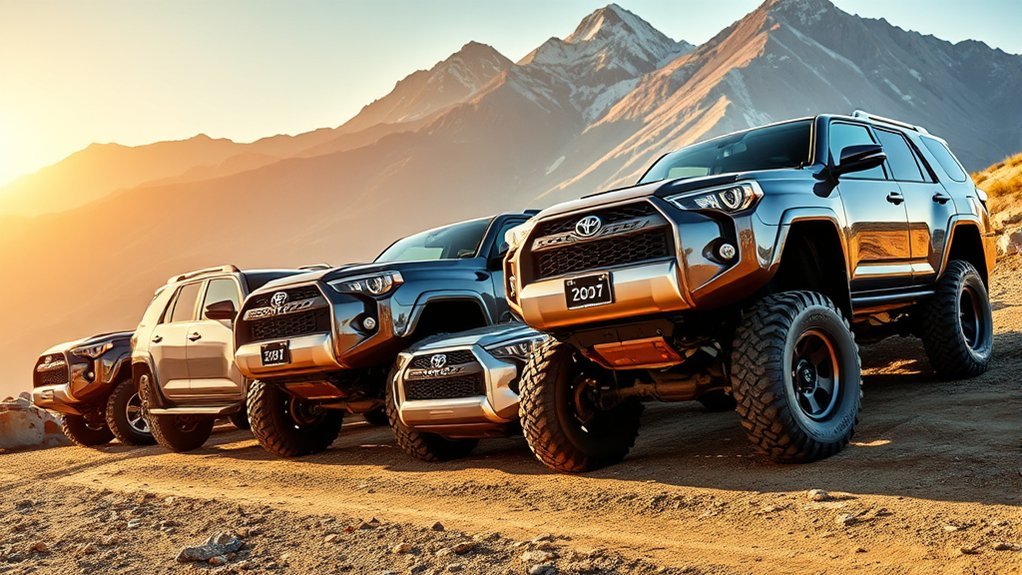
Upgrading your 4Runner’s tires can improve the way it looks and performs, but the best upgrade is the one that matches how you actually drive. A weekend trail rig, a winter commuter, and an overlanding build do not need the same tire.
Enhanced Off-Road Capability
A taller tire can add ground clearance under the axle and improve approach confidence on rough trails. An all-terrain tread can also help on loose dirt, gravel, and snow. The benefit is strongest when the tire size, tread design, pressure, and suspension setup all work together.
Improved Aesthetic Appeal
Larger tires can give the 4Runner a more planted, trail-ready stance. Sizes like 275/70R17 and 285/70R17 are popular because they fill the wheel wells without jumping straight into extreme fitment work. For many owners, this visual upgrade is part of the appeal.
Increased Traction Performance
More aggressive tread can improve traction off pavement, but wider is not always better. A narrower tire can work well in snow and can weigh less. Choose based on terrain, tire weight, sidewall strength, and the amount of road noise you are willing to accept.
Trade-Offs of Bigger Tires
Bigger tires can add rotating weight, reduce fuel economy, affect braking feel, increase road noise, and create rubbing. They can also change the effective gearing, making the vehicle feel slower off the line. If you jump several sizes above stock, ask a shop familiar with 4Runners to check clearance and drivability before committing.
Frequently Asked Questions
What size tires are best for a 4th-gen 4Runner?
For a stock 2003–2009 4Runner, common factory sizes include 265/70R16, 265/65R17, and 265/60R18 depending on trim. For off-road use, many owners prefer moving toward a 17-inch wheel with an all-terrain tire, but clearance depends on wheel offset, suspension, and the exact tire model.
Is 265 or 275 better for a 4Runner?
A 265-width tire is usually better for stock replacement because it matches many factory 4Runner sizes. A 275-width tire gives a slightly wider footprint and fuller look, but it can add weight and may rub depending on wheel offset and alignment.
Do I need a lift for 285/70R17 tires on a 4Runner?
Often, yes, but it depends on the generation, wheel offset, alignment, tire brand, and how much rubbing you will tolerate. On many 5th-gen builds, 285/70R17 tires may require a leveling kit or lift, extra caster, mudflap removal, liner adjustment, or trimming.
What size tires come on a 5th-gen Toyota 4Runner?
Most 2010–2024 5th-gen 4Runners use 265/70R17 tires on SR5, Trail, TRD Off-Road, and TRD Pro-style trims. Limited and some street-focused trims commonly use 245/60R20 tires.
What size tires come on the 2025+ Toyota 4Runner?
Common 2025+ 6th-gen 4Runner sizes include 245/70R17, 265/70R18, and 265/55R20 depending on trim. SR5, TRD/off-road trims, and luxury or sport trims can use different wheel packages, so confirm the exact trim before buying.
Where can I find my exact factory tire size?
Check the tire information placard on the driver-door jamb first. Then compare it with your owner’s manual and the size printed on your current tire sidewall. If those do not match, the wheels or tires may have been changed.
Conclusion
The best Toyota 4Runner tire size is the one that fits your generation, trim, load requirements, and driving style. Stock sizes are the safest path for daily driving, while mild upgrades such as 275/70R17 or 285/70R17 can improve stance and trail clearance when the fitment is checked correctly. Use the door-jamb placard as your starting point, verify load and speed ratings, and treat bigger tires as a complete fitment decision—not just a cosmetic upgrade.
Sources
- Toyota 2024 4Runner eBrochure — backs up 5th-gen wheel and tire packages such as P265/70R17 and P245/60R20.
- Toyota 2025 4Runner Specifications — current Toyota specification page for the redesigned 4Runner.
- Toyota 2025 4Runner Press Release — confirms the sixth-generation redesign and current trim context.
- Toyota Owners Manuals and Warranties — reference point for vehicle-specific manuals and maintenance information.
- NHTSA TireWise — tire pressure, load, inspection, and safety guidance.
- 49 CFR § 571.110 — federal tire selection and rim requirements for vehicle load compliance.