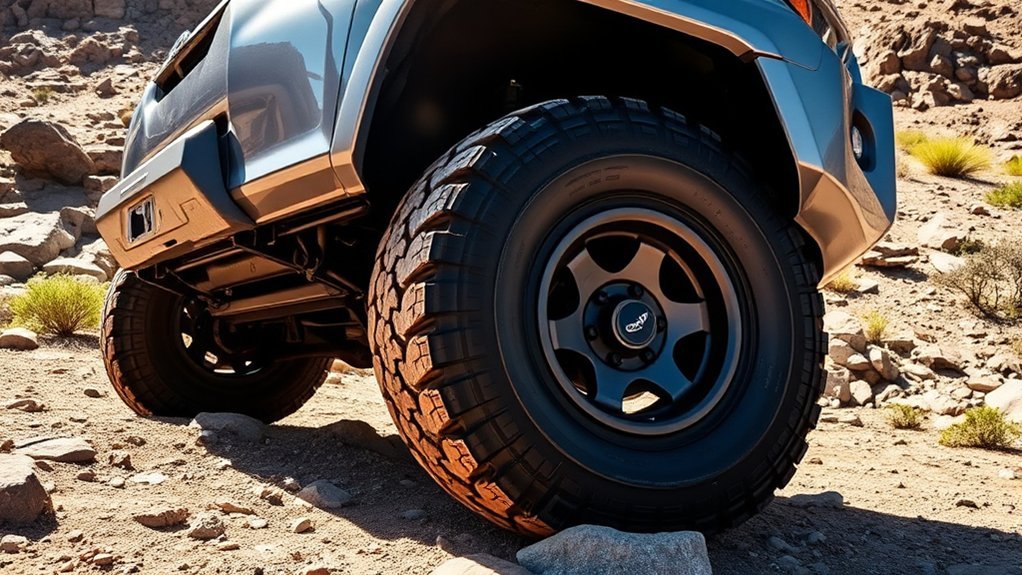
Installing 285/70R17 tires on a Toyota 4Runner can give you more ground clearance, a wider stance, and stronger trail traction. The fit is not universal, though. Your result depends on the 4Runner generation, suspension height, wheel offset, tire model, alignment, and how much trimming you are willing to do.
Quick Answer
285/70R17 tires can fit many 2010-2024 Toyota 4Runners, but stock suspension usually needs careful wheel choice, fender liner adjustment, mud flap removal, or minor trimming. A 2.5-3 inch lift helps, but it does not guarantee zero rubbing. For 2025+ 4Runners, confirm brake clearance and fitment before buying.
Key Takeaways
- 285/70R17 is about 32.7 inches tall, so it is often called a 33-inch tire.
- Stock 2010-2024 4Runners can rub at the liner, bumper, mud flap, body mount, or upper control arm.
- A 2.5-3 inch lift improves clearance, but alignment, caster, offset, and tire shape still matter.
- More negative offset is not always better. It helps inner clearance but can increase outer fender and body mount rubbing.
- Use the correct load rating and tire pressure. Check the door placard, owner’s manual, and tire manufacturer guidance before driving.
At a Glance
| Best Fit | 2010-2024 4Runner with a mild lift, good alignment, and the right wheel offset |
| Difficulty | Moderate, because rubbing checks and alignment matter |
| Common Tools Needed | Jack, stands, torque wrench, trim tools, basic hand tools, tire pressure gauge, alignment appointment |
| Typical Cost | Tires only: varies by brand. Full setup with lift, wheels, alignment, and trimming can cost much more. |
Why Choose 285/70R17 for Your 4Runner?
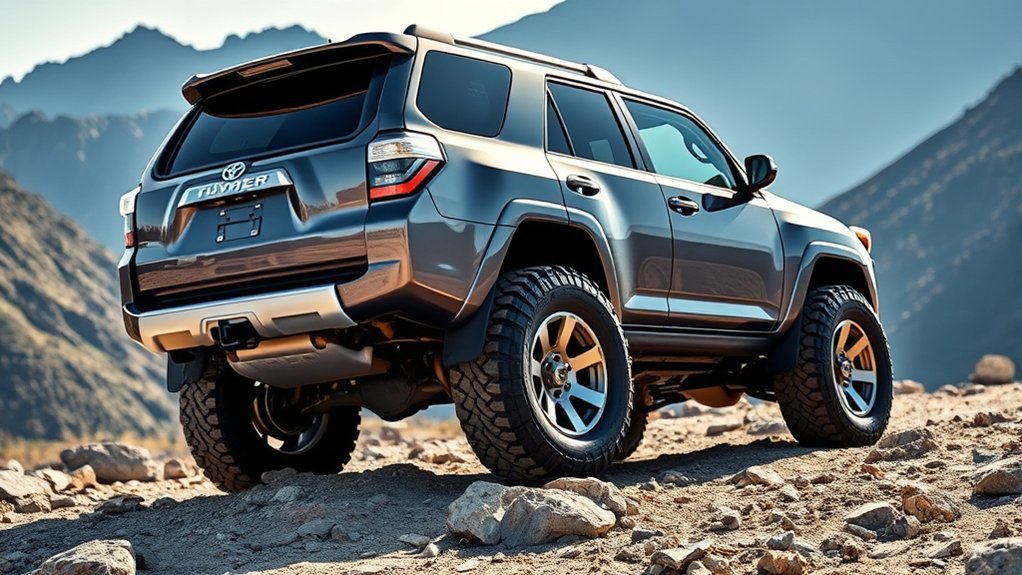
You choose 285/70R17 tires for a 4Runner when you want a taller tire, a wider footprint, and a stronger off-road look without jumping to a much larger custom size. A 285/70R17 tire is about 32.7 inches tall, which is why many owners call it a “33.”
Compared with a common 265/70R17 tire, a 285/70R17 adds about 1.1 inches of total diameter. That gives you roughly half an inch of extra axle clearance under the differential. You also get a wider contact patch, which can help on dirt, rock, gravel, and snow when paired with the right tread pattern and pressure.
The tradeoff is fitment. A larger tire takes up more room inside the wheel well. On many 4Runners, it can touch the fender liner, front mud flap, bumper edge, body mount area, sway bar, or upper control arm during turns or suspension compression.
Warning: Tire size changes can affect braking feel, steering response, speedometer reading, fuel economy, tire load capacity, and safety systems. The National Highway Traffic Safety Administration says to check your owner’s manual or Tire and Loading Information Label for correct tire size and pressure, and to consult a tire dealer if you are unsure.
Understanding Fitment Basics for 285/70R17 Tires
Fitment is not just about tire size. A 285/70R17 can fit one 4Runner and rub badly on another because the wheel, alignment, tire model, and suspension setup are different.
| Fitment Factor | What It Means |
|---|---|
| Tire diameter | About 32.7 inches. Taller than many factory 17-inch setups. |
| Tire width | About 11.2 inches section width, depending on brand and wheel width. |
| Wheel width | Many setups use 17×8 to 17×9 wheels. Always confirm the tire maker’s approved rim width range. |
| Offset | 0 to -12mm is common on many fifth-gen builds, but more negative offset can increase outer rubbing. |
| Alignment | Caster and toe settings can make the difference between light rubbing and heavy rubbing. |
| Tire construction | LT Load E tires are often heavier and firmer than lighter-duty options. |
A taller tire also changes your speedometer slightly. If your original tire is about 31.6 inches tall and your new tire is about 32.7 inches tall, the new tire is roughly 3.5% larger. When your speedometer shows 60 mph, your real speed may be close to 62 mph, depending on the factory calibration.
Check Your 4Runner Generation Before Buying
The advice for 285/70R17 tires is strongest for the 2010-2024 fifth-generation Toyota 4Runner, because that is where this size is most commonly discussed and tested by owners. On those trucks, 285/70R17 is a popular upgrade, but it often needs fitment work.
For the 2025 and newer sixth-generation 4Runner, do not assume older fitment rules apply. Toyota redesigned the 2025 4Runner on the TNGA-F truck platform, and the Trailhunter model uses 33-inch Toyo Open Country A/T tires with Old Man Emu shocks. That confirms Toyota designed some sixth-gen trims around 33-inch tire capability, but it does not prove every 17-inch wheel and 285/70R17 tire will clear the brakes, suspension, and body on every 2025+ trim.
Note: If you own a 2025+ 4Runner, confirm wheel diameter, brake caliper clearance, offset, load rating, and tire pressure with a qualified tire shop before ordering 17-inch wheels or 285/70R17 tires.
Do 285/70R17 Tires Fit Stock Suspension?
On many 2010-2024 4Runners, 285/70R17 tires can fit stock suspension, but they are not usually a clean bolt-on fit. You may get light rubbing at full steering lock, in reverse, or when the front suspension compresses. The rubbing may be worse with aggressive mud-terrain shoulders, lower caster, or wheels that push the tire farther outward.
The easiest stock-suspension setups usually use a conservative wheel offset, a less bulky all-terrain tread, and an alignment that moves the tire slightly forward in the wheel well. Even then, you should expect to inspect and possibly adjust the front liner and mud flap area.
Common stock-suspension rub points include:
- Front fender liner: Often needs to be pushed forward or reshaped.
- Front mud flap: Often rubs and may need removal or trimming.
- Lower bumper edge: Can touch during turns, especially with negative offset wheels.
- Body mount area: Can rub with wider or more aggressive setups.
- Upper control arm: Can be tight with some positive-offset wheels and wide tires.
- Sway bar: May rub depending on wheel offset and tire width.
If you want a no-drama daily driver and do not want trimming, a smaller size such as 275/70R17 or 285/70R17 on a carefully chosen mild setup may be worth comparing before you buy.
[Products Worth Considering]

Upgrade your wheels with MIKKUPPA M12x1.5 mag seat lug nuts built for secure, corrosion-resistant performance. These closed-end chrome lug nuts are a direct replacement for select Toyota models, including Camry, Corolla, RAV4, Sienna, Avalon, Highlander, Matrix, Venza, and Prius. Triple-chromium plating and cold-forged, heat-treated steel help deliver strength for daily driving and replacement needs.

This 1/2-inch drive breaker bar delivers powerful leverage for loosening and tightening stubborn lug nuts and automotive fasteners. The 180-degree flex head helps you reach tight spaces at the angle you need, making tire and brake jobs easier. A spring-loaded ball detent design holds 1/2-inch sockets securely while the chrome-moly head provides durable strength for everyday use.

These M14x1.5 closed-end chrome lug nuts are a one-piece replacement designed for secure fitment on compatible GM, Ford, and select Chrysler/Dodge models. Featuring a 60-degree conical seat and anti-rust chrome plating, they help resist corrosion and maintain a bright look for everyday driving. Built for long-term durability, they include OEM-style part references and are backed by 12 months of support.
What Modifications Do You Need for Lifted 4Runners?
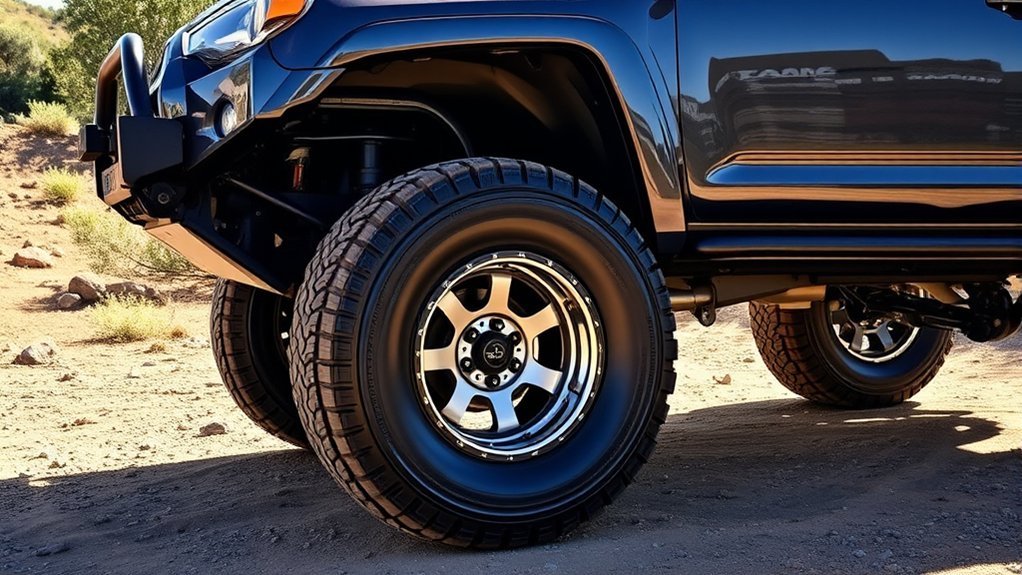
A lift gives 285/70R17 tires more vertical room, but it does not solve every rubbing problem. The tire still swings through the same arc when you steer. That means liner clearance, caster, wheel offset, and body mount space still matter.
[Products Worth Considering]

The Trivd Frol 1/2" air impact wrench delivers high performance torque up to 1500 ft-lbs with a twin hammer impact mechanism for strong, balanced blows. It features an ergonomic grip, compact lightweight design, and quick-stop control with 3 forward speeds up to 8000 RPM plus a reverse speed. Built for demanding automotive repair and tire shop work, the rear exhaust helps keep debris away from the surface.

Keep your tires properly inflated with this analog VONDIOR tire pressure gauge, designed for fast, easy readings without batteries. The swiveling, two-axis hose and large glow dial help you measure at any tire angle with instant visibility. Built with a protective rubber shield, it supports durable, low-maintenance use for cars and trucks.

Upgrade your wheels with MIKKUPPA closed-end lug nuts designed for reliable fit and corrosion resistance. The one-piece, cold-forged and heat-treated steel construction helps resist rust and stripping, while the integrated finish delivers a durable black appearance. Built to OEM standards with a conical 60-degree seat, these nuts provide a secure solution for compatible Ford, Honda, Jeep, and Chevrolet models.
Suspension Upgrades Required
A 2.5-3 inch suspension lift is a common setup for 285/70R17 tires on a fifth-generation 4Runner. It improves clearance and helps the truck look proportional with the larger tire. Quality shocks and springs also help control the added tire weight.
Aftermarket upper control arms can help because they allow better alignment correction and more usable caster. More caster can move the front tire slightly forward in the wheel well, which may reduce rubbing near the rear of the fender liner and body mount.
Pro Tip: Do not judge fitment right after installing a lift. Get the truck aligned first, then check rubbing again at full lock, in reverse, and with the suspension compressed.
Fender Trimming Considerations
Most light rubbing starts at the plastic pieces, not the metal. Begin with reversible changes before cutting anything permanent.
- Remove or trim the front mud flaps if they touch the tire.
- Push the front fender liner forward and secure it cleanly.
- Check the lower bumper cover at full steering lock.
- Trim plastic only where the tire clearly contacts.
- Inspect the body mount area before deciding on more aggressive work.
A body mount chop is a more serious modification. It can create extra clearance, but it should be done by someone who understands the 4Runner structure, welding, corrosion protection, and safe finishing. Do not start with a body mount chop if a liner adjustment or alignment change will solve the problem.
Alignment Adjustments Needed
Alignment is one of the most important parts of a successful 285/70R17 install. BFGoodrich explains that alignment is the adjustment of the vehicle’s suspension parts, and poor alignment can affect safety and handling. You can review its tire alignment guidance at BFGoodrich Tire Alignment.
After installing larger tires, ask for an alignment from a shop that understands lifted 4Runners. The main goals are stable tracking, even tire wear, and enough caster to keep the tire away from the rear of the front wheel well. If the shop cannot get the caster where it needs to be, upper control arms may help.
What to Expect From Off-Road and On-Road Performance
Off-road, 285/70R17 tires can improve your 4Runner’s clearance, traction, and confidence. The wider footprint can help on loose dirt, gravel, rocks, and snow. All-terrain tires are designed as a compromise between road use and off-road use, and NHTSA describes all-terrain tires as mainly used on four-wheel-drive vehicles for a balance of on-road driving and off-road capability.
Tire model still matters. A mild all-terrain may ride quieter and use less fuel. A heavy LT tire with aggressive shoulders may resist trail damage better, but it can add road noise, reduce MPG, and feel firmer over broken pavement.
A 285/70R17 upgrade is best when you want real trail gains and accept the daily-driving tradeoffs: more weight, possible trimming, possible speedometer error, and a firmer ride.
On road, expect a heavier steering feel and slower acceleration compared with smaller stock tires. Braking can also feel different because the tire and wheel package is heavier. If you choose Load E tires, the sidewalls may feel stiff unless your 4Runner carries extra gear, armor, or towing weight.
How to Address Rubbing Issues With 285/70R17 Tires
Rubbing is easiest to fix when you find the exact contact point first. Do not trim randomly. Turn the wheel fully left and right, check forward and reverse, and inspect the tire and liner for shiny marks, scuffs, or fresh plastic dust.
Use this order:
- Check tire pressure cold. Follow the vehicle placard, owner’s manual, or tire manufacturer guidance. BFGoodrich warns not to use the sidewall PSI as your target pressure.
- Check full-lock clearance. Turn both directions while parked and while slowly rolling.
- Inspect plastic rub points. Start with the fender liner, mud flap, and bumper cover.
- Check inner clearance. Look at the upper control arm, sway bar, and frame-side areas.
- Get an alignment. Adjust caster and toe before cutting more than needed.
- Trim in small steps. Remove the least material needed for safe clearance.
- Recheck after trail use. Suspension flex can reveal rubbing that does not show up in the driveway.
For tire pressure and maintenance, NHTSA recommends checking tires cold at least monthly and using the Tire and Loading Information Label or owner’s manual for correct pressure. You can also review BFGoodrich tire pressure guidance.
Top Wheel Choices for 285/70R17 Tires on a 4Runner
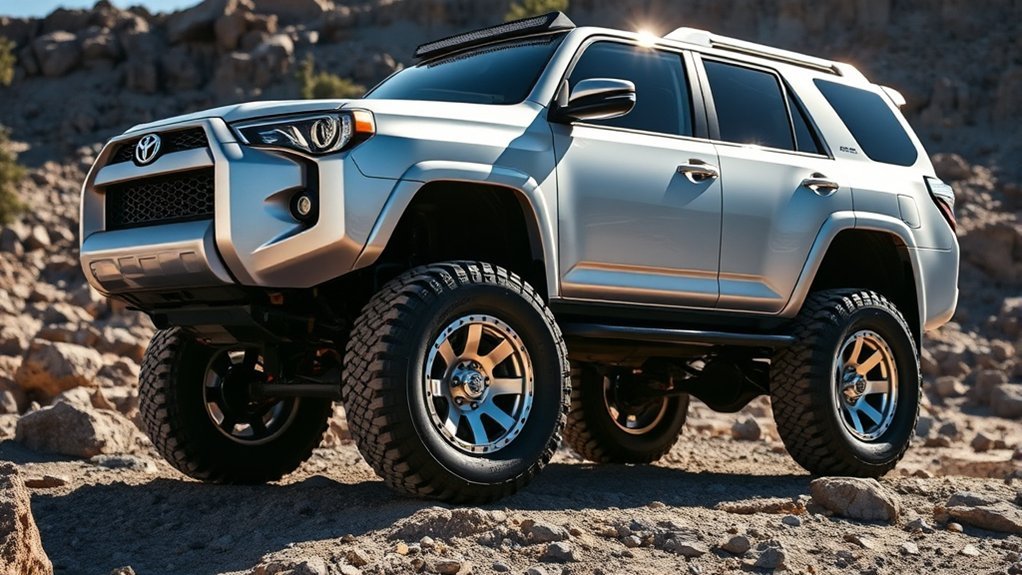
The best wheel for 285/70R17 tires is the one that clears the suspension without pushing the tire so far outward that it hits the bumper and body mount. For many fifth-generation 4Runner builds, owners look at 17-inch wheels in the 8 to 9 inch width range.
- 17×8 to 17×8.5: A balanced range for many all-terrain tires.
- 17×9: Common for a wider stance, but it may need more trimming depending on offset.
- Positive offset: Keeps the tire tucked in, but may create upper control arm clearance issues with wider tires.
- 0 offset: Often a balanced middle ground on many builds.
- Negative offset: Adds stance and inner clearance, but can increase bumper, fender, and body mount rubbing.
Before buying, confirm bolt pattern, center bore, lug nut style, brake clearance, load rating, and the tire maker’s approved rim width range. BFGoodrich also recommends using load and inflation tables when changing tire size, and you can review its changing tire size guidance.
[Products Worth Considering]

The Topeak SmartGauge D2 delivers precise digital tire pressure readings for bikes, motorcycles, and sports equipment up to 250 psi (17 bar). Its rotating SmartHead works with both Presta and Schrader valves, so you can check pressure quickly without adapters. The LCD display makes it easy to read results in psi, bar, or kg/cm² with an included CR2032 battery for immediate use.

This universal wheel alignment tool helps you accurately restore tire tilt angles after tire or suspension repairs using an adjustable camber gauge. It features a powerful magnetic base that firmly attaches to brake rotors for stationary, slip-free readings, improving consistency during measurement. Built from durable PC plastic, it resists wear and corrosion and is compact enough for car, truck, RV, and motorcycle alignment tasks.

These aluminum alloy tire valve stem caps with an O-ring seal help protect valve stems from corrosion while adding a clean, stylish look to your vehicle. The universal fit works across cars, trucks, motorcycles, bicycles, and more, making them an easy upgrade for everyday driving and off-road use. Installation is quick, and the included four-pack keeps all your tires dressed and protected.
Load Range and Tire Choice Matter
Not all 285/70R17 tires behave the same. A lightweight all-terrain can feel much different from a heavy LT Load E tire. Load E tires are often chosen for trail durability, towing, armor, and heavy cargo. They can also add weight, road noise, and firmness.
If your 4Runner is mostly a daily driver, compare available load ranges before choosing. If your truck carries steel bumpers, skid plates, sliders, roof racks, camping gear, or towing weight, a heavier-duty tire may make more sense.
The Toyo Open Country A/T III, for example, is an on/off-road all-terrain tire offered for light trucks and SUVs. Toyo describes it as focused on off-road traction, wet performance, durability, treadwear life, and on-road handling. That type of balanced all-terrain design is usually a better daily-driver choice than a full mud-terrain tire if you spend most of your time on pavement.
Spare Tire, TPMS, and Final Checks
A full-size 285/70R17 spare is ideal if you travel off road. A smaller spare can create drivetrain stress if you drive far in 4WD with mismatched tire diameter. Before you count on the factory spare location, test-fit the larger spare under the rear of the 4Runner and check clearance around the hitch, panhard bar area, exhaust heat shields, and hoist.
Also plan for these finishing steps:
- Balance every new tire and wheel. Heavy all-terrain tires need a careful balance.
- Relearn or service TPMS if needed. Some wheel swaps need sensor transfer or new sensors.
- Torque lug nuts correctly. Recheck torque after the first short drive.
- Schedule an alignment. Larger tires can reveal small alignment problems quickly.
- Inspect after 50-100 miles. Look for new rub marks, loose liner hardware, and uneven tire wear.
NHTSA says tire balancing and wheel alignment help maximize tire life and safety. It also recommends monthly tire pressure checks and proper tire rotation based on the owner’s manual.
User Experiences With 285/70R17 Tires
Most 4Runner owners who like 285/70R17 tires enjoy the stance, extra clearance, and better trail confidence. The size fills the wheel wells well, especially with a mild lift. It also gives the truck a more planted look without moving into extreme custom fabrication.
Off-Road Performance Insights
Off road, the main gains are clearance and grip. You get more sidewall than an 18-inch or 20-inch wheel setup, which helps when airing down on dirt, rock, or washboard roads. The tire’s larger footprint can also improve stability on uneven terrain.
The best off-road results come from a complete setup, not just the tire. Good shocks, proper alignment, skid plates, recovery points, and smart tire pressure matter just as much as tire size.
On-Road Comfort Assessment
On road, the experience is mixed. Some owners accept the firmer ride because they want the off-road benefit. Others notice more tire noise, less fuel economy, heavier steering, and slower acceleration. Load E all-terrain tires can feel especially firm on a lightly loaded 4Runner.
If comfort matters most, choose a less aggressive all-terrain tread, avoid unnecessary wheel weight, and ask your installer about load range options. A good alignment and proper cold tire pressure can also make the truck feel more stable.
Final Tips for Successful Tire Fitment on Your 4Runner
For the best chance of a clean 285/70R17 fit, plan the whole setup before buying parts. Do not choose tires, wheels, lift height, and alignment as separate decisions. They all affect one another.
- Confirm your 4Runner generation and trim before using any fitment advice.
- Check brake clearance before buying 17-inch wheels for a 2025+ 4Runner.
- Choose wheel offset carefully. More poke often means more trimming.
- Expect liner adjustment or minor trimming on many fifth-generation setups.
- Use a qualified alignment shop that understands lifted Toyota trucks.
- Pick a tire load range that matches your real use, not just the most rugged option.
- Test-fit the spare before heading off road.
- Keep pressure, rotation, balance, and alignment on schedule.
Frequently Asked Questions
Should I get 16 or 17 rims for a 4Runner?
For most modern 4Runner builds, 17-inch wheels are the safer and more common choice. They offer strong tire selection, good sidewall height, and better brake clearance than many 16-inch wheels. Always confirm brake clearance before buying, especially on 2025+ models.
Will 285/70R17 tires fit a stock 4Runner?
They can fit some stock 2010-2024 4Runners, but rubbing is common. You may need to remove mud flaps, push the fender liner forward, trim plastic, adjust caster, or choose a different wheel offset. A test fit is the safest approach.
Do I need a 3-inch lift for 285/70R17 tires?
A 2.5-3 inch lift is common, but it is not always required and does not guarantee zero rubbing. Wheel offset, tire shape, caster, and trimming matter just as much. Some lifted 4Runners still rub if the offset is too aggressive.
What offset is best for 285/70R17 tires on a 4Runner?
There is no single best offset. Around 0 to -12mm is common on many fifth-generation 4Runner builds, but more negative offset pushes the tire outward and can increase fender, bumper, and body mount rubbing. Confirm your exact tire and wheel combination before buying.
Will 285/70R17 tires hurt fuel economy?
They can. Larger and heavier tires increase rotating weight and rolling resistance, so fuel economy often drops. The exact change depends on tire weight, tread pattern, load range, driving speed, and how much gear your 4Runner carries.
Can I use the stock spare with 285/70R17 tires?
A full-size matching spare is best, especially off road. A smaller spare should only be used carefully and temporarily. If you mount a 285/70R17 spare under the 4Runner, test-fit it first and check clearance around the hitch, exhaust shielding, and spare tire hoist.
Conclusion
285/70R17 tires are a strong upgrade for many Toyota 4Runner owners, especially if you want more trail clearance, a wider stance, and a tougher all-terrain setup. The key is to treat the size as a fitment project, not a simple tire swap. Check your 4Runner generation, choose the right wheel offset, plan for alignment, inspect rub points, and use the correct tire pressure and load rating. Done carefully, this tire size can make your 4Runner more capable without making it frustrating to drive every day.
Sources
- Toyota USA Newsroom: 2025 Toyota 4Runner Refines Adventure Ready Heritage — supports 2025+ platform, Trailhunter, 33-inch Toyo tire, and OME shock context.
- NHTSA TireWise — supports tire size, pressure, maintenance, balancing, alignment, and replacement safety guidance.
- BFGoodrich: Changing Tire Size on a Car — supports checking load and inflation guidance when changing tire sizes.
- BFGoodrich: How to Check Tire Pressure — supports cold pressure checks and using the vehicle placard or owner’s manual.
- BFGoodrich: Tire Alignment — supports alignment importance for safety, handling, and tire wear.
- Toyo Tires: Open Country A/T III — supports on/off-road all-terrain tire context and tire-use positioning.