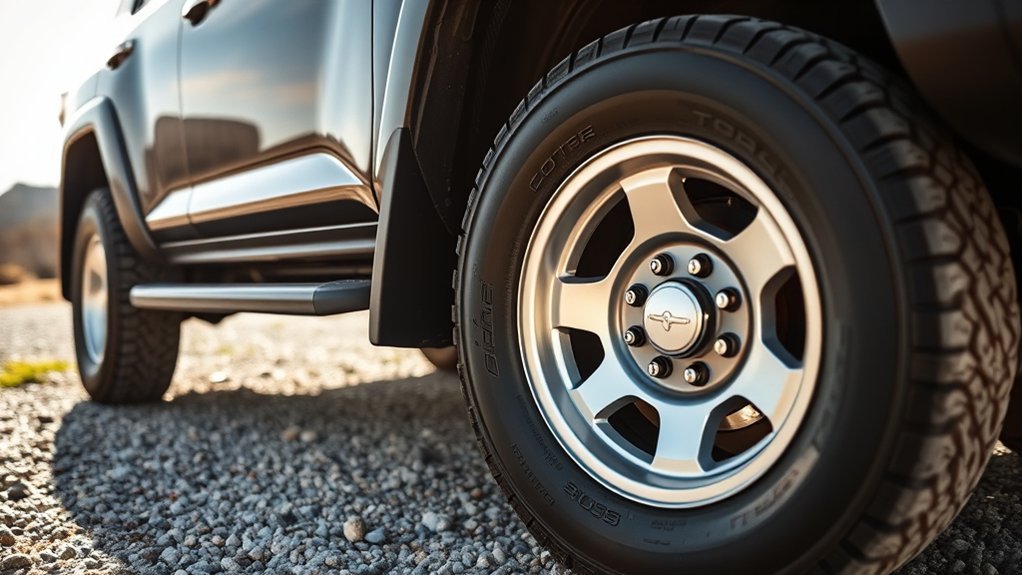
Wheel offset is one of the biggest details behind how a Toyota 4Runner sits, steers, clears larger tires, and avoids rubbing. The right offset can make a build look wider and more planted, but the wrong offset can push the tire into the fender liner, body mount, upper control arm, or suspension components. Before choosing wheels, match your offset to your 4Runner’s generation, tire size, wheel width, lift height, alignment, and real-world use.
Quick Answer
Wheel offset affects where your 4Runner’s wheel sits in the wheel well. More positive offset tucks the wheel inward; zero or negative offset pushes it outward. A mild offset change can improve stance and tire clearance, but aggressive offsets can cause rubbing, heavier steering, faster component wear, and alignment challenges.
Key Takeaways
- Offset is measured in millimeters from the wheel mounting surface to the wheel centerline.
- Positive offset pulls the wheel inward; negative offset pushes it outward for more poke.
- A wider stance can look better off-road, but it can increase rubbing at full steering lock.
- 2010–2024 and 2025+ 4Runners have different factory wheel and tire baselines, so do not copy another build without checking your year and trim.
- Always verify tire size, load index, wheel load rating, brake clearance, hub bore, lug hardware, TPMS compatibility, and alignment before driving.
At a Glance
| Time Required | 30–60 minutes to research and measure; longer if test-fitting |
| Difficulty | Moderate |
| Tools Needed | Tape measure, straightedge, tire-size calculator, wheel spec sheet, floor jack for test fitting, and alignment printout after installation |
| Cost | Free for measuring; professional alignment, trimming, or suspension work adds cost |
What Is Wheel Offset and Why Is It Important for Your 4Runner?
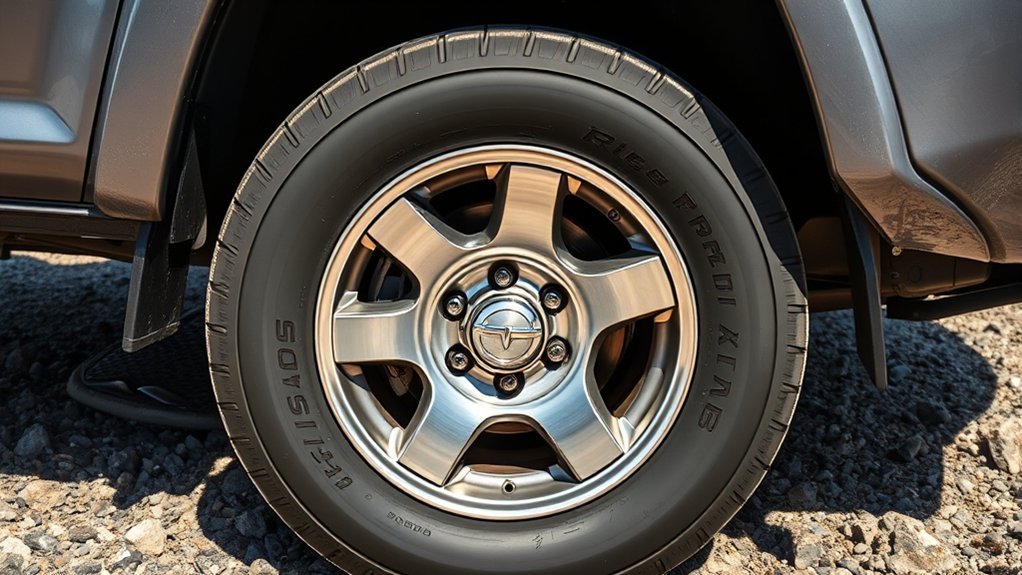
Wheel offset is the distance between the wheel’s hub mounting surface and the wheel centerline. It is measured in millimeters. That small number decides whether the wheel sits tucked under the fender, nearly flush with the body, or pushed outward for a wider stance.
On a 4Runner, offset matters because the front wheel wells are tight. A wheel that sits too far inward can contact the upper control arm, sway bar, or suspension. A wheel that sits too far outward can rub the fender liner, mud flap, bumper edge, body mount area, or pinch weld when you turn.
Warning: Do not choose wheels by offset alone. Confirm your exact model year, trim, tire size, wheel width, load rating, hub bore, lug hardware, brake clearance, and alignment range before driving on a new setup.
Types of Wheel Offsets: Positive, Negative, and Zero
Wheel offset falls into three basic categories:
- Positive offset: The mounting surface is toward the outside face of the wheel, so the wheel sits farther inward. Most factory 4Runner wheels use positive offset.
- Zero offset: The mounting surface is even with the wheel centerline. This usually creates a wider stance than many factory setups.
- Negative offset: The mounting surface is closer to the inner barrel of the wheel, pushing the wheel outward. This creates more poke and a more aggressive look.
For many 4Runner owners, the goal is not simply “more negative.” The goal is the offset that gives enough inner clearance without pushing the tire so far outward that it rubs the outer wheel well.
Offset vs. Backspacing
Offset and backspacing describe the same fitment problem in different ways. Offset is measured from the centerline in millimeters. Backspacing is measured from the mounting surface to the inner lip of the wheel, usually in inches.
A simple rule helps:
- More positive offset usually means more backspacing and less outer poke.
- Less positive or negative offset usually means less backspacing and more outer poke.
For example, a 17×8.5 wheel with 0mm offset has less backspacing and sits farther outward than a 17×8.5 wheel with +25mm offset. Both wheels may bolt on, but they will not clear the same way during steering and suspension compression.
Pro Tip: When comparing two wheels, compare wheel width and offset together. A wider wheel with the same offset will add width to both the inside and outside of the wheel.
Why 4Runner Generation Matters
Before using any offset chart or copying another build, confirm whether your 4Runner is a 2010–2024 5th gen or a 2025+ 6th gen. The fitment conversation changed with the newer generation because factory wheel sizes, tire sizes, center bore, and factory offsets can differ by year and trim.
| 4Runner generation | Common factory tire context | Offset takeaway |
|---|---|---|
| 2010–2024 5th gen | Many trims use 265/70R17; some trims use 20-inch wheel packages. | Mild positive, zero, and slight negative aftermarket offsets are common, but rubbing depends heavily on tire size and alignment. |
| 2025+ 6th gen | Toyota’s current 4Runner specs include tire options such as 245/70R17, 265/55R20, and 265/70R18 depending on trim. | Do not assume 5th-gen fitment advice applies. Check your exact wheel specs, hub bore, and trim-specific tire package. |
The safest starting point is your factory wheel and tire package. Read the wheel stamp, check the tire placard on the driver-side door jamb, and confirm the manufacturer’s wheel spec sheet before ordering.
How Wheel Offset Affects Handling and Aesthetics
Offset affects your 4Runner in four main ways: stance, clearance, steering feel, and component stress.
Stance and Poke
A lower offset pushes the wheel outward, giving the 4Runner a wider and more aggressive stance. This is the look many off-road builds use, especially with wider all-terrain or mud-terrain tires. The trade-off is that the tire may swing into the fender liner or body mount area when turning.
Inner Clearance
More positive offset tucks the wheel inward. This can help keep the tire under the fender, but too much inward movement can create contact with the upper control arm, sway bar, or inner wheel well. Inner clearance becomes more important as tire width increases.
Steering Feel and Scrub Radius
Changing offset changes the tire’s position relative to the steering axis. A small change may feel fine. A large change can increase steering effort, make the steering feel heavier, add road feedback, or make the 4Runner follow ruts more noticeably.
Wheel Bearings and Suspension Load
Large offset changes can increase leverage on wheel bearings, ball joints, and steering components. That does not mean every negative-offset wheel is bad, but it does mean aggressive fitment should be chosen with the whole suspension system in mind.
Wheel Offset Options for 4Runner Builds
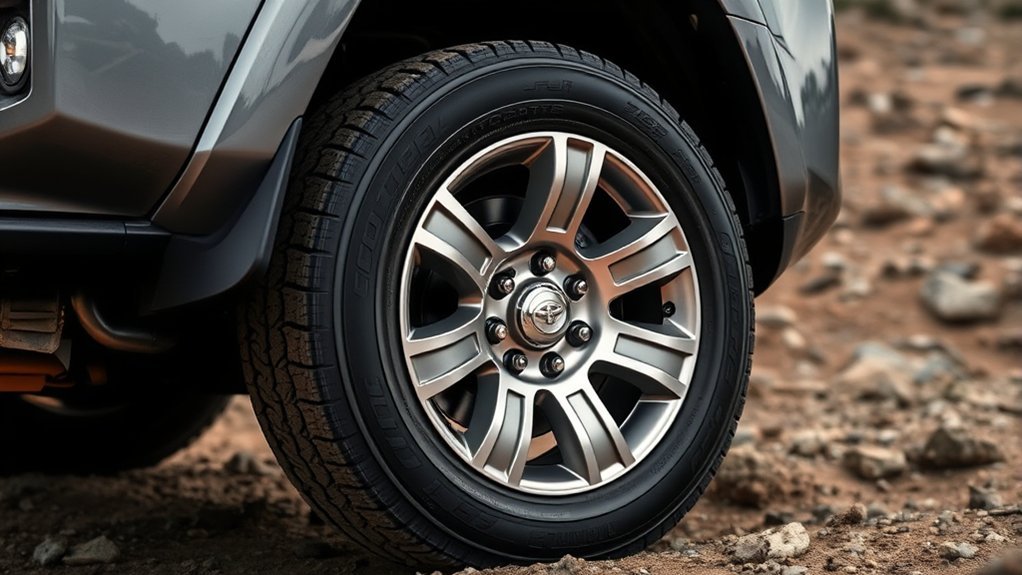
The best wheel offset for a 4Runner depends on the build goal. A daily driver, weekend trail rig, and aggressive overland build should not use the same decision process.
[Products Worth Considering]

Universal magnetic jack pad with aluminum grooved design to protect vehicle pinch welds during lifting. Durable nylon pad inserts are upgraded and secured with screws to resist damage and keep in place. Designed to fit most single vehicle pinpoint welds for safer, stable jacking when changing tires, repairs, or performing oil changes.

These M14x1.5 closed-end chrome lug nuts are a one-piece replacement designed for secure fitment on compatible GM, Ford, and select Chrysler/Dodge models. Featuring a 60-degree conical seat and anti-rust chrome plating, they help resist corrosion and maintain a bright look for everyday driving. Built for long-term durability, they include OEM-style part references and are backed by 12 months of support.

Upgrade your wheels with MIKKUPPA closed-end lug nuts designed for reliable fit and corrosion resistance. The one-piece, cold-forged and heat-treated steel construction helps resist rust and stripping, while the integrated finish delivers a durable black appearance. Built to OEM standards with a conical 60-degree seat, these nuts provide a secure solution for compatible Ford, Honda, Jeep, and Chevrolet models.
Conservative Daily Driver Setup
For a mostly stock 4Runner, stay close to the factory wheel width and factory offset range. This keeps steering feel, splash coverage, and suspension geometry closer to what Toyota designed. It also reduces the chance of rubbing with stock-size tires.
Mild Trail Build
A mild trail build usually uses a slightly wider wheel and a moderate offset change. This can improve stance and help clear a wider tire, but it may still require a fender liner push, mud flap removal, or small alignment adjustment.
Aggressive Off-Road Build
An aggressive setup often uses wider tires, lower offset wheels, suspension lift, aftermarket upper control arms, and trimming. This is where rubbing becomes more likely. A body mount chop, pinch weld work, bumper trimming, and caster adjustment may be needed depending on tire size and wheel specs.
Wheel Width Considerations
Wheel width changes fitment just as much as offset. Common 4Runner aftermarket wheel widths include 17×8, 17×8.5, and 17×9. A 17×8.5 wheel is popular because it works with many all-terrain tire sizes, but it is not automatically correct for every tire. Always check the tire manufacturer’s approved rim-width range for the exact tire model and size.
Best Tire Sizes for Your Wheel Offset
Tire size and offset must be chosen together. A tire with a larger overall diameter can rub front-to-back, while a wider tire can rub the upper control arm or outer fender area. Tread width also varies by tire model, even when the sidewall size is the same.
Note: Tire-size advice is not a guarantee. Two 285/70R17 tires from different brands can have different real-world widths, tread shoulders, and rubbing behavior.
| Build goal | Common tire direction | Offset guidance | Likely work needed |
|---|---|---|---|
| Stock daily driver | Factory-size tire from the door placard | Stay close to factory offset | Usually none beyond proper installation and alignment check |
| Mild upgrade | Slightly taller or wider all-terrain tire | Moderate offset change only | Possible fender liner push, mud flap removal, or caster adjustment |
| Popular 5th-gen 33-inch-style build | 285/70R17 or similar, depending on tire model | Avoid extreme offsets unless you plan to trim | Lift, alignment, fender liner work, aftermarket UCAs, and trimming may be needed |
| Aggressive off-road stance | Wide 33-inch or larger tire | Lower offset creates poke but raises rubbing risk | Body mount chop, pinch weld work, bumper trimming, lift, and professional alignment |
How to Check Fitment Before You Buy
A careful fitment check saves money and prevents cutting more than necessary. Use this process before ordering wheels or tires:
- Confirm your exact 4Runner: Year, generation, trim, drivetrain, current suspension, and current tire size.
- Read the tire placard: NHTSA recommends checking the owner’s manual or Tire and Loading Information Label for the correct tire size and pressure.
- Get the full wheel specs: Diameter, width, offset, backspacing, bolt pattern, center bore, load rating, and lug seat type.
- Compare inner and outer movement: A new wheel can move inward, outward, or both depending on width and offset.
- Check tire specs: Confirm approved rim width, overall diameter, section width, tread width, load index, and speed rating.
- Test at full steering lock: Check both directions, forward and reverse, because many rubs appear only while turning.
- Check suspension compression: A tire that clears while parked can rub on the trail or during braking and turning.
- Verify brake and hub fitment: Make sure the wheel clears calipers, seats correctly on the hub, and uses the correct lug nuts.
- Install TPMS correctly: Confirm sensor compatibility and re-learn requirements.
- Align after installation: A proper alignment can reduce rubbing and improve tire wear, especially after changing tire size or suspension height.
Offset is not just a style number. It changes tire clearance, steering behavior, and how much trimming your 4Runner may need.
[Products Worth Considering]

Replace or upgrade your zero-turn lawn mower tires with a universal fit flat-free tire and wheel assembly in a convenient 2-pack. Smooth tread front-caster style helps turning with reduced turf damage, while flat-free design eliminates the maintenance and downtime of air-filled flats. The included adapter kit supports 5/8-inch axles and hub lengths from 3.4 to 5 inches for compatibility across most ZTR mowers.

Replace worn wheelchair rear tires with a universal 24x1 no-flat polyurethane foam option designed to mount tightly on 24-inch rims without the tire falling off. Installation is made easier with included tools and multiple methods, including using a pry bar or softening the tire in hot water to reduce resistance. The package includes two tires plus tie ropes for convenient fitting and handling.

This professional wheel and rim cleaning brush set lifts brake dust, grime, and dirt with soft, scratch-free microfiber and synthetic wool fibers. The rim brush bends up to 360 degrees for easy access to hard-to-reach areas around spokes, lips, and faces. Ideal for thorough cleaning of car, truck, motorcycle, bicycle, RV, and more wheel and tire surfaces.
What Modifications Enhance Wheel Fitment and Performance?
When you move to wider tires or lower-offset wheels, the following modifications can help improve fitment:
| Modification | Benefit | Best For |
|---|---|---|
| Aftermarket UCAs | Improves alignment range and can help move the tire away from rearward rub points with added caster | Lifted builds and 285-style tire setups |
| Fender liner push or trim | Creates more room at the front and rear of the wheel well | Mild to moderate rubbing |
| Mud flap removal | Removes a common rearward tire contact point | Wider tires on stock or mild lifts |
| Body Mount Chop (BMC) | Adds clearance near the rear of the front wheel well | Aggressive 5th-gen tire setups |
| Hub-centric rings | Helps center wheels with a larger center bore when the wheel design requires them | Aftermarket wheels with non-OE hub bore |
| Professional alignment | Improves tracking, tire wear, steering feel, and clearance | Any wheel, tire, or suspension change |
For replacement tires, follow the tire placard and never reduce load capacity. The Tire Industry Association recommends following the tire placard and owner’s manual, and it warns against installing tires with a lower load index than the original equipment tire.
[Products Worth Considering]

Upgrade your wheels with MIKKUPPA M12x1.5 mag seat lug nuts built for secure, corrosion-resistant performance. These closed-end chrome lug nuts are a direct replacement for select Toyota models, including Camry, Corolla, RAV4, Sienna, Avalon, Highlander, Matrix, Venza, and Prius. Triple-chromium plating and cold-forged, heat-treated steel help deliver strength for daily driving and replacement needs.

This 3-piece wheel brush set makes it easy to clean wheels and tires with soft, scratch-free brushes designed for lifting brake dust and grime. The flexible rim brush bends up to 360 degrees to reach hard-to-access areas for a thorough clean, while the comfortable grip helps control during detailing. A dedicated detailing brush supports gentle cleaning for sensitive surfaces, including interior use.

These aluminum alloy tire valve stem caps with an O-ring seal help protect valve stems from corrosion while adding a clean, stylish look to your vehicle. The universal fit works across cars, trucks, motorcycles, bicycles, and more, making them an easy upgrade for everyday driving and off-road use. Installation is quick, and the included four-pack keeps all your tires dressed and protected.
Common 4Runner Offset Mistakes
- Copying another build without matching the year: A 5th-gen setup may not transfer cleanly to a 6th-gen 4Runner.
- Ignoring wheel width: Offset alone does not tell you where the inner and outer lips will sit.
- Assuming all 285/70R17 tires fit the same: Tread width and shoulder shape vary by tire model.
- Skipping the alignment: Caster and toe can change rubbing, steering, and tire wear.
- Forgetting brake clearance: Diameter, spoke shape, and barrel design matter.
- Using the wrong lug nuts: Lug seat type must match the wheel.
- Overlooking hub bore: A wheel can have the right bolt pattern but still need the correct hub fitment solution.
Frequently Asked Questions
Do offset wheels cause problems?
Offset wheels can cause problems if the offset, width, and tire size do not match your 4Runner. Common issues include fender liner rubbing, upper control arm contact, heavier steering, uneven tire wear, extra bearing load, and poor brake or hub fitment. A mild offset change is usually easier to manage than an aggressive one.
How much wheel offset difference is okay?
A small offset change is usually easier to fit than a large one, but there is no universal safe number. The result depends on wheel width, tire size, suspension height, alignment, and vehicle generation. Treat every change as a fitment calculation, not just a millimeter difference.
What offset is best for a Toyota 4Runner?
The best offset depends on your year, trim, tire size, and use. A stock daily driver should stay close to factory specs. A mild trail build can use a moderate offset change. Aggressive off-road builds may use lower offsets, but they often need trimming, lift, alignment work, and careful test-fitting.
Will 285/70R17 tires rub on a 4Runner?
They can. On many 4Runner builds, 285/70R17 tires may require a lift, fender liner adjustment, mud flap removal, caster adjustment, aftermarket upper control arms, or trimming. The exact answer depends on wheel offset, wheel width, tire model, alignment, and suspension setup.
Do I need hub-centric rings for aftermarket wheels?
You may need hub-centric rings if the wheel center bore is larger than your 4Runner’s hub bore and the wheel manufacturer recommends using rings. They help center the wheel on the hub, but they do not fix the wrong bolt pattern, wrong lug seat, poor load rating, or bad offset.
Does offset change backspacing?
Yes. For the same wheel width, more positive offset increases backspacing and tucks the wheel inward. Less positive or negative offset reduces backspacing and pushes the wheel outward. When wheel width changes too, both inner and outer clearance change.
Conclusion
Wheel offset has a major impact on your 4Runner’s stance, tire clearance, steering feel, and modification needs. Positive offset usually keeps the wheel tucked closer to factory placement, while zero or negative offset pushes the tire outward for a wider look. The best setup is the one that clears your suspension, brakes, fenders, body mount area, and steering range without sacrificing safety.
Start with your exact 4Runner year and trim, then match wheel width, offset, tire size, load rating, hub bore, and alignment. If you are moving to wider or taller tires, test-fit before committing and plan for trimming or suspension changes where needed. A clean 4Runner build is not just about aggressive offset; it is about balanced fitment that works on the road and on the trail.
Sources
- Tire Rack: What Is Wheel Offset? — backs up the offset definition and offset categories.
- Discount Tire: Wheel Offset & Backspacing — backs up the relationship between offset, backspacing, fitment, and rubbing.
- Toyota 4Runner Tire Specifications — backs up current 4Runner factory tire options.
- NHTSA TireWise — backs up tire placard, tire size, tire pressure, and tire safety guidance.
- Tire Industry Association: Tire Replacement — backs up load index, tire replacement, and professional consultation guidance.
- Method Race Wheels: Toyota 4Runner Wheels — supports the need to match wheel choices to vehicle-specific fitment.