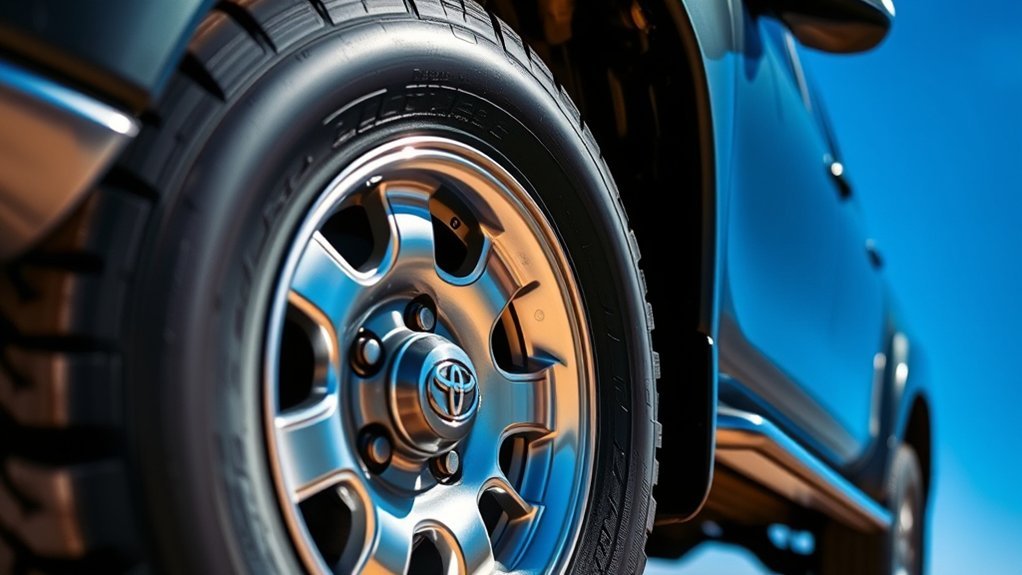
Toyota Hilux Wheel Offset Explained
What’s in This Article
- Understanding Wheel Offset: Positive, Negative, and Zero Offset
- How Wheel Offset Affects Your Toyota Hilux’s Performance
- Benefits of Choosing Positive Wheel Offset for Your Hilux
- Advantages of Negative Wheel Offset for Off-Roading
- How to Measure Your Current Wheel Offset
- Top Mistakes to Avoid in Wheel Offset Selection for Your Hilux
- What Should You Know About Wheel Offset for Your Hilux?
- Expert Tips for Wheel Offset Fitment in Your Hilux
- Frequently Asked Questions
- Conclusion
The wrong wheel offset can make your Toyota Hilux rub, handle poorly, or wear tires faster. The right offset helps your wheels clear the body, brakes, and suspension while keeping the truck stable. This guide explains positive, negative, and zero offset so you can choose a setup that fits your driving style.
Quick Answer
Wheel offset measures the distance between the wheel’s mounting face and its centerline. A positive offset tucks the wheel inward, while a negative offset pushes it outward. Many Hilux owners stay close to the factory-style range for road use, then choose a lower or negative offset only after checking tire, brake, and suspension clearance.
Key Takeaways
- Positive offset keeps the wheel closer to the vehicle and supports stable road handling.
- Negative offset pushes the wheel outward and can help off-road stance, but it may cause rubbing.
- Offset changes affect tire wear, steering feel, bearing load, and suspension clearance.
- You should check bolt pattern, center bore, brake clearance, and tire size before buying wheels.
- A professional fitment check can prevent costly rubbing, vibration, and alignment issues.
Understanding Wheel Offset: Positive, Negative, and Zero Offset
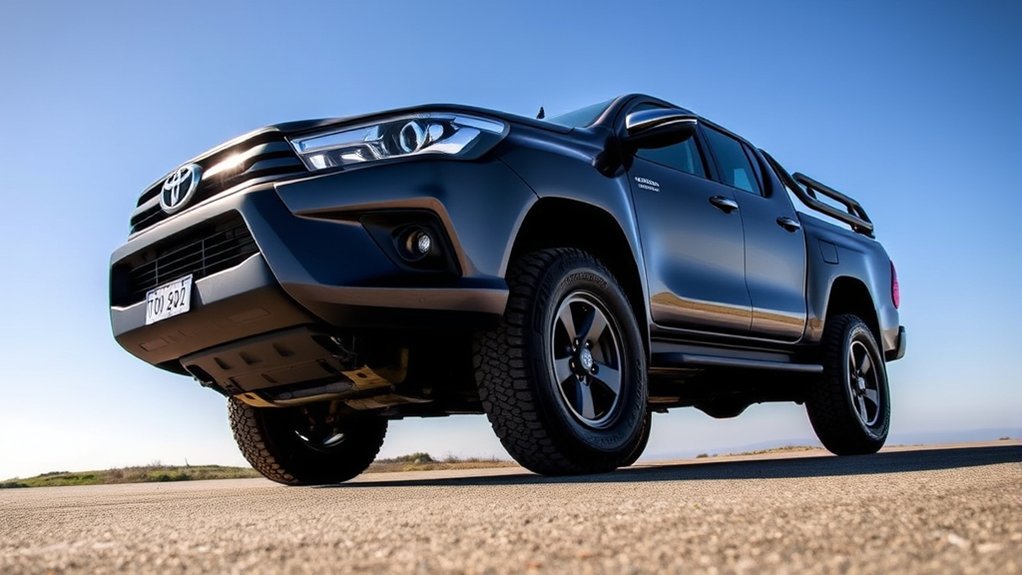
Wheel offset tells you where the wheel sits in relation to the hub. You measure it in millimeters from the wheel’s centerline to the mounting surface.
Positive offset places the mounting surface closer to the outside face of the wheel. This pulls the wheel inward, which often helps your Hilux keep a tidy factory look and stable road manners.
Negative offset places the mounting surface closer to the inside face of the wheel. This pushes the wheel outward, which can widen the track and create a stronger off-road stance.
Zero offset means the mounting surface lines up with the wheel’s centerline. This keeps the wheel centered on the hub, but it still needs clearance checks before use.
[Products Worth Considering]
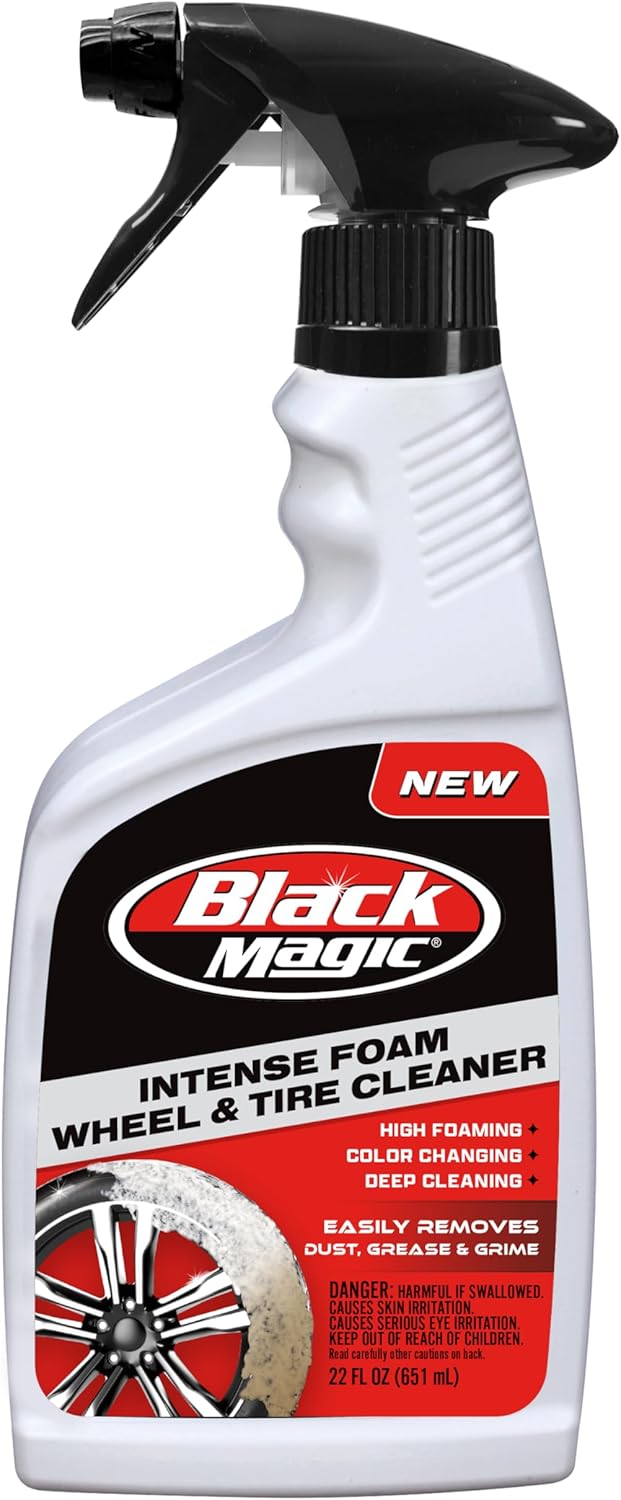
Black Magic Intense Foam Wheel & Tire Cleaner uses a high-foaming action to lift away dirt, grime, and brake dust without scrubbing. The color-changing formula helps show contaminants being dissolved as foam turns from white to brown. Safe for all wheel types and even wheel wells, it leaves a like-new, slick finish with a fresh cherry scent.

This professional wheel and rim brush kit makes it easy to lift brake dust, grime, and dirt from wheels and tires without scratching finishes. The brushes feature soft, metal-free wool heads and a flexible 360-degree rim brush design for reaching hard-to-clean areas. Includes multiple brush types plus accessories for thorough car, motorcycle, and general vehicle detailing.

These aluminum alloy tire valve stem caps with an O-ring seal help protect valve stems from corrosion while adding a clean, stylish look to your vehicle. The universal fit works across cars, trucks, motorcycles, bicycles, and more, making them an easy upgrade for everyday driving and off-road use. Installation is quick, and the included four-pack keeps all your tires dressed and protected.
How Wheel Offset Affects Your Toyota Hilux’s Performance
Your Toyota Hilux’s wheel offset affects handling, stability, steering feel, and tire wear. It also changes how the wheels sit under the guards. The best choice depends on your tire size, lift height, road use, and off-road needs.
Handling and Stability Impact
A positive offset keeps your wheels tucked closer to the factory position. This can help your Hilux feel predictable at road speeds and reduce extra stress on suspension parts.
A negative offset widens the stance and can improve lateral stability on uneven ground. But it can also make steering heavier and increase load on wheel bearings and suspension components.
Correct offset also helps your tires sit squarely inside the wheel arches. That reduces scrubbing, protects tire life, and helps your alignment work as intended.
Aesthetic Appeal Enhancement
Wheel offset changes the way your Hilux looks from every angle. A more positive offset keeps the wheels tucked in for a clean factory-style fit.
A negative offset pushes the wheels outward and gives your Hilux a wider, more rugged stance. That look appeals to many off-road drivers, but it needs enough clearance at full lock and full suspension travel.
A balanced fit looks good without creating avoidable rubbing or vibration. Choose the look only after you confirm the setup works safely.
Tire Wear Considerations
The visual appeal of your Toyota Hilux connects directly to performance, especially tire wear. A positive wheel offset helps keep your tires tucked inward, reducing the chance of scrubbing against the wheel arch.
A negative offset can increase wear on the outer edges if it changes alignment or causes rubbing. Proper offset helps keep weight distribution closer to the design your suspension expects.
Check tire wear patterns often after changing wheels. Keep tire pressure correct and book an alignment after major tire, wheel, or suspension changes.
Warning: A wheel that looks right can still rub the brake caliper, upper control arm, mud flap, or inner guard.
Benefits of Choosing Positive Wheel Offset for Your Hilux
Choosing a positive wheel offset for your Toyota Hilux can support comfort, road control, and factory-style fitment. This setup works well for drivers who spend more time on sealed roads than rough tracks.
- Improved ride comfort: A positive offset helps keep the wheel closer to its intended position.
- Better on-road stability: Wheels tucked within the arches can feel more predictable at speed.
- Reduced tire damage: Proper inward fitment can lower the risk of body and guard contact.
- Less suspension strain: Staying near the intended track width can reduce extra load on key parts.
Positive offset also helps preserve a clean factory appearance. It suits daily driving, towing, and long highway trips when you want stable and predictable handling.
[Products Worth Considering]

This 3-piece wheel and tire brush set makes it easy to clean light, medium, and heavy dirt from wheels, rims, tires, and exterior surfaces. It includes both soft and stiff bristle options for gentle scrubbing and tough grime removal, helping lift brake dust and road buildup. The long-handle design supports comfortable cleaning across cars, trucks, SUVs, RVs, motorcycles, and more, with simple care instructions to restore brush shape.

This 62-inch extra-long car wash brush kit makes it easy to clean hard-to-reach areas on cars, trucks, SUVs, and RV roofs with lightweight, sturdy poles. It includes soft, non-scratch microfiber and bristles with protective bumpers to help prevent scratches while cleaning effectively. A rubber squeegee helps remove water stains quickly, plus a wheel/tire brush and absorbent towels for complete exterior detailing.

This 3-piece wheel brush set makes it easy to clean wheels and tires with soft, scratch-free brushes designed for lifting brake dust and grime. The flexible rim brush bends up to 360 degrees to reach hard-to-access areas for a thorough clean, while the comfortable grip helps control during detailing. A dedicated detailing brush supports gentle cleaning for sensitive surfaces, including interior use.
Advantages of Negative Wheel Offset for Off-Roading
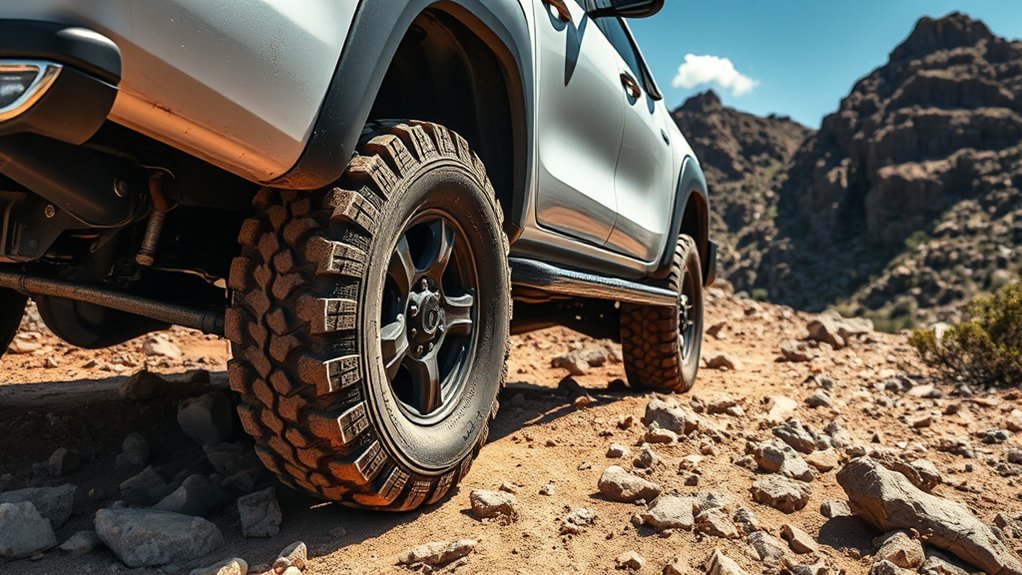
A negative wheel offset can help your Hilux look wider and more planted. It can also create space for some larger tire and wheel setups, depending on your suspension and guard clearance.
[Products Worth Considering]

This professional wheel and rim cleaning brush set lifts brake dust, grime, and dirt with soft, scratch-free microfiber and synthetic wool fibers. The rim brush bends up to 360 degrees for easy access to hard-to-reach areas around spokes, lips, and faces. Ideal for thorough cleaning of car, truck, motorcycle, bicycle, RV, and more wheel and tire surfaces.

Replace or upgrade your zero-turn lawn mower tires with a universal fit flat-free tire and wheel assembly in a convenient 2-pack. Smooth tread front-caster style helps turning with reduced turf damage, while flat-free design eliminates the maintenance and downtime of air-filled flats. The included adapter kit supports 5/8-inch axles and hub lengths from 3.4 to 5 inches for compatibility across most ZTR mowers.

Upgrade your wheels with MIKKUPPA closed-end lug nuts designed for reliable fit and corrosion resistance. The one-piece, cold-forged and heat-treated steel construction helps resist rust and stripping, while the integrated finish delivers a durable black appearance. Built to OEM standards with a conical 60-degree seat, these nuts provide a secure solution for compatible Ford, Honda, Jeep, and Chevrolet models.
Enhanced Stability Off-Road
Negative wheel offset can widen your track, which may help your Hilux feel more stable on uneven ground. This can help during slow off-road driving, especially across ruts and loose surfaces.
- Improved lateral stability on uneven surfaces
- A wider stance that may reduce lean on some slopes
- Better clearance for some wider tire setups
- A stronger stance for off-road styling
These benefits depend on the full setup, not offset alone. Tire size, lift height, wheel width, and alignment all shape the result.
Aggressive Aesthetic Appeal
Negative wheel offset gives your Toyota Hilux a bold, trail-ready stance. By pushing the wheels outward, it can make the truck look wider and tougher.
This setup may also help fit larger tires, but only when the rest of the fitment allows it. You still need to check brake calipers, inner guards, suspension arms, and legal coverage rules in your area.
Pro tip: Test fit one front wheel first and turn from lock to lock before buying a full set.
How to Measure Your Current Wheel Offset
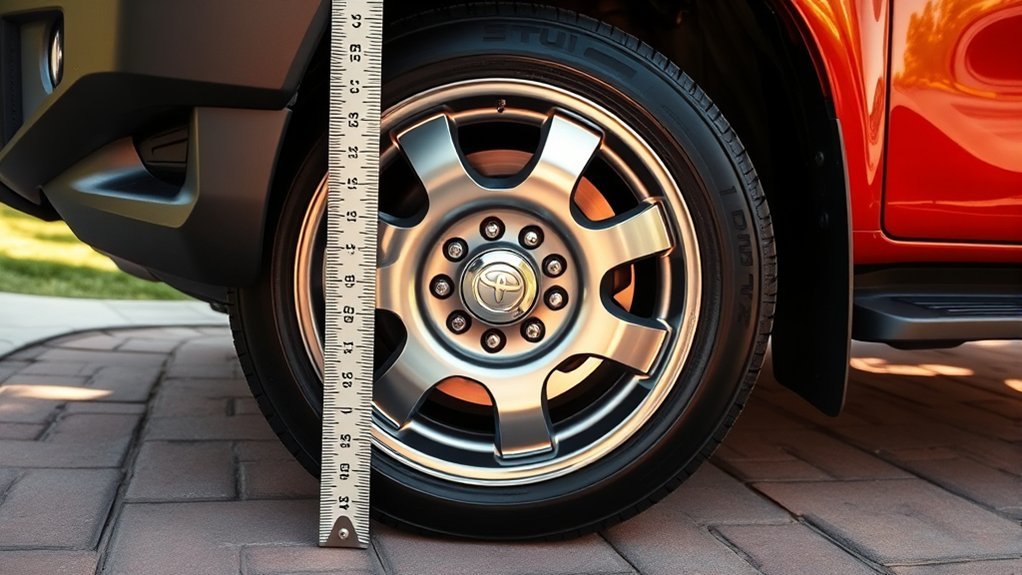
You can measure wheel offset with simple tools, but you need the wheel off the vehicle. Work on a flat surface and use careful measurements.
- Remove the wheel: Take the wheel off your Toyota Hilux so you can reach the mounting surface.
- Measure the total width: Measure from inner lip to outer lip, then divide that number by two to find the centerline.
- Measure backspacing: Place the wheel face down and measure from the mounting surface to the inner wheel edge.
- Calculate offset: Subtract the centerline measurement from the backspacing measurement.
- Check the ET marking: Look for an ET stamp on the wheel, which often lists the offset in millimeters.
A positive result means positive offset. A negative result means negative offset. Ask a wheel specialist to confirm your measurement if the fitment sits close to brake or suspension parts.
Top Mistakes to Avoid in Wheel Offset Selection for Your Hilux
When you choose the right wheel offset for your Toyota Hilux, avoid changes that create rubbing, vibration, or poor steering feel. A wheel that fits the hub can still fail a real clearance check.
- Ignoring bolt pattern: Many Hilux models use a 6×139.7 bolt pattern, but you should confirm your exact model.
- Skipping center bore checks: A wrong bore size can cause vibration unless you use the correct hub-centric solution.
- Assuming negative offset always helps: Too much poke can stress parts and cause guard contact.
- Forgetting brake clearance: Calipers can contact the wheel even when the offset looks suitable.
- Buying before test fitting: A test fit can reveal problems before you mount tires.
Professional advice can save you money here. A wheel shop can check offset, width, tire size, and suspension clearance as one system.
What Should You Know About Wheel Offset for Your Hilux?
Understanding wheel offset helps you get better fitment from your Toyota Hilux. The right choice depends on your model, wheel width, tire size, suspension height, and how you drive.
- Positive offset can give you a cleaner look and stable road handling.
- Negative offset can create a wider stance, but it may require guard, brake, and suspension checks.
- Zero offset keeps the hub mounting face at the wheel centerline.
- Aftermarket wheel choices should stay within a safe and legal range for your vehicle.
Offset works with wheel width. A wider wheel with the same offset will sit differently than a narrower wheel, so compare the full wheel specification before you buy.
Expert Tips for Wheel Offset Fitment in Your Hilux
To get the right wheel offset fitment for your Toyota Hilux, balance looks with function. Start by checking your factory wheel size and offset, then compare any aftermarket wheel against that baseline.
If you’re considering aftermarket wheels, compare offset, wheel width, tire diameter, and suspension changes together. A small offset change can create a large fitment change when you also increase wheel width.
Always check the wheel’s center bore and confirm proper hub fit. Then check brake clearance, full-lock steering clearance, and suspension clearance before regular driving.
Note: Local road rules may limit how far your wheels and tires can extend beyond the guards.
Frequently Asked Questions
What Does +35 Offset Mean on a Rim?
A +35 offset means the rim’s mounting surface sits 35 millimeters toward the outside face of the wheel from the centerline. This usually tucks the wheel farther inward than a lower positive offset.
What Does +25 Offset Mean for Wheels?
A +25 offset means the wheel’s mounting surface sits 25 millimeters toward the outside face from the centerline. Compared with a +35 offset on the same wheel width, a +25 offset usually places the wheel farther outward.
Is Negative Offset Bad for a Toyota Hilux?
Negative offset isn’t automatically bad for a Toyota Hilux. It becomes a problem when it causes rubbing, poor alignment, heavy steering, bearing stress, or illegal tire poke.
Does Wheel Width Change Offset Fitment?
Yes. Wheel width changes how far the inner and outer lips sit, even when the offset number stays the same. Always compare width and offset together before choosing wheels.
Should You Get an Alignment After Changing Wheel Offset?
You should get an alignment after major wheel, tire, or suspension changes. Alignment helps protect tire life and can reveal issues caused by poor fitment.
Conclusion
The best wheel offset for your Toyota Hilux keeps the truck stable, clears the brakes and suspension, and matches how you drive. Stay close to a proven fitment for daily road use, or choose a wider stance only after proper clearance checks. Before you buy wheels, confirm the offset, width, bolt pattern, center bore, and tire size. A smart fitment choice gives your Hilux the stance you want without sacrificing safety or tire life.