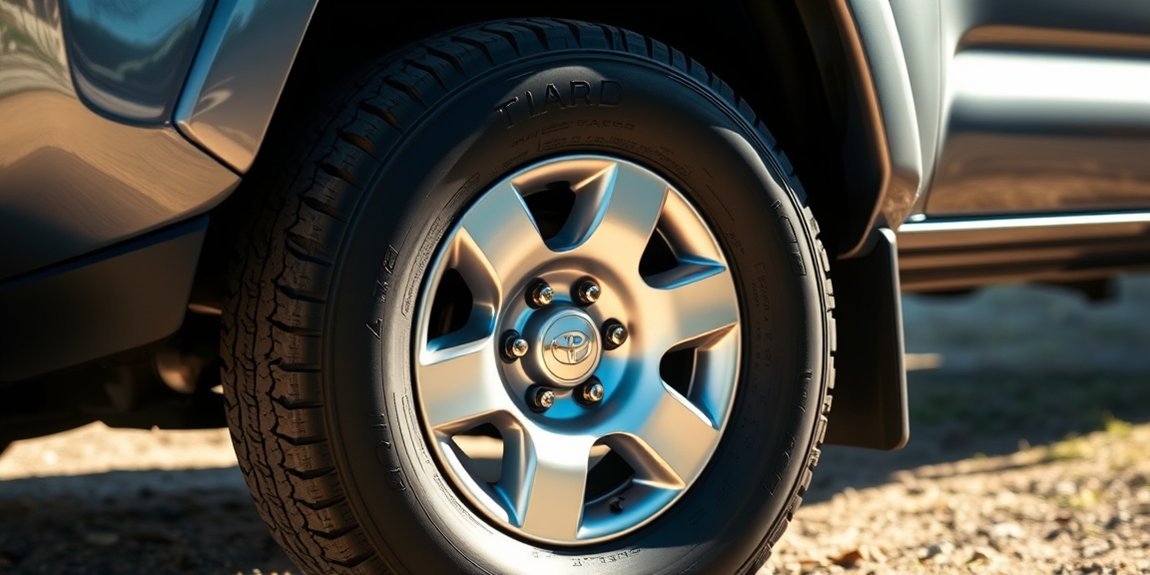
Camber on your Toyota Tacoma is the inward or outward tilt of the tire when you look at the truck from the front. It is one part of wheel alignment, along with caster and toe. When camber is off, your Tacoma may pull, feel unstable, or wear one shoulder of the tire faster than the rest.
Quick Answer
Camber on a Toyota Tacoma is the angle of the wheel compared with vertical. Positive camber means the top of the tire tilts outward; negative camber means it tilts inward. A small amount may be normal, but uneven tire wear, pulling, or a crooked steering wheel means you should inspect the tires and get a professional alignment.
Key Takeaways
- Positive camber tilts the top of the tire outward; negative camber tilts it inward.
- Bad camber can cause shoulder wear, but toe, worn parts, tire pressure, and bent suspension parts can cause similar tire wear.
- Lift kits can change Tacoma suspension geometry, so an alignment should be done after suspension work.
- Use your exact model year, trim, ride height, and Toyota service data or a current alignment database for the correct spec.
- A quick driveway inspection is fine, but final camber, caster, and toe adjustment requires alignment equipment.
At a Glance
| Time Required | 10–20 minutes for a basic driveway inspection; about 60–90 minutes for a professional alignment if no parts are seized or damaged. |
| Difficulty | Easy to inspect; moderate to repair suspension parts; final alignment should be handled by a qualified shop. |
| Tools Needed | Tire pressure gauge, tread depth gauge, flashlight, gloves, jack stands for inspection, and a professional alignment rack for final adjustment. |
| Cost | Basic inspection can be free if you already have tools. Alignment and repairs vary by shop, region, parts, corrosion, and whether cam bolts or suspension parts are seized. |
What Is Camber and Why Is It Important for Your Tacoma?
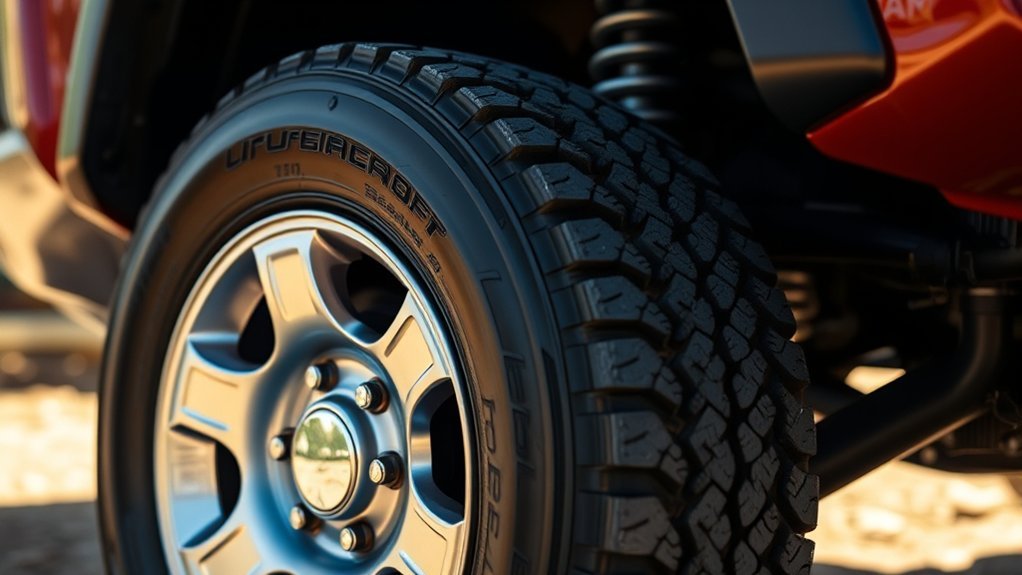
Camber is the angle of your Tacoma’s wheel compared with a straight vertical line. Bridgestone describes camber as the inward or outward angle of the tire when viewed from the front of the vehicle. If the top of the tire leans outward, that is positive camber. If the top of the tire leans inward, that is negative camber.
Camber matters because it affects how the tire tread meets the road. On a Tacoma, the right camber setting helps the truck track straight, corner predictably, and wear tires evenly. Too much camber in either direction can reduce the tire’s contact patch and place extra load on one shoulder of the tire.
The correct camber specification depends on the Tacoma’s model year, trim, suspension, ride height, and equipment. Some 2023 Tacoma TRD Pro references list a front camber range near -0.3° to +0.8°, but that should not be treated as a universal number for every Tacoma. For the exact value, use your alignment shop’s current database or Toyota’s Technical Information System for your specific vehicle.
Note: A small amount of positive or negative camber may be within factory specification. The problem is not simply seeing a tire lean slightly; the problem is camber outside specification, uneven side-to-side readings, worn parts, or tire wear that confirms the alignment is not working for your setup.
How to Identify Positive and Negative Camber
You can spot obvious camber problems by parking your Tacoma on level ground and looking at the front tires from straight ahead. This is only a rough visual check, but it can help you decide whether to schedule an alignment.
| Camber Type | What It Looks Like | Common Tire Wear Clue |
|---|---|---|
| Positive camber | Top of the tire leans outward. | Can contribute to outside shoulder wear if excessive. |
| Negative camber | Top of the tire leans inward. | Can contribute to inside shoulder wear if excessive. |
Do not diagnose camber from tire wear alone. Low tire pressure, overinflation, bad shocks, worn ball joints, bent control arms, and incorrect toe can also create uneven tread wear. Michelin notes that uneven tire wear and changes in handling, such as pulling to one side, can point to poor alignment.
Camber vs. Caster vs. Toe on a Tacoma
Camber is only one part of a Tacoma alignment. A shop should check camber, caster, and toe together, especially after a lift kit or suspension repair.
- Camber: The inward or outward tilt of the tire from the front.
- Caster: The forward or rearward angle of the steering axis. More positive caster can improve straight-line stability, but the correct target depends on the truck and setup.
- Toe: Whether the fronts of the tires point slightly inward or outward when viewed from above. Incorrect toe can wear tires quickly, even when camber looks acceptable.
A Tacoma can be “close” on camber and still wear tires badly if toe, caster, ride height, or worn suspension parts are ignored.
What Causes Camber Issues in Your Tacoma?
Several things can push your Tacoma’s camber out of range. The most common causes are suspension changes, impact damage, worn parts, seized alignment hardware, or a previous alignment that did not account for the truck’s current ride height.
| Factor | Impact on Camber | What You May Notice |
|---|---|---|
| Lift kits or suspension changes | Change suspension geometry and available adjustment range. | Pulling, wandering, tire rub, or uneven shoulder wear. |
| Potholes, curbs, or off-road impacts | Can bend or shift control arms, tie rods, cam tabs, or wheels. | Sudden pull, crooked steering wheel, or new vibration. |
| Worn ball joints, bushings, or bearings | Allow movement that changes alignment under load. | Clunks, looseness, wandering, or inconsistent alignment readings. |
| Seized cam bolts or rusty hardware | Prevents proper adjustment at the lower control arms. | Shop may report that alignment cannot be completed without parts or extra labor. |
[Products Worth Considering]

The SAFELIFE dial tire tread depth gauge measures tread depth in 1/32 inch increments with clear, easy-to-read 2-inch dial face. Color zones using a traffic light system help you quickly judge whether tread is low, marginal, or ample for safer driving. Built with a durable zinc cast body and a metal detect probe for precise, comfortable use across cars, motorcycles, trucks, and buses.

The Ziopetru adjustable magnetic wheel alignment tool helps you check and restore camber and caster positioning after removing and reinstalling undercarriage components. With a clear leveling/bubble measurement system and an easy zeroing adjustment knob, it supports precise horizontal angle checking. The strong magnetic base mounts to metal surfaces for convenient use at home on cars, motorcycles, trucks, vans, and SUVs.

Monitor tire tread wear with a smart, color-coded depth gauge that shows clear condition ranges at a glance. The bar is range marked for fast, easy readings, helping you maintain safer traction and performance. Each gauge is portable with a pocket clip, and the set includes 20 units for daily use and sharing.
Lift Kits, Upper Control Arms, and Tacoma Camber
After lifting a Tacoma, the factory alignment range may not be enough to achieve the camber, caster, and toe numbers your setup needs. This is especially common when the lift is taller, the truck has larger tires, or the owner wants more caster for highway stability and tire clearance.
Aftermarket upper control arms do not automatically “fix camber” by themselves. Their main advantage is that they can give the alignment shop a better adjustment window, especially for caster, ball-joint angle, and suspension travel. If your shop cannot bring the truck into spec with the factory control arms, upgraded UCAs may be the right next step.
Pro Tip: After a lift, ask for the before-and-after alignment printout. Keep it with your records so you can compare camber, caster, and toe if tire wear returns later.
[Products Worth Considering]

Measure tire tread depth quickly and accurately with this LUMITECO dial gauge that reads in 1/32" increments up to 14/32". The color-coded green/yellow/red zones make it easy to judge tire wear and know when replacement is needed. A rugged, compact design with a protective pouch helps keep the gauge ready for use on cars, trucks, motorcycles, and more.

These aluminum alloy tire valve stem caps with an O-ring seal help protect valve stems from corrosion while adding a clean, stylish look to your vehicle. The universal fit works across cars, trucks, motorcycles, bicycles, and more, making them an easy upgrade for everyday driving and off-road use. Installation is quick, and the included four-pack keeps all your tires dressed and protected.

Accurately measure tire tread depth with a calibrated gauge marked from 0 to 1 inch in 1/32 inch increments. The color-coded bar helps you quickly identify tread condition ranges, supporting safe driving for trucks, motorcycles, automobiles, and passenger vehicles.
How to Check Camber Before You Adjust Anything
Before adjusting camber, make sure the problem is not being caused by something simpler or more serious. Use this inspection before visiting an alignment shop.
- Park on level ground. A sloped driveway can make wheel tilt look worse than it is.
- Check tire pressure. Set all tires to the pressure listed for your Tacoma and tire setup.
- Look for uneven tread wear. Compare the inside, center, and outside shoulders with a tread depth gauge.
- Check for visible damage. Look for bent control arms, damaged tie rods, torn bushings, leaking shocks, or shifted cam tabs.
- Compare left and right sides. One wheel leaning much more than the other is a stronger warning sign than a slight equal lean on both sides.
- Read the alignment printout. Look at camber, caster, and toe together instead of focusing only on camber.
Warning: Do not keep driving at highway speed if a tire has exposed cords, severe shoulder wear, a sudden pull, or steering that changed after an impact. Alignment affects handling and tire safety, and NHTSA notes that wheel alignment requires special equipment and should be performed by a qualified technician.
How to Fix Camber Issues in Your Tacoma
Fixing Tacoma camber starts with finding the cause. If the truck only needs adjustment, the alignment shop will use the front lower control arm eccentric cams/cam bolts to set camber and caster, then set toe. If parts are worn, bent, or seized, those problems must be repaired before the alignment can hold.
[Products Worth Considering]

This universal wheel alignment tool helps you accurately restore tire tilt angles after tire or suspension repairs using an adjustable camber gauge. It features a powerful magnetic base that firmly attaches to brake rotors for stationary, slip-free readings, improving consistency during measurement. Built from durable PC plastic, it resists wear and corrosion and is compact enough for car, truck, RV, and motorcycle alignment tasks.

ETENWOLF T300 is a calibrated digital tire pressure gauge for accurate readings from 3 to 200 PSI across light and heavy-duty vehicles. It includes thermal compensation for reliable performance in extreme cold or heat, with an auto shut-off to extend battery life and an LED for easier reading. The sturdy design supports rugged everyday use, making it ideal for pickups, RVs, and industrial applications.

Measure tyre tread depth precisely with a digital gauge that reads in both MM and inches, helping you monitor safe driving conditions. The large LCD screen is easy to operate, and the compact tool fits for cars, trucks, and motorcycles. It provides high accuracy with a 0-25.4mm range and includes a 1-year warranty for added peace of mind.
Step 1: Get a Current Alignment Reading
Ask for a printout showing before-and-after readings. The printout should include camber, caster, and toe for both sides. Your exact acceptable range should come from a current alignment database or Toyota service information for your model year and trim. You can also check Toyota’s owner manual portal for official owner documents and use Toyota TIS for repair procedures.
Step 2: Inspect for Worn or Damaged Parts
A Tacoma with worn control arm bushings, loose ball joints, bent tie rods, damaged wheels, or shifted cam tabs may not hold alignment. Replacing worn parts before alignment is better than paying for an alignment that changes again after a few miles.
Step 3: Free or Replace Seized Cam Bolts
Rust, mud, and age can seize the lower control arm cam bolts. If the cams will not move, the shop may need penetrating oil, heat, replacement cam bolts, bushings, or additional labor. Costs vary widely, so avoid relying on a fixed “per side” number until the truck is inspected.
Step 4: Align Camber, Caster, and Toe Together
Once the hardware moves and the suspension is sound, the shop should adjust camber and caster together, then finish with toe and steering wheel centering. Michelin explains that wheel alignment sets wheel angles to the manufacturer’s specifications, which is why a calibrated rack is more reliable than eyeballing the wheels at home.
Step 5: Road Test and Recheck Tire Wear
After the alignment, the Tacoma should track straight on a flat road, the steering wheel should be centered, and tire wear should stabilize. Recheck tread depth across each tire after a few hundred miles, especially if the truck is lifted or used off-road.
Essential Tips for Keeping Your Tacoma’s Camber in Check
Good camber starts with a healthy suspension and routine checks. This is especially true for Tacomas that tow, carry gear, run larger tires, or see rough trails.
| Tip | Action | When to Do It |
|---|---|---|
| Inspect tire wear | Check inside, center, and outside tread depth. | Monthly and before long trips. |
| Check alignment after changes | Align after lift kits, control arms, shocks, tie rods, or tire-size changes. | After suspension or steering work. |
| Watch for impact changes | Schedule an inspection after a hard pothole, curb hit, or trail impact. | Any time steering feel changes suddenly. |
| Clean suspension hardware | Rinse mud and road salt from lower control arms, cam bolts, and steering parts. | After off-road trips or winter driving. |
Frequently Asked Questions
What are the signs of bad camber on a Toyota Tacoma?
Common signs include uneven inside or outside tire shoulder wear, pulling to one side, a crooked steering wheel, poor straight-line tracking, or a visible difference in wheel tilt from one side to the other. Because toe and worn parts can cause similar symptoms, confirm the issue with an alignment printout.
Is positive camber or negative camber worse?
Neither is automatically bad if it is within the correct specification. Excessive positive camber can load the outside shoulder of the tire, while excessive negative camber can load the inside shoulder. The best setting is the one that matches your Tacoma’s year, trim, suspension, ride height, and tire setup.
Can I adjust Tacoma camber at home?
You can inspect tire wear, tire pressure, and obvious suspension damage at home, but final camber adjustment should be done on an alignment rack. The lower control arm eccentric cams affect camber and caster together, and toe must be set afterward.
Do I need aftermarket upper control arms after lifting a Tacoma?
Not always. Some mild lifts can be aligned with factory control arms, while taller lifts or larger tire setups may need aftermarket UCAs to reach better caster and alignment targets. The alignment printout is the best way to tell whether your current parts have enough adjustment range.
How often should I check Tacoma camber?
Check tire wear monthly and schedule an alignment after suspension work, steering repairs, new control arms, a lift kit, a hard impact, or any sudden change in steering feel. Lifted or off-road-driven Tacomas should be checked more often than stock street-driven trucks.
Conclusion
Camber is a small angle with a big effect on your Tacoma’s tire wear, steering feel, and stability. The key is to treat camber as part of the full alignment, not as a single number. Check tire wear, inspect the suspension, verify the correct spec for your truck, and use a qualified alignment shop when adjustment is needed. Your tires will last longer, your Tacoma will track straighter, and small problems will be easier to catch before they become expensive repairs.
Sources
- Toyota Technical Information System — official Toyota service information source for vehicle-specific repair procedures and specifications.
- Toyota Owners Manuals and Warranties — official Toyota owner-document portal for Tacoma manuals and guides.
- NHTSA TireWise — tire safety, tire ratings, maintenance, and treadwear awareness.
- NHTSA Tire Safety Brochure — wheel alignment safety guidance and qualified-technician note.
- Bridgestone Tire Alignment Guide — camber, toe, caster, and alignment warning signs.
- Michelin Uneven Wear Guide — uneven tire wear and handling symptoms related to poor alignment.