
Aftermarket Wheel Fitment Guide for the Toyota Hilux
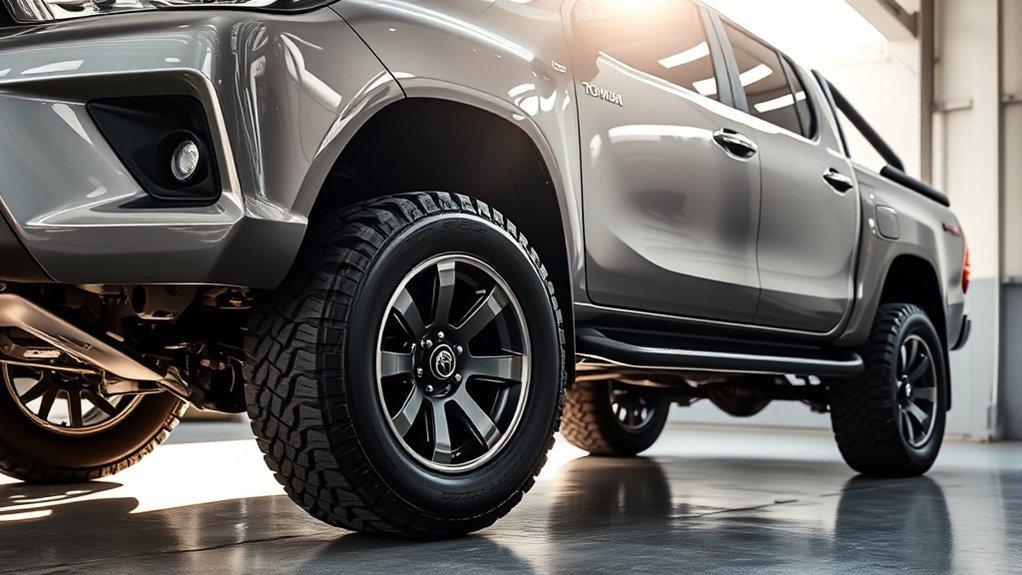
Choosing aftermarket wheels for a Toyota Hilux is not just a style decision. The wheel must match the hub, clear the brakes and suspension, carry the vehicle’s load, keep the tyres inside the guards, and stay within your local road rules. Many modern Hilux and Hilux Revo models use a 6×139.7 PCD and 106.1mm centre bore, but you should always confirm your exact year, grade, drivetrain, market, and tyre placard before buying wheels.
Quick Answer
For most modern Toyota Hilux models, start with wheels that match a 6×139.7 bolt pattern, 106.1mm hub bore, suitable load rating, and an offset close to the original wheel. Current Australian HiLux grades commonly use 17-inch or 18-inch wheels with 265/65R17 or 265/60R18 tyres, but exact fitment must be checked against your tyre placard and model year.
Key Takeaways
- Do not buy wheels by diameter alone. Check PCD, centre bore, offset, width, load rating, nut seat, brake clearance, and tyre size.
- Modern Hilux models commonly use 6×139.7 PCD and 106.1mm centre bore, but older and market-specific 2WD models can differ.
- A lower offset pushes the wheel outward, which can improve stance but can also cause tyre poke, rubbing, bearing load, and legal issues.
- The safest upgrade usually stays close to the factory tyre diameter and uses load-rated wheels and tyres that meet or exceed the tyre placard.
- After installation, torque the wheel nuts to the manual’s specification, recheck them after driving, and get a wheel alignment if tyre size or offset changed.
At a Glance
| Time Required | 30–60 minutes to verify specs before buying; longer if test-fitting or checking suspension clearance. |
| Difficulty | Moderate. Basic spec checks are simple, but aggressive offsets, larger tyres, towing setups, and lifted vehicles need expert fitment advice. |
| Tools Needed | Tyre placard, owner’s manual, tape measure, offset calculator, load-rating information, torque wrench, and professional test-fit support if possible. |
| Cost | Varies widely by wheel material, brand, tyre choice, load rating, balancing, alignment, lift work, and certification requirements. |
Why Proper Wheel Fitment Matters for Your Hilux
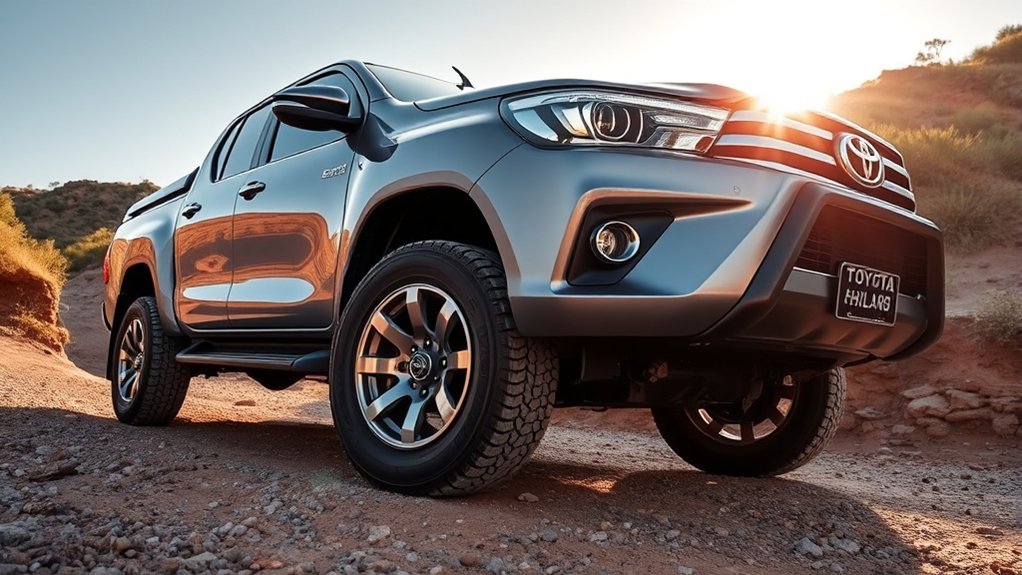
Correct wheel fitment keeps the wheel centred on the hub, gives the brake caliper enough clearance, prevents the tyre from rubbing the body or suspension, and helps the Hilux behave predictably on road and off road. Poor fitment can create vibration, steering pull, accelerated tyre wear, rubbing at full lock, reduced suspension clearance, or extra load on wheel bearings and steering components.
For a Hilux used for towing, touring, job sites, or off-road driving, the wheel and tyre package must also carry the load. Toyota’s current HiLux specification material reminds owners to consider towing capacity, GVM, GCM, kerb weight, payload, and axle limits before relying on the vehicle for towing or heavy loads. That same approach should guide wheel and tyre upgrades: do not choose a wheel or tyre with a lower rating than your vehicle requires.
Warning: Never assume a wheel fits because it “came off another Toyota.” The bolt pattern, centre bore, offset, brake clearance, wheel-nut seat, and load rating all need to match your Hilux.
[Products Worth Considering]

The Trivd Frol 1/2" air impact wrench delivers high performance torque up to 1500 ft-lbs with a twin hammer impact mechanism for strong, balanced blows. It features an ergonomic grip, compact lightweight design, and quick-stop control with 3 forward speeds up to 8000 RPM plus a reverse speed. Built for demanding automotive repair and tire shop work, the rear exhaust helps keep debris away from the surface.

Upgrade your wheels with MIKKUPPA closed-end lug nuts designed for reliable fit and corrosion resistance. The one-piece, cold-forged and heat-treated steel construction helps resist rust and stripping, while the integrated finish delivers a durable black appearance. Built to OEM standards with a conical 60-degree seat, these nuts provide a secure solution for compatible Ford, Honda, Jeep, and Chevrolet models.

These M14x1.5 closed-end chrome lug nuts are a one-piece replacement designed for secure fitment on compatible GM, Ford, and select Chrysler/Dodge models. Featuring a 60-degree conical seat and anti-rust chrome plating, they help resist corrosion and maintain a bright look for everyday driving. Built for long-term durability, they include OEM-style part references and are backed by 12 months of support.
Key Specifications for Aftermarket Wheel Fitment
Before buying aftermarket wheels, write down the exact specifications for your Hilux. Use the tyre placard, owner’s manual, wheel manufacturer data, and a reputable fitment shop. For current Australian HiLux models, the Toyota Australia HiLux specification table lists 17-inch steel/alloy and 18-inch alloy wheel equipment across the range, with 265/65R17 and 265/60R18 tyre sizes depending on grade.
Wheel Fitment Checklist
| Specification | What to Check | Why It Matters |
|---|---|---|
| PCD / bolt pattern | Many modern Hilux models use 6×139.7, but verify your exact model. | A wrong PCD will not safely bolt to the hub. |
| Centre bore | Many modern models use 106.1mm. If the wheel bore is larger, use quality hub-centric rings where appropriate. | A poor hub fit can cause vibration and poor wheel centring. |
| Offset | Compare the new offset with the original wheel and account for wheel width. | Lower offset pushes the wheel outward and can cause poke, rubbing, and extra component load. |
| Wheel width | Match tyre manufacturer rim-width guidance. | Too narrow or too wide can affect tyre shape, wear, and handling. |
| Load rating | Wheel and tyre ratings must meet or exceed your tyre placard and vehicle load requirements. | Critical for towing, payload, work use, and off-road impact loads. |
| Nut seat and thread | Check thread, nut style, washer/taper seat, and shank requirements. | Wrong nuts can loosen, damage the wheel, or fail to clamp properly. |
| Brake and suspension clearance | Test-fit the wheel and check full steering lock and suspension compression. | Prevents caliper contact, inner rubbing, and unsafe interference. |
Wheel Size Compatibility
For many Hilux owners, 17-inch and 18-inch wheels are the most practical choices because they align closely with common factory equipment and allow sensible all-terrain tyre options. Larger street wheels can work on some builds, but they usually reduce sidewall height, can ride more harshly, and may be less suitable for corrugations, rock impacts, and heavy-duty touring.
If your goal is off-road grip and comfort, a 17-inch wheel with a suitable all-terrain or light-truck tyre is often the better starting point. If your goal is a factory-plus street look, an 18-inch wheel with the correct tyre diameter and load rating may be more appropriate.
Offset Considerations
Offset is the distance between the wheel’s mounting face and the centre line of the rim. A higher positive offset tucks the wheel inward; a lower or negative offset pushes it outward. The SA Government wheel-track guidance explains that changing offset alters wheel track and can add load to wheel bearings, axles, steering, and suspension components.
For a daily-driven Hilux, stay close to the original offset unless you have measured clearance and confirmed the legal limits in your area. Aggressive low-offset wheels can look tough, but they can also push tyres outside the guards, increase scrub radius, throw road debris, and cause rubbing on the body mount, mud flap, inner guard, or flare.
Pro Tip: When comparing two wheels, do not look at offset alone. A wider wheel with the same offset will still sit farther inward and outward than the original wheel. Use a fitment calculator and then physically test the wheel.
Bolt Pattern Requirements
Many modern Hilux models use a 6×139.7mm bolt pattern and 106.1mm centre bore. Fitment references for Hilux VIII also commonly list M12 x 1.5 wheel fasteners. However, older Hilux generations and some market-specific 2WD variants may differ, so avoid simple rules like “all 2WD Hilux models are 5-stud” or “all Hilux wheels interchange.”
The safest approach is to identify your model code and original wheel data first. Check the tyre placard, owner’s manual, existing wheel markings, and a reputable fitment database such as AvtoReference’s Hilux wheel data. If the sources disagree, use the Toyota manual, dealer information, or a wheel specialist before ordering.
Understanding Bolt Patterns: 6×139.7 vs. 5×114.3
A 6×139.7 bolt pattern means the wheel has six stud holes arranged on a 139.7mm pitch circle. A 5×114.3 pattern has five stud holes on a 114.3mm pitch circle. These patterns are not interchangeable.
Most modern Hilux/Revo 4×4 and many modern 4×2 high-rider variants use six-stud fitment. Some older or lower-riding 2WD Hilux variants in certain markets used different 5-stud fitments. That is why model year matters. A wheel advertised as “Hilux fitment” may not fit every Hilux.
Note: Wheel adapters and spacers can create extra legal and safety issues. Do not use them unless they are legal in your jurisdiction and approved for your exact vehicle and wheel package.
How to Pick the Perfect Offset for Your Hilux
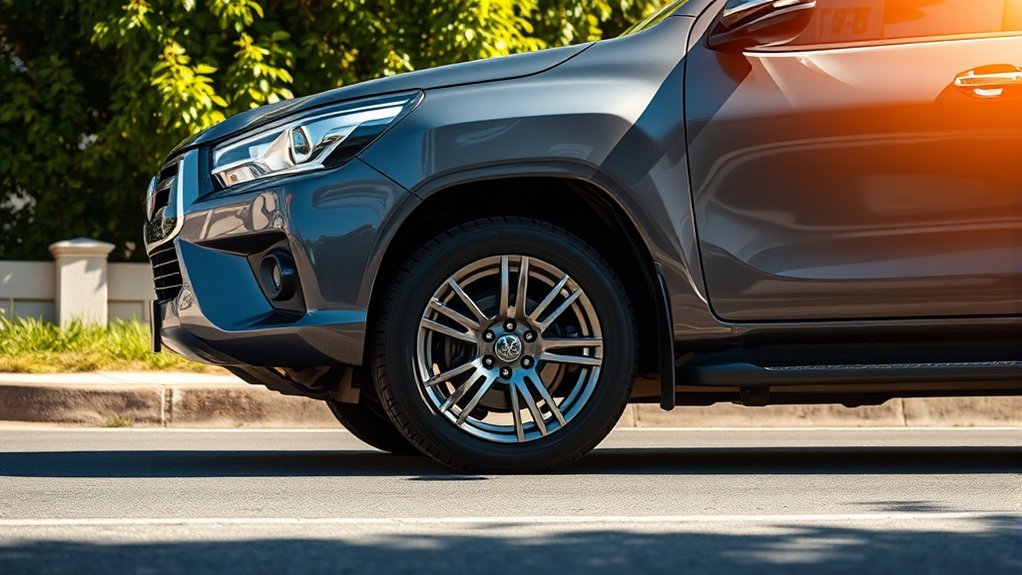
The right offset depends on your tyre size, wheel width, suspension height, flare coverage, and driving use. A Hilux that tows on highways needs a different setup from a weekend off-road build on larger tyres.
Choosing Offset Wisely
Use the factory wheel as your baseline. A conservative aftermarket wheel keeps the new inner and outer wheel position close to the original. A more aggressive wheel moves outward for a wider stance, but it increases the chance of rubbing and may need a lift, trimming, flares, or certification.
| Setup Type | Typical Use | Fitment Notes |
|---|---|---|
| Factory-style fitment | Daily driving, towing, work use | Best for low risk. Stay close to original wheel width, offset, tyre diameter, and load rating. |
| Mild touring upgrade | All-terrain tyres, light off-road use | A modest width/offset change can work well, but check full-lock clearance and guard coverage. |
| Aggressive off-road stance | Larger tyres, lifted suspension, wider stance | May require trimming, flares, alignment correction, speedometer checks, and engineering approval. |
| Large street wheel | Urban appearance, show-style builds | Check load rating, tyre sidewall, ride comfort, pothole resistance, brake clearance, and legality. |
Impact on Handling
Offset affects scrub radius, steering weight, tyre feedback, and component load. A small change may be barely noticeable, while a large decrease in offset can make the Hilux tramline, kick back through the steering, or feel heavier at low speed. Wider wheels and heavier tyres can also increase unsprung weight, which may affect braking, suspension control, and fuel use.
If you regularly tow, carry tools, or drive long distances, avoid chasing the most aggressive stance. A stable, load-rated, legal wheel and tyre package is more useful than a wheel that looks good but compromises steering or tyre life.
Clearance and Rubbing Issues
Clearance must be checked in more than one position. Turn the steering from lock to lock, check the front and rear of the wheel arch, inspect the inner guard, mud flap, upper control arm, brake hose, and body mount area, and repeat the check with the suspension compressed where practical.
Common rubbing points on Hilux builds include the front mud flap, inner guard liner, body mount, flare edge, and upper control arm. Larger tyres can also affect speedometer accuracy, ABS/ESC calibration, gearing, and legal roadworthiness.
Recommended Wheel Sizes for Different Hilux Models
The best wheel size depends on your exact Hilux. Toyota Australia’s current HiLux range lists 17-inch steel/alloy wheels and 18-inch alloy wheels, with 265/65R17 and 265/60R18 tyres depending on grade. Use that as a realistic baseline before moving to more custom sizes.
| Hilux Type | Practical Wheel Direction | Tyre Direction |
|---|---|---|
| WorkMate / work ute | Stay close to factory 17-inch sizing and load rating. | Use a durable tyre that meets the placard load and speed rating. |
| SR / SR5 daily driver | 17-inch or 18-inch wheels are usually the most practical range. | Keep overall diameter close to factory unless you have checked legality and calibration. |
| Touring / towing setup | Prioritise wheel load rating, tyre availability, and repairability. | Light-truck all-terrain tyres may suit heavy loads and rough roads. |
| Lifted off-road build | A 17-inch wheel often gives better tyre sidewall than larger rims. | Larger tyres need clearance, gearing, speedometer, guard, and legal checks. |
Popular aftermarket sizes such as 17×8, 17×8.5, or 17×9 can work on many Hilux builds, but they are not automatically “bolt-on.” The final result depends on the offset, tyre size, suspension, flare coverage, and whether the vehicle is used on road, off road, or under load.
Understanding Tyre Size Compatibility
Tyre size affects more than appearance. It changes overall diameter, ground clearance, gearing, speedometer reading, braking effort, and clearance at full lock. The tyre placard is your first reference because it lists the manufacturer-approved wheel and tyre combinations, load capacity, speed rating, and inflation pressure. You can also use the Toyota Service Information and Repair Manuals portal to locate owner’s manual information for your model.
- Keep the load rating safe: The tyre and wheel must meet or exceed the load requirements for your Hilux, especially if you tow, carry tools, or travel off road.
- Watch overall diameter: A taller tyre can improve clearance but may cause rubbing, speedometer error, and legal issues.
- Match the rim width: Tyre manufacturers publish approved rim-width ranges. Stay within them.
- Choose tread for the job: Highway tyres suit road comfort; all-terrain tyres suit mixed use; mud-terrain tyres add off-road grip but can be noisier and heavier.
Note: If you change tyre diameter significantly, check speedometer accuracy and confirm that the tyre remains legal in your state or country. Some changes may need inspection or certification.
Alloy vs. Steel: Choosing the Right Wheel Material
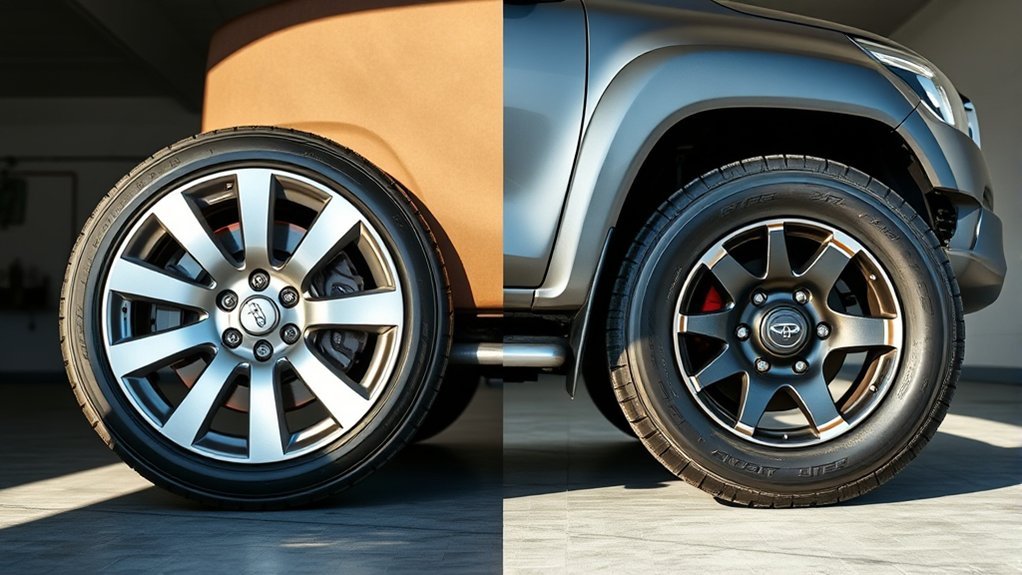
Both alloy and steel wheels can suit a Hilux, but they solve different problems. Alloy wheels are usually lighter and available in more designs. Less weight can help steering response and ride quality, and alloy wheels often provide good brake ventilation. They are popular for daily drivers, touring builds, and owners who want a cleaner factory-plus look.
Steel wheels are usually cheaper and can be practical for rough work, remote touring, and off-road use. They are often easier to replace and may tolerate harsh use well, although they can be heavier and more prone to surface rust if damaged. Weight matters on a Hilux because heavier wheels and tyres add rotating and unsprung mass.
| Material | Best For | Watch Outs |
|---|---|---|
| Alloy | Daily driving, touring, lighter setups, styling, brake ventilation. | Choose a reputable load-rated wheel, not just the design you like. |
| Steel | Work use, budget builds, rough tracks, remote-area practicality. | Usually heavier; check corrosion, balance quality, and wheel weight. |
[Products Worth Considering]

These aluminum alloy tire valve stem caps with an O-ring seal help protect valve stems from corrosion while adding a clean, stylish look to your vehicle. The universal fit works across cars, trucks, motorcycles, bicycles, and more, making them an easy upgrade for everyday driving and off-road use. Installation is quick, and the included four-pack keeps all your tires dressed and protected.

This 3-piece wheel and tire brush set makes it easy to clean light, medium, and heavy dirt from wheels, rims, tires, and exterior surfaces. It includes both soft and stiff bristle options for gentle scrubbing and tough grime removal, helping lift brake dust and road buildup. The long-handle design supports comfortable cleaning across cars, trucks, SUVs, RVs, motorcycles, and more, with simple care instructions to restore brush shape.

Upgrade your 2024-2026 Tesla Model 3 Highland with REEVAA all-weather mud flaps designed for seamless fit along the original body lines. The set of four delivers strong splash protection against mud, gravel, and road debris while using OEM-grade durable materials. Installation is non-destructive with original hole positions and snap-in clips, and the aerodynamic design helps minimize impact on efficiency.
Essential Maintenance Tips for Your Aftermarket Wheels
Aftermarket wheels need regular checks, especially on a Hilux that sees dirt roads, towing, or heavy loads. Build these habits into your service routine:
- Clean the wheels after off-road use: Mud and brake dust can hide cracks, dents, missing wheel weights, and corrosion.
- Inspect for damage: Look for bends, cracks, gouges, loose centre caps, and damaged valve stems after hard impacts.
- Check tyre pressure: Use the tyre placard and adjust for load and terrain when appropriate. Reinflate before returning to highway speeds after airing down.
- Rotate tyres regularly: Rotation helps manage uneven wear, especially with all-terrain tyres.
- Recheck wheel-nut torque: Use a calibrated torque wrench and the owner’s manual specification. Recheck after the first drive or after wheel service.
- Book an alignment: If you changed tyre size, wheel offset, suspension height, or upper control arms, an alignment is a smart final step.
Custom Wheel Fitment Options for Your Hilux
Custom fitment can improve stance, tyre choice, and off-road capability, but the safest build starts with a clear goal. Choose the wheel for how the Hilux is used, not just how it looks in a photo.
| Goal | Good Fitment Strategy | Avoid |
|---|---|---|
| Factory-plus look | Stay close to factory diameter, width, and offset. | Very low offset or tyres outside the guards. |
| Touring | Use strong, load-rated wheels and common tyre sizes that are easy to replace. | Rare tyre sizes or show wheels with low load ratings. |
| Off-road clearance | Use a sensible 17-inch wheel, suitable tyre sidewall, and measured clearance. | Fitting large tyres without checking rubbing and legality. |
| Street stance | Choose a quality wheel with correct PCD, centre bore support, and brake clearance. | Oversized wheels that reduce ride quality or load capacity. |
The best Hilux wheel upgrade is the one that fits the hub correctly, clears the vehicle through full steering and suspension travel, carries the load, and stays legal on the road.
Legal and Safety Considerations for Upgrading Your Wheels
Wheel and tyre laws vary by country, state, and registration authority. In Australia, the Vehicle Standards Bulletin 14 (VSB 14) is the national code of practice for light vehicle modification, while state and territory rules can add administrative requirements. The NSW alternative wheels and tyres guidance also explains that tyre placards list the manufacturer’s recommended wheel and tyre combinations, load capacity, speed rating, and tyre pressure.
Compliance With Regulations
Before fitting aftermarket wheels, check these legal and insurance points:
- Guard coverage: Tyres should not protrude beyond the guards where this is prohibited.
- Track width: Offset changes can increase track width, which may be limited by your local rules.
- Tyre diameter: Larger tyres may affect speedometer accuracy, braking, gearing, and ESC/ABS operation.
- Load and speed ratings: Do not fit tyres or wheels below the placard or vehicle requirement.
- Certification: Significant changes may need inspection or engineering approval.
- Insurance: Tell your insurer about modifications if required by your policy.
Impact on Vehicle Safety
Incorrect fitment can affect braking, steering, suspension travel, tyre wear, wheel-bearing load, and emergency handling. A wheel that rubs lightly in the driveway can rub heavily when the vehicle is loaded, turning, braking, or flexing off road.
If your Hilux is lifted, fitted with larger tyres, or used for towing, get the complete package checked by a qualified wheel and tyre specialist. For major changes, speak with an approved certifier or engineer before spending money on wheels that may not pass inspection.
Troubleshooting Common Fitment Problems
| Problem | Likely Cause | What to Do |
|---|---|---|
| Rubbing at full lock | Tyre too tall/wide, low offset, mud flap or guard contact. | Inspect rub marks, test both steering directions, and correct with a safer tyre/offset or approved trimming. |
| Highway vibration | Poor balance, non-hub-centric fit, damaged wheel, uneven tyre. | Rebalance, inspect wheels, check hub rings, and confirm centre bore fit. |
| Tyres outside guards | Wheel too wide or offset too low. | Use a more conservative offset or legal flare solution where permitted. |
| Steering feels heavy or vague | Increased tyre weight, scrub radius change, poor alignment. | Get an alignment and reconsider wheel weight, tyre size, and offset. |
| Wheel nuts loosen | Wrong nut seat, incorrect torque, dirty mounting surface. | Stop driving, inspect the wheel and studs, use the correct nuts, and torque to the manual’s specification. |
Frequently Asked Questions
What other wheels will fit a Toyota Hilux?
Wheels may fit if they match your Hilux’s PCD, centre bore, offset, width, brake clearance, nut-seat type, and load rating. Many modern Hilux models use 6×139.7 PCD and 106.1mm centre bore, but you must verify your exact year, market, and drivetrain before buying.
Can you fit 33-inch tyres on a Hilux?
Many Hilux owners fit 33-inch tyres, but they are not a guaranteed bolt-on fit. They may need a lift, suitable wheel offset, trimming, alignment correction, speedometer checks, and legal approval. Check rubbing at full lock and full suspension compression before driving on road.
Do all Toyota Hilux models have the same stud pattern?
No. Many modern Hilux models use 6×139.7, but older and market-specific Hilux variants can differ. Some older 2WD models may use different 5-stud fitments. Always confirm the wheel data for your exact vehicle, not just the Hilux name.
Do LandCruiser wheels fit a Hilux?
Some LandCruiser wheels share a 6-stud Toyota pattern, but others do not. For example, many 200 Series and 300 Series LandCruiser wheels use a different PCD and will not bolt directly to a Hilux. Even when the PCD matches, check centre bore, offset, brake clearance, load rating, and wheel-nut seat.
What offset is best for a Hilux?
The best offset is the one that keeps the tyre clear of the suspension and body while staying legal. For daily driving and towing, stay close to the factory position. Lower offsets can work on modified builds, but they need careful checks for tyre poke, rubbing, steering feel, and component load.
Do I need hub-centric rings for aftermarket Hilux wheels?
If the aftermarket wheel’s centre bore is larger than the Hilux hub, quality hub-centric rings can help centre the wheel properly. They do not fix the wrong PCD, wrong offset, wrong nut seat, or an under-rated wheel.
Conclusion
The right aftermarket wheels can make your Toyota Hilux look better, handle confidently, and perform well off road, but only when the fitment is correct. Start with your tyre placard and owner’s manual, confirm the PCD and centre bore, choose a sensible offset, protect load rating, and check clearance before committing.
For most Hilux owners, a conservative 17-inch or 18-inch setup with the correct tyre diameter, load rating, and offset is the safest place to start. Aggressive offsets, 33-inch tyres, wider wheels, or large street rims can work on the right build, but they require careful measuring, professional advice, and legal checks.
Sources
- Toyota Australia HiLux specification table — current OEM wheel and tyre sizes, towing, GVM, GCM, and payload cautions.
- Toyota Service Information and Repair Manuals — owner’s manual reference point for model-specific tyre, wheel, and service information.
- Vehicle Standards Bulletin 14 (VSB 14) — Australian national code framework for light vehicle modifications.
- NSW Vehicle Standards Information No. 9 — tyre placards, alternative wheel and tyre guidance, and certification cautions.
- SA Government wheel track and rim offset guidance — how offset changes affect track width and vehicle components.
- AvtoReference Toyota Hilux wheel data — model-specific PCD, centre bore, thread size, and OEM wheel examples for Hilux variants.
[Products Worth Considering]

This professional wheel and rim brush kit makes it easy to lift brake dust, grime, and dirt from wheels and tires without scratching finishes. The brushes feature soft, metal-free wool heads and a flexible 360-degree rim brush design for reaching hard-to-clean areas. Includes multiple brush types plus accessories for thorough car, motorcycle, and general vehicle detailing.

Monitor tire tread wear with a smart, color-coded depth gauge that shows clear condition ranges at a glance. The bar is range marked for fast, easy readings, helping you maintain safer traction and performance. Each gauge is portable with a pocket clip, and the set includes 20 units for daily use and sharing.

The 22800 wheel stud installer makes replacing wheel studs quick and secure, saving time and effort during tire service. It uses a ratchet or impact wrench to pull new studs firmly into place, helping when existing studs are too long. Compatible with most automotive wheels and light-duty truck wheel studs, it’s designed for easy, tool-assisted installation.

Related Articles

Best High-Performance Tires for Toyota Hilux
You rely on your Hilux for work, adventure, and everyday driving, so choosing high-performance tires matters more than you might think. The right tires…
Read More
Best Premium Off-Road Tires for Toyota Hilux
You rely on your Hilux to handle rough trails, heavy loads and unpredictable weather, so choosing the right premium off-road tires matters. The right…
Read More
Best Premium Winter Tires for Toyota Hilux
Choosing the right premium winter tires for your Toyota Hilux matters because you rely on strong traction and load capacity when roads turn icy…
Read More