
Toyota Hilux Wheel Offset Guide: Getting It Right
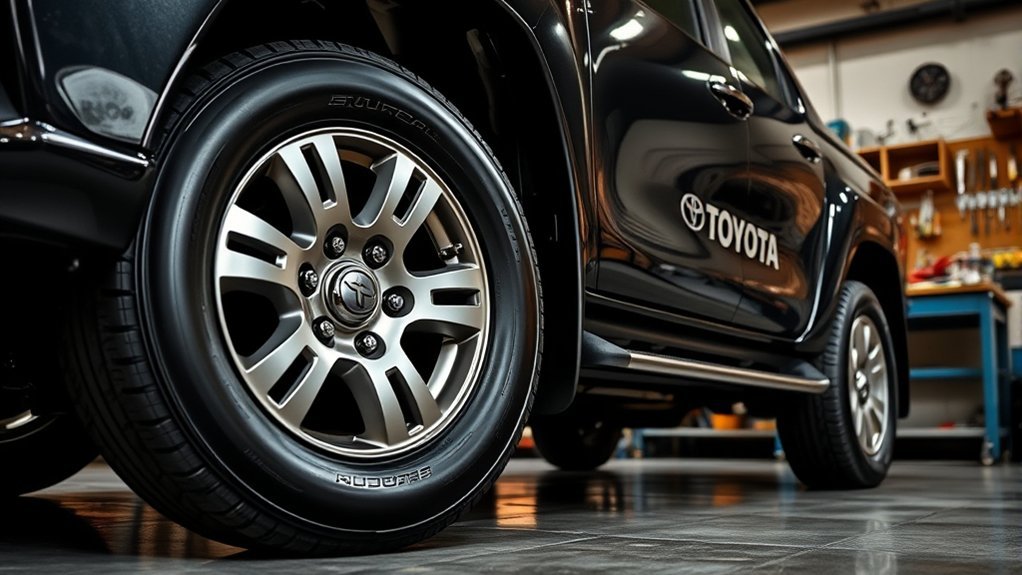
Choosing the right Toyota HiLux wheel offset is not just about getting a tougher stance. Offset changes where the wheel sits in the guard, how much room you have near the suspension, and whether the tyre rubs at full steering lock or under suspension compression. The safest starting point is always the factory wheel specification for your exact HiLux model, trim, year, drivetrain, and market.
Quick Answer
For most Toyota HiLux builds, start with the factory offset for your exact trim and stay close to it. A lower offset adds outward “poke,” but it also raises rubbing and compliance risks. Check wheel width, tyre size, PCD, centre bore, load rating, brake clearance, legal track limits, and wheel-nut torque before fitting.
Key Takeaways
- Do not treat one number, such as +38 mm, as the universal Toyota HiLux offset. Factory fitment varies by model year, grade, wheel size, and market.
- Lower offset wheels push the tyre outward; higher positive offset wheels tuck the tyre inward toward the suspension and brakes.
- Offset must be checked together with wheel width, tyre size, PCD, centre bore, load rating, lug seat type, suspension lift, and guard clearance.
- Always test clearance at full steering lock and with suspension movement before driving hard or heading off-road.
- Use a torque wrench, follow the owner’s manual or service data, and recheck wheel nuts after the first short drive.
At a Glance
| Time Required | 30–60 minutes to measure and compare fitment; longer if test-fitting wheels and tyres. |
| Difficulty | Moderate. The concept is simple, but safe fitment requires measuring clearance carefully. |
| Tools Needed | Tape measure, straightedge, offset calculator, jack and stands, socket set, torque wrench, tyre placard/owner’s manual, and a safe place to test steering lock. |
| Cost | $0–$60 for measuring tools if you already have basic gear; professional fitting, balancing, and alignment costs vary by workshop. |
Understanding Wheel Offset Basics
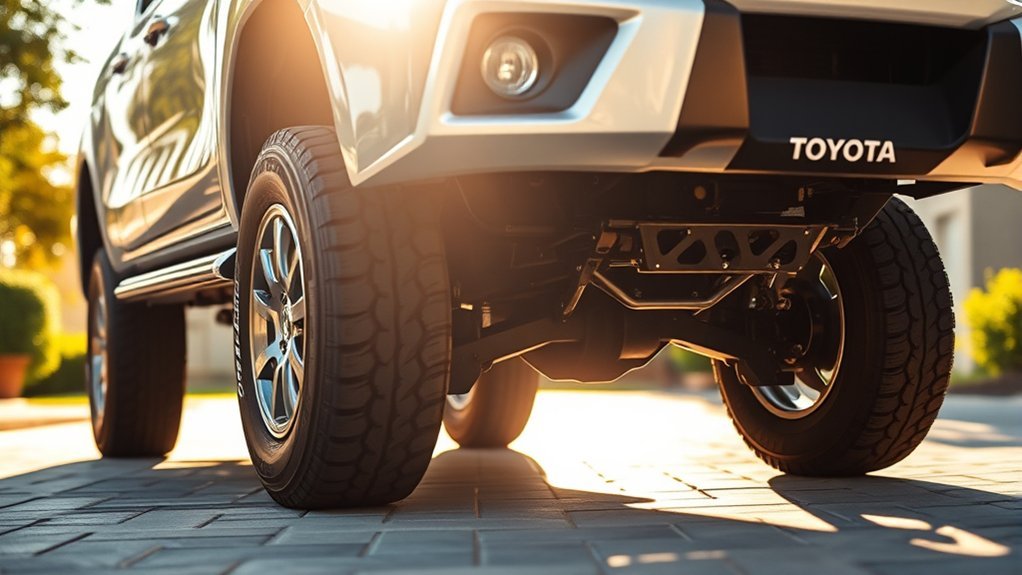
Wheel offset is the distance, measured in millimetres, between the wheel’s centreline and the hub mounting surface. You may also see it written as ET. A wheel marked ET30 has a +30 mm offset, while ET45 has a +45 mm offset. For a clear technical definition, Tire Rack explains offset as the distance from the wheel’s hub mounting surface to the wheel centreline.
A positive offset means the mounting face sits toward the outside face of the wheel, which pulls the wheel and tyre farther inward. A negative offset means the mounting face sits toward the inner side of the wheel, which pushes the wheel outward. Zero offset means the mounting face is level with the wheel centreline.
The number only makes sense when compared with your current wheel. For example, moving from ET45 to ET30 pushes the wheel outward by 15 mm if the wheel width stays the same. If the new wheel is also wider, the outer edge may move out even more.
Offset is only one part of fitment. A “safe” offset can become a rubbing problem if the wheel is wider, the tyre is taller, or the suspension has less clearance than expected.
[Products Worth Considering]

Upgrade your 2024-2026 Tesla Model 3 Highland with REEVAA all-weather mud flaps designed for seamless fit along the original body lines. The set of four delivers strong splash protection against mud, gravel, and road debris while using OEM-grade durable materials. Installation is non-destructive with original hole positions and snap-in clips, and the aerodynamic design helps minimize impact on efficiency.

The Ziopetru adjustable magnetic wheel alignment tool helps you check and restore camber and caster positioning after removing and reinstalling undercarriage components. With a clear leveling/bubble measurement system and an easy zeroing adjustment knob, it supports precise horizontal angle checking. The strong magnetic base mounts to metal surfaces for convenient use at home on cars, motorcycles, trucks, vans, and SUVs.

The 22800 wheel stud installer makes replacing wheel studs quick and secure, saving time and effort during tire service. It uses a ratchet or impact wrench to pull new studs firmly into place, helping when existing studs are too long. Compatible with most automotive wheels and light-duty truck wheel studs, it’s designed for easy, tool-assisted installation.
Factory HiLux Wheel Offset and Fitment Numbers
The factory Toyota HiLux wheel setup is not one single number. Current Toyota Australia HiLux specifications list different 17-inch and 18-inch wheel and tyre combinations across grades, including 265/65R17 and 265/60R18 tyres on different models. Toyota also advises that specifications and accessory fitment should be confirmed because details can change over time. Use the current Toyota Australia HiLux specifications, your tyre placard, your owner’s manual, and your wheel markings before buying aftermarket wheels.
That means a blanket claim such as “+38 mm is the standard HiLux offset” is not reliable enough for every HiLux. It may be close to some aftermarket recommendations, but the correct reference point is your exact vehicle and current wheel.
Note: Many late-model 6-stud HiLux models commonly use a 6×139.7 mm PCD, but you should still confirm the bolt pattern, centre bore, thread pitch, and lug seat style for your exact model before ordering wheels.
Quick Fitment Checklist Before You Buy
- Factory wheel size and offset: Check the back of the current wheel for ET markings, or confirm through Toyota service information, a dealer, or a reputable wheel supplier.
- PCD / bolt pattern: The wheel must match the hub. Do not rely on “looks close.”
- Centre bore: The centre bore must fit the hub correctly. If the bore is larger, use quality hub-centric rings where appropriate.
- Wheel load rating: Each wheel must be rated for the vehicle’s axle loads, payload, and towing use.
- Tyre load index: Choose tyres with a load rating that meets or exceeds the tyre placard and owner’s manual guidance.
- Brake clearance: Confirm the barrel and spoke design clears the caliper, not just the diameter.
- Guard and suspension clearance: Check the outer guard, mud flaps, body mount area, upper control arm, sway bar, and inner guard liner.
- Legal track width: Check your local road authority rules before choosing aggressive offset.
How Wheel Offset Impacts Your Ride
Wheel offset changes how the tyre sits in relation to the hub, guard, steering axis, and suspension. A lower offset gives the HiLux a wider, tougher stance because it pushes the wheel outward. That can improve the visual look, but it can also increase steering kickback, change scrub radius, throw more road spray down the side of the vehicle, and make the tyre contact the flare or guard under compression.
A higher positive offset tucks the wheel inward. This can help outer guard clearance, but it may reduce space near the upper control arm, brake components, inner guard liner, and chassis. Too much inward movement can cause rubbing on the inside even if the wheel looks neat from the outside.
Offset can also affect how the HiLux feels on road. If the wheels sit much farther out than factory, the steering may feel heavier and more sensitive to ruts. If the wheels sit too far inward, you may lose inner clearance or limit tyre-width options. For mixed road, towing, touring, and off-road use, the goal is not the most aggressive offset; it is the offset that clears safely through the full range of steering and suspension travel.
Choosing the Right Offset for Your Style
Start by deciding what you want from the wheel change. A work ute, touring setup, tow vehicle, and show-style build do not need the same offset. The more daily driving, towing, load carrying, and off-road travel your HiLux does, the more conservative you should be with offset and tyre size.
How to Calculate Offset Change
When comparing a new wheel with your current wheel, convert wheel width from inches to millimetres first. One inch equals 25.4 mm. Then use these simple checks:
- Outer poke change: half the wheel-width increase minus the offset increase.
- Inner clearance change: half the wheel-width increase plus the offset increase.
Example: if you move from a 17×7.5 ET30 wheel to a 17×8 ET20 wheel, the wheel is 12.7 mm wider, so half the width increase is 6.35 mm. The offset is 10 mm lower. That adds about 16 mm of outer poke and gives about 4 mm more inner clearance. The tyre may still rub if the new tyre is taller or wider, so always test-fit.
Pro Tip: Choose the tyre size before finalising offset. A wider wheel with the same offset can sit much farther out than expected, and a taller tyre can rub even when the wheel offset looks sensible on paper.
Offset Style Guide
| Offset Direction | What It Does | Main Risk |
| More positive offset | Tucks the wheel farther inward. | Inner rubbing on suspension, brakes, or guard liner. |
| Less positive offset | Pushes the wheel outward for more stance. | Outer guard rub, mud flap contact, increased track width, and heavier steering feel. |
| Negative offset | Creates strong outward poke and a deep-dish look. | High rubbing, legality, bearing-load, and steering-geometry risk on many road-driven HiLux builds. |
Legal and Safety Checks Before Changing Offset
Wheel offset changes can affect track width, steering geometry, tyre coverage, and roadworthiness. In Australia, the Vehicle Standards Bulletin 14 (VSB 14) is the national code of practice for light vehicle modifications, and state or territory rules may add extra requirements. If your HiLux is registered outside Australia, check your local road authority instead.
Tyres also need to match the vehicle’s load and size requirements. NHTSA’s tyre safety guidance recommends using the vehicle tyre placard, owner’s manual, or equivalent manufacturer guidance when choosing replacement tyres. That is especially important on a HiLux used for towing, work loads, touring gear, or off-road travel.
Warning: Do not drive on a wheel and tyre package that contacts the guard, suspension, brake components, or body at full lock or under compression. If you are unsure, have the setup checked by a qualified tyre shop, suspension specialist, or authorised inspection engineer.
Avoid These Common Wheel Offset Selection Mistakes
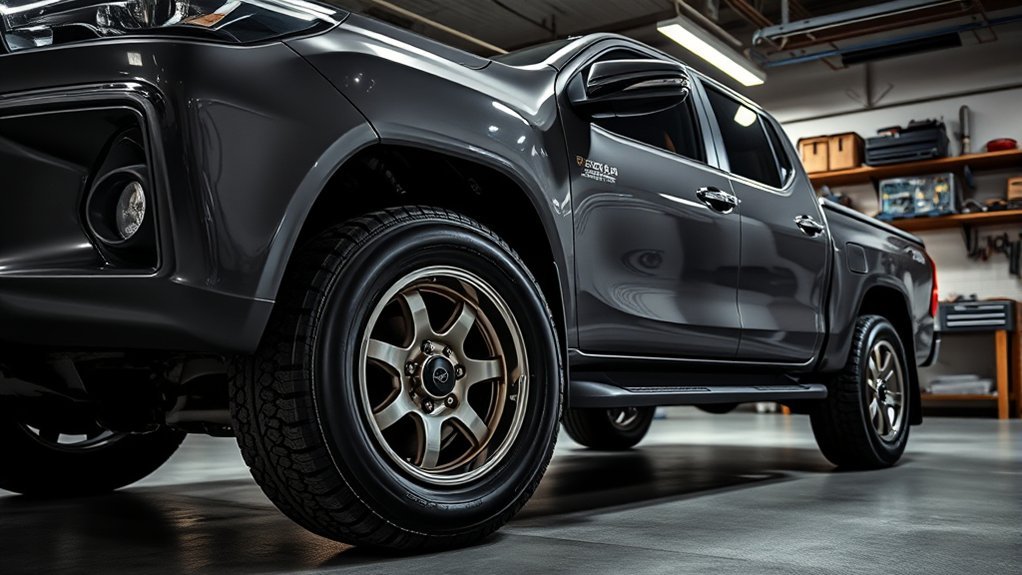
Many HiLux owners get caught by the same offset mistakes. Avoid these before you order wheels:
- Choosing offset for stance only: A lower offset may look better in photos, but it can rub the outer guard, flare, mud flap, or body mount when the suspension compresses.
- Ignoring wheel width: A wider wheel with the same offset still moves the inner and outer wheel edges. Offset alone does not tell the full story.
- Assuming +38 mm fits every HiLux: Factory and aftermarket fitment differs by model year, grade, drivetrain, and tyre size. Confirm your exact starting point.
- Forgetting centre bore and lug seat: A wheel can have the correct PCD but still fit poorly if the centre bore or nut seat is wrong.
- Skipping load ratings: Wheels and tyres must suit the vehicle’s axle load, payload, and towing use.
- Not checking local rules: Track-width, tyre-coverage, and modification requirements can make an aggressive setup illegal even if it physically bolts on.
- Failing to test full-lock clearance: A wheel can clear while parked straight but rub badly when turning, braking, reversing, or driving off-road.
[Products Worth Considering]

This universal wheel alignment tool helps you accurately restore tire tilt angles after tire or suspension repairs using an adjustable camber gauge. It features a powerful magnetic base that firmly attaches to brake rotors for stationary, slip-free readings, improving consistency during measurement. Built from durable PC plastic, it resists wear and corrosion and is compact enough for car, truck, RV, and motorcycle alignment tasks.

The Trivd Frol 1/2" air impact wrench delivers high performance torque up to 1500 ft-lbs with a twin hammer impact mechanism for strong, balanced blows. It features an ergonomic grip, compact lightweight design, and quick-stop control with 3 forward speeds up to 8000 RPM plus a reverse speed. Built for demanding automotive repair and tire shop work, the rear exhaust helps keep debris away from the surface.

This 1/2-inch drive breaker bar delivers powerful leverage for loosening and tightening stubborn lug nuts and automotive fasteners. The 180-degree flex head helps you reach tight spaces at the angle you need, making tire and brake jobs easier. A spring-loaded ball detent design holds 1/2-inch sockets securely while the chrome-moly head provides durable strength for everyday use.
Essential Tips for Installing Your Wheels
Installing new wheels on your Toyota HiLux is straightforward only when the fitment has already been confirmed. Before fitting, compare every critical measurement: wheel diameter, width, offset, PCD, centre bore, lug seat, brake clearance, tyre size, load rating, and overall tyre diameter.
Clean the hub face before installing the wheel. Dirt, rust, paint build-up, or burrs can stop the wheel from sitting flat. Hand-thread each nut first so you do not cross-thread a stud. Tighten the nuts gradually in a star pattern, then use a calibrated torque wrench to the specification in your owner’s manual, service information, or Toyota dealer guidance. Toyota Australia’s service information and repair manuals are the right place to confirm model-specific service data.
After installation, turn the steering from lock to lock and check for contact. If safe, take a short, gentle test drive and listen for rubbing, clicking, vibration, or steering pull. Recheck wheel-nut torque after the first short drive and again after the wheel has heat-cycled. If the offset, wheel width, tyre diameter, or suspension height changed, book a wheel alignment.
Safe Installation Checklist
- Confirm the wheel sits flat on the hub.
- Confirm the nuts match the wheel’s seat type.
- Do not use an impact gun for final tightening.
- Do not lubricate studs unless the service manual specifically instructs it.
- Check brake-caliper clearance before driving.
- Check tyre-to-guard and tyre-to-suspension clearance at full lock.
- Recheck torque after the first short drive.
- Get an alignment after changing wheel size, tyre size, offset, or suspension height.
Troubleshooting Rubbing and Fitment Problems
If the new wheels fit but something feels wrong, stop and inspect the contact points before driving further. Rubbing often leaves shiny marks, torn liner edges, polished suspension parts, or rubber dust.
| Problem | Likely Cause | What to Check |
| Rubs outer guard or flare | Offset too low, wheel too wide, or tyre too tall/wide. | Outer poke, guard coverage, bump travel, mud flap, body mount area. |
| Rubs inside suspension | Offset too high or wheel/tyre too wide inward. | Upper control arm, sway bar, inner liner, brake hose routing. |
| Vibration after fitting | Wheel not hub-centred, poor balance, dirty hub face, incorrect nuts, or uneven torque. | Centre bore, hub-centric rings, wheel balance, hub cleanliness, torque pattern. |
| Steering feels heavy or twitchy | Track width and scrub radius changed too much. | Offset difference from factory, alignment, tyre pressure, suspension condition. |
Frequently Asked Questions
Does wheel offset need to be exact?
Wheel offset does not always need to match the factory number exactly, but it should stay within a range that keeps proper inner clearance, outer guard clearance, steering feel, tyre coverage, and legal track width. The wider or taller the new wheel and tyre package is, the more carefully offset must be checked.
What does +35 offset do?
A +35 offset means the hub mounting surface is 35 mm outward from the wheel centreline. Compared with a +45 wheel of the same width, a +35 wheel sits 10 mm farther outward. Compared with a +30 wheel, it sits 5 mm farther inward. The effect depends on your current wheel width and offset.
What is the best wheel offset for a Toyota HiLux?
The best offset is the one that suits your exact HiLux, wheel width, tyre size, suspension height, and road rules. For a daily-driven or touring HiLux, stay close to the factory offset and test-fit before buying aggressive low-offset wheels. For larger tyres, measure both inner and outer clearance instead of relying on one generic number.
Can I run negative offset wheels on a HiLux?
Negative offset wheels can physically fit some modified HiLux builds, but they are usually a high-risk choice for road-driven utes. They push the wheels far outward, which can cause guard rub, increased steering load, extra dirt spray, possible bearing stress, and legal track-width problems. Check local regulations and professional fitment advice first.
Do I need an alignment after changing wheel offset?
An alignment is strongly recommended if you change wheel size, tyre size, offset, suspension height, or control arms. Offset alone does not directly adjust toe, camber, or caster, but the new wheel and tyre package can change how the vehicle tracks and wears tyres.
What else must match besides offset?
The wheel must also match the PCD, centre bore, stud thread, nut seat type, brake clearance, wheel load rating, and tyre load index. The tyre must suit the placard or approved replacement size, and the full package must clear the guards and suspension through normal steering and suspension movement.
Conclusion
The right Toyota HiLux wheel offset is the one that gives you the stance you want without sacrificing clearance, steering feel, load capacity, or roadworthiness. Start with your factory wheel data, compare the new wheel’s width and offset, confirm PCD and centre bore, choose tyres with the correct load rating, and test-fit before committing. A slightly conservative setup that clears everywhere will serve you better than an aggressive offset that rubs, vibrates, or fails inspection.
Sources
- Toyota Australia HiLux specifications — current public HiLux wheel, tyre, grade, and specification variation.
- Toyota Australia Service Information & Repair Manuals — model-specific service and owner information reference point.
- Vehicle Standards Bulletin 14 (VSB 14) — Australian light vehicle modification code covering wheels, tyres, suspension, and steering.
- NHTSA TireWise — tyre safety, replacement tyre selection, ratings, and load-related safety guidance.
- Tire Rack: What Is Wheel Offset? — clear explanation of positive, negative, and zero wheel offset.
[Products Worth Considering]

These aluminum alloy tire valve stem caps with an O-ring seal help protect valve stems from corrosion while adding a clean, stylish look to your vehicle. The universal fit works across cars, trucks, motorcycles, bicycles, and more, making them an easy upgrade for everyday driving and off-road use. Installation is quick, and the included four-pack keeps all your tires dressed and protected.

This professional wheel and rim cleaning brush set lifts brake dust, grime, and dirt with soft, scratch-free microfiber and synthetic wool fibers. The rim brush bends up to 360 degrees for easy access to hard-to-reach areas around spokes, lips, and faces. Ideal for thorough cleaning of car, truck, motorcycle, bicycle, RV, and more wheel and tire surfaces.

This car D-wheel lock nut key provides an anti-theft solution for D-shaped wheel lock bolts, helping keep your wheels secure. It features a flower-shaped internal pattern that resists micro-adjustment theft while allowing removal and mounting of compatible locking nuts. Made for reliable performance under high torque, it’s easy to use with standard socket wrench turning for quick tire maintenance and emergency repairs.

Related Articles

Best High-Performance Tires for Toyota Hilux
You rely on your Hilux for work, adventure, and everyday driving, so choosing high-performance tires matters more than you might think. The right tires…
Read More
Best Premium Off-Road Tires for Toyota Hilux
You rely on your Hilux to handle rough trails, heavy loads and unpredictable weather, so choosing the right premium off-road tires matters. The right…
Read More
Best Premium Winter Tires for Toyota Hilux
Choosing the right premium winter tires for your Toyota Hilux matters because you rely on strong traction and load capacity when roads turn icy…
Read More