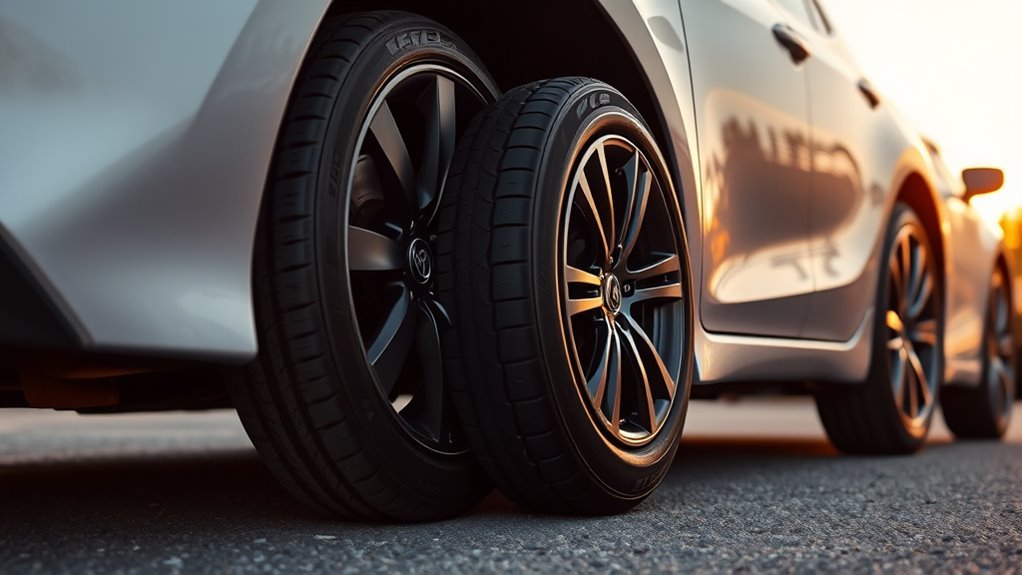
If you put low-profile tires on your Toyota Camry, you can make the car feel sharper and more responsive, especially during lane changes, highway ramps, and quick steering inputs. The trade-off is a firmer ride, more impact harshness, higher wheel-damage risk on potholes, and often higher replacement cost. Standard Camry tires usually give you the better everyday balance if comfort, quietness, and pothole protection matter more than a sportier feel.
Quick Answer
Low-profile tires can improve a Toyota Camry’s steering response and cornering feel, but they usually make the ride firmer and leave less sidewall cushion against potholes. Standard tires are better for comfort, rough roads, lower cost, and wheel protection. Choose low-profile tires only if the size, load rating, speed rating, and overall diameter are safe for your Camry.
Key Takeaways
- Low-profile Camry tires usually feel more precise because the shorter sidewall flexes less.
- Standard Camry tires usually ride quieter and smoother because the taller sidewall absorbs more impact.
- Potholes, curbs, and broken pavement are bigger concerns with low-profile tires because there is less rubber between the road and the wheel.
- Always check the driver-door Tire and Loading Information Label or owner’s manual before changing tire size.
Low-Profile Tires Vs. Standard Tires on a Camry
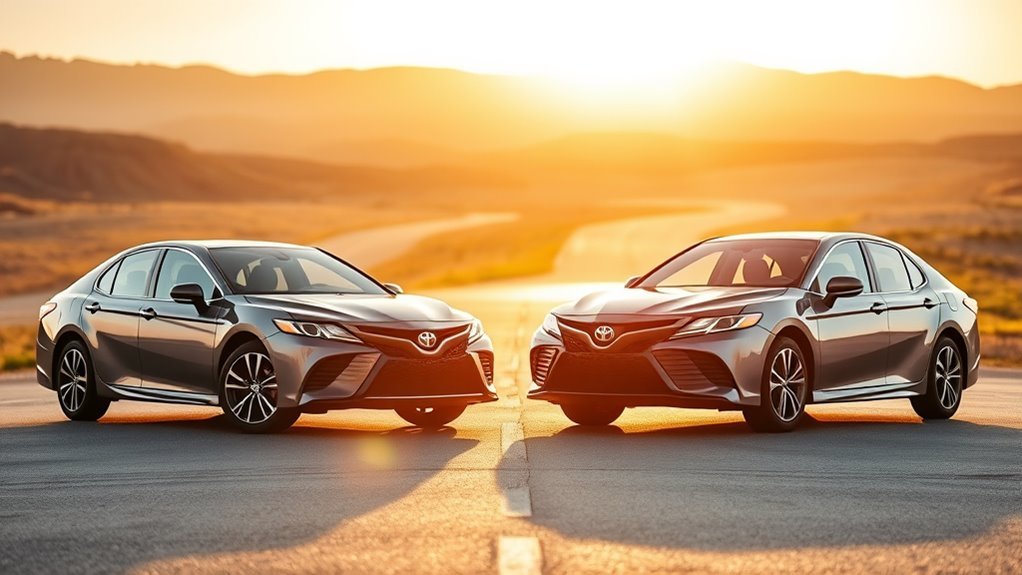
Low-profile tires use a shorter sidewall than a standard comfort-focused tire. On a Camry, that usually means a larger wheel with a lower tire aspect ratio. For example, a sportier Camry trim may use an 18-inch or 19-inch wheel, while a comfort-focused trim may use a smaller wheel with more sidewall. Toyota’s current U.S. Camry information lists the 2025 LE with 16-inch alloy wheels, the XLE with 18-inch alloy wheels, the SE with 18-inch black-finished alloy wheels, and the XSE with 19-inch alloy wheels.
The main benefit is control. A shorter sidewall usually flexes less, so the Camry can feel quicker when you turn the steering wheel. That can make the sedan feel more planted and less floaty. The downside is comfort. Less sidewall means less rubber to absorb bumps, expansion joints, potholes, and rough pavement.
Warning: Do not choose a tire size only because it looks sportier. The tire must match your Camry’s approved size range, load index, speed rating, wheel width, and overall diameter. If you are not sure, use the driver-door label, owner’s manual, or a qualified tire shop before buying.
Camry Low-Profile Vs. Standard Tire Comparison
The best choice depends on your roads and driving style. Low-profile tires make the most sense if you drive on smooth roads and want a sportier feel. Standard tires make more sense if you commute daily, drive through potholes, or want a quieter cabin.
| Category | Low-Profile Tires | Standard Tires |
| Ride comfort | Firmer and more direct | Softer and more forgiving |
| Handling | Sharper steering response | More relaxed steering feel |
| Pothole protection | Higher rim and sidewall damage risk | Better impact cushioning |
| Cabin noise | Can sound harsher on rough pavement | Usually calmer for commuting |
| Best for | Drivers who want sportier response | Drivers who want comfort and durability |
[Products Worth Considering]

Upgrade your Toyota’s wheels with durable aluminum alloy valve stem caps that help protect valve cores from corrosion and direct exposure to road grime, clay, water, and snow. Rubber rings improve sealing to help prevent air leakage and maintain stable tire pressure for safer driving. These caps are easy to install or remove without tools and add a unique, stylish look to your car.

These universal tire valve stem caps help protect valve cores from dust, debris, and moisture while helping maintain stable tire pressure. The corrosion-resistant metal construction and sealed design provide reliable protection in road grime, mud, and winter conditions. Twist-on installation makes them quick to fit on cars, SUVs, trucks, and motorcycles.

These aluminum alloy tire valve stem caps protect the valve core from corrosion and help prevent air leakage for more stable tire pressure. The rubber ring design helps support a secure, safe seal while adding a stylish look to your Honda wheels. Easy to install by hand, these caps are ideal for everyday driving and weather exposure.
How Low-Profile Tires Change Camry Ride
When you switch to low-profile tires on your Camry, you usually get a firmer ride than with standard tires. Bumps, bridge joints, frost heaves, and patched pavement can feel sharper because the tire has less sidewall to absorb the impact. That does not mean every low-profile tire rides badly. Tire model, tread design, air pressure, wheel weight, and your Camry’s suspension all matter. Still, the basic trade-off remains: shorter sidewall, sharper response, less cushioning.
Ride Comfort Reduction
Low-profile tires can sharpen a Camry’s handling, but they also make the ride noticeably firmer. You feel that firmness because the shorter sidewall gives the tire less room to flex over rough pavement. With less flex, the Camry can react more quickly in corners, but more vibration can reach the cabin.
Standard tires usually feel better if your daily route includes potholes, cracked asphalt, gravel shoulders, or uneven city streets. They provide more sidewall cushion, which helps reduce harsh impacts and lowers the chance that the rim takes the full hit.
Road Noise Increase
Low-profile tires may also make your Camry sound louder or sharper inside, especially on coarse asphalt. The difference is not only about tire height. Tread pattern, rubber compound, wheel weight, and road surface all affect cabin noise. A touring tire on a larger wheel may still be quieter than a cheap standard-size tire, but all else equal, a shorter sidewall usually sends more road texture into the cabin.
In one wheel-and-tire comparison test, larger 19-inch packages produced the most impact harshness, while smaller wheel-and-tire setups felt more controlled and supple.
Pothole Impact Risk
Potholes are one of the biggest reasons to be cautious with low-profile tires on a Camry. A taller tire sidewall can compress and absorb some of the impact before the force reaches the wheel. A shorter sidewall gives the wheel less protection. That can increase the risk of bent rims, sidewall bubbles, tire cuts, air loss, and expensive repairs.
If you drive in an area with rough winter roads or frequent construction zones, standard tires are usually the more practical choice. If you still prefer low-profile tires, slow down before rough patches, avoid curb strikes, and inspect the sidewalls often.
Camry Ride Quality: Comfort Or Firmness?
On a Toyota Camry, low-profile tires usually deliver a more connected feel, while standard tires usually deliver a smoother feel. Neither choice is automatically “better.” It depends on what you want from the car.
- Choose low-profile tires if you want quicker steering response, a sportier stance, and a firmer road feel.
- Choose standard tires if you want better bump absorption, less fatigue on long drives, and more protection from potholes.
- Choose carefully if you drive in winter, because tire type and rubber compound matter more than sidewall height alone.
The Camry is designed as a comfortable midsize sedan, so extremely aggressive low-profile setups can work against its everyday strengths. A mild factory-style upgrade is usually safer and more balanced than a dramatic wheel jump.
Camry Handling In Daily Driving
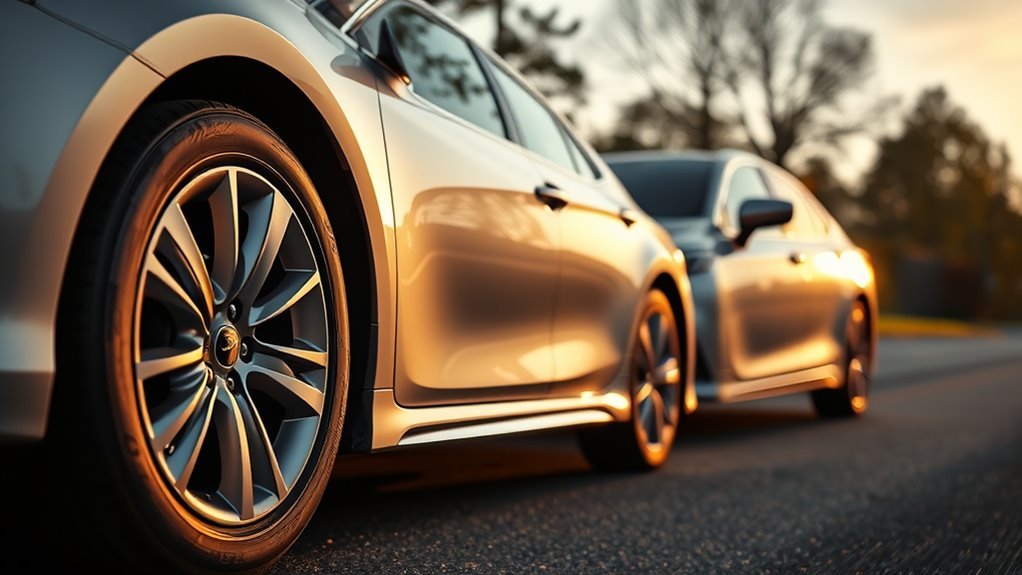
When you move from comfort to control, low-profile tires can give a Toyota Camry a more responsive feel in daily driving. The stiffer sidewall flexes less, so the car can react faster when you turn the wheel. You may notice this most during quick lane changes, highway merges, and sweeping ramps.
The benefit is not unlimited. Wider, heavier wheel-and-tire packages can add unsprung weight, which may hurt ride quality and even reduce acceleration or fuel economy. In a Car and Driver plus-sizing test, larger wheel-and-tire packages improved some grip measurements but also added weight, increased harshness, and reduced fuel economy in that specific test. That is why a balanced setup often works better than the largest wheel that will fit.
Pro Tip: If you want sharper handling without ruining comfort, stay close to a factory Camry sport-trim size instead of jumping to an extreme aftermarket wheel. Factory-style sizing is easier to fit, easier to service, and less likely to upset ride quality.
Pothole Risks For Camry Tires
When you drive a Camry with low-profile tires, potholes can hit harder because the shorter sidewalls absorb less impact than standard tires. That raises the chance of tire damage, rim bends, and sudden air loss, especially if the tires are underinflated. Standard tires usually give you more cushioning, so they can better protect your wheels and soften rough-road impacts.
Pothole Damage Risks
Low-profile tires on a Toyota Camry are more vulnerable to pothole damage because their shorter sidewalls leave less space between the road and the wheel. The tire can pinch between the rim and the edge of a pothole, causing a sidewall bubble, cut, or hidden internal damage. A bent wheel may also create vibration or slow air leaks.
Use these habits to reduce risk:
- Keep your tires inflated to the cold pressure listed by Toyota, not the maximum pressure printed on the tire sidewall.
- Slow down before broken pavement instead of braking hard inside the pothole.
- Check for bubbles, cuts, cracks, or uneven wear after a hard impact.
- Have the wheel and alignment checked if the steering wheel shakes or the car starts pulling.
Protecting Camry Wheels
To protect your Camry’s wheels on rough roads, match the tire to your real driving conditions. If you live where roads are smooth, a low-profile tire may be a reasonable comfort trade-off. If you deal with potholes, steep driveway lips, frost heaves, or rough city pavement, a standard tire with more sidewall is usually the safer long-term choice.
Regular maintenance matters for both setups. The National Highway Traffic Safety Administration recommends checking tire pressure monthly when the tires are cold, inspecting tread, and paying attention to tire damage. Newer vehicles have TPMS, but TPMS is not a replacement for manual pressure checks because it may not warn you until a tire is significantly underinflated.
How Camry Tire Size Affects Noise And Cost
Tire size affects more than appearance. Low-profile tires often cost more because they are commonly paired with larger wheels and performance-oriented tire lines. The wheels themselves may also cost more to replace if a pothole bends or cracks one. Standard tires are often easier to find, cheaper to replace, and more forgiving on imperfect roads.
Noise and fuel economy also depend on the full package. A larger wheel can look better and improve steering feel, but if it is heavier, it can work against acceleration and efficiency. A low-quality low-profile tire can also be noisy even if the size looks sporty. If quietness matters, compare touring tires, treadwear ratings, owner reviews, and road-noise comments before buying.
Note: The cheapest tire is not always the lowest-cost tire. A tire with better tread life, wet traction, road-noise control, and warranty coverage may cost less over its full service life.
How To Choose The Right Camry Tires
Start with the tire size listed on your Camry’s driver-door Tire and Loading Information Label or in the owner’s manual. The NHTSA tire guide says replacement tires should be the same size as the vehicle’s original tires or another size recommended by the vehicle manufacturer. This matters because the wrong size can affect speedometer accuracy, braking, traction control, clearance, and load capacity.
Next, compare your options by year and trim. Recent Camry trims can come with different wheel sizes. Toyota’s 2025 Camry information lists the LE with 16-inch alloy wheels, XLE and SE with 18-inch wheels, and XSE with 19-inch wheels. Your exact tire size can still vary by model year, trim, region, and equipment package, so the door label is the final authority for your car.
Before installing low-profile tires, confirm these points:
- Overall diameter: Keep the replacement tire close to the original diameter so speedometer, gearing, and driver-assistance systems remain predictable.
- Load index: The tire must support the Camry’s required load rating.
- Speed rating: Match or exceed the rating required for your vehicle and driving use.
- Wheel width: The tire must fit the wheel width approved by the tire maker.
- Clearance: Check fender, suspension, brake, and steering clearance through the full turning range.
- Pressure: Use Toyota’s recommended cold tire pressure, then recheck after installation.
[Products Worth Considering]

Keep your tires properly inflated with this analog VONDIOR tire pressure gauge, designed for fast, easy readings without batteries. The swiveling, two-axis hose and large glow dial help you measure at any tire angle with instant visibility. Built with a protective rubber shield, it supports durable, low-maintenance use for cars and trucks.

This metal-free wheel and tire cleaning brush uses dense, fluffy synthetic wool to safely clean rims, spokes, fenders, and engine areas without worrying about damaging surfaces. Its flexible, comfortable design helps you reach detailed areas while maintaining durability, and the extra absorbent fibers work well with wheel spray cleaners for faster cleanup. Reusable and washable performance helps prevent grime and build-up for cleaner vehicles and easier maintenance at home.

Add style while helping protect your tire valve stems with handmade crystal rhinestone caps and a durable plastic insert. These caps resist corrosion and help keep out rain, snow, and muddy water, extending tire life. Textured non-slip design makes them easy to grip for quick install and removal when checking tire pressure.
Best Camry Tire Choice By Driver Type
If you mainly commute, carry family, or drive on rough roads, standard tires are usually the better choice. They keep the Camry closer to its quiet, comfortable character and help protect the wheels from harsh impacts.
If you enjoy a sportier look and more direct steering, low-profile tires can be worth it. The best setup is usually a reasonable factory-style sport size with a quality touring or performance all-season tire, not an extreme wheel size chosen only for appearance.
If you drive in heavy rain, snow, or freezing temperatures, focus first on the right tire category. A good winter tire or all-weather tire in a standard size can outperform a sporty low-profile all-season tire when the weather turns bad.
[Products Worth Considering]

These aluminum alloy tire valve stem caps with an O-ring seal help protect valve stems from corrosion while adding a clean, stylish look to your vehicle. The universal fit works across cars, trucks, motorcycles, bicycles, and more, making them an easy upgrade for everyday driving and off-road use. Installation is quick, and the included four-pack keeps all your tires dressed and protected.

This VEVOR tire bead breaker uses a slide-hammer impact and wedge tip to separate tire beads from rims quickly and efficiently without damaging hub surfaces. The long handle and sturdy steel construction help reduce user strain while providing reliable, portable tire changing for cars, trucks, and more. Ideal for home mechanics and repair shops handling multiple vehicle tire sizes.

The Trivd Frol 1/2" air impact wrench delivers high performance torque up to 1500 ft-lbs with a twin hammer impact mechanism for strong, balanced blows. It features an ergonomic grip, compact lightweight design, and quick-stop control with 3 forward speeds up to 8000 RPM plus a reverse speed. Built for demanding automotive repair and tire shop work, the rear exhaust helps keep debris away from the surface.
Frequently Asked Questions
Are low-profile tires good for a Toyota Camry?
Low-profile tires can be good for a Toyota Camry if you want sharper steering, a sportier look, and a firmer road feel. They are not the best choice if you value maximum comfort, quietness, pothole protection, and lower replacement cost.
Do low-profile tires make a Camry ride rougher?
Yes, they usually do. A shorter sidewall gives the tire less room to absorb bumps, so rough pavement, expansion joints, and potholes can feel sharper inside the cabin.
Will low-profile tires damage my Camry wheels?
The tires themselves do not damage the wheels, but they leave less sidewall cushion against potholes and curbs. That can make bent rims, sidewall bubbles, and air leaks more likely after hard impacts.
What tire size should I buy for my Toyota Camry?
Use the size on your driver-door Tire and Loading Information Label or in the owner’s manual. Camry tire sizes vary by model year, trim, and wheel package, so do not rely on a generic online size without checking your exact car.
What are the best tires to buy for a Toyota Camry?
The best Camry tires depend on your tire size, climate, budget, and driving style. For comfort-focused driving, compare grand touring all-season tires. For sharper response, compare performance all-season tires. For snow and ice, use dedicated winter tires or severe-snow-rated all-weather tires.
Conclusion
If you choose low-profile tires for your Camry, you’ll likely notice sharper handling and quicker steering response, but you’ll also give up some ride comfort. Standard tires cushion bumps better, protect wheels more effectively, and usually make more sense for daily commuting on rough roads. The best choice is not simply low-profile or standard. It is the tire size, tire model, and wheel package that fits your Camry safely and matches the roads you drive every day.
Sources
- Toyota USA Newsroom — 2025 Camry release — current Camry trim, wheel-size, suspension, and hybrid context.
- Toyota Camry specifications — official U.S. Camry specification reference and equipment-availability notes.
- NHTSA TireWise — tire size, pressure, tread, TPMS, rotation, and safety guidance.
- Car and Driver wheel-and-tire plus-sizing test — real-world comparison of larger wheel/tire packages, ride harshness, grip, acceleration, and fuel economy.