
Picking the wrong tire profile can make your car feel sharp and sporty or harsh and noisy. You’ll choose low-profile tires for quicker steering, firmer response, and a sportier look on smooth roads. You’ll choose high-profile tires for more sidewall cushion, quieter cruising, and better protection on rough streets. This guide compares comfort, handling, durability, cost, and fitment so you can match the tire to your roads and driving style.
Quick Answer
Low-profile tires usually suit drivers who want sharper handling, stronger steering feel, and a sportier look. High-profile tires suit drivers who want more comfort, better impact absorption, and lower risk from potholes. Choose low-profile tires for smooth roads and spirited driving, and choose high-profile tires for rough roads, daily commuting, or long-distance comfort.
Key Takeaways
- Choose low-profile tires when you value sharp steering, quick response, and sporty styling.
- Choose high-profile tires when you value comfort, quietness, and protection from road damage.
- Check your tire size, rim width, load rating, and speed rating before you change profiles.
- Expect low-profile tires to cost more and need more care on rough roads.
- Match tire profile to your vehicle, road quality, and driving habits instead of appearance alone.
Quick Verdict: When to Choose Low- vs High-Profile Tires
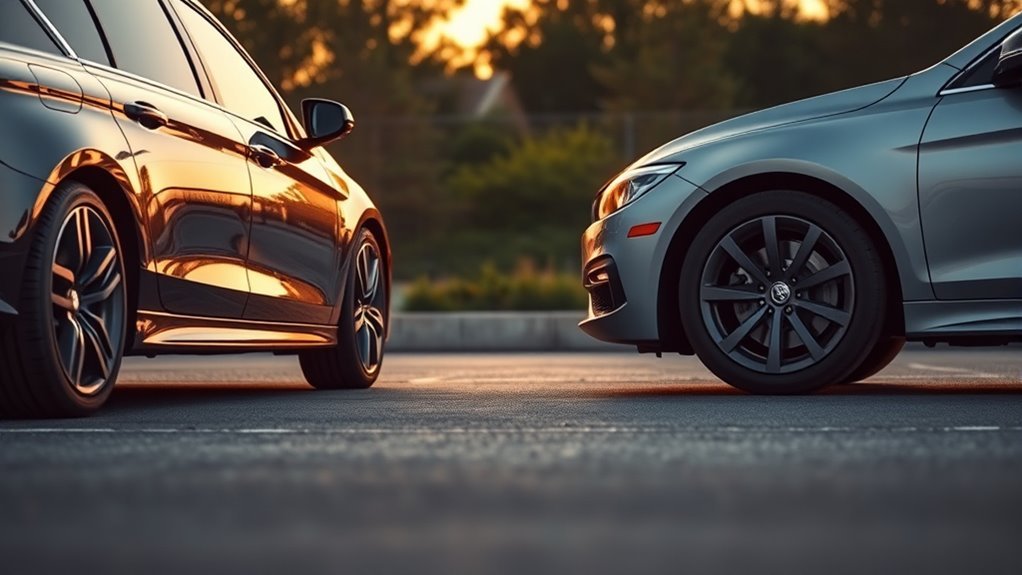
Choose low-profile tires, often with an aspect ratio of 50 or lower, when you want sharper handling and a sportier look on smooth, well-kept roads. Their shorter sidewalls reduce flex, which can make cornering feel more precise. You should expect a firmer ride, more road noise, and a higher risk of wheel damage from potholes.
Choose high-profile tires when you want more sidewall cushioning, quieter operation, and better shock absorption on rough or poorly maintained roads. Their taller sidewalls add comfort and help protect wheels from impacts. They usually give up some steering crispness and lateral stiffness compared with low-profile tires.
| Tire Type | Best For | Main Tradeoff |
|---|---|---|
| Low-profile tires | Sporty driving, smooth roads, sharper steering | Firmer ride and higher impact risk |
| High-profile tires | Daily comfort, rough roads, quiet cruising | Softer steering response |
Low- vs High-Profile Tires: What the Numbers Mean
Tire codes such as 225/45R18 show tread width, aspect ratio, and rim diameter. The first number gives tread width in millimeters. The second number gives sidewall height as a percentage of tread width, and the last number gives wheel diameter in inches.
A 225/45R18 tire has a 225 mm tread width and a sidewall height of 45% of that width. That equals about 101 mm. A 225/65R18 tire has a taller sidewall of about 146 mm.
These measured differences shape how your car feels. A shorter sidewall can increase lateral stiffness and steering response. A taller sidewall can improve vertical compliance and shock absorption.
Note: Tire profile changes can affect speedometer accuracy, clearance, braking feel, and suspension behavior, so confirm fitment before you buy.
Ride Comfort: Low vs High Profile Explained
Sidewall height controls how much rubber and air sit between your wheel and the road. Low-profile tires usually give a firmer ride because they have less sidewall material to absorb impacts. High-profile tires usually add cushioning, reduce road harshness, and lower some cabin noise.
You trade ride comfort for agility with low-profile tires. Less sidewall flex gives sharper response, but it also sends more bumps and tire noise into the cabin. High-profile tires smooth out broken pavement and suit drivers who value calm, easy travel.
Use these comfort tradeoffs as a quick guide:
- Vertical compliance: low-profile tires offer less, high-profile tires offer more.
- Impact damping: low-profile tires absorb less, high-profile tires absorb more.
- Cabin tire noise: low-profile tires often sound louder, high-profile tires often sound quieter.
- Everyday comfort on poor roads: low-profile tires usually feel harsher, high-profile tires usually feel smoother.
Handling, Steering Feel, and Braking Compared
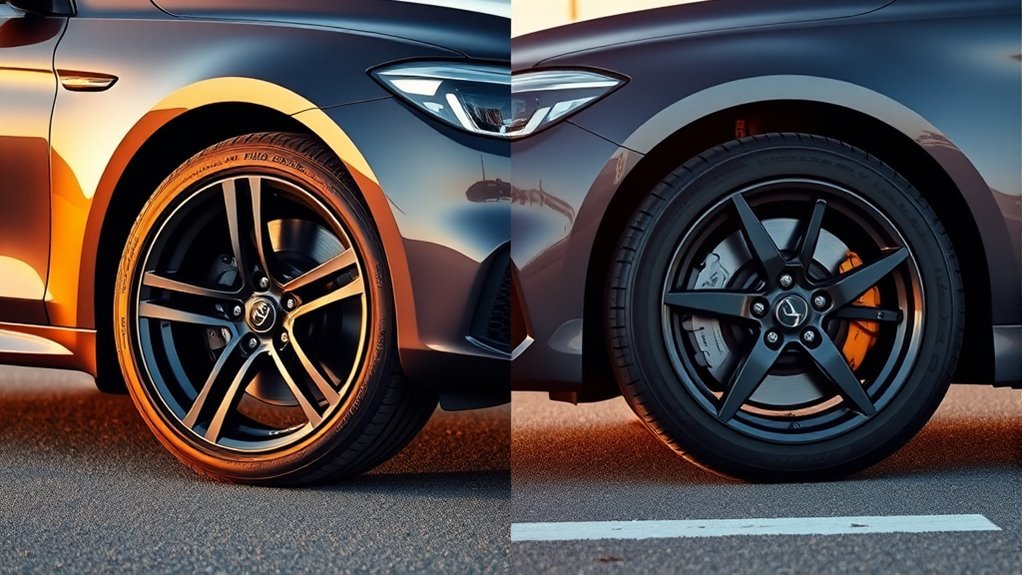
Low-profile tires often make steering feel faster and more direct. Their shorter sidewalls bend less in turns, which helps the tire react faster to steering input. Many low-profile tires also use wider tread designs, which can improve dry grip when matched to the right wheel and vehicle.
High-profile tires give you more sidewall movement. That softens steering feedback and can make hard cornering feel less precise. In return, you get more impact absorption and a more forgiving ride on rough surfaces.
Steering Response and Precision
Low-profile tires can improve steering response because their shorter sidewalls reduce flex. You’ll often feel quicker turn-in and clearer feedback through the steering wheel. That can help you place the car more accurately during lane changes or spirited cornering.
- Shorter sidewalls reduce flex during cornering.
- Wider tread designs can support stronger lateral grip.
- Firmer tire construction can improve driver-road feedback.
- Quicker response can help you correct your line faster.
High-profile tires soften steering inputs through greater sidewall movement. That can reduce precision during aggressive driving, but it can also make daily driving more relaxed.
Braking Grip and Distance
Low-profile tires can improve dry braking when the tire design, compound, and road conditions support strong grip. A wider contact patch and firmer sidewall can help transmit braking force more directly to the road. That can make emergency stops feel more stable and repeatable.
High-profile tires may trade some braking sharpness for comfort. Their taller sidewalls absorb impacts, but they can flex more during hard stops. Your actual stopping distance depends on tire compound, tread condition, pressure, road surface, vehicle weight, and anti-lock braking system performance.
Road Hazards, Durability, and When to Avoid Low-Profile Tires
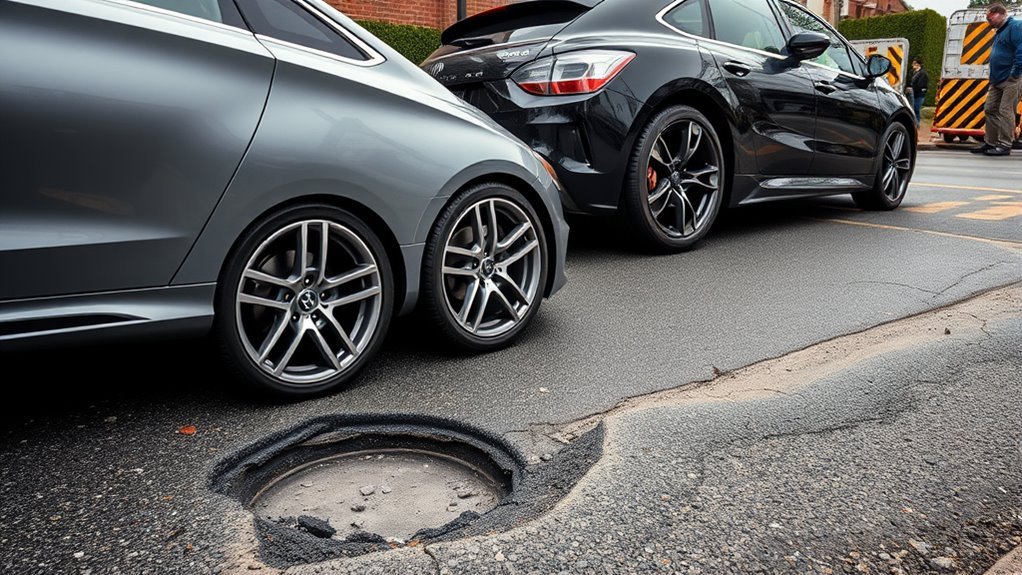
Shorter sidewalls give low-profile tires less cushion against potholes and curb impacts. That raises the risk of bent rims, sidewall cuts, pinch damage, and sudden air loss. You should avoid low-profile setups if your normal routes include broken pavement, sharp curbs, or frequent road debris.
Warning: Do not drive on a tire with a bulge, exposed cord, deep sidewall cut, or sudden pressure loss.
[Products Worth Considering]

Monitor tire tread wear with a smart, color-coded depth gauge that shows clear condition ranges at a glance. The bar is range marked for fast, easy readings, helping you maintain safer traction and performance. Each gauge is portable with a pocket clip, and the set includes 20 units for daily use and sharing.

This professional wheel and rim cleaning brush set lifts brake dust, grime, and dirt with soft, scratch-free microfiber and synthetic wool fibers. The rim brush bends up to 360 degrees for easy access to hard-to-reach areas around spokes, lips, and faces. Ideal for thorough cleaning of car, truck, motorcycle, bicycle, RV, and more wheel and tire surfaces.

This metal-free wheel and tire cleaning brush uses dense, fluffy synthetic wool to safely clean rims, spokes, fenders, and engine areas without worrying about damaging surfaces. Its flexible, comfortable design helps you reach detailed areas while maintaining durability, and the extra absorbent fibers work well with wheel spray cleaners for faster cleanup. Reusable and washable performance helps prevent grime and build-up for cleaner vehicles and easier maintenance at home.
Vulnerability to Potholes
If you regularly drive on rough, potholed roads, low-profile tires put wheels and rims at greater risk. Their shorter sidewalls absorb less impact than taller sidewalls. A hard pothole strike can concentrate force on the rim and tire carcass.
- Less sidewall cushioning can raise the chance of rim damage.
- Hard impacts can increase the risk of sudden tire failure.
- Repeated shocks can strain tire, wheel, and suspension parts.
- Urban potholes can raise repair frequency and cost.
Choose high-profile tires when durability matters more than quick steering. Their thicker sidewalls give you more protection on damaged roads.
Long-Term Wheel Wear
Low-profile tires trade sidewall height for sharper handling. Repeated impacts from potholes, curbs, and debris can send higher loads into the rim, bead, and tire carcass. Over time, this can raise the chance of bends, bead damage, punctures, and vibration problems.
That firmer ride can also pass more vibration through the hub, wheel bearings, and suspension mounts. Some performance tire compounds also wear faster when you drive hard or hit rough pavement often. Inspect your tires often, maintain correct pressure, and choose reinforced sidewalls or a higher-profile tire when you need resilience.
Cost, Maintenance and Expected Lifespan
Low-profile tires often cost more than comparable high-profile tires. They may also lead to higher repair costs because they protect wheels less on rough roads. Your total cost depends on tire size, brand, speed rating, load rating, vehicle type, and road quality.
Low-profile tires often cost more to buy and can raise repair costs if your roads have potholes, curbs, or debris.
- Upfront cost: low-profile tires often cost more in larger wheel sizes.
- Maintenance: low-profile setups may need more frequent pressure checks and inspections.
- Lifespan: high-profile tires may last longer when rough roads would damage shorter sidewalls.
- Operating cost: low-profile tires can increase wheel repair and replacement costs.
If style and response matter most, you may accept the higher ownership cost. If comfort and lower repair risk matter more, high-profile tires usually make more sense.
[Products Worth Considering]

This 3-piece wheel brush set makes it easy to clean wheels and tires with soft, scratch-free brushes designed for lifting brake dust and grime. The flexible rim brush bends up to 360 degrees to reach hard-to-access areas for a thorough clean, while the comfortable grip helps control during detailing. A dedicated detailing brush supports gentle cleaning for sensitive surfaces, including interior use.

This 3-piece wheel and tire brush set makes it easy to clean light, medium, and heavy dirt from wheels, rims, tires, and exterior surfaces. It includes both soft and stiff bristle options for gentle scrubbing and tough grime removal, helping lift brake dust and road buildup. The long-handle design supports comfortable cleaning across cars, trucks, SUVs, RVs, motorcycles, and more, with simple care instructions to restore brush shape.

Adam’s Pro Tire Hex Grip applicators are molded foam sponges designed for precise, even tire dressing application. The ergonomic grip helps you spread product without overapplying, reducing sling that can splash onto paint and helping keep your hands clean during wheel and trim detailing. They’re durable, washable, and reusable for repeated detailing sessions.
Wheel Fitment for Low-Profile Tires: 19 vs 20 and Rim Width
Choosing between 19-inch and 20-inch wheels means balancing ride quality, handling, and fitment constraints. A 19-inch wheel often gives compact and mid-size sedans a better mix of comfort, tire choice, and replacement cost. A 20-inch wheel can create a bolder look, but it usually leaves less sidewall to absorb impacts.
Rim width matters too. A wider rim can support a wider tire and stronger lateral grip, but the tire must match the wheel width. A poor match can cause bead stress, uneven wear, rubbing, or steering problems.
Check offset, clearance, load rating, and wheel alignment before you change sizes. Monitor tire pressure closely because low-profile tires give less cushion during rim strikes. If you want performance and style, fitment accuracy matters more than appearance alone.
Pro tip: Stay close to your vehicle’s original overall tire diameter unless a qualified tire professional confirms the change.
[Products Worth Considering]

The Topeak SmartGauge D2 delivers precise digital tire pressure readings for bikes, motorcycles, and sports equipment up to 250 psi (17 bar). Its rotating SmartHead works with both Presta and Schrader valves, so you can check pressure quickly without adapters. The LCD display makes it easy to read results in psi, bar, or kg/cm² with an included CR2032 battery for immediate use.

The Big Rig Defense Tire Thumper is a truck tire pressure checker that lets you quickly check multiple tires by giving them a firm whack. Listen for a reassuring thump and feel the stick bounce when a tire is fully inflated, helping you get back on the road safely. It features a comfortable, glove-friendly handle and a secure wrist strap for confident use on busy routes.

Measure tire tread depth quickly and accurately with this LUMITECO dial gauge that reads in 1/32" increments up to 14/32". The color-coded green/yellow/red zones make it easy to judge tire wear and know when replacement is needed. A rugged, compact design with a protective pouch helps keep the gauge ready for use on cars, trucks, motorcycles, and more.
Choose Low-Profile Tires If…
Choose low-profile tires if you drive mostly on smooth roads and want stronger steering feedback. They suit sports cars, performance sedans, and drivers who value cornering precision. They also help create a lower, more aggressive visual stance.
- You want sharper steering and quicker turn-in.
- You drive on smooth, well-maintained roads.
- You accept a firmer ride and more road noise.
- You can handle higher tire and wheel repair costs.
Choose High-Profile Tires If…
Choose high-profile tires if you want comfort, quietness, and better protection from road impacts. They suit commuters, family vehicles, luxury sedans, many SUVs, and drivers who travel on uneven roads. They also make sense when you want lower risk from potholes and curb strikes.
- You want a smoother and quieter ride.
- You often drive on rough or broken pavement.
- You carry passengers or cargo often.
- You prefer durability over sharp steering feel.
Who Benefits Most: Drivers and Vehicle Types
If you drive a sports car or performance vehicle, low-profile tires can help you prioritize cornering precision and steering feedback. If you carry passengers, tackle rough roads, or want a quieter ride, higher-profile tires often fit better. Your tire choice should match your vehicle purpose, not just fashion.
Choose tires to match purpose: low-profile for sharp handling, high-profile for comfort, durability, and urban resilience.
- Sports cars and performance vehicles: prioritize cornering and steering precision.
- Luxury sedans: prioritize noise reduction and long-distance comfort.
- SUVs and crossovers: prioritize cushioning and resistance to road hazards.
- City drivers: balance pothole protection with the look you want.
Think about your normal roads before you think about your wheels. A tire that feels great on smooth pavement may feel harsh and costly on rough streets.
Quick Decision Checklist: Pick the Right Profile for Your Car
Use this checklist to compare handling, comfort, cost, and appearance. Factor in tire pressure, seasonal weather, your driving environment, and your maintenance budget. Pick one main priority first, then check whether the tire fits your road conditions.
| Criterion | Guidance |
|---|---|
| Driving Style | Sporty driving favors low-profile tires. Daily comfort favors high-profile tires. |
| Road Conditions | Smooth pavement favors low-profile tires. Rough roads need high-profile cushioning. |
| Comfort vs Performance | Low-profile tires reduce sidewall flex. High-profile tires increase ride compliance. |
| Cost and Durability | Low-profile tires can raise repair risk. High-profile tires often reduce impact damage. |
| Visual and Seasonal Factors | Choose the look you want, but check weather, load rating, and tire pressure. |
Frequently Asked Questions
Do Low-Profile Tires Improve Handling?
Yes, low-profile tires can improve handling when the tire design matches the vehicle and road. Their shorter sidewalls reduce flex, which can make steering feel sharper. You may lose comfort because the tire absorbs fewer bumps.
Which Is Better, Low-Profile or High-Profile Tires?
Neither tire type works best for every driver. Low-profile tires suit performance, style, and smooth roads. High-profile tires suit comfort, durability, and rough roads.
Are Low-Profile Tires Bad for Daily Driving?
Low-profile tires can work for daily driving if your roads stay smooth and you accept a firmer ride. They become less practical when your route includes potholes, sharp curbs, or rough pavement. Daily commuters often prefer high-profile tires for comfort and lower damage risk.
Can You Switch From Low-Profile to High-Profile Tires?
You can switch if the new tire size fits your wheels, suspension, brakes, and vehicle specifications. The overall tire diameter should stay close to the original size unless a tire professional confirms the setup. A poor size change can affect speedometer accuracy, clearance, and handling.
Do Low-Profile Tires Wear Out Faster?
Low-profile tires do not always wear faster, but many performance-focused models use softer compounds. Driving style, alignment, tire pressure, and road quality affect wear more than profile alone. Check tread depth and pressure often to extend tire life.
Conclusion
Your best tire profile depends on whether you value control, comfort, or protection most. Choose low-profile tires when smooth roads and sharp handling matter more than softness. Choose high-profile tires when daily comfort, pothole resistance, and lower repair risk matter more. Before you buy, confirm tire size, rim width, load rating, and clearance. The right tire should make your car feel better on the roads you actually drive.