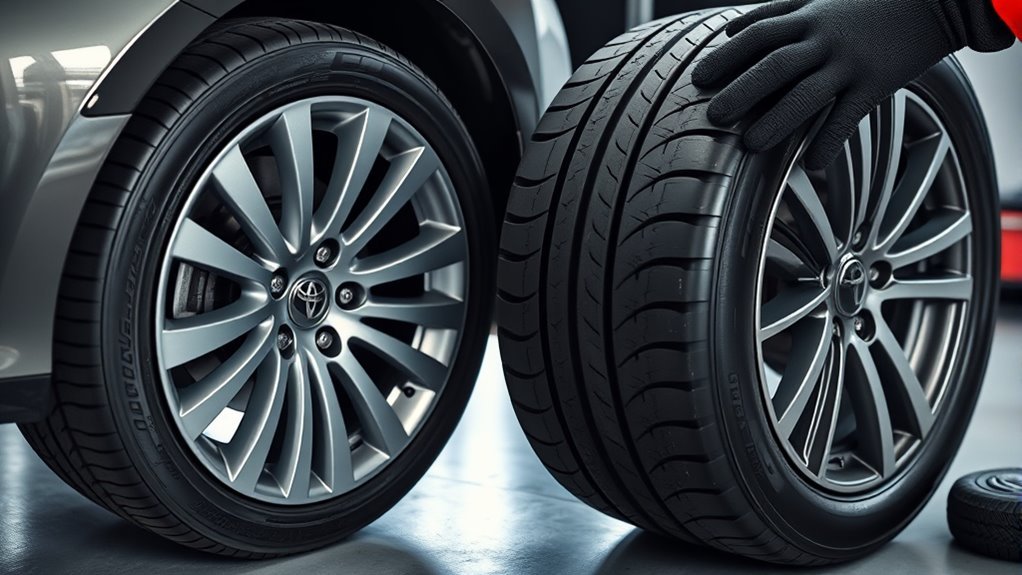
OEM Camry tires are built to match Toyota’s factory setup, so they usually give you predictable fit, a smooth ride, low noise, and balanced fuel economy. Aftermarket tires give you more choice. You may be able to choose longer tread life, stronger wet grip, sharper steering, a quieter highway ride, or better winter traction. The key is making sure the replacement tire matches your Camry’s size, load rating, speed rating, and driving needs.
Quick Answer
OEM Camry tires are best if you want the car to feel close to factory-new. Aftermarket tires are better if you want to tune the Camry for longer tread life, better wet grip, lower road noise, or a sportier feel. Always match the tire size, load rating, speed rating, and pressure listed for your car.
Key Takeaways
- OEM tires keep the Camry close to Toyota’s original comfort, noise, fuel-economy, and handling balance.
- Aftermarket tires can improve tread life, rain grip, steering response, or ride quietness, but only if the fitment is correct.
- Use the driver-side Tire and Loading Information Label or owner’s manual before choosing tire size, load index, speed rating, and pressure.
- Compare UTQG treadwear, traction, and temperature grades, but remember they are comparison tools, not guaranteed mileage promises.
- Tire pressure, rotation, alignment, balancing, climate, and driving style can change tire life as much as the tire model itself.
What Are OEM Camry Tires?
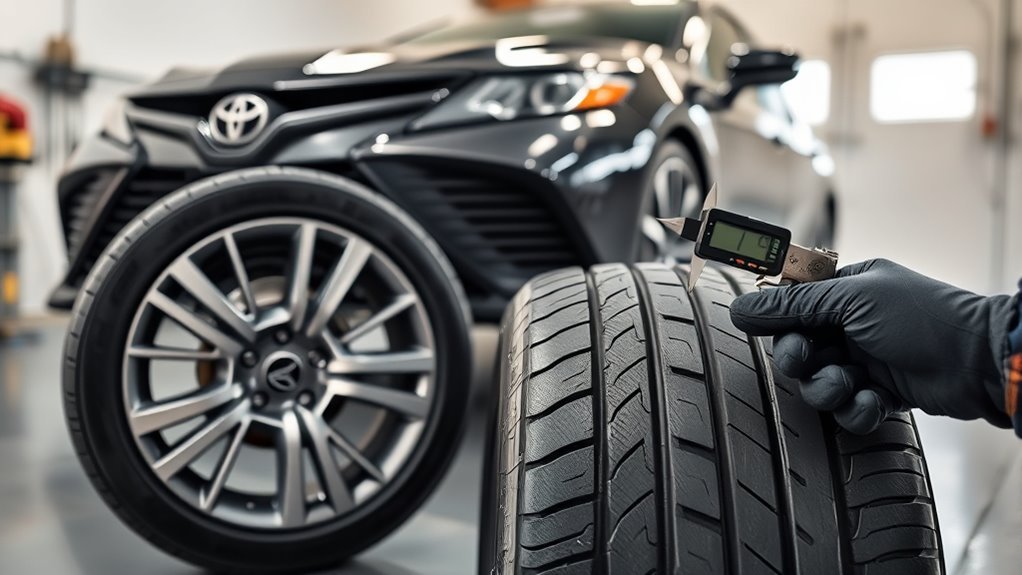
OEM Camry tires are the original-equipment tires Toyota selected for that Camry model, trim, wheel size, and market. They are chosen to work with the car’s suspension tuning, steering feel, brake behavior, fuel-economy goals, road-noise targets, and safety systems.
That does not mean every OEM tire is the longest-lasting or best tire for every driver. It means the tire was selected to support the Camry’s factory balance. If you liked the way your Camry rode, steered, and sounded when it was new, replacing the tires with the same original-equipment model or a very similar touring tire can help preserve that feel.
Toyota also provides model-specific manuals through its official owner portal, and the correct tire size and pressure for your vehicle should be checked against your owner’s manual or the Tire and Loading Information Label on the driver-side door area.
Note: OEM does not automatically mean “better,” and aftermarket does not automatically mean “riskier.” The safer choice is the tire that matches your Camry’s required size, load rating, speed rating, pressure, climate, and driving style.
How Are Aftermarket Tires Different?
Aftermarket tires are replacement tires sold outside the original factory tire selection. Some are built for comfort, some for high mileage, some for wet grip, some for snow, and some for sharper handling. This gives you more control, but it also gives you more ways to choose the wrong tire if you only shop by price or brand name.
Treadwear, Warranty, and Compound
The biggest aftermarket advantage is choice. You can compare treadwear ratings, traction grades, temperature grades, mileage warranties, customer reviews, professional tests, and tire category. A high-mileage touring tire may last longer than a comfort-focused OEM fitment, while a performance all-season tire may grip better but wear faster or ride firmer.
| Feature | OEM Camry Tires | Aftermarket Camry Tires |
|---|---|---|
| Fit | Designed for the original wheel and factory setup | Must be checked by size, load index, speed rating, and clearance |
| Ride feel | Usually tuned for comfort and low noise | Can be softer, firmer, quieter, or sportier depending on the model |
| Tread life | Varies by original tire and maintenance | Can be chosen for longer mileage warranties or stronger grip |
| Best use | Drivers who want factory-like behavior | Drivers who want to tune for climate, grip, comfort, or mileage |
Fitment and Performance
Aftermarket tires can change how your Camry brakes, corners, rides, and tracks on the highway. A tire with wider shoulder blocks may feel more stable in corners. A tire with deeper circumferential grooves may resist hydroplaning better. A touring tire with a noise-focused tread pattern may make highway driving quieter.
Those benefits only matter if the tire fits correctly. Before buying, check these details:
- Tire size: Match the size shown on your Camry’s door label or owner’s manual unless a qualified tire professional confirms an approved alternative.
- Load index: The tire must meet or exceed the load requirement for your car.
- Speed rating: The tire should meet or exceed the original requirement unless Toyota or a tire professional gives safe guidance for your use case.
- Wheel clearance: The tire must clear the fenders, suspension, brakes, and inner liners at full steering lock and under load.
- TPMS compatibility: If wheels are changed, the tire pressure monitoring system must still work correctly.
Warning: Do not choose a different tire size just because it is cheaper or looks better. A wrong size can affect speedometer accuracy, ABS behavior, traction control, steering clearance, ride height, load capacity, and tire wear.
OEM Tires vs. Aftermarket Tires: What Changes?
When you compare OEM and aftermarket tires on a Toyota Camry, the main changes are fitment certainty, tread life, wet grip, ride comfort, road noise, steering response, and price. OEM tires simplify the decision because they match the factory setup. Aftermarket tires expand the decision because you can pick a tire that better fits your roads and habits.
Fitment and Compatibility
OEM tires are the lowest-effort path because they are already matched to the original wheel and suspension setup. With aftermarket tires, you need to verify the size code, load index, speed rating, and recommended inflation pressure. The U.S. National Highway Traffic Safety Administration says drivers should check the owner’s manual or Tire and Loading Information Label for the correct tire size.
You should also check whether your Camry uses a common tire size for your trim. A base commuter trim, a sport trim, and a hybrid trim may not use the same wheel and tire package. Do not assume another Camry owner’s tire size matches yours.
Tread Life Differences
Tread life is not decided by OEM vs. aftermarket alone. It depends on the exact tire model, UTQG treadwear rating, mileage warranty, pressure, alignment, rotation habits, climate, road surface, and driving style.
The UTQG treadwear grade is a comparison rating. A higher treadwear number generally means the tread should take longer to wear down than a lower-rated tire under the test comparison system. It is not a guarantee that you will get a specific number of miles, because real driving conditions can shorten or extend tire life.
A long mileage warranty is useful, but your Camry still needs correct pressure, rotation, balancing, and alignment to get the most life from any tire.
Ride and Handling Changes
OEM-style touring tires usually keep the Camry comfortable and quiet. They are a good fit if you care most about daily commuting, low cabin noise, and smooth impact control. Performance-focused aftermarket tires can make steering feel quicker and wet grip stronger, but they may add road noise, ride firmer, or wear sooner.
You are most likely to notice the difference during:
- quick lane changes
- wet braking
- highway expansion joints
- rough city pavement
- fast on-ramps
- emergency stops
Which Camry Tires Last Longer?
Many aftermarket touring tires can last longer than some OEM fitments because you can shop specifically for higher treadwear ratings and longer mileage warranties. Still, it is more accurate to compare tire model against tire model, not OEM against aftermarket as a category.
For example, a high-mileage aftermarket touring tire may be a better choice for a highway commuter who wants fewer replacements. A sportier aftermarket tire may be a better choice for a driver who wants sharper steering and stronger wet grip, even if the treadwear warranty is shorter. An OEM tire may still make sense for a driver who liked the factory ride and wants the car to feel familiar.
To estimate tire life before buying, compare:
- UTQG treadwear grade: useful for relative comparison within the rating system.
- Mileage warranty: helpful, but read the conditions because rotation records and even wear often matter.
- Traction grade: useful for wet stopping comparison.
- Temperature grade: useful for heat resistance comparison.
- Driving conditions: potholes, heat, cold, gravel, curbs, and stop-and-go traffic all affect wear.
- Maintenance: pressure, rotation, alignment, and balancing can add or remove thousands of miles from a tire’s life.
How Tires Affect Camry Comfort and Grip
Tires are one of the biggest reasons two Camrys with the same suspension can feel different. Softer touring tires can smooth rough pavement and reduce noise, while firmer performance tires can improve steering response and grip. The tradeoff is that more grip can come with more noise or faster wear, and more comfort can come with slower steering response.
Rain performance matters too. A tire with a strong wet-traction design can help the Camry feel more secure during braking, lane changes, and standing-water conditions. For snowy climates, an all-season tire may not be enough. NHTSA notes that winter tires are more effective than all-season tires in deep snow, while summer tires are not designed for freezing temperatures, snow, or ice.
How to Read Camry Tire Ratings Before You Buy
Before comparing brands, learn the ratings on the tire listing or sidewall. These details help you compare tires beyond price.
| Rating | What It Means | Why It Matters on a Camry |
|---|---|---|
| Treadwear | Relative wear rating under the UTQG system | Helps compare likely tread life, but does not guarantee exact mileage |
| Traction | Wet stopping grade from AA to C | Important for rain braking and wet-road confidence |
| Temperature | Heat resistance grade from A to C | Important for highway driving, hot weather, and tire durability |
| Load index | How much weight the tire can carry | Must meet or exceed the Camry’s requirement |
| Speed rating | Maximum speed capability under rated conditions | Should match or exceed the original requirement unless professionally approved |
Best Aftermarket Tires for a Camry
The best aftermarket tire for a Toyota Camry depends on your trim, tire size, climate, budget, and priorities. These options are strong starting points, but you should still confirm exact fitment by your tire size before buying.
| Tire Option | Best For | What to Know |
|---|---|---|
| Michelin Primacy MXM4 | Comfort, wet braking, premium touring feel | Michelin lists a mileage warranty up to 55,000 miles, depending on tire size and specification. |
| Continental TrueContact Tour | Long tread life, all-season commuting, wet braking | Continental lists up to an 80,000-mile limited warranty on the TrueContact Tour. |
| Quiet touring all-season tire | Low road noise and smooth highway driving | Compare current Bridgestone, Michelin, Continental, Goodyear, and Pirelli touring options by your exact Camry size. |
| Performance all-season tire | Sharper steering and stronger dry/wet response | Expect a firmer ride or shorter tread warranty than a comfort-focused touring tire. |
| Dedicated winter tire | Snow, ice, and freezing temperatures | Best for cold climates where all-season tires do not provide enough winter control. |
If you want the safest buying process, pick two or three tires in your exact Camry size, then compare UTQG grades, warranty terms, professional test results, user reviews from drivers with similar roads, and total installed price.
[Products Worth Considering]

Replace your worn or missing TPMS sensors with pre-programmed, direct-fit sensors for compatible Ford, Lincoln, and select Mazda models. Each sensor comes ready to activate with a scan tool, helping restore accurate tire pressure monitoring and trouble-free installation. Built with a long-life CR2032 battery and tested before factory release, this set provides dependable performance with a one-year warranty.

These universal tire valve stem caps help protect valve cores from dust, debris, and moisture while helping maintain stable tire pressure. The corrosion-resistant metal construction and sealed design provide reliable protection in road grime, mud, and winter conditions. Twist-on installation makes them quick to fit on cars, SUVs, trucks, and motorcycles.

Measure tire tread depth quickly and accurately with this LUMITECO dial gauge that reads in 1/32" increments up to 14/32". The color-coded green/yellow/red zones make it easy to judge tire wear and know when replacement is needed. A rugged, compact design with a protective pouch helps keep the gauge ready for use on cars, trucks, motorcycles, and more.
How to Choose Camry Replacement Tires
Start with the label on your car, not the tire listing. Your Camry’s Tire and Loading Information Label and owner’s manual are the safest starting points because they show the tire size and pressure Toyota specifies for your vehicle.
- Find your tire size. Look at the driver-side doorjamb label or the owner’s manual. You can also read the sidewall of your current tire, but confirm it matches the vehicle label.
- Match the load index and speed rating. Choose a tire that meets or exceeds the original requirement.
- Choose the tire category. Touring all-season tires fit most Camry drivers. Performance all-season tires fit drivers who want sharper steering. Winter tires fit drivers in regular snow and freezing weather.
- Compare UTQG ratings. Use treadwear, traction, and temperature grades to compare similar tires.
- Check the warranty terms. Read the rotation, alignment, and proof-of-maintenance requirements.
- Install correctly. Have the tires mounted, balanced, and inflated to the vehicle’s recommended cold pressure.
- Check alignment if needed. Uneven wear, pulling, vibration, or a recent pothole hit can shorten the life of new tires.
Pro Tip: Before paying, ask the tire shop to confirm the tire size, load index, speed rating, production date, warranty mileage, road-hazard coverage, installed price, and whether alignment is recommended based on your current wear pattern.
[Products Worth Considering]

The Tymate TM2 RV tire pressure monitoring system keeps you informed with a color LCD display, automatic backlight, and solar charging for dependable operation. It supports up to 10 tire positions with four pre-paired sensors, while offering multiple alarm modes for fast leak detection, pressure extremes, temperature alerts, and low-signal warnings. Built-in monitoring uses accurate readings and reliable 433.92MHz communication to help protect your RV, trailer, truck, or SUV.
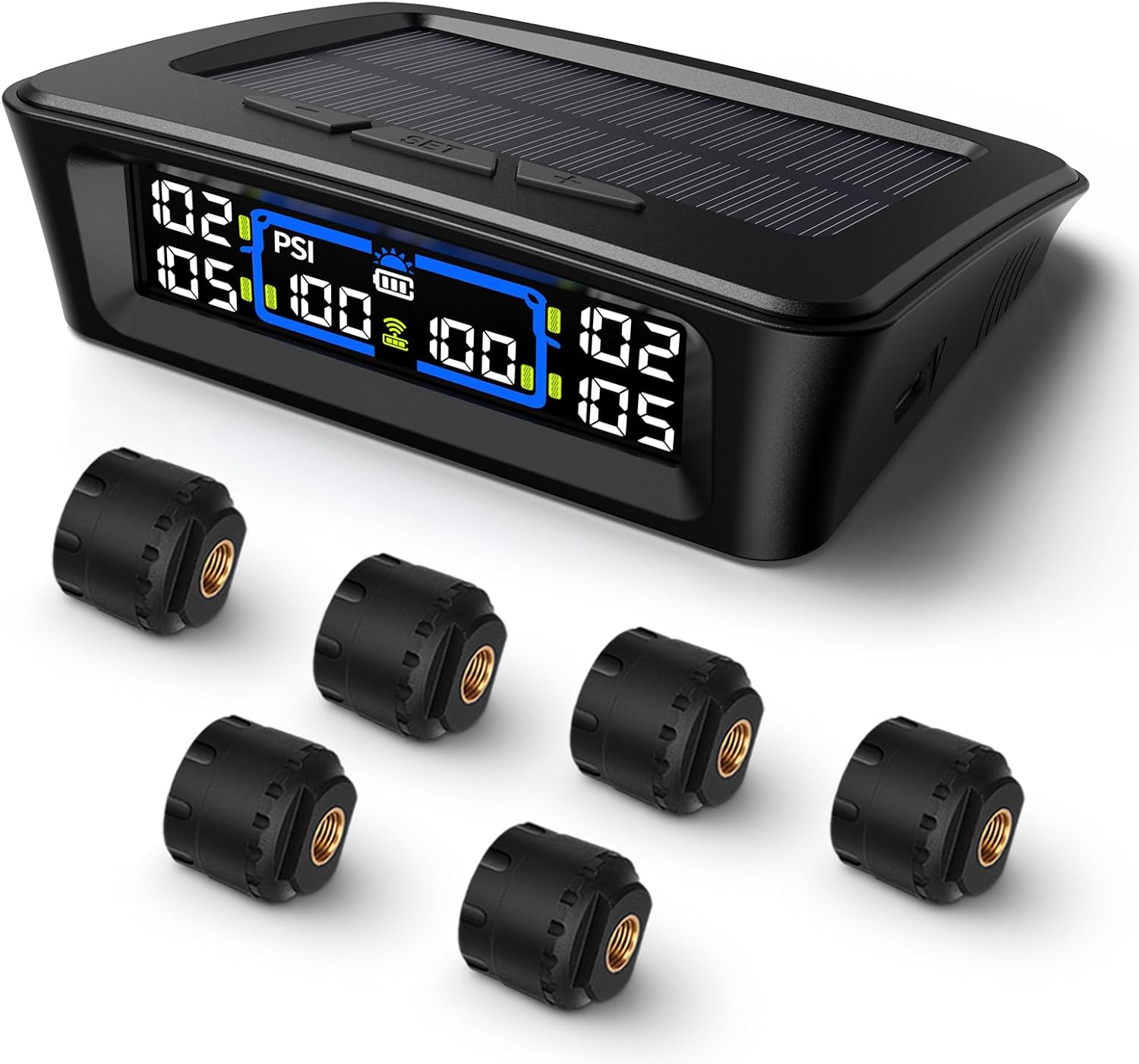
The Tymate TM12 RV TPMS delivers real-time tire pressure and temperature monitoring with a stable 433Hz display for safer long-distance driving. It supports simultaneous monitoring across vehicle and trailer zones, includes six alarm modes for pressure, temperature, leakage, battery, and signal loss, and features easy DIY installation with auto calibration. Power is supplied via USB-C charging or solar recharging, with a wide 0–144 PSI range and up to 50 ft signal coverage for RVs and towable trailers.

These aluminum alloy tire valve stem caps with an O-ring seal help protect valve stems from corrosion while adding a clean, stylish look to your vehicle. The universal fit works across cars, trucks, motorcycles, bicycles, and more, making them an easy upgrade for everyday driving and off-road use. Installation is quick, and the included four-pack keeps all your tires dressed and protected.
When OEM Tires Make More Sense
OEM tires or close OEM-style replacements make sense if you want your Camry to feel familiar. They are also a good choice if you lease the vehicle, do not want to research tire categories, or mostly drive on smooth roads where comfort and quietness matter more than maximum tread life.
Choose OEM-style tires if you value:
- factory-like ride quality
- low cabin noise
- predictable steering
- simple replacement decisions
- no change in tire size or driving feel
When Aftermarket Tires Make More Sense
Aftermarket tires make more sense if your original tires wore too quickly, felt weak in rain, were too noisy, or did not match your climate. They also make sense if your driving has changed. For example, a long highway commute, mountain roads, winter weather, or rough pavement can justify choosing a tire that is different from the original fitment.
Choose aftermarket tires if you want:
- a longer treadwear warranty
- stronger wet braking
- better snow traction with winter tires
- a quieter touring tire
- a sportier steering feel
- a better value than the original tire model
[Products Worth Considering]

The TYAMATE TM8 solar-powered wireless TPMS delivers real-time tire pressure and temperature monitoring with six alarm modes for safer driving. A vibrant color LCD display shows readings clearly while windshield mounting keeps it hands-free and easy to read. With a wide 0–87 PSI range, strong 433.92 MHz signal transmission, and quick sensor pairing, it’s ideal for RV, sedan, SUV, MPV, and truck use.

Keep your tires properly inflated with this analog VONDIOR tire pressure gauge, designed for fast, easy readings without batteries. The swiveling, two-axis hose and large glow dial help you measure at any tire angle with instant visibility. Built with a protective rubber shield, it supports durable, low-maintenance use for cars and trucks.

Monitor tire tread wear with a smart, color-coded depth gauge that shows clear condition ranges at a glance. The bar is range marked for fast, easy readings, helping you maintain safer traction and performance. Each gauge is portable with a pocket clip, and the set includes 20 units for daily use and sharing.
Camry Tire Maintenance After Replacement
Good tires can wear quickly if they are not maintained. NHTSA recommends checking tire pressure at least once a month when tires are cold. FuelEconomy.gov also notes that proper inflation can improve gas mileage by 0.6% on average and up to 3% in some cases.
Use this basic routine after installing new Camry tires:
- Check cold pressure monthly. Use the pressure on the vehicle label, not the maximum pressure printed on the tire sidewall.
- Rotate on schedule. Follow Toyota’s maintenance guide. NHTSA says rotation can help reduce irregular wear, and if the manufacturer recommends it, rotation is often done every 5,000 to 8,000 miles or sooner if uneven wear appears.
- Watch tread depth. Tires are not safe and should be replaced when tread is worn to 2/32 inch.
- Fix vibration early. Vibration may point to balancing, wheel, or tire issues.
- Check alignment. Pulling, uneven shoulder wear, or a crooked steering wheel can mean alignment is needed.
- Inspect for damage. Look for sidewall bubbles, cuts, nails, cracks, and uneven wear.
Frequently Asked Questions
What are the best tires to buy for a Toyota Camry?
For most Camry drivers, a quality touring all-season tire is the best starting point because it balances comfort, tread life, wet grip, and road noise. Michelin Primacy MXM4 and Continental TrueContact Tour are two strong examples, but the best choice depends on your exact tire size, climate, budget, and driving style.
Are OEM Camry tires better than aftermarket tires?
OEM Camry tires are better if you want the car to stay close to its factory ride, noise, and handling feel. Aftermarket tires can be better if you want longer tread life, stronger wet traction, better winter performance, or sharper steering. The best tire is the one that fits correctly and matches your driving needs.
Do aftermarket tires affect Camry fuel economy?
They can. Tire weight, tread pattern, rolling resistance, and pressure all affect fuel economy. A low-rolling-resistance touring tire may help maintain efficiency, while a wider or more aggressive performance tire may reduce it. Keeping tires inflated to the recommended cold pressure is one of the easiest ways to protect fuel economy.
Can I use a different tire size on my Camry?
Only use a different size if it is approved for your vehicle or confirmed by a qualified tire professional. The wrong size can affect clearance, speedometer accuracy, ride height, ABS, traction control, and load capacity. The safest choice is the size listed on the Tire and Loading Information Label or in the owner’s manual.
How often should Toyota Camry tires be rotated?
Follow the schedule in your Camry maintenance guide. As general tire guidance, NHTSA says that if rotation is recommended by the vehicle manufacturer, tires may be rotated every 5,000 to 8,000 miles or sooner if uneven wear appears. Some setups may have restrictions, so always check the manual.
What are the disadvantages of aftermarket wheels?
Aftermarket wheels can create tire fitment problems if the diameter, width, offset, load rating, or brake clearance is wrong. They can also affect ride quality, tire wear, TPMS function, and steering feel. If you change wheels and tires together, have a qualified shop confirm the full package before installation.
Conclusion
OEM and aftermarket Camry tires both have a place. OEM tires are the simple choice if you want the Camry to keep its factory feel. Aftermarket tires are the better choice if you want to improve tread life, rain grip, winter traction, road noise, or steering response. The smart move is to start with your Camry’s required size, load rating, speed rating, and pressure, then compare specific tire models instead of assuming one category is always better.
Sources
- Toyota Owners Manuals and Warranties — official Toyota manual lookup for model-specific owner information.
- NHTSA TireWise — tire size, UTQG ratings, pressure, tread depth, rotation, and tire safety guidance.
- FuelEconomy.gov: Keeping Your Vehicle in Shape — tire pressure and fuel-economy guidance from the U.S. DOE and EPA.
- Michelin Primacy MXM4 — official tire features and mileage warranty information.
- Continental TrueContact Tour — official tire features and limited warranty information.