What Is Tire Aspect Ratio on a Truck? How It Affects Ride and Handling
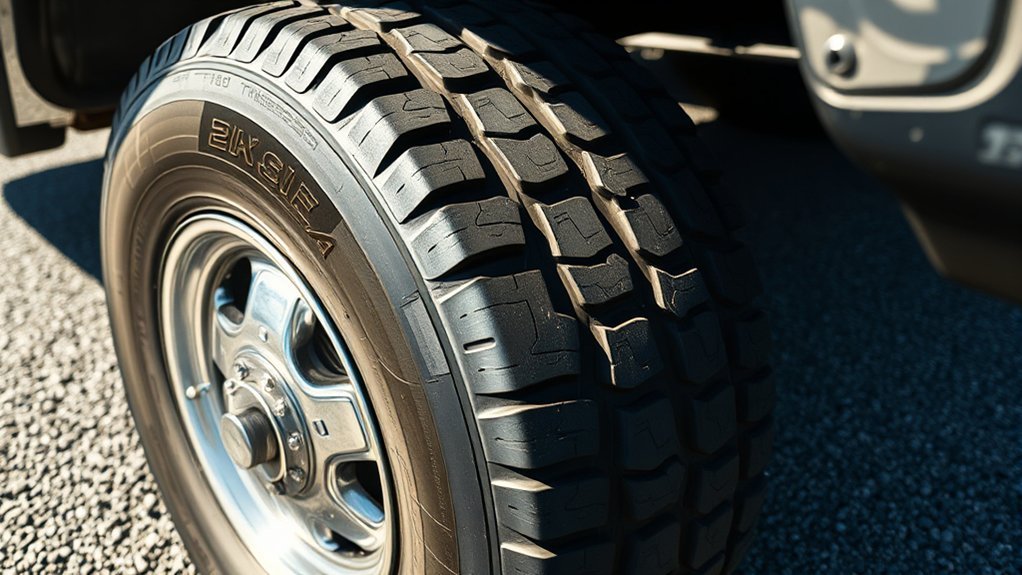
Tire aspect ratio on a truck tells you how tall the tire’s sidewall is compared with the tire’s width. It affects ride comfort, steering feel, overall tire diameter, wheel clearance, and speedometer accuracy. It can also influence how your truck behaves while towing, hauling, driving off-road, or cruising on the highway. The key is to choose an aspect ratio that fits your truck’s approved tire size, load rating, wheel size, and real driving needs.
Quick Answer
Truck tire aspect ratio is the sidewall height shown as a percentage of tire width. In LT265/70R17, the “70” means the sidewall height is 70% of 265 mm. Higher ratios usually add cushioning, while lower ratios sharpen steering but can make the ride firmer.
Key Takeaways
- The aspect ratio is the number after the slash in a tire size, such as the 70 in LT265/70R17.
- A taller sidewall can improve cushioning on rough roads, while a shorter sidewall can improve steering response on pavement.
- Aspect ratio alone does not determine safe load capacity; check the tire’s load index, load range, inflation pressure, and your truck’s tire placard.
- Changing aspect ratio changes tire diameter unless width or wheel size also changes, which can affect speedometer readings, ABS, traction control, and AWD systems.
What Is Tire Aspect Ratio and Why Is It Important for Trucks?
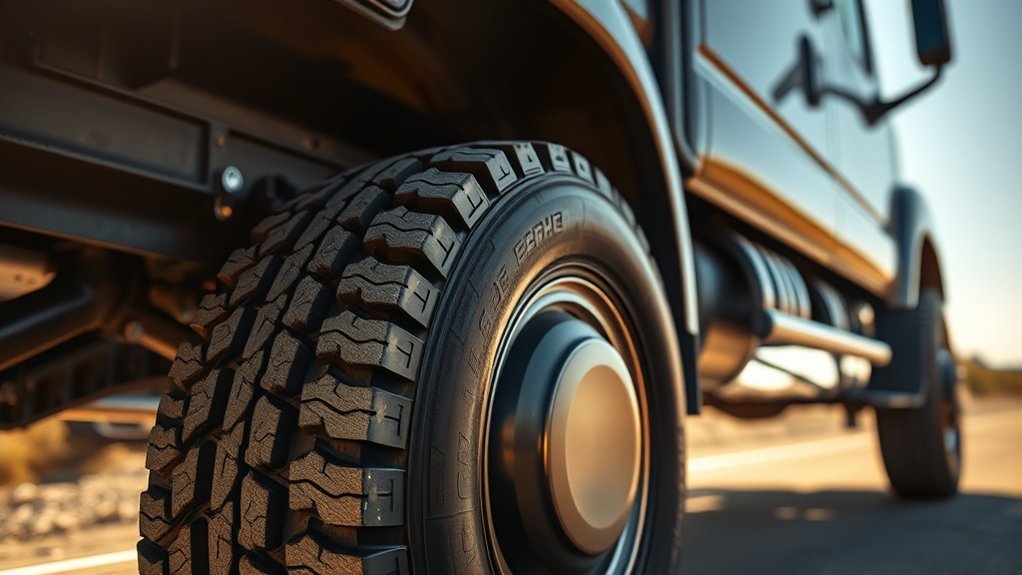
Tire aspect ratio is the tire’s sidewall height expressed as a percentage of its section width. According to Tire Industry Association sidewall guidance, a tire marked P225/60R16 has a sidewall height that is 60% of 225 mm, or about 135 mm.
On a truck, the same idea applies. In LT265/70R17, the tire is about 265 mm wide, the aspect ratio is 70, and the wheel diameter is 17 inches. The sidewall height is:
265 mm × 70 ÷ 100 = 185.5 mm
That sidewall height matters because trucks often carry heavier loads, tow trailers, travel on uneven surfaces, and use larger wheel-and-tire packages. A taller sidewall can give the tire more cushion over potholes, gravel, ruts, and washboard roads. A shorter sidewall can make steering feel quicker and reduce sidewall flex, but it may also transmit more impact into the cabin and wheels.
Note: Aspect ratio is only one part of the tire size. For trucks, you also need to match the correct tire type, load index, load range, speed rating, rim diameter, rim width, and inflation pressure.
[Products Worth Considering]

EVOULTES heavy duty tire inflator with an integrated gauge delivers accurate pressure readings from 10–120 PSI, helping you inflate, deflate, and check tires in one tool. The 16.5-inch extended dual-head air chuck with swivel base reaches hard-to-access dual wheel valves on trucks and RVs. A brass trigger core and side-mounted air release valve make operation smooth, with standard 1/4" NPT threading and quick-connect compatibility for easy setup.

This VEVOR tire bead breaker uses a slide-hammer impact and wedge tip to separate tire beads from rims quickly and efficiently without damaging hub surfaces. The long handle and sturdy steel construction help reduce user strain while providing reliable, portable tire changing for cars, trucks, and more. Ideal for home mechanics and repair shops handling multiple vehicle tire sizes.

This portable cordless tire inflator delivers up to 160 PSI with fast 17 L/min airflow to help you quickly top up tires and get back on the road. It features dual power mode, running on a 21V rechargeable battery or a 12V DC adapter for convenient roadside use. An automatic shut-off with digital pressure gauge helps prevent overinflation, and a built-in LED light improves visibility in low-light conditions.
How to Read Truck Tire Aspect Ratio on the Sidewall
You can find the aspect ratio directly on the tire sidewall. The number appears after the slash in the tire size.
| Tire Marking | What It Means |
|---|---|
| LT | Light Truck tire service type, often used for trucks that tow or haul. |
| 265 | Section width in millimeters. |
| 70 | Aspect ratio: sidewall height is 70% of the tire width. |
| R | Radial construction. |
| 17 | Wheel diameter in inches. |
The Tire Rack sidewall guide also explains that the aspect ratio is the sidewall height expressed as a percentage of section width. That means two tires can have the same aspect ratio but different actual sidewall heights if their widths are different.
The Impact of Tire Aspect Ratio on Ride Quality and Handling
Choosing the right tire aspect ratio directly influences your truck’s ride quality and handling. A higher aspect ratio, such as 70 or 75, usually means a taller tire sidewall. That extra sidewall can absorb more road impact, which helps on rough pavement, dirt roads, job sites, and rocky trails.
A lower aspect ratio, such as 50 or 55, creates a shorter sidewall. That can reduce sidewall flex and improve steering response on smooth roads. It can also make the truck feel more planted during lane changes or cornering. The tradeoff is that the ride can feel firmer, and the wheel is often more exposed to pothole damage because there is less rubber between the rim and the road.
For most trucks, the best aspect ratio is not the tallest or the shortest option. It is the size that keeps the correct overall diameter, load rating, wheel fitment, and ride feel for how the truck is actually used.
Step-By-Step Guide to Calculating Tire Aspect Ratio for Performance
Calculating the tire aspect ratio helps you understand sidewall height and compare tire sizes before you buy. You can do the math with a calculator, phone, or tire-size comparison tool.
At a Glance
| Time Required | 5–10 minutes |
| Difficulty | Easy |
| Tools Needed | Tire sidewall size, calculator, and your truck’s tire placard or owner’s manual |
| Cost | Free to calculate; tire cost varies by size and rating |
1. Calculate Sidewall Height
Use this formula:
Sidewall height = tire width × aspect ratio ÷ 100
Example for LT265/70R17:
265 × 70 ÷ 100 = 185.5 mm
2. Convert Sidewall Height to Inches
Because wheel diameter is listed in inches, divide the sidewall height by 25.4:
185.5 ÷ 25.4 = 7.30 inches
3. Calculate Overall Tire Diameter
The tire has a sidewall above and below the wheel, so multiply sidewall height by two and add wheel diameter:
Overall diameter = wheel diameter + (2 × sidewall height in inches)
For LT265/70R17:
17 + (2 × 7.30) = 31.6 inches
4. Compare the New Size to the Original Size
Use this formula to estimate the percentage change:
Diameter change % = (new diameter − original diameter) ÷ original diameter × 100
If you switch from a 31.6-inch tire to a 29.5-inch tire, the new tire is about 6.6% smaller. That is a major change and can affect speedometer readings, odometer readings, shift behavior, ABS, traction control, and ground clearance.
Pro Tip: When comparing tire sizes, compare overall diameter and load rating first. A tire with the “right look” can still be the wrong tire if it changes diameter too much or has a lower load rating than your truck requires.
How to Pick the Right Tire Aspect Ratio for Your Driving Needs?

How do you determine the best tire aspect ratio for your driving needs? Start with the tire size printed on your truck’s tire and loading information label, usually found on the driver’s door jamb. The National Highway Traffic Safety Administration recommends using the original tire size or another size recommended by the vehicle manufacturer.
After that, match the aspect ratio to your driving style:
| Aspect Ratio Range | Best Fit | Main Benefit | Main Tradeoff |
|---|---|---|---|
| 70–85 | Towing, hauling, rough roads, off-road use | More sidewall cushion and impact absorption | More sidewall flex than a shorter tire |
| 60–65 | Mixed highway, daily driving, light off-road use | Balanced comfort and steering feel | Less cushion than taller truck tires |
| 40–55 | Street performance, large wheels, appearance builds | Sharper steering response | Firmer ride and greater wheel-impact risk |
For Towing and Heavy Loads
Do not choose a tire by aspect ratio alone. Look for the correct tire type, load index, load range, and cold inflation pressure. Goodyear’s load index guidance explains that load index is the number that corresponds to how much weight a tire can support when properly inflated. If your truck tows or hauls, never install a tire with a lower load-carrying capacity than the original equipment requirement.
For Off-Road Driving
A taller sidewall is often useful off-road because it adds cushion and can help protect the wheel from rocks, roots, and ruts. Many off-road drivers also prefer more sidewall when using approved lower off-road pressures. Always reinflate to the recommended road pressure before highway driving.
For Highway Comfort
A moderate to taller aspect ratio usually rides smoother. If you spend most of your time commuting or traveling long distances, avoid going too short unless you accept a firmer ride.
For Street Handling and Appearance
Lower-profile tires can make a truck feel more responsive, especially with larger wheels. The downside is less sidewall cushion, more road harshness, and a higher chance of wheel damage on potholes.
Warning: Before changing tire aspect ratio, confirm the new size is approved for your truck, has the correct load rating, fits the wheel width, clears the suspension and fenders, and does not create a major tire-diameter change. When in doubt, use the owner’s manual, tire placard, or a qualified tire professional.
How Altering Your Tire Aspect Ratio Affects Performance?
Altering your tire aspect ratio can greatly influence your truck’s performance, especially regarding ride comfort, handling, gearing, and safety systems. Here’s how it affects you:
- Ride comfort: A higher aspect ratio usually gives the tire more sidewall to absorb bumps. A lower ratio usually feels firmer.
- Steering response: A shorter sidewall can reduce flex and make steering feel quicker on smooth pavement.
- Overall diameter: If tire width and wheel size stay the same, changing the aspect ratio changes tire height and rolling circumference.
- Speedometer accuracy: A larger tire travels farther per rotation, so your actual speed may be higher than the speedometer shows. A smaller tire does the opposite.
- ABS, traction control, and AWD systems: These systems use wheel-speed information. A large tire-size difference can create warnings, drivability issues, or drivetrain stress.
- Clearance: Taller tires may rub the fender liner, bumper, mud flaps, control arms, or suspension at full steering lock or under compression.
- Towing and payload: The wrong load index or load range can reduce safety margin, even if the aspect ratio looks suitable.
For example, if your original tire diameter is 31.6 inches and your new tire diameter is 33.0 inches, the tire is about 4.4% larger. At an indicated 60 mph, your actual speed would be roughly 62.6 mph:
Actual speed = indicated speed × new diameter ÷ original diameter
60 × 33.0 ÷ 31.6 = 62.6 mph
Some vehicles can be recalibrated for a different tire size. Others may need dealer programming or a compatible calibration tool. If the tire diameter changes significantly, calibration is not just about speedometer accuracy; it may also help the truck’s transmission, stability systems, and driver-assist features behave more predictably.
[Products Worth Considering]

The JACO FlowPro Tire Inflator measures, inflates, and airs down tires up to 100 PSI with battery-free operation and ±2% accuracy after calibration. It features a glowing pressure dial for night visibility, a heavy-duty steel build with a hybrid hose, and a precision push-to-inflate thumb trigger. The patented Lightning Air Chuck locks on for a secure seal, and the kit includes quick-connect hardware for easy inline use with your air compressor.
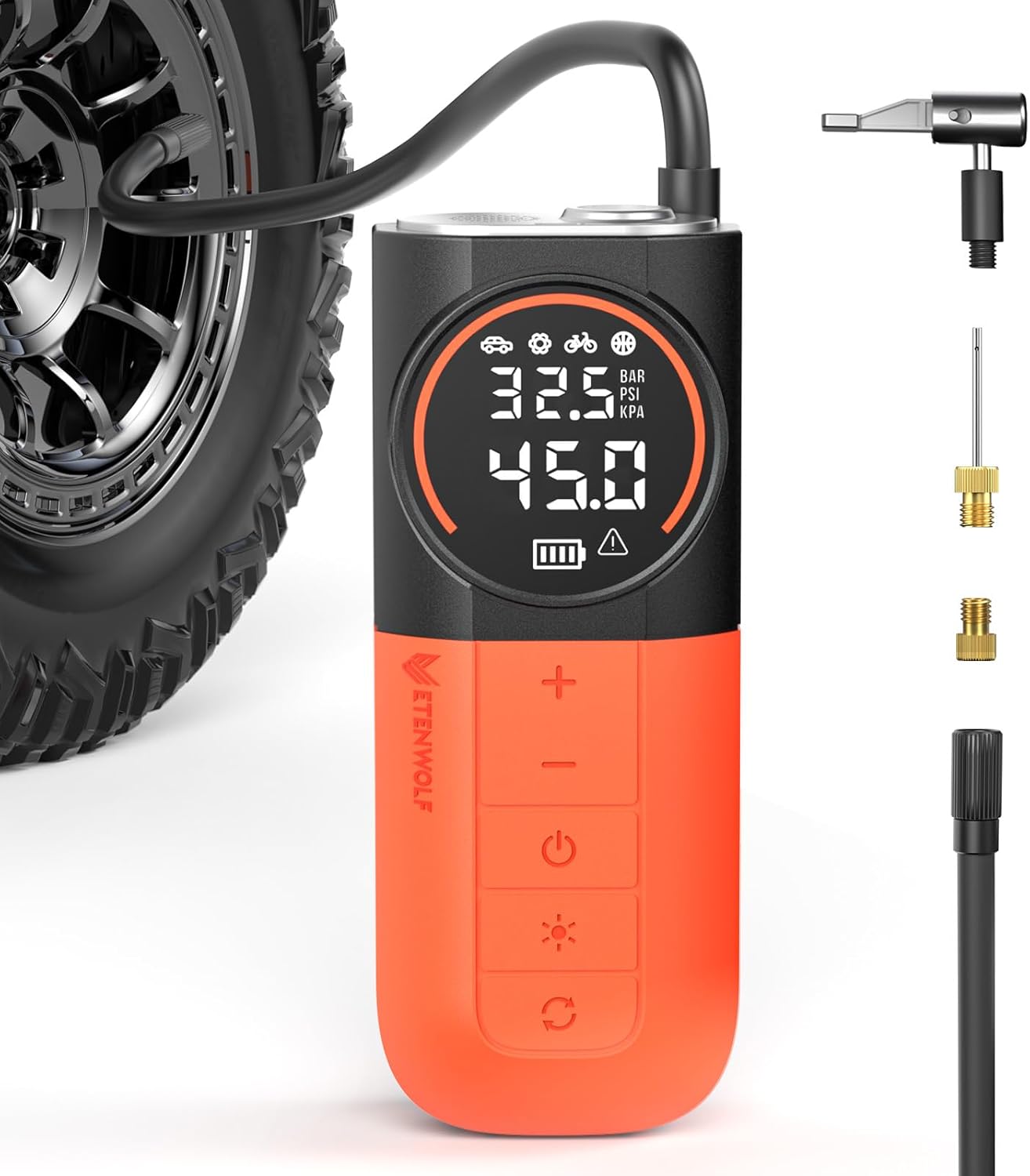
The ETENWOLF S1 cordless tire inflator delivers ultra-fast inflation with up to 160 PSI and a 20 L/min airflow for quicker tire top-offs. Its 5200mAh battery and cooling system support inflating many tires and sports balls on a single charge, while the digital pressure gauge and multi-unit display help you reach the right pressure accurately. With preset modes, pressure memory, an auto-stop feature, and an LED flashlight, it’s built for easy roadside and everyday use.
Aspect Ratio vs. Load Index and Load Range
Aspect ratio tells you sidewall height. It does not tell you how much weight the tire can safely carry. For trucks, load capacity comes from the tire’s load index, load range, construction, and inflation pressure.
Here is the simple difference:
- Aspect ratio: Sidewall height compared with tire width.
- Load index: A number that corresponds to maximum load capacity at proper inflation.
- Load range: A letter rating often used on LT tires to describe strength and pressure capability.
- Cold inflation pressure: The pressure recommended by the vehicle manufacturer for the truck’s load and tire size.
If you tow, haul tools, carry a camper, or run a work truck, treat load rating as non-negotiable. A tire with a comfortable aspect ratio but too-low load capacity is not the right tire.
Safety Checklist Before Changing Truck Tire Aspect Ratio
Before buying a different tire size, check each item below:
- Door-jamb tire placard: Confirm the original tire size, load rating, and recommended cold tire pressure.
- Owner’s manual: Look for approved alternate sizes or towing-specific tire guidance.
- Load rating: Match or exceed the original tire’s required load capacity.
- Wheel width: Make sure the tire fits the rim width recommended by the tire manufacturer.
- Overall diameter: Compare the new tire diameter with the original.
- Clearance: Check fender, suspension, brake, and steering clearance at full lock and under compression.
- Speedometer and calibration: Plan recalibration if the diameter change is large.
- AWD or 4WD concerns: Keep tire circumference consistent across the vehicle unless the manufacturer specifies staggered sizing.
A Kia technical bulletin filed with NHTSA warns that tire circumference differences can cause AWD drivetrain concerns. While that bulletin is Kia-specific, the principle is useful for truck owners: do not mix tire sizes or rolling diameters casually, especially on 4WD/AWD vehicles.
Troubleshooting After Changing Tire Aspect Ratio
If your truck feels wrong after changing tire size, use the symptoms below to narrow down the cause.
| Symptom | Possible Cause | What to Check |
|---|---|---|
| Speedometer reads wrong | Overall tire diameter changed | Compare original and new diameter; recalibrate if needed. |
| ABS or traction light appears | Wheel-speed mismatch or sensor issue | Confirm all tires match and scan for diagnostic codes. |
| Rubbing while turning | Tire is too tall, too wide, or offset is wrong | Check clearance at full steering lock and over bumps. |
| Harsh ride | Shorter sidewall or excessive inflation pressure | Verify pressure when cold and compare aspect ratio to original. |
| Poor towing feel | Wrong load rating, pressure, or sidewall behavior | Check load index/load range, tire pressure, trailer tongue weight, and alignment. |
Frequently Asked Questions
How does tire aspect ratio affect ride and handling?
A higher aspect ratio gives the tire a taller sidewall, which usually improves cushioning over bumps and rough roads. A lower aspect ratio creates a shorter sidewall, which can improve steering response and cornering feel but often makes the ride firmer.
Is a higher aspect ratio better for trucks?
A higher aspect ratio can be better for trucks used on rough roads, job sites, towing routes, or off-road trails because the taller sidewall adds cushion. It is not automatically better for every truck, though. Street-focused trucks may feel more responsive with a lower profile tire if the size is approved and properly rated.
Does tire aspect ratio affect load capacity?
Not by itself. Aspect ratio affects sidewall height and tire diameter, but safe load capacity depends on the tire’s load index, load range, construction, inflation pressure, and the vehicle manufacturer’s requirements.
Will changing aspect ratio affect my speedometer?
Yes, it can. If the new aspect ratio changes the tire’s overall diameter, the tire’s rolling circumference changes too. A larger tire can make actual speed higher than indicated, while a smaller tire can make actual speed lower than indicated.
Can I change tire aspect ratio without changing tire diameter?
Sometimes. You may be able to balance a lower aspect ratio with a wider tire or different wheel diameter, but the full tire size must still fit the truck and meet load, clearance, and safety requirements. Always compare overall diameter before buying.
Where do I find the recommended tire aspect ratio for my truck?
Look at the tire and loading information label on the driver’s door jamb and check your owner’s manual. These show the manufacturer-approved tire size, recommended cold tire pressure, and load requirements for your truck.
Conclusion
Understanding tire aspect ratio is essential for optimizing your truck’s ride and handling, but it should never be judged alone. The right tire must also match your truck’s approved size, wheel diameter, load index, load range, inflation pressure, and clearance needs. A taller sidewall can improve comfort and rough-road durability, while a shorter sidewall can sharpen steering on pavement. Choose wisely, verify the full tire size, and your truck will be safer, smoother, and better suited to the way you actually drive.
Sources
- NHTSA TireWise — supports tire safety, tire placard, owner’s manual, and manufacturer-recommended tire size guidance.
- NHTSA tire safety brochure — supports tire sidewall markings, aspect ratio basics, load index, speed rating, and tire fundamentals.
- Tire Industry Association: Reading a Tire Sidewall — supports sidewall decoding and aspect-ratio calculation.
- Tire Rack: How to Read Tire Size on Your Sidewall — supports tire-size notation and aspect-ratio placement.
- Goodyear Tire Load Index Guide — supports load index and load-carrying-capacity guidance.
- Kia/NHTSA AWD tire circumference technical bulletin — supports caution about tire circumference differences and drivetrain concerns.

Related Articles
Toyota Tundra Tire and Wheel Package: What to Consider Before Buying
Unlock the secrets to choosing the perfect tire and wheel package for your Toyota Tundra—essential tips await to enhance your ride.
Read More
Do Bigger Tires Void a Toyota Tundra Warranty? Magnuson-Moss Act Explained
Bigger tires might not void your Toyota Tundra warranty, but understanding the Magnuson-Moss Act is crucial—discover how to protect your investment effectively.
Read More
Toyota Tundra Tire Rack Setup: Garage Storage Ideas for Seasonal Sets
Better tire storage for your Toyota Tundra awaits—discover essential tips to maximize space and protect your seasonal sets in the garage!
Read More