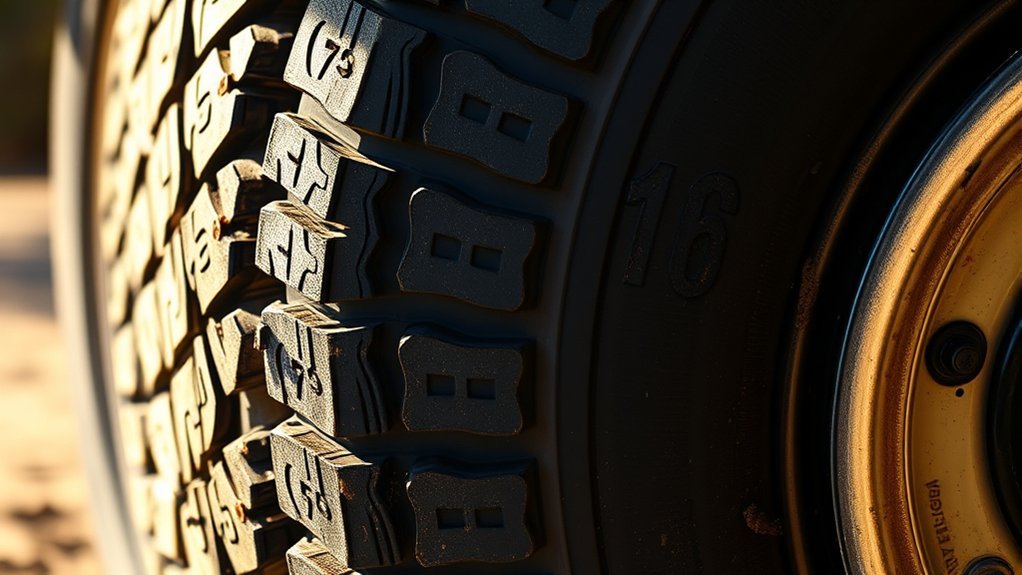
Tire ply rating matters on a Toyota Hilux because it affects how much load a tire can carry, how stiff the sidewall feels, and how well the tire handles towing, gravel roads, job-site driving, or off-road trails. The safest choice is not always the highest ply rating. Start with the tire placard and owner’s manual, then match the tire size, load index, load range, speed rating, and inflation pressure to how you actually use your Hilux.
Quick Answer
For most Toyota Hilux owners, the right tire ply rating is the one that matches or exceeds the vehicle placard’s load index and fits the original tire size. Load Range C may suit lighter daily use, while Load Range D or E can help with frequent towing, heavy payloads, and rough off-road work.
Key Takeaways
- Modern ply rating is usually a strength equivalent, not the exact number of physical layers inside the tire.
- Load index is the most specific number for how much weight one tire can carry at its rated pressure.
- Load Range C, D, and E are common light-truck options, but the best choice depends on your Hilux model, tire size, payload, towing needs, and road conditions.
- A higher load range can improve load support and sidewall strength, but it may also make the ride firmer and add tire weight.
- Changing tires does not increase your Hilux’s legal GVM, GCM, axle rating, or towing capacity.
At a Glance
| Time Required | 10–20 minutes to check the placard, read your tire sidewall, and compare ratings |
| Difficulty | Easy for basic checks; get a tire professional involved for heavy towing, changed tire sizes, or aftermarket wheels |
| Tools Needed | Owner’s manual, tire placard, tire sidewall, tire pressure gauge, and the tire manufacturer’s load chart |
| Cost | Free to inspect; tire cost varies by size, brand, tread type, and load range |
What Is Tire Ply Rating and Why Does It Matter for Your Toyota Hilux?
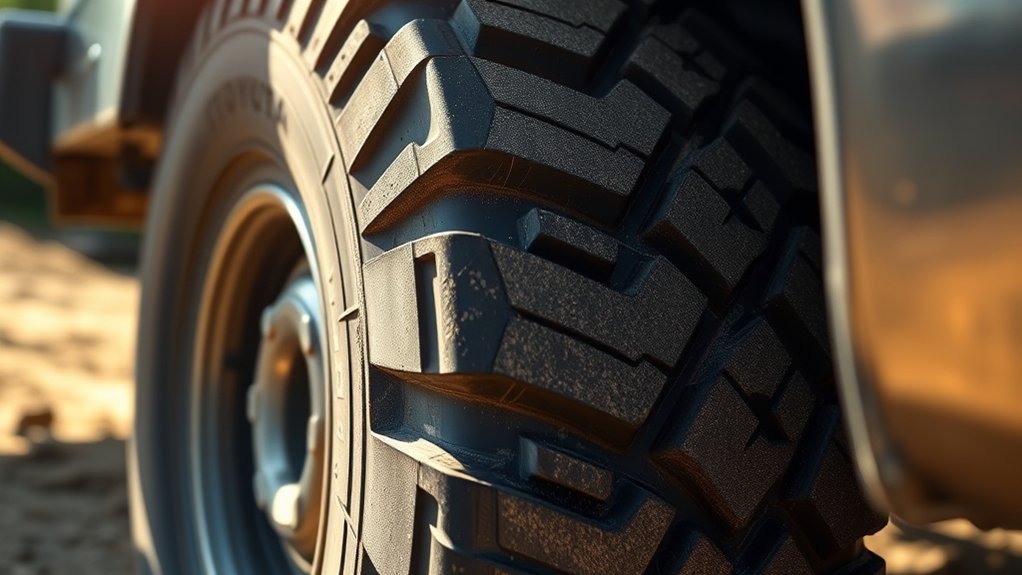
Tire ply rating is a way to describe tire strength and load-carrying ability. On older tires, it referred more directly to the number of cotton fabric layers, or “plies,” inside the tire. On modern tires, it usually works as a strength equivalent instead of a literal layer count.
That means a “10-ply rated” tire is not always built with ten physical plies. It may use fewer, stronger layers made from materials such as polyester, nylon, steel, or other reinforced compounds. The rating tells you what kind of load and pressure class the tire is designed for.
For a Toyota Hilux, this matters because the truck may be used in very different ways. One owner may drive mostly on highways with an empty tray. Another may tow, carry tools, travel on corrugated roads, or air down on trails. Those uses place very different stress on the tires.
Warning: A higher ply rating or load range does not raise your Hilux’s legal payload, gross vehicle mass, gross combined mass, axle rating, or towing capacity. Always stay within Toyota’s limits for your exact model and market.
Load Range vs. Load Index: The Key Difference
Many drivers use “ply rating” and “load range” as if they mean the same thing. They are related, but they are not the most precise way to judge tire capacity.
| Term | What It Means | Why It Matters on a Hilux |
|---|---|---|
| Ply Rating | A traditional strength equivalent, such as 6-ply, 8-ply, or 10-ply. | Useful shorthand, but not enough by itself for tire selection. |
| Load Range | A letter category, such as C, D, or E, that relates to strength and maximum pressure class. | Helps compare light-truck tires for hauling, towing, and off-road use. |
| Load Index | A number, such as 112 or 120, showing the tire’s rated load capacity. | This is the number you should match or exceed when replacing tires. |
The U.S. Tire Manufacturers Association advises drivers not to guess when replacing tires. Use the vehicle tire label, owner’s manual, or a qualified tire professional to confirm the correct specifications.
[Products Worth Considering]

The 22800 wheel stud installer makes replacing wheel studs quick and secure, saving time and effort during tire service. It uses a ratchet or impact wrench to pull new studs firmly into place, helping when existing studs are too long. Compatible with most automotive wheels and light-duty truck wheel studs, it’s designed for easy, tool-assisted installation.

Keep your tires properly inflated with this analog VONDIOR tire pressure gauge, designed for fast, easy readings without batteries. The swiveling, two-axis hose and large glow dial help you measure at any tire angle with instant visibility. Built with a protective rubber shield, it supports durable, low-maintenance use for cars and trucks.
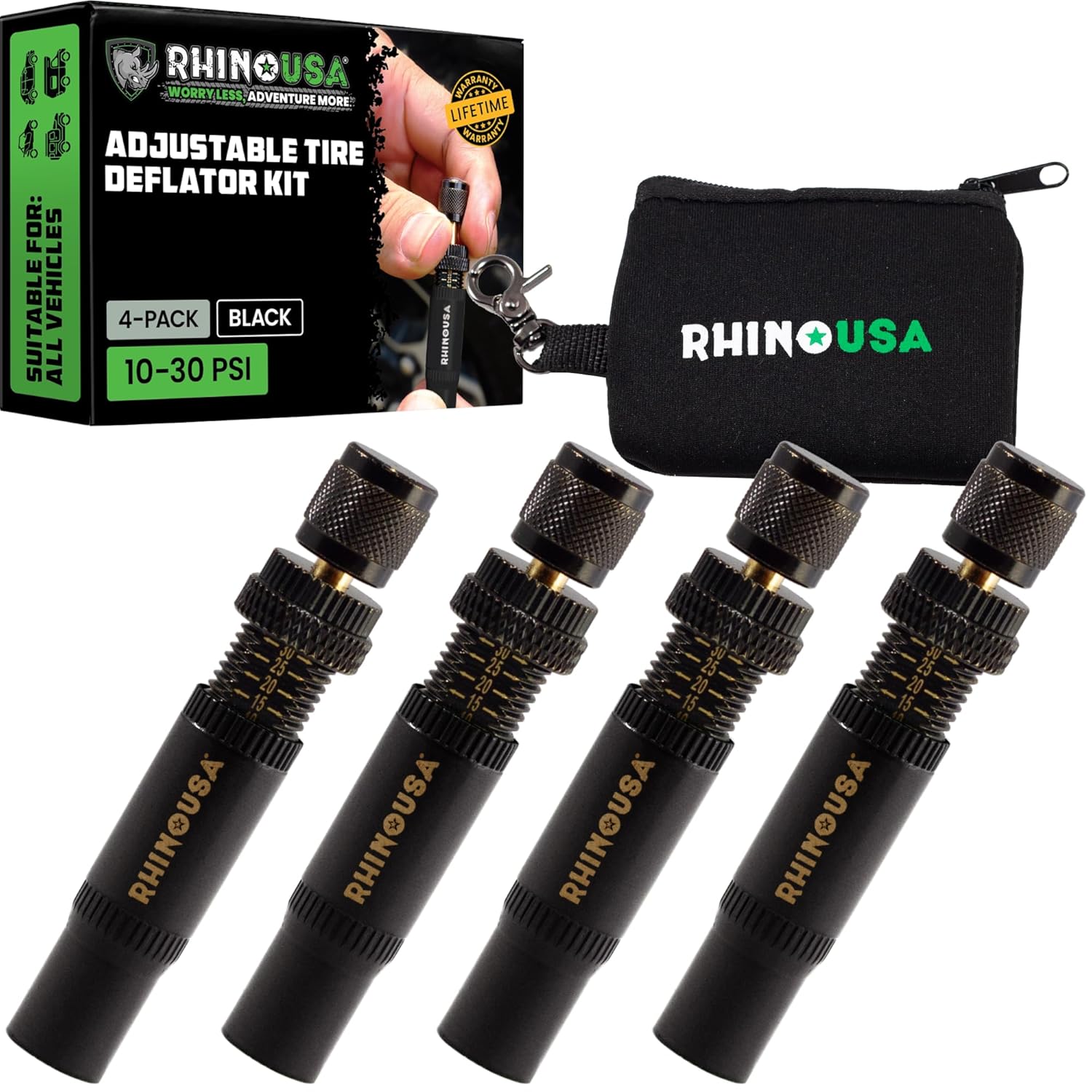
Use the Rhino USA adjustable tire deflators to air down all four tires at once by screwing one deflator onto each valve stem, letting you step away while the tires reach your preset pressure. Each deflator independently adjusts across a 10–30 PSI range with laser-etched indicators for quick setup and verification, making it ideal for beach, sand, and rocky off-road trails.
How Different Materials Affect Ply Ratings in Tires
Modern tire construction is much stronger than the old cotton-ply designs that created the original ply-rating language. Today, a tire can earn a higher strength rating without adding a matching number of physical layers.
Modern Tire Materials
Most modern light-truck tires use a mix of strong materials. Polyester and nylon can support the casing. Steel belts help stabilize the tread. Some tires also use extra sidewall reinforcement for puncture resistance and load control.
This is why ply rating should be read as a strength class, not a layer count. A 10-ply rated tire can still have only a few body plies, because those plies are far stronger than the materials used in older tire designs.
Impact on Strength Ratings
Different materials change how a tire carries weight, resists heat, handles impacts, and flexes over rough ground. For a Hilux, that can affect comfort, steering feel, off-road durability, and towing stability.
| Material Type | Typical Role in the Tire | Driver Benefit |
|---|---|---|
| Polyester | Common casing material | Balanced comfort and strength |
| Nylon | Reinforcement layer in some tires | Helps resist heat and deformation |
| Steel | Belt package under the tread | Improves tread stability and load support |
| Reinforced sidewall compounds | Extra sidewall protection on some all-terrain or mud-terrain tires | Better resistance to cuts, bruising, and trail damage |
What Load Range Means for Your Hilux
Load range is a letter-based rating that helps group tires by strength and pressure class. For light-truck tires, common options include Load Range C, D, and E. These are often described as 6-ply, 8-ply, and 10-ply rated tires.
| Load Range | Common Ply-Rating Equivalent | Typical Use Case | Hilux Consideration |
|---|---|---|---|
| C | 6-ply rated | Daily driving, lighter loads, some all-terrain use | Can ride more comfortably than heavier LT options when properly matched to the placard. |
| D | 8-ply rated | Moderate payloads, towing, rough roads | A useful middle ground for owners who need extra strength without always jumping to E. |
| E | 10-ply rated | Heavy payloads, frequent towing, harsh work use | Strong, but often firmer and heavier. Confirm wheel pressure rating and correct inflation. |
The load range letter is useful, but do not stop there. The same load range can have different actual capacities depending on tire size. Always compare the load index and tire manufacturer’s data for the exact tire you plan to buy.
Note: Toyota sells Hilux models in different markets with different tire sizes, payload ratings, towing ratings, and equipment. Check the placard on your vehicle, not a general internet chart, before buying tires.
[Products Worth Considering]

This ALL-TOP auto-stop tire deflator valve kit lets you air down off-road tires quickly without watching pressure, automatically stopping when your preset PSI is reached. Each valve is individually calibrated for reliable performance with an acceptable +/- 2 PSI tolerance. The adjustable deflator range covers 10 to 30 PSI and includes four valves plus valve caps and a zipper pouch for easy setup on trucks, SUVs, RVs, UTVs, and powersports.

This tire inflator with pressure gauge delivers long-lasting performance with a durable rubber-protected gauge and sturdy build. The longer hose and 360 swivel air chuck help you seal the valve securely and keep your hands free while measuring, inflating, or deflating. It’s battery-free for reliable use and provides ±2 PSI accuracy in the mid-range for most typical tires, with universal compatibility for 1/4 NPT compressor outputs.

ETENWOLF T300 is a calibrated digital tire pressure gauge for accurate readings from 3 to 200 PSI across light and heavy-duty vehicles. It includes thermal compensation for reliable performance in extreme cold or heat, with an auto shut-off to extend battery life and an LED for easier reading. The sturdy design supports rugged everyday use, making it ideal for pickups, RVs, and industrial applications.
How to Read Tire Markings to Find Ply Ratings
The sidewall tells you the tire size, construction type, wheel diameter, load index, speed rating, and sometimes the load range. The Tire Industry Association notes that tire sidewall markings contain important information about dimensions, construction, operating characteristics, and the manufacturer.
Key Tire Markings
A Hilux tire marking may look similar to one of these examples:
- 265/65R17 112S — a metric tire size with load index 112 and speed rating S.
- 265/65R17C 112/110S — a commercial-rated tire with single/dual-style load information depending on the market and tire design.
- LT265/70R17 Load Range E — a light-truck tire with Load Range E construction.
| Marking | Meaning |
|---|---|
| LT | Light Truck tire. Often used for heavier loads, towing, and tougher terrain. |
| 265 | Section width in millimeters. |
| 65 | Aspect ratio. The sidewall height is 65% of the tire width. |
| R | Radial construction. |
| 17 | Wheel diameter in inches. |
| 112 | Load index. This is the tire’s specific load rating code. |
| S | Speed rating. Replacement tires should meet the correct speed rating for your vehicle and use. |
Understanding Load Ranges
Load range is often printed as “Load Range C,” “Load Range D,” or “Load Range E.” You may also see “LR C,” “LR D,” or “LR E.” If you cannot find it, look for the maximum load and maximum pressure markings, then check the tire manufacturer’s specifications.
The Discount Tire load range chart lists common relationships such as Load Range C as 6-ply rated, Load Range D as 8-ply rated, and Load Range E as 10-ply rated. Treat those as equivalents, not a promise about the exact number of internal plies.
Where to Find the Correct Hilux Tire Rating
Before choosing a new ply rating, check the sources that apply to your actual truck:
- Tire placard: Usually found on the driver’s door opening, door pillar, glove box area, or fuel door depending on market and model year.
- Owner’s manual: Confirms original tire sizes, pressure guidance, loading limits, and safety warnings.
- Current tire sidewall: Shows the size, load index, speed rating, load range, maximum load, and maximum pressure.
- Wheel rating: Aftermarket wheels must be rated for the tire pressure and load you plan to use.
- Tire manufacturer’s chart: Confirms the exact tire’s load capacity at the correct pressure.
Toyota UK notes that recommended inflation pressures can be found on vehicle labels or in the owner’s manual. Toyota Australia also reminds owners that towing capacity depends on regulatory requirements, towbar limits, vehicle design, and equipment limitations on the Toyota HiLux model page.
How to Pick the Perfect Ply Rating for Your Driving Needs
Use your real driving habits to narrow the choice. A Hilux that spends most of its life unloaded on pavement does not need the same tire as a Hilux that tows, carries tools, or spends weekends on rocky trails.
[Products Worth Considering]

These aluminum alloy tire valve stem caps with an O-ring seal help protect valve stems from corrosion while adding a clean, stylish look to your vehicle. The universal fit works across cars, trucks, motorcycles, bicycles, and more, making them an easy upgrade for everyday driving and off-road use. Installation is quick, and the included four-pack keeps all your tires dressed and protected.
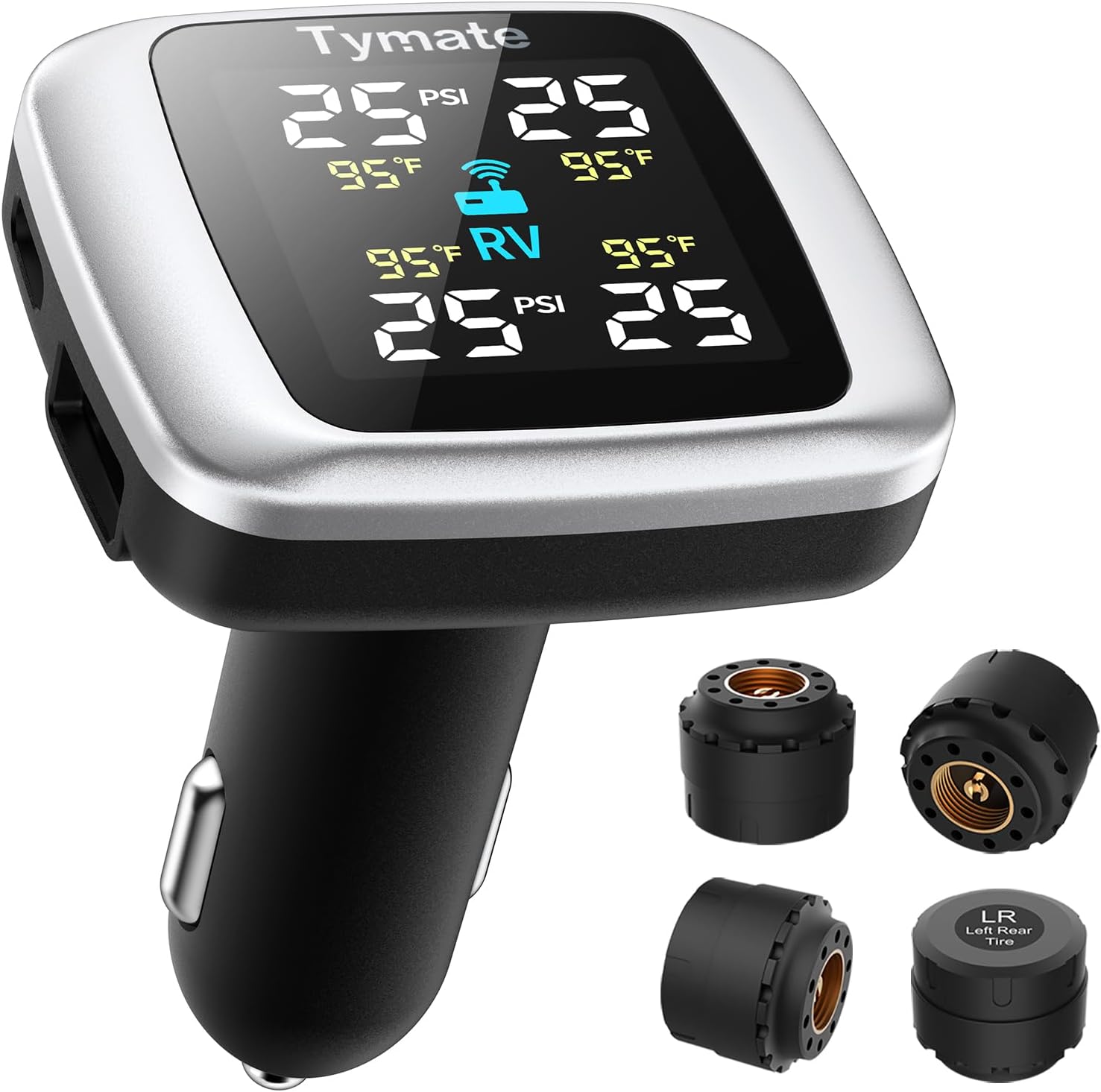
Tymate TM7 is a wireless tire pressure monitoring system that delivers real-time pressure and temperature readings for safer driving. It includes four external sensors, a bright color LCD display with adjustable backlight, and six alarm modes for high/low pressure, fast leakage, high temperature, and sensor signal or battery issues. The system covers a wide 0–144 PSI range and plugs into your vehicle’s cigarette lighter socket for quick DIY setup.

Steelman white tire marking crayons provide high-contrast, semi-permanent marks for repairing and inspecting tires and equipment. They write on wet or dry, smooth or coarse surfaces including rubber, metal, glass, and wood, making them ideal for puncture location and damage outlining. The lead- and zinc-free crayons resist weather and fading yet wipe away when you no longer need the marks.
Step 1: Match the Placard First
Start with the original tire size, load index, and speed rating shown on the tire placard or in the manual. Your replacement tire should normally meet or exceed those ratings unless a qualified tire professional confirms a safe alternative.
Step 2: Consider Your Load and Terrain
- Daily driving and light loads: A correctly rated standard, commercial, or Load Range C tire may be enough, depending on your model.
- Regular payload or towing: Load Range D or E may offer better load support and heat resistance when properly inflated.
- Rough gravel and off-road use: Look beyond ply rating. Compare sidewall design, tread pattern, puncture protection, and manufacturer off-road ratings.
- Heavy work use: Prioritize the correct load index, correct tire pressure, tire temperature control, and axle-load compliance.
Step 3: Confirm Pressure Compatibility
Higher load range tires may be designed for higher maximum pressure, but that does not mean you should inflate them to the maximum number on the sidewall for everyday driving. Use Toyota’s recommended cold pressure for your load condition, then follow tire manufacturer guidance when carrying heavier loads.
Pro Tip: If you tow or carry heavy loads, weigh the loaded Hilux at a public scale. Real axle weights make tire and pressure decisions much safer than guessing.
The Impact of Tire Ply Ratings on Performance and Safety for Your Hilux
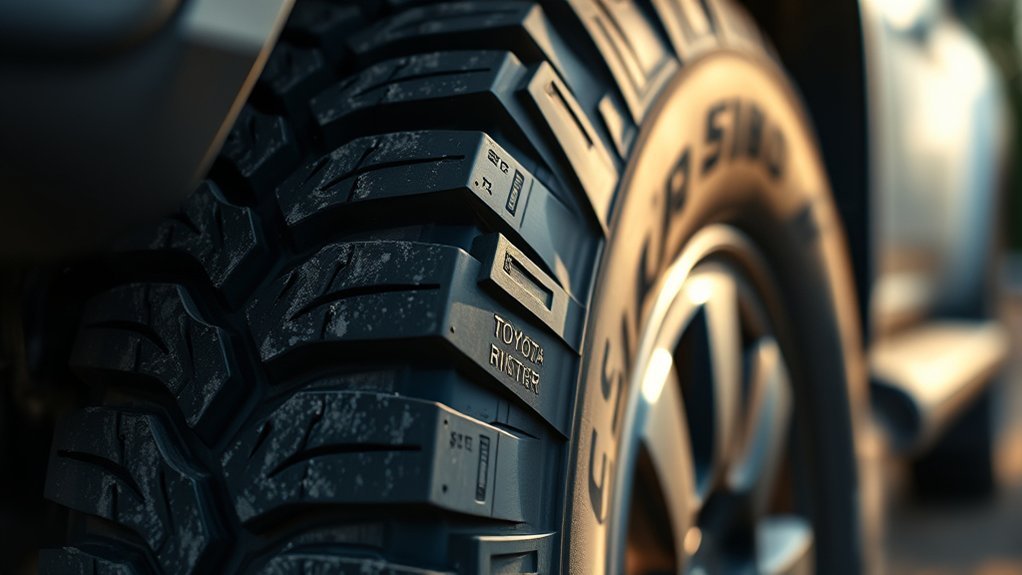
The right ply rating can improve the way your Hilux handles load, heat, impacts, and rough roads. The wrong choice can hurt comfort, handling, braking feel, fuel use, and tire life.
The best Hilux tire is not the strongest tire on the shelf. It is the tire that matches your load index, wheel rating, pressure needs, terrain, and legal vehicle limits.
Benefits of a Higher Load Range
- Better support for heavier payloads when used at the correct pressure.
- Stronger casing for towing, work use, and rough road impacts.
- Often better resistance to sidewall flex under load.
- May reduce heat buildup during heavy-duty use when properly inflated.
Trade-Offs of a Higher Load Range
- Firmer ride, especially when the truck is unloaded.
- More tire weight, which can affect steering feel and fuel economy.
- Potentially higher cost.
- May require pressure ranges that your wheels and use case must support.
Common Mistakes When Choosing Hilux Tire Ply Rating
- Buying Load Range E “just in case”: Extra strength is useful only when it matches your load, pressure, and driving needs.
- Ignoring load index: Two tires with the same load range can have different load capacities if the sizes differ.
- Mixing tire ratings: Avoid mixing different load ranges, sizes, or construction types unless a tire professional approves it.
- Using maximum sidewall pressure as daily pressure: The sidewall maximum is not the same as Toyota’s recommended cold inflation pressure.
- Forgetting the speed rating: Load capacity is only one part of tire suitability.
- Airing down off-road and forgetting to reinflate: Low pressure can help traction off-road, but driving fast or loaded while underinflated can overheat and damage tires.
Frequently Asked Questions
What’s better for a Toyota Hilux, 6-ply or 8-ply tires?
An 8-ply rated tire, often Load Range D, can support tougher work than a 6-ply rated tire when the size and load index are suitable. But “better” depends on use. For light daily driving, a correctly rated 6-ply tire may ride better. For towing, tools, or rough roads, 8-ply may be the better fit.
Are 10-ply tires actually made with ten plies?
Usually, no. A 10-ply rating is normally a strength equivalent, not a literal count of ten internal layers. Modern tires use stronger materials, so fewer physical plies can meet a higher strength rating.
Is a 14-ply tire better than a 12-ply tire?
A 14-ply rated tire usually has a higher load range than a 12-ply rated tire, but it is not automatically better for a Hilux. It may be too stiff, too heavy, or unnecessary for the vehicle’s legal load limits. Match the tire to the Hilux placard, axle loads, wheel rating, and real use.
Do Load Range E tires make a Hilux tow more?
No. Load Range E tires may help support a heavy towing setup if they are the correct size and load index, but they do not increase Toyota’s rated towing capacity, GVM, GCM, or axle limits.
Where do I find the correct tire pressure for my Hilux?
Check the tire placard and owner’s manual for your exact Hilux. The number molded on the tire sidewall is a maximum pressure, not the normal everyday pressure recommendation.
Conclusion
Choosing the right tire ply rating for your Toyota Hilux is really about matching the tire to the truck and the job. Use the tire placard and owner’s manual first, then compare tire size, load index, load range, speed rating, and pressure requirements. Load Range D or E can be valuable for towing, payload, and rough terrain, but higher is not always better. The safest setup is the one that supports your real load while staying within Toyota’s limits.
Sources
- U.S. Tire Manufacturers Association — Replacing Tires — supports checking vehicle tire labels, owner’s manuals, and professional guidance before replacement.
- Tire Industry Association — Reading a Tire Sidewall — supports sidewall marking explanations.
- Discount Tire — Load Range vs. Load Index — supports common load range and ply-rating equivalents.
- NHTSA TireWise — supports tire safety and rating awareness.
- Toyota Australia — HiLux — supports Hilux towing and model-specific limitations.
- Toyota UK — Tyre Pressure and Size Guide — supports checking Toyota tire pressure information on the vehicle label or owner’s manual.