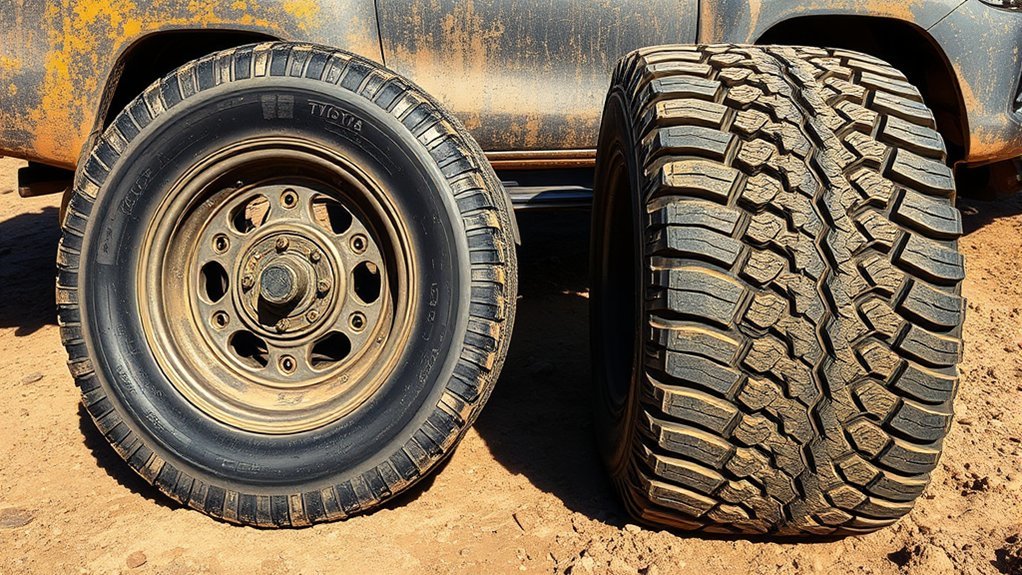
Choosing between Load Range C and Load Range E tires for a Toyota Hilux comes down to weight, not just toughness. A daily-driven Hilux that mostly runs empty does not need the same tire as one that tows, hauls tools, carries a canopy, or spends weekends loaded on rough tracks.
The safest choice starts with your Hilux tire placard, load index, wheel rating, and real axle weight. Once those basics are correct, you can choose the load range that gives the right balance of comfort, load reserve, and off-road support.
Quick Answer
Choose Load Range C if your Hilux stays near stock weight, mostly drives on pavement, and you want a more compliant ride. Choose Load Range E if you regularly tow, carry heavy payload, run loaded off-road, or need more load reserve. Always match or exceed the original tire load rating.
Key Takeaways
- Load Range C is usually the better comfort choice for lighter daily use, highway driving, and mostly empty Hilux setups.
- Load Range E usually makes more sense for towing, heavy payload, work trucks, camper builds, and loaded off-road touring.
- Load range is not the same as actual ply count. Check the sidewall for load range, load index, maximum load, maximum pressure, and actual ply details.
- Do not choose a tire by load range alone. Tire size, load index, wheel rating, axle weight, and your Hilux placard all matter.
- Use the Hilux door placard or owner’s manual for cold tire pressure, then adjust only with proper load-inflation guidance.
Understanding Load Ratings: C vs E Tires Explained
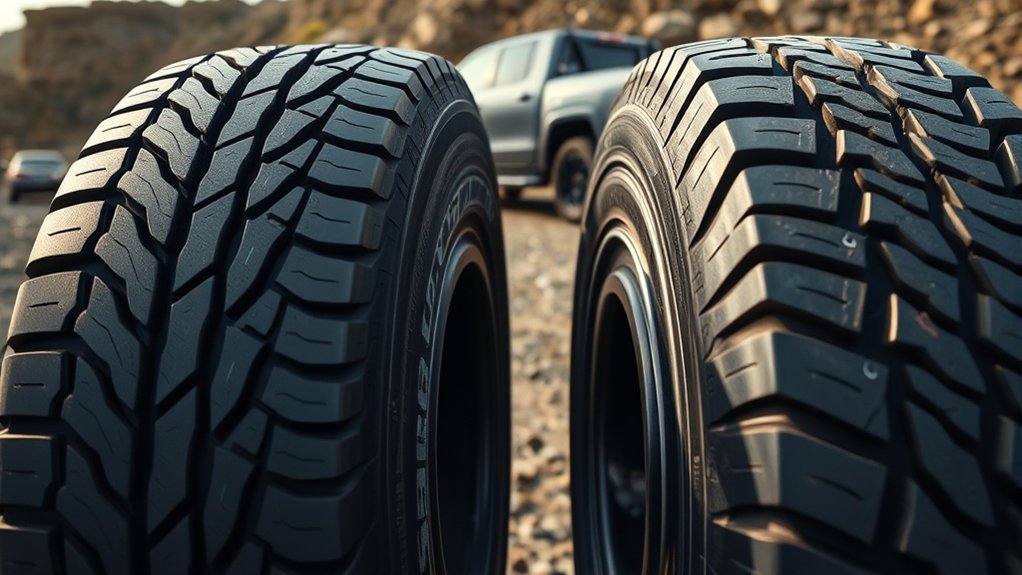
Load range tells you how much load a light truck tire is designed to support at a specified inflation pressure. On LT tires, Load Range C is commonly called a 6-ply rating, while Load Range E is commonly called a 10-ply rating. That does not always mean the tire has six or ten actual body plies.
Modern tires use stronger materials than old bias-ply tires, so “ply rating” is now more of a load-capacity category than a literal construction count. U.S. tire marking rules require LT tires to show the load range, maximum load rating, maximum inflation pressure, and actual ply information on the sidewall.
That is why you should compare the complete sidewall information, not just the C or E letter. Look for the tire size, LT marking, load index, speed rating, maximum load, maximum cold inflation pressure, and notes about sidewall and tread plies.
Warning: Never install a tire with a lower load rating than your Hilux requires. Use the tire placard, owner’s manual, wheel rating, and a qualified tire professional when changing tire size, load range, or intended use.
Load Range C vs E at a Glance
| Category | Load Range C | Load Range E |
| Best for | Daily driving, lighter loads, comfort-focused setups | Heavy payload, towing, work use, loaded touring, rougher tracks |
| Ride feel | Usually softer and more forgiving | Usually firmer, especially when the truck is empty |
| Load support | Enough for many lighter Hilux setups when the load index matches the vehicle requirement | Higher load support in the same tire size when the tire is rated that way |
| Off-road use | Good for moderate trails when the tire design suits the terrain | Better for loaded off-road driving where sidewall support and load capacity matter |
| Main trade-off | Less load reserve than an equivalent E-rated LT tire | More weight, firmer ride, and possible fuel economy penalty |
Start With the Placard, Load Index, and Axle Weight
Before comparing C and E tires, check the tire and loading placard on your Hilux and your owner’s manual. The placard gives the factory tire size and recommended cold inflation pressure. The owner’s manual gives vehicle-specific limits and tire guidance for your exact model.
Next, compare the tire’s load index and maximum load rating. The load index is the number beside the speed rating, such as 112S, 115S, or 121/118S. It tells you the maximum load capacity when matched with the proper load-inflation table. Load Range C or E adds context, but the load index and sidewall maximum load are the numbers you must confirm.
Axle weight also matters. A loaded rear axle can reach its limit before the whole truck reaches its gross vehicle weight rating. Tools, drawers, a canopy, trailer tongue weight, water, fuel, recovery gear, and passengers all add up quickly.
Note: If you tow or carry a permanent setup, weigh the Hilux as you actually drive it. Record front axle, rear axle, and total weight, then choose tires and pressures that support those real numbers.
Make Sure You Are Comparing the Same Type of Tire
Not every Hilux tire will show a C or E load range. Load range letters usually appear on LT tires. Some tires instead show a load index, XL marking, or other regional service description. That does not automatically make them unsafe, but it means you need to compare the right rating system.
For example, an LT tire might show LT265/70R17 Load Range E, while another tire might show only a metric size with a load index and speed rating. Do not treat those markings as identical. Compare the required load index, maximum load, rim compatibility, pressure requirements, and the type of tire Toyota specified for your market.
If you change from a passenger/SUV-type tire to an LT tire, the same visible size may ride, weigh, and respond differently. LT tires often need different load-inflation guidance than passenger-rated tires, so do not copy the old pressure blindly.
How C and E Tires Impact Ride Quality
Ride quality is where many Hilux owners notice the biggest difference. A Load Range C tire usually has a more compliant sidewall, so it can feel smoother over small bumps, expansion joints, gravel roads, and daily highway driving.
A Load Range E tire usually feels firmer because it is built to support heavier loads. That extra stiffness can help when the truck is loaded, but it may feel harsh when the tray is empty. You may also notice more road feedback through the steering and cabin.
The best Hilux tire is not always the highest load range. It is the tire that meets the required load rating while matching your real payload, towing, terrain, and comfort needs.
Do not try to fix a stiff E-rated tire by guessing a lower pressure. The correct cold tire pressure should come from the vehicle tire label or owner’s manual, then be adjusted only with proper load-inflation guidance if your tire size or load range changes.
Comparing Off-Road Performance: C vs E Rated Tires
Load Range E tires can be useful off-road when your Hilux carries a constant load. That includes steel bumpers, a winch, drawer systems, tools, a canopy, a rooftop tent, recovery gear, water tanks, or a camping setup. In those cases, the extra load capacity and firmer sidewall can help the tire stay more stable.
Still, Load Range E does not automatically mean better traction. Off-road grip depends on tread pattern, rubber compound, tire width, sidewall design, ground pressure, and the surface under the tire. A good all-terrain or mud-terrain C-rated tire can grip better than a poor E-rated tire if the tread design suits the terrain better.
For rocky tracks, ruts, corrugations, and long loaded touring, an E-rated tire often gives more confidence because it has more load reserve. For beach driving, light trails, and mixed daily use, a C-rated tire may feel better because it can flex more easily when properly set up.
Note: If you air down off-road, stay within safe limits for your tire, wheel, speed, and load. Reinflate before returning to highway speeds, and do not exceed the tire or rim maximum pressure.
Choosing the Right Tire for Towing
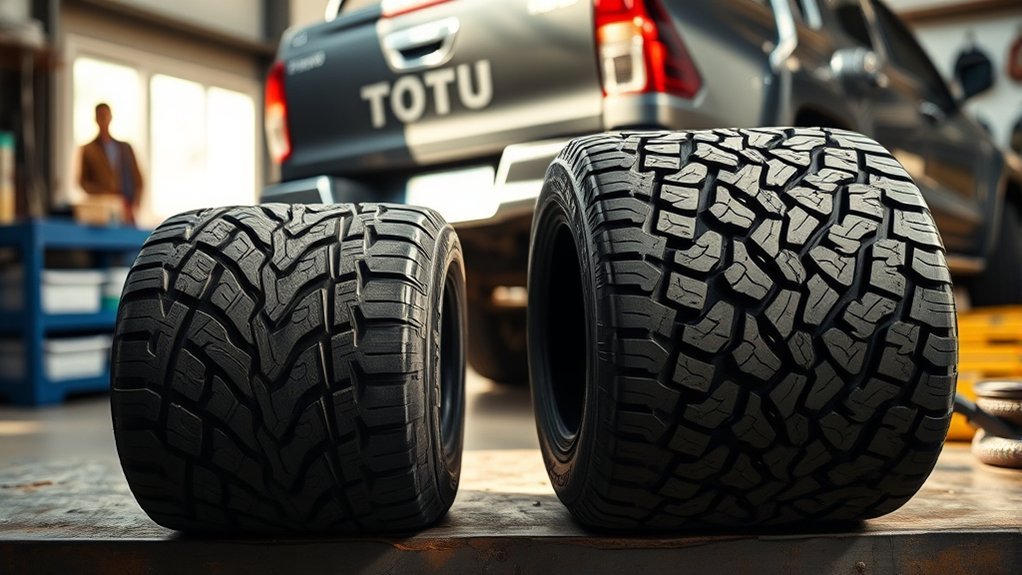
Towing with a Hilux puts extra load on the rear axle and rear tires. That load increases with trailer tongue weight, cargo in the tray, passengers, accessories, and any constant weight added to the truck.
Do not use a fixed trailer number to decide between Load Range C and E. Instead, work through these checks:
- Check the Hilux placard and owner’s manual: Start with the factory tire size, load index, speed rating, and cold tire pressure.
- Check the sidewall: Confirm the tire’s maximum load, load range, load index, and maximum cold inflation pressure.
- Check the wheels: Make sure your rims are rated for the tire pressure and load you plan to run.
- Check the actual load: Include passengers, tray cargo, accessories, trailer tongue weight, fuel, water, recovery gear, and tools.
- Check axle weight: A loaded rear axle can reach its limit before the whole vehicle reaches its gross weight limit.
- Leave reserve: If your Hilux regularly works near its payload or towing limit, Load Range E usually gives more margin than Load Range C in the same tire size.
Hilux towing and payload limits vary by market, model, drivetrain, powertrain, and year. Toyota Europe’s all-new Hilux announcement lists tentative Hilux BEV figures of about 715 kg payload and 1,600 kg towing, while the Hilux Hybrid 48V maintains payloads of up to one tonne and braked trailer towing up to 3,500 kg. Use the figures for your exact Hilux, not a number copied from another trim, generation, or market.
Pro Tip: If your Hilux tows often or carries a permanent setup, weigh the truck loaded as you actually use it. Real axle weights make tire choice much safer than guessing from brochure payload alone.
[Products Worth Considering]

This Dr.Roc tire valve stem puller tools set helps install or remove snap-in tubeless valve stems safely and efficiently. It includes ozone-resistant EPDM snap-in valve stems, a valve stem installer, and a valve core remover for quick core removal or installation during tire service. Designed for reliable tubeless tire repair on motorcycles, ATVs, lawn equipment, cars, and trucks.
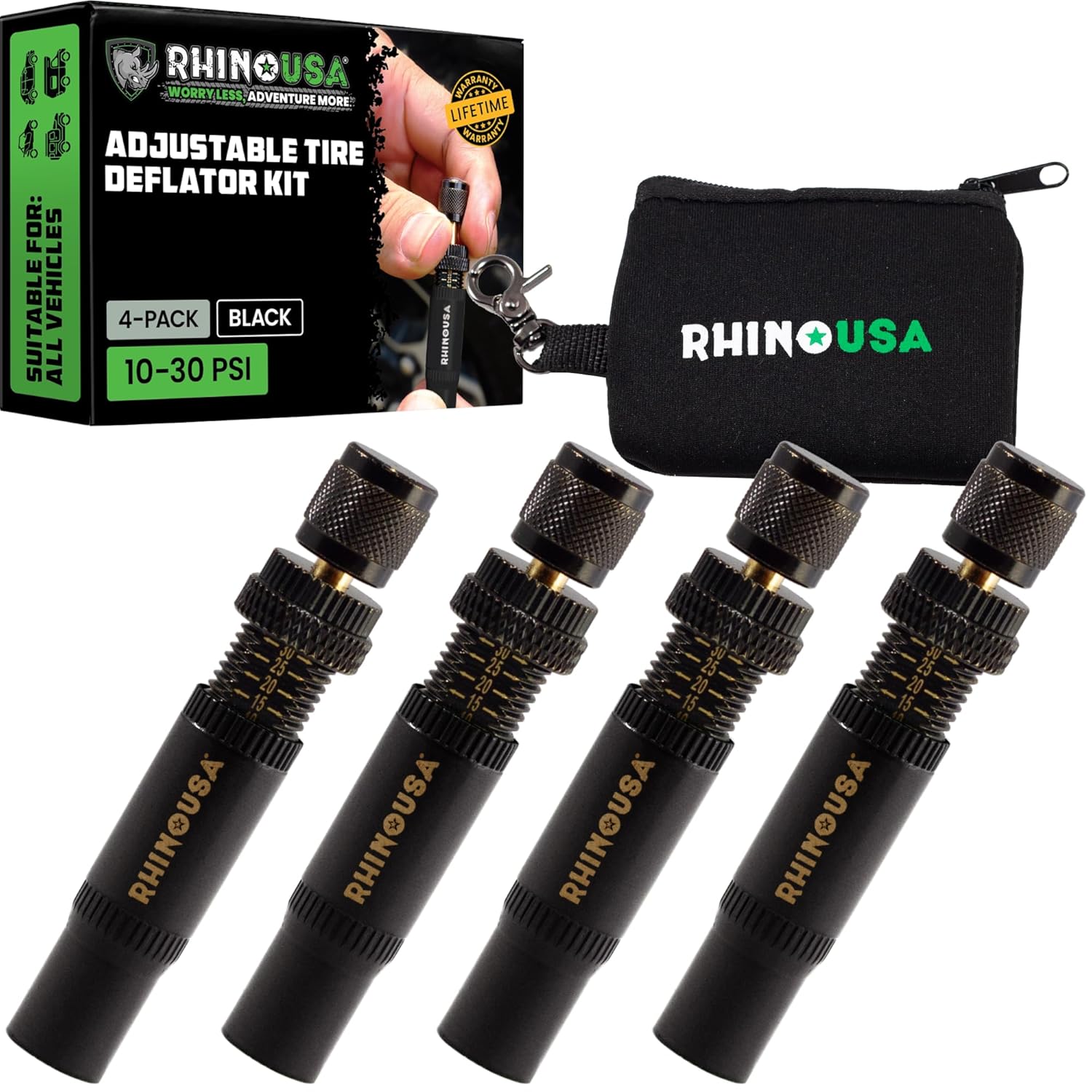
Use the Rhino USA adjustable tire deflators to air down all four tires at once by screwing one deflator onto each valve stem, letting you step away while the tires reach your preset pressure. Each deflator independently adjusts across a 10–30 PSI range with laser-etched indicators for quick setup and verification, making it ideal for beach, sand, and rocky off-road trails.
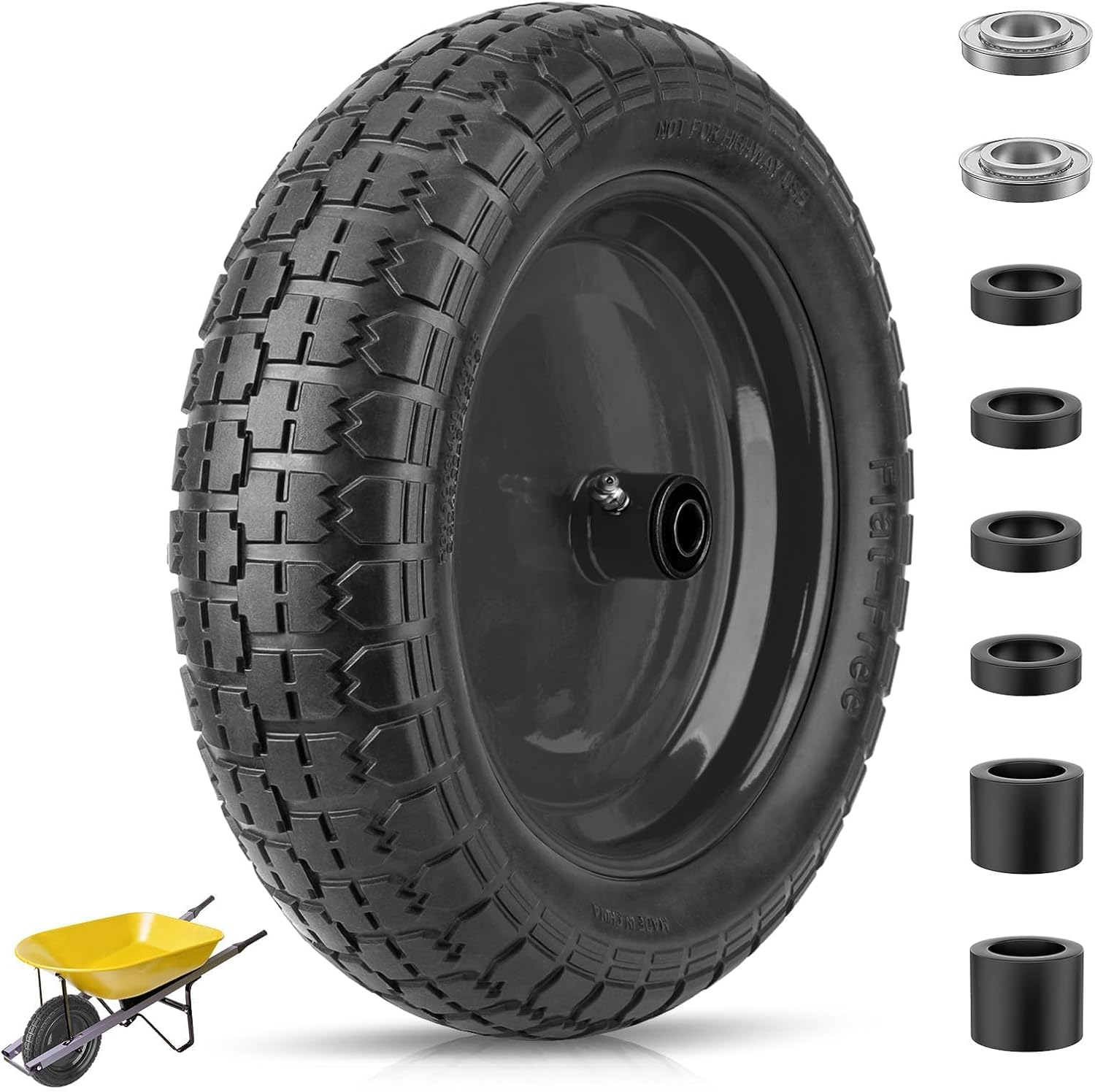
This flat-free TICONN wheelbarrow tire features durable polyurethane foam construction that never needs inflation, helping prevent punctures and reducing maintenance on rough outdoor terrain. With a 300 lb max load capacity and stable steel rim design, it supports safer transport for yard work and hauling tasks. An adapter kit with ball bearings and nylon spacers is included for easier fit and customization across common wheelbarrow and cart axle setups.
How to Choose Between Load Range C and E
Use a simple decision process before buying. First, write down the original tire size, load index, speed rating, and recommended cold pressure from your Hilux placard. Then compare any replacement tire against those requirements.
- Match the required size and load capacity: Do not go below the original load index or Toyota’s recommended specification.
- Confirm wheel compatibility: Your rims must support the tire size, load, and pressure you plan to run.
- Estimate your normal weight: Include accessories, cargo, passengers, and trailer tongue weight.
- Think about your unloaded driving: If the truck spends most days empty, ride comfort matters more.
- Think about your loaded driving: If the truck works near its limits, load reserve matters more.
- Get pressure guidance: Ask a tire professional to use load-inflation data if you change tire type, size, or load range.
If both tires meet the required load capacity, the better choice depends on use. C often feels better for a lighter daily Hilux. E often feels better when the Hilux carries real weight.
[Products Worth Considering]
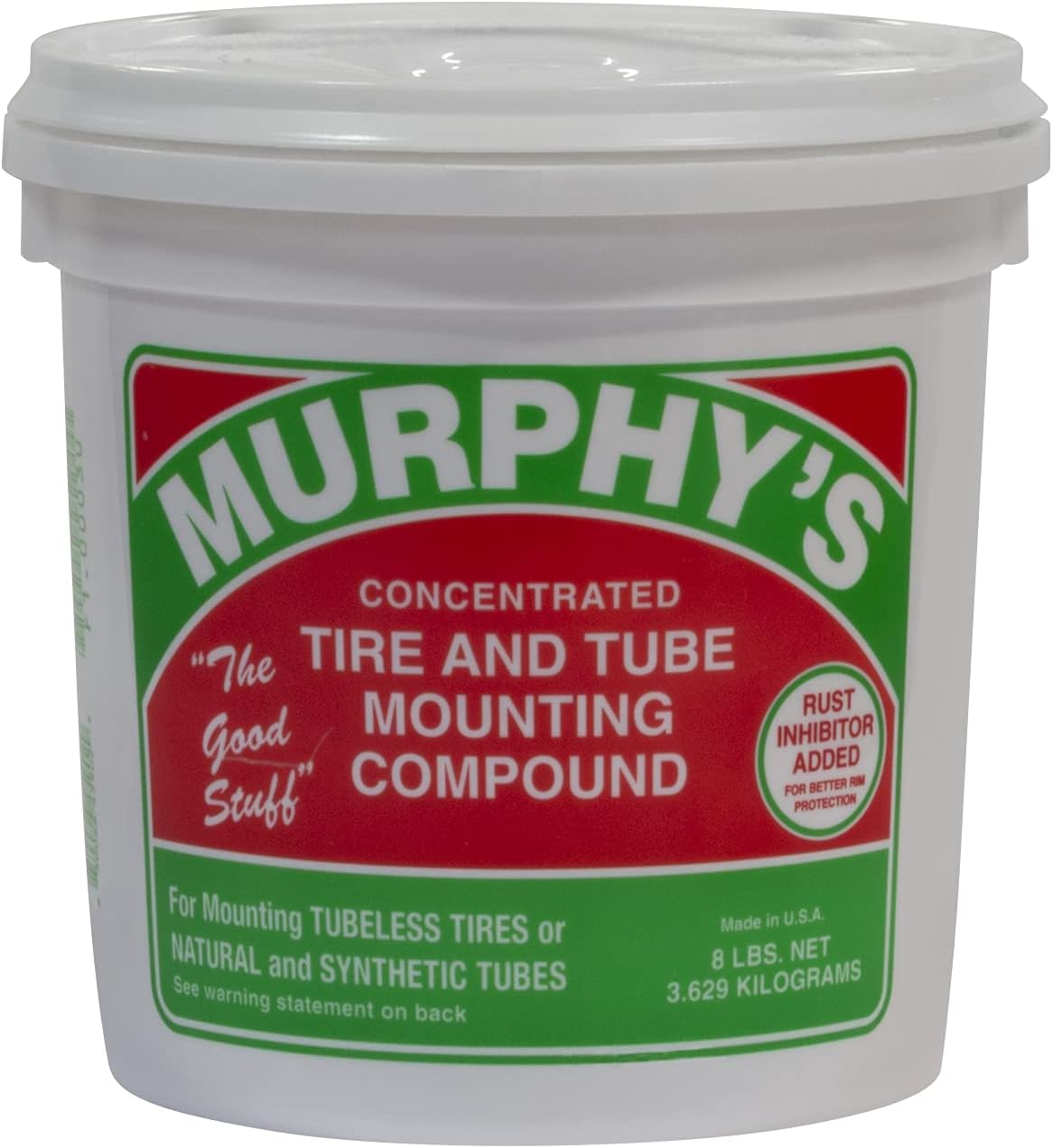
A concentrated tire and tube mounting compound designed to help simplify mounting rubber tires and tubes on passenger, semi truck, construction, and OTR applications. Its ultra-thick formula packs beads effectively and includes rust inhibitors to help protect against corrosion during use.

This ALL-TOP auto-stop tire deflator valve kit lets you air down off-road tires quickly without watching pressure, automatically stopping when your preset PSI is reached. Each valve is individually calibrated for reliable performance with an acceptable +/- 2 PSI tolerance. The adjustable deflator range covers 10 to 30 PSI and includes four valves plus valve caps and a zipper pouch for easy setup on trucks, SUVs, RVs, UTVs, and powersports.
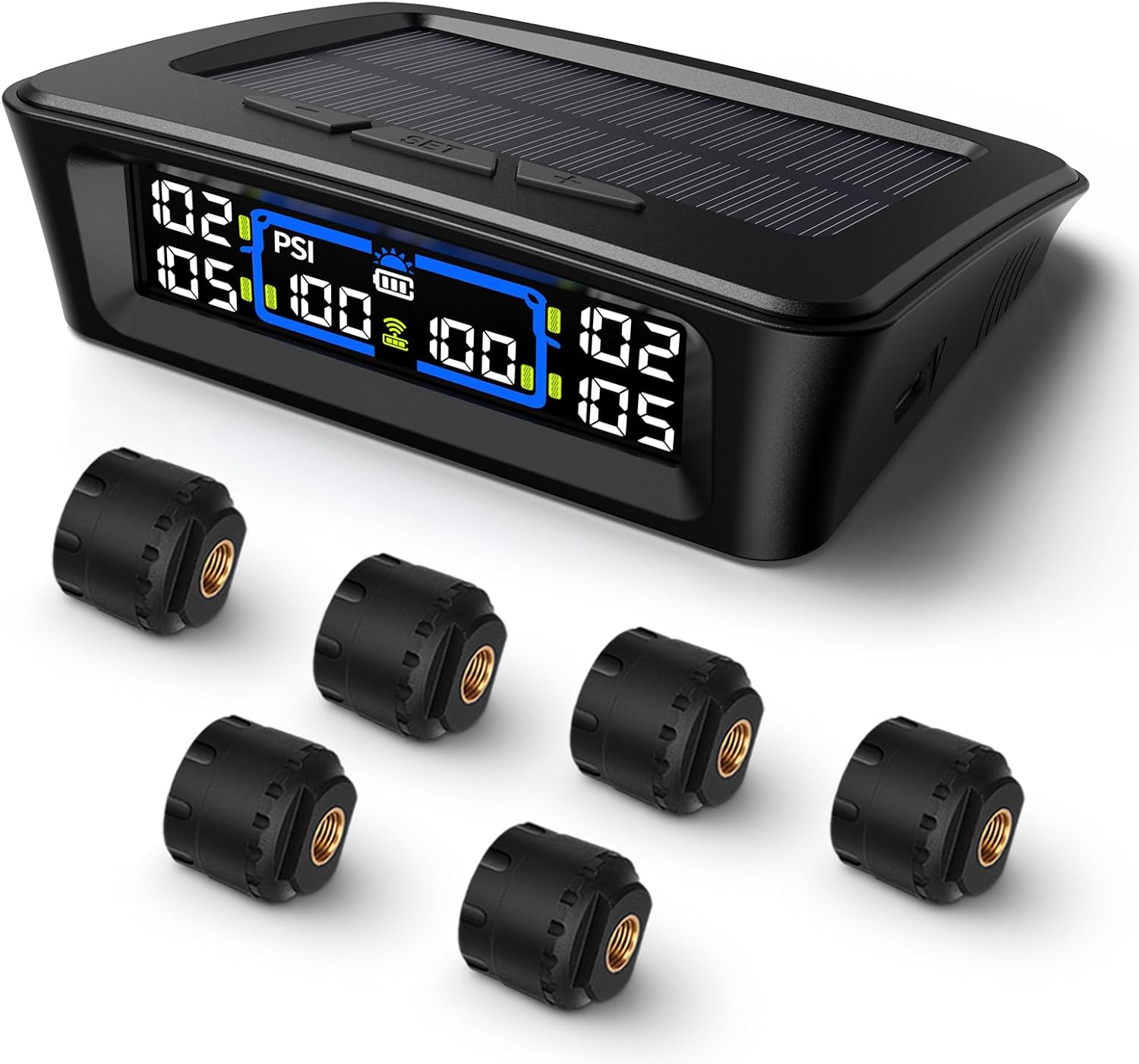
The Tymate TM12 RV TPMS delivers real-time tire pressure and temperature monitoring with a stable 433Hz display for safer long-distance driving. It supports simultaneous monitoring across vehicle and trailer zones, includes six alarm modes for pressure, temperature, leakage, battery, and signal loss, and features easy DIY installation with auto calibration. Power is supplied via USB-C charging or solar recharging, with a wide 0–144 PSI range and up to 50 ft signal coverage for RVs and towable trailers.
When Load Range C Makes More Sense
Load Range C is often the better fit when your Hilux is mostly a daily driver. If you drive to work, run errands, take highway trips, and only carry light loads, C-rated LT tires can give you the comfort and steering feel you want without adding unnecessary tire stiffness.
Choose Load Range C when all of these are true:
- Your tire size and load index meet or exceed the Hilux factory requirement.
- You do not tow heavy trailers often.
- You do not carry a constant heavy tray, canopy, tool, or camping load.
- You want a smoother ride on pavement and graded gravel.
- Your off-road driving is moderate rather than heavily loaded rock, ruts, or remote touring.
The key is not simply choosing C because it is more comfortable. The tire still needs the right load rating for your Hilux, your cargo, and your driving conditions.
When Load Range E Is the Better Choice
Load Range E is usually the stronger choice when the Hilux works hard. It can make sense for towing, trades, heavy accessories, long-distance touring, and off-road driving where the truck stays loaded for most trips.
Choose Load Range E when one or more of these apply:
- You tow a camper, boat, work trailer, or equipment trailer regularly.
- Your Hilux carries tools, drawers, a canopy, spare wheels, fuel, water, or camping gear most of the time.
- You drive rocky or corrugated tracks while loaded.
- You want more load reserve in the same tire size.
- Your factory or replacement tire requirement calls for an E-rated LT tire.
The trade-off is comfort. E-rated tires can feel firm when unloaded, and they may weigh more than comparable C-rated tires. Extra tire weight can affect ride, steering response, braking feel, and fuel economy.
[Products Worth Considering]

Keep your tires properly inflated with this analog VONDIOR tire pressure gauge, designed for fast, easy readings without batteries. The swiveling, two-axis hose and large glow dial help you measure at any tire angle with instant visibility. Built with a protective rubber shield, it supports durable, low-maintenance use for cars and trucks.

These aluminum alloy tire valve stem caps with an O-ring seal help protect valve stems from corrosion while adding a clean, stylish look to your vehicle. The universal fit works across cars, trucks, motorcycles, bicycles, and more, making them an easy upgrade for everyday driving and off-road use. Installation is quick, and the included four-pack keeps all your tires dressed and protected.

The 22800 wheel stud installer makes replacing wheel studs quick and secure, saving time and effort during tire service. It uses a ratchet or impact wrench to pull new studs firmly into place, helping when existing studs are too long. Compatible with most automotive wheels and light-duty truck wheel studs, it’s designed for easy, tool-assisted installation.
How to Set Tire Pressure Safely
Tire pressure is not a simple Load Range C vs E rule. The correct pressure depends on tire size, load, speed, wheel rating, and the vehicle manufacturer’s guidance.
Start with the Hilux tire placard or owner’s manual. NHTSA advises drivers to use the vehicle’s Tire and Loading Information Label or owner’s manual for the correct tire size and cold inflation pressure, not the maximum pressure printed on the tire sidewall.
The sidewall maximum pressure tells you a limit for that tire, not the everyday pressure your Hilux should use. If you switch from a C-rated tire to an E-rated tire, ask a tire professional to use proper load-inflation data so the new tire carries the load correctly without being overinflated for the job.
- Check pressure when the tires are cold.
- Check all tires, including the spare.
- Use an accurate gauge instead of relying only on TPMS.
- Recheck after changing tire size, load range, or average payload.
- Inspect tread, sidewalls, valve stems, and uneven wear each month.
Real-World Experiences With Load Range C and E Tires
Hilux owners who switch from Load Range C to Load Range E often notice a firmer ride first. On smooth highways, the difference may feel small. On broken pavement, corrugations, and empty-bed driving, E-rated tires can feel more rigid.
Owners who tow or carry constant weight often notice the opposite benefit. With a trailer attached or a loaded tray, E-rated tires can feel more settled because the sidewall has more support. That can improve confidence during lane changes, crosswinds, rough tracks, and long-distance touring.
For lighter Hilux setups, C-rated tires may feel more balanced. They can give enough load capacity when properly matched while keeping the truck more comfortable for daily use. For heavier builds, E-rated tires usually make more sense because the tire works with extra load instead of feeling overmatched.
Common Mistakes to Avoid
- Choosing by load range only: A tire’s size, load index, speed rating, construction, tread, and pressure rating all matter.
- Ignoring the rim rating: Your wheel must be rated for the pressure and load of the tire you install.
- Using sidewall max pressure as daily pressure: The sidewall shows a limit, not your normal driving pressure.
- Going below the factory load rating: A softer tire is not worth a safety or load-capacity downgrade.
- Assuming E always grips better: Off-road traction depends more on tread design, compound, pressure, and terrain than the load range letter alone.
- Forgetting added accessories: Bumpers, winches, canopies, drawers, roof racks, and long-range tanks can push a Hilux into E-rated tire territory.
- Ignoring rear axle weight: The rear axle can be overloaded even when the total truck weight still looks acceptable.
- Copying another owner’s pressure: Tire pressure should match your tire, wheel, load, and vehicle setup.
Frequently Asked Questions
What’s better, Load Range C or Load Range E?
Load Range E is better for heavy towing, heavy payload, work use, and loaded off-road driving. Load Range C is often better for comfort when the Hilux is lightly loaded and the tire still meets the required load index. The safer choice is the one that matches your exact truck, load, tire size, and wheel rating.
Does Load Range E mean the tire has 10 actual plies?
No. Load Range E is commonly called a 10-ply rating, but modern tires may not have 10 actual body plies. Check the tire sidewall for the actual number of plies and the materials used in the tread and sidewall.
Will Load Range E tires ride harsher on a Hilux?
Usually, yes. E-rated tires tend to feel firmer, especially when the Hilux is empty. The ride can feel more controlled when the truck carries heavy gear or tows, but daily comfort may be better with a properly rated C tire.
Can I use Load Range C tires for towing?
Sometimes, but only if the tire size, load index, wheel rating, and cold pressure support the actual loaded axle weight. For regular heavy towing, Load Range E usually gives more load reserve and sidewall support.
Should I run Load Range E tires at the maximum PSI?
Not unless proper load-inflation data and your vehicle setup call for it. The maximum PSI on the sidewall is a limit, not a daily driving recommendation. Start with the Hilux placard or owner’s manual, then get professional pressure guidance if you changed tire size or load range.
Are E-rated tires always better off-road?
No. E-rated tires can help when the Hilux is loaded or driven on rough terrain, but traction depends on tread pattern, compound, pressure, and surface type. A well-matched C-rated all-terrain tire can outperform a poorly matched E-rated tire in some conditions.
Is load index more important than load range?
Load index and maximum load are critical because they tell you the rated carrying capacity. Load range helps explain the tire’s construction and pressure category, but you still need the correct size, load index, wheel rating, and inflation guidance for your Hilux.
Will Load Range E tires reduce fuel economy?
They can. E-rated tires often weigh more than comparable C-rated tires, and extra rotating weight can affect fuel use, acceleration, braking feel, and steering response. The exact difference depends on tire size, tread design, pressure, vehicle load, and driving style.
Conclusion
Load Range C and Load Range E tires can both work on a Hilux, but they serve different jobs. Choose C if your truck is light, mostly road-driven, and comfort matters most. Choose E if your Hilux tows, hauls, works, or travels loaded across rough ground.
The safest answer starts with your exact Hilux, not a general rule. Check the placard, match or exceed the original load rating, confirm wheel compatibility, and choose a tire that fits your real payload and terrain. That way, your Hilux stays comfortable when it can and supported when it must.
Sources
- NHTSA TireWise — supports tire size, tire pressure, cold inflation, maintenance, tread, and safety guidance.
- 49 CFR 571.139, Standard No. 139 — supports LT tire load range markings, load rating definitions, maximum pressure, rim information, and ply marking requirements.
- Toyota Europe All-New Hilux Announcement — supports current Hilux powertrain, payload, towing, and market rollout context.