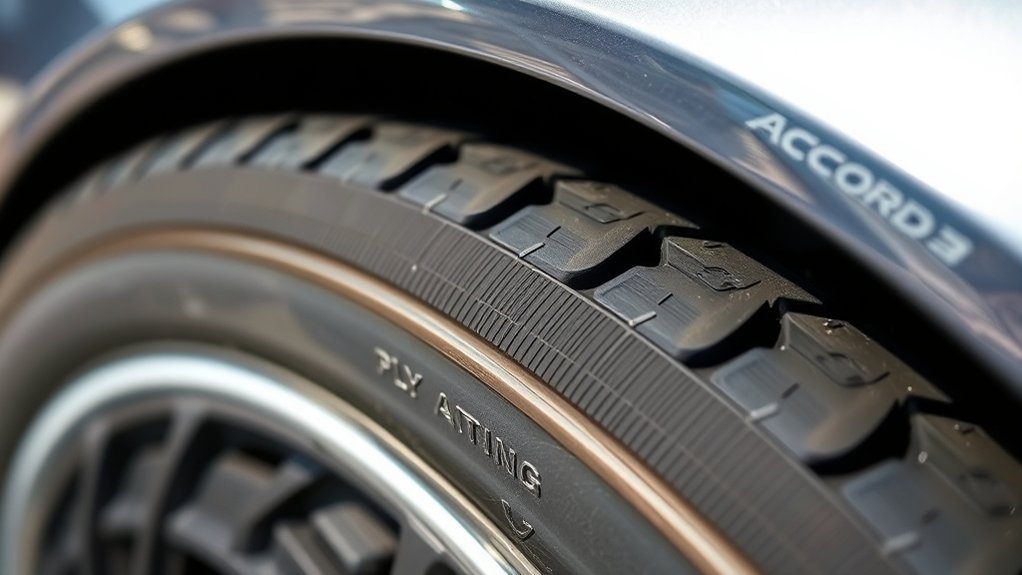
Tire ply ratings can be confusing on a Honda Accord because most modern passenger tires do not show an old-style ply count. For an Accord, the number that matters most is usually the load index on the tire sidewall, along with the tire size, speed rating, and cold tire pressure listed on the driver’s doorjamb placard.
Quick Answer
For a Honda Accord, tire ply rating is less important than the correct tire size and load index. Most Accord replacements are passenger-car Standard Load tires, with some trims using XL/Reinforced options. Match or exceed the load index on your doorjamb placard or owner’s manual, and use Honda’s recommended cold tire pressure.
Key Takeaways
- Modern ply ratings do not usually mean the tire has that many physical layers.
- For an Accord, the safest replacement tire is one that matches the placard tire size and meets or exceeds the required load index and speed rating.
- Do not assume a higher load range, such as a light-truck Load Range E tire, is an upgrade for a sedan.
- Use the Honda-recommended cold tire pressure, not the maximum pressure printed on the tire sidewall.
At a Glance
| Time Required | 5–10 minutes to check your tire sidewall and doorjamb placard |
| Difficulty | Easy |
| Tools Needed | Tire sidewall, driver’s doorjamb placard, owner’s manual, and a tire pressure gauge |
| Cost | $0 to check; tire replacement cost varies by size, brand, and trim |
What Are Tire Ply Ratings and Why Do They Matter?
A tire ply rating is a strength rating that comes from older tire construction, when the number referred more directly to layers of fabric in the tire. Modern tires use stronger materials, so the rating is now better understood as an equivalent strength or load-range clue, not a literal ply count.
For a Honda Accord, ply rating matters only because it connects to how much load a tire can safely carry at the right inflation pressure. The better number to use when shopping is the load index shown in Honda’s tire labeling guidance. Honda describes the load index as the numerical code associated with the maximum load the tire can carry.
Note: If your Accord tire does not show “SL,” “XL,” “Reinforced,” or a lettered load range, that is normal for many passenger-car tires. Use the service description, such as 94V or 96V, and compare the load index to your vehicle placard or owner’s manual.
Check Your Honda Accord Placard First
Before comparing ply ratings, open the driver’s door and read the tire and loading information label on the doorjamb. Honda says this label lists the number of people the vehicle can carry, the total weight it can carry, the original tire sizes for the front, rear, and spare, and the proper cold tire pressure.
That placard is more important than a generic tire-ply chart because it is specific to your Accord’s year, trim, wheel size, and load rating.
- Tire size: Match the original size unless a qualified tire professional confirms an approved alternative.
- Load index: Match or exceed the original load index.
- Speed rating: Match or exceed the original speed rating unless the tire maker and vehicle guidance allow otherwise.
- Cold tire pressure: Use the Honda placard pressure, not the maximum pressure on the tire sidewall.
How to Read Tire Load Information on an Accord
Honda’s tire labeling example uses a code such as P235/60 R18 102T. In that example, 102 is the load index and T is the speed symbol. On other Accord trims, you may see examples such as 225/50R17 94V or 235/40R19 96V. The exact number depends on the model year, trim, and wheel package.
| Sidewall item | What it means | Why it matters |
| 225/50R17 | Tire width, sidewall ratio, radial construction, and wheel diameter | Affects fitment, clearance, speedometer accuracy, ride, and handling |
| 94, 96, 102 | Load index | Shows the maximum load rating code for one properly inflated tire |
| V, H, T, etc. | Speed rating | Indicates the speed capability under specified load and inflation conditions |
| SL, XL, Reinforced | Passenger tire load category | Helps identify whether the tire is Standard Load or designed for extra load at higher pressure |
Ply Rating vs. Load Range vs. Load Index
These terms are related, but they are not the same. Confusing them is the main reason Accord owners end up looking at the wrong tires.
| Term | Best meaning today | Accord owner takeaway |
| Ply rating | Older-style strength rating; not the literal number of plies in most modern tires | Useful background, but not the main number to shop by |
| Load range | A category such as SL, XL, C, D, E, or F that relates to load capability and inflation pressure | For most Accord tires, look for passenger SL or approved XL/Reinforced tires, not LT truck ranges |
| Load index | A number that corresponds to the maximum load one tire can carry when properly inflated | This is the key number to match or exceed when replacing Accord tires |
[Products Worth Considering]

These pre-assembled 15x6.00-6 front tire and wheel assemblies are designed for quick replacement on riding lawn mowers and lawn tractors. Built with natural rubber pneumatic tires and turf-friendly tread for solid traction and improved shock absorption. A thickened welded rim and 3/4" sintered iron bushing help provide stable, heavy-duty support for everyday mowing use.

Keep your tires properly inflated with this analog VONDIOR tire pressure gauge, designed for fast, easy readings without batteries. The swiveling, two-axis hose and large glow dial help you measure at any tire angle with instant visibility. Built with a protective rubber shield, it supports durable, low-maintenance use for cars and trucks.
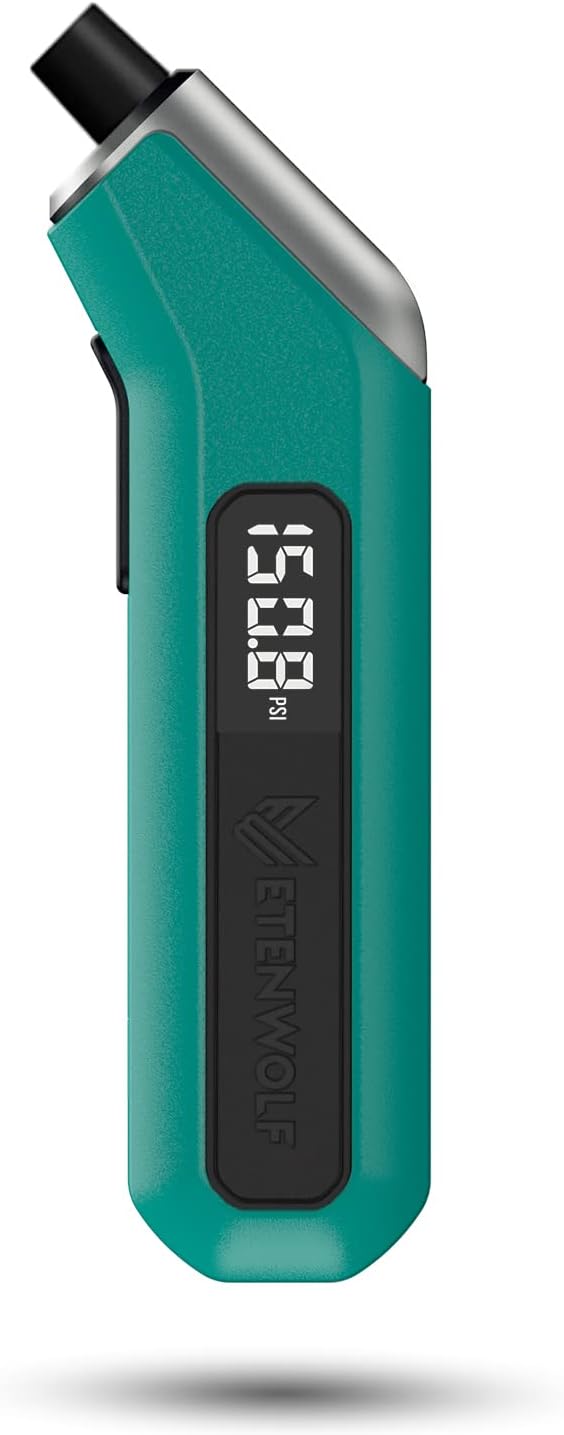
ETENWOLF T300 is a calibrated digital tire pressure gauge designed for reliable readings across low and high pressure ranges. It includes thermal compensation for stable performance in extreme cold or heat, an LED light for visibility, and an auto shut-off to help preserve battery life. Ideal for pickups, RVs, and heavy-duty vehicles, it delivers accurate PSI measurements with sturdy durability.
Understanding the Connection Between Ply Ratings and Load Capacity
Ply rating and load capacity are connected, but the load index gives a clearer answer for a Honda Accord. A tire with a higher load index can carry more weight than a tire with a lower load index when both are used correctly. However, that does not mean you should simply buy the stiffest or highest-load tire available.
The tire must match the Accord’s size, wheel, suspension, pressure requirements, and speed rating. A tire that is too stiff or too heavy can reduce ride comfort, change steering feel, and may not be the correct fitment for the vehicle.
Why Load Capacity Matters
Your Accord’s tires support the vehicle, passengers, cargo, and accessories. Honda’s maximum-load guidance also warns that the vehicle must stay within its Gross Vehicle Weight Rating and Gross Axle Weight Ratings. Overloading can affect handling and stability, so tire load rating should always be considered together with the vehicle’s total load limit.
Warning: Do not use a tire’s higher maximum load rating as permission to overload the vehicle. The Accord’s vehicle load limit, GVWR, GAWR, tire size, load index, and cold pressure all have to work together.
Where to Find Tire Ply Ratings on Your Honda Accord Tires
Start with the tire sidewall. Look near the tire size and service description. You may see markings such as SL, XL, Reinforced, or, on some non-passenger tire types, a lettered load range. Many Accord tires will not show an old-style “6PR” or “10PR” marking, and that is not a problem.
Then compare the tire sidewall to the doorjamb placard and owner’s manual. If your existing tire says 225/50R17 94V, a replacement should normally match that size and meet or exceed the 94 load index and V speed rating unless Honda or a qualified tire professional confirms another approved option.
Pro Tip: Take a photo of your doorjamb placard before shopping online. It prevents the most common mistake: buying a tire that fits the wheel diameter but does not match the original load index, speed rating, or recommended pressure.
Debunking Myths About Tire Ply Ratings and Their Importance
Myth: Higher Ply Always Means Better Performance
A higher ply or load-range number can mean a tire is built to carry more load at a specified pressure, but it does not automatically improve an Accord’s braking, cornering, ride comfort, or fuel economy. The correct tire is the one that matches the vehicle’s requirements.
Myth: Load Range and Load Index Are the Same
Load range is a broad construction and pressure category. Load index is the specific number in the service description that tells you the tire’s load-carrying code. For an Accord owner, the load index is usually the more precise number to compare.
Myth: The Sidewall Max PSI Is the Recommended Pressure
The maximum pressure molded on the tire is not the same as Honda’s recommended operating pressure. Use the cold tire pressure on the Accord’s doorjamb placard unless the owner’s manual gives a specific exception for special conditions.
How to Select the Right Tire Ply for Your Driving Needs
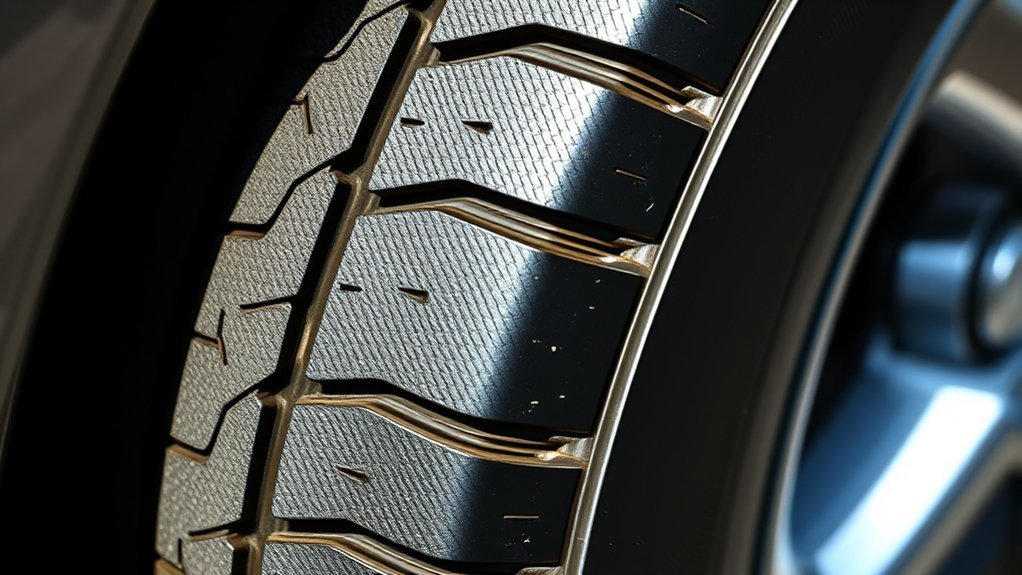
Use this checklist when choosing replacement tires for a Honda Accord:
- Read the doorjamb placard. Write down the original tire size, cold pressure, and load information.
- Check the current tire sidewall. Confirm the tire size, load index, and speed rating.
- Match the tire size first. Do not rely only on wheel diameter; the full size matters.
- Match or exceed the load index. A lower load index is not a safe substitution.
- Match the speed rating. Use the original rating or a suitable approved replacement.
- Choose SL or XL only when appropriate. If your Accord originally uses Standard Load tires, do not assume XL is required. If it uses XL/Reinforced, replace it with an equivalent or better rated tire.
- Confirm with a tire professional. This is especially important if you changed wheel size, bought aftermarket wheels, or drive with heavy cargo often.
Warning: Avoid light-truck-style high load ranges, such as Load Range E, unless the exact tire size and application are approved for your Accord. A stronger-looking tire can still be the wrong tire for the vehicle.
[Products Worth Considering]
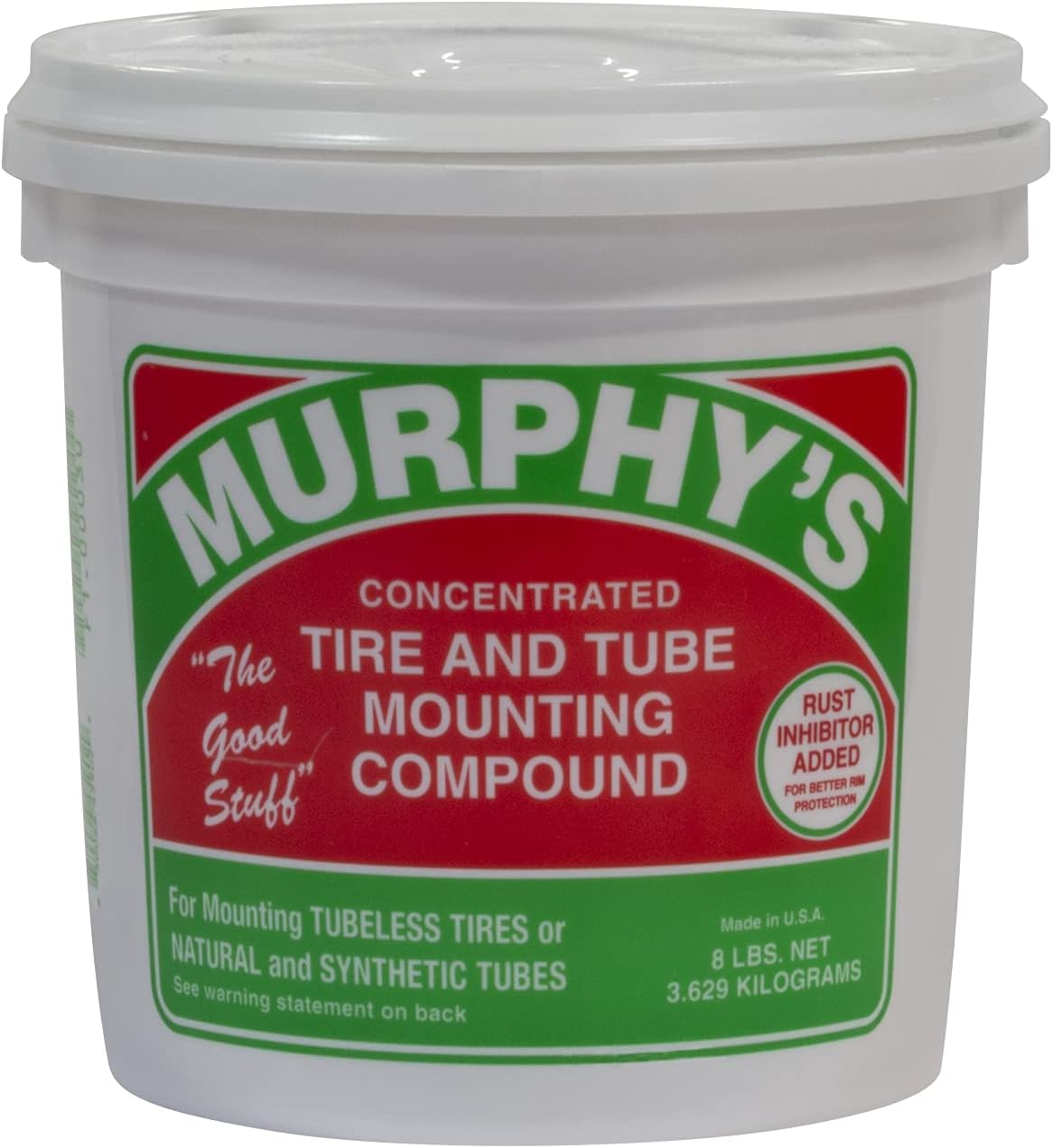
A concentrated tire and tube mounting compound designed to help simplify mounting rubber tires and tubes on passenger, semi truck, construction, and OTR applications. Its ultra-thick formula packs beads effectively and includes rust inhibitors to help protect against corrosion during use.

The 22800 wheel stud installer makes replacing wheel studs quick and secure, saving time and effort during tire service. It uses a ratchet or impact wrench to pull new studs firmly into place, helping when existing studs are too long. Compatible with most automotive wheels and light-duty truck wheel studs, it’s designed for easy, tool-assisted installation.

The Tymate TM2 RV tire pressure monitoring system keeps you informed with a color LCD display, automatic backlight, and solar charging for dependable operation. It supports up to 10 tire positions with four pre-paired sensors, while offering multiple alarm modes for fast leak detection, pressure extremes, temperature alerts, and low-signal warnings. Built-in monitoring uses accurate readings and reliable 433.92MHz communication to help protect your RV, trailer, truck, or SUV.
How Load Range Affects Your Tire’s Performance
For a Honda Accord, the most common passenger-tire categories are Standard Load (SL) and sometimes Extra Load (XL) or Reinforced. XL tires can carry extra load only when used at the correct higher inflation pressure for that rating, but that does not mean you should inflate them beyond Honda’s recommended pressure without proper guidance.
A tire’s load capacity depends on its size, construction, and actual inflation pressure. If two tires are the same size and are inflated to the same pressure, an XL tire may not provide extra usable capacity until it is operated at the pressure range where that tire is designed to carry more load.
[Products Worth Considering]

Measure tire tread depth quickly and accurately with this LUMITECO dial gauge that reads in 1/32" increments up to 14/32". The color-coded green/yellow/red zones make it easy to judge tire wear and know when replacement is needed. A rugged, compact design with a protective pouch helps keep the gauge ready for use on cars, trucks, motorcycles, and more.

AstroAI’s heavy-duty digital tire pressure gauge delivers quick, accurate readings with 0.1 increments and a secure valve-stem seal. It features a green backlit LCD and built-in flashlight for easy use in low light, plus an ergonomic non-slip stainless-steel design. The wide 0–230 PSI range works across common vehicle tires, with unit selection and an auto shut-off to save battery.
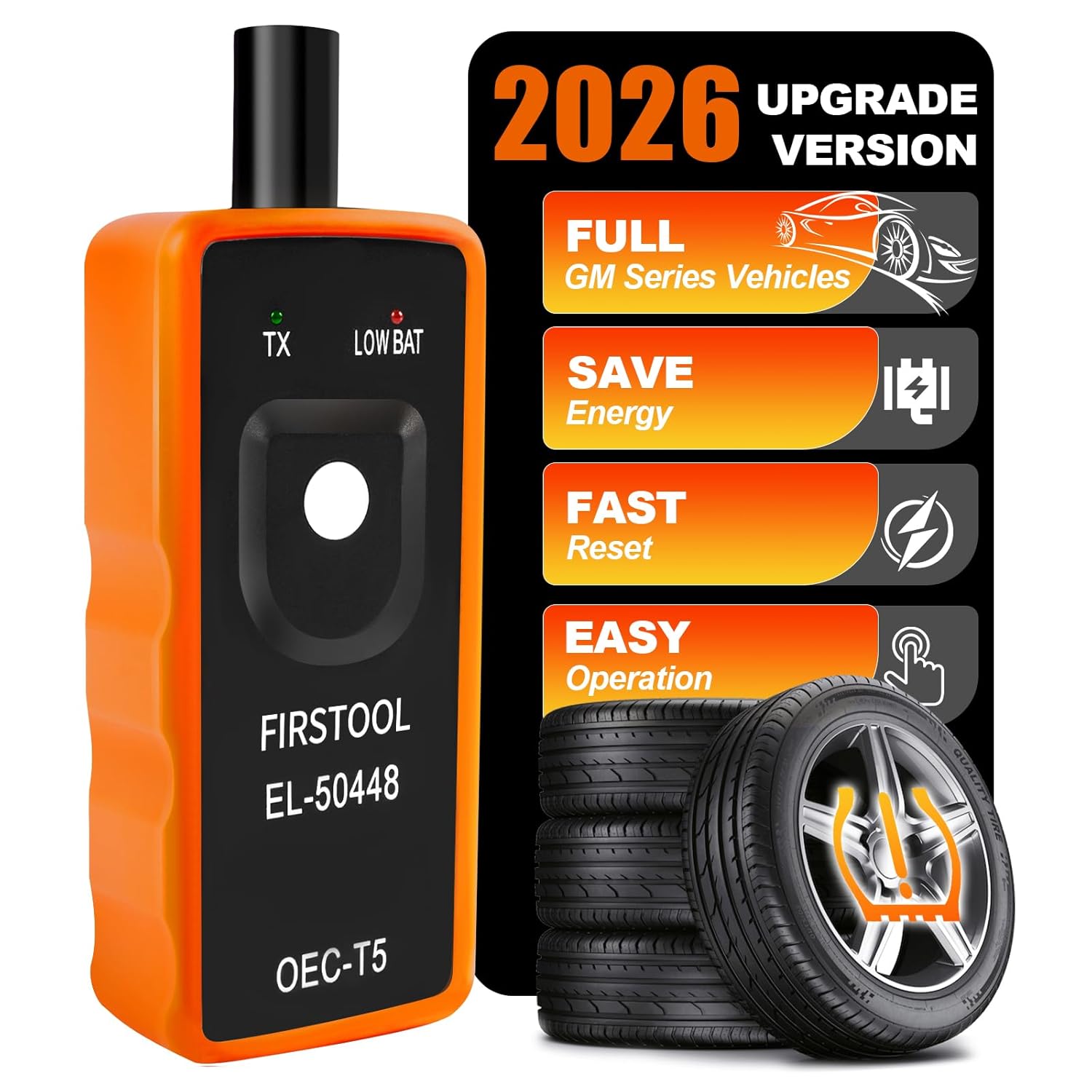
This TPMS relearn tool helps you quickly activate, match, and reset GM tire pressure sensors to keep the vehicle monitoring system working properly. It clears tire pressure alarms and dashboard warning lights after sensor replacement or tire rotation, and supports learning for common 315/433 MHz TPMS sensors. Designed for simple one-button operation, it can help you avoid unnecessary trips to repair shops.
Standard Load (SL)
SL passenger tires are common on sedans, coupes, and everyday passenger vehicles. They are usually the right fit when they match the Accord’s placard size, load index, speed rating, and pressure requirement.
Extra Load (XL or Reinforced)
XL or Reinforced tires are designed for more load at higher pressure than a comparable Standard Load tire. They may be appropriate if the Accord’s original tire specification calls for them or if a correct replacement fitment lists XL with the required load index and speed rating.
How Tire Ply Ratings Impact Handling and Safety in Your Accord
The wrong tire rating can affect how your Accord rides, steers, brakes, and responds to bumps. A tire with too low a load index can overheat or fail when overloaded. A tire that is much stiffer than needed may reduce comfort and change steering response.
The safest approach is simple: use tires of the proper type and size, keep them in good condition, and maintain the recommended cold tire pressure. Honda warns that excessively worn or improperly inflated tires can cause a crash, so pressure and condition matter just as much as the rating printed on the sidewall.
Common Questions About Tire Ply Ratings for Honda Accords
Most Accord owners do not need to shop by old-style ply count. Shop by tire size, load index, speed rating, and passenger-tire load category instead. If your tire has no visible ply rating, look for the service description, such as 94V or 96V, and compare it with the placard.
Tips for Maintaining Optimal Tire Performance on Your Honda Accord
Correct tire choice only helps if the tires are maintained properly. Use these habits to protect ride quality, tread life, fuel economy, and safety:
- Check pressure cold. Measure pressure when the car has been parked for at least three hours or driven less than 1 mile.
- Check at least monthly. Also check before long trips or when carrying passengers and luggage.
- Inspect the sidewalls and tread. Look for bulges, cuts, cracks, exposed cord, punctures, and uneven wear.
- Rotate on schedule. Follow the maintenance schedule for your Accord and tire type.
- Recheck after tire service. New or reinstalled tires should be balanced, and TPMS calibration may be needed after pressure adjustments on applicable models.
Note: If the tire pressure warning light comes on, do not assume the ply rating or load range is the issue. Check cold pressure first, inspect for visible damage, and recalibrate TPMS only after the tires are correctly inflated.
Frequently Asked Questions
Can different ply ratings affect fuel efficiency?
Yes, indirectly. A heavier or stiffer tire can affect rolling resistance, ride, and weight, but inflation pressure, tread design, tire compound, and correct fitment usually matter more. Do not choose a higher ply or load range just to improve fuel economy.
How often should I check my tire load capacity?
The tire’s load rating does not change month to month, but tire pressure does. Check pressure at least once a month and before long trips. Check load index whenever you buy replacement tires or carry heavy passengers and cargo.
Do ply ratings vary between tire brands?
Yes. Tire construction, load category, and available sizes vary by brand and model. Compare the complete service description, not just the brand’s marketing terms. The replacement tire should match or exceed the Accord’s required load index and speed rating.
What happens if I exceed the load capacity?
Exceeding tire or vehicle load limits can increase heat, reduce handling stability, accelerate wear, and raise the risk of tire failure. Stay within the vehicle load limit on the doorjamb label and use tires with the correct load index.
Can I mix tires with different ply ratings?
Avoid mixing different tire sizes, load categories, tread patterns, or speed/load ratings, especially on the same axle. For the best handling and stability, use four matching tires that meet the Accord’s specifications.
Should I choose XL tires for my Honda Accord?
Choose XL tires only when they are the correct size and meet the required load index and speed rating, or when your original tire specification calls for XL/Reinforced tires. XL is not automatically better for every Accord.
Where is the correct tire load rating on a Honda Accord?
Start with the tire and loading information label on the driver’s doorjamb. Then check the tire sidewall for the full size and service description. The load index is the number before the speed-rating letter.
Conclusion
For a Honda Accord, tire ply rating is best treated as background information, not the main buying rule. The safer and more accurate method is to match the tire size, load index, speed rating, and cold tire pressure shown on the vehicle placard or owner’s manual. When in doubt, choose the tire that meets Honda’s specification instead of chasing a higher ply number.
Sources
- Honda 2025 Accord — Tire and Loading Information Label — supports doorjamb placard details.
- Honda 2025 Accord — Tire Labeling — supports tire size, load index, and speed symbol explanation.
- Honda 2025 Accord — Checking Tires — supports cold tire pressure and inspection guidance.
- NHTSA TireWise — supports tire safety, pressure, inspection, and load-limit importance.
- Tire Rack — Load Ranges and Ply Ratings — supports modern ply rating and load range terminology.