Picking the wrong load range can make your Toyota Tundra feel harsh, unstable, or underprepared for towing. The right tire should match how you drive, how much weight you carry, and where you take your truck. This guide explains Load Range C, D, and E tires in plain terms so you can choose with more confidence.
Quick Answer
Load Range C tires suit daily driving, lighter loads, and mild off-road use. Load Range D tires add more support for mixed driving and occasional towing. Load Range E tires handle heavier towing and hauling, but they often feel firmer on pavement.
Key Takeaways
- Choose Load Range C if you want better ride comfort for daily driving and lighter use.
- Choose Load Range D if you tow sometimes and still want decent comfort.
- Choose Load Range E if you haul or tow heavy loads and need stronger sidewalls.
- Match the tire load index to your Tundra’s weight ratings before you buy.
- Check tire pressure often because each load range responds differently to inflation changes.
Understanding Tire Load Ratings: C, D, and E Explained
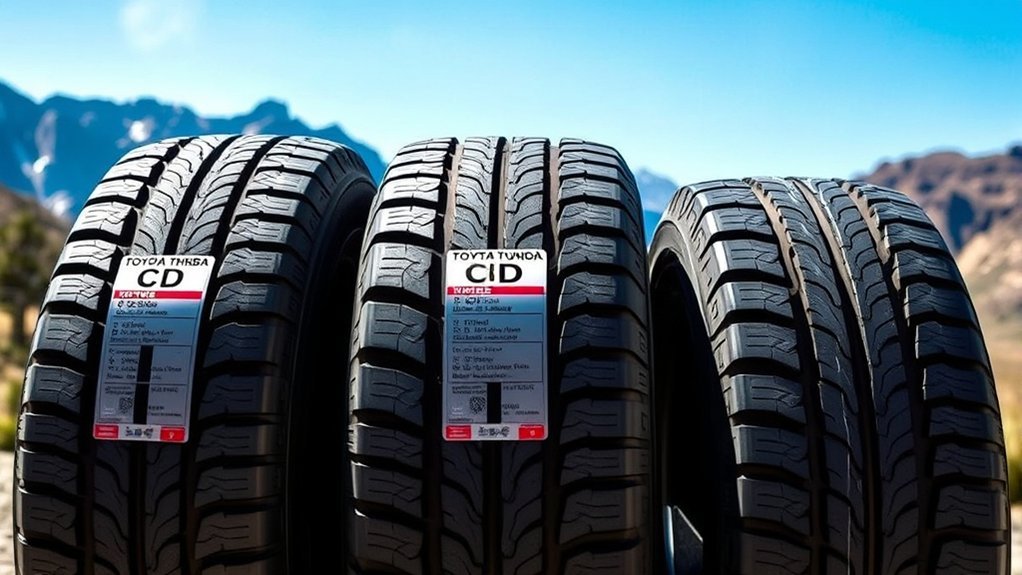
When you choose tires for your Toyota Tundra, load range tells you how much work the tire can handle. It relates to tire strength, sidewall build, and rated load capacity. The tire’s load index gives the specific weight rating, so check that number before you buy.
Load Range C tires often give you a smoother ride because they usually have more flexible sidewalls. They can work well for daily driving, lighter loads, and mild trails. Load Range D tires add support and stability for mixed driving and occasional towing.
Load Range E tires suit heavier towing, hauling, and rougher use. Their stronger sidewalls can improve durability, but they may make your Tundra feel firmer on pavement. Your best choice depends on your load, road surface, and comfort needs.
Key Differences Between Load C, D, and E Tires for Tundra
Load Range C, D, and E tires differ most in sidewall strength, load support, ride feel, and towing stability. A stronger tire can carry more weight, but it may also feel stiffer during normal driving.
- Load C: Gives you a softer ride and works best for daily driving, lighter loads, and mild off-road use.
- Load D: Adds sidewall support for occasional towing, mixed roads, and moderate loads.
- Load E: Provides the strongest support for heavy towing, hauling, and rougher terrain.
- Tire pressure: Changes ride quality, tread wear, and load support, so follow tire and vehicle guidance.
- Towing needs: Your tire choice should match your trailer weight, payload, and driving conditions.
Warning: Never choose a tire with a load index below what your Tundra and your loaded setup require.
[Products Worth Considering]

Secure your vehicle during transport with this 4-pack of heavy-duty tire tie down straps designed for trailers and hauling. The ratchet system with flat hooks and D-rings helps you tension the straps quickly, while the wheel-friendly design protects tires. With high break strength and corrosion-resistant hardware, these straps provide reliable, confidence-inspiring tie-down security for cars, trucks, and UTVs.
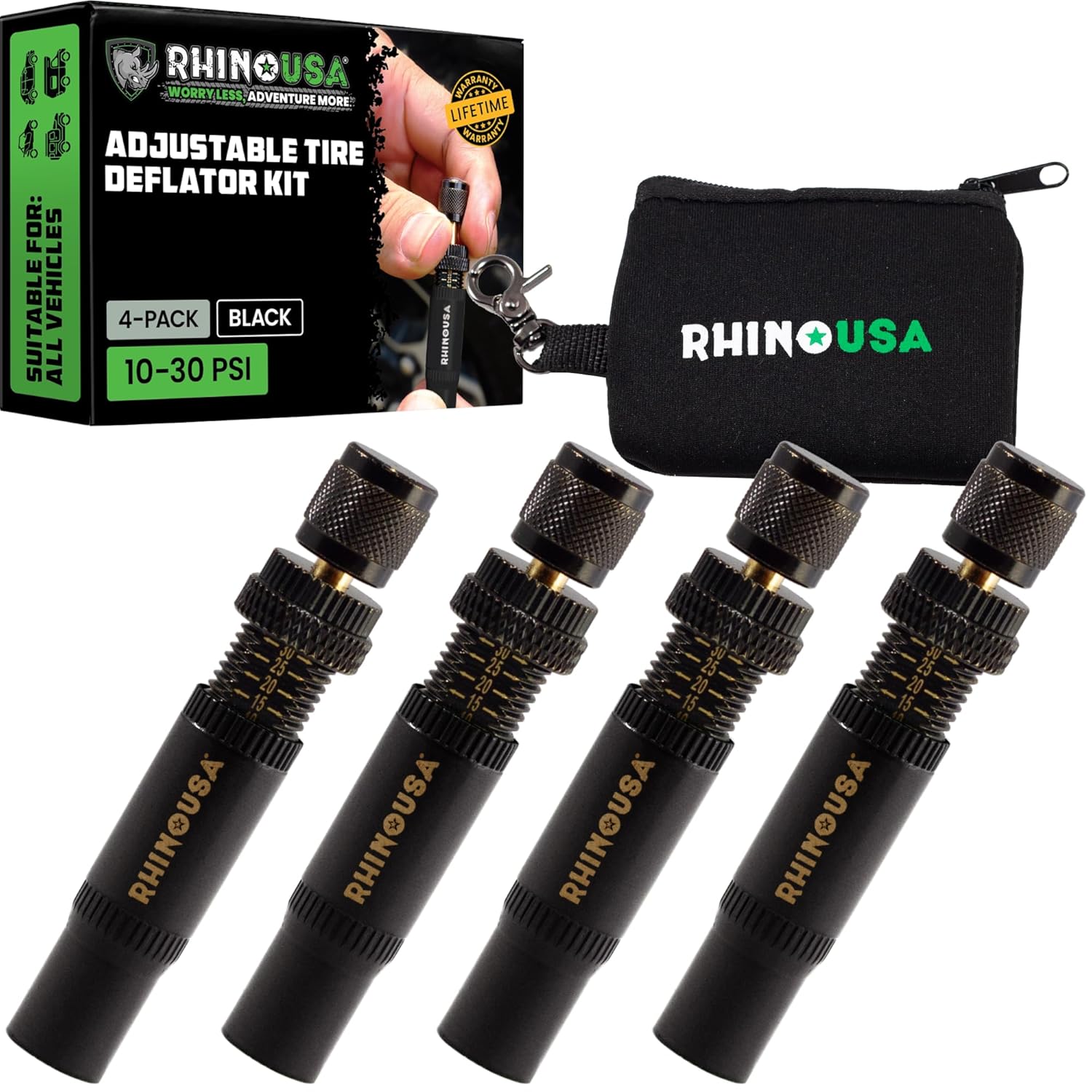
Use the Rhino USA adjustable tire deflators to air down all four tires at once by screwing one deflator onto each valve stem, letting you step away while the tires reach your preset pressure. Each deflator independently adjusts across a 10–30 PSI range with laser-etched indicators for quick setup and verification, making it ideal for beach, sand, and rocky off-road trails.

Measure tire tread depth quickly and accurately with this LUMITECO dial gauge that reads in 1/32" increments up to 14/32". The color-coded green/yellow/red zones make it easy to judge tire wear and know when replacement is needed. A rugged, compact design with a protective pouch helps keep the gauge ready for use on cars, trucks, motorcycles, and more.
How to Choose the Right Load Range for Your Tundra
Start with how you use your Tundra most often. If you drive mostly on pavement and only carry light loads, Load Range C tires may give you the best comfort. If you tow sometimes or drive on rough roads, Load Range D tires can give you a useful middle ground.
If you tow heavy trailers or carry heavy payloads, Load Range E tires may make more sense. They add strength and sidewall support, but they can also reduce ride comfort. Before you decide, compare the tire load index with your Tundra’s Gross Vehicle Weight Rating (GVWR), payload needs, and towing setup.
You should also check the tire placard on the driver’s door jamb. It lists the factory tire size and recommended cold tire pressure for the original setup. If you change tire size or load range, ask a qualified tire shop to confirm the safest pressure for your setup.
[Products Worth Considering]

Keep your tires properly inflated with this analog VONDIOR tire pressure gauge, designed for fast, easy readings without batteries. The swiveling, two-axis hose and large glow dial help you measure at any tire angle with instant visibility. Built with a protective rubber shield, it supports durable, low-maintenance use for cars and trucks.

Accurately measure tire tread depth with a calibrated gauge marked from 0 to 1 inch in 1/32 inch increments. The color-coded bar helps you quickly identify tread condition ranges, supporting safe driving for trucks, motorcycles, automobiles, and passenger vehicles.

This ALL-TOP auto-stop tire deflator valve kit lets you air down off-road tires quickly without watching pressure, automatically stopping when your preset PSI is reached. Each valve is individually calibrated for reliable performance with an acceptable +/- 2 PSI tolerance. The adjustable deflator range covers 10 to 30 PSI and includes four valves plus valve caps and a zipper pouch for easy setup on trucks, SUVs, RVs, UTVs, and powersports.
How Load Range Affects Comfort and Performance in a Tundra
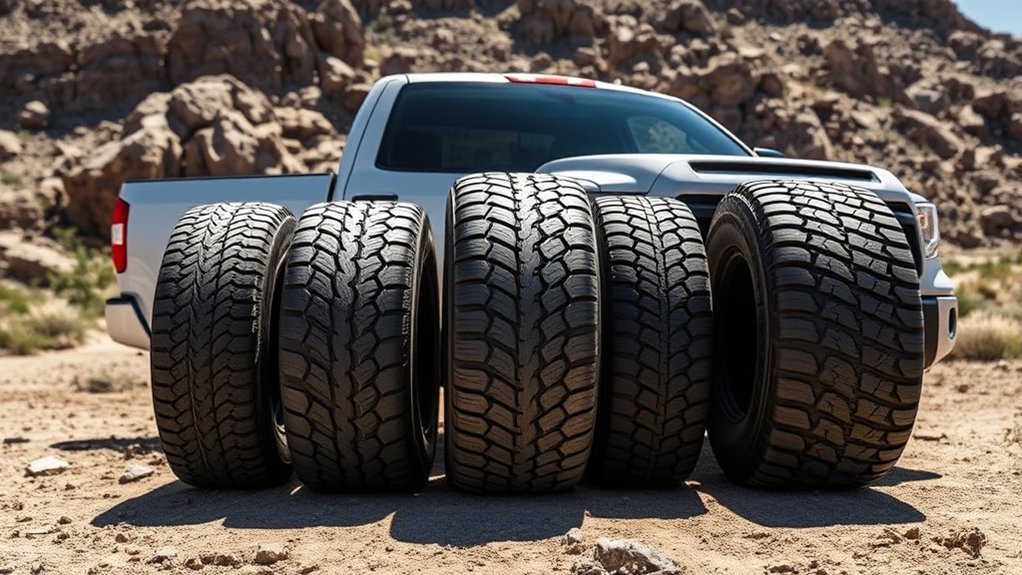
Load range changes how your Tundra feels on pavement, trails, and under load. Softer tires can improve ride comfort, while stronger tires can improve stability when you tow or haul. The best tire balances comfort, traction, load support, and tread life.
Ride Quality Differences
C-rated tires often feel smoother during daily driving because their sidewalls tend to flex more. That flex can help absorb small bumps and road vibration. E-rated tires often feel firmer because they are built to support heavier loads.
Proper inflation matters with every load range. Too much pressure can make the ride harsh and reduce even tread contact. Too little pressure can increase heat, sidewall flex, and tire wear.
Off-Road Versatility
For mild trails and rocky paths, C-rated tires may give you more ride comfort and grip when aired down within safe limits. They can flex better over uneven ground, which helps the tire follow the surface. This setup can work well when you do not carry heavy loads.
E-rated tires add sidewall strength for rougher conditions and heavier setups. They can resist damage better in some off-road use, but they may feel stiff at higher pressures. If you air down, stay within safe tire and wheel limits, then reinflate before highway driving.
Towing Stability Insights
Towing adds weight, heat, and side force to your tires. A higher load range can improve stability when your trailer or cargo demands it. Still, load range alone does not make a tire safe for every towing setup.
- C-rated tires can work for lighter towing when the load index fits your setup.
- D-rated tires can support mixed use with more sidewall strength than many C-rated tires.
- E-rated tires can improve support for heavier trailers and payloads.
- Correct cold tire pressure helps control heat, wear, and handling.
- Your trailer weight and payload should stay within your Tundra’s rated limits.
How to Check Your Tundra’s Tire Load Requirements
You can find your Tundra’s tire information on the driver’s side door jamb placard. Check the tire size, cold inflation pressure, and load information listed there. Your owner’s manual can also explain towing and payload limits for your model.
When you compare replacement tires, look at the load index on the tire sidewall or product listing. The load index must meet or exceed what your truck needs. A tire shop can also help match tire pressure to your tire size, load range, and use.
Pro tip: Match the tire to your real loaded weight, not just the tire size that looks best.
Popular Tundra Tire Options for Towing and Off-Roading
Several all-terrain tires appeal to Tundra owners who tow, haul, or drive off-road. The BFGoodrich All-Terrain T/A KO2 has a strong reputation for all-terrain traction and durability. The Mickey Thompson Baja Boss line targets drivers who want aggressive off-road grip with road use in mind.
The Toyo Open Country A/T III balances road comfort with trail traction, especially for drivers who want one tire for many conditions. Cooper all-terrain tires can suit drivers who value ride comfort and steady road manners. Goodyear Wrangler DuraTrac tires use aggressive tread blocks for snow, dirt, and loose surfaces.
Do not choose a tire by brand alone. Compare size, load index, speed rating, tread pattern, road noise, and warranty. Your Tundra’s use case should guide the final choice.
[Products Worth Considering]

The Big Rig Defense Tire Thumper is a truck tire pressure checker that lets you quickly check multiple tires by giving them a firm whack. Listen for a reassuring thump and feel the stick bounce when a tire is fully inflated, helping you get back on the road safely. It features a comfortable, glove-friendly handle and a secure wrist strap for confident use on busy routes.
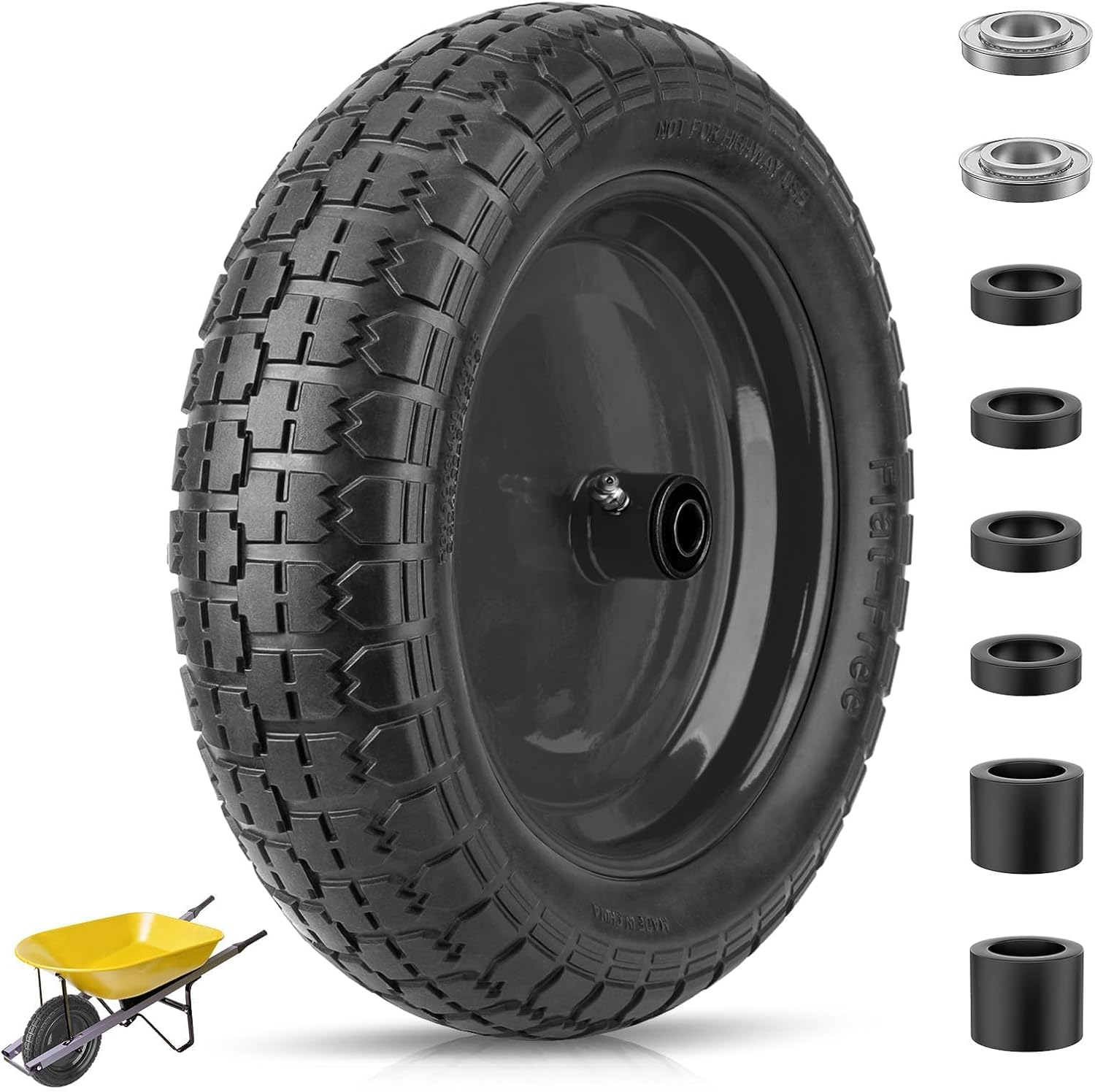
This flat-free TICONN wheelbarrow tire features durable polyurethane foam construction that never needs inflation, helping prevent punctures and reducing maintenance on rough outdoor terrain. With a 300 lb max load capacity and stable steel rim design, it supports safer transport for yard work and hauling tasks. An adapter kit with ball bearings and nylon spacers is included for easier fit and customization across common wheelbarrow and cart axle setups.

Monitor tire tread wear with a smart, color-coded depth gauge that shows clear condition ranges at a glance. The bar is range marked for fast, easy readings, helping you maintain safer traction and performance. Each gauge is portable with a pocket clip, and the set includes 20 units for daily use and sharing.
Maintaining Your Tundra Tires: Pressure, Rotation, and Longevity Tips
Good tire care helps your Tundra ride better, tow safer, and wear more evenly. Check pressure when the tires are cold, before heat from driving changes the reading. Use your door placard, tire maker guidance, or tire shop advice for your exact setup.
- Check tire pressure: Inspect it at least monthly and before long towing trips.
- Rotate tires: Rotate them on a regular schedule to reduce uneven wear.
- Monitor tread depth: Replace tires before tread gets too low for safe traction.
- Watch load ratings: Use tires that match your truck, cargo, and trailer demands.
- Inspect sidewalls: Look for cuts, bulges, cracks, or embedded debris after rough use.
If you tow often, inspect your tires more often. Heavy loads create more heat, and heat can shorten tire life. Replace damaged tires before your next trip.
Frequently Asked Questions
Can I Mix Different Load Range Tires on My Tundra?
You should avoid mixing different load ranges on your Tundra. Different sidewall stiffness and pressure needs can affect handling, braking, and wear. For best results, use the same size, load range, tread type, and wear level across the axle.
How Do I Know My Tundra’s Tire Load Requirements?
Check the driver’s side door jamb placard first. It lists the original tire size and recommended cold tire pressure. Then compare the replacement tire’s load index with your truck’s needs and loaded use.
Are Load C Tires More Fuel-Efficient Than Load D or E?
Load C tires can be more efficient in some setups because they may weigh less and flex differently. Fuel use also depends on tire size, tread pattern, pressure, road surface, and driving style. A larger or more aggressive tire can reduce fuel economy, even if the load range fits your truck.
What Is the Lifespan of Load C, D, and E Tires?
Many truck tires can last tens of thousands of miles, but lifespan varies by tire model and use. Towing, poor alignment, low pressure, and rough trails can shorten tire life. Regular rotations, pressure checks, and inspections help you get more even wear.
Can Tire Load Range Affect My Tundra’s Resale Value?
Tire load range can affect resale value if the tires look mismatched, worn, or wrong for the truck’s use. Buyers often notice tire condition because it hints at maintenance habits. A well-matched tire set can make your Tundra look better cared for.
Conclusion
The right tire load range helps your Toyota Tundra feel safer, steadier, and more comfortable. Choose Load Range C for lighter daily use, Load Range D for mixed driving, and Load Range E for heavier towing or hauling. Before you buy, check the tire load index against your truck’s ratings and your real-world load. Keep the tires inflated, rotated, and inspected so your Tundra stays ready for the next road, trail, or towing job.