Tire aspect ratio tells you how tall a tire’s sidewall is compared with its width. It affects how your vehicle rides, steers, absorbs bumps, fits in the wheel well, and keeps the speedometer close to accurate. The right aspect ratio is not always the lowest or tallest one—it is the one that matches your vehicle, wheel size, load needs, and driving style.
Quick Answer
Tire aspect ratio is the sidewall height shown as a percentage of tire width. In a 225/50R17 tire, “50” means the sidewall height is 50% of 225 mm. Higher ratios usually ride softer; lower ratios often steer sharper, but fitment and manufacturer recommendations matter most.
Key Takeaways
- Aspect ratio is the tire sidewall height divided by tire width, then expressed as a percentage.
- A higher aspect ratio usually gives more sidewall cushioning and wheel protection.
- A lower aspect ratio often improves steering response, but it can make the ride firmer and the wheel more vulnerable to pothole damage.
- Changing aspect ratio can change overall tire diameter, which can affect speedometer accuracy, clearance, ABS, ESC, TPMS, and AWD/4WD systems.
- Always match the tire size, load index, and speed rating recommended on your vehicle placard, owner’s manual, or by a qualified tire professional.
What Is Tire Aspect Ratio and Why Should You Care?
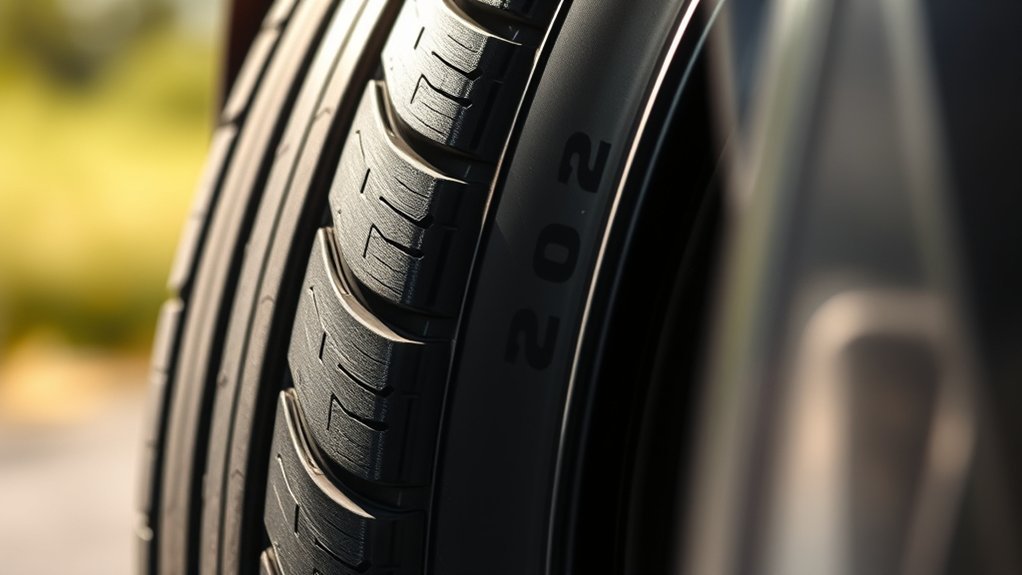
Tire aspect ratio is the height of the tire’s sidewall as a percentage of the tire’s section width. On a tire marked 225/50R17, the tire is 225 mm wide, and the “50” means the sidewall height is 50% of that width.
This number matters because the sidewall is part of the tire’s cushion, flex, and structure. A taller sidewall can absorb more road impact. A shorter sidewall can feel more direct in corners because there is less sidewall flex. That is why many comfort-focused tires use taller profiles, while many performance tire packages use shorter profiles.
Note: Aspect ratio is only one part of tire fitment. Tire model, tread design, rubber compound, load index, speed rating, wheel width, inflation pressure, suspension design, and vehicle weight all affect how a tire actually performs.
Breaking Down Tire Size: Understanding the Numbers
A tire size code may look confusing at first, but each part has a specific job. Using 225/50R17 94V as an example:
| Code Part | What It Means | Why It Matters |
|---|---|---|
| 225 | Tire width in millimeters | Affects contact patch, clearance, wheel fitment, and steering feel |
| 50 | Aspect ratio | Shows sidewall height as 50% of tire width |
| R | Radial construction | Standard construction type for most modern passenger tires |
| 17 | Wheel/rim diameter in inches | Must match the wheel diameter |
| 94 | Load index | Shows how much weight the tire can safely carry |
| V | Speed rating | Shows the tire’s approved speed capability under proper conditions |
For a safe replacement, do not look at aspect ratio alone. The tire size, load index, and speed rating should match the vehicle manufacturer’s recommendation unless a qualified tire professional confirms a safe alternative. You can usually find the recommended tire information on the driver-side door placard, fuel door, glove box, or in the owner’s manual.
Tire Width Explained
The first three-digit number in the tire size is the tire width in millimeters. In 225/50R17, the width is 225 mm.
Wider tires can increase available grip in some conditions because they may place a wider contact patch on the road. However, wider does not automatically mean better. A tire that is too wide for the wheel or vehicle can rub, tramline, reduce winter traction, add rolling resistance, or change steering feel.
| Tire Width | Possible Benefit | Fitment Check |
|---|---|---|
| Narrower | May improve snow/slush cutting and reduce cost | Must still meet load and speed requirements |
| Original width | Best match for factory handling and clearance | Use the door placard or owner’s manual |
| Wider | May improve dry grip and steering response | Check wheel width, fender clearance, suspension clearance, and turning clearance |
Aspect Ratio Significance
The aspect ratio controls sidewall height relative to width. A 225/50 tire has a 112.5 mm sidewall, while a 225/60 tire has a 135 mm sidewall. That extra height changes the tire’s overall diameter, ride feel, and clearance.
Do not compare aspect ratios without also comparing tire width. A 245/45 tire can have a taller sidewall than a 205/50 tire because it starts with a wider section width.
Rim Diameter Importance
The number after “R” is the wheel diameter in inches. A 225/50R17 tire fits a 17-inch wheel. It will not fit a 16-inch or 18-inch wheel.
Rim diameter also affects how much sidewall you need to keep the overall tire diameter close to the original. This is why “plus sizing” often uses a larger wheel with a lower aspect ratio: the wheel gets bigger, the sidewall gets shorter, and the total tire diameter stays close to factory size.
How to Calculate Tire Aspect Ratio Effectively
You can calculate sidewall height from the tire width and aspect ratio. This helps you compare tire sizes before buying.
Understanding Tire Size Codes
- Width: The first number is the tire width in millimeters, such as 225 mm.
- Aspect ratio: The second number is the sidewall height as a percentage of width, such as 50.
- Construction: “R” means radial construction.
- Rim diameter: The final wheel-size number is the rim diameter in inches, such as 17.
- Load index and speed rating: The numbers and letters after the size, such as 94V, tell you load capacity and speed rating.
Sidewall Height Calculation
Use this formula:
Sidewall height = tire width × aspect ratio ÷ 100
For a 225/50R17 tire:
- 225 × 50 ÷ 100 = 112.5 mm sidewall height.
- 112.5 mm × 2 = 225 mm total sidewall height above and below the wheel.
- 225 mm ÷ 25.4 = 8.86 inches.
- 8.86 + 17-inch wheel = about 25.9 inches total tire diameter.
This is why changing only the aspect ratio can still change the entire tire diameter. A shorter sidewall reduces diameter if width and wheel size stay the same. A taller sidewall increases diameter if width and wheel size stay the same.
Pro Tip: After doing the math, compare the new size with the tire manufacturer’s published specs. Actual measured tire dimensions can vary slightly by brand, model, tread design, and approved wheel width.
Impact on Vehicle Performance
Aspect ratio can influence how your vehicle feels in three main ways:
- Ride comfort: Taller sidewalls usually absorb bumps better and can protect wheels from pothole impacts.
- Steering response: Shorter sidewalls often feel sharper because there is less sidewall flex.
- System accuracy: A different overall diameter can affect speedometer readings, odometer readings, transmission behavior, ABS, stability control, and TPMS behavior.
How Tire Aspect Ratio Affects Vehicle Performance

Aspect ratio affects performance because the sidewall flexes as the tire rolls, corners, brakes, and hits bumps. A taller sidewall gives the tire more room to flex. A shorter sidewall usually keeps the tread more stable during quick steering inputs.
For daily driving, a moderate or higher aspect ratio can make the vehicle feel smoother and quieter, especially on rough pavement. For performance driving, a lower aspect ratio can make steering feel more immediate, but it may also create a firmer ride and increase the risk of wheel damage on potholes.
Warning: Do not choose a tire only because the aspect ratio looks sporty or comfortable. The replacement tire must fit the wheel, clear the suspension and body, meet the required load index and speed rating, and stay close enough to the original diameter for the vehicle’s systems to work correctly.
How to Select the Best Tire Aspect Ratio for Your Driving Style
The best tire aspect ratio depends on your vehicle and how you drive. Start with the tire size listed on the vehicle placard or owner’s manual. Then compare approved alternatives instead of guessing.
[Products Worth Considering]

Keep your tires properly inflated with this analog VONDIOR tire pressure gauge, designed for fast, easy readings without batteries. The swiveling, two-axis hose and large glow dial help you measure at any tire angle with instant visibility. Built with a protective rubber shield, it supports durable, low-maintenance use for cars and trucks.

These M14x1.5 closed-end chrome lug nuts are a one-piece replacement designed for secure fitment on compatible GM, Ford, and select Chrysler/Dodge models. Featuring a 60-degree conical seat and anti-rust chrome plating, they help resist corrosion and maintain a bright look for everyday driving. Built for long-term durability, they include OEM-style part references and are backed by 12 months of support.

The SAFELIFE dial tire tread depth gauge measures tread depth in 1/32 inch increments with clear, easy-to-read 2-inch dial face. Color zones using a traffic light system help you quickly judge whether tread is low, marginal, or ample for safer driving. Built with a durable zinc cast body and a metal detect probe for precise, comfortable use across cars, motorcycles, trucks, and buses.
Driving Conditions Consideration
- City and highway commuting: A factory-size tire or similar overall diameter usually gives the best balance of comfort, fuel economy, steering feel, and safety-system accuracy.
- Rough roads and potholes: A taller sidewall can add cushioning and help protect wheels from impact damage.
- Sporty driving: A lower aspect ratio can improve steering response, but the tire model and compound matter just as much as the size.
- Off-road use: Taller sidewalls are often helpful because they can flex over rocks, ruts, and loose surfaces. Fitment, load rating, wheel diameter, and intended terrain are still more important than chasing one “perfect” aspect ratio.
- Winter driving: Some drivers use narrower tires with taller sidewalls for winter packages, but the size must still be approved for the vehicle and wheel.
Vehicle Type Compatibility
Different vehicles need different tire priorities:
- Passenger cars: Often use moderate aspect ratios for a balance of comfort, steering, and fuel economy.
- Sports cars: Often use lower aspect ratios for quicker steering response and better high-speed stability.
- SUVs and trucks: Often need taller sidewalls and stronger load ratings for weight, towing, rough roads, or off-road use.
- EVs and hybrids: May need specific load ratings, low rolling resistance, and tire designs that handle extra vehicle weight and torque.
- AWD and 4WD vehicles: May be sensitive to tire diameter differences. Mismatched sizes or worn-new combinations can stress the drivetrain.
Tire Aspect Ratio: High-Profile vs. Low-Profile Explained?
People often describe tires as high-profile or low-profile based on sidewall height. These terms are useful, but they are not exact categories. A “low-profile” tire on a small car may still have more sidewall than a different “low-profile” tire on a large SUV.
| Tire Profile | Common Strengths | Common Tradeoffs |
|---|---|---|
| Lower profile Often 30–50 series |
Sharper steering response, sportier look, less sidewall flex | Firmer ride, less pothole protection, higher wheel-damage risk, usually higher cost |
| Medium profile Often 55–65 series |
Good balance of comfort, handling, tire availability, and cost | May not feel as sharp as a performance setup or as cushioned as a tall-sidewall setup |
| Higher profile Often 65 series and above |
Better bump absorption, more wheel protection, useful for trucks and rough roads | More sidewall flex, less precise steering feel, possible clearance problems if diameter increases |
[Products Worth Considering]

The Topeak SmartGauge D2 delivers precise digital tire pressure readings for bikes, motorcycles, and sports equipment up to 250 psi (17 bar). Its rotating SmartHead works with both Presta and Schrader valves, so you can check pressure quickly without adapters. The LCD display makes it easy to read results in psi, bar, or kg/cm² with an included CR2032 battery for immediate use.

Replace worn or missing TPMS sensors with a pre-programmed 4-pack designed for compatible GM vehicles. These 315MHz sensors provide real-time tire pressure monitoring and alert you if pressure is too high, too low, or if a rapid air leak occurs. Most installations are ready with minimal relearn effort after mounting, helping improve safety and driving confidence.

Measure tire tread depth quickly and accurately with this LUMITECO dial gauge that reads in 1/32" increments up to 14/32". The color-coded green/yellow/red zones make it easy to judge tire wear and know when replacement is needed. A rugged, compact design with a protective pouch helps keep the gauge ready for use on cars, trucks, motorcycles, and more.
How Tire Aspect Ratio Affects Ride Comfort and Handling
Ride comfort and handling sit on opposite ends of the same tradeoff. More sidewall usually means more cushioning. Less sidewall usually means a more direct connection between the wheel and road.
A taller sidewall can reduce harsh impacts from cracks, expansion joints, and potholes. It can also protect the rim better because there is more rubber between the wheel and the road. A shorter sidewall can make the vehicle feel more responsive when changing lanes or cornering, but it can also transmit more vibration and road noise into the cabin.
The best setup is not always the most extreme. For most drivers, the factory tire size or an approved alternative gives the best balance because the suspension, gearing, speedometer, and safety systems were designed around that tire diameter.
What You Should Know Before Changing Your Tire Aspect Ratio?
Before you change aspect ratio, compare the complete tire size—not just the middle number. A safe tire-size change should account for diameter, width, wheel fitment, load capacity, and vehicle systems.
Warning: Never install a tire with a lower load index than the original equipment tire listed on the vehicle placard or owner’s manual. For custom wheel and tire packages, consult a qualified tire professional before buying.
Use this checklist before changing your tire aspect ratio:
- Check the vehicle placard and owner’s manual. Start with the tire size, load index, speed rating, and pressure recommended by the manufacturer.
- Compare overall diameter. A different diameter can change speedometer and odometer readings.
- Confirm wheel width compatibility. A tire must be approved for the rim width you plan to use.
- Check clearance. Make sure the tire will not rub the fender, strut, control arm, brake parts, or inner liner during turns and suspension travel.
- Consider AWD/4WD limits. Some drivetrains require all four tires to be very close in diameter and tread depth.
- Match or exceed load and speed ratings. The aspect ratio does not replace these safety ratings.
- Set pressure correctly. Use the vehicle manufacturer’s recommended cold tire pressure unless the tire professional or manufacturer gives a different approved pressure for the new setup.
- Recheck after installation. Look for rubbing, vibration, pulling, warning lights, or abnormal wear.
[Products Worth Considering]
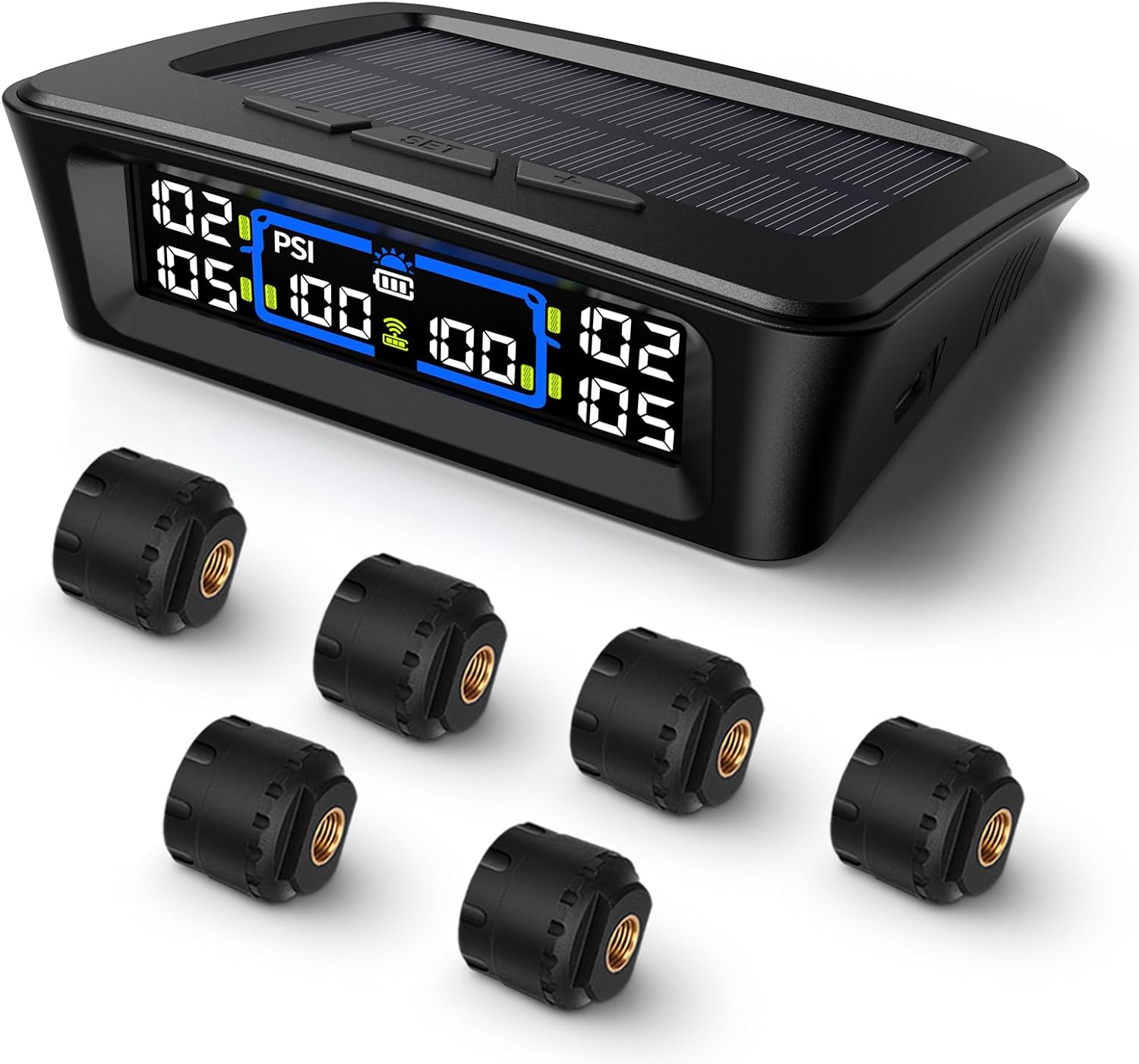
The Tymate TM12 RV TPMS delivers real-time tire pressure and temperature monitoring with a stable 433Hz display for safer long-distance driving. It supports simultaneous monitoring across vehicle and trailer zones, includes six alarm modes for pressure, temperature, leakage, battery, and signal loss, and features easy DIY installation with auto calibration. Power is supplied via USB-C charging or solar recharging, with a wide 0–144 PSI range and up to 50 ft signal coverage for RVs and towable trailers.

This ALL-TOP auto-stop tire deflator valve kit lets you air down off-road tires quickly without watching pressure, automatically stopping when your preset PSI is reached. Each valve is individually calibrated for reliable performance with an acceptable +/- 2 PSI tolerance. The adjustable deflator range covers 10 to 30 PSI and includes four valves plus valve caps and a zipper pouch for easy setup on trucks, SUVs, RVs, UTVs, and powersports.

This manual duck head tire changer kit makes tire installation and removal simpler by letting you embed the duck head into the tire with applied pressure. The integrated design and durable steel construction help reduce friction and improve efficiency and safety during use. Suitable for 16–21 inch wheels, it’s convenient for cars, trucks, SUVs, and ATV tires, with 24-hour after-sales support.
Tire Aspect Ratio and Speedometer Accuracy: What You Need to Know
Your vehicle’s speedometer is calibrated around the rolling diameter of the original tire size. When the tire diameter changes, the distance traveled per wheel revolution also changes.
- Taller tire diameter: The tire travels farther per revolution, so the speedometer may read slower than your actual speed.
- Shorter tire diameter: The tire travels less distance per revolution, so the speedometer may read faster than your actual speed.
For example, switching from a 225/60R17 to a 225/50R17 lowers the sidewall height and reduces the total diameter if all other measurements stay the same. That can make the speedometer read higher than the vehicle’s real road speed. Increasing sidewall height can do the opposite.
Speedometer error is not the only concern. A major tire-diameter change can also affect odometer readings, transmission shift behavior, ABS, traction control, electronic stability control, and tire-pressure monitoring systems.
Common Tire Aspect Ratio FAQs: Your Questions Answered
Aspect ratio questions usually come down to comfort, handling, fitment, and safety. Here are the answers drivers most often need before buying replacement tires.
Frequently Asked Questions
Can I mix different aspect ratios on my vehicle?
You should not mix different aspect ratios unless your vehicle was designed for a staggered tire setup or a tire professional confirms the sizes are compatible. Different aspect ratios can create different tire diameters, which can affect handling, braking, ABS, stability control, and AWD/4WD drivetrain operation.
How does aspect ratio impact fuel efficiency?
Aspect ratio can influence fuel efficiency indirectly, but it is not the only factor. Tire width, weight, tread design, rubber compound, rolling resistance, pressure, alignment, and vehicle load all matter. A low-profile tire is not automatically less efficient, and a high-profile tire is not automatically more efficient.
What is the ideal aspect ratio for off-road driving?
Off-road tires often use taller sidewalls because they can flex over rocks, ruts, and uneven ground. Many off-road setups use aspect ratios around 65 and above, but there is no single ideal number. Wheel size, tire diameter, load range, terrain, suspension clearance, and manufacturer recommendations matter more.
Do aspect ratios vary by tire brand?
The meaning of the aspect ratio is the same across brands, but actual measured dimensions can vary slightly by tire model, tread depth, construction, and approved rim width. Always compare the manufacturer’s published specs when fitment is tight.
How often should I check my tire aspect ratio?
You do not need to recheck aspect ratio monthly because it is part of the tire size printed on the sidewall. You should check it whenever buying tires, comparing sizes, changing wheels, replacing only some tires, or checking whether a used tire matches your vehicle.
Does a lower aspect ratio always mean better handling?
No. A lower aspect ratio can improve steering response because the sidewall is shorter, but handling also depends on tire compound, tread design, tire pressure, wheel width, suspension setup, alignment, and road surface. A cheap low-profile tire may handle worse than a quality tire with a taller sidewall.
Will changing aspect ratio affect my speedometer?
Yes, it can. If the new aspect ratio changes the tire’s overall diameter, the speedometer and odometer can become inaccurate. A taller tire can make the speedometer read low, while a shorter tire can make it read high.
Where do I find the correct tire aspect ratio for my car?
Look at the tire and loading information placard, usually on the driver-side door edge or door jamb, and check your owner’s manual. The full recommended tire size includes width, aspect ratio, construction, wheel diameter, load index, and speed rating.
Conclusion
Understanding tire aspect ratio helps you make better tire choices, but it should never be used by itself. A higher ratio can improve cushioning and wheel protection, while a lower ratio can sharpen steering response. The safest choice is the complete tire size recommended by your vehicle manufacturer or a properly verified alternative.
Before changing aspect ratio, compare overall diameter, wheel fitment, load index, speed rating, clearance, and speedometer impact. When in doubt, use the tire placard, owner’s manual, and guidance from a qualified tire professional. That gives you the best balance of comfort, handling, safety, and long-term tire performance.
Sources
- Bridgestone: How to read the information on your tyre sidewall — supports tire size code, width, aspect ratio, construction, rim diameter, load index, speed symbol, and DOT code explanations.
- NHTSA TireWise: Tire safety ratings and awareness — supports tire-size safety, manufacturer-recommended sizing, tire pressure, rotation, TPMS, and maintenance guidance.
- U.S. Tire Manufacturers Association: Replacing Tires — supports using the correct tire size, load index, and speed rating recommended by the vehicle or tire manufacturer.
- Tire Industry Association: Tire Replacement — supports tire placard guidance, load index warnings, and consulting a tire professional for custom wheel and tire packages.
- Tire Rack: How Do I Check Speedometer Accuracy? — supports how tire diameter changes affect speedometer readings.
- Tire Industry Association: Tire Inflation Pressure — supports checking tire pressure monthly and before long trips.