
What Is a Toyota 4Runner Tire Size and How to Read It
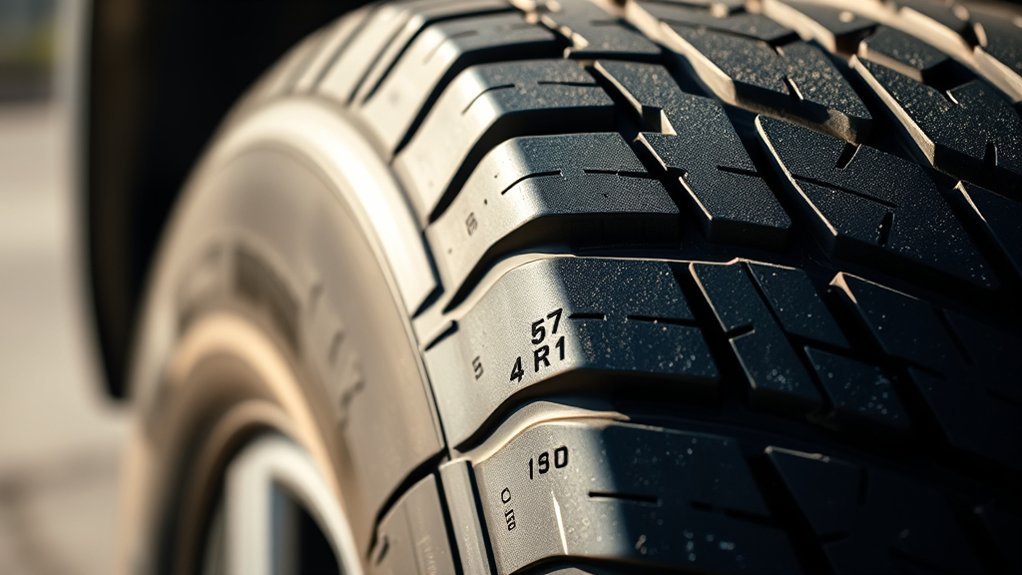
The right Toyota 4Runner tire size depends on the model year, trim, wheel size, and any suspension or wheel changes already on the vehicle. Many 2010–2024 4Runner trims came with P265/70R17, but newer 2025–2026 4Runner models use several factory sizes depending on trim. Before buying tires, always confirm the size, load index, speed rating, and pressure on your driver-side door placard or in the owner’s manual.
Quick Answer
A common Toyota 4Runner tire size is P265/70R17, especially on many 2010–2024 SR5, TRD Off-Road, and TRD Pro trims. Current 2025–2026 4Runner trims may use 245/70R17, 265/70R18, or 265/55R20. Use your tire placard as the final authority.
Key Takeaways
- P265/70R17 means a passenger tire that is 265 mm wide, has a sidewall height equal to 70% of the width, uses radial construction, and fits a 17-inch wheel.
- Factory 4Runner tire sizes vary by year and trim, so do not buy tires based only on a generic online answer.
- Replacement tires should meet or exceed the original load index and speed rating listed for your vehicle.
- Upsizing can improve ground clearance and appearance, but it can also cause rubbing, speedometer error, lower fuel economy, and spare-tire fitment issues.
At a Glance
| Time Required | 5–10 minutes to check the tire placard, sidewall, and owner’s manual |
| Difficulty | Easy for stock replacement; moderate if changing tire size or wheel offset |
| Tools Needed | Driver-door tire placard, tire sidewall, owner’s manual, and a tire-size calculator if comparing upgrades |
| Cost | $0 to verify size; tire cost depends on brand, load rating, season, and terrain type |
Toyota 4Runner Tire Sizes by Year and Trim
The most important thing to know is that there is no single tire size for every Toyota 4Runner. A size that fits one year or trim may be wrong for another. Toyota also changed the 4Runner significantly for the 2025 model year, so older 5th-generation advice does not always apply to newer 6th-generation models.
Warning: Use the driver-side door Tire and Loading Information Label and the owner’s manual as the final authority. The National Highway Traffic Safety Administration recommends checking the tire placard or owner’s manual for the correct tire size.
| Model years / trim examples | Common factory tire size | Notes |
| Many 2010–2024 SR5, SR5 Premium, TRD Off-Road, TRD Off-Road Premium, TRD Pro | P265/70R17 | About 31.6 inches calculated overall diameter; one of the most common 5th-gen 4Runner sizes. |
| Many 2010–2024 Limited and TRD Sport trims with 20-inch wheels | P245/60R20 | Narrower 20-inch tire used on several road-focused trims. |
| Some 2025–2026 SR5 models | 245/70R17 | Current-generation base-trim sizing may differ from older P265/70R17 guidance. |
| Some 2025–2026 TRD Off-Road, Trailhunter, and TRD Pro models | 265/70R18 | Toyota describes several current off-road trims as using 18-inch wheels and 33-inch all-terrain tire packages. |
| Some 2025–2026 TRD Sport, Limited, and Platinum models | 265/55R20 | Common current 20-inch setup on road-focused and premium trims. |
Because options and regional packages can change, use the table as a starting point—not as a replacement for your tire placard. You can also compare current equipment through Toyota’s official 4Runner specifications page and the Toyota owner’s manual vehicle specifications.
[Products Worth Considering]

The Kurgo Seasonal Tire Tote helps protect your car interior, clothes, and garage from tire grime, brake dust, and residue during seasonal tire changes. Its universal design fits most passenger tires between 22" and 31" in diameter, making storage and transport simpler with less mess. Built for rugged, repeated use, it’s machine washable for easy care and comes with a lifetime warranty.

Keep RV, trailer, or truck dual-axle tires protected with waterproof, UV-resistant covers that help guard against sunlight, snow, rust, and dirt. The dual tire covers are easy to install with a rope/bungee fastener for a stable fit that won’t easily slip. Designed for 27–30 inch diameter wheels, they help maintain tire condition through harsh weather.

This 100-piece tire repair screw plug kit provides a fast, self-service solution for punctures on the road. Choose the correct plug size, insert it into the break, and screw it in to help seal the puncture and temporarily restore tire pressure. Thickened threads and rubber-wrapped plugs improve bite and sealing while remaining compact and easy to carry.
What Does a Toyota 4Runner Tire Size Look Like?
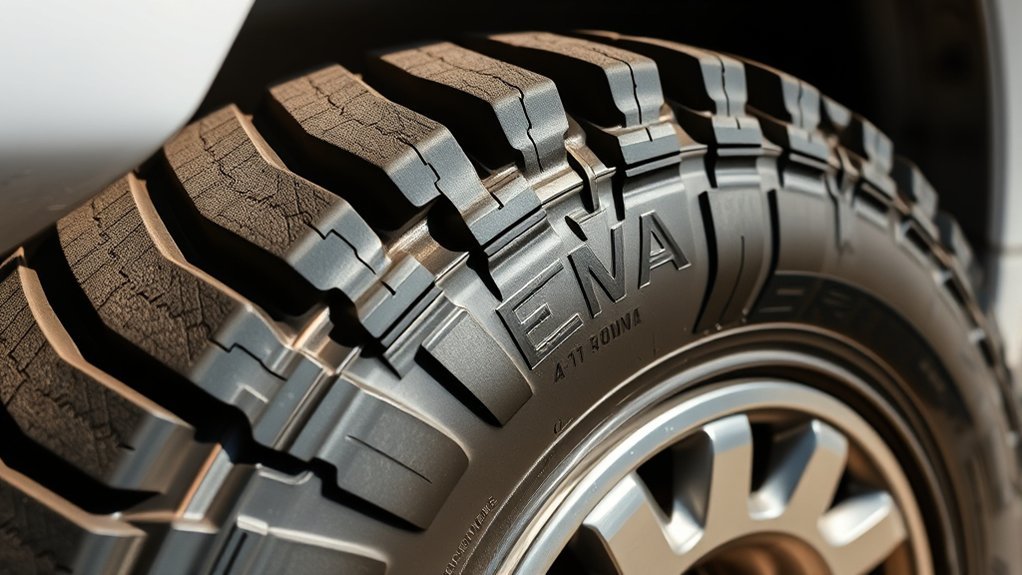
A Toyota 4Runner tire size usually appears as a code such as P265/70R17, 245/70R17, 265/70R18, or 265/55R20. You will find this code on the tire sidewall and on the Tire and Loading Information Label inside the driver-side door opening.
For example, P265/70R17 breaks down like this:
- P means P-metric passenger tire. Some sizes may not show the “P,” which is common on metric tire sizing.
- 265 is the tire section width in millimeters.
- 70 is the aspect ratio, meaning the sidewall height is 70% of the tire width.
- R means radial construction.
- 17 means the tire fits a 17-inch wheel.
A P265/70R17 tire has a calculated diameter of about 31.6 inches. A 285/70R17 tire has a calculated diameter of about 32.7 inches. Actual mounted diameter can vary slightly by tire brand, tread pattern, load rating, and inflation pressure.
Note: Tire-size calculators are useful for comparison, but they do not prove fitment. Rubbing depends on tire shape, wheel width, offset, caster, suspension height, mud flaps, fender liners, and how the tire moves under compression.
How to Read Tire Size Numbers for Your 4Runner
Reading tire numbers is easier when you separate the size code from the service description. A complete sidewall marking may look like P265/70R17 113S. In that example, P265/70R17 is the tire size, while 113S is the service description.
According to Tire Rack’s sidewall guide, tire sidewall markings describe the tire’s service type, section width, aspect ratio, internal construction, wheel diameter, load index, and speed rating. For a 4Runner owner, the most important parts are:
- Width: The first three-digit number, such as 265, tells you the tire’s approximate section width in millimeters.
- Aspect ratio: The number after the slash tells you sidewall height as a percentage of the width.
- Wheel diameter: The final number after “R” tells you the wheel size in inches.
- Load index: The number after the size, such as 110, 113, or 116, tells you the tire’s rated load capacity.
- Speed rating: The letter after the load index, such as S, T, H, or V, tells you the tire’s tested speed category under specified conditions.
If your placard says 265/70R18 116T, do not replace it with a tire that has a lower load index or lower speed rating unless the tire manufacturer, Toyota documentation, or a qualified tire professional confirms it is appropriate for your use.
How to Choose the Right Tire Width and Aspect Ratio for Your 4Runner
Choosing tire width and aspect ratio is about more than looks. A wider tire can provide a larger footprint in some conditions, but the tread design, compound, tire pressure, load rating, and terrain all matter. A taller sidewall can improve cushion and off-road compliance, but too much extra diameter can create rubbing and speedometer error.
Tire Width Considerations
A move from 265 width to 275 or 285 width can change steering feel, clearance, and fuel economy. Wider tires may help in some loose-terrain situations, but they can also be heavier, noisier, and more likely to rub the fender liner, body mount area, mud flaps, or upper control arm depending on the wheel offset.
For many 5th-generation 4Runner owners, 275/70R17 is a mild step up from P265/70R17, while 285/70R17 is a more common “33-inch class” upgrade. The 285 size often needs careful wheel-offset selection, alignment, and sometimes trimming. On current 6th-generation 4Runner trims, Toyota already uses larger 18-inch all-terrain packages on several off-road-focused models, so upgrade advice should be based on the exact trim.
Aspect Ratio Explained
The aspect ratio is the sidewall height expressed as a percentage of tire width. In 265/70R17, the sidewall height is 70% of 265 mm, or about 185.5 mm. In 265/55R20, the sidewall is 55% of 265 mm, or about 145.8 mm.
A higher aspect ratio generally gives you more sidewall, which can help ride comfort and off-road flex. A lower aspect ratio often gives a firmer road feel and is common on larger-diameter wheels. That is why a 20-inch road-focused 4Runner tire can feel different from a 17- or 18-inch all-terrain setup even when the overall diameter is similar.
Overall Diameter and Speedometer Impact
Overall diameter affects ground clearance, gearing feel, odometer readings, and speedometer accuracy. If the new tire is taller than stock, the vehicle travels farther per wheel rotation than the computer expects. That can make the speedometer read slightly slower than your actual speed.
A tire that fits the wheel is not automatically the right tire for the vehicle. Match the size, load index, speed rating, and clearance—not just the rim diameter.
Why Load Rating Matters for Your 4Runner Tires
Load rating is critical on a Toyota 4Runner because it is a body-on-frame SUV often used for passengers, cargo, roof racks, camping gear, towing, and off-road travel. The load index is a coded number that corresponds to how much weight one tire can carry when properly inflated.
Michelin’s load and speed rating guide explains that standardized tire markings show a tire’s size, construction, load rating, and speed rating. It also recommends matching the original manufacturer’s specified size and load rating when replacing tires.
Do not assume that every tire in the same size has the same load capacity. Two tires marked 265/70R17 can have different service descriptions, such as 113S or 115T. A lower load index can reduce safety margin, especially when towing, carrying heavy cargo, or driving off-road at reduced pressures.
Pro Tip: If you add steel bumpers, sliders, drawers, a rooftop tent, recovery gear, or towing equipment, discuss load rating and tire pressure with a tire professional instead of choosing by size alone.
What to Know About Tire Speed Ratings
The speed rating is the letter in the service description, such as S, T, H, or V. It indicates the maximum speed category the tire is designed to sustain under specified test conditions when properly inflated and loaded.
For daily 4Runner use, the goal is not to buy the highest speed rating possible. The goal is to match or exceed the speed rating Toyota specified for your vehicle and tire package. A lower speed rating can affect heat resistance, handling response, and the tire’s ability to operate as intended.
Speed rating should never be viewed alone. A safe replacement tire needs the correct size, load index, speed rating, inflation pressure, tread type, and condition. If you install winter-rated tires with a lower speed rating, follow the tire manufacturer’s limits and avoid driving above that tire’s maximum rated speed.
[Products Worth Considering]

The Dr.Roc spare tire tool kit helps you release, lower, or raise your spare tire with reliable extension tools and a lug nut wrench. It is made from rustproof automotive-grade steel and includes an organized carry case for convenient storage. Designed for compatibility with select GM models from the late 1990s through 2019, it uses upgraded extension components to install and remove spare tires with less hassle.

This portable cordless tire inflator delivers fast, efficient inflation for cars, motorcycles, bikes, and sports balls with a digital pressure gauge. Use the one-click PSI preset with auto shut-off for accurate, hands-free topping to your target pressure up to 150 PSI. It’s compact and rechargeable with a built-in emergency LED light plus valve adapters and accessories for quick, ready-to-go use.
How Tire Construction Types Affect Performance and Durability
Most modern 4Runner replacement tires use radial construction, shown by the “R” in sizes such as P265/70R17. Radial tires are the normal choice for everyday driving, highway use, and most light-truck/SUV all-terrain tires.
Beyond radial construction, pay attention to these markings and categories:
- SL or Standard Load: Common on many passenger and SUV tires; suitable when it matches the OEM requirement.
- XL or Extra Load: Reinforced to carry more load at higher inflation pressure than a standard-load tire in the same size.
- LT tires: Light-truck tires may offer stronger casing options and higher load ranges, but they can ride firmer and weigh more.
- 3PMSF: The Three-Peak Mountain Snowflake symbol indicates the tire meets a snow-traction performance standard for severe snow service.
- All-terrain vs. highway tread: All-terrain tires can improve trail grip and durability, while highway tires are usually quieter and more efficient on pavement.
Do not confuse tire construction with wheel construction. Terms such as cast, forged, and flow formed describe wheels, not tires. Wheel strength matters, but it is a separate fitment decision from tire size, load rating, and tread type.
Why Proper Tire Fitment Is Essential for Your 4Runner
Proper tire fitment protects handling, braking, stability, tire life, and clearance. A tire that is too tall or too wide may rub during turns, when reversing, while braking, or when the suspension compresses off-road. A tire that has the wrong load or speed rating may not perform safely under the vehicle’s weight and usage.
Before changing from the original size, check these fitment points:
- Door placard: Confirm the original size, load rating, speed rating, and cold tire pressure.
- Wheel size: Make sure the tire is approved for your wheel diameter and width.
- Wheel offset: Lower offset can push the tire outward and increase fender or body-mount contact.
- Upper control arm clearance: Wider tires can contact suspension components on some wheel setups.
- Spare tire fit: A larger tire may not fit in the factory spare location.
- Speedometer change: Compare overall diameter before buying.
- Alignment: Caster settings can affect clearance with larger tires.
- Use case: Daily driving, towing, snow, desert trails, rock crawling, and overlanding may call for different tire choices.
Note: A factory 33-inch tire package on a newer TRD Pro or Trailhunter is not the same fitment situation as adding aftermarket 33-inch tires to an older 4Runner with different wheels, offset, suspension, and body clearances.
Common 4Runner Tire Upgrade Sizes
If your 4Runner came with P265/70R17 tires, these are common comparison points. Exact fitment still depends on your year, trim, wheel offset, tire model, and suspension setup.
| Size | Approx. diameter | Fitment note |
| 265/70R17 | 31.6 in | Common stock size on many 5th-gen trims. |
| 275/70R17 | 32.2 in | Mildly taller and wider; may still need fitment checks. |
| 285/70R17 | 32.7 in | Popular 33-inch-class upgrade; rubbing and trimming are more likely. |
| 265/70R18 | 32.6 in | Common on several current off-road-oriented 6th-gen trims with 18-inch wheels. |
| 265/55R20 | 31.5 in | Common 20-inch size on road-focused trims; less sidewall than 17- or 18-inch setups. |
For off-road use, a slightly taller tire can add clearance under the differential, but it can also add weight and reduce acceleration. For highway use, a quieter all-season or highway-terrain tire in the factory size may be a better choice than a heavy aggressive all-terrain tire.
Frequently Asked Questions
How do I read a Toyota 4Runner tire size?
Use a code such as P265/70R17 as a step-by-step label. “P” means passenger tire, “265” is width in millimeters, “70” is the sidewall aspect ratio, “R” means radial construction, and “17” is the wheel diameter in inches. If the tire also says 113S, “113” is the load index and “S” is the speed rating.
Is 265 or 275 better for a 4Runner?
Neither is automatically better. A 265-width tire is usually closer to many factory setups and is easier to fit. A 275-width tire can add a little width and height depending on aspect ratio, but it may also add weight and clearance concerns. Choose based on your placard, wheel specs, driving conditions, and fitment clearance.
Can I put 285/70R17 tires on a Toyota 4Runner?
Many 4Runner owners use 285/70R17 tires, but they are not a guaranteed no-rub fit. This size is taller and wider than P265/70R17, so wheel offset, alignment, suspension height, mud flaps, fender liners, and body-mount clearance all matter. Check fitment before buying.
Where is the correct Toyota 4Runner tire size listed?
The safest place to check is the Tire and Loading Information Label on the driver-side door edge or door jamb. You can also use the owner’s manual and Toyota’s official specifications. The tire already on the vehicle is helpful, but it may not be original if a previous owner changed sizes.
Do I need the same load index and speed rating?
Replacement tires should meet or exceed the original load index and speed rating specified for your 4Runner. Going lower can reduce safety margin and may affect handling, heat resistance, durability, and load capacity. If you are changing tire type, ask a qualified tire professional to verify the replacement.
Conclusion
The best Toyota 4Runner tire size is the one that matches your exact year, trim, wheel package, load requirement, and driving style. P265/70R17 is a common size on many older 4Runner trims, but newer models and 20-inch-wheel trims use different factory sizes. Read the full sidewall code, confirm the door placard, and check load index, speed rating, wheel offset, and clearance before changing sizes. A good tire choice should fit correctly, carry the vehicle safely, and match how you actually use your 4Runner.
Sources
- Toyota 4Runner specifications — official Toyota model specifications and trim information.
- Toyota USA Newsroom: 2026 Toyota 4Runner — current 6th-generation 4Runner trim and tire-package context.
- Toyota Owners: 2026 4Runner vehicle specifications — official owner-manual specification reference.
- NHTSA TireWise tire safety guide — tire placard, tire maintenance, and safety guidance.
- Tire Rack sidewall guide — tire size, construction, load index, and speed-rating explanation.
- Michelin load rating and speed rating guide — load index and speed rating safety guidance.

Related Articles

When to Switch From All-Season to Winter Tires on a 4Runner
Ineffective all-season tires in cold weather can jeopardize your safety—discover when to make the crucial switch for better traction and handling.
Read More
4Runner Tire Mileage: How Many Miles Should They Last
Curious about how long your 4Runner tires should last? Discover essential tips and factors that influence tire longevity.
Read More
How Long Do Toyota 4Runner Tires Typically Last
How long do Toyota 4Runner tires typically last? Discover the factors that influence tire longevity and essential tips for maintenance.
Read More