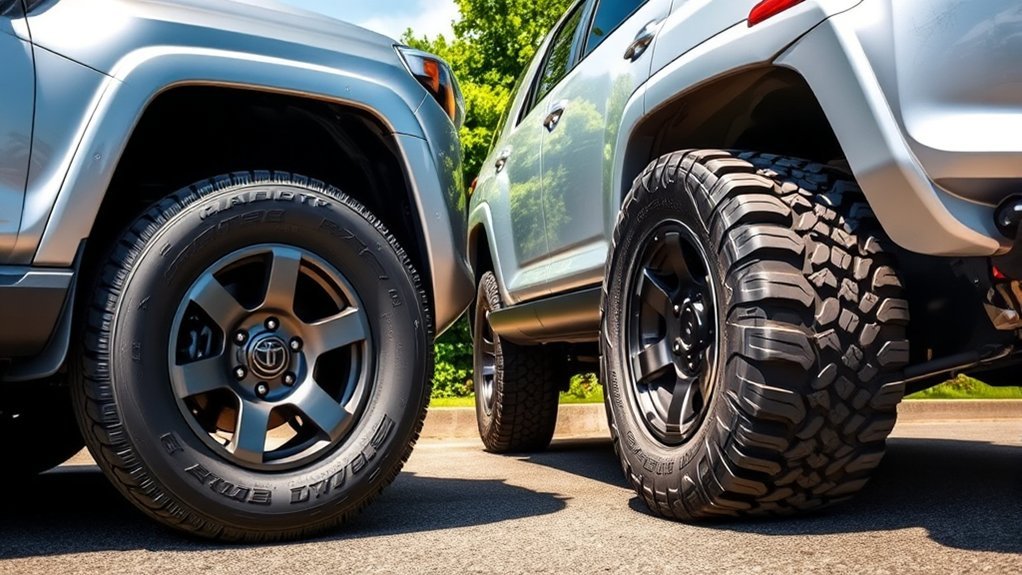
The right tire size for a 5th Gen Toyota 4Runner depends on your model year, trim, wheel size, suspension setup, wheel offset, and how much rubbing you are willing to correct. Toyota identifies the fifth-generation 4Runner as the 2010–2024 generation, so this guide is for those model years only, not the redesigned 2025-and-newer 4Runner.
Quick Answer
Most 5th Gen 4Runners use 265/70R17 tires from the factory, while 20-inch wheel trims commonly use 245/60R20. For a mild upgrade, 275/70R17 is usually the easiest step up. A 285/70R17 is the popular “33-inch” look, but it often needs alignment, trimming, and sometimes a lift.
Key Takeaways
- The safest replacement is the same tire size listed on your driver-door tire placard or in the owner’s manual.
- 265/70R17 is the common stock 17-inch size; 245/60R20 is used on 20-inch wheel trims such as Limited and late fifth-gen TRD Sport.
- 275/70R17 is a mild upgrade; 285/70R17 usually brings better stance and clearance but more rubbing risk.
- Lift height alone does not guarantee fitment. Wheel offset, caster, mud flaps, fender liners, and body mount clearance matter.
- After upsizing, verify speedometer accuracy, tire pressure, load rating, speed rating, and alignment.
At a Glance
| Time Required | 15–30 minutes to confirm stock size; 1–2 hours to test-fit larger tires; longer if trimming, lift work, or alignment is needed. |
| Difficulty | Easy for stock-size replacement; moderate for 275/70R17; moderate to advanced for 285/70R17 and larger. |
| Tools Needed | Tire pressure gauge, tape measure, flashlight, torque wrench, jack and stands for clearance checks, and a GPS speed app for speedometer verification. |
| Cost | Varies by tire, wheel, labor, alignment, trimming, and lift parts. A larger LT tire usually costs more and may add extra installation labor. |
Understanding Stock Tire Sizes for the 5th Gen 4Runner
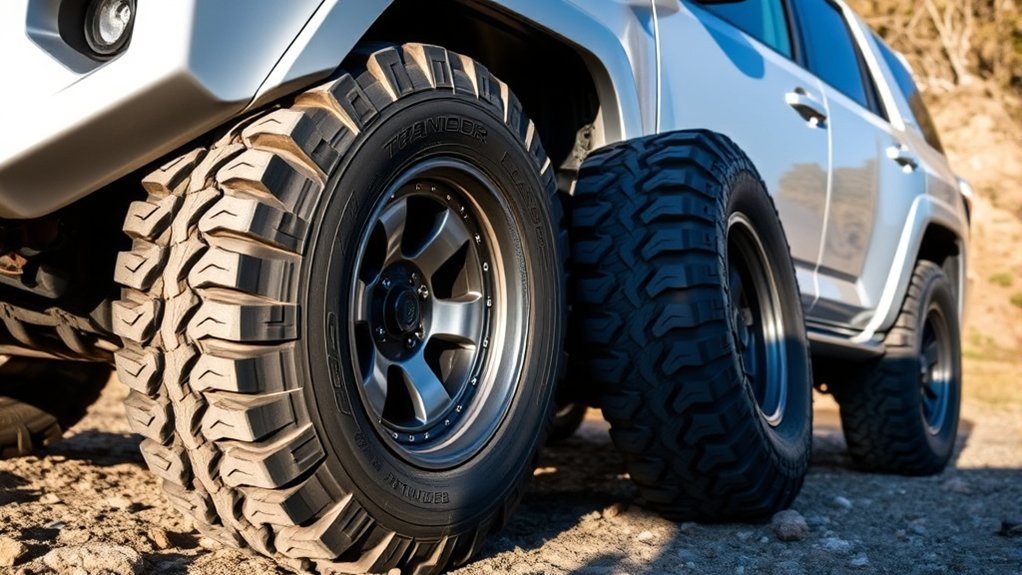
For most 5th Gen Toyota 4Runner owners, the stock tire size is simple: many 17-inch wheel trims use P265/70R17. Toyota’s 2024 4Runner eBrochure lists 17-inch wheels with P265/70R17 tires on several trims and 20-inch wheels with P245/60R20 tires on 20-inch wheel trims such as TRD Sport and Limited.
| Factory wheel setup | Common stock tire size | Best use |
|---|---|---|
| 17-inch factory wheels | P265/70R17 | Daily driving, mild trails, easiest replacement fitment |
| 20-inch factory wheels | P245/60R20 | Street comfort, factory Limited/TRD Sport appearance, less sidewall than 17-inch setups |
| TRD Pro factory 17-inch wheels | P265/70R17 A/T | Factory all-terrain setup with more trail-focused tread |
Note: Always confirm your exact size on the driver-door tire placard. Toyota changed trims and equipment over the fifth-generation run, and previous owners may have already changed wheels or tires.
What the Tire Size Code Means
A tire marked 265/70R17 breaks down like this: 265 is the nominal section width in millimeters, 70 is the sidewall height as a percentage of width, R means radial construction, and 17 is the wheel diameter in inches. The same logic applies to 245/60R20, 275/70R17, and 285/70R17. Michelin’s tire-marking guide explains that sidewall markings also include load rating, speed rating, construction, and other specifications that matter when replacing tires.
That means tire size is only part of the decision. You also need a tire with the correct load index, speed rating, wheel compatibility, and pressure range for your 4Runner.
Popular Tire Upgrade Options for the 4Runner
If you want a bigger tire without turning the project into a full suspension and trimming job, stay conservative. The jump from 265/70R17 to 275/70R17 is mild. The jump to 285/70R17 is common, but it is where rubbing, caster, offset, and trimming become much more important.
| Tire size | Approx. diameter | Fitment notes | Best for |
|---|---|---|---|
| 265/70R17 | 31.6 in. | Factory 17-inch size; easiest fit. | Daily driving, fuel economy, no-hassle replacement. |
| 275/70R17 | 32.2 in. | Mild upgrade; often manageable with stock-style wheel offset, but still check mud flaps and liner clearance. | Slightly taller stance with low modification risk. |
| 285/70R17 | 32.7 in. | Popular “33-inch” look; may require liner push, mud-flap removal, trimming, alignment caster adjustment, upper control arms, and sometimes lift work. | Trail use, aggressive stance, improved ground clearance. |
| 255/75R17 | 32.1 in. | Tall and narrow “pizza cutter” option; width clearance can be easier than 285s, but tire choices are more limited. | Snow, ruts, and owners who want height without extra width. |
| 295/70R17 | 33.3 in. | Expect more rubbing work, especially with lower-offset aftermarket wheels. | Modified trail builds. |
| 285/75R17 | 33.8 in. | Usually requires serious clearance planning, trimming, lift, and often body mount clearance work. | Aggressive off-road builds. |
[Products Worth Considering]

Upgrade your ride with a 2-pack set of 26x1.95 folding mountain bike tires built for dependable traction on mud, rocks, and trail surfaces. A reinforced puncture-resistant layer helps protect against sharp debris, while included butyl inner tubes provide strong sealing and shock absorption. Ready for fast swaps with included tire levers and universal sizing for most bikes.

Keep your tires properly inflated with this analog VONDIOR tire pressure gauge, designed for fast, easy readings without batteries. The swiveling, two-axis hose and large glow dial help you measure at any tire angle with instant visibility. Built with a protective rubber shield, it supports durable, low-maintenance use for cars and trucks.

This 1/2-inch drive breaker bar delivers powerful leverage for loosening and tightening stubborn lug nuts and automotive fasteners. The 180-degree flex head helps you reach tight spaces at the angle you need, making tire and brake jobs easier. A spring-loaded ball detent design holds 1/2-inch sockets securely while the chrome-moly head provides durable strength for everyday use.
Tire Size Comparison and Speedometer Effect
Changing tire diameter changes how far the 4Runner travels per wheel revolution. Tire Rack explains that most speedometers are based on tire revolutions calculated from the original tire size, so taller tires can make your actual speed higher than the indicated speed.
| Size | Nominal diameter | Change vs. 265/70R17 | When speedometer shows 60 mph |
|---|---|---|---|
| 245/60R20 | 31.6 in. | About the same | About 60 mph |
| 265/70R17 | 31.6 in. | Baseline | 60.0 mph |
| 275/70R17 | 32.2 in. | +1.7% | About 61.0 mph |
| 285/70R17 | 32.7 in. | +3.5% | About 62.1 mph |
| 295/70R17 | 33.3 in. | +5.2% | About 63.1 mph |
| 285/75R17 | 33.8 in. | +7.0% | About 64.2 mph |
Note: These are nominal calculations from tire-size math. Real mounted height and rolling radius can vary by tire brand, tread depth, load, and pressure.
Key Considerations for Tire Upsizing
Upsizing tires can make a 5th Gen 4Runner look and perform better off-road, but it also changes clearance, speedometer accuracy, braking feel, gearing, tire weight, and fuel economy. Before buying larger tires, check the door placard, read your tire sidewalls, and decide how much modification you are comfortable with.
Clearance Issues and Modifications
The main clearance points on a 5th Gen 4Runner are the front mud flaps, front fender liners, front bumper edge, upper control arm clearance, and body mount area behind the front tire. Rubbing is most common at full steering lock, when reversing, or when the suspension compresses off-road.
- Fender liner push: Moving the front liner forward can help mild rubbing.
- Mud flap removal: Removing or trimming front mud flaps is common with 285/70R17 tires.
- Alignment caster: More positive caster can move the tire slightly forward, improving rear clearance.
- Upper control arms: Adjustable aftermarket UCAs can help alignment after a lift, especially when chasing more caster.
- Body mount chop: Larger 33-inch-plus setups may need body mount clearance work. This is permanent fabrication and should be done carefully.
Suspension Lift Recommendations
A 2-inch to 3-inch suspension lift can improve vertical clearance and stance, but it does not automatically solve every rubbing point. The tire still swings through the same wheel opening, and wheel offset can push the tire into the body mount or fender area. For 285/70R17 tires, a mild lift plus a good alignment is often a practical starting point. For 295/70R17, 285/75R17, or wider low-offset wheel setups, expect more trimming.
Pro Tip: Test fit one front tire before mounting the full set. Turn lock-to-lock, reverse slowly, compress the suspension if possible, and check both sides because alignment and body tolerances can vary.
Speedometer Recalibration Necessity
After a tire-size change, verify speedometer accuracy with a GPS speed app or a professional diagnostic tool. A small tire change may only create a small error, but 285/70R17 and larger sizes can create enough difference to matter. If the speedometer, odometer, transmission behavior, or driver-assistance systems feel off, ask a Toyota dealer or qualified shop about calibration options.
Warning: Do not use the maximum pressure molded on the tire sidewall as your normal tire pressure. Use the vehicle placard, owner’s manual, and tire professional guidance, especially when switching from P-metric tires to heavier LT tires.
Benefits of Upsizing: Performance and Aesthetics
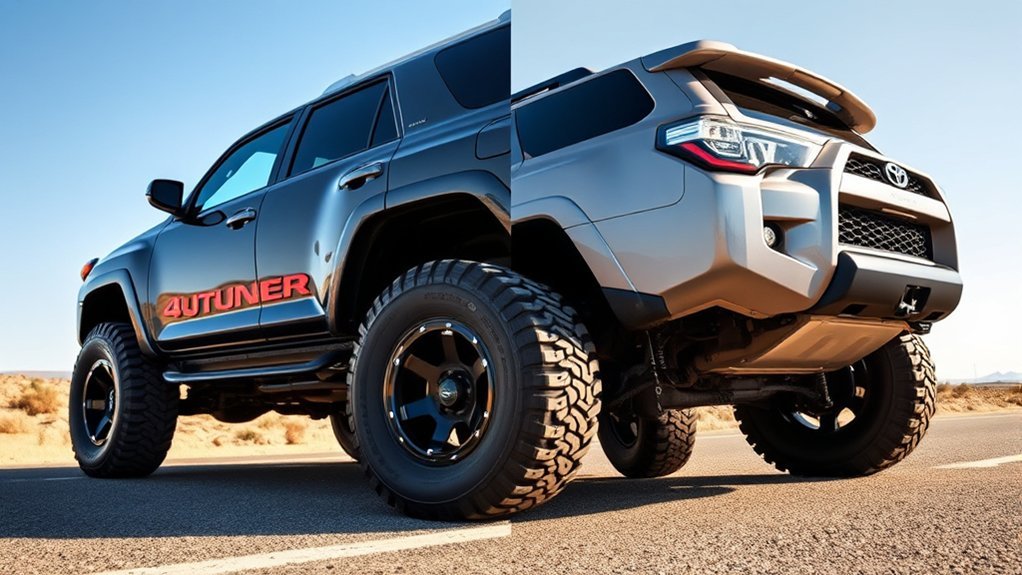
Larger tires can improve your 4Runner’s stance, ground clearance, and trail confidence. The benefit is most noticeable when moving from the stock 265/70R17 to something like 275/70R17 or 285/70R17. The trade-off is that larger tires are usually heavier, may reduce fuel economy, can increase road noise, and may require more clearance work.
Enhanced Off-Road Capability
A taller tire can improve ground clearance under the differentials and help the 4Runner roll over rocks, ruts, and uneven trails. Wider or more aggressive all-terrain tires can also add grip in dirt, gravel, mud, and snow. For serious trail use, tread pattern and sidewall strength matter as much as tire size.
Improved Vehicle Aesthetics
Upsized tires fill the wheel wells and give the 4Runner a more planted look. A 275/70R17 upgrade is subtle and clean. A 285/70R17 setup looks more aggressive and is one of the most common visual upgrades for fifth-gen owners. Just remember that the best-looking setup is not always the easiest one to live with every day.
The sweet spot for many 5th Gen 4Runner owners is 275/70R17 for easy daily use or 285/70R17 for a stronger trail stance with planned clearance work.
Recommended Tire Sizes for Different Driving Needs
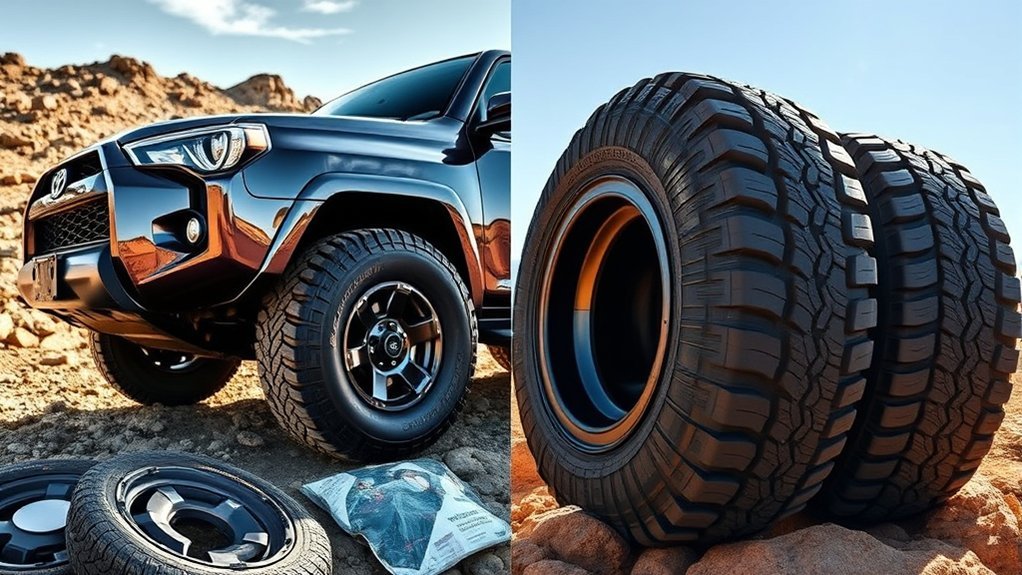
Your best tire size depends on how you drive. A daily commuter does not need the same tire as a weekend trail build, and a rock-crawling setup may be frustrating on a long highway commute.
| Driving need | Recommended size | Why it works |
|---|---|---|
| Daily driving and road trips | 265/70R17 or 245/60R20 | Factory-like ride, predictable handling, easiest replacement. |
| Daily driving with mild trail use | 275/70R17 | Adds a little height without the fitment drama of wider 33-inch tires. |
| Balanced overland build | 285/70R17 | Strong stance, more clearance, and broad all-terrain tire availability. |
| Snow, ruts, and narrow-track preference | 255/75R17 | Tall and narrow profile can cut through loose surfaces better than a wider tire. |
| Aggressive trail build | 295/70R17 or 285/75R17 | More clearance and presence, but requires serious fitment planning. |
[Products Worth Considering]

The Ziopetru adjustable magnetic wheel alignment tool helps you check and restore camber and caster positioning after removing and reinstalling undercarriage components. With a clear leveling/bubble measurement system and an easy zeroing adjustment knob, it supports precise horizontal angle checking. The strong magnetic base mounts to metal surfaces for convenient use at home on cars, motorcycles, trucks, vans, and SUVs.

The Trivd Frol 1/2" air impact wrench delivers high performance torque up to 1500 ft-lbs with a twin hammer impact mechanism for strong, balanced blows. It features an ergonomic grip, compact lightweight design, and quick-stop control with 3 forward speeds up to 8000 RPM plus a reverse speed. Built for demanding automotive repair and tire shop work, the rear exhaust helps keep debris away from the surface.

The SAFELIFE dial tire tread depth gauge measures tread depth in 1/32 inch increments with clear, easy-to-read 2-inch dial face. Color zones using a traffic light system help you quickly judge whether tread is low, marginal, or ample for safer driving. Built with a durable zinc cast body and a metal detect probe for precise, comfortable use across cars, motorcycles, trucks, and buses.
Modifications for Enhanced Clearance and Fitment
For tire upgrades above stock size, the cleanest setup usually comes from combining several small changes rather than relying on one big lift. Start with alignment, then check liners and mud flaps, then decide whether trimming is needed.
- Alignment: Ask for a proper post-lift alignment and discuss caster goals with the shop.
- Wheel offset: Lower offset pushes the tire outward, which can improve upper control arm clearance but may increase fender and body mount rubbing.
- Upper control arms: Helpful after a lift when the factory arms cannot deliver the caster you need.
- Fender liner and mud flap work: Often enough for mild setups.
- Body mount clearance: Usually reserved for bigger 33-inch-plus setups or aggressive wheel offsets.
- Speedometer check: Confirm the actual speed after mounting larger tires.
Choosing Tire Type, Load Rating, and Wheel Setup
Do not choose only by size. Tire construction changes how your 4Runner rides. A P-metric all-terrain tire is usually lighter and more comfortable. An LT tire can bring stronger construction and higher load capacity, but it may ride firmer, weigh more, and reduce fuel economy.
Michelin explains that load rating and speed rating identify how much weight a tire can carry and the maximum speed it can safely sustain when properly inflated. For a 4Runner, replacement tires should meet or exceed the manufacturer’s required load and speed rating unless a tire professional confirms a safe alternative for your exact use.
Note: If you own a Limited or TRD Sport with 20-inch wheels and want more sidewall for off-road use, many owners consider switching to compatible 17-inch wheels. Confirm brake clearance, offset, lug pattern, load rating, and tire placard implications before buying.
[Products Worth Considering]

These aluminum alloy tire valve stem caps with an O-ring seal help protect valve stems from corrosion while adding a clean, stylish look to your vehicle. The universal fit works across cars, trucks, motorcycles, bicycles, and more, making them an easy upgrade for everyday driving and off-road use. Installation is quick, and the included four-pack keeps all your tires dressed and protected.

Upgrade your 2024-2026 Tesla Model 3 Highland with REEVAA all-weather mud flaps designed for seamless fit along the original body lines. The set of four delivers strong splash protection against mud, gravel, and road debris while using OEM-grade durable materials. Installation is non-destructive with original hole positions and snap-in clips, and the aerodynamic design helps minimize impact on efficiency.

This 3-piece wheel brush set makes it easy to clean wheels and tires with soft, scratch-free brushes designed for lifting brake dust and grime. The flexible rim brush bends up to 360 degrees to reach hard-to-access areas for a thorough clean, while the comfortable grip helps control during detailing. A dedicated detailing brush supports gentle cleaning for sensitive surfaces, including interior use.
Installation Checklist Before You Buy
- Check the tire size printed on your current tires.
- Check the driver-door tire placard and owner’s manual.
- Confirm wheel diameter, width, offset, and load rating.
- Choose a tire with the correct load index and speed rating.
- Compare nominal diameter against stock size.
- Plan for speedometer error if the tire is taller than stock.
- Test fit the front tires before committing to trimming.
- Check rubbing at full steering lock, in reverse, and during suspension compression.
- Get an alignment after tire, wheel, suspension, or upper control arm changes.
- Recheck lug torque and tire pressure after installation.
User Experiences: Insights From 4Runner Owners
Many 4Runner owners report that the jump to 275/70R17 feels like a clean upgrade with minimal compromise. Moving to 285/70R17 is where experiences vary more widely. Some owners make it work with mild trimming and alignment, while others need upper control arms, a lift, or more aggressive trimming because of wheel offset or tire model differences.
Common owner feedback includes:
- Better stance: Larger tires fill the wheel wells and make the 4Runner look more trail-ready.
- More trail confidence: Taller all-terrain tires can improve clearance and grip.
- More road noise: Aggressive tread patterns may hum on the highway.
- Possible fuel economy loss: Heavier tires and more rolling resistance can reduce MPG.
- Fitment surprises: Two tires with the same printed size can measure differently by brand and model.
Frequently Asked Questions
Will larger tires affect my fuel efficiency?
Yes. Larger tires are often heavier and can add rolling resistance, especially if you move to an aggressive all-terrain or LT tire. That can reduce fuel economy and make acceleration feel slower. Keeping tires properly inflated and aligned helps reduce the loss.
How do I choose the right tire brand?
Start with how you drive: highway, snow, gravel, mud, rocks, towing, or overlanding. Then compare tread pattern, tire weight, load rating, speed rating, sidewall strength, wet braking reviews, road noise, warranty, and availability in your chosen size.
Can I use 33-inch tires without a lift?
Sometimes, but do not assume they will fit cleanly. A 285/70R17 is often called a 33-inch tire and may rub on a stock 4Runner, especially with aggressive tread or lower-offset wheels. Plan for liner adjustment, mud-flap removal, alignment, trimming, or a lift depending on your setup.
What is the impact on ride comfort with larger tires?
A taller sidewall can smooth out rough roads, but heavier LT tires can feel firmer and slower to accelerate. Tread pattern also matters. A highway-terrain tire will usually be quieter than a mud-terrain tire in the same size.
Do all tire sizes fit all wheel designs?
No. Tire fit depends on wheel diameter, wheel width, offset, backspacing, brake clearance, load rating, and the tire manufacturer’s approved rim-width range. A tire that fits the wheel may still rub the fender liner, body mount, or suspension.
Do I need to recalibrate the speedometer after changing tire size?
You should at least verify it. A mild change such as 275/70R17 creates a small speed difference, while 285/70R17 and larger sizes create a more noticeable error. Use GPS to compare indicated and actual speed, then ask a dealer or qualified shop about calibration if needed.
Is 275/70R17 or 285/70R17 better for a daily driver?
For most daily drivers, 275/70R17 is the easier upgrade because it adds height with less rubbing risk. Choose 285/70R17 if you want the more aggressive look and off-road clearance, and you are willing to handle possible trimming, alignment changes, and extra tire weight.
Conclusion
Choosing the best 5th Gen 4Runner tire size is about balancing fitment, safety, performance, and appearance. The factory 265/70R17 size is the easiest choice for most 17-inch wheel trims, while 245/60R20 applies to many 20-inch wheel trims. For upgrades, 275/70R17 is the mild path, and 285/70R17 is the popular aggressive option that may require supporting modifications. Measure first, check your placard, verify load ratings, test for rubbing, and confirm your speedometer before calling the job done.
Sources
- Toyota 2024 4Runner eBrochure — factory 4Runner wheel and tire-size references.
- Toyota USA Newsroom: Fifth and Sixth Generation 4Runner — confirms fifth-generation 4Runner model years.
- NHTSA TireWise — tire placard, tire size, pressure, and safety guidance.
- NHTSA Tire Safety Brochure — replacement-size, pressure, tread, balance, and alignment guidance.
- Tire Rack: How Do I Check Speedometer Accuracy? — explains how tire diameter affects speedometer readings.
- Michelin: Tire Load Rating and Speed Rating — explains load index and speed rating for replacement tires.