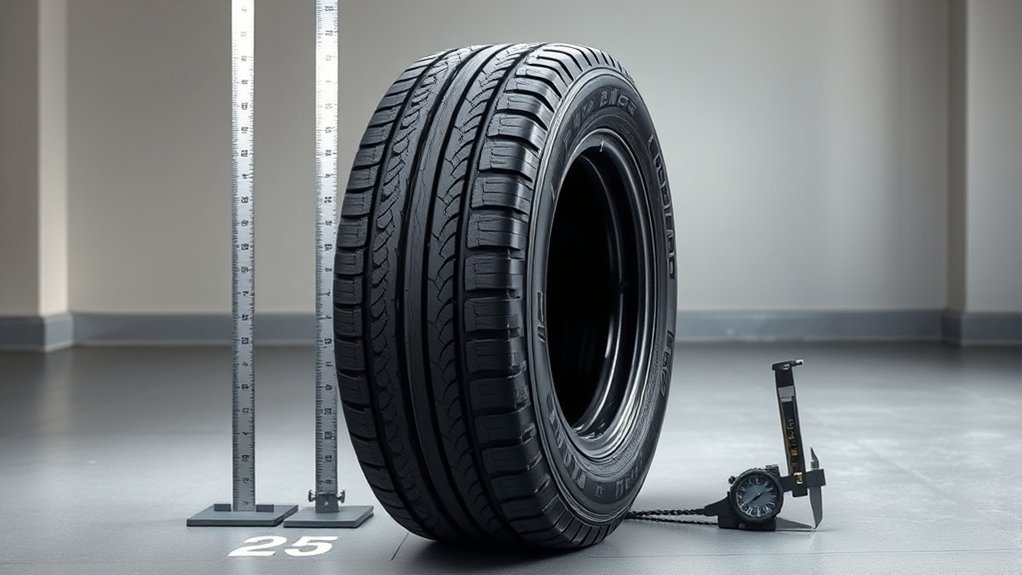
A 295 tire is about 11.6 inches wide, but its height is not fixed. The full size code matters. A 295/70R17 is about 33.3 inches tall by nominal tire-size math, while a 295/65R20 is about 35.1 inches tall. Use the width, aspect ratio, and wheel diameter together before judging fitment, clearance, or gearing.
Quick Answer
A 295 tire is not automatically a 33-inch or 35-inch tire. The “295” only means the tire is 295 mm wide, or about 11.6 inches. A 295/70R17 is about 33.3 inches tall, while a 295/65R20 is about 35.1 inches tall.
Key Takeaways
- A 295 tire is about 11.61 inches wide because 295 mm divided by 25.4 equals 11.61 inches.
- The tire height depends on the full code, such as 295/70R17 or 295/65R20.
- A 295/70R17 is about 33.3 inches tall by nominal calculation.
- A 295/65R20 is about 35.1 inches tall, so it is much closer to a 35-inch tire.
- Always check the tire maker’s spec sheet, your vehicle placard, wheel width, offset, and clearance before buying.
At a Glance
| Time Required | 2–5 minutes to calculate a tire size |
| Difficulty | Easy if you have the full tire code |
| Tools Needed | Tire size code, calculator, and manufacturer spec sheet |
| Cost | Free |
What Is a 295 Tire?
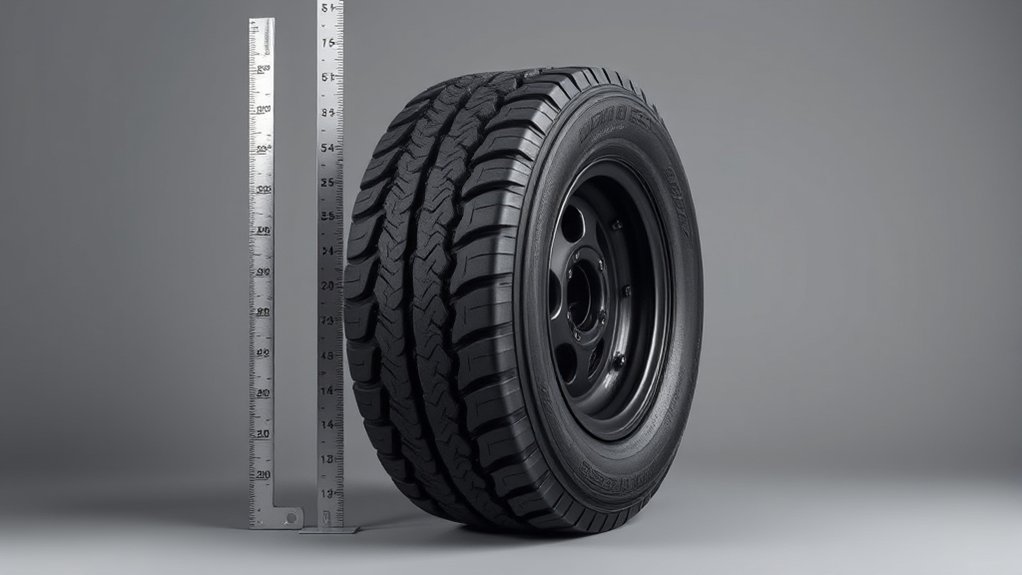
A 295 tire is a tire with a nominal section width of 295 millimeters. That is the first number in a size like 295/70R17. It does not tell you the tire’s total height by itself.
To understand the full size, read the complete code:
- 295 = section width in millimeters
- 70 = aspect ratio, meaning sidewall height is 70% of the width
- R = radial construction
- 17 = wheel diameter in inches
That is why two 295 tires can look very different. A 295/55R20, 295/70R17, and 295/65R20 all have the same nominal width, but their sidewalls and overall diameters are different. Michelin explains that tire width, aspect ratio, construction, and wheel diameter are separate parts of the sidewall code, and each part affects fitment. Michelin tire marking guide
How Tall Is a 295 Tire in Inches?
A 295 tire can be roughly 32.8 to 35.1 inches tall in common truck and SUV sizes. The width is always about 11.6 inches, but the height changes with aspect ratio and rim diameter.
| Tire Size | Approx. Width | Approx. Height | Best Described As |
|---|---|---|---|
| 295/55R20 | 11.6 in | 32.8 in | 33-inch range |
| 295/60R20 | 11.6 in | 33.9 in | 34-inch range |
| 295/70R17 | 11.6 in | 33.3 in | 33-inch range |
| 295/75R16 | 11.6 in | 33.4 in | 33-inch range |
| 295/65R20 | 11.6 in | 35.1 in | 35-inch range |
Note: These are nominal calculated sizes. Real mounted tire dimensions can vary by brand, tread design, wheel width, load range, and inflation pressure.
How Wide Is a 295 Tire?
A 295 tire is about 11.6 inches wide. The conversion is simple:
295 mm ÷ 25.4 = 11.61 inches
That number is the tire’s nominal section width, not always the exact tread width touching the road. The actual measured section width can change slightly depending on the wheel width used by the tire manufacturer.
In practical terms, a 295 is wider than a 275 and slightly wider than a 285. That can help traction and stance, but it can also create rubbing at the fender liner, control arms, frame, sway bar, or bumper edge if the wheel offset is wrong.
What Does the Aspect Ratio Change?
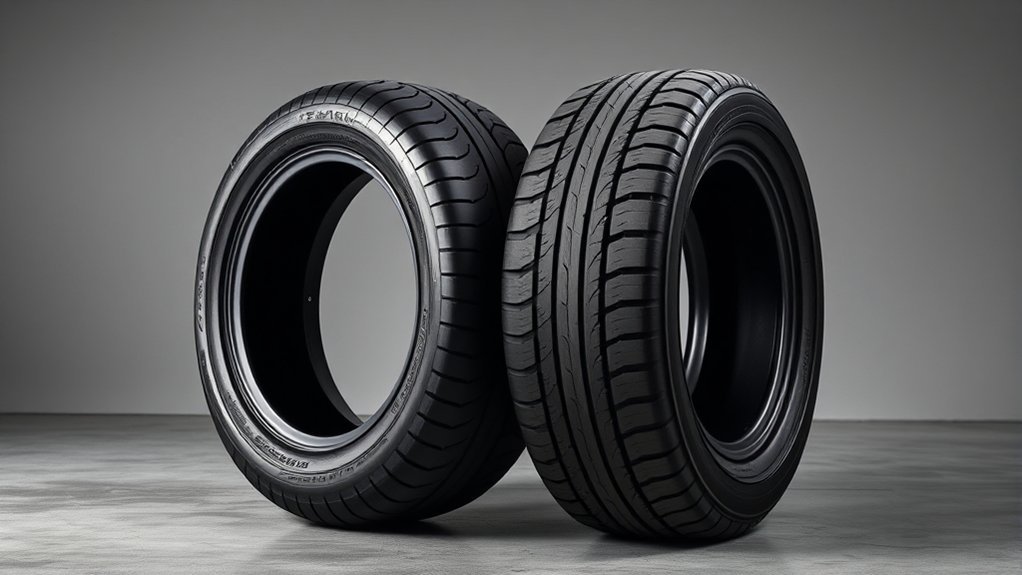
The aspect ratio is the second number in a size like 295/70R17. It shows the sidewall height as a percentage of the tire width. A higher aspect ratio gives you a taller sidewall. A lower aspect ratio gives you a shorter sidewall.
For example, the sidewall on a 295/70R17 is:
295 × 0.70 = 206.5 mm
206.5 mm ÷ 25.4 = 8.13 inches
That 8.13-inch sidewall sits above and below the wheel, so it counts twice in the total diameter. That is why a 295/70R17 is much taller than a 295/55R20 even though both start with the same 295 mm width.
How Do You Convert a 295 Tire Size to Inches?
To convert a 295 tire size to inches, use the full tire code. Tire Rack explains that basic tire dimensions are calculated from section width, aspect ratio, and wheel diameter, while also warning that calculator results are nominal and can differ from manufacturer specs. Tire Rack tire dimension guide
295 Tire Size Formula
Use this formula for metric tire sizes:
- Width in inches: section width ÷ 25.4
- Sidewall height: section width × aspect ratio ÷ 100 ÷ 25.4
- Overall diameter: wheel diameter + sidewall height + sidewall height
- Circumference: overall diameter × 3.1416
295/70R17 Conversion Breakdown
Here is the corrected math for 295/70R17:
- Width: 295 ÷ 25.4 = 11.61 inches
- Sidewall: 295 × 0.70 ÷ 25.4 = 8.13 inches
- Overall diameter: 17 + 8.13 + 8.13 = 33.26 inches
- Circumference: 33.26 × 3.1416 = 104.49 inches
So a 295/70R17 should be treated as a wide 33-inch-range tire, not a true 35.
295/65R20 Tire Dimensions
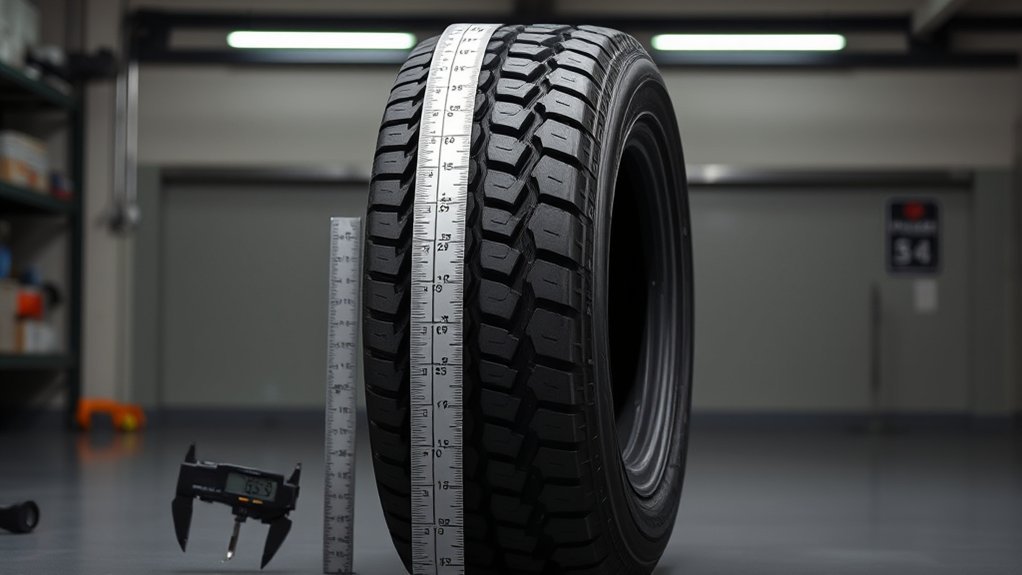
A 295/65R20 is a different story. Its width is still about 11.6 inches, but the 20-inch wheel and 65-series sidewall make it much taller:
- Width: 295 ÷ 25.4 = 11.61 inches
- Sidewall: 295 × 0.65 ÷ 25.4 = 7.55 inches
- Overall diameter: 20 + 7.55 + 7.55 = 35.10 inches
- Circumference: about 110.3 inches
That makes a 295/65R20 a fair 35-inch-range tire for many truck and SUV discussions, though you should still check the exact tire model’s spec sheet before buying.
Pro Tip: When fitment is tight, use the tire manufacturer’s measured diameter and section width, not only the calculated size. The listed size is a nominal label, and actual tires can measure slightly smaller or larger.
Is a 295 Tire a 33 or 35?
A 295 tire can be either, depending on the rest of the size code. The width alone does not answer the question.
- 295/70R17: about 33.3 inches tall, so it fits the 33-inch range.
- 295/60R20: about 33.9 inches tall, so it fits the 34-inch range.
- 295/65R20: about 35.1 inches tall, so it fits the 35-inch range.
If someone says “295s are 35s,” ask for the full size. A 295/65R20 is close to a 35. A 295/70R17 is not.
33-Inch vs 35-Inch
A 33-inch-range tire is usually easier to fit, easier on gearing, and less likely to rub. A 35-inch-range tire gives more ground clearance, but it may need more trimming, a lift, different wheels, speedometer correction, or gearing changes.
The difference also affects your speedometer. A taller tire travels farther with each rotation. If your truck was calibrated for a smaller tire, a taller 295 can make the speedometer read slower than your real road speed.
Fitment and Clearance
Before you commit to 295 tires, check clearance at full steering lock and through suspension travel. Look at the fender liner, bumper edge, mud flap, upper control arm, sway bar, frame, and rear inner wheel well.
Also check:
- Wheel width: many 295 sizes need an 8- to 10-inch-wide wheel, but the approved range varies by tire model.
- Wheel offset and backspacing: these decide whether the tire moves inward toward suspension parts or outward toward the fender.
- Load index and speed rating: replacements should meet or exceed the vehicle manufacturer’s requirements.
- Spare tire fit: a larger 295 may not fit the factory spare location.
- TPMS and speedometer: larger tires can affect pressure monitoring, speed readings, and shift behavior.
Warning: Do not use the tire sidewall’s maximum pressure as your normal driving pressure. For road use, follow the vehicle tire placard or owner’s manual for recommended cold inflation pressure, and make sure the tire’s load rating is suitable for your vehicle.
295 Tire vs 275 Tire
A 295 tire is about 20 mm wider than a 275 tire. In inches, that is about 0.8 inch wider.
To compare height fairly, use the same aspect ratio and wheel diameter. For example:
| Size | Width | Height | Difference vs 295/70R17 |
|---|---|---|---|
| 275/70R17 | 10.83 in | 32.16 in | 295 is about 0.8 in wider and 1.1 in taller |
| 285/70R17 | 11.22 in | 32.71 in | 295 is about 0.4 in wider and 0.6 in taller |
| 295/70R17 | 11.61 in | 33.26 in | Baseline |
That extra width can improve stance and traction, but it can also add weight, rolling resistance, and rubbing risk. If you tow, haul, or drive off-road, pay close attention to load range, sidewall construction, and clearance.
[Products Worth Considering]

Replace worn or missing TPMS sensors with a pre-programmed 4-pack designed for compatible GM vehicles. These 315MHz sensors provide real-time tire pressure monitoring and alert you if pressure is too high, too low, or if a rapid air leak occurs. Most installations are ready with minimal relearn effort after mounting, helping improve safety and driving confidence.

Protect your spare wheel with a waterproof, dustproof tire cover made to resist sun and harsh weather. The elastic band design makes it easy to install and remove without tools, while reinforced stitching helps it keep its shape. Available in multiple sizes, it fits common RV, trailer, Jeep, SUV, and truck spare tires.

This spare tire tool kit is designed for the 2004 to 2018 Ford F-150 to help you loosen and tighten wheel lug nuts and manage the spare tire and provided jack functions from underneath the vehicle. It includes the lug nut wrench and extension pieces plus a convenient storage carrying case for organized transport. The jack itself is not included.
What Vehicles Fit 295 Tires?
You will most often see 295 tires on full-size trucks, heavy-duty pickups, and larger SUVs, but fitment depends on the exact tire size, wheel specs, suspension, and trim. Do not assume every Ford F-150, Chevrolet Silverado 1500, Ram 1500, Toyota Tundra, Jeep Wrangler, or similar vehicle can run the same 295 size without rubbing.
A vehicle that clears a 295/70R17 may not clear a 295/65R20 because the second tire is much taller. A wheel with a different offset can also turn a “fits fine” setup into a rubbing setup.
The safest path is to check your current tire size, factory placard, wheel width, suspension setup, and the exact tire manufacturer specs before ordering.
[Products Worth Considering]

Keep your tires properly inflated with this analog VONDIOR tire pressure gauge, designed for fast, easy readings without batteries. The swiveling, two-axis hose and large glow dial help you measure at any tire angle with instant visibility. Built with a protective rubber shield, it supports durable, low-maintenance use for cars and trucks.

Use the Rhino USA adjustable tire deflators to air down all four tires at once by screwing one deflator onto each valve stem, letting you step away while the tires reach your preset pressure. Each deflator independently adjusts across a 10–30 PSI range with laser-etched indicators for quick setup and verification, making it ideal for beach, sand, and rocky off-road trails.

These aluminum alloy tire valve stem caps with an O-ring seal help protect valve stems from corrosion while adding a clean, stylish look to your vehicle. The universal fit works across cars, trucks, motorcycles, bicycles, and more, making them an easy upgrade for everyday driving and off-road use. Installation is quick, and the included four-pack keeps all your tires dressed and protected.
Are 295 Tires Good Off-Road?
Yes, 295 tires can be a strong off-road choice when the tire model, load range, tread pattern, and vehicle setup match your use. The 11.6-inch section width gives a wider footprint than 275 or 285 sizes, which can help with traction and flotation on loose surfaces.
For rocks, mud, sand, snow, or trail use, width is only one part of the decision. Tread design, sidewall strength, aired-down behavior, wheel width, and vehicle weight matter just as much. A well-chosen 285 can outperform a poorly chosen 295 if the tread and construction are better for the terrain.
For daily driving, a 295 can still work well, but expect possible tradeoffs: more road noise, more weight, lower fuel economy, and a higher chance of rubbing compared with a narrower tire.
[Products Worth Considering]
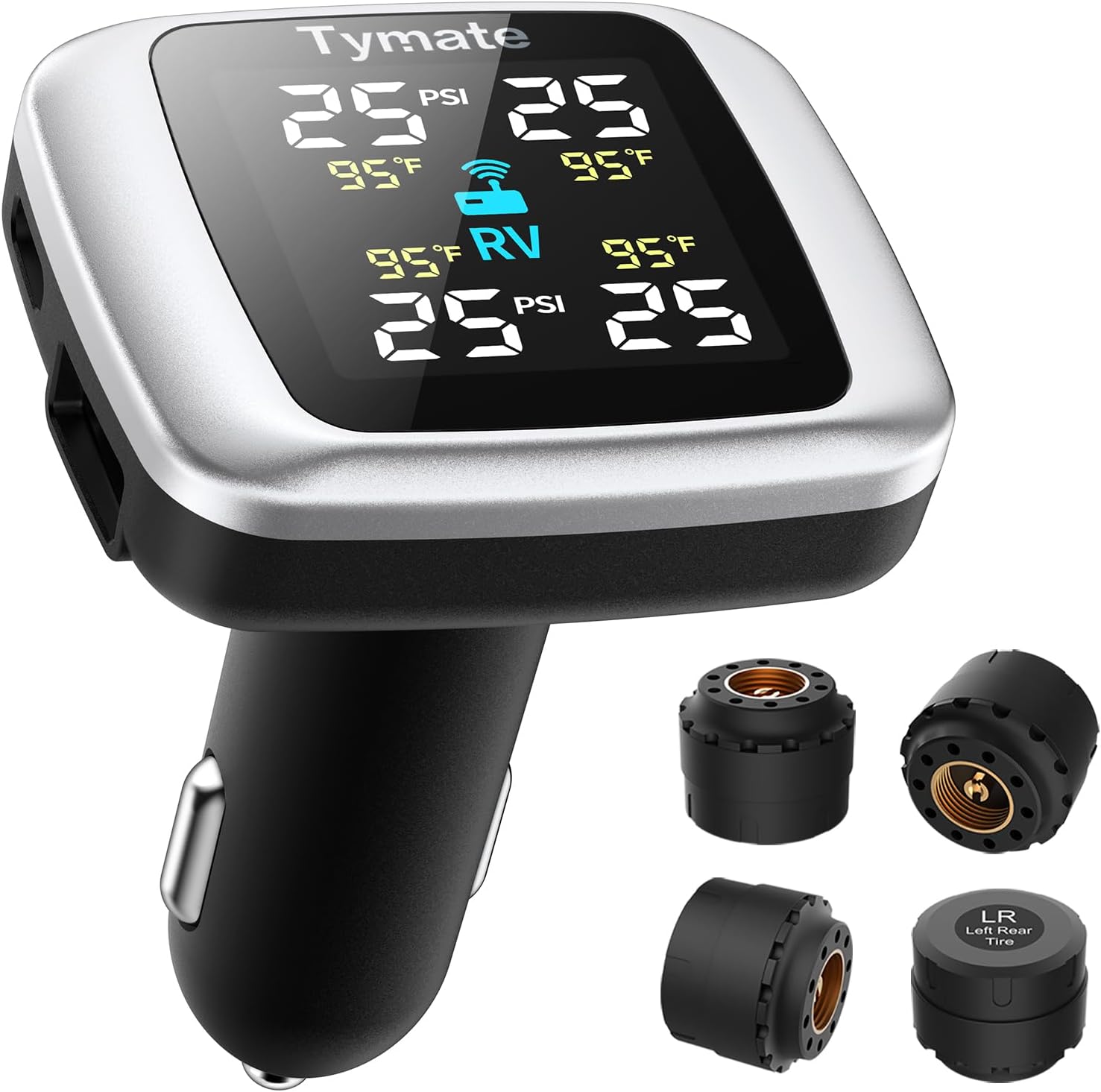
Tymate TM7 is a wireless tire pressure monitoring system that delivers real-time pressure and temperature readings for safer driving. It includes four external sensors, a bright color LCD display with adjustable backlight, and six alarm modes for high/low pressure, fast leakage, high temperature, and sensor signal or battery issues. The system covers a wide 0–144 PSI range and plugs into your vehicle’s cigarette lighter socket for quick DIY setup.

This digital tire pressure gauge with built-in inflator helps you accurately check and adjust tire pressure for safer driving and better fuel efficiency. It supports multiple units (PSI, KPA, BAR, KG/CM²) and reads within 1% for reliable results. The 3-in-1 design inflates, deflates, and measures, with a quick-connect air chuck and compatible hose setup for cars, trucks, SUVs, RVs, and motorcycles.

AZUNO’s digital tire inflator delivers stable, accurate pressure readings with a bright LCD and a 0.1 resolution display for confident inflation. It supports one-handed operation for inflating and quick deflating, and it’s built with rugged steel and brass components for reliable shop or garage use. With multi-unit pressure display and compatibility across cars, SUVs, motorcycles, and trucks, it’s a convenient accessory for everyday tire maintenance.
Frequently Asked Questions
Is 295 the same as 35-inch tires?
Not always. A 295/65R20 is about 35.1 inches tall, so it is close to a 35-inch tire. A 295/70R17 is about 33.3 inches tall, so it belongs in the 33-inch range. Always check the full size code.
Are 295 tires the same as 33s?
Some are. A 295/70R17 is about 33.3 inches tall, so it is commonly treated as a wide 33-inch-range tire. But a 295/65R20 is about 35.1 inches tall, so “295” alone is not enough information.
Is a 295 tire taller than a 285 tire?
Usually, if the aspect ratio and wheel diameter are the same. For example, a 295/70R17 is about 33.26 inches tall, while a 285/70R17 is about 32.71 inches tall. That makes the 295 about 0.55 inch taller, not 1.5 inches taller.
What size tire is a 295 equal to?
A 295 tire is about 11.6 inches wide. The height equivalent depends on the full code. A 295/70R17 is roughly 33×11.6R17, while a 295/65R20 is roughly 35×11.6R20.
Will 295 tires rub?
They can, especially if the tire is taller than stock or the wheel offset pushes the tire into the fender or suspension. Check clearance at full steering lock, under compression, and with the vehicle loaded before assuming a 295 will fit.
Conclusion
A 295 tire tells you the width, not the full height. It is about 11.6 inches wide, but the overall diameter depends on the aspect ratio and wheel size. A 295/70R17 is about 33.3 inches tall, while a 295/65R20 is about 35.1 inches tall. For fitment, always use the full tire code, verify the manufacturer’s measured specs, and check clearance, load rating, speed rating, tire pressure guidance, and speedometer impact before you buy.
Sources
- Michelin — Tire Markings Explained — supports tire width, aspect ratio, wheel diameter, load rating, and speed rating explanations.
- Tire Rack — How Do I Calculate Tire Dimensions? — supports the tire diameter formula and the warning that calculated sizes are nominal.
- NHTSA TireWise — supports cold tire pressure and vehicle placard safety guidance.
- Goodyear Tire Size Chart — supports tire-size code structure and tire size reading basics.