
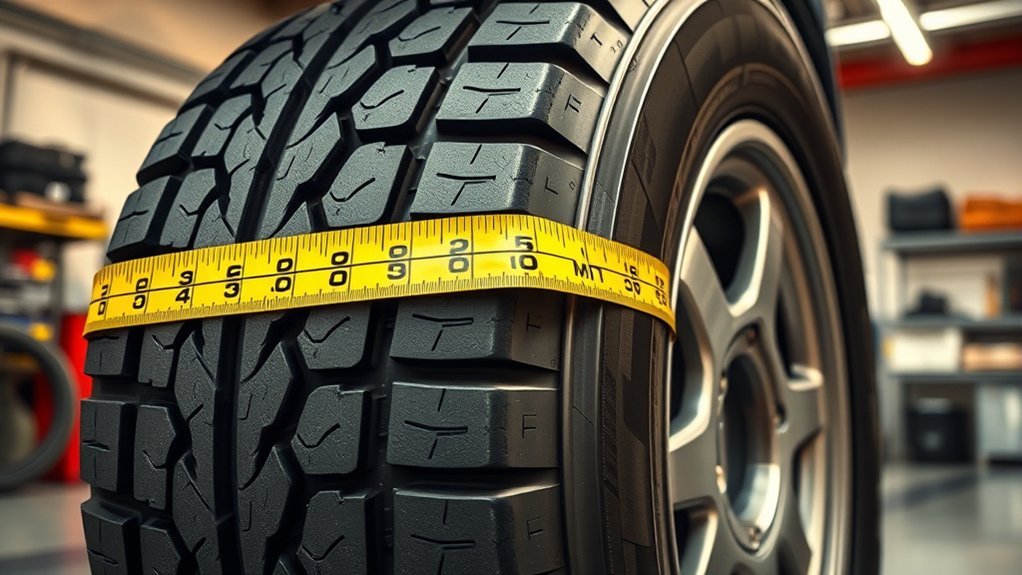
A 275 tire is about 10.8 inches wide, but that number only tells you the tire’s nominal section width. The tire’s real height depends on the aspect ratio and wheel diameter. For example, a 275/55R20 is about 31.9 inches tall, while a 275/65R20 is about 34.1 inches tall. That difference can affect clearance, speedometer accuracy, gearing, ride comfort, and fitment.
Quick Answer
A 275 tire is about 10.8 inches wide because 275 millimeters divided by 25.4 equals 10.83 inches. The full tire height depends on the second number and rim size: a 275/55R20 is about 31.9 inches tall, and a 275/65R20 is about 34.1 inches tall.
Key Takeaways
- A 275 tire is about 275 mm wide, or about 10.8 inches.
- The “275” is width only; it does not tell you the tire’s total height.
- A 275/55R20 is about 31.9 inches tall, while a 275/65R20 is about 34.1 inches tall.
- A taller 275 tire can affect rubbing, gearing, speedometer accuracy, braking feel, and fuel economy.
- Before buying, check your vehicle placard, owner’s manual, wheel width, offset, load index, speed rating, and clearance.
What Is a 275 Tire in Inches?
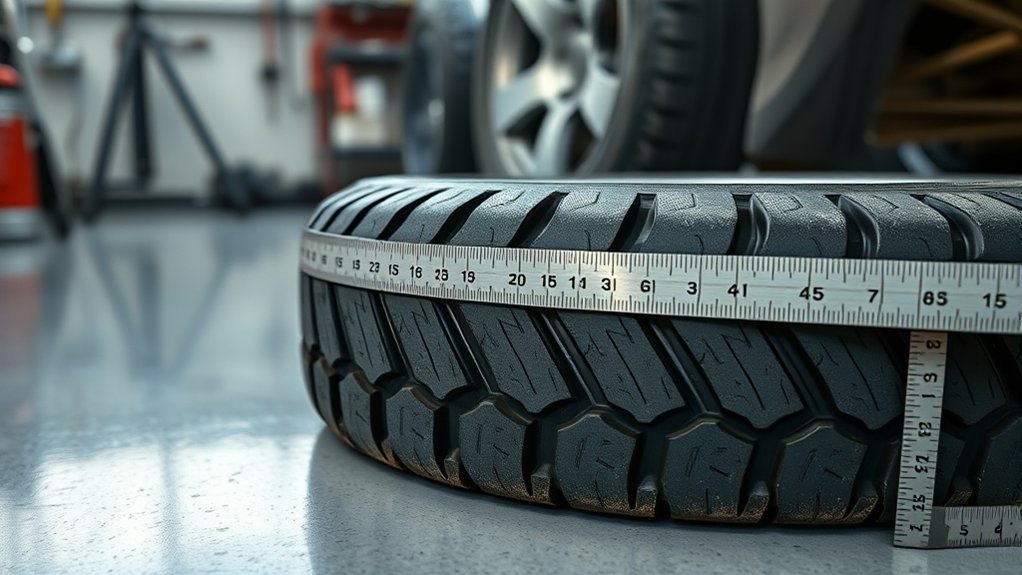
A 275 tire is about 10.8 inches wide. The conversion is simple:
275 mm ÷ 25.4 = 10.83 inches
That number is the tire’s nominal section width, which tire makers use to describe the distance from one sidewall to the other. According to Michelin’s tire marking guide, the first number in a metric tire size is the tire width in millimeters. Bridgestone explains the same pattern: width first, then aspect ratio, construction, and rim diameter.
Width is only the starting point. To know how big a 275 tire really is, you also need the aspect ratio and the wheel diameter. A 275/55R20 has a shorter sidewall than a 275/65R20, even though both are about 10.8 inches wide.
What Does 275 Mean on a Tire?
The “275” in a tire size means the tire is 275 millimeters wide. It does not mean the tire is 27.5 inches tall, and it does not mean the tire is equal to a 33-inch or 35-inch tire.
Here is how to read a size like 275/65R20:
- 275 = nominal section width in millimeters
- 65 = aspect ratio, meaning the sidewall height is 65% of the tire width
- R = radial construction
- 20 = wheel diameter in inches
The Tire Industry Association explains that aspect ratio is the sidewall height as a percentage of section width. That is why two 275 tires can have the same width but very different overall heights.
How Wide Is a 275 Tire?
A 275 tire is 275 millimeters wide, or about 10.8 inches wide. In real-world fitment, the mounted width can vary slightly by tire model, rim width, air pressure, and manufacturer measuring standards.
275 Millimeter Width
At 275 millimeters wide, this tire size is common on trucks, SUVs, performance cars, and off-road builds. Wider tires may provide a larger contact patch, but traction also depends on tread design, rubber compound, inflation pressure, vehicle weight, and road surface.
| Measurement | Value |
|---|---|
| Metric width | 275 mm |
| Approximate inch width | 10.83 in |
| Rounded width | About 10.8 in |
Inch Width Conversion
To convert any metric tire width to inches, divide the width by 25.4. For a 275 tire, the math is:
275 ÷ 25.4 = 10.83 inches
That width helps you estimate fender clearance, suspension clearance, and wheel fit. Still, do not buy by width alone. A 275/40R19, 275/55R20, 275/65R20, and 275/70R18 are all “275 tires,” but they are not the same height.
How to Calculate a 275 Tire Size
You can estimate the size of a metric tire with three quick steps:
- Convert width to inches: width in millimeters ÷ 25.4.
- Find sidewall height: width × aspect ratio ÷ 25.4.
- Find overall diameter: wheel diameter + sidewall height + sidewall height.
For a 275/55R20:
- Width: 275 ÷ 25.4 = 10.83 inches
- Sidewall: 275 × 0.55 ÷ 25.4 = 5.95 inches
- Overall diameter: 20 + 5.95 + 5.95 = 31.9 inches
Note: Calculated tire sizes are close estimates. Actual mounted diameter and section width can vary slightly by brand, tread pattern, rim width, and inflation pressure.
How Big Is a 275 Tire by Aspect Ratio?
A 275 tire gets taller as the aspect ratio goes up. The width stays about 10.8 inches, but the sidewall and total diameter change.
Aspect Ratio Basics
The aspect ratio is the second number in the tire size. In a 275/55R20, the sidewall height is 55% of 275 mm. In a 275/65R20, the sidewall height is 65% of 275 mm. That 10-point difference adds more than an inch of total tire height.
Sidewall Height Changes
Here is how common 275 sizes compare when converted to inches:
| Tire Size | Approx. Width | Sidewall Height | Overall Diameter |
|---|---|---|---|
| 275/45R20 | 10.8 in | 4.9 in | 29.7 in |
| 275/55R20 | 10.8 in | 5.9 in | 31.9 in |
| 275/60R20 | 10.8 in | 6.5 in | 33.0 in |
| 275/65R20 | 10.8 in | 7.0 in | 34.1 in |
| 275/70R18 | 10.8 in | 7.6 in | 33.2 in |
Diameter Differences Explained
Even though every tire in the table starts with 275, the overall diameter ranges from about 29.7 inches to about 34.1 inches. That is why “275 tire” is not a complete size. The full size code matters for ride height, rubbing, speedometer readings, effective gearing, and brake feel.
How Big Is a 275/65R20 Tire?
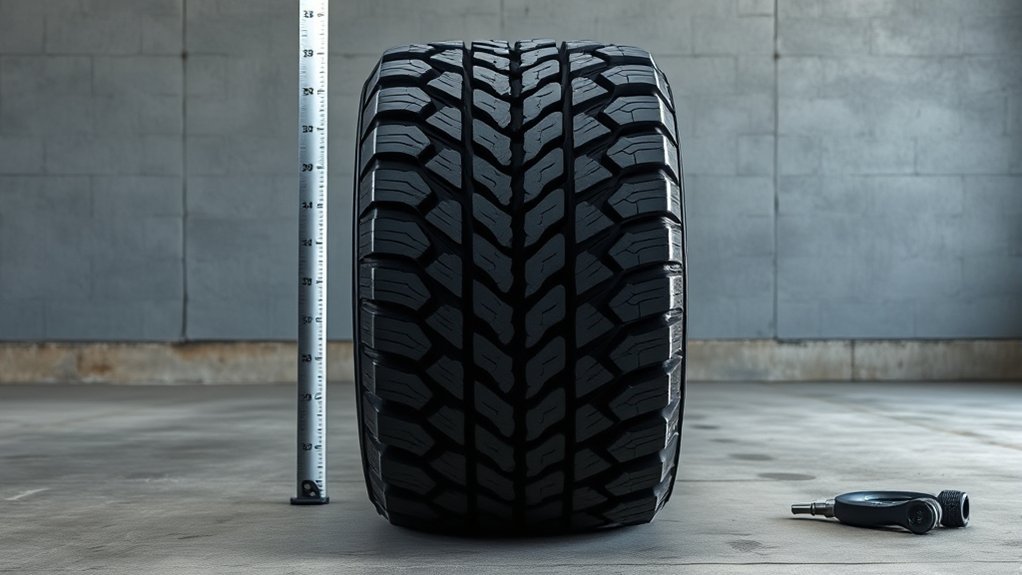
A 275/65R20 tire is about 10.8 inches wide and about 34.1 inches tall. Its sidewall height is about 7.0 inches, and its circumference is about 107.1 inches. That works out to roughly 592 revolutions per mile.
| Size | 275/65R20 |
| Approx. width | 10.8 inches |
| Approx. sidewall | 7.0 inches |
| Approx. diameter | 34.1 inches |
| Approx. circumference | 107.1 inches |
| Approx. revs per mile | 592 |
Many 275/65R20 tires are used on trucks, but load capacity is not determined by the 275 width alone. Check the tire’s load index, load range, maximum inflation pressure, and your vehicle’s tire placard. The U.S. Tire Manufacturers Association advises replacement tires to match the size, load index, and speed rating recommended by the vehicle or tire manufacturer.
How Do 275 Tires Compare With 33S and 35S?
A 275 tire is not automatically the same as a 33-inch or 35-inch tire. The comparison depends on the full metric size.
- 275/55R20: about 31.9 inches tall, so it is smaller than a 33.
- 275/60R20: about 33.0 inches tall, so it is close to a 33.
- 275/65R20: about 34.1 inches tall, so it sits between many 33s and 35s.
- 275/70R18: about 33.2 inches tall, so it is also close to a 33.
Compared with a typical 35-inch tire, a 275/65R20 is usually a little shorter and often narrower. That can make it easier to fit than some 35s, but it still may rub if your wheel offset, suspension, fender liner, or mud flap clearance is tight.
[Products Worth Considering]

Vigorder rubber cement glue delivers superior adhesion and cures quickly within about 30 seconds for seamless rubber bonding. Once cured, it helps provide a strong, durable, waterproof seal that holds up to vehicle weight, pressure, and heat. Suitable for cars, motorcycles, trucks, bicycles, and off-road tires, it’s designed for emergency patch and maintenance repairs.

Keep your tires properly inflated with this analog VONDIOR tire pressure gauge, designed for fast, easy readings without batteries. The swiveling, two-axis hose and large glow dial help you measure at any tire angle with instant visibility. Built with a protective rubber shield, it supports durable, low-maintenance use for cars and trucks.

The Big Rig Defense Tire Thumper is a truck tire pressure checker that lets you quickly check multiple tires by giving them a firm whack. Listen for a reassuring thump and feel the stick bounce when a tire is fully inflated, helping you get back on the road safely. It features a comfortable, glove-friendly handle and a secure wrist strap for confident use on busy routes.
Will a 275 Tire Fit on Your Truck?
A 275 tire may fit many trucks and SUVs, but you should not judge fitment by the first number alone. A 275/55R20 and a 275/65R20 are both 275 tires, yet one is about 31.9 inches tall and the other is about 34.1 inches tall.
Warning: A tire can physically fit and still be unsafe if the load index, speed rating, wheel width, inflation pressure, or clearance is wrong for your vehicle. Check the tire placard, owner’s manual, and tire manufacturer specs before buying.
Use this fitment checklist before you order:
- Check the vehicle placard: NHTSA says the recommended cold tire pressure is listed on the vehicle tire information placard or certification label, and tire size information can also be found on the placard or in the owner’s manual.
- Match or exceed load requirements: Never choose a lower load index or load-carrying capacity than the vehicle manufacturer requires.
- Confirm rim width: Make sure your wheel width is approved for the exact tire model.
- Check offset and backspacing: A different offset can move the tire toward the fender or suspension.
- Turn and compress the suspension: Check clearance at full steering lock and through suspension travel.
- Account for tire type: All-terrain and mud-terrain tires may have wider shoulders than highway tires in the same size.
- Plan for recalibration: A taller tire can change speedometer and odometer readings.
[Products Worth Considering]

This 13-inch flat-free wheelbarrow tire uses solid polyurethane foam construction with steel rims, so it will not puncture, rot, or go flat. The anti-skid tread improves stability and maneuverability across garden, lawn, and mixed terrain. It includes pre-installed 5/8-inch bearings plus extra 3/4-inch bearings and a versatile adapter kit to fit compatible wheel sizes and cart hubs.

The SAFELIFE dial tire tread depth gauge measures tread depth in 1/32 inch increments with clear, easy-to-read 2-inch dial face. Color zones using a traffic light system help you quickly judge whether tread is low, marginal, or ample for safer driving. Built with a durable zinc cast body and a metal detect probe for precise, comfortable use across cars, motorcycles, trucks, and buses.
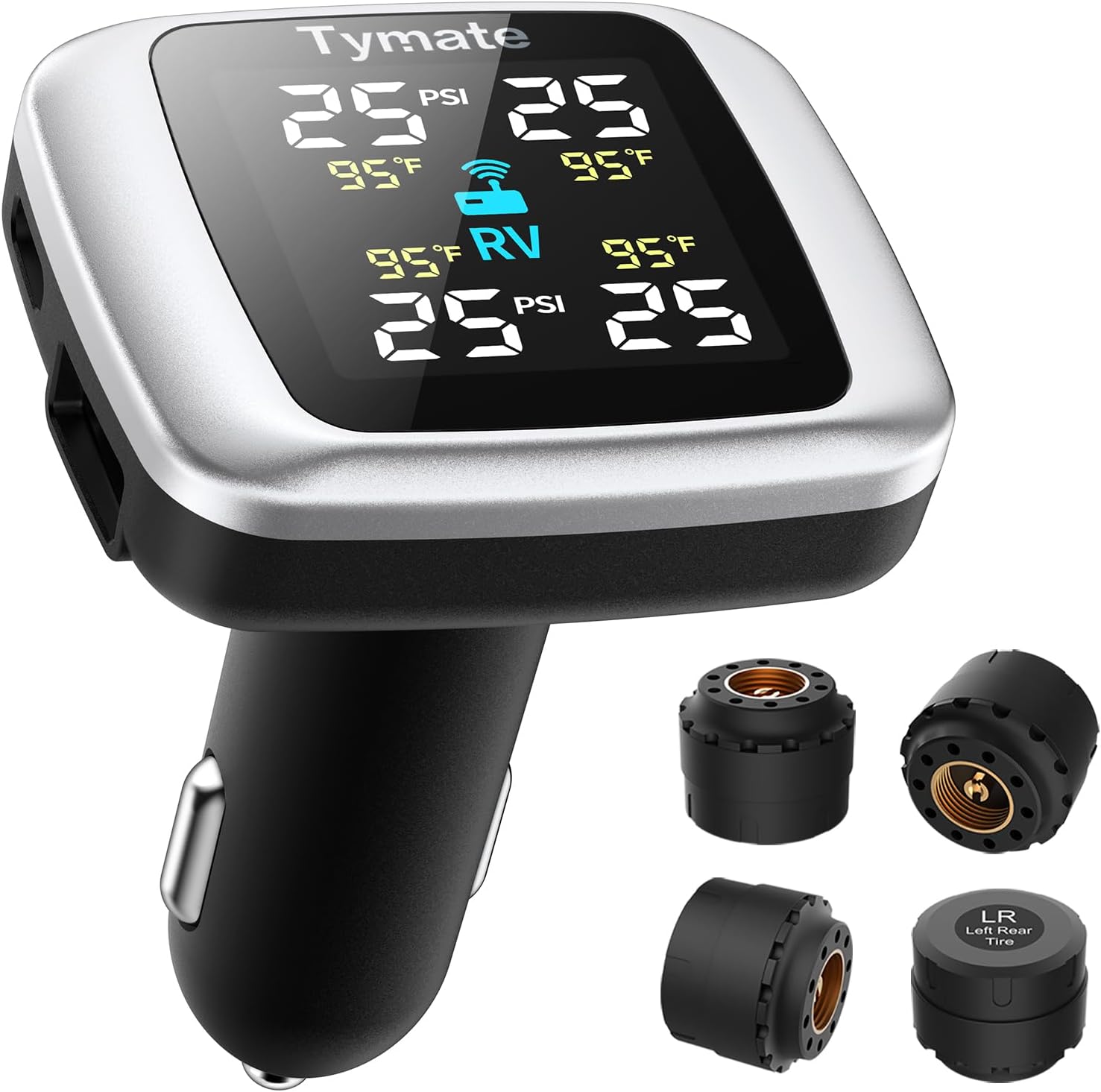
Tymate TM7 is a wireless tire pressure monitoring system that delivers real-time pressure and temperature readings for safer driving. It includes four external sensors, a bright color LCD display with adjustable backlight, and six alarm modes for high/low pressure, fast leakage, high temperature, and sensor signal or battery issues. The system covers a wide 0–144 PSI range and plugs into your vehicle’s cigarette lighter socket for quick DIY setup.
What Wheel Width and Offset Work Best?
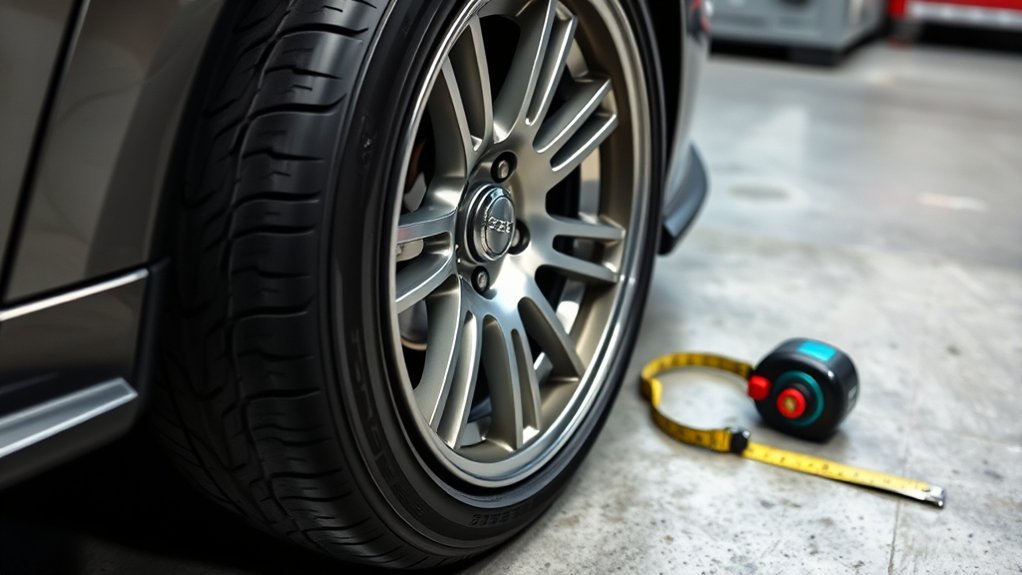
The best wheel width for a 275 tire depends on the exact size and tire model. A common 275/65R20 truck tire is often approved for wheels around 7.5 to 9.5 inches wide, while some lower-profile performance 275 tires may require wider wheels. Always use the tire manufacturer’s specification sheet for the final answer.
| Fitment Item | What to Check |
|---|---|
| Wheel width | Use the approved rim width range for the exact tire model. |
| Offset | Compare with your factory offset and check inner and outer clearance. |
| Backspacing | Too much backspacing can push the tire into suspension parts. |
| Fender clearance | Check liner, bumper, mud flap, and body mount clearance. |
| Load rating | Match or exceed the vehicle manufacturer’s required load index and load range. |
Offset is not universal. A 275 tire that clears on one truck may rub on another because wheel offset, suspension height, trim package, fender shape, and alignment settings are different.
[Products Worth Considering]
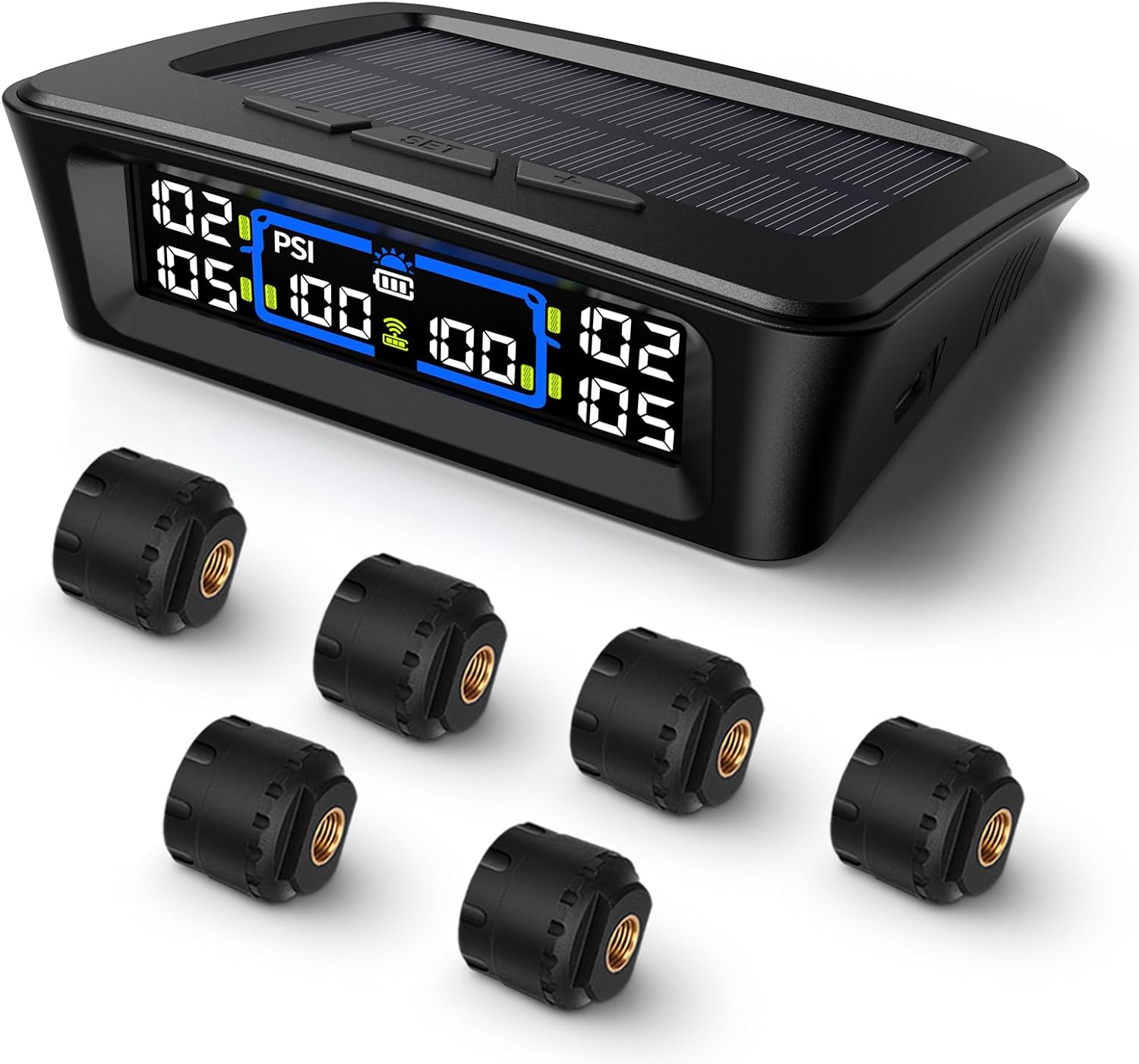
The Tymate TM12 RV TPMS delivers real-time tire pressure and temperature monitoring with a stable 433Hz display for safer long-distance driving. It supports simultaneous monitoring across vehicle and trailer zones, includes six alarm modes for pressure, temperature, leakage, battery, and signal loss, and features easy DIY installation with auto calibration. Power is supplied via USB-C charging or solar recharging, with a wide 0–144 PSI range and up to 50 ft signal coverage for RVs and towable trailers.
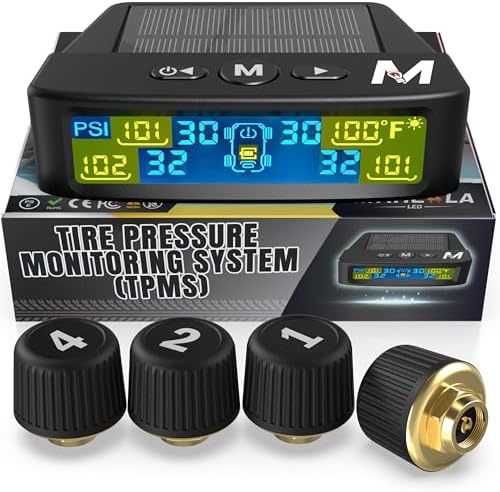
Marcala’s TPMS set of four sensors helps you monitor tire pressure and temperature in real time while driving, with updates every second. The bright color LCD uses auto-dimming for easy viewing, powered by dual solar and USB charging, and offers six alarm modes. Built for trailers, RVs, campers, trucks, and towing setups, the sensors support monitoring 1-4 wheels up to 98 PSI with IP67 waterproof protection.

Switch to tubeless with this Muc-Off rim tape designed to create an airtight seal for smooth-running setups. The pressure-sensitive adhesive offers the right stretch for strength and durability, while the semi-transparent material helps you locate the valve hole quickly. It includes four seal patches for a secure finishing seal after wrapping.
How Do 275 Tires Affect Your Speedometer?
A 275 tire can affect your speedometer if the new tire’s overall diameter is different from the original tire. A taller tire travels farther with each rotation, so your actual speed can be higher than the dashboard shows.
For example, moving from a 275/55R20 at about 31.9 inches tall to a 275/60R20 at about 33.0 inches tall increases tire diameter by about 3.4%. If your speedometer shows 70 mph, your actual speed may be about 72.4 mph.
Pro Tip: After changing tire diameter, use a GPS speed reading or scan-tool calibration to verify speedometer accuracy. This is especially important before towing, long highway trips, or inspection.
Do 275 Tires Affect Ride Comfort and Fuel Economy?
They can. A taller 275 tire with more sidewall can soften impacts and add ground clearance, but it can also feel less sharp in corners. A wider or heavier tire may increase rolling resistance, especially if it has an aggressive tread pattern. Fuel economy changes are not guaranteed because vehicle weight, tire weight, tread design, pressure, axle ratio, and driving speed all matter.
The safest way to choose is to match the tire to how you drive. Highway driving usually benefits from lighter, smoother highway-terrain tires. Off-road use may justify a heavier all-terrain or mud-terrain tire, but you should expect more road noise, more weight, and possible speedometer changes.
Frequently Asked Questions
Is a 275 tire equal to a 33-inch tire?
Not always. A 275/60R20 is about 33.0 inches tall, so it is close to a 33-inch tire. A 275/55R20 is about 31.9 inches tall, while a 275/65R20 is about 34.1 inches tall. The full tire size matters, not just the 275 width.
Is a 275 tire the same as a 35?
No. A 275 tire can be close to 35 inches only in certain aspect-ratio and wheel-size combinations. For example, a 275/65R20 is about 34.1 inches tall, while a 275/70R18 is about 33.2 inches tall. A true 35-inch tire is usually taller and may be wider, depending on the exact size.
Is a 285 or 275 tire taller?
A 285 tire is wider than a 275 tire, but it is not always taller. Height depends on the aspect ratio and wheel diameter. If both tires have the same aspect ratio and rim size, the 285 will usually be slightly taller. If the aspect ratios are different, the 275 can be taller.
Are 33-inch tires the same as 285?
Not exactly. “33-inch” describes overall diameter, while “285” describes metric width in millimeters. A common 285/70R17 is about 32.7 inches tall, which is close to a 33, but not every 285 tire equals a 33-inch tire.
What is the widest wheel I should use for a 275 tire?
There is no single answer for every 275 tire. Many 275/65R20 truck tires are commonly matched with wheels around 7.5 to 9.5 inches wide, while some performance 275 tires need wider wheels. Always check the approved rim width range for the exact tire model.
Will a 275 tire hurt fuel economy?
It can, but it depends on the tire. A heavier, taller, or more aggressive 275 tire may increase rolling resistance and change gearing. A highway-focused 275 tire in the correct size and pressure may have little noticeable effect. Tire pressure, tread type, and vehicle setup matter.
Conclusion
A 275 tire is about 10.8 inches wide, but its true size depends on the full tire code. A 275/55R20 is about 31.9 inches tall, a 275/60R20 is about 33.0 inches tall, and a 275/65R20 is about 34.1 inches tall. Before you buy, check your vehicle placard, wheel width, load index, speed rating, offset, and clearance. That extra step helps you get the stance, traction, and ride you want without creating rubbing, speedometer errors, or load-rating problems.
Sources
- Michelin — Tire Markings Explained — backs up tire width, aspect ratio, construction, load, and speed marking definitions.
- Bridgestone Americas — How to Read and Determine Tire Size — backs up tire width, aspect ratio, and rim diameter interpretation.
- Tire Industry Association — Reading a Tire Sidewall — backs up aspect ratio, radial construction, load index, and speed symbol guidance.
- NHTSA TireWise — Tire Safety Ratings and Awareness — backs up tire placard and cold inflation pressure guidance.
- U.S. Tire Manufacturers Association — Replacing Tires — backs up replacement tire size, load index, and speed rating guidance.
