
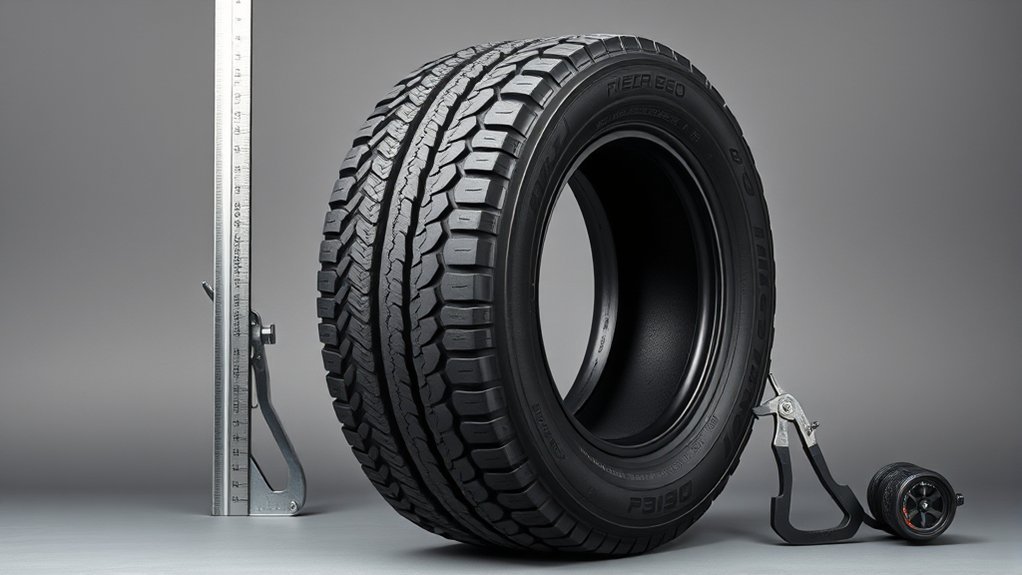
A 275/65R20 tire is about 34.1 inches tall, about 10.8 inches wide by section width, and has a sidewall height near 7.0 inches. Its calculated circumference is about 107.1 inches, and it makes roughly 592 revolutions per mile. Those numbers help you compare fitment, clearance, gearing, and speedometer change before you mount the tire.
Quick Answer
A 275/65R20 tire is approximately 34.1 inches tall, 10.8 inches wide, and 7.0 inches from rim to tread by sidewall height. It is about 1.1 inches taller than a 275/60R20 and slightly shorter than a true 35-inch tire.
Key Takeaways
- A 275/65R20 tire has a calculated overall diameter of about 34.1 inches, or about 866 mm.
- The 275 number is the nominal section width, which equals about 10.8 inches.
- The 65 aspect ratio gives it a sidewall height of about 7.0 inches.
- Its calculated circumference is about 107.1 inches, with roughly 592 revolutions per mile.
- Compared with a 275/60R20, it is about 1.1 inches taller and can make your speedometer read low unless recalibrated.
275/65R20 Tire Size in Inches
A 275/65R20 tire converts to about 34.1 inches in overall diameter, about 10.8 inches in section width, and about 7.0 inches in sidewall height. The tire fits a 20-inch wheel, and the two sidewalls add the extra height above and below the rim.
The “275” does not mean tread width. It means nominal section width, measured from sidewall to sidewall. Tread width is usually narrower and varies by tire model. That difference matters when you check clearance near control arms, fender liners, mud flaps, and suspension parts.
| Metric size | 275/65R20 |
| Overall diameter | About 34.1 in / 865.5 mm |
| Section width | About 10.8 in / 275 mm |
| Sidewall height | About 7.0 in / 178.8 mm |
| Circumference | About 107.1 in / 2,719 mm |
| Revolutions per mile | About 592 revs/mile |
What Is the Height of a 275/65R20 Tire?
The height of a 275/65R20 tire is approximately 34.1 inches, or about 866 mm. This is the tire’s calculated unloaded diameter, measured from the bottom of the tire to the top when you use the size code math.
Actual mounted height can vary slightly by brand, tread pattern, inflation pressure, load, and measuring rim width. A worn tire may also measure shorter than a new tire. Use 34.1 inches as the planning number, then confirm the exact specification from the tire manufacturer before buying.
275/65R20 Tire Width and Sidewall Size
With a 275/65R20 tire, the section width is 275 millimeters, or about 10.83 inches. The sidewall height is 65% of that width, which equals about 178.8 mm, or 7.04 inches.
Here is the simple breakdown:
- 275 = nominal section width in millimeters.
- 65 = sidewall height as a percentage of section width.
- R = radial construction.
- 20 = wheel diameter in inches.
That tall sidewall can improve ride compliance and help protect the wheel on rough roads. It can also create clearance concerns if your truck originally came with a smaller tire, especially at full steering lock or during suspension compression.
How to Calculate 275/65R20 Tire Size
You can calculate a 275/65R20 tire with a few basic formulas. These numbers are useful for comparing sizes, but they are still theoretical. Always check the tire maker’s listed specs for the exact model you plan to install.
- Convert width: 275 mm ÷ 25.4 = 10.83 inches.
- Find sidewall height: 275 mm × 0.65 = 178.75 mm, or 7.04 inches.
- Find diameter: 20 inches + 7.04 inches + 7.04 inches = 34.07 inches.
- Find circumference: 34.07 inches × 3.1416 = 107.04 inches.
- Find revs per mile: 63,360 inches per mile ÷ 107.04 = about 592 revolutions per mile.
The key number is the sidewall: 65% of 275 mm equals about 7.0 inches. Add that sidewall twice to the 20-inch wheel, and you get a 34.1-inch tire.
275/65R20 Diameter, Circumference, and Revolutions Per Mile
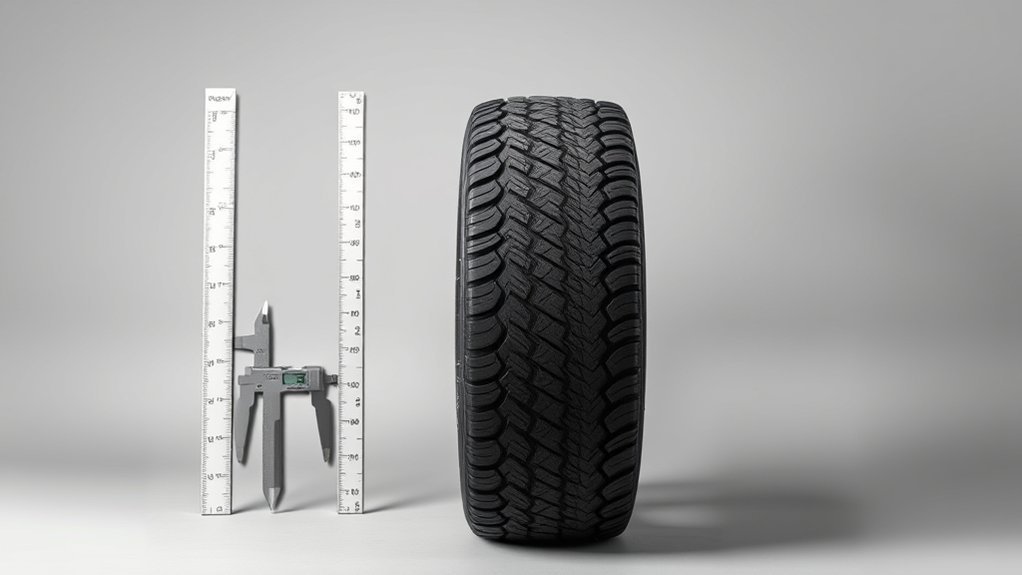
A 275/65R20 tire has an overall diameter of about 34.1 inches. Its circumference is about 107.1 inches, so each full rotation moves the vehicle a little more than 8.9 feet. That works out to roughly 592 revolutions per mile.
Overall Diameter
The overall diameter helps you compare tire height, wheel-well clearance, ground clearance, and gearing. A 34.1-inch tire is taller than many factory half-ton truck tires, so you should compare it with your original size before assuming it will fit.
Circumference Details
Circumference tells you how far the tire travels in one complete turn. A larger circumference means the vehicle travels farther per wheel revolution. That is why larger tires can make the speedometer read lower than your true road speed.
Revolutions Per Mile
At about 592 revolutions per mile, a 275/65R20 turns fewer times per mile than a shorter tire. Fewer revolutions can lower cruising rpm slightly, but they can also soften acceleration and affect shift timing if the vehicle was calibrated for a smaller tire.
275/65R20 vs 275/60R20 Size Difference
Compared with a 275/60R20, a 275/65R20 is about 1.1 inches taller. Both tires use the same 275 mm section width and 20-inch wheel diameter, but the 65-series tire has a taller sidewall.
| Spec | 275/65R20 | 275/60R20 | Difference |
|---|---|---|---|
| Diameter | 34.1 in | 33.0 in | +1.1 in |
| Sidewall | 7.0 in | 6.5 in | +0.5 in |
| Circumference | 107.1 in | 103.6 in | +3.4 in |
| Speedometer effect | About 3.3% low when replacing 275/60R20 with 275/65R20 | ||
If your speedometer is calibrated for 275/60R20 tires, switching to 275/65R20 means an indicated 60 mph is about 62 mph in theory. Your actual reading can vary, so verify it with GPS or a scan-tool calibration.
[Products Worth Considering]
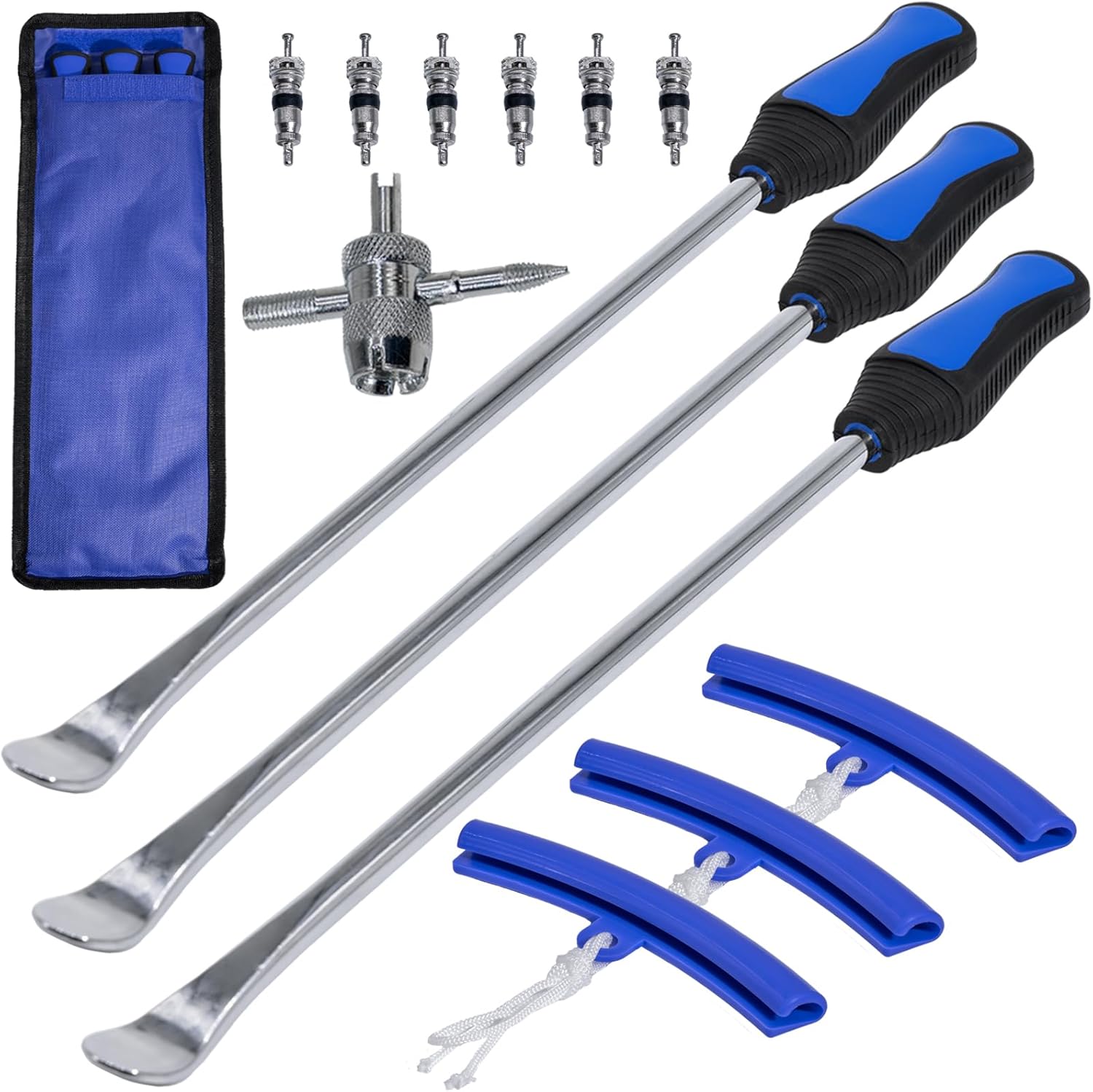
This tire spoon set helps you remove and install motorcycle, dirt bike, lawn tractor, and bicycle tires with extra leverage from a 14.5-inch spoon length. The kit includes tire removal tools, rim protectors, and a valve tool to simplify repairs and help protect rims during changing. Designed for quick, on-the-go service, it’s convenient for garage work, trails, and track-side fixes.

Upgrade your 2024-2026 Tesla Model 3 Highland with REEVAA all-weather mud flaps designed for seamless fit along the original body lines. The set of four delivers strong splash protection against mud, gravel, and road debris while using OEM-grade durable materials. Installation is non-destructive with original hole positions and snap-in clips, and the aerodynamic design helps minimize impact on efficiency.

This 15-inch tire spoons kit makes tire removal and installation easier with added leverage, reducing time and effort for everyday repairs. It includes tire spoons, rim protectors, a valve tool, and valve cores/caps, helping protect rims and streamline deflation and re-sealing. Built with durable hardened steel and a non-slip ergonomic grip for confident use on motorcycles, dirt bikes, ATVs, and lawn equipment.
275/65R20 vs 35-Inch Tire Comparison
A 275/65R20 tire is close to a 35-inch tire class, but it is not a true 35. It calculates to about 34.1 inches tall. A tire labeled 35×12.50R20 is usually taller and much wider, though actual measured dimensions still vary by brand and tread design.
Size and Height Difference
The 275/65R20 is roughly 0.9 inch shorter than a 35-inch tire by label comparison. That smaller diameter can help preserve clearance and steering response while still giving you a tall truck-tire stance.
- 275/65R20: about 34.1 inches calculated diameter.
- 35×12.50R20: about 35 inches by label size.
- Height gap: about 0.9 inch.
- Ground-clearance gap: about half the height difference, or roughly 0.45 inch.
Width and Fitment
The 275/65R20 is much narrower than a typical 35×12.50R20. Its section width is about 10.8 inches, while a 35×12.50R20 is about 12.5 inches wide by label size. That extra width can create rubbing near the upper control arm, sway bar, fender liner, or mud flap.
| Spec | 275/65R20 | 35×12.50R20 |
|---|---|---|
| Approx. height | 34.1 in | 35.0 in by label |
| Approx. width | 10.8 in | 12.5 in by label |
| Approx. sidewall on 20-inch wheel | 7.0 in | 7.5 in by label |
| Main fitment concern | Height | Height and width |
Speedometer and Mileage Impact
A taller tire travels farther per revolution, so your speedometer and odometer can read low after a size increase. The exact error depends on the size your vehicle was calibrated for. Compared with 275/60R20, a 275/65R20 is about 3.3% taller. Compared with some smaller factory tires, the change may be larger.
Pro Tip: After changing tire size, compare your speedometer with GPS at steady speeds such as 30, 45, and 60 mph. If the reading is off, recalibrate with a compatible scan tool, tuner, or dealer-level service.
Will 275/65R20 Fit on Stock Trucks?
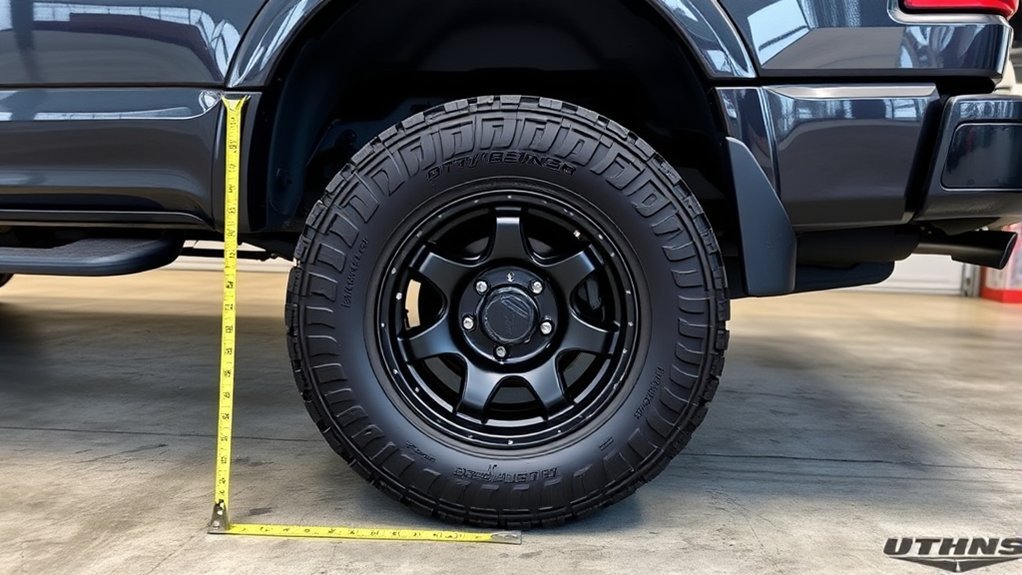
A 275/65R20 tire can fit some stock trucks, especially trucks that already came with 20-inch wheels and a similar overall tire diameter. It is not a guaranteed fit for every stock truck. Trim level, wheel offset, suspension height, fender liner shape, mud flaps, and original tire size all affect clearance.
Before buying, check these points:
- Owner’s manual or door placard: confirm the factory-approved tire size and pressure.
- Load rating: match or exceed the vehicle’s required load capacity.
- Speed rating: use a tire rating that suits the vehicle and driving use.
- Wheel width: confirm the specific tire model is approved for your wheel width.
- Offset and backspacing: check inner clearance near the suspension and outer clearance near the fender.
- Full-lock turning: inspect both directions with the suspension loaded.
- Spare tire space: confirm the larger tire fits the spare location if you plan to carry a matching spare.
Warning: Do not choose a tire size by diameter alone. Use the vehicle’s Tire and Loading Information Label or owner’s manual, and confirm load rating, speed rating, wheel width, and cold inflation pressure before installation.
[Products Worth Considering]

Keep your tires properly inflated with this analog VONDIOR tire pressure gauge, designed for fast, easy readings without batteries. The swiveling, two-axis hose and large glow dial help you measure at any tire angle with instant visibility. Built with a protective rubber shield, it supports durable, low-maintenance use for cars and trucks.

This manual duck head tire changer kit makes tire installation and removal simpler by letting you embed the duck head into the tire with applied pressure. The integrated design and durable steel construction help reduce friction and improve efficiency and safety during use. Suitable for 16–21 inch wheels, it’s convenient for cars, trucks, SUVs, and ATV tires, with 24-hour after-sales support.

A concentrated tire and tube mounting compound designed to help simplify mounting rubber tires and tubes on passenger, semi truck, construction, and OTR applications. Its ultra-thick formula packs beads effectively and includes rust inhibitors to help protect against corrosion during use.
Best Wheel Width for 275/65R20 Tires
Many 275/65R20 tires are commonly paired with wheels around 8 inches wide, but the correct wheel-width range depends on the exact tire model. Some models may allow a range such as 7.5 to 9.5 inches, while others may differ. Always follow the tire manufacturer’s specifications.
Wheel width affects how the tire sits on the rim:
- Too narrow: the sidewall may bulge more, and steering can feel softer.
- Too wide: the tread profile can change, and rim protection may decrease.
- Correct width: the tire seats properly and keeps more predictable contact with the road.
For fitment, wheel offset can matter as much as wheel width. A tire may clear on one 20×8 wheel but rub on another if the offset pushes the tire too far inward or outward.
[Products Worth Considering]

This spare tire tool kit is designed for the 2004 to 2018 Ford F-150 to help you loosen and tighten wheel lug nuts and manage the spare tire and provided jack functions from underneath the vehicle. It includes the lug nut wrench and extension pieces plus a convenient storage carrying case for organized transport. The jack itself is not included.

Protect tire valves from water, dust, and sand to help prevent leaks and support safe driving. These universal stem caps install quickly by hand and feature durable aluminum alloy construction with an inner sealing ring for better air retention. Compatible with cars, SUVs, trucks, motorcycles, and bicycles for everyday convenience.

This wheel brush kit delivers pro-level cleaning at home, lifting dirt, grime, and brake dust to help restore wheel appearance. It includes multiple brush styles and applicator pads for tackling different wheel surfaces, with gentle, metal-free bristles designed to reduce scratching risk. The flat and double-ended brushes are built for comfort and reach, making wheel care easier for cars, trucks, and RVs.
How 275/65R20 Affects Speedometer Accuracy
A 275/65R20 tire can affect speedometer accuracy if it is taller or shorter than the tire your vehicle was calibrated for. The tire itself does not create a fixed error. The error comes from the difference between your old tire diameter and your new tire diameter.
Use this formula:
Actual speed = indicated speed × new tire diameter ÷ old tire diameter
For example, if you replace 275/60R20 tires with 275/65R20 tires:
- Old diameter: about 33.0 inches.
- New diameter: about 34.1 inches.
- Difference: about 3.3% taller.
- At indicated 60 mph: actual speed is about 62 mph.
| New tire size | 275/65R20 |
| New diameter | About 34.1 in |
| Example old size | 275/60R20 |
| Example speedometer change | About 3.3% low |
How 275/65R20 Affects MPG and Power
A 275/65R20 tire can affect fuel economy and power if it is larger or heavier than your original tire. The taller diameter effectively raises the gearing, and a heavier tire takes more energy to spin. The result can be slower acceleration, more frequent downshifts, and lower real-world fuel economy.
MPG Impact
Fuel economy changes vary by vehicle, tire weight, tread design, driving speed, terrain, and gearing. A larger all-terrain or mud-terrain tire usually has more rolling resistance than a highway tire. Stop-and-go driving can show the change more than steady cruising because the drivetrain must accelerate the heavier tire repeatedly.
Power and Torque
A taller tire reduces the torque multiplication felt at the ground. You may notice less snap from a stop, softer throttle response, or more effort when towing or climbing grades. The engine has not lost power, but the tire change alters how that power reaches the road.
Gear Ratio Changes
When tire diameter increases, effective gearing gets taller. Cruise rpm may drop slightly, but the transmission may also downshift more often under load. If you tow, haul, or drive in hilly areas, recalibration or gearing changes may help restore the original driving feel.
Frequently Asked Questions
Is a 275/65R20 a 33-inch tire?
No. A 275/65R20 tire is about 34.1 inches tall by calculation, so it is taller than a 33-inch tire. If you want a true 33-inch class tire on a 20-inch wheel, a 275/60R20 is closer at about 33.0 inches.
Is a 275/65R20 a 35-inch tire?
No. A 275/65R20 is close to the 35-inch class, but it calculates to about 34.1 inches tall. A tire labeled 35×12.50R20 is usually taller and much wider, though actual measured dimensions vary by manufacturer.
How much taller is a 275/65R20 than a 275/60R20?
A 275/65R20 is about 1.1 inches taller overall than a 275/60R20. It also has about 0.5 inch more sidewall height. That increase can improve clearance slightly but can also affect speedometer accuracy and fitment.
Is a 275/60R20 the same as a 33×12.50R20?
No. A 275/60R20 is close to 33 inches tall, but it is much narrower than a 33×12.50R20. The 275/60R20 is about 10.8 inches wide by section width, while a 33×12.50R20 is about 12.5 inches wide by label size.
Do I need to recalibrate after installing 275/65R20 tires?
You may need recalibration if 275/65R20 is taller than your original tire size. Compare your speedometer with GPS first. If the reading is off, use a compatible calibration tool or ask a qualified shop or dealer to correct the tire-size setting.
Conclusion
A 275/65R20 tire is about 34.1 inches tall, about 10.8 inches wide by section width, and has a sidewall height near 7.0 inches. It is taller than a 275/60R20 but still slightly shorter than a true 35-inch tire. Before you install this size, check wheel width, offset, load rating, speed rating, full-lock clearance, and the vehicle’s Tire and Loading Information Label. With the right checks, you can get the taller stance and clearance you want without creating avoidable rubbing, speedometer, or safety problems.
Sources
- NHTSA TireWise — supports tire-size, load, pressure, placard, and maintenance safety guidance.
- Discount Tire Tire Size Calculator — supports tire-size comparison concepts including sidewall height, section width, diameter, circumference, revolutions per mile, and speedometer effect.
- Tire code reference — supports tire-code terminology such as section width, aspect ratio, radial construction, rim diameter, and tire-geometry formula.
