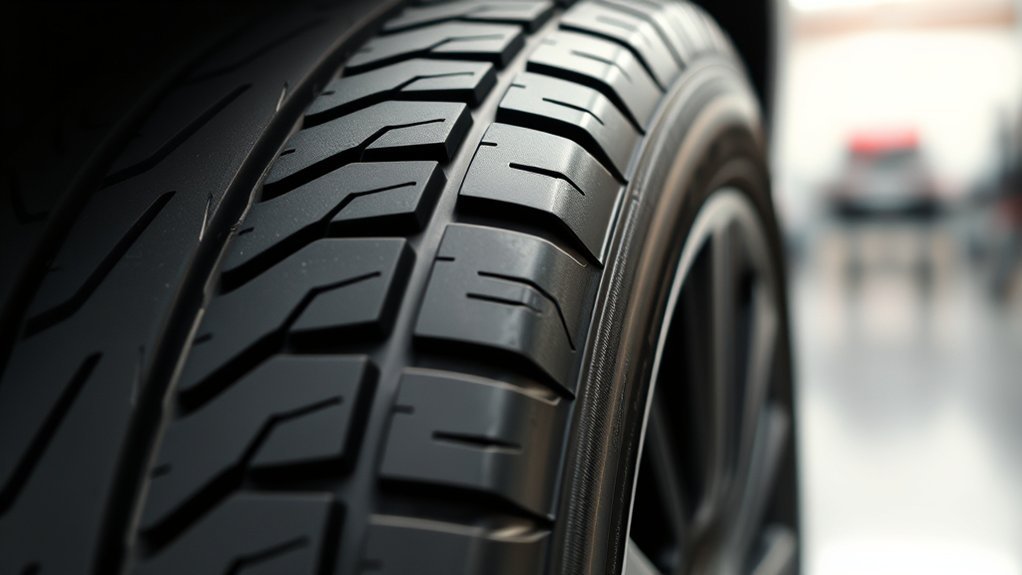
The tire shoulder is the outer edge of the tread where the tread pattern curves toward the sidewall. It helps the tire stay stable during cornering, braking, and load transfer, so unusual shoulder wear can tell you a lot about tire pressure, alignment, suspension, and driving habits. If you know where this area is and how to inspect it, you can catch problems before they shorten tire life or affect safety.
Quick Answer
The tire shoulder is the rounded outer edge where the tread meets the sidewall. It supports cornering grip and helps spread driving loads across the tire. Shoulder wear often points to underinflation, alignment problems, worn suspension parts, or hard cornering, so you should inspect it during every tire-pressure check.
Key Takeaways
- The tire shoulder sits at the outer edge of the tread, between the tread crown and the sidewall.
- Both-shoulder wear often points to underinflation, while one-sided shoulder wear often points to alignment or suspension issues.
- Overinflation usually wears the center tread faster, not the shoulders.
- Bulges, exposed cords, cracks, or shoulder/sidewall punctures need professional inspection before you keep driving.
- Monthly cold-pressure checks, tire rotation, alignment checks, and smooth driving help protect tire shoulders.
Last Updated: July 7, 2026
What Is a Tire Shoulder?
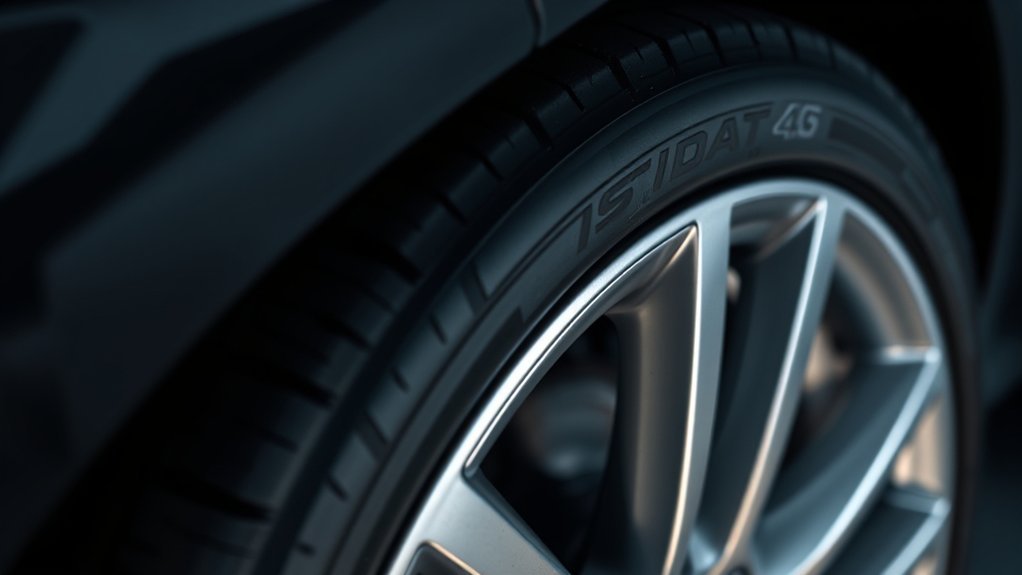
The tire shoulder is the transition zone at each outside edge of the tread. It is not the smooth sidewall, and it is not the flat center tread. Instead, it is the rounded area where the tread blocks or ribs begin to wrap down toward the sidewall.
This area matters because it carries extra force when you turn, brake, load the vehicle, or drive over uneven pavement. A healthy shoulder helps the tire keep steady contact with the road. A worn or damaged shoulder can point to a tire-pressure problem, an alignment issue, worn suspension parts, or driving habits that overload the outer tread edge.
Note: Check tire pressure when the tires are cold. NHTSA recommends checking all tires, including the spare, at least once a month.
Tire Shoulder vs. Sidewall vs. Tread Crown
The tire shoulder, sidewall, and tread crown sit close together, but they do different jobs. Use this simple comparison when you inspect a tire.
| Tire Area | Where It Is | Main Job |
| Tread crown | The center contact area that rolls directly on the road. | Provides most straight-line grip, braking traction, and water-channeling grooves. |
| Tire shoulder | The outer tread edge where the tread turns toward the sidewall. | Supports cornering, load transfer, and edge stability. |
| Sidewall | The smooth vertical side of the tire between the shoulder and bead. | Holds tire markings, helps support the tire structure, and protects internal layers. |
How to Find the Tire Shoulder on Your Tire
You can find the tire shoulder without removing the wheel. Stand beside the tire and look at the tread face first. The flat center section is the tread crown. Now follow the tread blocks outward until they curve toward the sidewall. That curved outer edge is the shoulder.
- Look at both the inner and outer shoulders on each tire.
- Compare the left and right sides of the same tire.
- Check whether the shoulder is smooth, feathered, cupped, cracked, or more worn than the center tread.
- Use a tread-depth gauge if the wear looks uneven.
If the inner shoulder is much more worn than the outer shoulder, the tire may have an alignment or suspension issue. If both shoulders are worn faster than the center, the tire may have been driven underinflated. If the center tread is more worn than both shoulders, the tire may have been overinflated.
What Causes Tire Shoulder Wear?
Tire shoulder wear starts when the tire no longer contacts the road evenly. That can happen because of pressure, alignment, suspension, load, or driving style. The wear pattern usually gives you the first clue.
| Wear Pattern | Likely Cause | What to Do |
| Both shoulders worn faster than the center | Underinflation, overloading, or long-term heat buildup | Set cold pressure to the door-jamb placard, check load limits, and inspect for heat damage. |
| One shoulder worn faster | Alignment issue, camber/toe problem, or worn steering/suspension part | Schedule an alignment and ask for a steering and suspension inspection. |
| Feathered shoulder edge | Toe misalignment or tire scrubbing across the road | Check alignment soon, especially if the vehicle pulls or the steering wheel sits off-center. |
| Cupped or scalloped shoulder spots | Worn shocks/struts, imbalance, or loose suspension parts | Have the tire balance, suspension, and wheel bearings checked. |
| Center tread worn faster than shoulders | Overinflation or too much pressure for the load | Adjust cold pressure to the vehicle maker’s specification, not the tire’s maximum sidewall pressure. |
Warning: Do not ignore bulges, exposed cords, deep cracks, cuts, or a puncture near the shoulder or sidewall. Stop using the tire until a qualified tire technician inspects it.
[Products Worth Considering]

Measure tire tread depth quickly and accurately with this LUMITECO dial gauge that reads in 1/32" increments up to 14/32". The color-coded green/yellow/red zones make it easy to judge tire wear and know when replacement is needed. A rugged, compact design with a protective pouch helps keep the gauge ready for use on cars, trucks, motorcycles, and more.

Monitor tire tread wear with a smart, color-coded depth gauge that shows clear condition ranges at a glance. The bar is range marked for fast, easy readings, helping you maintain safer traction and performance. Each gauge is portable with a pocket clip, and the set includes 20 units for daily use and sharing.

The SAFELIFE dial tire tread depth gauge measures tread depth in 1/32 inch increments with clear, easy-to-read 2-inch dial face. Color zones using a traffic light system help you quickly judge whether tread is low, marginal, or ample for safer driving. Built with a durable zinc cast body and a metal detect probe for precise, comfortable use across cars, motorcycles, trucks, and buses.
How Do You Keep Tire Shoulders in Good Shape?
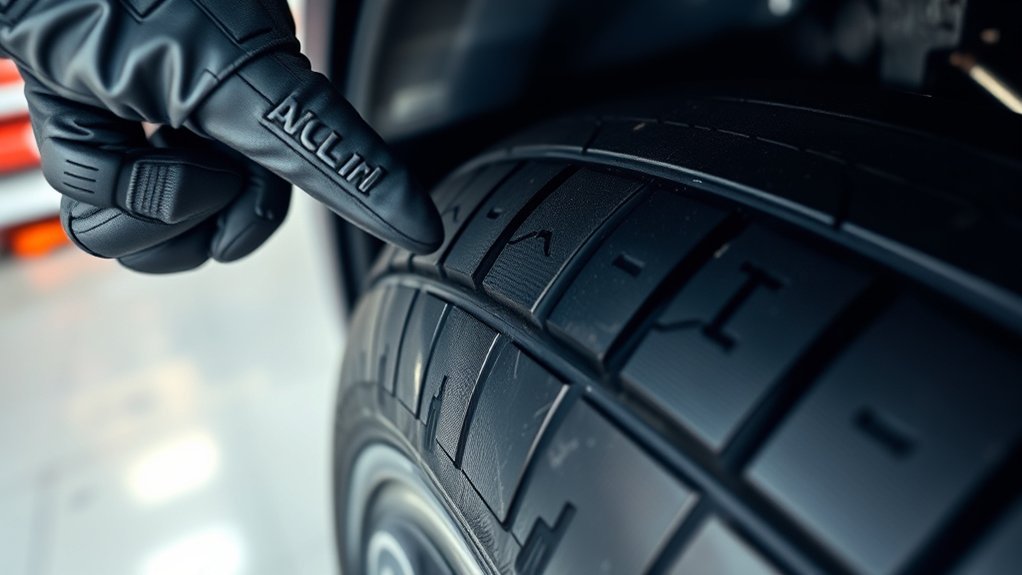
Good shoulder wear starts with simple tire maintenance. NHTSA says proper tire pressure affects safety, durability, and fuel use, and the correct pressure is the vehicle maker’s cold-pressure setting on the driver-side door label or in the owner’s manual.
- Check cold tire pressure monthly: Measure pressure before driving or after the vehicle has been parked long enough for the tires to cool.
- Inspect tread and shoulders monthly: Look for cracking, bulges, cuts, cupping, feathering, or one-sided wear.
- Rotate tires on schedule: Follow your owner’s manual. If your vehicle maker recommends rotation, NHTSA lists 5,000 to 8,000 miles as a common interval.
- Check alignment when wear looks uneven: Alignment helps maximize tire life and keeps the vehicle from pulling on straight, level roads.
- Balance tires when needed: Vibration, cupping, or new-tire installation can call for balancing.
- Drive smoothly: Hard cornering, heavy braking, and overloading can put extra stress on the shoulders.
Pro Tip: Keep a small tread-depth gauge and tire-pressure gauge in your vehicle. Quick monthly checks can catch shoulder wear before it turns into a full set of early replacements.
NHTSA reported 511 traffic fatalities in tire-related crashes in 2024, which is why tire pressure, tread depth, alignment, and rotation should be treated as safety checks, not just maintenance chores.
[Products Worth Considering]

Measure tyre tread depth precisely with a digital gauge that reads in both MM and inches, helping you monitor safe driving conditions. The large LCD screen is easy to operate, and the compact tool fits for cars, trucks, and motorcycles. It provides high accuracy with a 0-25.4mm range and includes a 1-year warranty for added peace of mind.

This universal wheel alignment tool helps you accurately restore tire tilt angles after tire or suspension repairs using an adjustable camber gauge. It features a powerful magnetic base that firmly attaches to brake rotors for stationary, slip-free readings, improving consistency during measurement. Built from durable PC plastic, it resists wear and corrosion and is compact enough for car, truck, RV, and motorcycle alignment tasks.

Accurately measure tire tread depth with a calibrated gauge marked from 0 to 1 inch in 1/32 inch increments. The color-coded bar helps you quickly identify tread condition ranges, supporting safe driving for trucks, motorcycles, automobiles, and passenger vehicles.
Can a Tire Shoulder Be Repaired?
You should not rely on a tire-shoulder repair the way you might rely on a repair in the main tread area. The shoulder flexes during turning and load transfer, and damage near the shoulder can affect internal tire layers. A small puncture in the central tread may be repairable after the tire is removed and inspected, but shoulder or sidewall damage usually calls for replacement.
If you see a nail, screw, cut, bulge, bubble, exposed cord, or air leak near the shoulder, do not plug it and keep driving as if it is fixed. Have a qualified tire technician demount and inspect the tire from the inside. If the damage reaches the shoulder or sidewall structure, replace the tire.
Should You Choose Open or Closed Shoulder Tires?
Open and closed shoulder designs use different tread layouts. The best choice depends on how and where you drive.
| Design | Best For | Trade-Off |
| Open shoulder | Rain, mud, loose surfaces, light off-road use, and tires that need more water or debris evacuation. | Can produce more tread noise and may wear differently depending on the tire compound and vehicle use. |
| Closed shoulder | Highway driving, quiet ride goals, dry-road stability, and long tread-life priorities. | May not clear mud, snow, or standing water as aggressively as a more open shoulder design. |
For most daily drivers, tire type, size, load rating, speed rating, climate, and vehicle fit matter more than shoulder design alone. UTQG ratings compare treadwear, traction, and temperature resistance for many passenger tires, but they are not a guaranteed mileage promise.
[Products Worth Considering]
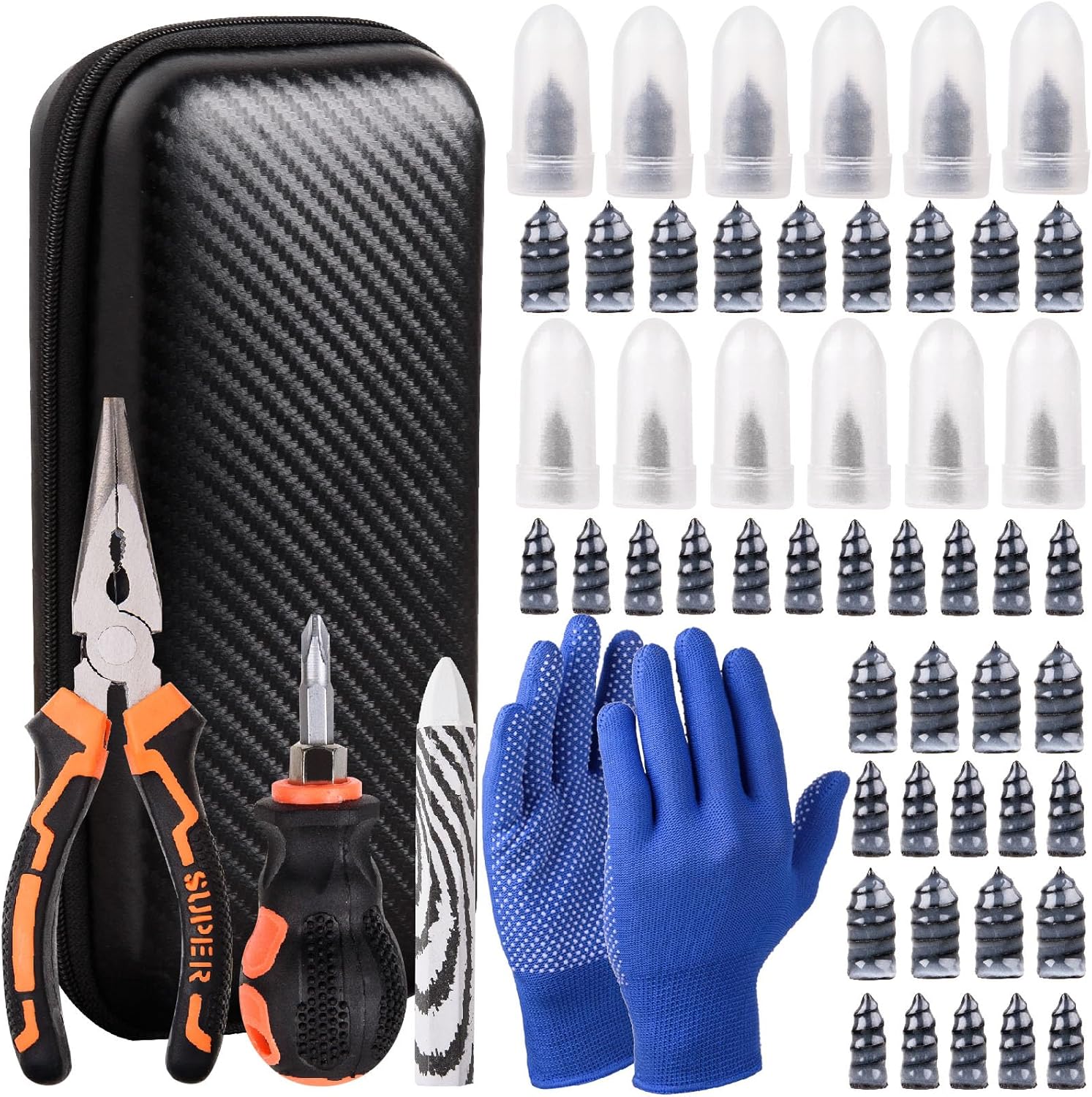
This tire sidewall puncture repair kit fixes flats fast without removing the tire, helping you get back on the road in minutes. It includes self-tapping repair nails, essential tools, gloves, and a portable storage bag for convenient roadside use. Designed for tubeless tires, it helps create a tight, leak-resistant seal for cars, motorcycles, trucks, SUVs, and ATVs.

This tire inflator with pressure gauge delivers long-lasting performance with a durable rubber-protected gauge and sturdy build. The longer hose and 360 swivel air chuck help you seal the valve securely and keep your hands free while measuring, inflating, or deflating. It’s battery-free for reliable use and provides ±2 PSI accuracy in the mid-range for most typical tires, with universal compatibility for 1/4 NPT compressor outputs.

This 62-inch extra-long car wash brush kit makes it easy to clean hard-to-reach areas on cars, trucks, SUVs, and RV roofs with lightweight, sturdy poles. It includes soft, non-scratch microfiber and bristles with protective bumpers to help prevent scratches while cleaning effectively. A rubber squeegee helps remove water stains quickly, plus a wheel/tire brush and absorbent towels for complete exterior detailing.
Frequently Asked Questions
Where is the shoulder on a tire?
The shoulder is on the outer edge of the tread, where the tread blocks or ribs curve toward the sidewall. Each tire has an inner shoulder and an outer shoulder, so inspect both sides when you check tread wear.
Can a tire shoulder be repaired?
Do not count on repairing shoulder damage. A repairable puncture is usually limited to the main tread area after the tire is removed and inspected from the inside. Damage near the shoulder or sidewall is commonly treated as replacement territory because that area flexes and carries cornering load.
What part of the tire is considered the shoulder?
The shoulder is the outer tread-edge zone between the tread crown and sidewall. It is not the center tread, and it is not the smooth sidewall. It is the transition area that helps the tire handle cornering forces.
Why is the shoulder of a tire not usually repairable?
The shoulder flexes as the tire turns, brakes, and carries load. A patch or plug in that area may not restore the tire’s structural strength. That is why shoulder and sidewall damage should be inspected by a qualified tire technician, and replacement is often the safer choice.
Does shoulder wear mean I need an alignment?
Sometimes. Heavy wear on one shoulder often points to alignment, camber, toe, or suspension problems. Wear on both shoulders often points to underinflation or overloading. If the vehicle pulls, the steering wheel sits off-center, or the wear is one-sided, schedule an alignment check.
Is outer shoulder wear dangerous?
It can be. Light, even wear is normal over time, but fast outer-shoulder wear can reduce grip and may point to alignment, underinflation, hard cornering, or worn suspension parts. If the tread is near 2/32 inch, cords are visible, or the tire has cracks or bulges, replace it.
Conclusion
The tire shoulder may look like a small part of the tire, but it gives you early clues about pressure, alignment, suspension health, and driving habits. Check both shoulders during monthly cold-pressure and tread inspections. If you catch uneven wear early, you can often fix the cause before it ruins the tire. If you see cracks, bulges, exposed cords, or damage near the shoulder or sidewall, stop guessing and get the tire inspected before you drive farther.
Sources
- NHTSA TireWise: Tire Safety Ratings and Awareness — backs tire pressure, tread depth, rotation, alignment, and tire-related crash safety guidance.
- eCFR 49 CFR 575.104: Uniform Tire Quality Grading Standards — backs UTQG treadwear, traction, and temperature-rating context.
- NHTSA Recalls — backs tire recall lookup and tire safety-defect reporting guidance.