
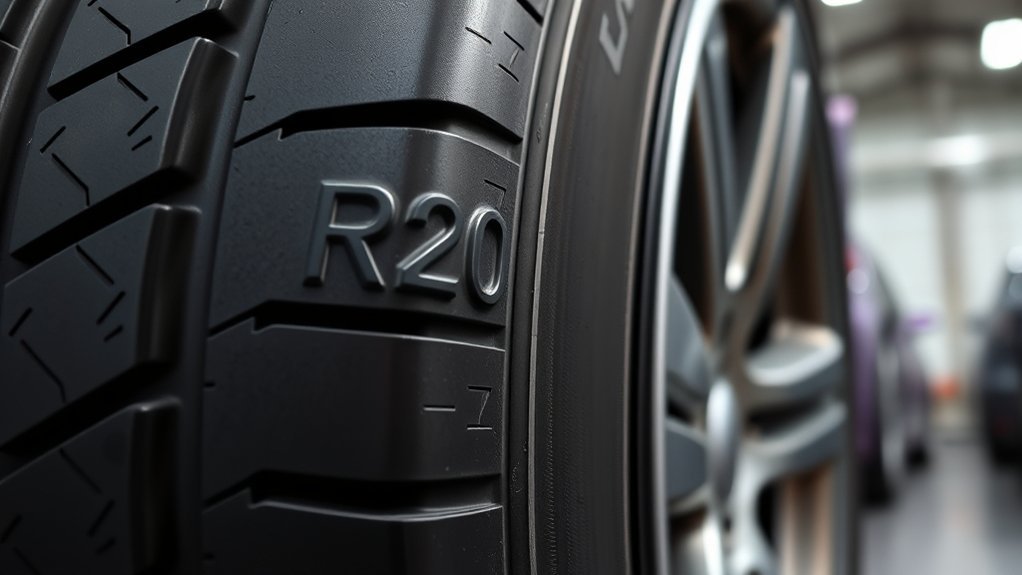
R20 on a tire means the tire uses radial construction and is designed for a 20-inch wheel rim. The “R” stands for radial, while “20” is the wheel diameter in inches. The 20 does not mean the complete tire is 20 inches tall. To choose the right replacement, you still need the full tire size, load index, speed rating, approved wheel width, and your vehicle manufacturer’s specified fitment.
Last updated: August 18, 2026
Quick Answer
R20 means the tire has radial construction and fits a 20-inch wheel rim. The “R” stands for radial, while “20” is the rim diameter in inches. R20 alone does not tell you the tire’s width, sidewall height, overall tire diameter, load capacity, speed rating, or whether it is approved for your vehicle.
Key Takeaways
- R20 means radial construction for a 20-inch rim.
- The number 20 is the wheel diameter, not the tire’s total outside diameter.
- The full tire size, such as 275/55R20, also includes tire width and aspect ratio.
- Two tires can both end in R20 and still have very different widths, sidewall heights, and overall diameters.
- The load index and speed rating must meet the requirements specified for your vehicle.
- Always confirm the complete tire size against your vehicle placard or owner’s manual before buying.
What Does R20 Mean on a Tire?
“R20” on a tire tells you two things. The R means the tire uses radial construction, and the 20 means the tire is designed for a 20-inch rim diameter. In a size such as 275/55R20, R20 appears near the end of the dimensional part of the size code.
That does not mean every R20 tire fits every vehicle with 20-inch wheels. The tire also needs the correct width, aspect ratio, load index, speed rating, overall diameter, and approved wheel-width range. If you are comparing sizes, this guide to tire diameter and width explains how those dimensions affect fitment. Your vehicle’s tire placard or owner’s manual should remain the starting point.
Warning: Do not mount an R20 tire on a wheel that is not 20 inches in diameter. A rim-size mismatch can prevent the tire from seating correctly and can create serious handling, air-loss, or failure risks.
NHTSA reported 511 traffic fatalities in tire-related crashes in 2024, which is a strong reminder that tire size, condition, pressure, and fitment are safety issues, not just shopping details.
Does R20 Mean the Tire Is 20 Inches Tall?
No. The 20 in R20 is the wheel or rim diameter, not the tire’s total outside diameter. Overall tire diameter also depends on the tire width and aspect ratio. That is why two tires can both use 20-inch wheels yet be noticeably different in total height.
| Tire Size | Wheel Diameter | Nominal Sidewall Height | Nominal Overall Diameter |
| 275/55R20 | 20 inches | About 151 mm / 5.95 in | About 31.9 inches |
| 285/40R20 | 20 inches | About 114 mm / 4.49 in | About 29.0 inches |
For a metric tire size, nominal sidewall height is the tire width multiplied by the aspect ratio. Nominal overall diameter is the 20-inch wheel diameter plus two sidewalls after converting the sidewall measurement to inches. Actual published dimensions can vary slightly by tire model and measuring rim, so use the tire manufacturer’s specification sheet when exact clearance matters.
How to Read an R20 Tire Size Code
A full tire code gives you much more information than R20 alone. Here is how a common size, 275/55R20 113T, breaks down:
| Code Part | Meaning | Why It Matters |
| 275 | Tire width in millimeters | Affects fitment, clearance, steering feel, and rolling resistance. |
| 55 | Aspect ratio | The nominal sidewall height is 55% of the tire width. |
| R | Radial construction | Identifies how the tire’s internal casing is constructed. |
| 20 | Rim diameter in inches | The tire must be mounted on a 20-inch wheel diameter. |
| 113 | Load index | Corresponds to 2,535 pounds per tire on the standardized load-index chart. |
| T | Speed rating | Represents a maximum tested speed capability of 118 mph under specified conditions, not a recommended driving speed. |
The full size matters because two tires can both be R20 and still be very different. For example, 275/55R20 and 285/40R20 both use 20-inch rims, but their widths, sidewall heights, and nominal overall diameters differ substantially.
Tire Width, Ratio, and Construction
When you read a tire size like P265/60R20, the 265 is the nominal section width in millimeters. The 60 is the aspect ratio, so the sidewall height equals 60% of that width. The R means radial construction. The P prefix identifies a P-metric passenger tire. An LT prefix identifies a light-truck tire designed for heavier-duty service. Michelin explains these prefixes in its guide to tire sidewall markings. You can also read TubeTyre’s guide to how tire dimensions work.
Tire Width Basics
The first number in a metric tire size is the tire’s nominal section width from sidewall to sidewall. A 275/55R20 tire is nominally 275 mm wide, while a 285/40R20 tire is nominally 285 mm wide. Section width alone does not guarantee more grip. A wider size can change steering response, rolling resistance, road noise, and wheel-well clearance.
Do not choose width by appearance alone. A tire that is too wide can interfere with the fender liner or suspension. The tire also needs to be approved for the width of the wheel on which it will be mounted.
Aspect Ratio Meaning
The aspect ratio is the nominal sidewall height expressed as a percentage of the tire width. In 275/55R20, the sidewall height is 55% of 275 mm, or about 151 mm. In 285/40R20, the sidewall height is 40% of 285 mm, or about 114 mm.
A lower aspect ratio usually produces a shorter sidewall for a given width. That can make steering response feel more direct, but it also leaves less sidewall between the wheel and a pothole. A taller sidewall generally provides more deflection to absorb road impacts.
Radial Construction Meaning
The “R” in R20 means the tire is radially constructed. Continental explains that radial tires use internal ply cords running from bead to bead across the tire casing. Radial construction is the standard design used by most modern passenger-vehicle tires.
Can Any R20 Tire Fit Any 20-Inch Wheel?
No. R20 tells you that the tire uses radial construction and requires a 20-inch wheel diameter, but it does not guarantee compatibility with every 20-inch wheel or vehicle. Width, aspect ratio, approved wheel-width range, load index, speed rating, overall diameter, suspension clearance, and vehicle specifications still matter.
Rim Diameter Match
A tire marked R20 is engineered for a 20-inch rim diameter, so that diameter has to match exactly. If the tire and wheel diameters do not match, the tire may not mount, seat, retain air, or operate safely.
- Verify the wheel diameter before mounting the tire.
- Match the tire’s rim diameter to the wheel exactly.
- Do not force a tire onto the wrong rim diameter.
- Confirm the complete tire size before buying, not just the R20 marking.
R20 Size Compatibility
R20 compatibility means more than having a 20-inch wheel. Each tire size also has an approved wheel-width range. The tire must clear the body and suspension, maintain an appropriate overall diameter, and have sufficient load and speed ratings for the vehicle.
NHTSA advises drivers to buy the same size as the original tires or another size recommended by the vehicle manufacturer. Check the owner’s manual or the Tire and Loading Information Label on the driver’s door edge or door post before changing tire size.
Pro Tip: If you are replacing tires, take a photo of your door-jamb tire placard and compare it with the sidewall size before ordering. This helps you catch mistakes in width, aspect ratio, load index, speed rating, and recommended inflation pressure.
What Your Tire Load Index Means
Your tire load index is a numerical code corresponding to the maximum load a tire can support under specified conditions. It appears after the rim diameter in many tire service descriptions. In 275/55R20 113T, the load index is 113.
On the standardized load-index chart, 113 corresponds to 2,535 pounds per tire. Michelin advises that a replacement tire’s load rating should meet or exceed the value specified by the vehicle manufacturer. You can review its explanation of tire load rating and speed rating for more detail.
The load index matters because your tires support the vehicle, occupants, and cargo. If you tow or haul, the vehicle’s axle ratings, gross vehicle weight rating, tire capacity, and required inflation pressure also remain limits. Installing a tire with a higher load index does not increase the vehicle manufacturer’s rated payload or axle capacity.
- Match or exceed the load index specified for the vehicle.
- Use the correct tire type and load rating for towing or heavy cargo.
- Check the service description on every replacement tire.
- Do not exceed the vehicle’s axle or weight ratings even if the tire itself has extra capacity.
What Tire Speed Ratings Mean
A tire speed rating is a letter indicating the tire’s tested speed capability under controlled conditions. It appears after the load index, such as the T in 275/55R20 113T.
Common speed ratings include S up to 112 mph, T up to 118 mph, H up to 130 mph, V up to 149 mph, W up to 168 mph, and Y up to 186 mph. Bridgestone notes that speed ratings come from laboratory testing and do not represent recommended road speeds. Some high-speed tires also use Z or ZR markings in their size description.
Never treat a speed rating as permission to drive at that speed on public roads. Inflation pressure, tire condition, damage, load, weather, and road conditions can reduce real-world capability. For a deeper explanation, see TubeTyre’s tire speed rating guide. Replacement tires should follow the vehicle manufacturer’s speed-rating requirements.
[Products Worth Considering]

This VEVOR tire bead breaker uses a slide-hammer impact and wedge tip to separate tire beads from rims quickly and efficiently without damaging hub surfaces. The long handle and sturdy steel construction help reduce user strain while providing reliable, portable tire changing for cars, trucks, and more. Ideal for home mechanics and repair shops handling multiple vehicle tire sizes.
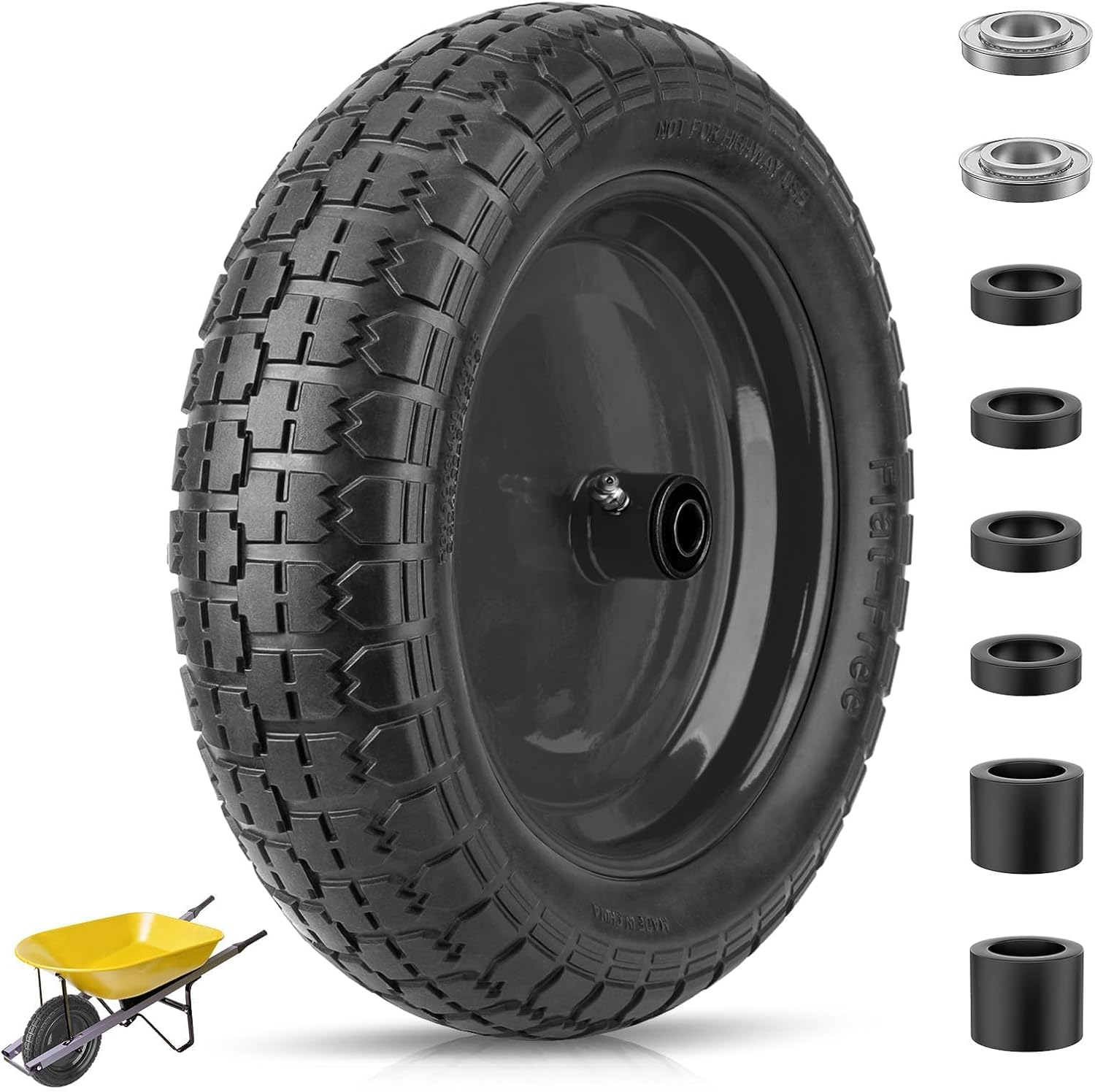
This flat-free TICONN wheelbarrow tire features durable polyurethane foam construction that never needs inflation, helping prevent punctures and reducing maintenance on rough outdoor terrain. With a 300 lb max load capacity and stable steel rim design, it supports safer transport for yard work and hauling tasks. An adapter kit with ball bearings and nylon spacers is included for easier fit and customization across common wheelbarrow and cart axle setups.
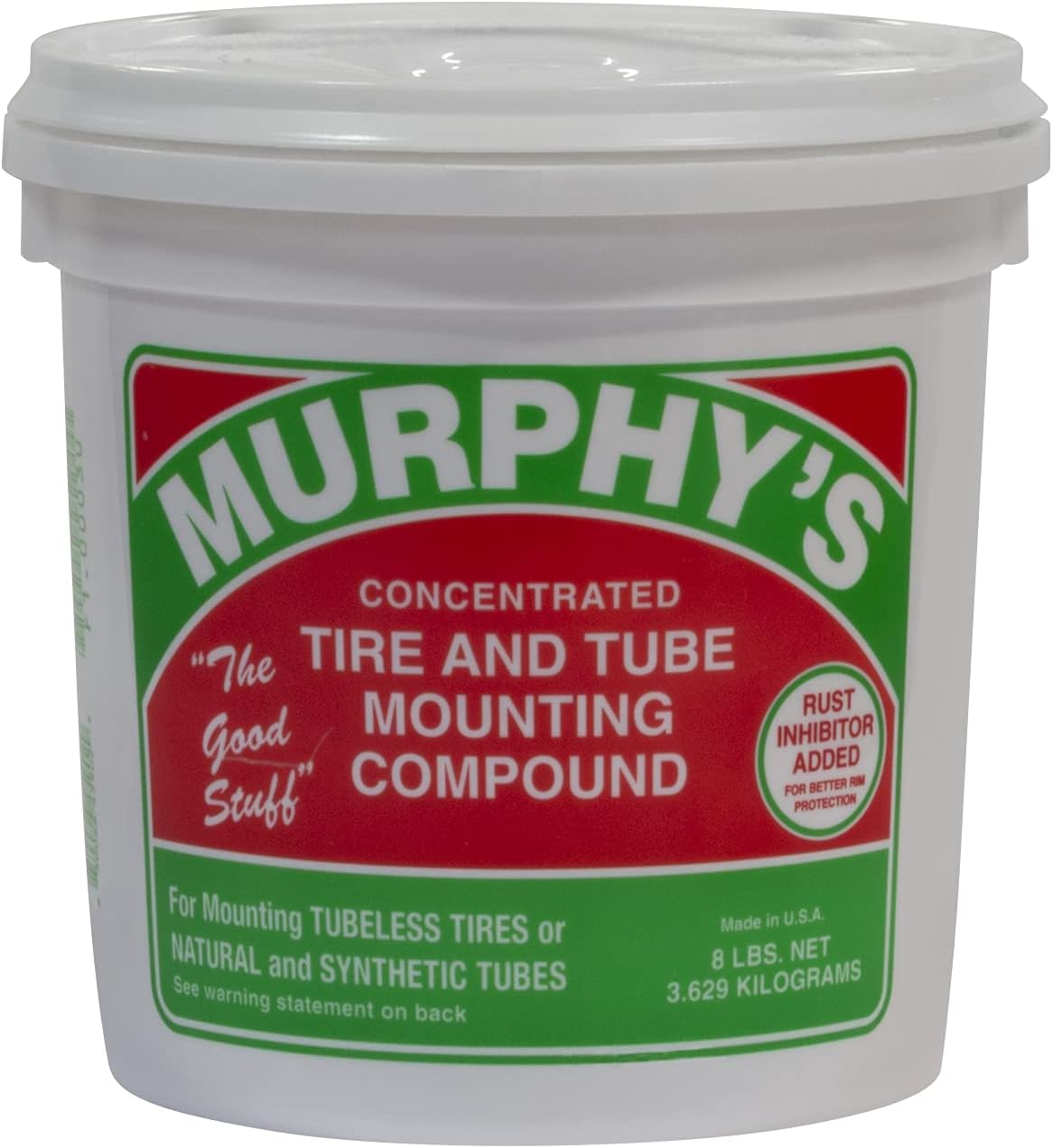
A concentrated tire and tube mounting compound designed to help simplify mounting rubber tires and tubes on passenger, semi truck, construction, and OTR applications. Its ultra-thick formula packs beads effectively and includes rust inhibitors to help protect against corrosion during use.
Where to Find the Correct R20 Tire Size
The best place to confirm your tire size is the Tire and Loading Information Label on the driver’s door jamb, door edge, or door post. You can also check the owner’s manual. NHTSA recommends using these vehicle-manufacturer sources when choosing replacement tire size and cold inflation pressure.
Note: The maximum pressure molded on a tire sidewall is not the recommended everyday operating pressure for your vehicle. Use the vehicle placard or owner’s manual for the correct cold inflation pressure. Michelin also explains the difference between sidewall maximum pressure and vehicle-recommended pressure.
If your current tires are not the original size, do not assume they are correct. Compare the sidewall size with the vehicle placard and consult a qualified tire professional before changing width, aspect ratio, tire type, load index, or speed rating.
[Products Worth Considering]

This 3-piece wheel brush set makes it easy to clean wheels and tires with soft, scratch-free brushes designed for lifting brake dust and grime. The flexible rim brush bends up to 360 degrees to reach hard-to-access areas for a thorough clean, while the comfortable grip helps control during detailing. A dedicated detailing brush supports gentle cleaning for sensitive surfaces, including interior use.

This professional wheel and rim cleaning brush set lifts brake dust, grime, and dirt with soft, scratch-free microfiber and synthetic wool fibers. The rim brush bends up to 360 degrees for easy access to hard-to-reach areas around spokes, lips, and faces. Ideal for thorough cleaning of car, truck, motorcycle, bicycle, RV, and more wheel and tire surfaces.

Malco tire mounting and demounting lubricant is a ready-to-use tire lube formulated to reduce friction during tire installation for passenger cars, light trucks, farm tires, and heavy-duty equipment. It provides rust-inhibiting protection to help reduce corrosion on rims and wheels, and helps support proper tire bead seating during inflation to reduce air leakage. The silicone-free, soap-free formula is whitewall safe to help prevent discoloration on whitewall tires and sensitive sidewall markings.
How to Choose the Right R20 Tire
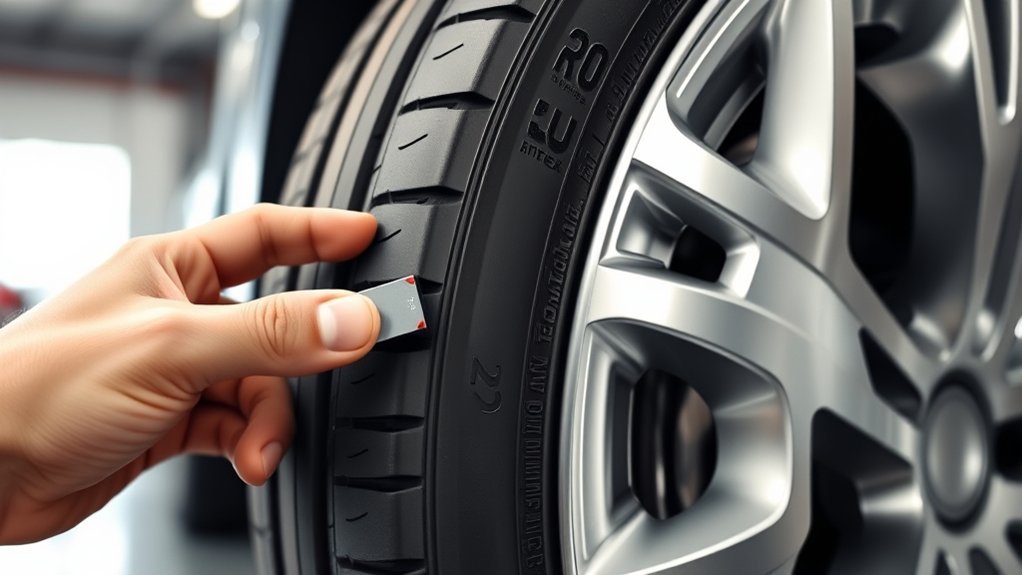
Choosing the right R20 tire starts with the vehicle’s approved fitment. R20 only confirms radial construction and a 20-inch rim diameter. Start with the placard, then compare tire type, width, aspect ratio, approved rim-width range, load index, speed rating, and climate performance.
- Tire width: Confirm that the width fits the wheel, wheel well, and vehicle specification.
- Aspect ratio: Changing the ratio changes sidewall height and overall tire diameter.
- Load index: Make sure the tire meets the vehicle manufacturer’s required load rating.
- Speed rating: Follow the original-equipment or manufacturer-specified speed-rating requirement.
- Tire type: Choose all-season, all-weather, winter, highway, performance, or all-terrain tread based on the vehicle and driving conditions.
If you drive mostly on highways, a touring or highway tire may suit your needs. If you regularly drive in snow, look for tires appropriate to winter conditions, including the Three-Peak Mountain Snowflake marking where applicable. If you tow, haul, or drive a truck or SUV, pay particular attention to tire type, load index, load range, and inflation requirements.
Fitment comes before tread style. Once the size and service description are correct, other performance information can help you compare suitable tires. For passenger-car tires, NHTSA’s UTQG ratings provide treadwear, traction, and temperature grades, but those grades do not determine whether a tire fits your vehicle.
[Products Worth Considering]

Slip the Powerbuilt tire step over your vehicle’s tire to reach roof racks, engine bays, truck boxes, and more without overreaching. Its adjustable, universal design fits tires with a cross tread width up to 13 inches, including car, truck, RV, and semi tires. The non-slip cheesegrater surface and anti-slip tape provide secure grip while the open design lets mud and debris pass through. Fold-flat storage with rubber bumpers helps keep your tire and the step protected between uses.

Adam’s Pro Tire Hex Grip applicators are molded foam sponges designed for precise, even tire dressing application. The ergonomic grip helps you spread product without overapplying, reducing sling that can splash onto paint and helping keep your hands clean during wheel and trim detailing. They’re durable, washable, and reusable for repeated detailing sessions.

Secure your vehicle during transport with this 4-pack of heavy-duty tire tie down straps designed for trailers and hauling. The ratchet system with flat hooks and D-rings helps you tension the straps quickly, while the wheel-friendly design protects tires. With high break strength and corrosion-resistant hardware, these straps provide reliable, confidence-inspiring tie-down security for cars, trucks, and UTVs.
Frequently Asked Questions
What is the meaning of 275/55R20?
275/55R20 means the tire has a nominal section width of 275 mm, a sidewall height equal to 55% of that width, radial construction, and a 20-inch wheel diameter. Its nominal overall diameter is about 31.9 inches. The load index and speed rating normally follow the dimensional code and must also meet your vehicle’s requirements.
Does R20 mean the tire is 20 inches tall?
No. The 20 in R20 is the diameter of the wheel the tire mounts on. The tire’s total outside diameter is larger and depends on its width and aspect ratio. For example, a 275/55R20 has a nominal overall diameter of about 31.9 inches.
Does the R matter in tire size?
Yes. The “R” identifies radial construction. It is part of the tire size designation and should match the type specified for the vehicle.
What does 285/40R20 mean on a tire?
285/40R20 means the tire has a nominal section width of 285 mm, a sidewall height equal to 40% of that width, radial construction, and a 20-inch wheel diameter. The nominal sidewall height is about 114 mm, and the nominal overall diameter is about 29.0 inches.
Are 20-inch tires better than 21-inch tires?
Neither size is inherently better. When overall tire diameter is kept similar, a 20-inch wheel normally pairs with a taller sidewall than a 21-inch wheel. That can provide more sidewall between the wheel and road impacts, while a lower-profile 21-inch setup may feel more direct. Use only wheel and tire sizes approved for your vehicle.
Can I put any R20 tire on my 20-inch wheels?
No. R20 confirms radial construction and a 20-inch wheel diameter, but you still need the correct tire width, aspect ratio, approved wheel-width range, load index, speed rating, overall diameter, and vehicle clearance. Check the vehicle placard and tire manufacturer’s specifications before buying.
What do P and LT mean before an R20 tire size?
A P prefix identifies a P-metric passenger tire, while an LT prefix identifies a light-truck tire designed for heavier-duty service. Do not assume P and LT tires are interchangeable simply because both sizes end in R20. Follow the tire type, load requirements, and size specified for the vehicle.
Where do I find the correct tire size for my vehicle?
Look for the Tire and Loading Information Label on the driver’s door edge, door jamb, or door post. You can also check the owner’s manual. Use the vehicle manufacturer’s specified size instead of guessing from wheel diameter or the tires currently installed on a used vehicle.
Conclusion
When you see R20 on a tire, the “R” means radial construction and the “20” means the tire is made for a 20-inch wheel diameter. It does not mean the entire tire is 20 inches tall, and R20 alone does not establish vehicle compatibility. Before buying, check the full size, tire type, approved wheel-width range, load index, and speed rating against the vehicle placard or owner’s manual.
Sources
- Continental Tires – Tire markings – supports tire width, aspect ratio, radial construction, rim diameter, load index, and speed-rating definitions.
- NHTSA TireWise – supports tire-size placard guidance, inflation-pressure guidance, UTQG context, and the 2024 tire-related fatality statistic.
- Michelin – Tire markings explained – supports P-metric and LT tire terminology and sidewall-marking guidance.
- Michelin – Tire load rating and speed rating – supports load-index interpretation and replacement-rating guidance.
- Bridgestone – Tire speed ratings – supports common speed-rating values and laboratory-test context.
- Michelin – Correct tire pressure – supports the distinction between sidewall maximum pressure and vehicle-recommended cold inflation pressure.
