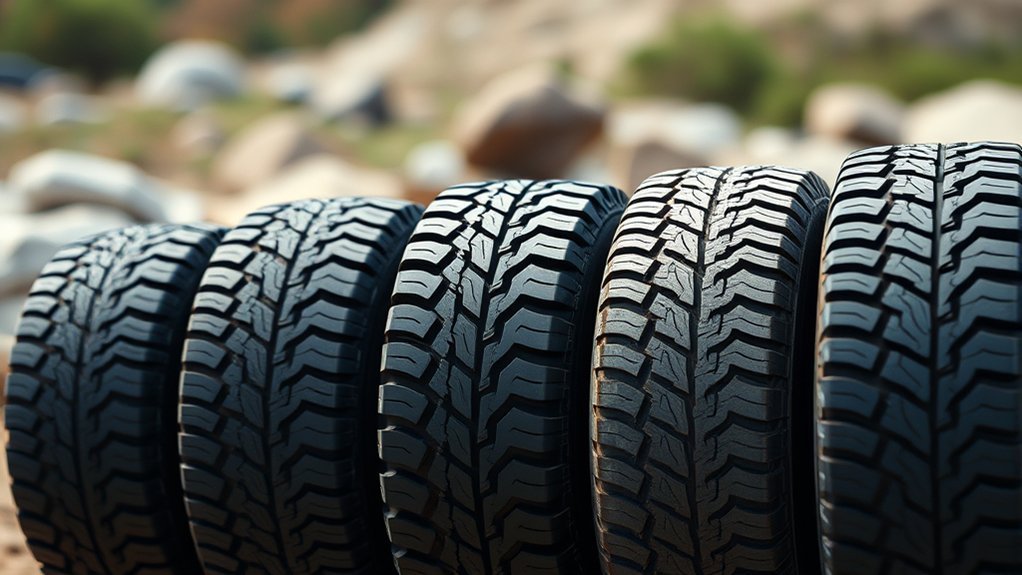
The Toyota 4Runner TRD Pro tire size depends heavily on the model year. The biggest split is between the fifth-generation TRD Pro models sold through 2024 and the redesigned sixth-generation 2025-and-newer 4Runner. Before you buy tires, confirm the tire placard on your driver-side door jamb, because wheels, trim, market, dealer accessories, and previous-owner upgrades can change what is on the vehicle.
Quick Answer
Most fifth-generation 4Runner TRD Pro models use a 17-inch wheel with a 265/70R17-size tire from the factory. The redesigned 2025-and-newer TRD Pro moves to a 33-inch-class tire on an 18-inch wheel. For upgrades, 275/70R17 or 285/70R17 are common, but rubbing depends on lift, offset, alignment, and tire design.
Key Takeaways
- Do not treat 275/80R17 as a normal factory 4Runner TRD Pro size. It is an aggressive upgrade size that usually needs clearance work.
- The 2024 TRD Pro belongs with the previous 5th-gen fitment group, while 2025+ models are redesigned and use different 18-inch wheel fitment.
- Bigger tires can improve clearance and off-road grip, but they can also add weight, reduce fuel economy, change speedometer readings, and cause rubbing.
- Always match or exceed the proper load rating, use the door-jamb placard for pressure guidance, and inspect clearance at full steering lock and suspension compression.
Evolution of Tire Sizes in the TRD Pro

The Toyota 4Runner TRD Pro did not move through a simple year-by-year chain of 275/70R17, 275/80R17, and 275/70R18 factory sizes. A safer way to understand the change is by generation.
For the fifth-generation TRD Pro, which ran through the 2024 model year, the factory setup centered on a 17-inch off-road wheel and a 265/70R17-size all-terrain tire. Many owners upgrade from there to sizes such as 275/70R17 or 285/70R17, but those are upgrade choices, not the same as factory fitment.
The redesigned sixth-generation 4Runner arrived for the 2025 model year. Toyota’s official 2025 4Runner release describes the all-new sixth-generation model and notes that the Trailhunter uses 33-inch Toyo Open Country A/T tires with 18-inch wheels. The TRD Pro also moves into the newer 33-inch-class, 18-inch-wheel era. You can review Toyota’s official overview here: Toyota USA Newsroom 2025 4Runner release.
Note: If your 4Runner is used, modified, or dealer-equipped, do not rely on model-year assumptions alone. Check the driver-side tire placard, the wheel size stamped on the wheel, and the tire sidewall before ordering replacements.
Tire Specifications by Model Year
Use this table as a practical fitment guide, then verify your exact vehicle before buying. Toyota can change equipment by trim, package, production date, or market.
| Model Years | Generation | Typical TRD Pro Factory Tire Setup | What to Know |
| 2015–2024 | 5th generation | 265/70R17 on 17-inch TRD wheels | Common upgrades include 275/70R17 and 285/70R17. Fitment depends on wheel offset, alignment, mudflaps, fender liner position, and suspension height. |
| 2025 and newer | 6th generation | 33-inch-class all-terrain tire on 18-inch wheels | Toyota’s redesigned 2025 platform changed the wheel and tire package. Confirm the exact metric size on your tire sidewall before replacing or upsizing. |
How Tire Size Changes Your Off-Road Game
Tire size affects your 4Runner in several ways. A taller tire can raise axle clearance, which helps over rocks, ruts, and uneven trail surfaces. A wider tire can add contact patch, but width alone does not guarantee more grip. Tread pattern, rubber compound, sidewall strength, inflation pressure, and terrain matter just as much.
On a daily-driven 4Runner, tire weight is just as important as tire height. Heavier all-terrain or mud-terrain tires can slow acceleration, increase braking distance, reduce fuel economy, and make the steering feel heavier. They may also make more road noise.
Use the tire size code to understand what you are changing. In 265/70R17, “265” is section width in millimeters, “70” means the sidewall height is 70% of the width, “R” means radial construction, and “17” is the wheel diameter in inches. Tire manufacturers such as Bridgestone explain this sidewall format in detail here: how to read tire size.
| Size | Approx. Diameter | Typical Use | Fitment Caution |
| 265/70R17 | About 31.6 inches | Factory-style 5th-gen TRD Pro replacement | Usually the easiest size to keep quiet, efficient, and rub-free. |
| 275/70R17 | About 32.2 inches | Mild upgrade | May fit many setups, but still check front liner and mudflap clearance. |
| 285/70R17 | About 32.7 inches | Common 33-inch-class upgrade | Often needs liner adjustment, mudflap removal, caster-friendly alignment, or trimming. |
| 275/80R17 | About 34.3 inches | Tall narrow off-road upgrade | Not a simple stock replacement. Expect lift, trimming, and careful clearance checks. |
| 265/70R18 | About 32.6 inches | Common 18-inch, 33-inch-class fitment | Check exact 2025+ placard and sidewall before replacing. |
Recommended Tire Upgrades for Each Generation
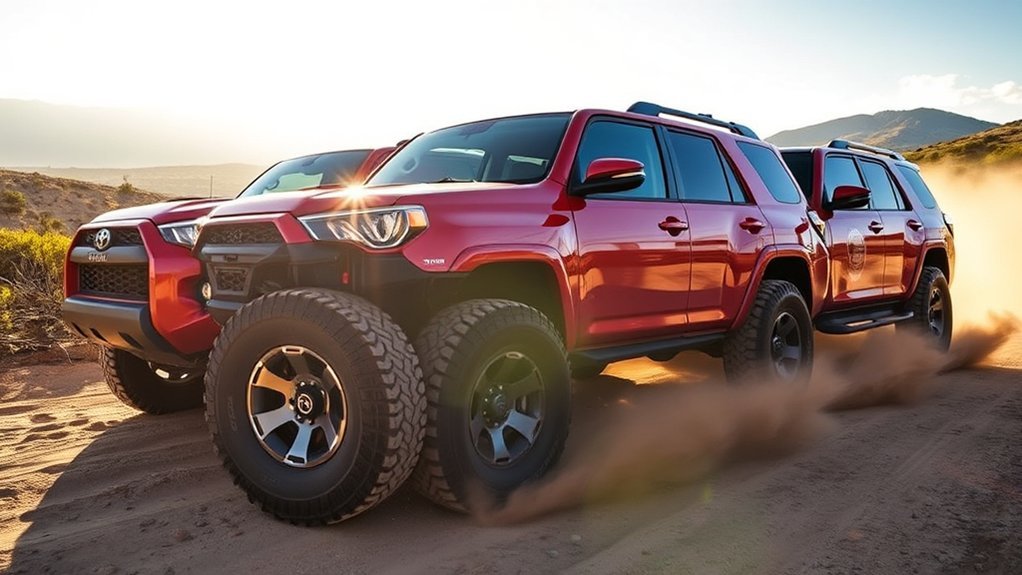
The best tire upgrade depends on your generation, how much cutting you are willing to do, and how you drive. A daily driver that sees gravel roads needs a different setup than a trail rig built for rocks and mud.
[Products Worth Considering]

Keep your tires properly inflated with this analog VONDIOR tire pressure gauge, designed for fast, easy readings without batteries. The swiveling, two-axis hose and large glow dial help you measure at any tire angle with instant visibility. Built with a protective rubber shield, it supports durable, low-maintenance use for cars and trucks.

These aluminum alloy tire valve stem caps with an O-ring seal help protect valve stems from corrosion while adding a clean, stylish look to your vehicle. The universal fit works across cars, trucks, motorcycles, bicycles, and more, making them an easy upgrade for everyday driving and off-road use. Installation is quick, and the included four-pack keeps all your tires dressed and protected.

Adam’s Pro Tire Hex Grip applicators are molded foam sponges designed for precise, even tire dressing application. The ergonomic grip helps you spread product without overapplying, reducing sling that can splash onto paint and helping keep your hands clean during wheel and trim detailing. They’re durable, washable, and reusable for repeated detailing sessions.
Popular Tire Sizes
For a fifth-generation 4Runner TRD Pro, 265/70R17 is the safest factory-style replacement. If you want a mild upgrade, 275/70R17 adds a little height and width without jumping into extreme fitment. Many owners like 285/70R17 because it is close to a 33-inch tire, but it is more likely to rub, especially with aggressive tread blocks or lower-offset wheels.
For the redesigned 2025-and-newer TRD Pro, stay close to the factory 33-inch-class 18-inch tire size unless you already understand the new platform’s wheel offset, spare storage, suspension travel, and body clearance. Moving to a larger tire may require different wheels, recalibration, or trimming.
Performance Enhancements
A good all-terrain tire is the best all-around choice for most 4Runner TRD Pro owners. It keeps decent road manners while improving traction on dirt, gravel, snow, and mild trails. Mud-terrain tires can perform better in deep mud and loose trail conditions, but they are usually louder and heavier on pavement.
Winter tires are still the best choice for repeated driving on ice, packed snow, and very cold pavement. A severe-snow-rated all-terrain tire can work well for mixed use, but it does not always match a dedicated winter tire on icy roads.
Pro Tip: If your 4Runner is a daily driver, choose the lightest tire that still meets your traction and load needs. A heavy tire can make the truck feel slower, louder, and less efficient even if it looks better.
Modifications for Better Tire Fitment
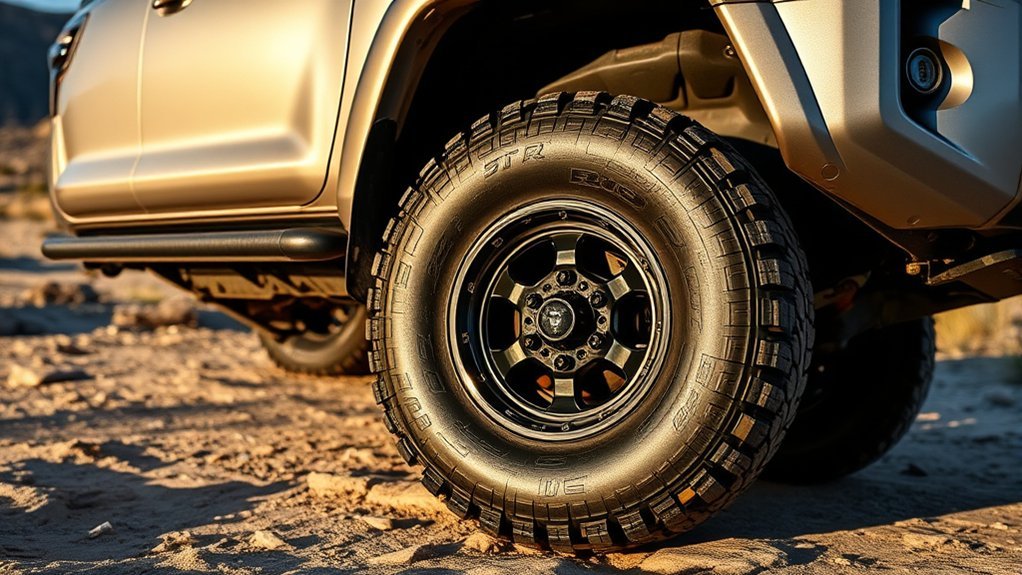
To fit larger tires on a Toyota 4Runner, focus on clearance before looks. Rubbing usually happens near the front mudflaps, fender liners, body mount area, and front bumper edge when turning or reversing.
- Check wheel offset first: A tire that fits on a factory wheel may rub on a lower-offset aftermarket wheel because the tire swings through a wider arc.
- Adjust or repin the front fender liners: This can create useful clearance for mild upsizing without heavy cutting.
- Remove or trim mudflaps only if needed: Mudflaps often rub with wider tires, but removing them can increase paint chips and road spray.
- Use alignment to your advantage: More positive caster, within safe alignment limits, can move the front tire away from the rear of the wheel well.
- Trim only after test fitting: For 285/70R17, 275/80R17, or 35-inch tires, trimming may be needed. Do not cut until you know exactly where the tire contacts.
Warning: Never install a tire with an inadequate load rating, visible rubbing, unsafe pressure, or poor wheel clearance. After upsizing, test at full steering lock in both directions, over driveway angles, and under light suspension compression before driving at speed.
[Products Worth Considering]

These universal tire valve stem caps help protect valve cores from dust, debris, and moisture while helping maintain stable tire pressure. The corrosion-resistant metal construction and sealed design provide reliable protection in road grime, mud, and winter conditions. Twist-on installation makes them quick to fit on cars, SUVs, trucks, and motorcycles.

Vigorder rubber cement glue delivers superior adhesion and cures quickly within about 30 seconds for seamless rubber bonding. Once cured, it helps provide a strong, durable, waterproof seal that holds up to vehicle weight, pressure, and heat. Suitable for cars, motorcycles, trucks, bicycles, and off-road tires, it’s designed for emergency patch and maintenance repairs.

Measure tire tread depth quickly and accurately with this LUMITECO dial gauge that reads in 1/32" increments up to 14/32". The color-coded green/yellow/red zones make it easy to judge tire wear and know when replacement is needed. A rugged, compact design with a protective pouch helps keep the gauge ready for use on cars, trucks, motorcycles, and more.
Selecting the Best Tires for Your 4Runner: Key Considerations
Choose tires by use case, not just by size. A tire that is excellent on a rocky trail may be annoying on a long highway commute. A tire that is quiet and efficient may not have enough sidewall strength for repeated trail use.
[Products Worth Considering]

The SAFELIFE dial tire tread depth gauge measures tread depth in 1/32 inch increments with clear, easy-to-read 2-inch dial face. Color zones using a traffic light system help you quickly judge whether tread is low, marginal, or ample for safer driving. Built with a durable zinc cast body and a metal detect probe for precise, comfortable use across cars, motorcycles, trucks, and buses.

Upgrade your wheels with MIKKUPPA closed-end lug nuts designed for reliable fit and corrosion resistance. The one-piece, cold-forged and heat-treated steel construction helps resist rust and stripping, while the integrated finish delivers a durable black appearance. Built to OEM standards with a conical 60-degree seat, these nuts provide a secure solution for compatible Ford, Honda, Jeep, and Chevrolet models.

These M14x1.5 closed-end chrome lug nuts are a one-piece replacement designed for secure fitment on compatible GM, Ford, and select Chrysler/Dodge models. Featuring a 60-degree conical seat and anti-rust chrome plating, they help resist corrosion and maintain a bright look for everyday driving. Built for long-term durability, they include OEM-style part references and are backed by 12 months of support.
Tire Size Guidelines
- For factory replacement: Match the tire placard and owner’s manual for size, load rating, and recommended cold tire pressure. Toyota’s owner manual portal is available here: Toyota warranty and owner manuals.
- For mild upgrades: Keep diameter increases modest if you want fewer rubbing, speedometer, and fuel economy issues.
- For 33-inch-class upgrades: Expect possible fender liner adjustment, mudflap changes, and alignment work.
- For 34- or 35-inch tires: Plan for lift, trimming, spare tire changes, and more drivetrain strain.
Do not inflate tires to the maximum number printed on the tire sidewall for normal driving. That number is not the vehicle’s recommended operating pressure. The safer starting point is the cold tire pressure listed on the vehicle placard, then adjust only for your tire model, load, and driving conditions. NHTSA’s tire safety guidance is a useful reference: NHTSA tire safety.
Terrain Considerations
If you spend most of your time on pavement, choose a highway-terrain or mild all-terrain tire for comfort and tread life. For mixed commuting and camping roads, an all-terrain tire is usually the best balance. For mud, ruts, and frequent trail use, a more aggressive all-terrain or mud-terrain tire can help, but it will usually add noise and weight.
For snow, look for a tire with the three-peak mountain snowflake symbol if you want better winter capability. For repeated ice and deep winter driving, a dedicated winter tire is still the safer choice.
Frequently Asked Questions
What is the stock tire size for a Toyota 4Runner TRD Pro?
For most fifth-generation TRD Pro models through 2024, the factory-style tire size is 265/70R17 on a 17-inch wheel. For 2025-and-newer redesigned TRD Pro models, Toyota moved to a 33-inch-class tire on an 18-inch wheel. Always confirm your own tire sidewall and door-jamb placard.
What is the ideal tire pressure for 4Runner TRD Pro tires?
Start with the cold tire pressure on the driver-side door placard, not the maximum pressure on the tire sidewall. If you change tire size or load range, ask the tire installer to confirm the correct pressure for the new tire and your vehicle weight.
How often should I rotate my 4Runner’s tires?
A common rotation interval is every 5,000 to 7,500 miles, but follow your owner’s manual and tire manufacturer guidance. Rotate sooner if you drive rough trails, tow, carry heavy loads, or notice uneven wear.
Can I use winter tires on my 4Runner TRD Pro?
Yes. Winter tires can improve braking, steering, and traction in cold weather, snow, and ice. Choose the correct size, load rating, and wheel fitment, and install a full matching set of four tires.
What are the best tire brands for 4Runner TRD Pro tires?
Popular choices include Toyo, Falken, BFGoodrich, Goodyear, Nitto, Michelin, and Yokohama. The best brand depends on whether you need quiet highway driving, winter traction, rock durability, mud performance, or long tread life.
How do I know when to replace my 4Runner’s tires?
Replace tires when tread depth is too low, wear is uneven, sidewalls are cracked or bulging, plugs or repairs are unsafe, or traction has clearly dropped. Also inspect older tires even if tread remains, because rubber ages over time.
Can I fit 285/70R17 tires on a 4Runner TRD Pro without a lift?
Sometimes, but it is not guaranteed. 285/70R17 fitment depends on tire model, wheel offset, alignment, mudflaps, fender liner position, and suspension condition. Test fit and check rubbing before assuming the size is safe.
Conclusion
The right Toyota 4Runner TRD Pro tire size starts with knowing your generation. For most 2015–2024 TRD Pro models, use 265/70R17 as the factory-style reference point. For 2025-and-newer TRD Pro models, use the newer 33-inch-class, 18-inch-wheel fitment as your reference and confirm the exact sidewall size on your vehicle. If you upgrade, balance clearance, weight, load rating, tire pressure, and rubbing risk before chasing the largest tire that will fit.
Sources
- Toyota USA Newsroom: 2025 Toyota 4Runner Refines Adventure Ready Heritage — backs the redesigned 2025 4Runner generation, new platform, TRD Pro/Trailhunter context, and 33-inch-class off-road tire information.
- Toyota Owner Manuals and Warranty Resources — backs the recommendation to confirm model-specific owner manual and placard information.
- NHTSA Tire Safety — backs tire-pressure, maintenance, and safety guidance.
- Bridgestone: How to Read Tire Size — backs tire size code explanation.