
285 Vs 275 Tires: Which Size Is Better?
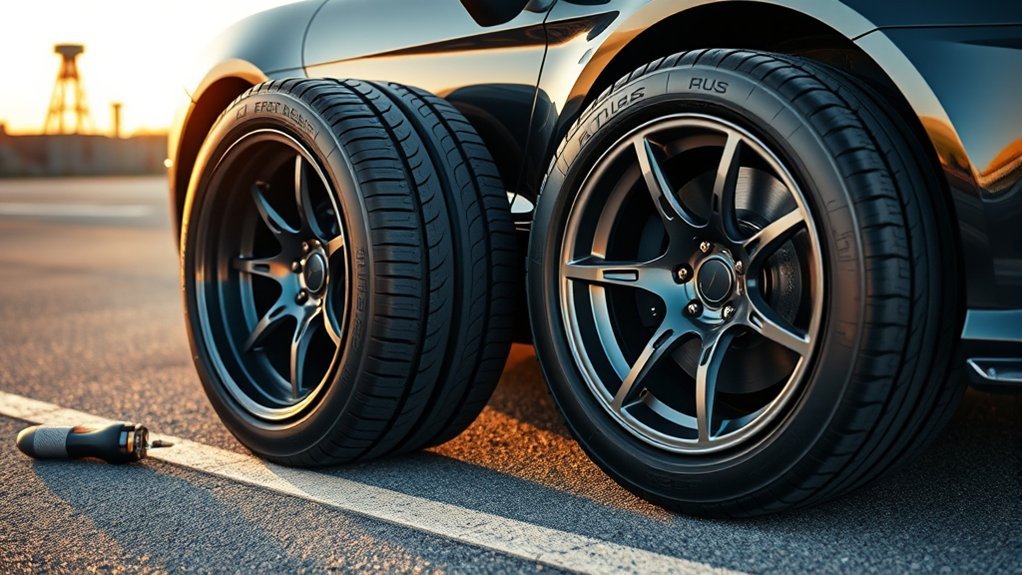
Comparing 285 vs 275 tires starts with one important fact: 285 and 275 describe only the tire’s nominal section width. A 285 tire is 10 mm wider than a 275, or about 3.6%, but width alone does not tell you which tire has more grip, carries more weight, rides better, or fits your vehicle. The complete tire size, wheel specifications, load rating, inflation pressure, tread design, and available clearance all matter.
Quick Answer
A 285 tire is nominally 10 mm, or about 3.6%, wider than a 275 tire. That can affect clearance, steering, hydroplaning resistance, weight, and handling, but it does not automatically increase grip or load capacity. Compare the complete tire size, load rating, approved wheel width, overall diameter, and vehicle specifications before switching.
Key Takeaways
- A 285 tire is nominally 10 mm wider than a 275 tire, which equals about a 3.6% increase in section width.
- The numbers 285 and 275 do not tell you overall diameter or sidewall height; you also need the aspect ratio and wheel diameter.
- A wider tire does not automatically have a higher load capacity, better wet grip, or greater towing capability. Check the load index, load range, tread design, and actual tire specifications.
- 275 tires generally provide a little more physical clearance, while 285 tires require about 5 mm more nominal space on each side if all other dimensions and mounting conditions are comparable.
- Changing overall diameter can affect speedometer accuracy, gearing, clearance, and vehicle systems, so use an OE-approved alternative whenever possible.
- After changing from the original tire size, verify the required inflation pressure instead of assuming the original placard PSI or the tire’s sidewall maximum is automatically correct.
Warning: Do not choose a 275 or 285 replacement tire from width alone. The replacement must fit the wheel and vehicle, provide adequate load capacity, clear the suspension and body throughout steering and suspension travel, and comply with the vehicle manufacturer’s tire-size requirements.
What’s the Real Difference in Tire Size?
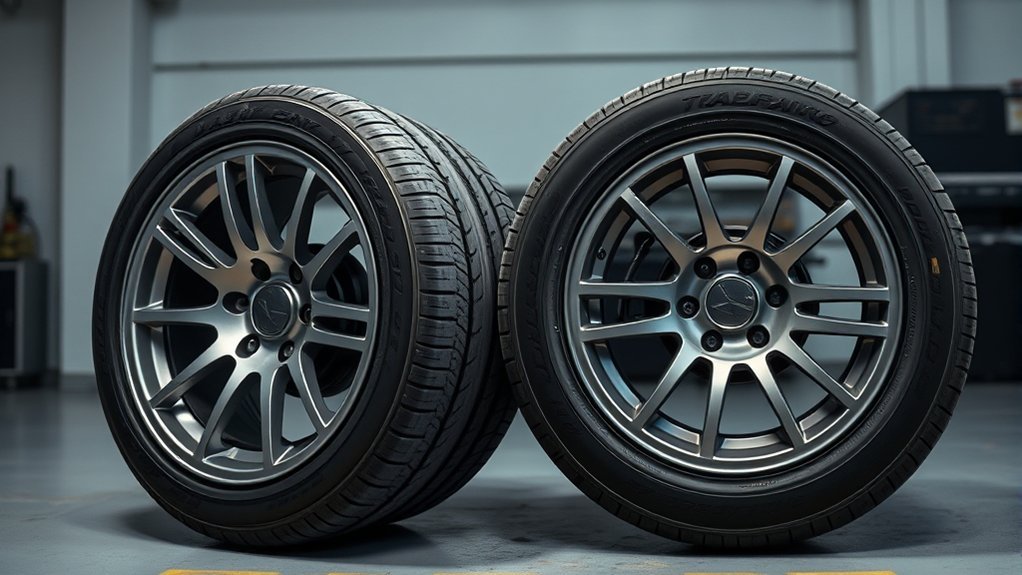
At first glance, 285 and 275 tires differ by just 10 millimeters in nominal section width. A 285 is therefore about 3.6% wider than a 275.
Section width is measured from the widest point of one sidewall to the widest point of the other under standardized conditions. Actual mounted width can vary somewhat between tire models and can also change with wheel width.
That extra nominal width can affect clearance, steering feel, aerodynamic drag, tire weight, hydroplaning behavior, and the shape of the tire’s footprint. It does not, however, guarantee a larger usable contact area or better traction in every situation.
A 285 tire is 10 mm wider on paper, but the rest of the size code and the tire’s construction determine most of the differences you actually feel on the road.
[Products Worth Considering]

Vigorder rubber cement glue delivers superior adhesion and cures quickly within about 30 seconds for seamless rubber bonding. Once cured, it helps provide a strong, durable, waterproof seal that holds up to vehicle weight, pressure, and heat. Suitable for cars, motorcycles, trucks, bicycles, and off-road tires, it’s designed for emergency patch and maintenance repairs.

Add style while helping protect your tire valve stems with handmade crystal rhinestone caps and a durable plastic insert. These caps resist corrosion and help keep out rain, snow, and muddy water, extending tire life. Textured non-slip design makes them easy to grip for quick install and removal when checking tire pressure.

The 22800 wheel stud installer makes replacing wheel studs quick and secure, saving time and effort during tire service. It uses a ratchet or impact wrench to pull new studs firmly into place, helping when existing studs are too long. Compatible with most automotive wheels and light-duty truck wheel studs, it’s designed for easy, tool-assisted installation.
Why the Full Tire Size Matters
A tire marked 285/70R17 is not simply a wider version of every tire beginning with 275. The numbers after the width change the tire’s dimensions too.
For a metric tire size such as 285/70R17:
- 285 is the nominal section width in millimeters.
- 70 is the aspect ratio, meaning the sidewall height is approximately 70% of the nominal section width.
- R identifies radial construction.
- 17 is the wheel diameter in inches.
That means you cannot calculate sidewall height, overall diameter, circumference, or speedometer change from “285 vs 275” alone.
Note: Tire manufacturers publish actual section width, overall diameter, approved rim-width range, load capacity, and revolutions per mile for individual tire models. Use those specifications when exact fitment matters instead of relying only on nominal size calculations.
Example: 275/70R17 Vs 285/70R17
If both tires use the same 70-series aspect ratio and 17-inch wheel diameter, the wider tire also becomes slightly taller because its sidewall is calculated as a percentage of its width.
| Measurement | 275/70R17 | 285/70R17 |
| Nominal width | 275 mm | 285 mm |
| Calculated sidewall height | 192.5 mm | 199.5 mm |
| Calculated overall diameter | About 32.16 in | About 32.71 in |
| Diameter difference | Baseline | About 1.7% taller |
This is only one example. A 285 tire with a lower aspect ratio can be the same height as, or even shorter than, a narrower 275 tire.
285 Vs 275 Tire Width and Sidewall
When you compare 285 and 275 tires, the only dimension you know for certain from those numbers alone is that the 285 has a 10 mm greater nominal section width.
Sidewall height depends on both width and aspect ratio. Overall diameter also depends on the wheel diameter.
In practice, compare the complete size designation rather than assuming that the 285 will automatically be taller, softer, stronger, or more capable.
Width Differences
The 285 tire is nominally 10 mm wider than a 275 tire. If both are mounted under comparable conditions, that works out to approximately 5 mm of additional nominal width toward the inside and 5 mm toward the outside.
Actual section width can differ from the number molded into the size designation because tire models use different casing and shoulder designs. Wheel width matters as well: mounting an approved tire on a wider wheel can increase its measured section width.
A wider footprint can change steering response and lateral performance, but tire compound, tread pattern, construction, wheel width, alignment, pressure, temperature, and road surface can matter more than the 10 mm difference.
On wet roads, do not assume the wider tire is automatically safer. Wider tires can be more susceptible to hydroplaning when the other major variables are similar because they must displace water across a wider footprint. Tread depth and tread design remain extremely important.
For fitment, the 275’s narrower profile generally leaves a little more room around suspension parts, fender liners, and bodywork.
The 275 usually offers a little more physical clearance, while the 285 requires additional room inside and outside the wheel well.
Sidewall Height Impact
Sidewall height is calculated from the aspect ratio, not from width alone. For example, a 70-series tire has a nominal sidewall height equal to 70% of its section width.
A taller sidewall can generally provide more compliance and impact absorption, while a shorter sidewall can reduce flex and sharpen response. Tire construction and inflation pressure can substantially change how either one feels.
- Taller sidewalls generally provide more room for tire deflection over bumps.
- Shorter sidewalls generally reduce sidewall flex and can produce more immediate steering response.
- Changing aspect ratio can offset the diameter increase caused by using a wider tire.
- Keeping overall diameter close to an approved original-equipment size helps limit changes to gearing and speedometer readings.
If you compare 285 and 275 tires with the same aspect ratio, the 285 has the taller calculated sidewall. If their aspect ratios differ, that may no longer be true.
Will 285 or 275 Tires Fit?
To determine whether 285 or 275 tires will fit, check the complete tire size against the wheel width, wheel diameter, offset, backspacing, suspension, brakes, fender clearance, load requirements, and vehicle manufacturer’s recommendations.
In many applications a 275 is easier to package because it is narrower. A 285 requires additional clearance, but whether it actually rubs depends on the full tire dimensions and wheel position.
Fitment Clearance Check
Do not judge clearance only while the vehicle is parked with the wheels pointing straight ahead. A tire that clears in that position can rub during steering or suspension movement.
Check tire clearance at full steering lock in both directions and through the suspension’s normal range of compression. Trucks and SUVs used off-road should also account for articulation.
- Check the inner fender liner.
- Check the upper control arm, strut, shock, and other suspension components.
- Check the outer fender and fender flare.
- Check brake and wheel clearance.
- Test steering lock in both directions.
- Account for suspension compression with passengers or cargo.
If the existing setup is already close to the body or suspension, 275s normally give you more width-related clearance than comparable 285s.
However, the actual tire manufacturer’s section-width and overall-diameter specifications are more useful than the nominal numbers alone.
Wheel And Suspension Compatibility
Whether 285 or 275 tires fit also depends on your wheel width, offset, and backspacing. Those measurements control where the tire sits relative to the suspension and fender.
Every tire size has an approved wheel-width range specified by its manufacturer. Do not assume that a wheel suitable for one 275 tire is automatically approved for every 285 tire.
A different offset can move the tire inward or outward. Too much inward movement can create suspension clearance problems, while too much outward movement can create fender interference and change steering geometry.
A suspension lift does not automatically guarantee fitment because the tire still moves through an arc during steering and suspension travel.
After changing wheels, tire dimensions, or suspension components, verify alignment and inspect for contact under real operating conditions.
Pro Tip: Start with the vehicle’s door-jamb tire placard and owner’s manual, then compare the exact replacement tire manufacturer’s specifications. A 285 from one product line can measure differently from another 285 mounted on the same nominal wheel size.
Does Overall Tire Diameter Matter?
Yes. Width is only one part of a tire change. If moving from a 275 to a 285 also changes overall diameter, the vehicle travels a different distance for each wheel revolution.
That can affect:
- Speedometer and odometer readings
- Effective gearing
- Acceleration feel
- Engine and transmission operating speed
- Ground clearance
- Fender and suspension clearance
- ABS and stability-control behavior on some vehicles
Michelin recommends using the vehicle manufacturer’s specified tire sizes or approved alternatives because changes in tire and wheel diameter can affect gearing, braking, traction and stability systems, and speedometer readings.
Note: Nominal calculations are useful for screening sizes, but the tire manufacturer’s published overall diameter and revolutions-per-mile specification is better for final fitment decisions.
How Do 285 Vs 275 Tires Affect Ride Comfort?
A 10 mm change in width by itself usually tells you very little about ride comfort. Sidewall height, casing stiffness, load range, wheel diameter, tire pressure, tread design, and vehicle weight generally have a larger influence.
- A taller sidewall generally provides more room to flex over rough pavement.
- A heavy-duty LT tire can ride more firmly than a lighter passenger-type tire even when their dimensions are similar.
- Lower-profile tires generally transmit impacts more directly than taller-profile tires.
- Correct inflation pressure is essential for ride, handling, load capacity, and tire durability.
Do not lower tire pressure simply because a 285 has more internal air volume. Tire pressure must still support the vehicle’s required load and comply with the tire and vehicle manufacturer’s specifications.
Likewise, running a 285 and 275 at the same PSI does not guarantee identical comfort because the tires can have very different casing construction and load characteristics.
Pavement quality, tire model, vehicle weight, and suspension tuning will usually influence comfort more than a 10 mm nominal width difference.
Which Handles Better: 285 Vs 275 Tires?
Neither 285 nor 275 automatically handles better. A wider tire can change the shape of the contact patch and may improve lateral performance when the tire, wheel, suspension, alignment, compound, and road conditions are suited to that setup.
A 275 may feel lighter or more responsive in some vehicles because it can be narrower and lighter, but that is not universal. A performance-oriented 285 on an appropriate wheel can respond more sharply than a soft, touring-oriented 275.
Likewise, a 285 does not automatically provide more usable grip just because it is wider. Actual traction depends heavily on the tire model, rubber compound, temperature, tread design, load, pressure, and road surface.
If handling is your priority, compare independent test results for the exact tire models you are considering rather than choosing solely from the first number in the size.
How Do 285 Vs 275 Tires Affect Fuel Economy?
A wider 285 tire can reduce fuel economy compared with a closely related 275 because the wider option may be heavier and can increase aerodynamic drag or rolling losses. However, there is no universal MPG penalty that applies to every 285-versus-275 comparison.
Rolling resistance depends on tire construction, compound, tread pattern, pressure, temperature, load, and deformation as well as dimensions.
- A comparable 275 may be lighter or have less aerodynamic drag.
- An aggressive all-terrain 275 can consume more energy than an efficient highway-oriented 285.
- A heavier wheel-and-tire combination can increase rotational mass.
- Underinflation increases rolling resistance regardless of width.
- A diameter change can also alter effective gearing and the accuracy of MPG calculations based on uncorrected odometer mileage.
If fuel economy matters, compare the exact tire models, weights, rolling-resistance characteristics where available, and overall diameters rather than assuming all 275 tires are more efficient.
How Do 285 and 275 Tires Handle Rain, Snow, and Off-Road Use?
Width can influence performance on different surfaces, but tread design, rubber compound, depth, pressure, and vehicle weight often matter more.
[Products Worth Considering]

Keep your tires properly inflated with this analog VONDIOR tire pressure gauge, designed for fast, easy readings without batteries. The swiveling, two-axis hose and large glow dial help you measure at any tire angle with instant visibility. Built with a protective rubber shield, it supports durable, low-maintenance use for cars and trucks.

These M14x1.5 closed-end chrome lug nuts are a one-piece replacement designed for secure fitment on compatible GM, Ford, and select Chrysler/Dodge models. Featuring a 60-degree conical seat and anti-rust chrome plating, they help resist corrosion and maintain a bright look for everyday driving. Built for long-term durability, they include OEM-style part references and are backed by 12 months of support.
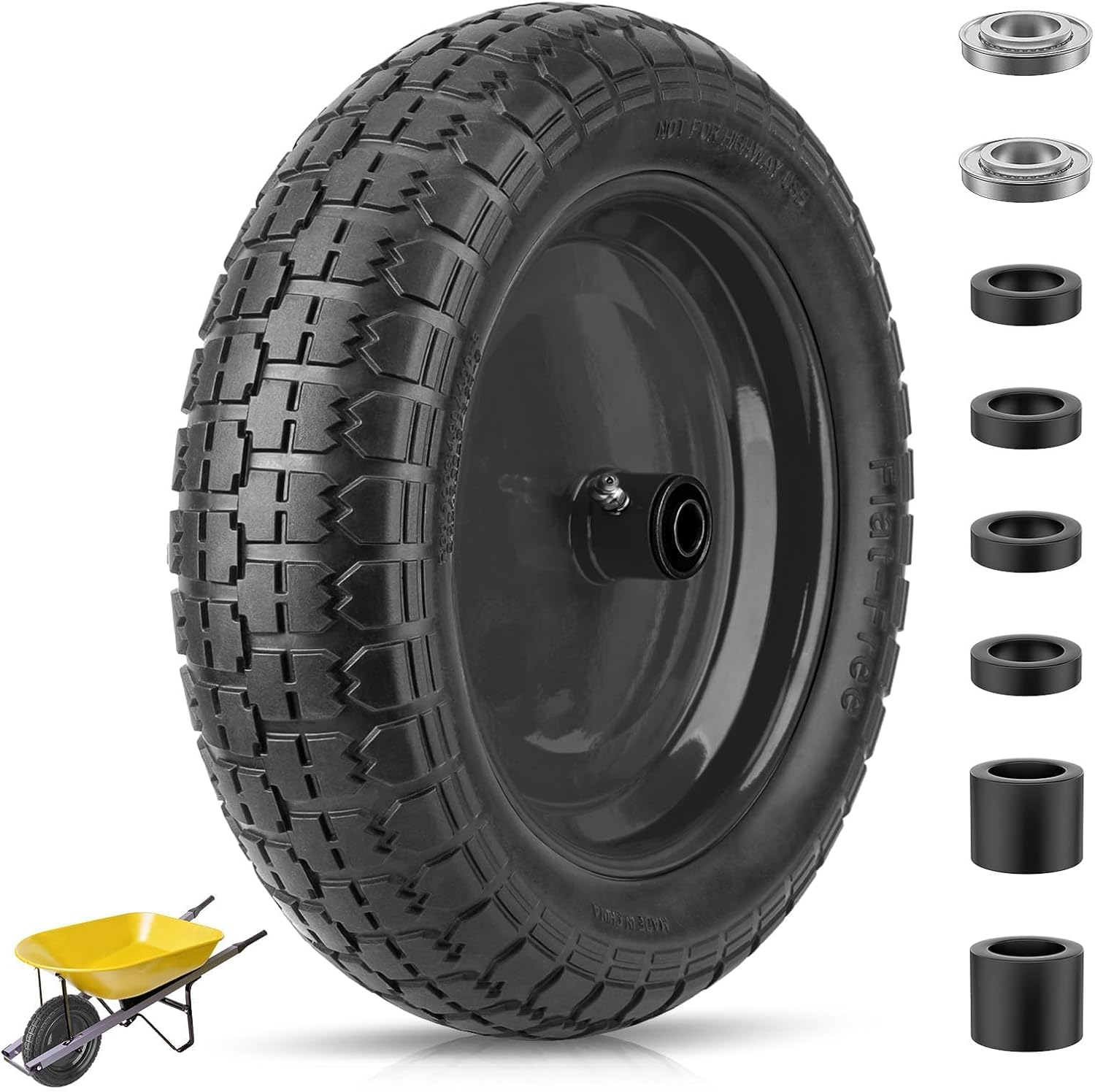
This flat-free TICONN wheelbarrow tire features durable polyurethane foam construction that never needs inflation, helping prevent punctures and reducing maintenance on rough outdoor terrain. With a 300 lb max load capacity and stable steel rim design, it supports safer transport for yard work and hauling tasks. An adapter kit with ball bearings and nylon spacers is included for easier fit and customization across common wheelbarrow and cart axle setups.
Rain and Standing Water
A wider tire can be more susceptible to hydroplaning when other major variables are comparable. Hydroplaning also depends on speed, water depth, tread depth, tread pattern, tire pressure, and vehicle load.
That means a modern 285 tire designed for strong wet performance can still outperform a poor 275 tire in rain, even though width itself does not provide an automatic wet-weather advantage.
Snow and Slush
A narrower tire can sometimes cut through loose snow or slush more effectively instead of floating across the surface. However, winter performance depends heavily on tread design and cold-weather compound.
Do not choose between 275 and 285 solely for snow without considering whether the exact tire is an appropriate winter or severe-snow-rated product for your conditions.
Sand, Mud, and Loose Surfaces
Wider tires can provide useful flotation on soft surfaces such as sand when the vehicle, tire, wheel, and inflation pressure are suitable for that use. That is one reason wider off-road setups are common.
However, wider is not always better on every trail. Deep mud, gravel, rocks, and mixed surfaces create different traction demands. Tire construction and tread design can make a larger difference than 10 mm of width.
Does a 285 Tire Have More Load Capacity Than a 275?
Not necessarily. Nominal width does not determine the tire’s usable load capacity.
Check the complete service description, including the load index, and determine whether the tire is Standard Load, Extra Load, LT-metric, or another applicable construction. The replacement tire must provide enough load capacity for the vehicle at its required operating pressure.
This is especially important for trucks and SUVs used for towing or hauling. Installing a wider 285 does not increase the vehicle manufacturer’s GVWR, GAWR, payload rating, or towing rating.
If you tow, choose the tire based on appropriate size approval, load capacity, inflation requirements, wheel rating, and vehicle limits—not width alone.
For towing and hauling, the load index and correct inflation pressure matter more than whether the sidewall says 275 or 285.
Will Tire Pressure Change With 285 Vs 275 Tires?
If you are keeping the vehicle’s original approved tire size, use the vehicle manufacturer’s recommended cold tire pressure shown on the placard or in the owner’s manual.
If you install an alternate tire size, do not automatically assume the same PSI is correct. The replacement tire needs to provide at least the required load capability, and a different size or construction can require a different pressure to do that.
The maximum pressure molded on a tire’s sidewall is also not the normal target pressure for the vehicle.
Warning: If you change from the vehicle’s OE tire size, have the required cold inflation pressure verified using the vehicle requirements and the replacement tire manufacturer’s load/inflation data. Do not guess from tire width or inflate automatically to the maximum pressure molded on the sidewall.
What About AWD and 4WD Vehicles?
AWD and 4WD vehicles deserve extra attention when tire diameter changes. Many systems are designed to operate with closely matched rolling circumferences at all four wheels.
Using substantially different tire diameters, models, or tread depths can cause the wheels to rotate at different rates. On some drivetrains, that can create unwanted stress or operating problems.
Before moving from a 275 to a 285 on an AWD or 4WD vehicle:
- Check the owner’s manual for tire-matching requirements.
- Use the manufacturer-approved tire size whenever possible.
- Keep all four tires appropriately matched unless the vehicle was designed for staggered sizes.
- Check allowable circumference or tread-depth variation before replacing only one tire.
Manufacturer tolerances vary, so there is no single universal circumference difference that is safe for every AWD or 4WD system.
When Should You Choose 285 Vs 275 Tires?
Choose a 285 when the complete size is approved for your vehicle and you specifically want the characteristics of that wider tire, such as a wider footprint, a particular off-road setup, or the fit and performance offered by a specific tire model.
Choose a 275 when it better matches the vehicle manufacturer’s specifications, leaves more clearance, reduces the chance of width-related rubbing, or gives you the tire model and performance characteristics you need.
| Priority | 275 May Be Easier | 285 May Be Worth Considering |
| Tight wheel-well clearance | Yes | Only after careful clearance verification |
| Minimal fitment changes | Often | Depends on vehicle and wheel |
| Soft-surface flotation | Can work well | Wider footprint may help in an appropriate setup |
| Wet-road performance | Width can help hydroplaning resistance, all else equal | Choose based on actual wet-performance data, not width alone |
| Towing or hauling | Choose by load capacity, approved fitment, pressure, and vehicle limits—not 275 vs 285 width alone | |
| Fuel economy | May have an advantage in a comparable lighter/narrower setup | Depends on tire weight, construction, tread, pressure, and diameter |
On pavement, both sizes can perform extremely well when the tire itself is well matched to the vehicle.
If your vehicle carries heavy loads, focus on the required load capacity rather than assuming the wider size is stronger. If you spend time on sand or other soft surfaces, an appropriately selected wider tire may provide useful flotation.
If you drive mostly on-road and your original or approved specification is a 275, moving to a 285 simply for assumed performance gains may provide little benefit while reducing clearance.
How to Choose Between 285 and 275 Tires
To decide between 285 and 275 tires, start with vehicle compatibility rather than appearance or width.
- Check the OE specification. Read the tire placard and owner’s manual for the original size, pressure, and vehicle restrictions.
- Compare the complete sizes. Include width, aspect ratio, wheel diameter, load index, speed rating, and tire construction.
- Check actual manufacturer dimensions. Compare overall diameter, section width, tread width, approved wheel-width range, and revolutions per mile.
- Verify wheel compatibility. Confirm wheel diameter, width, offset, load rating, and brake clearance.
- Check body and suspension clearance. Test full steering lock and suspension compression, not just static clearance.
- Protect load capacity. Make sure the replacement meets or exceeds the vehicle’s required load capability.
- Verify inflation pressure. An alternate size may need a different pressure to carry the required load.
- Check overall diameter. Account for speedometer, gearing, stability-control, ABS, and clearance implications.
- Check AWD/4WD requirements. Keep rolling circumference within the vehicle manufacturer’s limits.
- Compare the actual tire models. Tread pattern, compound, construction, weight, wet braking, noise, and rolling resistance can matter more than 10 mm of nominal width.
A well-designed 275 can outperform a poorly matched 285, and the reverse is also true. Prioritize safe fitment, adequate load capacity, correct inflation pressure, and the characteristics of the exact tire you intend to buy.
Frequently Asked Questions
Are 285 Tires More Expensive Than 275 Tires?
Sometimes, but not always. A larger tire may use more material and some 285 sizes cost more, but brand, tire model, load range, tread type, availability, and retailer pricing can outweigh the width difference. Compare prices for the exact two sizes in the same product line.
Do 285 and 275 Tires Require Different Wheel Widths?
They can. Every complete tire size has a manufacturer-approved rim-width range, and a 285 commonly requires or works best with a wider wheel than a comparable 275. Check the specification sheet for the exact tire size and model instead of using a universal wheel-width rule.
Can I Use the Same Spare Tire for Both Sizes?
Do not assume so. Spare compatibility depends on wheel fitment, brake clearance, overall diameter, load capacity, drivetrain requirements, and the vehicle manufacturer’s instructions. A temporary spare is designed for limited emergency use and may have specific speed, distance, and inflation restrictions. Follow the owner’s manual for your vehicle.
Will Tire Pressure Recommendations Change Between 285 and 275?
They can if you are changing from the vehicle’s original tire size or construction. An alternate tire must carry the required vehicle load at its operating pressure, so the correct PSI should be verified using the vehicle requirements and tire manufacturer’s load-and-inflation data. The maximum pressure on the tire sidewall is not automatically the correct operating pressure.
Do 285 Tires Increase Road Noise Compared With 275s?
Not necessarily. Width can contribute to noise in some applications, but tread pattern, tread block size, compound, casing construction, tire type, pavement, and wear can have a much larger effect. A quiet highway-oriented 285 can be less noisy than an aggressive all-terrain 275.
Will 285 Tires Rub More Than 275 Tires?
A comparable 285 requires more width-related clearance, so rubbing risk can increase if the vehicle is already close to its clearance limits. Actual fitment depends on the complete tire dimensions, wheel offset and width, ride height, suspension geometry, steering angle, and body clearance.
Will Switching From 275 to 285 Tires Affect the Speedometer?
Only if the change also alters the tire’s rolling circumference. Width alone does not determine speedometer error. Compare the complete sizes and the tire manufacturer’s published overall diameter or revolutions-per-mile specifications. If the 285 is taller or shorter, speedometer and odometer readings can change.
Conclusion
The main difference between 285 and 275 tires is straightforward: a 285 is nominally 10 mm wider. Everything beyond that requires more information. A 285 does not automatically provide more load capacity, better wet grip, greater towing ability, or a smoother ride, and a 275 is not automatically more efficient or better handling.
Compare the complete tire size, manufacturer specifications, wheel width and offset, clearance, load index, inflation requirements, and overall diameter. If both sizes are approved for your vehicle, choose the exact tire that best matches your driving conditions rather than choosing only by width.
Sources
- National Highway Traffic Safety Administration — TireWise — tire size selection, vehicle placards, inflation pressure, replacement tires, and spare-tire safety.
- Michelin — Changing Tire Size or Specifications — replacement-size guidance and effects of changing tire and wheel diameter.
- Michelin — Tire Load Rating and Speed Rating — load index and replacement-tire load requirements.
- Michelin Tire FAQs — optional-size inflation pressure, rim width, load capacity, and 4WD tire matching.
- Continental Tires — Wide Tires — benefits and tradeoffs of wider tire applications, including fitment and hydroplaning considerations.
- U.S. Tire Manufacturers Association — Care and Service of Passenger and Light Truck Tires — replacement-size, load-capacity, inflation-pressure, and fitment guidance.
[Products Worth Considering]

This 3-piece wheel brush set makes it easy to clean wheels and tires with soft, scratch-free brushes designed for lifting brake dust and grime. The flexible rim brush bends up to 360 degrees to reach hard-to-access areas for a thorough clean, while the comfortable grip helps control during detailing. A dedicated detailing brush supports gentle cleaning for sensitive surfaces, including interior use.

This professional wheel and rim cleaning brush set lifts brake dust, grime, and dirt with soft, scratch-free microfiber and synthetic wool fibers. The rim brush bends up to 360 degrees for easy access to hard-to-reach areas around spokes, lips, and faces. Ideal for thorough cleaning of car, truck, motorcycle, bicycle, RV, and more wheel and tire surfaces.
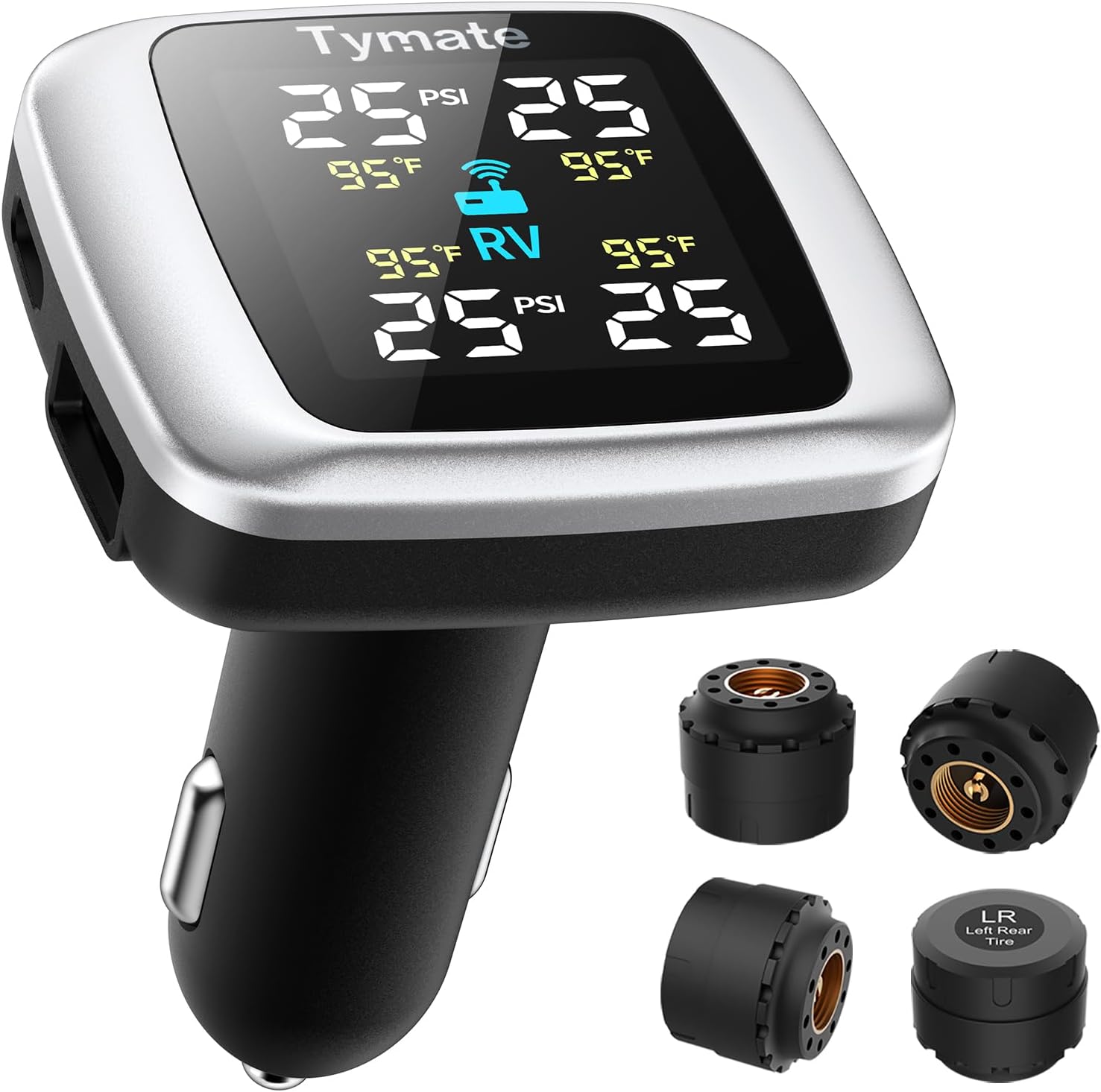
Tymate TM7 is a wireless tire pressure monitoring system that delivers real-time pressure and temperature readings for safer driving. It includes four external sensors, a bright color LCD display with adjustable backlight, and six alarm modes for high/low pressure, fast leakage, high temperature, and sensor signal or battery issues. The system covers a wide 0–144 PSI range and plugs into your vehicle’s cigarette lighter socket for quick DIY setup.

Related Articles
6 Ply Vs 8 Ply Tires: Which Do You Need?
Torn between 6 ply and 8 ply tires? Discover which one fits your driving needs before you buy.
Read More
265 Vs 285 Tires: Key Differences Explained
Why choose 265 vs 285 tires when the tradeoffs could change your ride, grip, and fitment more than you expect?
Read More
How to Choose Tires for 20×10 Wheels
Just how wide should your tires be for 20x10 wheels, and which size best balances fitment, grip, and clearance?
Read More