
How to Choose Tires for 20×10 Wheels
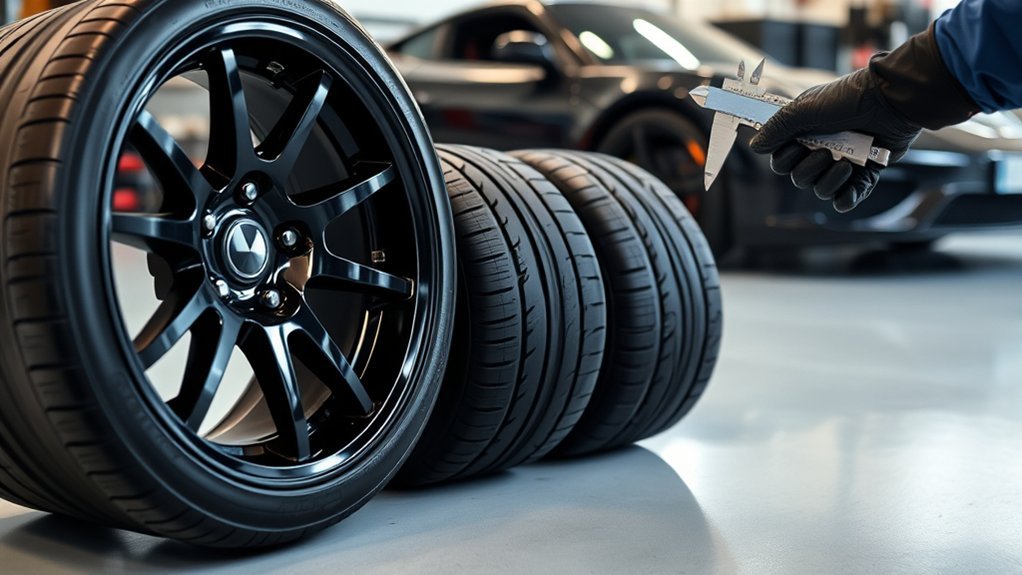
For 20×10 wheels, you’ll usually want a 275 to 295 mm tire, with 285/30R20, 295/30R20, and 305/30R20 as common choices. Match overall diameter, load index, and speed rating to your vehicle’s specs, then check inner and outer clearance at full lock and compression. A narrower tire gives easier fitment, while a wider one adds grip and a fuller stance. Your driving style and conditions will narrow the best choice further.
Key Takeaways
- Common 20×10 wheel tire sizes are 275/30R20, 285/30R20, 295/30R20, and sometimes 305/30R20.
- Match tire width to fitment goals: 275 mm for clearance, 285 mm for balance, and 295 mm for fuller shoulder support.
- Verify overall diameter, section width, load index, and speed rating against your vehicle’s requirements before buying.
- Check inner and outer clearance at full lock and suspension compression to avoid rubbing or stretched fitment.
- Choose tire pressure and tread type based on use, balancing comfort, grip, wet traction, and load-carrying needs.
[Products Worth Considering]

Monitor tire tread wear with a smart, color-coded depth gauge that shows clear condition ranges at a glance. The bar is range marked for fast, easy readings, helping you maintain safer traction and performance. Each gauge is portable with a pocket clip, and the set includes 20 units for daily use and sharing.

Measure tire tread depth quickly and accurately with this LUMITECO dial gauge that reads in 1/32" increments up to 14/32". The color-coded green/yellow/red zones make it easy to judge tire wear and know when replacement is needed. A rugged, compact design with a protective pouch helps keep the gauge ready for use on cars, trucks, motorcycles, and more.

These aluminum alloy tire valve stem caps protect the valve core from corrosion and help prevent air leakage for more stable tire pressure. The rubber ring design helps support a secure, safe seal while adding a stylish look to your Honda wheels. Easy to install by hand, these caps are ideal for everyday driving and weather exposure.
What Tire Size Fits 20×10 Wheels?
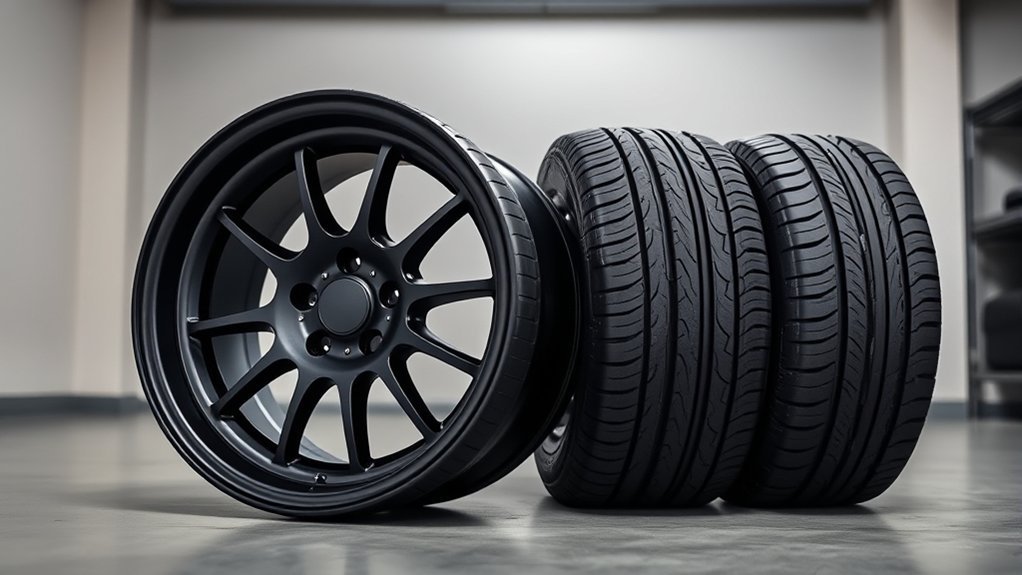
For a 20×10 wheel, the most common tire widths are typically 275 mm to 305 mm, with 285/30R20, 295/30R20, and 305/30R20 among the most popular fitments.
You should verify tire compatibility by matching the tire’s section width, overall diameter, and load index to your vehicle’s requirements. A 275 tire gives you a narrower profile and more clearance, while a 305 tire fills the wheel more aggressively.
Your wheel offset also matters because it changes inner and outer clearance, which can affect fender and suspension space. Check the manufacturer’s approved rim-width range before you buy, since some tires perform best near the middle of that range.
You can also compare sidewall height to maintain speedometer accuracy and drivability. If your setup uses lowered suspension or wider brakes, measure carefully before ordering.
Choose the Best Tire Width
To choose the best tire width for 20×10 wheels, you need a size that matches the wheel’s ideal fitment range and supports your intended stance.
A narrower width can sharpen response and protect the rim, while a wider setup can fill the wheel better and change the look and contact patch.
Match the tire width to your driving purpose, since daily use, performance, and show fitment each call for a different balance.
Ideal Tire Width
A 20×10 wheel usually works best with a tire in the 275 to 295 mm range, depending on your vehicle, suspension setup, and whether you want a stretched, square, or slightly bulged sidewall.
You should match width to your tire aspect and tread design so the casing supports load without distorting contact.
- 275 mm: tighter profile, lighter steering feel
- 285 mm: balanced response and footprint
- 295 mm: fuller shoulder support
- Lower tire aspect: firmer sidewall behavior
- Aggressive tread design: wider section can stabilize blocks
Check the manufacturer’s approved rim-width range before you buy.
If you choose too narrow, you’ll crown the tread; too wide, and you’ll lose consistency. Aim for the width that keeps the tire working evenly across the full contact patch.
Fitment And Stance
Fitment and stance hinge on how the tire fills the wheel well and how the sidewall sits on a 20×10 wheel. You should choose a width that supports clean shoulder alignment without bulging past the rim or pulling too narrow.
A 275 to 295 often gives you balanced sidewall control and a squared-off look, while wider options can sharpen the stance aesthetic if your fenders and suspension allow it.
Check inner and outer clearance at full lock and compression before you commit. Small fitment adjustments, like camber, offset, or ride height, can change the visual result as much as tire size.
You want the tire to sit flush, not stretched or pinched, so the wheel looks intentional and the setup remains precise.
Driving Purpose Match
Your driving purpose should determine the tire width you choose for 20×10 wheels, because the best size for a street cruiser isn’t always the best size for track use or hard launches.
For daily driving, you’ll usually want a balanced width that preserves steering response, ride quality, and even wear.
For track use, a wider tire can improve contact patch and grip, but only if your suspension and alignment can support it.
For drag racing, choose a tire that matches your power, gearing, and launch style.
Also consider tire tread and driving conditions, since wet roads, heat, and rough pavement change performance.
- Street: predictable handling
- Track: maximum lateral grip
- Drag: stronger launch traction
- Wet: better evacuation
- Mixed use: compromise width
Match Tire Size to Driving Style
Match the tire size to how you drive: if you use your 20×10 wheels for daily commuting, prioritize ride quality, wet traction, and tread life.
If you drive hard or track the vehicle, choose a size and sidewall that sharpen steering response and keep the tire stable under load.
Your goal is to balance comfort, grip, and durability with the demands of your typical driving.
Daily Driving Needs
For daily driving, you need a tire size that balances ride comfort, steering response, road noise, and fender clearance, because a 20×10 wheel can quickly expose any mismatch in your setup.
Choose a section width and sidewall profile that preserve suspension compliance and keep the contact patch stable on uneven pavement. Use tire maintenance tips to check pressure, wear, and alignment, since underinflation or toe error can distort handling and shorten life.
Consider seasonal tire considerations before you buy, especially if you face heat, rain, or cold starts.
- Confirm inner and outer clearance
- Match load rating to vehicle weight
- Keep diameter within safe tolerance
- Select tread for wet-road grip
- Verify full-lock turning space
Performance Driving Use
When you’re tuning a 20×10 wheel setup for performance driving, tire size should support the way you load the chassis, brake, and corner, not just fill the wheel well.
Choose a width and sidewall that keep the contact patch stable under lateral load without slowing steering response. Softer tire compounds deliver more grip, but they heat up faster and wear quicker, so match them to track time, autocross, or spirited street use.
Pick tread patterns that evacuate water if you’ll see wet pavement, or opt for minimal voids when dry grip matters most.
Confirm your final size maintains proper clearance at full lock and compression, and avoid oversized diameters that dull acceleration, brake feel, and suspension control.
Pick the Right Tire Type
The right tire type depends on how you drive, because a 20×10 wheel setup can work with street tires, drag radials, or off-road tires, but each one serves a different purpose.
You should match the tire tread to the road surface and your traction goals, then factor in seasonal considerations, because compound choice changes grip, noise, and wear.
Street tires suit daily driving and mixed weather. Drag radials help when you want maximum straight-line bite. Off-road tires belong on loose terrain, where open tread clears mud and gravel better.
Choose a tire that supports your driving environment, not just the wheel’s width.
- Street tires for balanced road manners
- Drag radials for launch grip
- Off-road tires for dirt or mud
- Directional tread for wet evacuation
- Seasonal compounds for temperature control
Check Load Index and Speed Rating
Because 20×10 wheels often carry wider, heavier tire setups, you need to verify that the tire’s load index can support your vehicle’s weight plus any extra cargo or towing demand.
Verify the tire’s load index can handle your vehicle weight, cargo, and towing demands.
Check the placard, owner’s manual, and the tire’s sidewall rating, then match or exceed the required load capacity for each corner. Don’t assume a wider tire automatically carries more weight; the construction and compound matter just as much.
You should also confirm the speed rating meets your vehicle’s top speed and your normal driving conditions. If you drive at sustained highway speeds, track use, or in hot climates, choose a rating with adequate margin so heat buildup doesn’t reduce durability.
When you compare options, keep both load index and speed rating aligned with the wheel and tire combination you plan to run. That way, you protect handling, reduce failure risk, and stay within the tire manufacturer’s speed limits.
Compare Stretched and Flush Fitment
Stretched and flush fitment create very different results on 20×10 wheels, so you need to compare both before you choose a tire size.
Stretched fitment pulls the sidewall inward, while flush fitment aligns the tire with the wheel edge. You should match the setup to your clearance needs, wheel design, and visual target.
Stretched benefits include sharper sidewall definition and extra fender clearance, but you must accept less rim protection. Flush drawbacks can include tighter packaging and a more exposed wheel lip if your offset is aggressive.
- Measure inner and outer clearance first
- Verify wheel width against tire section width
- Check fender lip and suspension space
- Compare bead seating and rim protection
- Confirm the look fits your build goals
Choose the fitment that keeps the tire secure and the stance consistent. Avoid guessing, because 20×10 wheels punish poor sizing fast.
[Products Worth Considering]
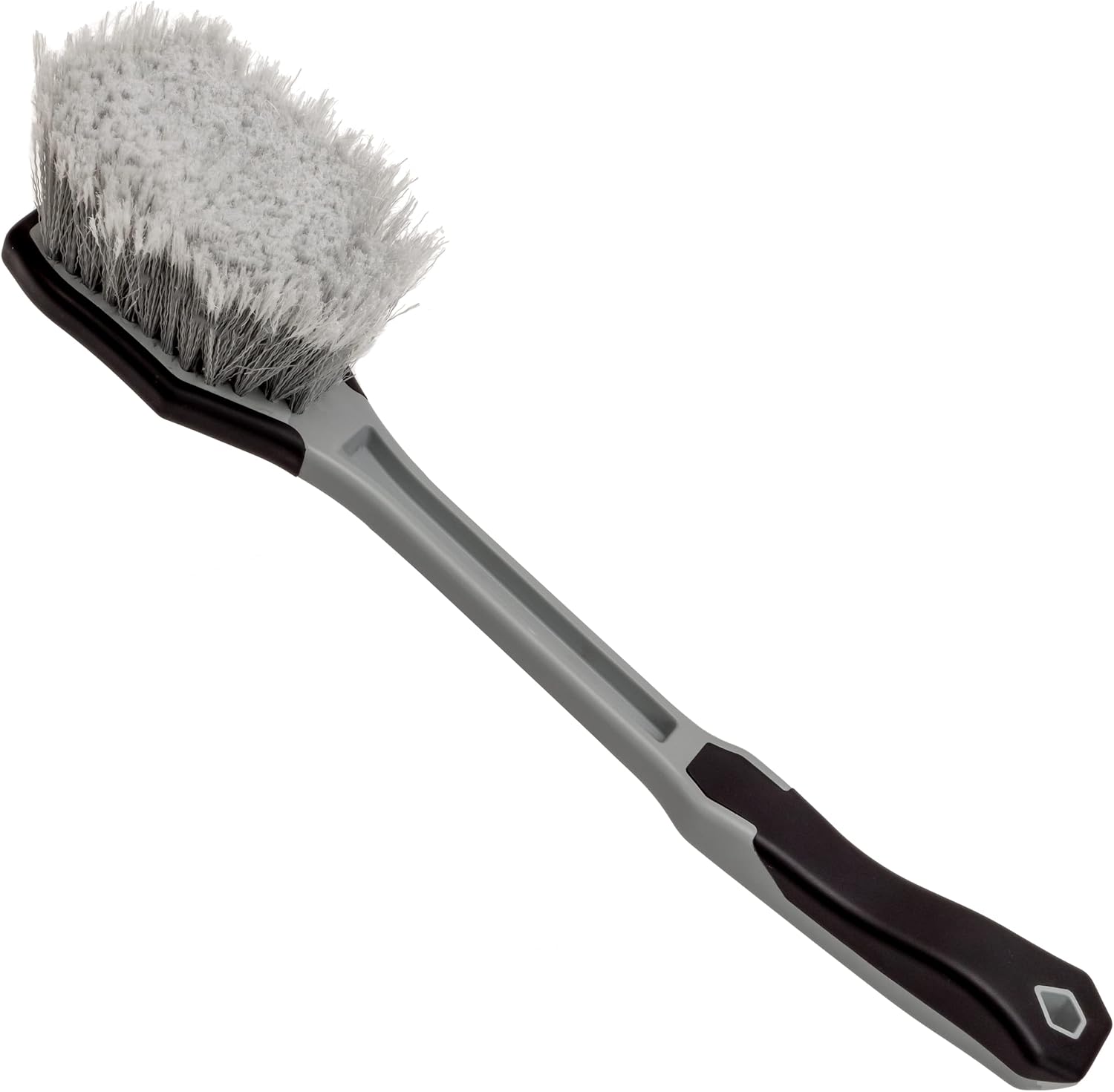
Clean grills, fenders, fender flares, bumpers, and wheel wells with a long-handled brush built for detailed car washing. The soft, triple-flagged bristles and dense scrub coverage help lift dirt gently while making coverage fast and easy. Use it with your favorite car wash soap for tires and exterior surfaces, and it also works for bike, motorcycle, boat, or RV cleaning.

This universal wheel alignment tool helps you accurately restore tire tilt angles after tire or suspension repairs using an adjustable camber gauge. It features a powerful magnetic base that firmly attaches to brake rotors for stationary, slip-free readings, improving consistency during measurement. Built from durable PC plastic, it resists wear and corrosion and is compact enough for car, truck, RV, and motorcycle alignment tasks.

The SAFELIFE dial tire tread depth gauge measures tread depth in 1/32 inch increments with clear, easy-to-read 2-inch dial face. Color zones using a traffic light system help you quickly judge whether tread is low, marginal, or ample for safer driving. Built with a durable zinc cast body and a metal detect probe for precise, comfortable use across cars, motorcycles, trucks, and buses.
See How Tire Size Changes Ride Quality
Tire size changes ride quality by altering sidewall height, which affects how much impact absorption and road compliance you get over bumps.
Wider tires on 20×10 wheels increase the contact patch and can sharpen handling, but they often transmit more road texture into the cabin.
You’ll also need to balance air pressure with comfort, since lower pressure can soften the ride while higher pressure improves response and can make the tire feel harsher.
Sidewall Height Effects
Sidewall height has a direct effect on ride quality, and even a small change in tire profile can noticeably alter how a 20×10 wheel setup feels on the road.
You’ll feel a taller sidewall absorb sharp impacts better, while a shorter one transmits more road texture and steering feedback.
Balance sidewall flexibility against your comfort target, because less height usually means firmer response and more sensitivity to potholes.
Sidewall aesthetics also matter; a lower profile can look cleaner, but it leaves less visual cushion around the wheel.
- More height improves compliance
- Less height sharpens turn-in
- Tire pressure influences stiffness
- Heat buildup rises with flex
- Fitment tolerance gets tighter
Width and Contact Patch
Width changes how a 20×10 setup puts power down, how it turns, and how it rides, because a wider tire spreads load over a larger contact patch while also changing the shape and stiffness of the tread footprint.
You’ll usually gain more dry grip as the patch gets shorter and wider, but steering response can feel slower if the tread design flexes more under load.
Match width to your wheel’s intended use, because too much section width can distort the sidewalls and reduce uniform contact.
Keep tire pressure in the range the manufacturer specifies so the patch stays consistent across the tread.
For street use, choose a width that preserves even shoulder wear and predictable cornering, not just maximum footprint.
Pressure and Comfort
Pressure settings matter just as much as width when you’re trying to balance grip, ride quality, and tire life on 20×10 wheels.
You need to set tire pressure based on vehicle weight, load, and wheel offset, not guesswork. Too much pressure sharpens response but reduces tread compliance and comfort levels over broken pavement.
Too little pressure increases sidewall flex, heat, and uneven wear. Check pressure cold, then adjust in small increments after test driving. Use the door placard as a baseline, then fine-tune for your tire size and driving conditions.
- Measure cold, before heat builds
- Compare front and rear pressures
- Watch for center wear
- Watch for shoulder wear
- Recheck after rotation
Choose Tires for Wet, Dry, or Off-Road Use
Your tire choice should match the conditions you drive in most, because tread design, compound, and siping all change how a 20×10 setup behaves on wet pavement, dry asphalt, or loose terrain.
For wet driving, you want deep channels, dense siping, and a tire tread that evacuates water quickly to improve wet traction and resist hydroplaning.
For dry use, prioritize a stiffer sidewall, larger contact patch, and a compound tuned for dry performance and precise steering.
If you spend time off-road, choose aggressive blocks, reinforced shoulders, and compounds built for off-road durability and puncture resistance.
Check tire longevity against your mileage and seasonal variations, since heat, cold, and rain can shorten service life.
Also weigh noise levels, because more aggressive tread usually means more cabin drone.
Finally, let brand reputation guide you toward consistent wet and dry balance, but always match the tire to your actual terrain and driving pattern.
Compare Popular 20×10 Tire Options
When you compare popular 20×10 tire options, focus on how each model balances traction, ride quality, load capacity, and tread wear.
You’ll get the best results by matching tire brand comparisons to your driving profile and using tread pattern analysis to judge block stiffness, siping, and void ratio. A hybrid all-terrain usually gives you the broadest versatility, while a street-focused performance tire can sharpen steering and reduce noise.
Mud-terrain designs grip loose surfaces well, but they often trade comfort for bite. Check each tire’s construction rating and compound; those details affect durability more than marketing claims.
- Performance tires: crisp response, shorter tread life
- All-terrain tires: balanced grip and comfort
- Mud-terrain tires: maximum off-road traction
- Touring tires: quieter, smoother highway use
- Reinforced carcasses: better load support on heavy setups
Avoid Common Fitment Mistakes
Fitment issues usually start with rim width, offset, and tire size mismatches, so you need to verify all three before you buy.
On 20×10 wheels, check the tire’s approved rim range and confirm it supports your target section width. Don’t assume a wide tire fits just because it looks right; excessive stretch or bulge can hurt tire compatibility and handling.
Measure inner clearance at the strut, control arm, and liner, then compare it to the tire’s actual mounted width. If you lower the vehicle, account for suspension travel and steering lock, or you’ll create rubbing under load.
Use the correct load index and speed rating, especially on heavier vehicles. Also, match offset to the wheel design, because a few millimeters can change clearance enough to create fitment issues.
Before ordering, review manufacturer fitment charts and test against real-world setup data.
Frequently Asked Questions
How Do Wheel Offset and Backspacing Affect Tire Clearance?
Wheel offset and backspacing determine where your tire sits relative to suspension, fenders, and brakes, affecting clearance. You’ll need correct tire compatibility and offset types to avoid rubbing, improve steering clearance, and maintain safe fitment.
Can I Run Different Tire Brands on the Same Axle?
Yes, you can, but you shouldn’t mix brands on one axle unless the tires match in size, load rating, and tread patterns closely; otherwise, you’ll change tire performance, handling, braking, and wet grip.
Do 20X10 Wheels Need Special Valve Stems?
Not usually—you can use standard valve stems if they fit your wheel’s hole and pressure rating. You should match valve stem types to your tire pressure needs, and you’ll avoid any unruly air-loss surprises.
How Often Should I Rotate Tires on 20X10 Wheels?
You should rotate your tires every 5,000 to 7,500 miles, depending on tire wear and driving style. Use proper rotation techniques, check tread depth, and keep pressures even to extend life on 20×10 wheels.
Will Wider Tires Increase My Fuel Consumption?
Yes, wider tires can increase your fuel consumption because greater tire width raises rolling resistance and aerodynamic drag. You’ll usually lose some fuel efficiency, especially with aggressive tread, heavier wheels, or lower inflation pressures.
Conclusion
When you choose tires for 20×10 wheels, you balance width, load rating, and use case, not just looks. A 2023 fitment survey found that most rubbing issues came from choosing a tire wider than the wheel arch could support. Think of tire selection like tuning a wrench: the right size gives you leverage, the wrong one slips. Match your driving style, verify clearance, and you’ll get safer handling, better ride quality, and fewer costly mistakes.
[Products Worth Considering]

Accurately measure tire tread depth with a calibrated gauge marked from 0 to 1 inch in 1/32 inch increments. The color-coded bar helps you quickly identify tread condition ranges, supporting safe driving for trucks, motorcycles, automobiles, and passenger vehicles.

These aluminum alloy tire valve stem caps with an O-ring seal help protect valve stems from corrosion while adding a clean, stylish look to your vehicle. The universal fit works across cars, trucks, motorcycles, bicycles, and more, making them an easy upgrade for everyday driving and off-road use. Installation is quick, and the included four-pack keeps all your tires dressed and protected.

Steelman white tire marking crayons provide high-contrast, semi-permanent marks for repairing and inspecting tires and equipment. They write on wet or dry, smooth or coarse surfaces including rubber, metal, glass, and wood, making them ideal for puncture location and damage outlining. The lead- and zinc-free crayons resist weather and fading yet wipe away when you no longer need the marks.

Related Articles
Q vs T Speed Rating: Which Do You Need?
How do Q vs T speed ratings affect safety and performance, and which one is right for your vehicle?
Read More
12 Ply Vs 14 Ply Tires: What’s the Difference?
What’s the real difference between 12-ply and 14-ply tires, and which one could change your towing performance?
Read More
V vs Y Speed Rating: Which Do You Actually Need?
Learn whether a V or Y speed rating truly fits your driving needs, and discover which choice could quietly change everything.
Read More