
What Are Tire Valve Stems and How Do They Work?
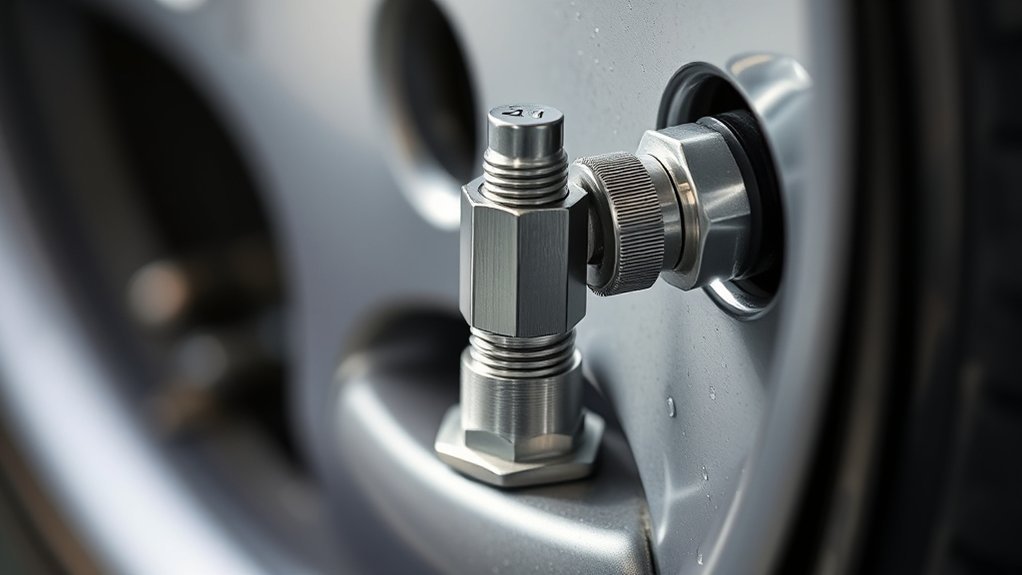
Tire valve stems are the small fittings that let you inflate, check, and bleed air from a tire while keeping it sealed. You’ll usually find a spring-loaded valve core inside, plus a cap and stem body that hold pressure in and dirt out. Rubber snap-in and metal clamp-in styles both serve the same job, but they suit different wheels and loads. If you keep going, you’ll see how they fail and how to spot leaks fast.
Key Takeaways
- Tire valve stems let you inflate tires, check pressure, and release air without removing the wheel.
- A spring-loaded valve core opens under pressure and seals tightly to keep air inside.
- The stem seals at the wheel and through the core, so leaks can cause pressure loss.
- Common types include snap-in rubber stems, clamp-in metal stems, and TPMS-compatible stems.
- Cracks, corrosion, bending, or slow leaks mean the valve stem should be inspected or replaced.
[Products Worth Considering]

This Dr.Roc tire valve stem puller tools set helps install or remove snap-in tubeless valve stems safely and efficiently. It includes ozone-resistant EPDM snap-in valve stems, a valve stem installer, and a valve core remover for quick core removal or installation during tire service. Designed for reliable tubeless tire repair on motorcycles, ATVs, lawn equipment, cars, and trucks.

This 100-piece set of snap-in tubeless tire valve stems is designed for standard 0.453 in (11.5 mm) rim holes and helps maintain reliable, steady tire pressure. Made with ozone-resistant rubber and brass cores, the valves are built for durability and long-term use. Easy to install by hand, they support safe driving and are suitable for cars, light trucks, trailers, and more.
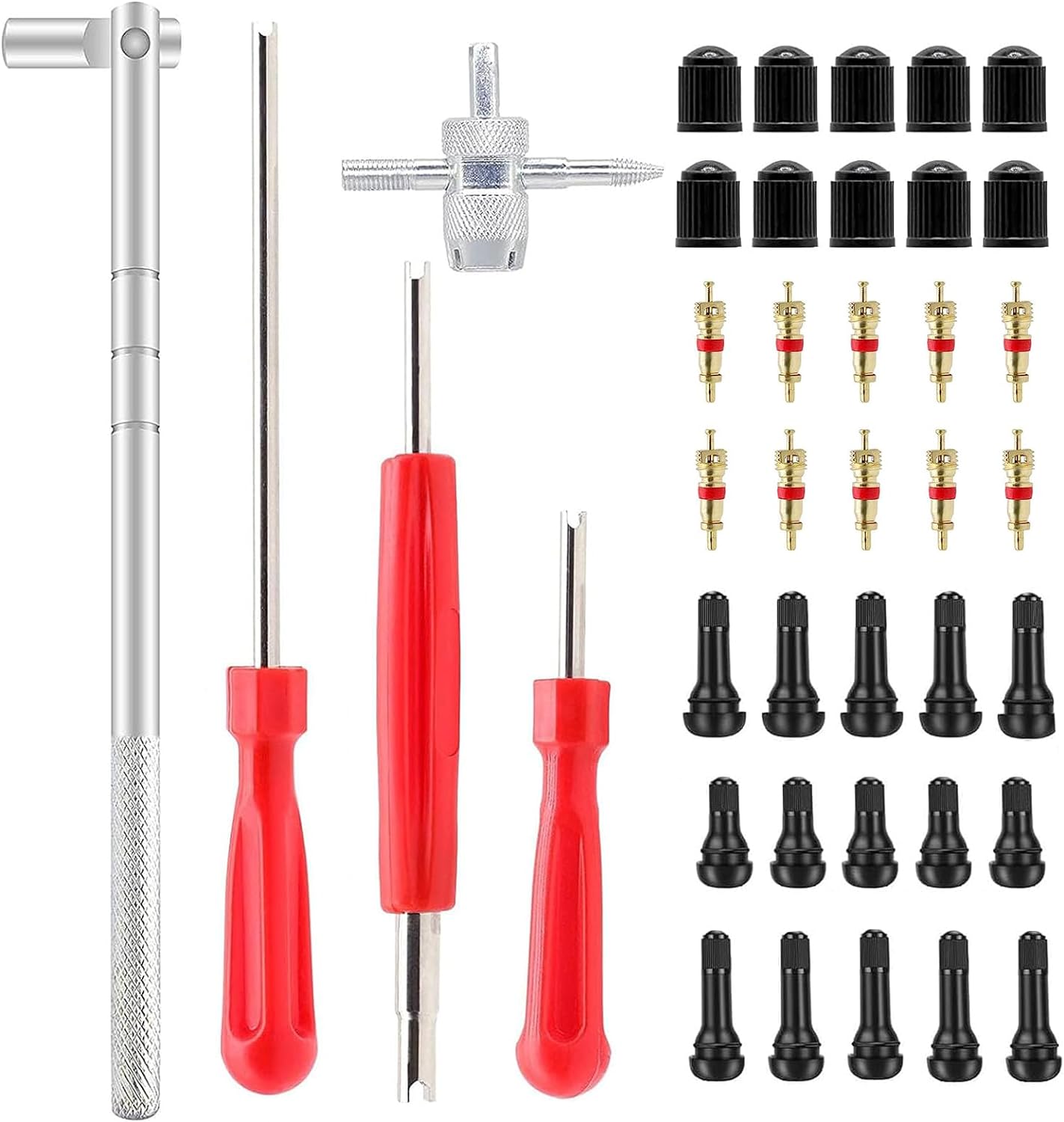
This ZHSMS valve stem puller and installer tool set makes it easy to remove and install tire valve stems without damaging wheels or valves. It uses a leverage design to save effort and includes valve stem tools plus removable valve core functionality for quick tire repairs. Compatible with tubeless tires for passenger cars, motorcycles, ATVs, off-road vehicles, and trucks.
What Tire Valve Stems Do
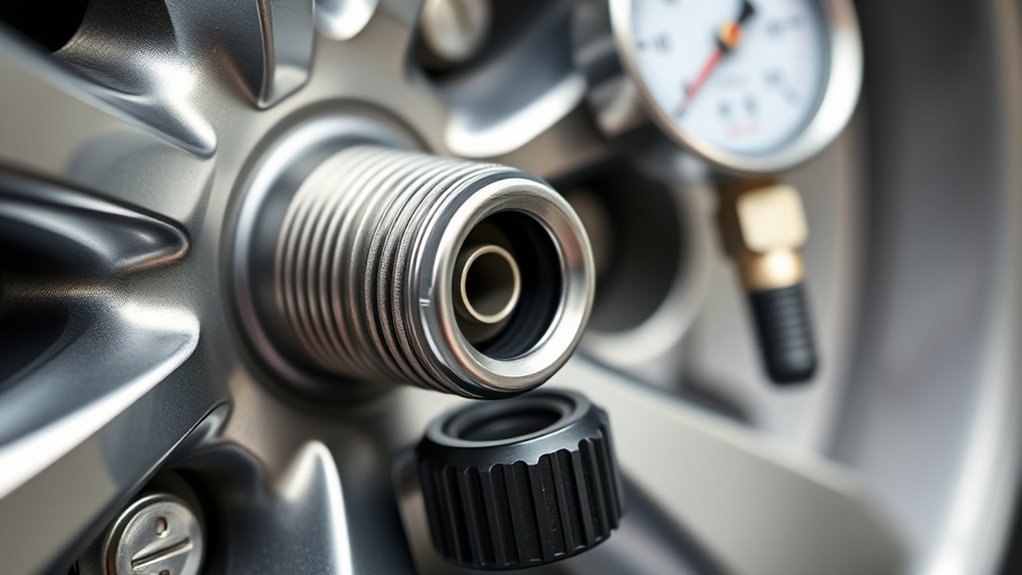
Tire valve stems control the flow of air into and out of a tire, letting you inflate it, check pressure, and release air when needed. You use them to maintain proper tire pressure, which affects handling, wear, fuel economy, and heat buildup.
The stem provides the access point for your gauge, air chuck, or deflation tool, so you can make small adjustments without removing the tire. Different valve stem materials, such as rubber and metal, suit different wheel designs and service demands.
The stem gives you direct access for gauges, air chucks, and deflation tools without removing the tire.
Rubber stems flex and install easily, while metal stems offer added durability in some applications. You should inspect the stem during routine tire checks for cracks, corrosion, or damage that could affect service.
If it looks worn or loose, replace it promptly. A sound valve stem helps you manage air more accurately and keeps your tire system ready for normal driving conditions.
How Tire Valve Stems Seal Air
A valve stem seals air by closing off the path between the tire’s internal air chamber and the outside environment, usually through a spring-loaded valve core and a tight stem-to-wheel interface.
You rely on two sealing mechanisms: the core’s internal seal and the base seal where the stem passes through the wheel. When pressure inside the tire rises, it pushes the core shut harder, so air stays trapped until you add or release it.
If the stem body or grommet flexes, the seal can weaken and leak. That’s why valve stem materials matter; rubber, metal, and composite designs each handle heat, corrosion, and vibration differently.
You should inspect the stem for cracks, dry rot, dents, or loose fitment, since even small defects can let pressure escape. A proper seal keeps inflation stable, protects handling, and reduces uneven tire wear over time.
What’s Inside a Valve Stem
Inside a valve stem, you’ll usually find a valve core, a threaded cap, and the stem body or insert that holds everything in place.
You rely on the core to control airflow: it opens when you press a gauge or inflator onto it and closes to keep air in. The cap adds a second barrier against dirt, water, and slow leaks. The stem body supports these parts and connects them to the wheel or tire opening, so alignment matters.
Valve stem materials affect durability, corrosion resistance, and heat tolerance, so rubber, brass, and aluminum parts behave differently over time. These valve stem functions work together to maintain pressure and make servicing simple.
If any internal part is damaged, you can lose air, read pressure inaccurately, or struggle to inflate the tire properly. Check the stem for cracks, worn threads, or contamination whenever you inspect tire pressure regularly.
Common Tire Valve Stem Types
When you choose or replace a valve stem, you’ll usually run into a few common types: snap-in rubber stems, clamp-in metal stems, and specialized stems for TPMS-equipped wheels.
Snap-in stems are the most common on passenger cars because they’re inexpensive, quick to install, and designed to flex with the wheel.
Clamp-in metal stems use a retaining nut and washer, so they suit higher-speed, higher-load, or custom applications where extra rigidity matters.
TPMS stems often look like metal stems, but their sensor interface and sealing hardware must match the wheel and sensor design exactly.
You should check valve stem materials and valve stem sizes before you buy.
Rubber, brass, aluminum, and nickel-plated brass all serve different corrosion and durability needs.
Size matters because the stem must fit the wheel hole and seal correctly.
Match the stem to your wheel type, pressure rating, and service plan so you avoid unnecessary replacement work later.
[Products Worth Considering]

These aluminum alloy tire valve stem caps protect the valve core from corrosion and help prevent air leakage for more stable tire pressure. The rubber ring design helps support a secure, safe seal while adding a stylish look to your Honda wheels. Easy to install by hand, these caps are ideal for everyday driving and weather exposure.
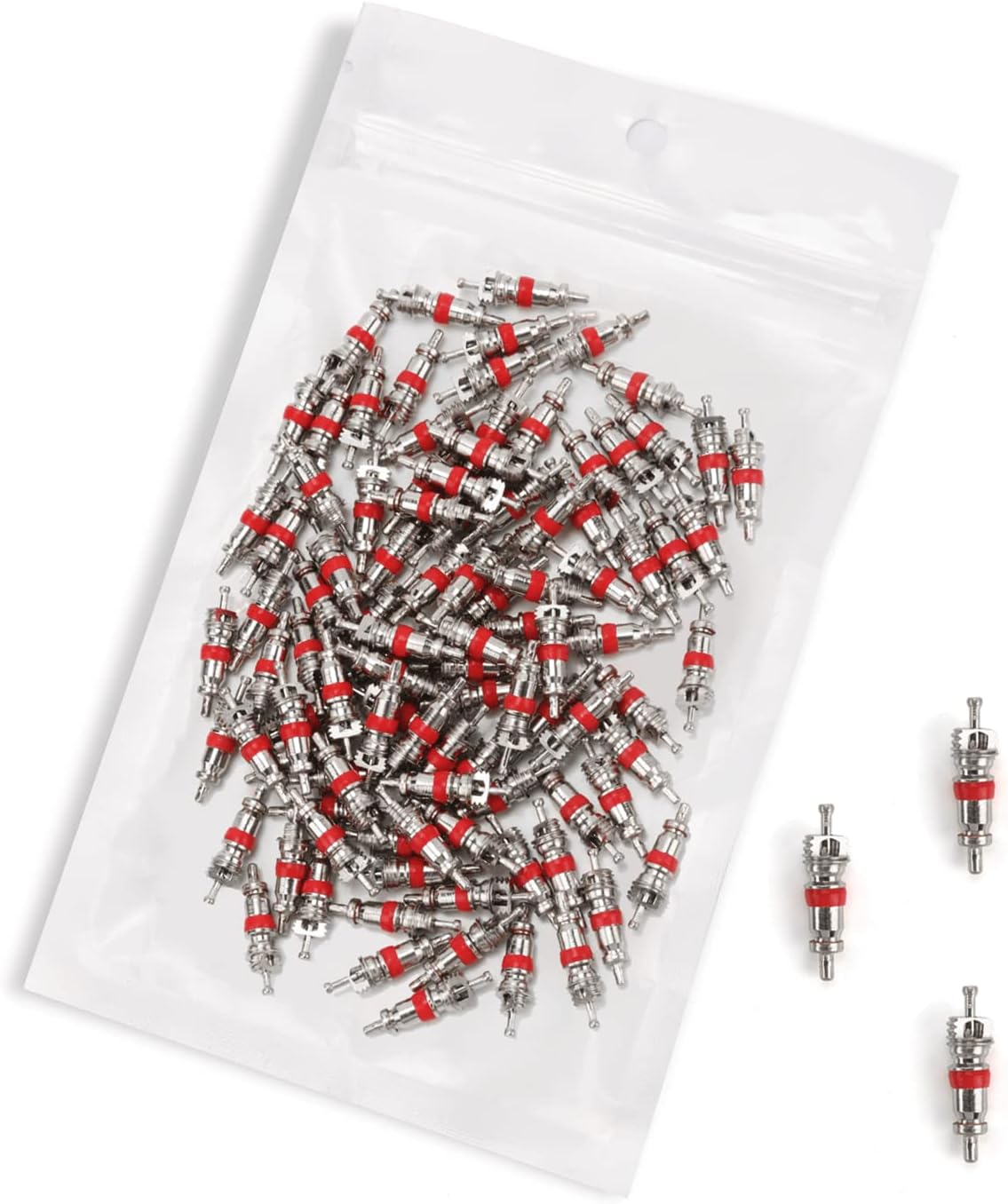
Replace worn Schrader valve cores with durable, nickel-plated replacements designed to resist rust and corrosion for a longer service life. Each core is 100% leakage tested and rated for up to 300 PSI, helping maintain a safe, reliable tire pressure system. Universal fit makes them suitable for cars, RVs, ATVs, motorcycles, bicycles, and many refrigeration/air conditioning applications.

The JACO FlowPro Tire Inflator measures, inflates, and airs down tires up to 100 PSI with battery-free operation and ±2% accuracy after calibration. It features a glowing pressure dial for night visibility, a heavy-duty steel build with a hybrid hose, and a precision push-to-inflate thumb trigger. The patented Lightning Air Chuck locks on for a secure seal, and the kit includes quick-connect hardware for easy inline use with your air compressor.
Signs a Valve Stem Is Failing
You may notice a slow air leak if your tire keeps losing pressure after you’ve inflated it.
Check the valve stem for cracks, cuts, or other visible damage, since these defects can let air escape.
If you spot any of these signs, you’ll need to replace the stem before the leak gets worse.
Air Leaks
A failing tire valve stem often shows up as a slow air leak, causing repeated low-pressure warnings or an unexplained drop in tire pressure.
You may hear a faint hiss near the valve when the core doesn’t seal tightly. Check the stem during routine tire maintenance with a gauge and soapy water to confirm the leak point.
If you ignore it, you’ll keep losing air pressure and stress the tire.
- Recheck pressure after parking overnight.
- Apply soapy water at the valve.
- Look for bubbling around the core.
- Replace the stem or core if leakage continues.
You should treat this as a maintenance issue, not a temporary fluctuation.
Fixing the leak early helps you avoid uneven wear, poor handling, and repeated inflation.
Cracks or Damage
Cracks, splits, and dry rot around the valve stem are clear signs it’s failing, even if the tire still holds air. You should inspect the rubber base and cap area for cuts, bulges, or missing chunks after every tire service.
Hardening or discoloration usually means the stem has aged past safe use. Damage from curb strikes, ozone, road salt, or heat can weaken seal integrity fast. If you spot a bent metal stem, replace it, not just the core.
Good valve stem maintenance means checking for abrasion and confirming the stem seats flush with the wheel. Different valve stem materials age differently, but all can fail when the body or seal shows visible damage.
Replace damaged stems promptly to prevent sudden leaks or blowouts.
How to Check a Valve Stem
Start by removing the valve cap and inspecting the stem for cuts, dry rot, bending, or damage around the base where it meets the wheel. Then use a gauge or your fingers to feel for looseness, and confirm the core sits straight. Good valve stem maintenance helps you keep tire pressure stable and spot issues early.
- Check the rubber or metal body for visible wear.
- Look for cracking, swelling, or corrosion at the threads.
- Press the stem lightly to verify it doesn’t wobble.
- Reinstall the cap and note any slow pressure loss after inflating.
If you hear hissing, see bubbles with soapy water, or find a damaged cap seal, inspect more closely. You should also compare readings across all tires to catch inconsistencies.
A stem that looks intact but won’t hold tire pressure may still need service, so document what you see during routine checks.
When to Replace a Tire Valve Stem
Replace a tire valve stem when it shows cracking, dry rot, corrosion, bending, or damage at the base, or when it won’t seal properly and keeps losing air.
Replace a tire valve stem if it’s cracked, dry rotted, bent, corroded, or leaking air.
You should also replace it after any tire service that disturbs an aging rubber stem, since heat, ozone, and tire mounting stress shorten valve stem lifespan.
If the stem leaks at the core, has a split cap area, or feels brittle when you flex it, install a new one instead of trying to patch it.
For metal stems, watch for pitting, loose hardware, or failed gaskets.
There’s no fixed replacement frequency, but many technicians replace rubber stems whenever they install new tires, especially on high-mileage vehicles.
Check stems during every pressure inspection, and replace them before a slow leak becomes a flat.
A new stem is inexpensive, and it helps you maintain safe inflation, stable handling, and better tire life.
Frequently Asked Questions
Can Tire Valve Stems Be Reused After Tire Replacement?
Yes, you can sometimes reuse them if they’re undamaged, but you should inspect them closely during tire maintenance. For reliable valve stem longevity, replace cracked, brittle, or corroded stems whenever you install new tires.
Do Valve Stems Affect Tire Pressure Monitoring Systems?
Yes—your valve stems can influence tire pressure monitoring systems like a gatekeeper at the wheel. You’ll avoid leaks and sensor damage by choosing compatible valve stem materials and protecting tire pressure sensors during service.
Are Metal Valve Stems Better Than Rubber Ones?
Metal valve stems can be better than rubber ones if you want stronger valve stem durability, especially for heavy use. In metal vs. rubber, you’ll usually trade higher cost for longer life and better corrosion resistance.
How Often Should Valve Stem Caps Be Replaced?
Replace valve stem caps whenever you notice cracks, corrosion, or a missing cap—don’t wait. For valve stem maintenance, inspect them at every tire check; different valve stem types need the same quick, practical attention.
Can a Broken Valve Stem Cause Sudden Tire Deflation?
Yes—if you’ve got a broken valve stem, your tire can deflate fast or suddenly. You should inspect it during valve stem maintenance and replace it promptly; valve stem replacement prevents repeated air loss and unsafe driving.
Conclusion
In the end, your tire valve stem does one simple but critical job: it keeps air where it belongs. If you spot cracks, leaks, or a loose cap, don’t brush it off—small issues can snowball fast. Check your valve stems during regular tire inspections, and replace them when they show wear. That little part may seem minor, but it can make or break your tire’s performance and safety on the road.
[Products Worth Considering]

Upgrade your Toyota tire setup with these corrosion-resistant, leak-proof valve stem caps designed to help protect the valve core from water, snow, and road grime. The caps feature a snug rubber seal and durable copper alloy construction to resist rust and oxidation while maintaining stable tire pressure. Ideal for replacing worn original caps and keeping your wheels looking clean and stylish.

Upgrade your vehicle’s tire valves with these durable, universal black stem caps that help protect against dust and moisture. Each cap includes a rubber sealing ring to reduce the risk of air leakage during long, rugged drives. Made from corrosion-resistant plastic with a textured grip, they fit most Schrader valve-equipped cars, SUVs, trucks, motorbikes, and bikes.
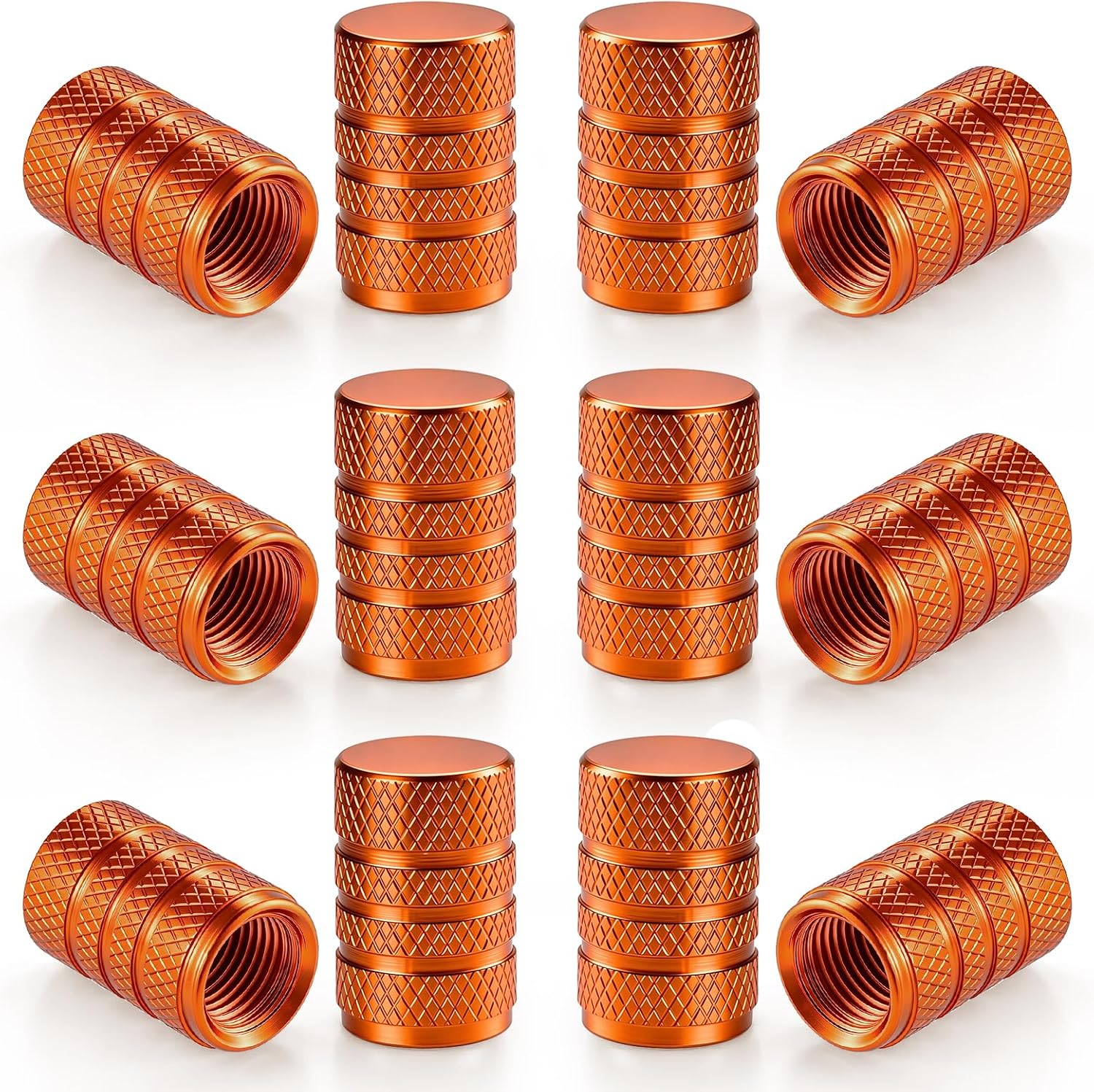
Upgrade your vehicles with these universal aluminum alloy tire valve stem caps designed to help keep dust out and maintain stable tire pressure. Each cap features an internal rubber seal for long-lasting leak protection and features an easy screw-on installation that won’t damage the valve stem threads. Suitable for cars, trucks, motorcycles, and bicycles, they also add a personalized decorative touch to your wheels.

Related Articles
Which Part of a Tire Can Be Patched Safely?
When can a tire be safely patched, and why do some punctures spell trouble?
Read More
Why Do Tires Lose Pressure? 9 Real Causes
Puzzled by tire pressure loss? Discover 9 real causes behind slow leaks, aging, and cold weather, and find out which one is affecting yours.
Read More
Why Do I Keep Getting Nails in My Tires?
I keep getting nails in my tires because hidden road hazards are everywhere—discover the overlooked spots and habits that could be costing you.
Read More