
Is Tire Siping Worth It? Benefits and Drawbacks
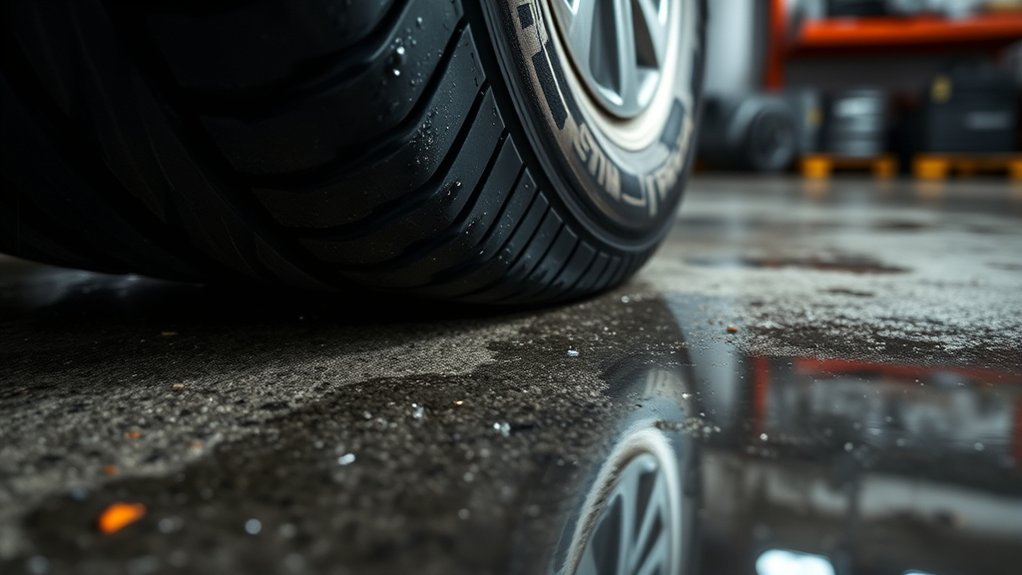
Tire siping can be worth it if you drive often on wet, icy, or light-snow roads, because it adds biting edges and can improve traction and water evacuation. For most daily drivers on dry pavement, the gains are modest and may not justify the added wear, noise, and possible warranty issues. It won’t fix worn tires, though. If you want a clearer decision, the details below break down when siping helps and when it doesn’t.
Key Takeaways
- Tire siping can improve wet, icy, and light-snow traction by adding more biting edges and helping water escape.
- It offers only modest gains, especially if your tires are already worn or you mostly drive on dry roads.
- Siped tires may wear faster, become noisier, and in some cases develop chunking or uneven contact patterns.
- Warranty coverage may be affected, since many tire makers restrict post-sale tread modifications like siping.
- Dedicated winter tires or well-chosen all-season tires usually provide better value and performance than siping alone.
[Products Worth Considering]

Measure tire tread depth quickly and accurately with this LUMITECO dial gauge that reads in 1/32" increments up to 14/32". The color-coded green/yellow/red zones make it easy to judge tire wear and know when replacement is needed. A rugged, compact design with a protective pouch helps keep the gauge ready for use on cars, trucks, motorcycles, and more.

Monitor tire tread wear with a smart, color-coded depth gauge that shows clear condition ranges at a glance. The bar is range marked for fast, easy readings, helping you maintain safer traction and performance. Each gauge is portable with a pocket clip, and the set includes 20 units for daily use and sharing.

Measure tyre tread depth precisely with a digital gauge that reads in both MM and inches, helping you monitor safe driving conditions. The large LCD screen is easy to operate, and the compact tool fits for cars, trucks, and motorcycles. It provides high accuracy with a 0-25.4mm range and includes a 1-year warranty for added peace of mind.
What Is Tire Siping?
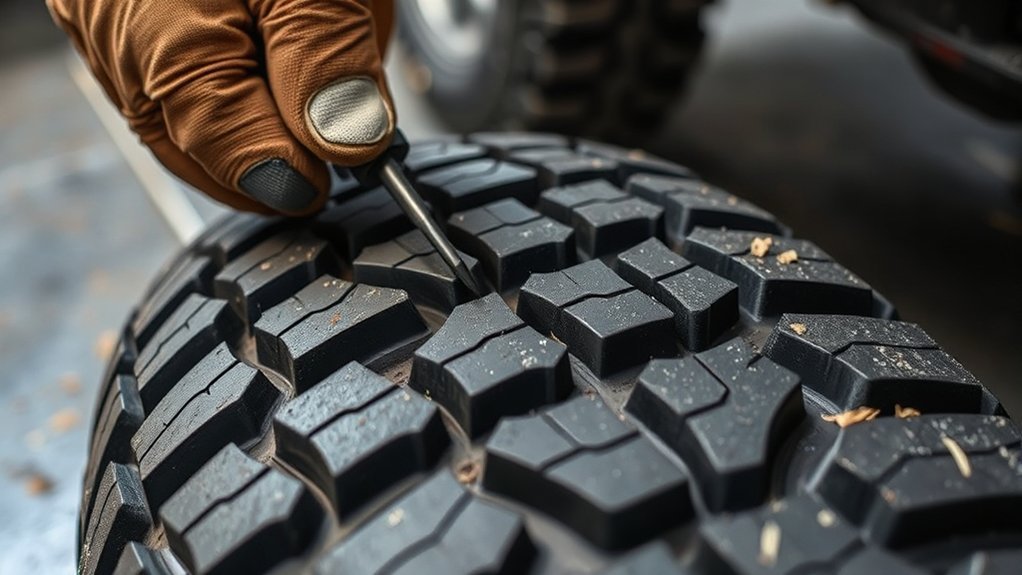
Tire siping is the process of cutting or molding fine slits into a tire’s tread blocks to increase tread flexibility and improve grip on wet, icy, or lightly snowy surfaces. You’ll see these slits arranged across specific tread patterns, where they let each block deform more easily under load.
In tire maintenance, siping is a modification, not a replacement for proper inflation, rotation, or tread depth checks. You can have it added by a shop or find it already built into some tires from the manufacturer.
The depth, spacing, and angle of the sipes affect how the tire behaves, so the design must match the tire’s intended use. You shouldn’t assume more sipes always mean better performance; excessive siping can alter block stability and wear characteristics.
Understanding what siping does helps you judge whether it fits your driving conditions and tire maintenance goals.
How Tire Siping Helps on Wet and Ice
When you add sipes, you increase the tread’s edge density, which improves wet-road grip by giving the rubber more biting surfaces against the pavement.
On ice, those same fine slits let the tread flex and create additional ice traction bites, helping the tire maintain contact under low-friction conditions.
Sipes also act as water evacuation channels, reducing the film of water between the tire and road and improving contact stability.
Wet Road Grip
On wet roads, siping can improve grip by creating extra biting edges and helping the tread evacuate a thin film of water more effectively.
You get better contact pressure at the rubber-road interface, so the tire can maintain traction during cornering and braking.
In a well-optimized tread design, the small slits also assist hydroplaning prevention by letting water move through the blocks instead of building under them.
The effect is most noticeable at moderate speeds on smooth pavement, where the tread compound stays flexible enough to conform to surface irregularities.
You shouldn’t expect a dramatic gain if your tires are already worn or if water depth is high, because siping can’t replace sufficient tread depth or proper tire inflation.
Ice Traction Bites
The same siping that helps on wet pavement also improves low-traction control on ice by creating more biting edges for the tread to press into the surface. You’ll notice better ice grip when the tread flexes and each fine cut deforms, increasing contact points under load. That traction improvement doesn’t turn summer tires into winter specialists, but it can sharpen response at low speeds.
| Factor | Effect | Result |
|---|---|---|
| Edge count | More contact points | Better bite |
| Tread flex | Local deformation | Increased grip |
| Surface match | Thin ice film | Improved adhesion |
| Load transfer | Pressure concentration | More penetration |
| Steering input | Faster tread reaction | Cleaner control |
You still need proper rubber and temperature range for meaningful performance.
Water Evacuation Channels
Siping also helps your tires move water out from under the tread by breaking a continuous film into smaller flow paths that can drain and reattach more quickly. You gain better water drainage because each slit acts like a micro-channel, reducing pressure buildup at the contact patch.
On wet pavement, that can lower hydroplaning risk and improve steering response. On ice, the same channel design helps you cut through meltwater that forms between rubber and the surface.
- More edge density for fluid release
- Faster evacuation from the contact patch
- Better grip consistency in shallow standing water
You’ll still need proper tread depth and inflation, because siping can’t compensate for worn rubber or poor alignment.
Best Driving Conditions for Tire Siping
You’ll see the most consistent benefit from tire siping on wet roads, where the added edges help maintain contact and reduce slippage.
On snowy surfaces, siping can also improve grip by increasing bite and channeling away compacted moisture.
Outside these conditions, the performance gain is typically smaller and more dependent on tread compound and overall tire design.
Wet Road Performance
On wet roads, tire siping can improve traction by giving the tread more biting edges and helping it evacuate thin water films more effectively. You may notice better tire performance when your tires maintain contact under light rain, standing water, and damp pavement, because the cuts increase micro-scale flexibility. This can support road safety by reducing slip during braking and cornering.
- Sipes open slightly under load, improving edge engagement.
- Channels help break the water film faster.
- Benefits are strongest when tread depth remains adequate.
You’ll see the clearest gains on smooth, wet asphalt, where hydroplaning risk is moderate rather than severe. However, siping won’t compensate for worn tread, incorrect pressure, or aggressive driving, so you still need proper maintenance and speed control.
Snowy Surface Grip
In snow, tire siping can improve grip by increasing the number of biting edges that can interlock with packed flakes and compacted slush.
You’ll notice better traction enhancement when the tread can flex and conform to irregular icy granules, especially during low-speed starts, braking, and cornering. This mechanism can support winter performance by helping the tire evacuate thin films of meltwater that reduce contact friction.
However, siping won’t transform an all-season tire into a true snow tire; compound softness, tread depth, and void design still matter more.
You should expect the biggest gains on light to moderate snow, where surface bite and edge density directly affect control.
On deep snow, wide grooves and aggressive tread patterns usually deliver stronger overall grip than siping alone.
Tire Siping Risks, Wear, and Warranty
Although tire siping can improve wet and winter traction, it also changes the tread’s structural behavior, which can increase wear, noise, and heat generation if the cuts are too deep or too numerous.
You should treat siping techniques as a controlled modification, not a universal upgrade. On soft or already worn tread, added slits can accelerate chunking and reduce block stiffness under load.
You’ll also notice that irregular siping patterns may create vibration or uneven contact pressure, especially at highway speeds.
- Inspect tread depth before any cuts.
- Match siping density to your tire’s compound.
- Use a shop that measures blade depth precisely.
From a service standpoint, record the work and ask about warranty implications in writing.
Even when coverage isn’t affected, manufacturers may evaluate tread alteration during a claim. If you drive mostly on dry pavement, the performance gain may not justify the added risk.
[Products Worth Considering]

The SAFELIFE dial tire tread depth gauge measures tread depth in 1/32 inch increments with clear, easy-to-read 2-inch dial face. Color zones using a traffic light system help you quickly judge whether tread is low, marginal, or ample for safer driving. Built with a durable zinc cast body and a metal detect probe for precise, comfortable use across cars, motorcycles, trucks, and buses.

Accurately measure tire tread depth with a calibrated gauge marked from 0 to 1 inch in 1/32 inch increments. The color-coded bar helps you quickly identify tread condition ranges, supporting safe driving for trucks, motorcycles, automobiles, and passenger vehicles.

Protect tire valves from water, dust, and sand to help prevent leaks and support safe driving. These universal stem caps install quickly by hand and feature durable aluminum alloy construction with an inner sealing ring for better air retention. Compatible with cars, SUVs, trucks, motorcycles, and bicycles for everyday convenience.
Will Tire Siping Void Your Warranty?
Whether tire siping voids your warranty depends on the tire maker’s policy and how the work was performed. You need to read the warranty terms closely, because many manufacturers restrict any post-sale modification to the tread.
If you cut additional grooves outside approved siping guidelines, the maker can argue that you altered the tire’s structure and declined coverage for related failures. That doesn’t automatically cancel every claim, but it can create warranty implications if the damage traces back to the modification.
Keep records of when, where, and by whom the siping was done, and confirm whether the shop used manufacturer-approved equipment and depth limits. If you’re unsure, ask the tire maker or dealer for written confirmation before you proceed.
You should also compare the policy language for workmanship defects, tread separation, and uniformity claims, since each clause can be treated differently. In practice, your documentation and adherence to specs matter as much as the modification itself.
Is Tire Siping Worth It for Daily Drivers?
For most daily drivers, tire siping is only worth it if you regularly face cold, wet, or lightly snow-covered roads and your current tires already need a bit more edge bite. You may notice modest gains in initial grip, but the effect depends heavily on tread depth, rubber compound, and your driving habits.
- If you drive mostly on dry pavement, the benefit is usually small.
- If your commute includes frequent rain or near-freezing temperatures, siping can improve micro-edge contact.
- If your tires are already worn, the added slots may help temporarily, but they won’t restore full performance.
You should also weigh tire longevity. Extra cuts can slightly increase tread flex and may accelerate wear under aggressive use.
For steady, moderate commuting, siping rarely changes the cost-benefit balance enough to justify the service. If you want a measurable traction improvement, your tire condition and climate matter more than the modification itself.
Alternatives to Tire Siping for Better Traction
If you want better traction without modifying the tread pattern, start with the fundamentals: use tires that match your climate, keep tread depth above the minimum, and maintain correct inflation.
Beyond that, choose tire tread alternatives that fit your use case. For wet or mixed conditions, modern all season options with silica-rich compounds and optimized void ratios often outperform worn, siped tires.
If you drive in cold weather, dedicated winter tires deliver deeper grooves, softer rubber, and more biting edges, so they’ll usually improve braking and cornering more than aftermarket siping.
You can also improve grip by correcting alignment, rotating tires on schedule, and replacing aging rubber before compound hardening reduces friction.
On trucks or SUVs, load-rated tires with appropriate construction can stabilize contact patches under stress.
These measures address traction through compound, structure, and maintenance, which gives you predictable gains without changing tread blocks.
Frequently Asked Questions
How Much Does Tire Siping Typically Cost?
Tire siping typically costs you about $15 to $40 per tire, depending on siping techniques, tire size, and shop labor. You’ll usually see a modest performance impact, with pricing rising for larger, specialty, or off-road tires.
Can All-Season Tires Be Siped Safely?
Yes, you can sip most all-season tires safely, if you use proper siping techniques and avoid cutting too deeply. You’ll improve tire performance in wet or light snow, but you may reduce tread stiffness and wear resistance.
How Long Does Tire Siping Usually Last?
You’ll usually get 20,000 to 40,000 miles from siping before the slits vanish like magic. Your tire performance depends on tread wear, driving style, and siping techniques; aggressive driving can erase them sooner.
Does Tire Siping Affect Fuel Economy?
Yes, tire siping can slightly affect fuel economy; you may see marginally lower fuel efficiency because added tread slits increase rolling resistance a bit, though improved tread performance in wet or snowy conditions can offset that tradeoff.
Can I Siped Tires at Home Myself?
Yes, you can siped tires at home yourself, but you need proper siping techniques and specialized DIY tools. You’ll risk uneven cuts, reduced tread strength, and voided warranties if you don’t control depth precisely.
Conclusion
Tire siping can feel like adding tiny lanterns to a dark road: each cut gives your tires more edges to grip wet pavement and thin ice, but it also trims tread life and may affect warranties. If you drive mainly in rain, slush, or mild winter conditions, you may find it worthwhile. If you want longer wear and simpler maintenance, you may prefer dedicated winter tires or all-season upgrades instead. Choose the tool that matches your road.
[Products Worth Considering]
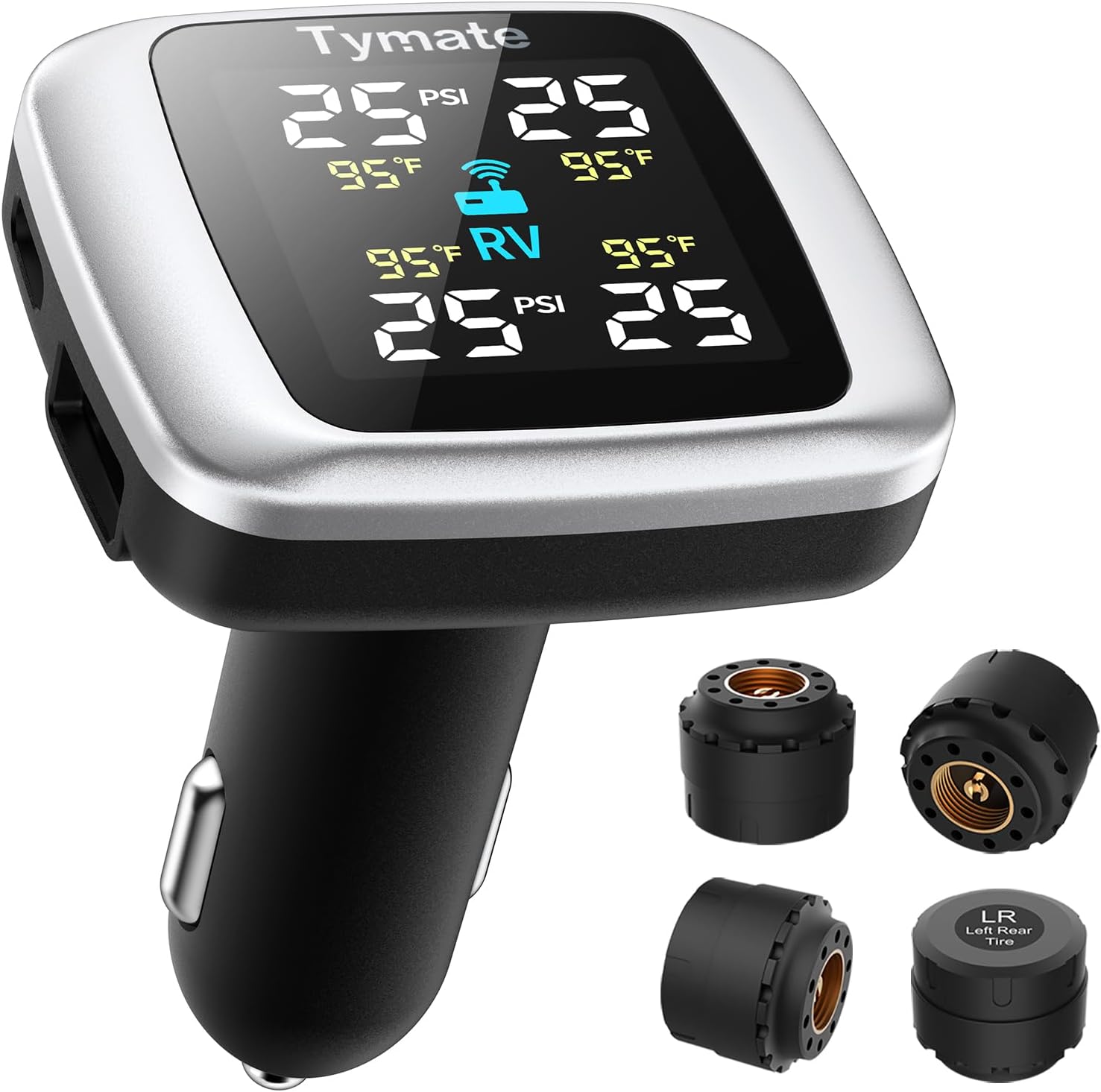
Tymate TM7 is a wireless tire pressure monitoring system that delivers real-time pressure and temperature readings for safer driving. It includes four external sensors, a bright color LCD display with adjustable backlight, and six alarm modes for high/low pressure, fast leakage, high temperature, and sensor signal or battery issues. The system covers a wide 0–144 PSI range and plugs into your vehicle’s cigarette lighter socket for quick DIY setup.

Keep your tires properly inflated with this analog VONDIOR tire pressure gauge, designed for fast, easy readings without batteries. The swiveling, two-axis hose and large glow dial help you measure at any tire angle with instant visibility. Built with a protective rubber shield, it supports durable, low-maintenance use for cars and trucks.

Milton S-921 pencil tire pressure gauge helps you maintain optimal tire pressure for passenger cars with accurate readings in PSI and kPa. It features a built-in deflator valve for convenient pressure adjustments, plus a single chuck head and nylon indicator bar for easy use on the go. Built from durable plated brass and designed for reliable performance, it’s a practical road trip and cold-weather maintenance tool.

Related Articles
Can You Drive on a Tire With a Bulge? Safety Risks
Can you drive on a tire with a bulge, or is a sudden blowout lurking around the corner?
Read More
Will a Donut Spare Fit Your Car? How to Check
How to tell if a donut spare will fit your car before you risk a dangerous mismatch.
Read More
What Happens if Tire Pressure Is Too Low?
Low tire pressure can quietly damage tires and reduce safety—find out the warning signs before it costs you more.
Read More