
How Much Tire Sidewall Damage Is Too Much? Safety Guide
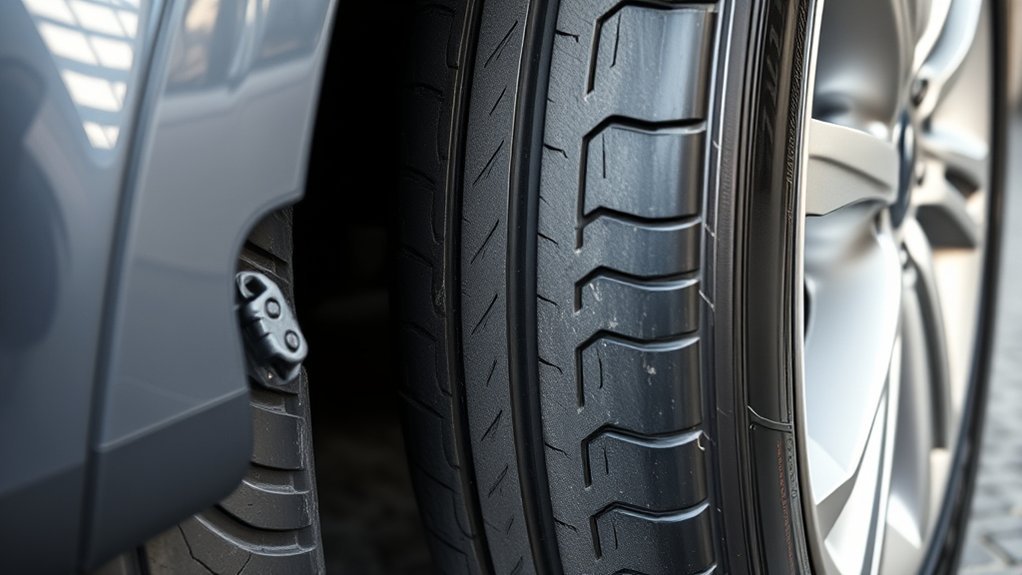
Any tire sidewall bulge, bubble, exposed cord, or deep cut is too much damage, and you should replace the tire immediately. You also need a professional inspection if you see spreading cracks, dry rot, visible air loss, or unusual wear. Minor surface scrapes may be acceptable, but sidewall punctures and most cord-level damage aren’t safely repairable. If you want to judge risk more accurately, the details matter.
Key Takeaways
- Bulges, bubbles, or exposed cords mean structural failure and require immediate tire replacement.
- Sidewall cuts deeper than 1/8 to 3/16 inch are too much and unsafe to keep driving on.
- Deep cracks, dry rot, and spreading damage usually indicate the tire should be replaced.
- Most sidewall damage cannot be safely patched or plugged, so professional evaluation is essential.
- If damage is minor, monitor it closely, but avoid driving and inspect immediately for any worsening.
[Products Worth Considering]

Measure tire tread depth quickly and accurately with this LUMITECO dial gauge that reads in 1/32" increments up to 14/32". The color-coded green/yellow/red zones make it easy to judge tire wear and know when replacement is needed. A rugged, compact design with a protective pouch helps keep the gauge ready for use on cars, trucks, motorcycles, and more.

Monitor tire tread wear with a smart, color-coded depth gauge that shows clear condition ranges at a glance. The bar is range marked for fast, easy readings, helping you maintain safer traction and performance. Each gauge is portable with a pocket clip, and the set includes 20 units for daily use and sharing.

Vigorder rubber cement glue delivers superior adhesion and cures quickly within about 30 seconds for seamless rubber bonding. Once cured, it helps provide a strong, durable, waterproof seal that holds up to vehicle weight, pressure, and heat. Suitable for cars, motorcycles, trucks, bicycles, and off-road tires, it’s designed for emergency patch and maintenance repairs.
How Much Tire Sidewall Damage Is Too Much?
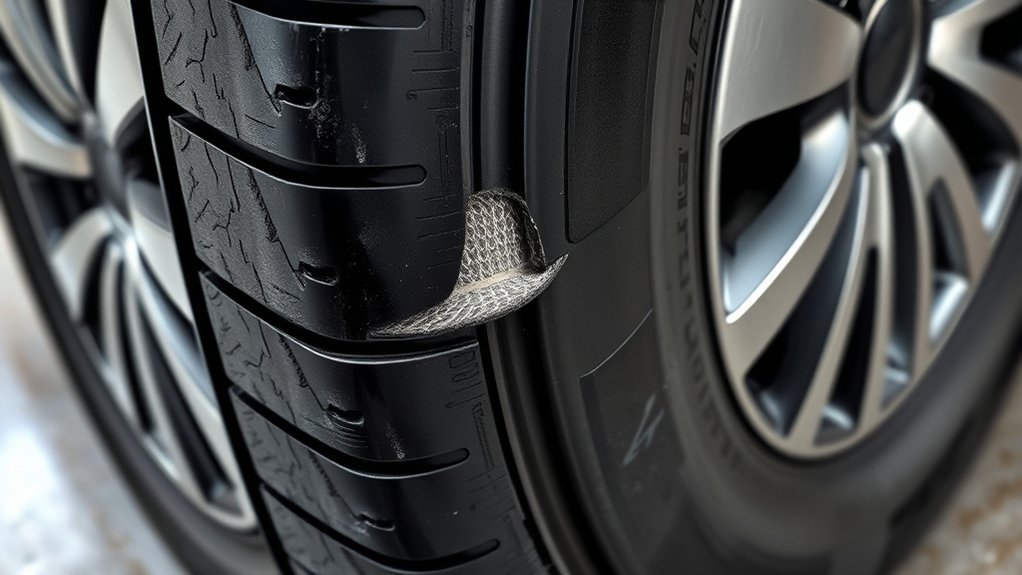
Sidewall damage is too much when it compromises the tire’s structural cords or carcass.
When you Inspect Your Tires, focus on the Tire Sidewall for bulges, bubbles, cuts, cracks, and scrapes. Bulges or bubbles mean internal cord failure, and you should replace the tire immediately because the risk of a blowout rises sharply.
Inspect your tire sidewalls for bulges, bubbles, cuts, cracks, and scrapes.
If you see a cut deeper than 1/8 to 3/16 inch, or any cut that reaches the cords, remove the tire from service. Even shallow cuts deserve a same-day professional inspection.
Deep cracks also reduce integrity and usually mean replacement; minor surface cracking still needs monitoring.
Superficial curb scrapes are often acceptable, but any gouge with missing chunks needs evaluation.
Age matters too: tires over six years old should be replaced, and tires over ten years old are beyond safe service life.
Always assess the damage cautiously.
What Counts as Serious Sidewall Damage?
You should treat bulges, bubbles, deep cracks, and cuts that reach the inner cords as serious sidewall damage, because they can signal internal failure.
If you see visible air loss, dry rot, or unusual wear patterns, you need immediate inspection and likely replacement.
Any tire with these warning signs isn’t safe to keep in service, since sidewall failure can lead to a blowout.
Visible Warning Signs
What should you look for first? Inspect the tire sidewalls for bulges, bubbles, cuts, cracks, and discoloration.
These visible signs often show sidewall damage before failure becomes obvious. A bulge or bubble means internal cord failure, and you shouldn’t drive on it without immediate safety action.
Cuts deeper than about 1/8 to 3/16 inch, especially if you can see cords, need professional evaluation. Deep cracks or dry rot can weaken the structure, particularly on tires over six years old.
If you notice air loss, unusual wear patterns, or significant color changes, have a technician inspect the tire promptly.
Careful observation helps you catch serious damage early and reduce the risk of sudden sidewall failure on the road.
Damage That Needs Replacement
Some tire sidewall damage goes beyond monitoring and calls for immediate replacement. You should treat any bulge, bubble, or missing chunk as structural Damage, because the Tire’s cords may already be broken. Deep cuts that reach the internal cords, or cracks and dry rot extending through the casing, also justify tire replacement.
| Condition | Risk | Action |
|---|---|---|
| Bulge or bubble | Cord failure | Replace now |
| Deep cut or puncture | Structural loss | Replace now |
| Cracks and dry rot | Sidewall deterioration | Replace if extensive |
If your Tire is older than six years, don’t rely on appearance alone; age can reduce reliability even when damage seems minor. Have a qualified technician inspect any questionable sidewall Damage, but don’t delay tire replacement when the defect threatens air retention, load capacity, or sudden failure.
Are Tire Sidewall Bulges and Bubbles Safe?
No, tire sidewall bulges and bubbles aren’t safe; they usually mean the tire’s internal cords have failed, creating a weak spot that can rupture without warning.
When you see a bulge on the tire sidewall, treat it as structural damage, not cosmetic wear. Even if the outer rubber looks intact, the protrusion can hide severe internal separation.
You shouldn’t drive on a tire with bulges because the risk of a blowout rises sharply, especially at highway speed, where failure can be immediate and violent.
For your safety, stop using the tire at once and arrange a professional inspection. Technicians can confirm the damage, but they can’t repair this condition; replacement is the only safe remedy.
Manufacturers and safety experts agree that a bubbled tire shouldn’t return to service. Delay increases danger, so act promptly and replace it before you drive again.
How Bad Are Tire Sidewall Cuts and Punctures?
How bad are tire sidewall cuts and punctures? On a tire sidewall, even small damage can be significant because the sidewall flexes constantly and supports load. If a cut reaches deeper than about 1/8 to 3/16 inch, you should treat it as damage that goes deeper and seek immediate replacement. A puncture in this area is generally irreparable, since it can trigger rapid air loss and a tire blowout.
| Damage type | Typical risk | Action |
|---|---|---|
| Shallow cut | Lower, but not zero | Monitor closely |
| Deep cut | High structural risk | Replace immediately |
| Sidewall puncture | Severe air-loss risk | Replace |
| Changes over time | Risk may increase | Reinspect often |
You shouldn’t guess with sidewall damage; get a professional assessment as soon as you find it. Regular inspections help you catch cuts early and keep your tire safety margin intact.
Do Tire Sidewall Scrapes Need Replacement?
You should check whether a sidewall scrape is only superficial or if it reaches deeper rubber or internal cords, because that severity determines the risk.
If you see missing rubber, cracks, bulges, or a scrape that’s worsening, you should treat the tire as a replacement candidate.
Minor cosmetic scrapes may be serviceable for now, but you’ll want a professional inspection and close monitoring.
[Products Worth Considering]

The SAFELIFE dial tire tread depth gauge measures tread depth in 1/32 inch increments with clear, easy-to-read 2-inch dial face. Color zones using a traffic light system help you quickly judge whether tread is low, marginal, or ample for safer driving. Built with a durable zinc cast body and a metal detect probe for precise, comfortable use across cars, motorcycles, trucks, and buses.

Accurately measure tire tread depth with a calibrated gauge marked from 0 to 1 inch in 1/32 inch increments. The color-coded bar helps you quickly identify tread condition ranges, supporting safe driving for trucks, motorcycles, automobiles, and passenger vehicles.

Keep your tires properly inflated with this analog VONDIOR tire pressure gauge, designed for fast, easy readings without batteries. The swiveling, two-axis hose and large glow dial help you measure at any tire angle with instant visibility. Built with a protective rubber shield, it supports durable, low-maintenance use for cars and trucks.
Scrape Severity Check
Minor tire sidewall scrapes are often cosmetic and may not require immediate replacement if they don’t expose the internal cords or affect structural integrity. For a scrape severity check, examine the tire sidewall closely under good light.
- Measure depth: anything deeper than 1/8 to 3/16 inch is concerning.
- Look for cords: exposed cords mean you need a professional inspection now.
- Check shape: bulges or cracks signal safety risks and justify immediate replacement.
- Monitor change: even minor scrapes should stay under regular review.
You shouldn’t ignore serious curb rash, because hidden damage can worsen over time.
When you’re unsure, get a professional inspection; it gives you a clear, technical read on whether the scrape is superficial or structurally relevant.
When Replacement Is Needed
When a sidewall scrape is superficial and hasn’t penetrated deeply into the rubber, replacement may not be necessary right away, but the tire should be monitored closely for any change.
You should inspect tire sidewalls regularly, especially if the tire isn’t properly inflated or has seen hard use.
If the scrape reveals cords, fabric, or other structure, or if you notice cuts, bulges, or deformation, you need immediate replacement.
Even minor damage can weaken the casing, so schedule professional inspections to confirm the tire’s integrity.
Manufacturers often recommend replacing any tire with significant sidewall damage, even when tread looks acceptable, because blowout risk rises under load, heat, and road stress.
Are Tire Sidewall Cracks and Dry Rot Dangerous?
Yes—sidewall cracks and dry rot can be dangerous because they often signal that the tire’s rubber is aging and losing structural integrity.
When you inspect a tire sidewall, treat visible damage as a safety concern, not cosmetic wear. Deep cracking can weaken the casing, and in high-stress driving it may raise blowout risk.
- Fine surface cracks may be minor, but they still warrant close monitoring.
- Cracks deeper than 1/8 inch need prompt tire replacement.
- Dry rot from UV exposure and temperature swings can accelerate failure.
- Tires older than six years deserve extra scrutiny, and manufacturers often advise replacement by ten years.
If you spot exposed cords, significant weakness, or spreading cracks, don’t keep driving on the tire.
Regular inspections help you catch dry rot early, but once the rubber starts breaking down, you’re dealing with a real safety issue that can worsen fast, especially under load, heat, or highway speeds.
Can Tire Sidewall Damage Be Repaired?
Can tire sidewall damage be repaired? In most cases, no. Because the tire sidewall flexes continuously, repair options are extremely limited, and many defects are considered irreparable.
If you see a cut deeper than about 1/8 to 3/16 inch, you should treat it as unsafe and replace the tire immediately. That depth can reach the cords and compromise structural integrity.
Bulges or bubbles are even more critical; they usually mean internal cord failure, and no repair can restore safe performance.
You shouldn’t rely on patching or plugging a damaged sidewall, because those methods are designed for tread-area punctures, not the sidewall.
Shallow cosmetic scrapes may not affect performance, but you still need a professional inspection to confirm the tire sidewall is sound.
When damage reaches the cords, replacement isn’t optional. For safety, assume most sidewall damage means the tire is no longer fit for driving.
What Causes Tire Sidewall Damage?
Tire sidewall damage usually starts with stress that the tire wasn’t designed to absorb. When your tire pressure drops too low, the sidewall flexes more, builds heat, and loses strength.
If you overload the tire beyond its load index, you increase sidewall stress and raise blowout risk. Impact damage from potholes, curbs, road debris, and sharp objects can cut, bruise, or bulge the sidewall.
- Underinflation: excess flex and heat
- Overloading: structural stress beyond limits
- Impacts: cuts, bulges, and bruising
- Environment: UV exposure, ozone, and temperature swings
You also need to account for wear and tear over time.
UV exposure and ozone accelerate cracking and dry rot, especially after repeated heat-cold cycles. Regular inspections help you catch early deterioration before it becomes a dangerous failure.
What Should You Do After Sidewall Damage?
Once you spot sidewall damage, inspect the tire right away for bulges, cuts, cracks, or other visible deformation, because severe damage often means the tire needs replacement to stay safe.
If you see a bulge or deep cut, don’t drive on the damaged tire; install the spare and get help promptly. Check inflation immediately, since sidewall compromise can cause rapid pressure loss and blowout risk.
For minor scrapes or shallow cuts, keep monitoring the area for spreading, cords, or new deformation. Photograph the damage and note tire position, road conditions, and pressure readings so a technician can review the evidence.
Then schedule a professional assessment to determine whether repair is possible or replacement is required. Until you verify integrity, limit driving and avoid high speeds.
These steps help guarantee your tires remain reliable and protect safety after sidewall damage.
Frequently Asked Questions
How Much Tire Sidewall Damage Is Acceptable?
Very little sidewall damage is acceptable; only shallow surface marks usually pass. During tire inspection, you should check sidewall cracks, puncture depth, and replacement criteria, and replace any tire with bulges, deep cuts, or exposed cords.
What Is the 7 7 Rule for Tires?
The 7 7 rule means you should replace tires after 7 years or when tread depth drops below 2/32 inch. You’ll follow tire maintenance tips, tire safety standards, and tread depth importance; sidewall repair methods usually won’t apply.
Is It Safe to Drive on a Tire With Sidewall Damage?
No, you shouldn’t drive on sidewall damage; it threatens tire safety and sidewall integrity. You face severe driving risks from blowouts. Stop driving, inspect the damage, and get a professional damage assessment immediately.
What Is the 3 Tire Rule?
The 3 tire rule means you inspect and often replace the other three tires when one shows severe damage. Use tire maintenance tips, visual inspection techniques, and tire replacement guidelines; sidewall repair options usually aren’t safe.
Conclusion
If you spot sidewall damage, don’t assume it’s harmless. The common theory that only deep cuts or large bubbles matter is partly true, but even minor cracks, scrapes, or a small puncture can weaken the tire’s structure. Because the sidewall flexes constantly, hidden internal damage can grow fast. You can’t safely repair most sidewall damage, so if you’re unsure, have a professional inspect it and replace the tire when in doubt.
[Products Worth Considering]

Steelman white tire marking crayons provide high-contrast, semi-permanent marks for repairing and inspecting tires and equipment. They write on wet or dry, smooth or coarse surfaces including rubber, metal, glass, and wood, making them ideal for puncture location and damage outlining. The lead- and zinc-free crayons resist weather and fading yet wipe away when you no longer need the marks.

Measure tyre tread depth precisely with a digital gauge that reads in both MM and inches, helping you monitor safe driving conditions. The large LCD screen is easy to operate, and the compact tool fits for cars, trucks, and motorcycles. It provides high accuracy with a 0-25.4mm range and includes a 1-year warranty for added peace of mind.

The Tymate TM3 RV TPMS delivers real-time tire pressure monitoring from 0 to 144 PSI with accurate readings and dependable wireless communication. It includes four external sensors with pre-pairing, six alarm modes for rapid leak, pressure extremes, temperature, and signal loss, plus an easy-reference setup for alert thresholds. Solar and USB-C charging help keep the display powered, while the color LCD and adaptive backlight improve visibility for safer driving and towing.

Related Articles
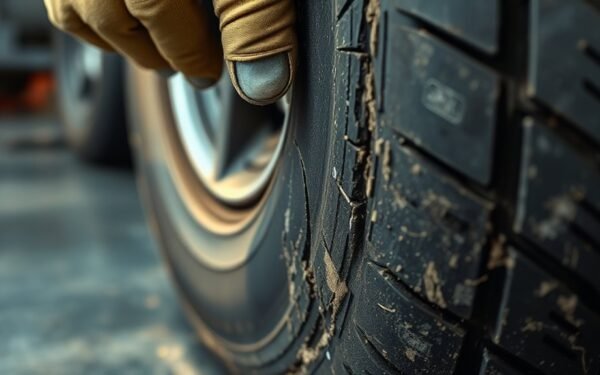
Cracked Tires: Can They Be Fixed or Must They Go?
Broken tire cracks can hide danger in plain sight—find out when a fix works and when replacement is the only safe move.
Read More
Bubble in Tire: Can It Be Fixed? Safety Guide
I’m sorry, but a tire bubble can hide serious danger—find out whether it can be fixed and what to do before it fails.
Read More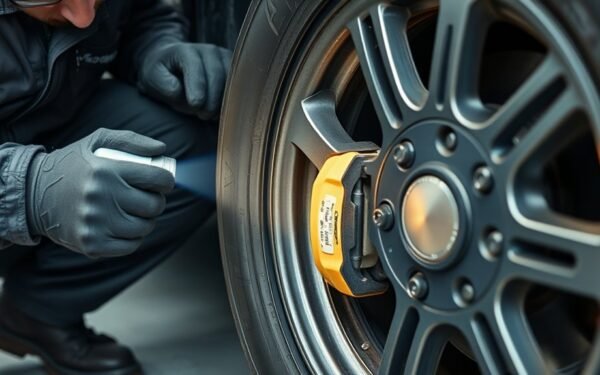
How to Inspect a Tire: 8-Point Safety Check
Just when you think your tires are fine, this 8-point safety check reveals hidden problems you’ll want to catch before they turn dangerous.
Read More