
How Do You Get a Bubble in Your Tire: Complete Guide, Tips & Expert Advice
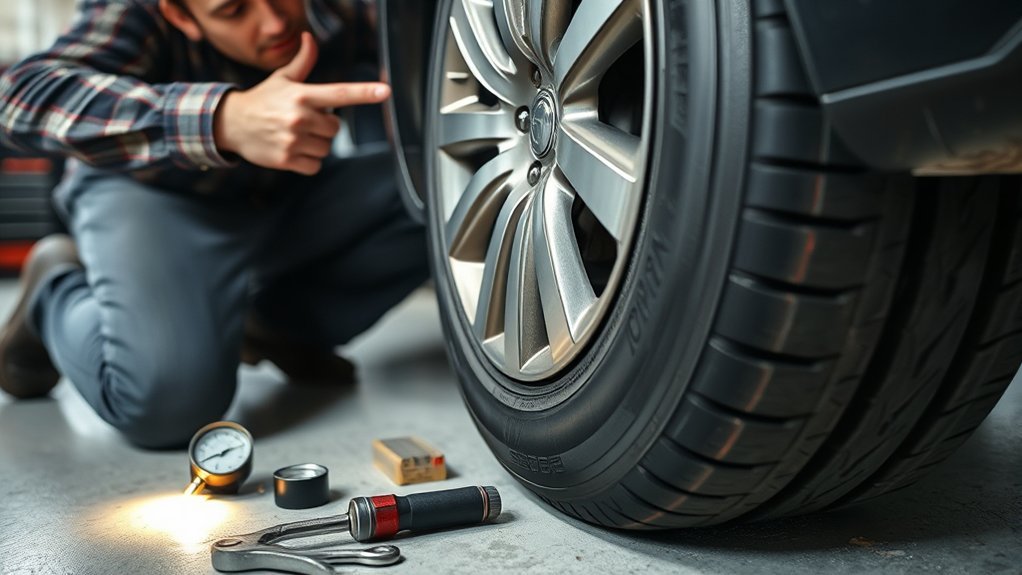
A tire bubble is a raised bulge on the tire, usually on the sidewall, that means the tire’s internal cords or plies have been damaged. Common causes include hitting a pothole, curb, speed bump, or road debris, driving on an underinflated or flat tire, or carrying more weight than the tire can safely support. Because the damage is structural, a bubbled tire cannot be safely patched, plugged, or sealed. Stop using it and have it replaced as soon as possible.
Quick Answer
A tire bubble forms when impact, low pressure, overload, or a defect damages the tire’s internal structure and lets air push outward. It is not cosmetic and cannot be repaired safely. Use a spare or tow the vehicle, then replace the damaged tire before driving normally again.
Key Takeaways
- A tire bubble usually means the sidewall cords or inner plies have failed.
- Potholes, curbs, road debris, underinflation, flat-tire driving, overload, and some manufacturing defects can cause bubbles.
- A bubbled tire is unsafe because it can fail suddenly and cause a blowout or loss of control.
- Patches, plugs, and sealants do not fix structural sidewall damage.
- The safest fix is tire replacement, plus inspection of the wheel and the other tires.
- Prevent bubbles by checking cold tire pressure monthly, avoiding hard impacts, respecting load limits, and inspecting tires after road hits.
At a Glance
| Time Required | 5–10 minutes to inspect; replacement time depends on the tire shop or roadside service. |
| Difficulty | Easy to identify visually, but replacement should be handled by a qualified tire service professional. |
| Tools Needed | Flashlight, tire pressure gauge, owner’s manual, spare tire or roadside assistance contact. |
| Cost | Varies by tire size, brand, speed rating, load rating, installation, and whether the wheel also needs inspection or repair. |
Warning: Do not drive normally on a tire with a bubble. A bubble means structural tire damage, and a damaged tire can fail suddenly. If the vehicle is parked, install the spare or call roadside assistance. If you are already driving, slow down gently, avoid sudden braking, and pull over where it is safe.
What Is a Tire Bubble?
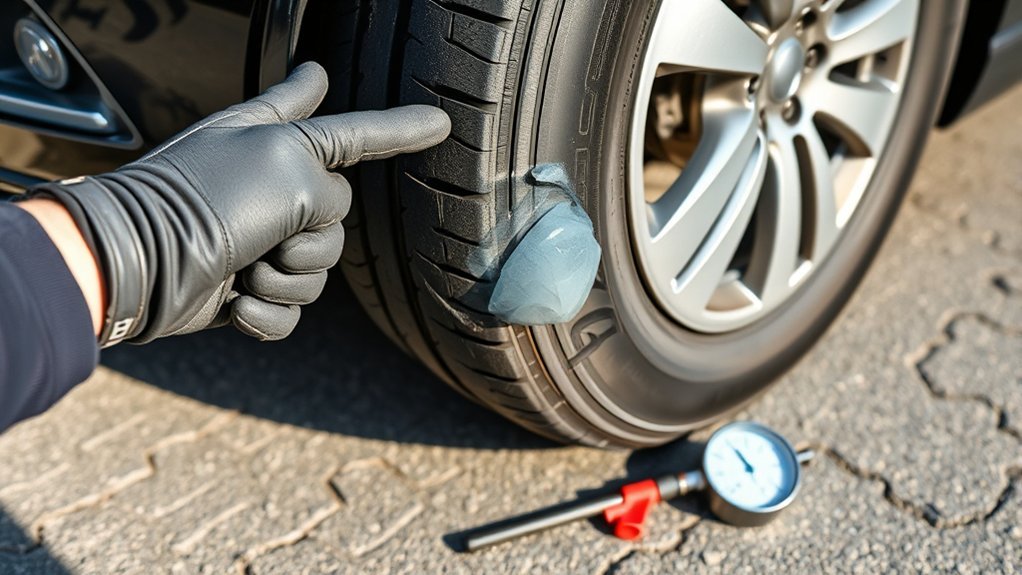
A tire bubble, also called a tire bulge or sidewall bubble, is an outward swelling in the tire’s rubber. It usually appears on the sidewall, but a raised bulge can also appear near the shoulder or tread if internal separation occurs. The important point is simple: an outward bubble means the tire is no longer holding its shape evenly.
Inside a tire, cords, plies, belts, and the inner liner work together to support vehicle weight and hold air pressure. When those layers are damaged, air can move into areas where it does not belong and push the outer rubber outward. Michelin explains that a sidewall bulge or bubble generally indicates damaged cords and that a tire with this damage cannot be repaired safely.
A tire bubble is different from a minor surface scuff. It is a warning that the tire’s load-bearing structure has weakened. Even if the tire still holds air, it should be treated as unsafe.
Note: A smooth inward dimple on a tire sidewall can sometimes be a normal construction mark, but an outward bubble is not normal. If you are unsure, have a tire technician inspect it before driving.
[Products Worth Considering]

EVOULTES heavy duty tire inflator with an integrated gauge delivers accurate pressure readings from 10–120 PSI, helping you inflate, deflate, and check tires in one tool. The 16.5-inch extended dual-head air chuck with swivel base reaches hard-to-access dual wheel valves on trucks and RVs. A brass trigger core and side-mounted air release valve make operation smooth, with standard 1/4" NPT threading and quick-connect compatibility for easy setup.

This portable cordless tire inflator delivers up to 160 PSI with fast 17 L/min airflow to help you quickly top up tires and get back on the road. It features dual power mode, running on a 21V rechargeable battery or a 12V DC adapter for convenient roadside use. An automatic shut-off with digital pressure gauge helps prevent overinflation, and a built-in LED light improves visibility in low-light conditions.

The JACO FlowPro Tire Inflator measures, inflates, and airs down tires up to 100 PSI with battery-free operation and ±2% accuracy after calibration. It features a glowing pressure dial for night visibility, a heavy-duty steel build with a hybrid hose, and a precision push-to-inflate thumb trigger. The patented Lightning Air Chuck locks on for a secure seal, and the kit includes quick-connect hardware for easy inline use with your air compressor.
Is It Safe to Drive on a Tire Bubble?
No. It is not safe to drive on a tire bubble because the tire’s internal structure has already been compromised. A bubbled tire can fail suddenly, especially at highway speeds, during cornering, when braking, or when the tire hits another road hazard.
The danger is not only a flat tire. A sudden blowout can cause rapid air loss and make the vehicle harder to control. The National Highway Traffic Safety Administration has reported nearly 11,000 tire-related crashes and almost 200 deaths on average in TireWise safety material, which is why visible tire damage should never be ignored.
If you see a bubble before a trip, do not start the trip on that tire. If you notice it while already out, avoid high speeds, heavy braking, and sharp steering. Get to a safe place, then use a spare or call roadside help.
A tire bubble is a stop-use warning, not a cosmetic flaw. The safest next step is replacement, not repair.
What Causes Tire Bubbles?
Tire bubbles form when the tire’s internal layers separate or weaken. Sometimes the cause is obvious, such as a hard pothole impact. Other times, the damage happens inside the casing and becomes visible later.
Impact Damage from Potholes, Curbs, and Debris
The most common cause of a tire bubble is impact damage. When a tire hits a pothole, curb, railroad crossing, speed bump, or sharp debris with enough force, the tire can be pinched between the wheel and the road surface. That impact can break or stretch the internal cords.
You may see the bubble right away, or it may appear days later as air slowly pushes into the weakened area. Low-profile tires can be more vulnerable because they have shorter sidewalls and less cushion between the wheel and the road.
Driving on a Flat or Underinflated Tire
Driving on a tire with too little air makes the sidewall flex more than it should. Extra flex creates heat and stress, which can weaken the tire’s internal structure. Driving even a short distance on a flat tire can crush the sidewall and damage the carcass.
NHTSA recommends checking tire pressure at least once a month when the tires are cold and using the pressure listed on the Tire and Loading Information Label or in the owner’s manual, not the maximum pressure printed on the tire sidewall. You can review NHTSA’s tire-pressure guidance on its TireWise tire safety page.
Overloading the Vehicle
Every tire has a load limit. Carrying more weight than the vehicle or tire is designed to handle increases heat and strain. Overloading is especially risky during road trips, when vehicles may be packed with passengers, luggage, tools, trailers, or cargo.
Before carrying heavy loads, check the tire placard and owner’s manual. The U.S. Tire Manufacturers Association advises drivers not to choose replacement tires with less load-carrying capacity than the original equipment tire size at the placard pressure. Its Tire Care and Safety Guide also recommends consulting a tire service professional when tire or wheel selection is complex.
Manufacturing Defects, Hidden Damage, and Aging
Less commonly, a tire bubble can come from a manufacturing defect, such as weak bonding between internal layers. Heat, poor storage, age, and harsh conditions can also weaken tires over time. NHTSA notes that tire aging can occur as rubber and other tire components change due to service, storage, and environmental conditions.
If a bubble appears without an obvious pothole, curb strike, or underinflation event, ask the tire shop to document the damage. Photos, the DOT date code, tread depth, and inspection notes can help if you want to ask about warranty or road-hazard coverage.
What to Do If You Find a Tire Bubble
Once you spot a tire bubble, treat it like an urgent safety issue. Use these steps:
- Stop driving normally. Do not use the tire for commuting, highway driving, towing, or long trips.
- Inspect from a safe place. Park on level ground away from traffic and look for bulges, cuts, exposed cords, sidewall cracks, or wheel damage.
- Check tire pressure. If the tire is low, do not assume air will make it safe again. The bubble still means structural damage.
- Use the spare if available. Follow the vehicle owner’s manual and the spare tire’s speed and distance limits.
- Call roadside assistance if needed. If you do not have a usable spare or safe place to change it, towing is safer than driving on the damaged tire.
- Have the tire and wheel inspected. A hard impact can damage the wheel, alignment, suspension, or another tire on the same side.
- Replace the damaged tire. Match the replacement to the vehicle’s required size, load index, speed rating, and manufacturer recommendations.
Pro Tip: After any hard pothole or curb hit, inspect both the inside and outside sidewalls when it is safe. A bubble may appear on the inner sidewall where it is harder to see.
How Do You Fix a Tire Bubble?
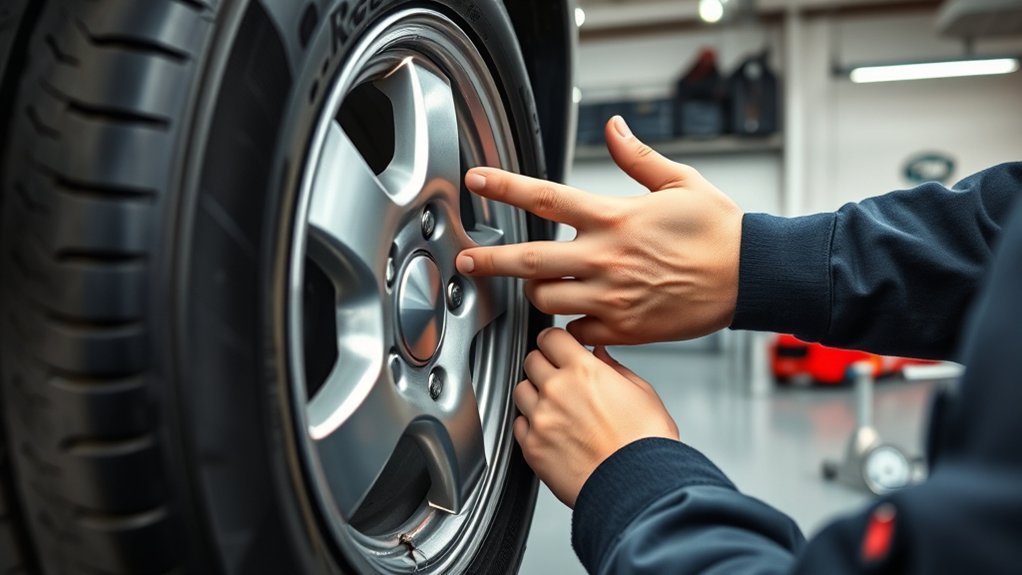
You do not fix a tire bubble with a patch, plug, sealant, or air refill. The safe fix is to replace the tire. A tread puncture may sometimes be repairable when it is small and in the proper repair area, but sidewall damage is different because the sidewall flexes constantly and carries major structural loads.
Bridgestone’s tire repair guidance says sidewall or shoulder damage is one of the conditions where a tire cannot be repaired. The Tire Industry Association also emphasizes that proper tire repair requires a trained technician to remove the tire from the rim and inspect the inside.
Can You Drive to the Tire Shop?
The safest answer is to avoid driving on the bubbled tire. If the vehicle is at home or in a parking lot, install the spare or arrange a tow. If you must move the vehicle a very short distance to get out of traffic, drive slowly, avoid highways, avoid potholes, and stop as soon as you reach a safe location.
Do not “test” the tire for a few more miles. The bubble will not heal, and extra driving can make the internal separation worse.
What If the Tire Blows Out While Driving?
If a tire fails while you are driving, focus on control. NHTSA advises drivers to hold the steering wheel with both hands, avoid panic braking, gradually release the accelerator, correct steering as needed, and pull off the road when it is safe. After stopping, do not stand near traffic while inspecting or changing the tire.
Will Warranty or Insurance Cover a Tire Bubble?
Coverage depends on the cause and your tire paperwork. A manufacturer defect may be handled differently from pothole or curb damage. Road-hazard protection, tire-shop coverage, or some insurance policies may help with impact damage, but terms vary.
Before discarding the tire, ask the shop to document the bubble, tread depth, DOT date code, tire pressure condition, and any visible wheel damage. Keep receipts and photos if you plan to file a claim.
How to Inspect for Tire Bubbles
A simple tire check can catch problems before they become roadside emergencies. Inspect your tires monthly, before long trips, and after any hard impact.
- Look at the sidewalls. Check the outer and inner sidewalls for bulges, cuts, cracks, knots, or exposed cords.
- Use your hands carefully. When the tire is cool and the vehicle is parked safely, feel for raised areas. Do not touch torn rubber or exposed wire.
- Check the tread area. Look for uneven wear, raised spots, embedded objects, or tread separation.
- Measure cold tire pressure. Use a gauge when the vehicle has been parked for at least three hours.
- Pay attention to vibration. Shaking, pulling, thumping, or new road noise after an impact can point to tire, wheel, or alignment damage.
- Inspect the spare. A spare tire helps only if it is inflated, within its usable life, and suitable for temporary driving.
Note: A Tire Pressure Monitoring System is helpful, but it does not replace manual tire checks. TPMS warnings usually appear only when pressure is significantly low, and a bubble can exist even when pressure looks normal.
[Products Worth Considering]

This AUTOWN flat tire repair kit is designed for quick, reliable puncture repairs using a plug kit and spiral probe tool to simplify installation. Built for durability and safe handling, it offers strong adhesion and flexibility to help maintain tire air tightness. With a portable storage case and a multi-vehicle approach, it’s suitable for cars, motorcycles, ATVs, tractors, lawn mowers, RVs, jeeps, and trucks.

Camco Trailer Aid Plus tandem tire ramp lifts your trailer for quick, safe tire changes with ample clearance from its 5 1/2-inch lift. It helps you change a flat tire without unloading cargo, making roadside and routine maintenance more efficient. The heavy-duty, waterproof and rustproof polymer design supports up to 15,000 lb and is built for easy portability and storage.
How Can You Prevent Tire Bubbles?
You cannot prevent every pothole or road hazard, but you can reduce the chance of tire bubbles with steady tire care and careful driving.
- Maintain proper inflation. Check pressure monthly when tires are cold and use the vehicle placard or owner’s manual.
- Slow down for hazards. Potholes, curbs, railroad crossings, debris, and speed bumps are common bubble triggers.
- Avoid curb pinches. Scrubbing or striking a curb can damage the sidewall even if the tire does not go flat immediately.
- Respect load limits. Do not overload the vehicle or tires, especially during trips or towing.
- Rotate and align on schedule. Regular rotation and alignment can reduce uneven stress and help tires wear more evenly.
- Replace aging or damaged tires. Bulges, deep cracks, exposed cords, repeated pressure loss, and severe uneven wear are reasons to stop using a tire.
- Buy the right tire for the vehicle. Choose the proper size, load index, speed rating, and construction recommended by the vehicle manufacturer.
Replacement Tips: Choose the Right Tire
When a bubbled tire needs replacement, do not guess. Check the Tire and Loading Information Label, usually on the driver’s door edge or doorjamb, and confirm the size, load index, speed rating, and pressure recommendations in the owner’s manual.
For many vehicles, replacing one tire may be acceptable when the new tire closely matches the remaining tires. On some all-wheel-drive and four-wheel-drive vehicles, however, tire diameter differences can affect the drivetrain. Check the owner’s manual or ask a qualified tire professional before replacing only one tire.
If two tires are replaced, many tire safety guides recommend placing the newer pair on the rear axle for better stability on wet roads. A tire professional can confirm the right approach for your vehicle, tire type, and drivetrain.
Frequently Asked Questions
How can I get a bubble in my tire?
You can get a tire bubble by damaging the tire’s internal structure. Common causes include hitting a pothole or curb, driving too fast over a speed bump, running the tire underinflated, driving on a flat tire, overloading the vehicle, or having a defect inside the tire.
What causes a bubble to get in your tire?
A bubble forms when the tire’s inner liner, cords, or plies separate or weaken. Air then pushes into the damaged area and creates an outward bulge. Impact damage is the most common cause, but underinflation, overload, heat, aging, and manufacturing defects can also contribute.
Can a tire bubble go away on its own?
No. A tire bubble will not go away on its own because the damage is inside the tire’s structure. Adding air, releasing air, using sealant, or waiting will not restore the damaged cords or plies. The tire should be replaced.
Where can I get my tire bubble fixed?
You can go to a tire shop, dealership, roadside service provider, or qualified auto service center, but the tire usually will not be “fixed.” It will need replacement. Ask the technician to inspect the wheel and document the damage if you plan to check warranty or road-hazard coverage.
Is a small tire bubble safe to drive on?
No. Even a small bubble means the tire structure has weakened. The size of the bulge does not tell you how close the tire is to failure. Use a spare or tow the vehicle instead of driving normally on the damaged tire.
Can tire sealant fix a bubble?
No. Tire sealant may temporarily slow some air leaks, but it cannot repair broken cords, separated plies, or sidewall damage. A bubbled tire needs replacement.
Is a sidewall indentation the same as a tire bubble?
Not always. A slight inward indentation can sometimes be related to normal tire construction, but an outward bulge or bubble is a danger sign. If the shape is raised, growing, uneven, or near other damage, stop using the tire and have it inspected.
Will a tire warranty cover a bubble?
It depends on the cause and your coverage. A manufacturing defect may be handled under a tire warranty, while pothole or curb damage may require road-hazard coverage. Keep the tire, take photos, and ask the shop to document the inspection before filing a claim.
Conclusion
A tire bubble is a serious warning that the tire’s internal structure has failed. It may come from a pothole, curb strike, underinflation, overload, flat-tire driving, hidden damage, or a defect, but the response is the same: stop using the tire and replace it. Do not rely on patches, plugs, sealant, or extra air. Inspect your tires regularly, maintain the correct cold pressure, avoid road hazards when possible, and choose the correct replacement tire for your vehicle. Prevention is cheaper and safer than dealing with a blowout on the road.
Sources
- Michelin USA — Sidewall Problems: Bulge or Bubble — supports the explanation that a bulge indicates damaged cords and cannot be repaired.
- Bridgestone Americas — Tire Repair — supports the guidance that sidewall or shoulder damage is not repairable.
- NHTSA TireWise — Tire Safety Ratings and Awareness — supports tire pressure, TPMS, tire maintenance, tread, and blowout safety guidance.
- NHTSA — Be TireWise! — supports the tire-related crash and fatality statistics cited in the article.
- U.S. Tire Manufacturers Association — Tire Care and Safety Guide — supports tire replacement, load capacity, placard, and damaged-tire guidance.
- Tire Industry Association — Tire Repair — supports professional tire inspection and proper repair practices.

Related Articles
Can You Drive on Tires With Cords Showing?
Hoping to keep driving on tires with cords showing, but what’s really at risk may surprise you.
Read More
What Is Hydroplaning? Causes and How to Prevent It
Glide into the surprising causes of hydroplaning and the simple ways to stop it before your tires lose grip.
Read More
Can You Drive on a Tire With a Bulge? Safety Risks
Can you drive on a tire with a bulge, or is a sudden blowout lurking around the corner?
Read More