
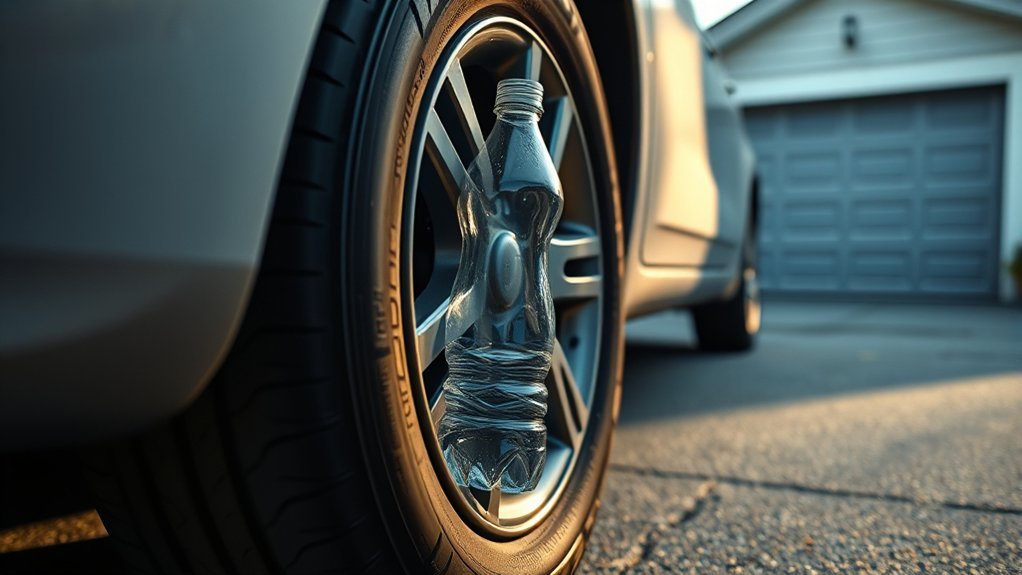
You usually do not put a plastic bottle on your tire for any real mechanical reason. The viral claim is best treated as an unproven car myth, not a tire-safety method, theft-prevention tool, or parking-brake substitute. If you find a bottle near your wheel, stay calm, check your surroundings, remove the object only when it is safe, and rely on proven parking and vehicle-security habits instead.
Quick Answer
A plastic bottle on your tire usually has no proven mechanical meaning. It may be litter, a prank, an improvised marker, or a distraction. Do not treat it as a confirmed theft warning. Check your surroundings, remove it safely, inspect the wheel area, and use real parking and security habits.
Key Takeaways
- A plastic bottle on a tire is not a proven theft deterrent, parking aid, tire-protection method, or pressure-checking tool.
- Most cases are likely pranks, litter, misleading online content, or improvised markers rather than a confirmed criminal signal.
- If you find one, look around first, keep your doors locked, and remove it only when the area feels safe.
- Never rely on a bottle to hold a parked vehicle. Use the parking brake, correct wheel direction on hills, and proper wheel chocks when needed.
- Share the claim carefully because fear-based car myths can spread faster than verified safety advice.
What’s the Plastic Bottle Tire Trick?
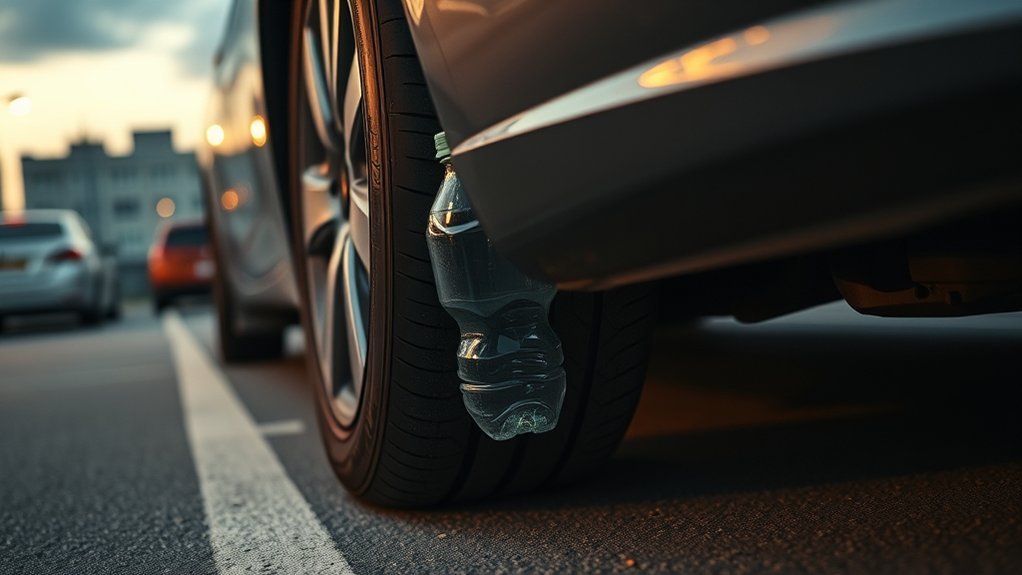
The plastic bottle tire trick is a viral claim that says a bottle placed near a tire can stop theft, prevent wheel jamming, warn you about tire problems, or help with parking. Those claims sound simple, but they do not match normal vehicle-safety practice.
A bottle does not lock a wheel, inspect a tire, stop a thief, or hold a vehicle on a hill. It can also make a loud crunch if you drive away, which may startle you or make you stop in an unsafe place. Treat the bottle as an object to remove safely, not as a tool.
Warning: Do not drive off with any object wedged near your tire, wheel, brake area, or fender liner. Check the area first. If the bottle is stuck or you see damage, do not force the vehicle to move.
Where Did the Rumor Start?
The exact starting point is hard to prove because the claim has appeared in many forms across social media, clickbait ads, short videos, and reposted warning messages. Some versions frame the bottle as a clever anti-theft signal. Others describe it as a parking trick, trailer marker, or tire-problem warning.
The problem is that repetition does not make the claim true. A post can look convincing when it uses a specific bottle, brand image, dramatic headline, or personal story. Still, the detail does not prove the method works. For a vehicle-safety claim, look for official driving guidance, tire-safety guidance, or a named expert source, not just a viral caption.
Does a Plastic Bottle on a Tire Work?
No, a plastic bottle on your tire does not work as a dependable theft deterrent, parking brake, tire diagnostic tool, or wheel chock. It offers no reliable mechanical hold and does not tell you whether your tire pressure, tread, valve stem, or sidewall is safe.
If your goal is tire safety, inspect the tire directly and check pressure with a gauge when needed. NHTSA tire-safety guidance focuses on real checks like tire pressure, tread condition, tire size, TPMS warnings, rotation, balance, and alignment. A plastic bottle is not part of that safety process.
NHTSA reported 511 deaths in tire-related crashes in 2024. That is why tire checks should rely on pressure gauges, tread checks, and visible inspections, not viral shortcuts.
What the Bottle Can and Cannot Tell You
| Claim | Reality | Better Action |
|---|---|---|
| It proves someone is trying to steal your car | Not proven. It could be a prank, litter, marker, or distraction. | Check your surroundings and use normal anti-theft steps. |
| It protects the tire | False. A bottle cannot check pressure, tread, leaks, or sidewall damage. | Use a tire-pressure gauge and inspect the tire directly. |
| It works like a wheel chock | False. A plastic bottle can crush, slide, or roll away. | Use the parking brake and rated wheel chocks when needed. |
| It warns you about a flat tire | Unreliable. It may sit near a perfectly normal tire. | Check for low pressure, punctures, rubbing, or visible damage. |
Why Some Drivers Treat It as a Warning
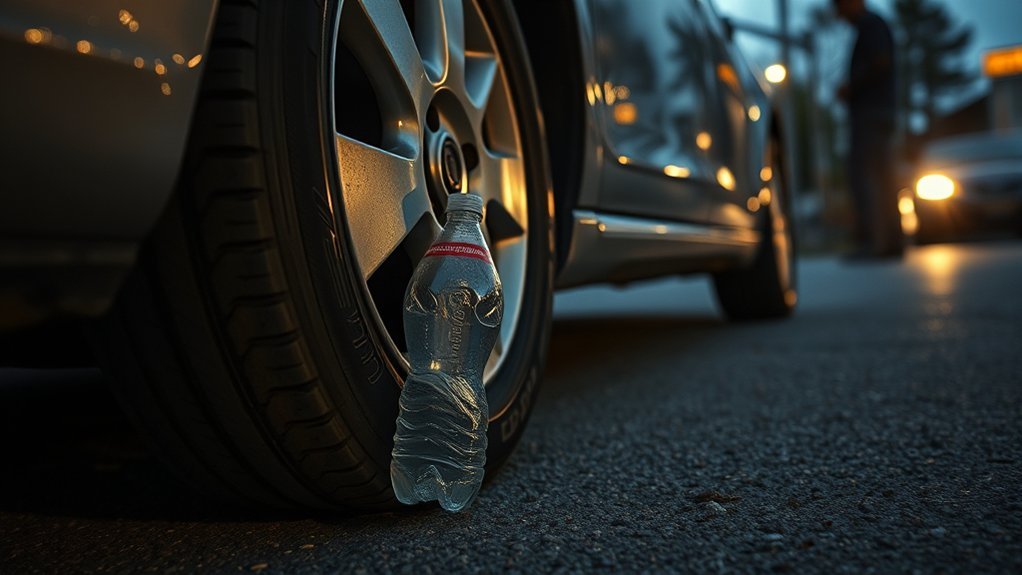
Some drivers treat a bottle on a tire as a warning because it could distract you. If the bottle crunches when you start moving, you may stop, look down, or step out quickly. That moment can pull your attention away from the people and vehicles around you.
This does not mean every bottle is a theft signal. It only means you should respond with awareness. Before you get out, look around through your windows and mirrors. If the area feels suspicious, stay inside, lock the doors, and move to a brighter or busier place if you can do so safely without driving over an obstruction.
| What You Notice | What It Could Mean | Safer Response |
|---|---|---|
| Bottle tucked near tire | Prank, litter, marker, or distraction | Check surroundings first |
| Crunching sound while moving | Object being crushed by tire | Stop only where safe |
| Someone watching closely | Possible distraction setup | Keep doors locked and leave the area if safe |
| Bottle stuck in wheel area | Possible obstruction | Remove it before driving |
When the Bottle Is Just a Prank
Sometimes the plastic bottle on a tire is just a prank. The person who placed it may expect the bottle to pop, crackle, or startle the driver. That does not make the prank harmless, but it does make it different from a proven theft method.
You should not panic when you see one. Look around, remove the bottle if it is safe, and check that nothing is lodged near the tire, brake, or wheel well. A calm response protects you better than guessing what the prank was meant to do.
How the Bottle Trick Could Be Used as a Distraction
A plastic bottle on your tire could become a distraction because it makes noise or draws your eyes downward. If you step out quickly to check it, you may stop watching your surroundings, your open door, your bag, or your running vehicle.
That is the realistic risk. The bottle itself is not powerful or technical. The risk comes from your reaction. If something feels staged, do not rush. Lock your doors, keep your keys with you, and scan the area before you open the door. NHTSA vehicle-theft prevention guidance also recommends taking your key, locking windows and doors, parking in well-lit areas when possible, and keeping valuables out of sight.
Note: A suspicious object near your vehicle is not proof of a crime. Treat it as a reason to slow down, check the area, and make a safer decision.
What to Do If You Find a Bottle on Your Tire
If you find a plastic bottle on your tire, treat it as an unknown object first. Do not assume it is harmless, but do not assume it proves a theft attempt either. Your goal is to avoid panic and avoid giving up control of the situation.
At a Glance
| Time Required | 1 to 3 minutes for a basic safety check |
| Difficulty | Easy, if the area feels safe |
| Tools Needed | None for removing a loose bottle; flashlight and tire-pressure gauge help with inspection |
| Cost | Usually free, unless the tire or wheel area is damaged |
- Stay inside for a moment. Look around the vehicle before opening the door.
- Lock the doors. Keep your keys, phone, wallet, and bag with you.
- Check for people nearby. If someone seems to be watching or waiting, do not step out casually.
- Move only if the wheel area is clear. If the bottle is loose, not wedged, and you can move without running it over, drive slowly to a brighter, busier place if that feels safer.
- Remove the bottle safely. If the area feels safe, pick it up and check the tire, valve stem, wheel well, brake area, and ground nearby.
- Inspect for damage. Look for a puncture, fluid, broken plastic, rubbing marks, a low tire, a TPMS warning, or anything stuck near the wheel.
- Get help if something looks wrong. If you see damage or the object is stuck, stop driving and call roadside assistance, building security, or a qualified repair shop.
[Products Worth Considering]
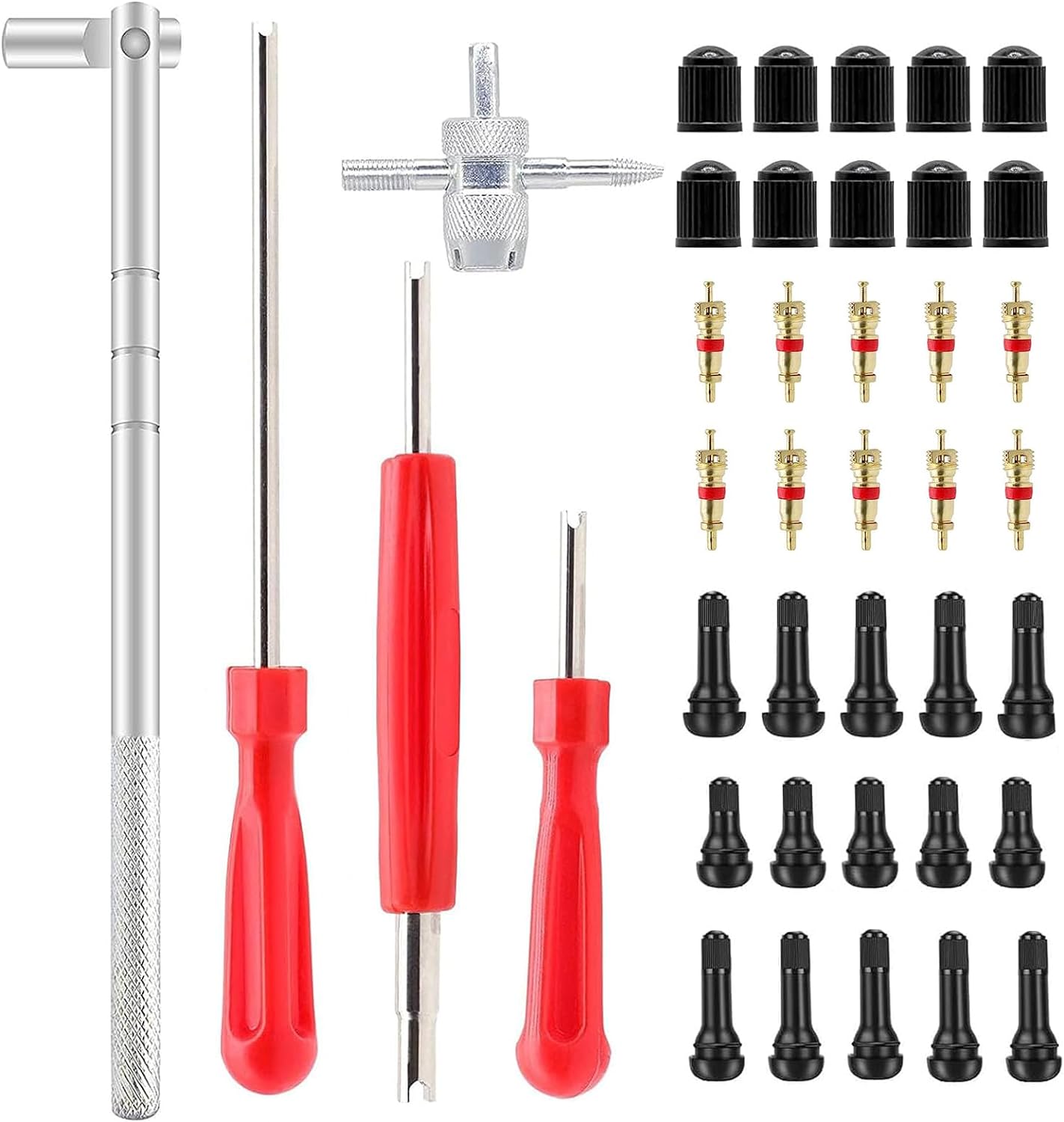
This ZHSMS valve stem puller and installer tool set makes it easy to remove and install tire valve stems without damaging wheels or valves. It uses a leverage design to save effort and includes valve stem tools plus removable valve core functionality for quick tire repairs. Compatible with tubeless tires for passenger cars, motorcycles, ATVs, off-road vehicles, and trucks.

The SAFELIFE dial tire tread depth gauge measures tread depth in 1/32 inch increments with clear, easy-to-read 2-inch dial face. Color zones using a traffic light system help you quickly judge whether tread is low, marginal, or ample for safer driving. Built with a durable zinc cast body and a metal detect probe for precise, comfortable use across cars, motorcycles, trucks, and buses.

MaxxHaul solid rubber wheel chocks provide dependable vehicle stabilization for cars, trucks, trailers, and RVs across driveways, slopes, garages, and campsites. The molded non-slip traction surface helps prevent tire movement on pavement, gravel, and smooth floors, while the solid rubber resists cracking, crushing, deformation, and weather wear. A built-in handle enables quick, tool-free placement and removal for convenient use in all seasons.
What Not to Do
- Do not jump out with the engine running. Take your key and keep control of the vehicle.
- Do not leave your bag, phone, or wallet on the seat. Keep valuables with you or out of sight.
- Do not crawl under the vehicle in a public lot. If you cannot see the object clearly, get help.
- Do not drive over a wedged bottle. It may break, jam, rub, or pull your attention away from traffic.
- Do not share the claim as a confirmed theft warning. Say it is unproven unless you have a verified local safety notice.
Pro Tip: Keep a small flashlight and tire-pressure gauge in your car. They help you check the wheel area without relying on guesses or viral advice.
When to Call Security, Police, or Roadside Help
You do not need to call police every time you see a bottle near your tire. Most cases do not point to a crime. Still, you should ask for help if the situation feels staged, unsafe, or physically damaging to the vehicle.
- Call store or building security if someone is watching you, following you, or waiting near your vehicle.
- Call police or local emergency services if you feel threatened, see an active break-in, or cannot safely leave the area.
- Call roadside assistance if the bottle is stuck near the wheel, the tire looks damaged, or you hear rubbing after removal.
- Call a tire shop if the tire loses air, the valve stem looks damaged, or the TPMS warning stays on.
[Products Worth Considering]
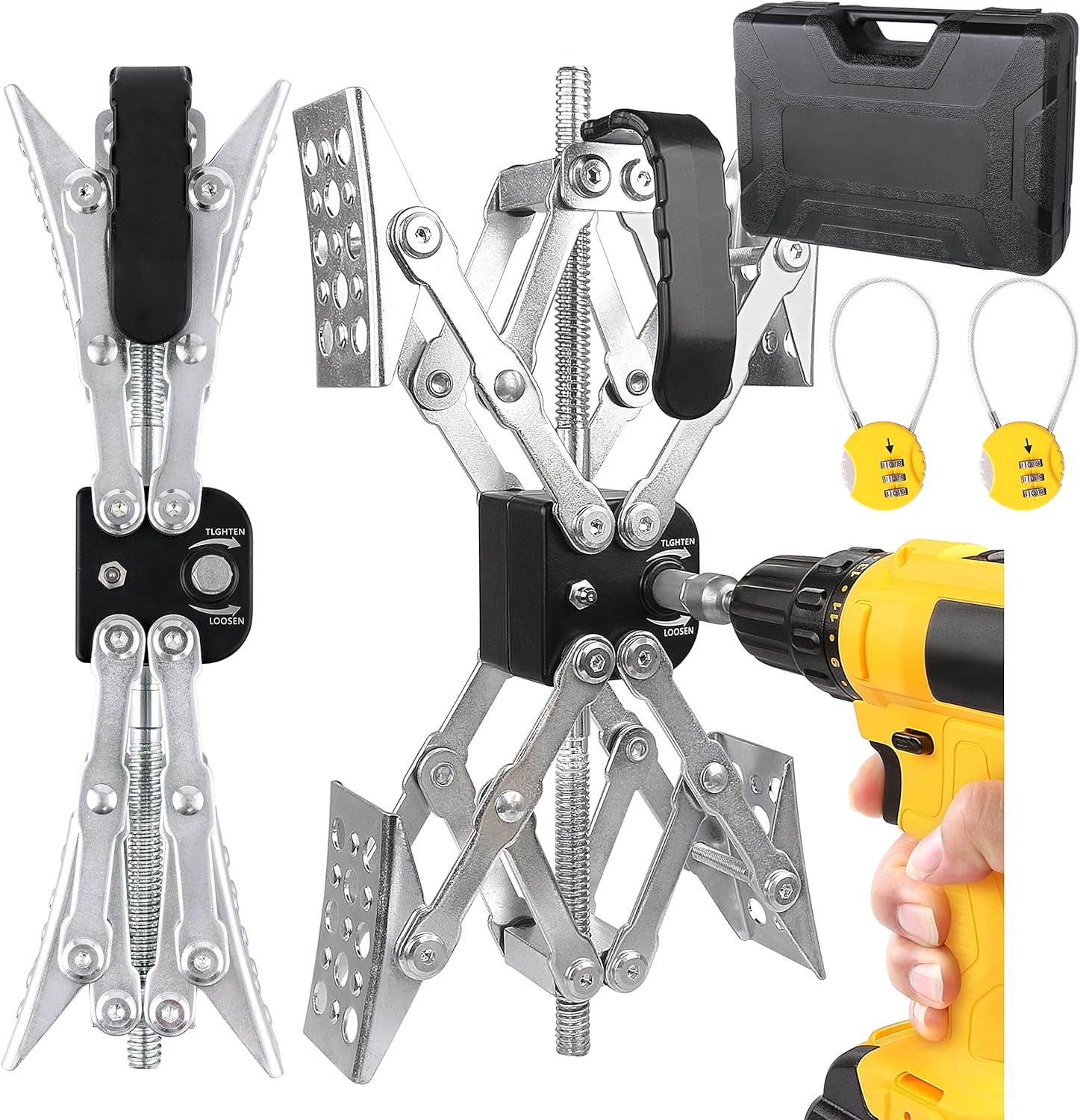
Lock the Maxchock X-style wheel stabilizers between tandem tires to reduce sway and keep your RV travel trailer secure while camping. The adjustable design fits a wide range of wheel gaps, and included hardware lets you install quickly with a power drill. Built from heavy-gauge steel with zinc plating, the chocks include locks and an organizer case for safer, more convenient use.

Secure your parked vehicle quickly with AFA Tooling 4T rubber wheel chocks in a 4-pack for two dual-wheel sets. The ribbed design and textured base grip fast without pounding, so you can chock tires on trailers, RVs, ATVs, and work vehicles with confidence. EZ rustproof handles with rope ties keep the pair together for easy placement and removal, while nylon-reinforced rubber stands up to dirt, ice, salt, and harsh weather.

Camco’s RV wheel chocks with an attached rope help keep your travel trailer securely in place for safer unhitching or parking. This 2-pack is compatible with wheels up to 26-inch diameter and features durable UV-resistant construction for reliable outdoor performance. The rope enables quick, safe removal so you can prepare for your next trip with less hassle.
Why It Doesn’t Replace a Parking Brake
A plastic bottle on a tire does not replace a parking brake because it cannot apply dependable mechanical force. It can crush, slide, roll away, or break. It also cannot hold the vehicle’s weight on a slope.
Use the system built for the job. The Highway Code parking guidance tells drivers to apply the handbrake before leaving a vehicle and, on hills, to use the correct gear or Park with proper wheel direction. A bottle cannot do any of that.
If your parking brake feels weak, loose, stuck, or noisy, have it inspected. Do not create a workaround with a bottle, rock, brick, or other improvised object.
Safer Ways to Park on Hills
When you park on a hill, use three layers of protection: set the parking brake, turn your wheels correctly, and use the right gear or Park. If you are parking a trailer, working on a vehicle, or parking on a steep surface, use proper wheel chocks rated for the job.
[Products Worth Considering]

Accurately measure tire tread depth with a calibrated gauge marked from 0 to 1 inch in 1/32 inch increments. The color-coded bar helps you quickly identify tread condition ranges, supporting safe driving for trucks, motorcycles, automobiles, and passenger vehicles.

ETENWOLF’s calibrated tire pressure gauge delivers accurate readings for cars, trucks, motorcycles, bikes, SUVs, RVs, and ATVs across a 0–75 PSI range. The large glow dial improves visibility in low light, while the 360° swivel chuck makes it easy to check valve pressure from any angle. It’s designed to stay accurate even in extreme hot or cold weather.

ETENWOLF T300 is a calibrated digital tire pressure gauge for accurate readings from 3 to 200 PSI across light and heavy-duty vehicles. It includes thermal compensation for reliable performance in extreme cold or heat, with an auto shut-off to extend battery life and an LED for easier reading. The sturdy design supports rugged everyday use, making it ideal for pickups, RVs, and industrial applications.
Wheel Chock Basics
A wheel chock is a wedge-shaped block placed against a tire to help keep a vehicle from rolling. It is not the same as a random plastic bottle. A real chock is shaped, sized, and built to resist tire movement.
Place the chock on the downhill side of the tire so the vehicle would roll into the wedge. Use chocks that match the vehicle, surface, and load. Chocks add protection, but you should still set the parking brake and follow your vehicle owner’s manual. In worksite loading contexts, federal OSHA rules for powered industrial trucks require brakes and wheel chocks or blocks in specific situations, which shows why proper movement controls need purpose-built equipment.
Turn Wheels Properly
Wheel direction matters because the curb can help block the tire if the vehicle starts to roll. If you park facing downhill, turn the front wheels toward the curb. If you park facing uphill, turn the front wheels away from the curb. On roads without a curb, turn the wheels so the vehicle would roll away from traffic if it moved. Always follow your local driver handbook and your vehicle owner’s manual.
| Parking Situation | Wheel Position | Extra Step |
|---|---|---|
| Facing downhill with a curb | Toward the curb | Apply parking brake and use reverse gear or Park |
| Facing uphill with a curb | Away from the curb | Apply parking brake and use a forward gear or Park |
| No curb | Away from traffic | Apply parking brake and consider proper chocks if needed |
The key point is simple: wheel direction, gear selection, and the parking brake are real safety steps. A plastic bottle is not.
How to Spot Tire Myths Before Sharing Them
Before you share a tire tip, ask where it came from and what evidence supports it. Viral car advice often spreads because it feels clever, urgent, or scary. That does not mean it is true.
- Check the source. Look for official driving agencies, tire manufacturers, vehicle manuals, or recognized safety organizations.
- Watch for vague wording. Phrases like “experts say” or “drivers are warned” need named sources.
- Be careful with fear posts. A dramatic theft warning may be designed to get clicks, not keep you safer.
- Look for mechanical logic. If the object cannot apply force, measure pressure, or inspect damage, it is not a real tire tool.
- Use proven checks. Inspect tire pressure, tread, sidewalls, valve stems, wheel wells, and visible damage instead of relying on a trick.
Frequently Asked Questions
Why put a plastic bottle on your car when parked?
Some people put a plastic bottle near a tire as a prank, improvised marker, or viral “warning” trick. It is not a proven theft deterrent and should not replace normal safety steps. If you find one, check your surroundings, remove it safely, and inspect the wheel area before driving.
Is a plastic bottle on my tire a theft warning?
Not by itself. A bottle near your tire is not a confirmed theft signal. It may be litter, a prank, or a distraction. Treat it cautiously, but rely on proven security habits: keep doors locked, take your keys, hide valuables, and park in visible areas when possible.
Why do truck drivers put plastic bottles on their wheels?
In some cases, a bottle or bright object could be an improvised visual marker in a yard, lot, or low-light area. That does not make it a reliable tire diagnostic tool or wheel chock. Truck and trailer safety should rely on proper inspections, rated chocks, company procedures, and manufacturer guidance.
Why put an empty water bottle on your car tire?
You normally should not put an empty water bottle on your car tire. It does not protect the tire, stop theft, or hold the vehicle still. If you need a reminder to check a tire, use your phone, a maintenance log, or a tire-pressure gauge instead.
What does a bottle of water on your tire mean?
A bottle of water on your tire does not have one confirmed meaning. It may be litter, a prank, a marker, or a possible distraction. Treat it cautiously, look around before getting out, remove it when safe, and inspect the tire area before you drive.
Can I drive away if there is a bottle near my tire?
Do not drive away if the bottle is wedged near the tire, wheel, brake area, or fender liner. If it is loose and the wheel area looks clear, you may move slowly to a safer, brighter place before inspecting it. Stop if you hear rubbing, scraping, or a repeated noise.
What should I check after removing the bottle?
Check the tire tread, sidewall, valve stem, wheel well, brake area, and ground nearby. Look for punctures, leaks, broken plastic, rubbing marks, a low tire, or a TPMS warning. If anything looks damaged or the tire loses air, get professional help before driving farther.
Conclusion
A plastic bottle on your tire is not a proven car-safety hack. In most situations, it is more likely to be a prank, litter, marker, or online myth than a reliable warning. Still, you should not ignore it. Check your surroundings, remove the bottle when safe, and inspect the tire area before driving.
For real safety, skip the viral shortcut. Use your parking brake, turn your wheels correctly on hills, lock your vehicle, keep valuables out of sight, and check your tires with proper tools.
Sources
- NHTSA Tire Safety — supports tire-pressure checks, tread inspection, TPMS guidance, tire maintenance, and the 2024 tire-related crash fatality figure.
- NHTSA Vehicle Theft Prevention — supports locking doors and windows, taking keys, parking in well-lit areas, and keeping valuables out of sight.
- GOV.UK Highway Code: Waiting and Parking — supports handbrake use, hill-parking wheel direction, gear/Park guidance, and safe parking habits.
- eCFR 29 CFR 1910.178: Powered Industrial Trucks — supports the principle that proper wheel chocks or wheel blocks are purpose-built movement controls in regulated loading contexts.
