
A damaged Sonata tire can turn a normal drive into a costly repair, especially if a nail, pothole, or curb strike caused the problem. Hyundai’s factory tire warranty usually focuses on material or workmanship defects, not everyday road damage. To get help with many sudden road hazards, you’ll need a separate road-hazard protection plan or tire retailer coverage. This guide explains what may qualify, what usually gets denied, and how to protect your claim.
What’s in This Article
- Quick Answer: Does the Sonata Road-Hazard Warranty Cover My Tire Damage?
- Which Road Hazards Does the Sonata Road-Hazard Warranty Cover?
- What Tire Damage Is Not Covered by Sonata Road-Hazard Plans?
- How Long Does Sonata Road-Hazard Coverage Last and What Mileage Limits Apply?
- How Do Sonata Warranty Claims and Prorated Reimbursements Work?
- Step-by-Step: How to File a Sonata Tire Road-Hazard Claim
- How Tire Maintenance (Rotation, Pressure, Alignment) Affects Warranty Claims
- Should You Buy Optional Road-Hazard Protection or Rely on the Factory Warranty?
- Cost, Documentation, and Practical Tips Before You File a Claim
- Get Help in Honolulu: Jerry V’s Honolulu Hyundai Inspections and Claims Assistance
- Frequently Asked Questions
Quick Answer: Does the Sonata Road-Hazard Warranty Cover My Tire Damage?
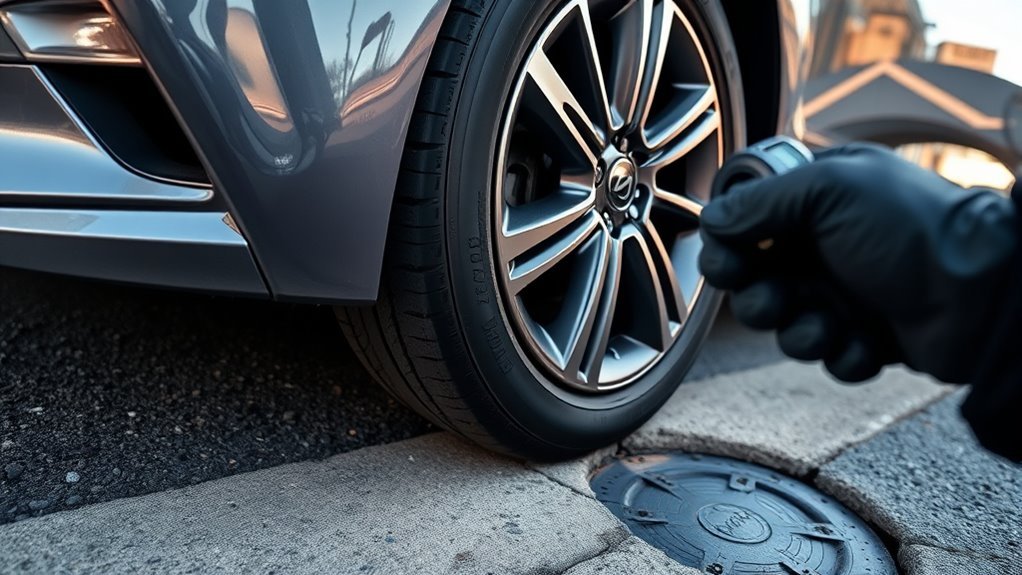
A Sonata road-hazard claim may cover tire damage only if you bought a qualifying optional protection plan. Factory tire coverage usually applies to defects in materials or workmanship, not damage from nails, potholes, curbs, glass, or road debris. Your exact plan decides whether you get a repair, replacement, or prorated credit.
Key Takeaways
- Check your tire paperwork before you assume road-hazard damage qualifies for coverage.
- Keep receipts, tire service records, photos, and inspection reports for every claim.
- Report tire damage quickly and use an authorized service center when your plan requires it.
- Expect prorated credits when the plan bases payment on remaining tread depth.
- Maintain correct tire pressure, rotations, and alignment to avoid claim disputes.
You’ll want to document damage right away and use the service network listed in your contract. Clear records help show that a sudden road hazard caused the failure, not poor maintenance or normal wear.
Read the plan before you file. Pay close attention to covered hazards, exclusions, reimbursement formulas, service location rules, and deadlines.
Which Road Hazards Does the Sonata Road-Hazard Warranty Cover?
Optional Sonata road-hazard protection usually targets sudden tire damage from specific objects or road conditions. It does not cover slow wear, age cracks, or failures caused by neglect.
- Punctures from nails, screws, and sharp debris that enter the tread
- Cuts from glass or metal fragments that damage the tire
- Pothole strikes that cause sidewall bulges or structural failure
- Immediate blowouts linked to sudden outside road damage
- Eligible repair or replacement costs under the plan’s rules
Your plan may treat tread damage and sidewall damage differently. Some contracts pay for repair when a safe repair can fix the tire, while others offer replacement when the tire cannot be repaired.
Inspect your tires after a hard impact. Take clear photos before repair work starts, because claim reviewers often need proof of the original damage.
What Tire Damage Is Not Covered by Sonata Road-Hazard Plans?
You should expect exclusions even when you paid for extra coverage. Most plans limit coverage to sudden, accidental damage and deny claims tied to preventable wear or improper use.
Road Hazard Exclusions
Read the exclusions as closely as the coverage list. They control what the plan can deny, even when the damage happened on the road.
- Normal tread wear from everyday driving
- Damage from racing, off-road use, or misuse
- Cosmetic tire damage that does not affect safety
- Damage from vandalism, collision, or theft unless the plan says otherwise
- Claims filed after the deadline or without required proof
Note: Some contracts cover nails and potholes, while factory tire warranties usually do not, so your written plan controls the answer.
Maintenance-Related Damage
Maintenance problems can also defeat a claim. Under-inflation, over-inflation, skipped rotations, and poor alignment can create wear patterns that look preventable.
Keep tire pressure, rotation, and alignment records in one place. If a claim reviewer questions your maintenance, those records can help show you cared for the tires.
Normal wear and tear sits outside most tire protection plans. If your tread simply wore down through use, a road-hazard claim will likely fail.
How Long Does Sonata Road-Hazard Coverage Last and What Mileage Limits Apply?
Road-hazard coverage length depends on the plan you bought. Some plans run for a set number of months, some end at a tread-depth limit, and some follow a mileage cap.
Do not rely on a general term you heard at the dealership. Confirm the start date, expiration date, mileage cap, tread-depth limit, and transfer rules in your own contract.
- Confirm the purchase date and coverage start date
- Check whether the plan ends at a specific tread depth
- Compare any mileage cap with the tire maker’s warranty
- Ask whether reimbursement changes as tread wears down
- Keep receipts to preserve claim eligibility
Many plans use prorated payouts as tires age. That means your credit may shrink as tread depth decreases.
How Do Sonata Warranty Claims and Prorated Reimbursements Work?

To file a Sonata tire claim, start by confirming which warranty applies. A factory tire claim usually focuses on material or workmanship defects, while optional road-hazard protection focuses on sudden road damage.
Reimbursement may depend on remaining tread depth. The service center or plan administrator may inspect the tire, measure tread, review your records, and issue repair approval, replacement approval, or a credit.
Claim Eligibility Criteria
You’ll need to prove that the tire and damage fit the plan terms. A strong claim uses clear documents and a prompt inspection.
- Bring the original purchase receipt and plan paperwork.
- Provide maintenance logs for pressure checks, rotations, and alignments.
- Let an authorized technician inspect and document the damage.
- Show that the damage was sudden, not caused by neglect or wear.
- File within the plan deadline and keep written confirmation.
Prorated Credit Calculation
Prorated credit usually reflects unused tread life. In simple terms, more remaining tread can mean a higher credit toward repair or replacement.
The inspection matters because the measured tread depth drives the calculation. Ask the service center to explain the tread measurement, replacement price, fees, and final credit in writing.
Some plans do not cover mounting, balancing, taxes, or disposal fees. Confirm those costs before you approve the repair.
Documentation And Timeline
Build your claim file before you contact the service center. Include your receipt, plan contract, maintenance records, photos, inspection report, and repair estimate.
- Keep the original tire or vehicle purchase receipt.
- Log maintenance dates, mileage, and service locations.
- Ask for an inspection report from the authorized center.
- Record the claim submission date and claim number.
- Save all emails, texts, invoices, and reimbursement details.
Fast action helps. Delays can make the cause harder to prove and may cause missed deadlines.
Step-by-Step: How to File a Sonata Tire Road-Hazard Claim
Start by locating your Sonata’s tire warranty document or road-hazard plan. Confirm that the damage type, claim deadline, service center, and tire condition meet the rules.
- Take clear photos of the tire, tread, sidewall, and object or impact point.
- Record the date, location, mileage, and driving conditions when the damage happened.
- Gather your receipt, tire specifications, vehicle identification number (VIN), and service records.
- Contact the authorized Hyundai service center, tire retailer, or plan administrator named in your contract.
- Request a written inspection report and claim reference number.
- Submit all required documents before the deadline.
- Review the approval, denial, or prorated credit before you authorize paid work.
Keep copies of every message, work order, and claim form. If the plan denies your claim, ask for the denial reason in writing.
[Products Worth Considering]

Accurately measure tire tread depth with a calibrated gauge marked from 0 to 1 inch in 1/32 inch increments. The color-coded bar helps you quickly identify tread condition ranges, supporting safe driving for trucks, motorcycles, automobiles, and passenger vehicles.

Measure tire tread depth quickly and accurately with this LUMITECO dial gauge that reads in 1/32" increments up to 14/32". The color-coded green/yellow/red zones make it easy to judge tire wear and know when replacement is needed. A rugged, compact design with a protective pouch helps keep the gauge ready for use on cars, trucks, motorcycles, and more.

Monitor tire tread wear with a smart, color-coded depth gauge that shows clear condition ranges at a glance. The bar is range marked for fast, easy readings, helping you maintain safer traction and performance. Each gauge is portable with a pocket clip, and the set includes 20 units for daily use and sharing.
How Tire Maintenance (Rotation, Pressure, Alignment) Affects Warranty Claims
Routine tire care can decide whether your claim looks valid. A tire with uneven wear, low-pressure damage, or ignored alignment problems may fail review.
Document tire rotations, pressure checks, and alignments. Time-stamped maintenance records and photos can protect warranty claims.
- Log each tire rotation with the date, mileage, and service location.
- Record tire pressure checks and note repeated pressure loss.
- Schedule alignment checks after hard pothole strikes or uneven wear.
- Keep invoices and technician notes with your warranty paperwork.
- Photograph tread depth and unusual wear during routine checks.
Check small issues early. A slow leak, sidewall bubble, or uneven tread pattern can become a safety risk and a claim problem.
Warning: Do not keep driving on a tire with a sidewall bulge, exposed cords, or repeated pressure loss.
Should You Buy Optional Road-Hazard Protection or Rely on the Factory Warranty?

You should compare the plan cost with your real risk. Factory tire warranty coverage usually helps with defects, while optional road-hazard protection may help with nails, potholes, glass, and road debris.
The best choice depends on where and how you drive. Rough roads, construction zones, long commutes, and low-profile tires can raise your chance of tire damage.
[Products Worth Considering]

The SAFELIFE dial tire tread depth gauge measures tread depth in 1/32 inch increments with clear, easy-to-read 2-inch dial face. Color zones using a traffic light system help you quickly judge whether tread is low, marginal, or ample for safer driving. Built with a durable zinc cast body and a metal detect probe for precise, comfortable use across cars, motorcycles, trucks, and buses.

Steelman white tire marking crayons provide high-contrast, semi-permanent marks for repairing and inspecting tires and equipment. They write on wet or dry, smooth or coarse surfaces including rubber, metal, glass, and wood, making them ideal for puncture location and damage outlining. The lead- and zinc-free crayons resist weather and fading yet wipe away when you no longer need the marks.

This 100-piece set of snap-in tubeless tire valve stems is designed for standard 0.453 in (11.5 mm) rim holes and helps maintain reliable, steady tire pressure. Made with ozone-resistant rubber and brass cores, the valves are built for durability and long-term use. Easy to install by hand, they support safe driving and are suitable for cars, light trucks, trailers, and more.
Cost Versus Coverage
Compare the premium with the likely cost of one tire repair or replacement. Then check whether the plan pays the full cost, a prorated amount, or only certain charges.
- Compare the plan price with tire repair and replacement costs.
- Check whether mounting, balancing, taxes, and disposal fees qualify.
- Review the deductible, service network, and claim deadline.
- Estimate your risk based on local roads and past tire damage.
- Confirm whether the plan transfers if you sell the vehicle.
Likely Road Hazards
Urban driving, rough pavement, and construction zones can expose your tires to sharp debris and impact damage. Optional coverage may make sense if those hazards are part of your normal route.
If you mostly drive on well-maintained roads and keep strong tire records, you may prefer to skip the extra plan. The right answer depends on your risk tolerance and tire replacement cost.
Claim Process Ease
A good plan should make the claim process clear. Before you buy, ask who approves claims, where you can get service, and how long approval usually takes.
- Compare the claim process for factory defects and road-hazard damage.
- Check whether you need pre-approval before repair work starts.
- Ask what documents the plan requires for every claim.
- Review the appeal process for denied claims.
- Confirm whether you can use the coverage while traveling.
Cost, Documentation, and Practical Tips Before You File a Claim
Before you file, confirm your plan number, coverage dates, deductible, and out-of-pocket fees. Ask the service center to separate covered costs from labor, taxes, or fees the plan may exclude.
Build a simple evidence packet. Include clear photos, the original receipt, the completed claim form, service records, tread-depth notes, and any repair estimate.
Pro tip: Take photos before the tire leaves your vehicle, because the damage can look different after removal.
File digitally when the plan allows it. Digital forms, emails, and uploaded photos create timestamps that can help if the claim gets delayed.
Get Help in Honolulu: Jerry V’s Honolulu Hyundai Inspections and Claims Assistance
When you’re ready to file a Hyundai tire claim in Honolulu, Jerry V’s Honolulu Hyundai can inspect the damage, document findings, and help start the warranty process. A clear inspection can help you match your evidence to Hyundai’s or the plan administrator’s requirements.
Certified technicians can assess the cause, severity, and repair options. They can also photograph the damage, measure tread depth, and prepare service records for your claim file.
- Certified tire inspection and documented damage reports
- Warranty guidance on coverage limits and exclusions
- Help starting claims under Hyundai’s requirements
- Tire rotation, replacement, and safety-focused recommendations
- Online or in-person scheduling for service
Regular inspections can help preserve warranty eligibility and extend tire life. They also give you a written record if tire damage turns into a claim.
[Products Worth Considering]

This Dr.Roc tire valve stem puller tools set helps install or remove snap-in tubeless valve stems safely and efficiently. It includes ozone-resistant EPDM snap-in valve stems, a valve stem installer, and a valve core remover for quick core removal or installation during tire service. Designed for reliable tubeless tire repair on motorcycles, ATVs, lawn equipment, cars, and trucks.
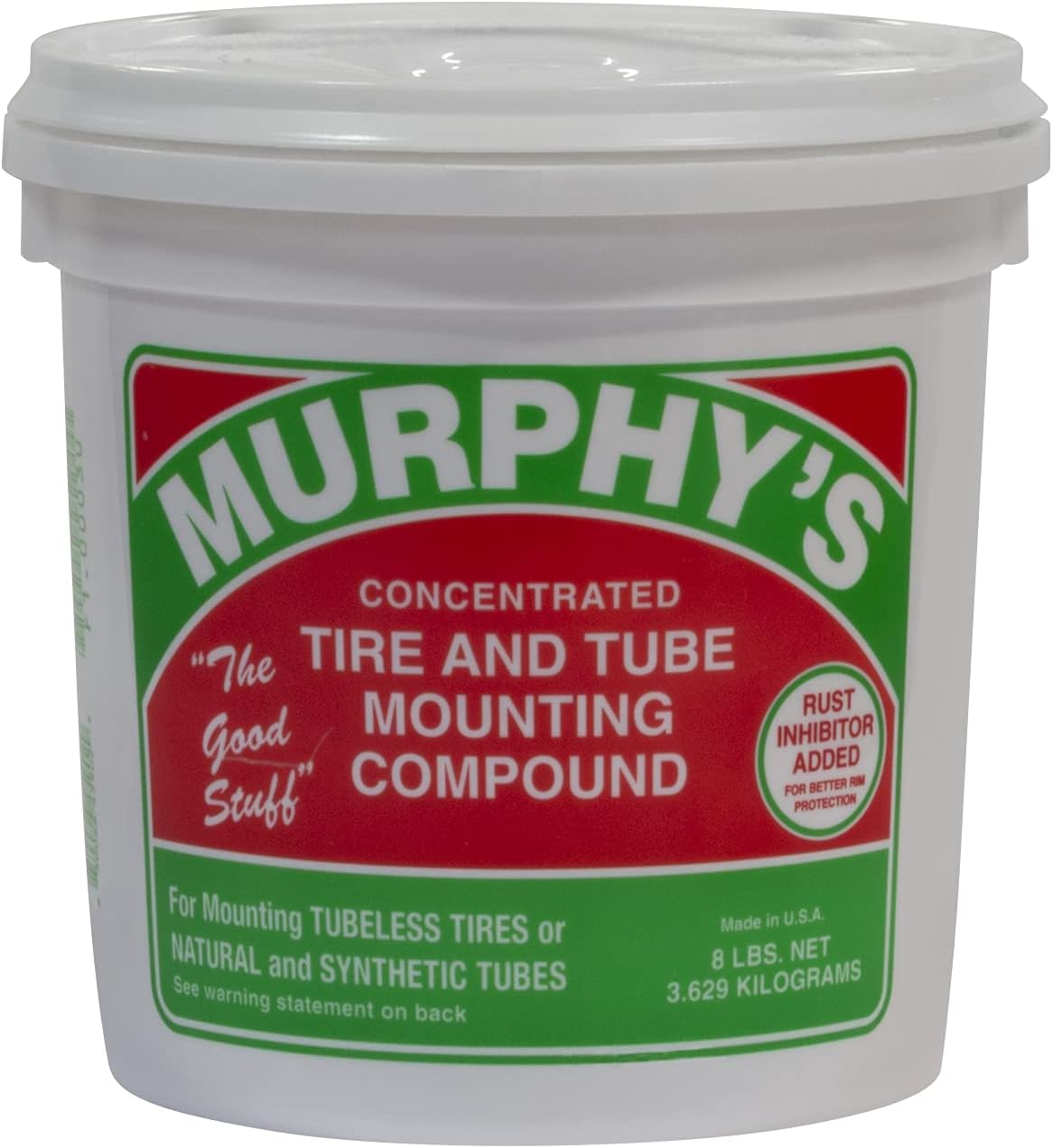
A concentrated tire and tube mounting compound designed to help simplify mounting rubber tires and tubes on passenger, semi truck, construction, and OTR applications. Its ultra-thick formula packs beads effectively and includes rust inhibitors to help protect against corrosion during use.

ETENWOLF T300 is a calibrated digital tire pressure gauge for accurate readings from 3 to 200 PSI across light and heavy-duty vehicles. It includes thermal compensation for reliable performance in extreme cold or heat, with an auto shut-off to extend battery life and an LED for easier reading. The sturdy design supports rugged everyday use, making it ideal for pickups, RVs, and industrial applications.
Frequently Asked Questions
Does the Warranty Transfer to a New Vehicle Owner After Resale?
Some tire and road-hazard plans transfer, but others do not. Check the transfer rules, paperwork requirements, and deadline before you sell the vehicle.
Are Run-Flat or Specialty Tires Eligible for Coverage?
Run-flat and specialty tire coverage depends on the plan. Some contracts limit coverage to original equipment or approved replacement tires, so confirm eligibility before you buy or file.
Will Mounting and Balancing Fees Be Reimbursed Under the Warranty?
Many plans limit payment to the tire repair, replacement tire, or prorated credit. Ask whether mounting, balancing, valve stems, disposal fees, and taxes qualify before approving service.
Are Roadside Tire Repairs (Plugging) Covered During a Trip?
Roadside plugging may not qualify if the plan requires authorized inspection or pre-approval. Call the plan administrator before repair when you can do so safely.
How Do Aftermarket Tire Warranties Interact With Sonata Road-Hazard Coverage?
Aftermarket coverage may apply before or after a dealer plan, depending on the contract. Keep both contracts handy and ask each provider which plan pays first.
Conclusion
The most important step is simple: read your specific tire warranty or road-hazard contract before you assume your Sonata tire damage qualifies. Factory coverage usually focuses on defects, while optional protection may help with sudden road damage. Keep receipts, maintenance logs, photos, and inspection reports ready before you file. With clear records and fast action, you give yourself the best chance at a fair claim result.
References
- America’s Best Warranty — Hyundai Motor America
- Tires — National Highway Traffic Safety Administration
- Tire Safety: Everything Rides on It — National Highway Traffic Safety Administration