
Directional tires can help your Hyundai Sonata feel more stable in rain, but only when you mount and maintain them the right way. Their V-shaped tread channels water away from the tread, which can improve wet-road grip and reduce hydroplaning risk. This guide explains how directional tires work, how to spot them, how to rotate them, and when they make sense for your Sonata.
Quick Answer
Directional tires use a one-way tread pattern that helps move water away from the tire. On a Hyundai Sonata, they can improve wet traction and steering feel when you install them with the sidewall arrows pointing forward. You must rotate them front to rear on the same side unless a tire professional remounts them.
Key Takeaways
- Check the sidewall arrows before mounting directional tires on your Hyundai Sonata.
- Use directional tires if you want stronger wet-road grip and more confident steering.
- Rotate directional tires front to rear on the same side to keep the tread facing correctly.
- Check tire pressure, tread depth, and alignment often to reduce uneven wear.
- Choose the tire size and load rating listed on your Sonata’s tire placard or owner’s manual.
Understanding Directional Tires: Design and Purpose
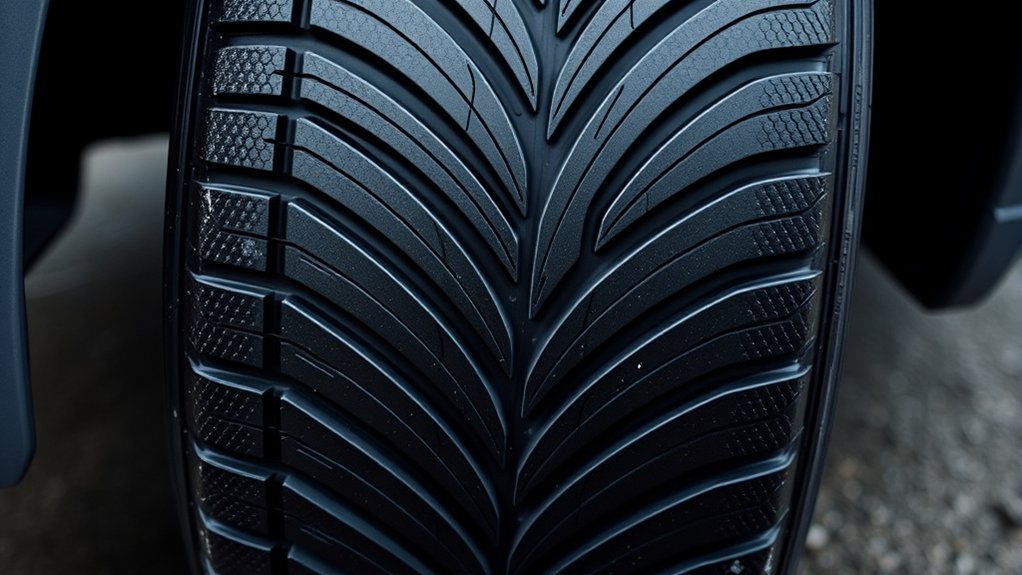
Directional tires use a tread pattern that rolls in one set direction. Many designs use V-shaped grooves or angled channels that help push water away from the tire’s contact patch.
This design can improve grip on wet roads and lower the risk of hydroplaning. It can also help your Sonata feel more planted during steady highway driving and quick lane changes.
You must install directional tires with the tread facing the correct way. Look for arrows, triangles, or the word “rotation” on the sidewall before mounting them.
Unlike many symmetrical tires, directional tires can’t switch from one side of the car to the other unless a tire shop remounts them. A simple rotation moves each tire from front to rear on the same side.
How Directional Tires Can Improve Hyundai Sonata Performance
Directional tires can help your Hyundai Sonata perform better in wet weather. Their angled grooves move water away from the tread, which helps the rubber stay in contact with the road.
You may also notice sharper steering response if you choose a quality tire that matches your Sonata’s size, load rating, and speed rating. The tire model, tread compound, and road surface still affect the final result.
Enhanced Wet Performance
Wet roads can make your Sonata feel less sure-footed, especially at highway speeds. Directional tires can help by channeling water away before it builds under the tread.
These tires can support wet-weather driving in a few key ways:
- Better water movement: Angled grooves help move water away from the contact patch.
- Stronger wet grip: A quality directional tread can help the tire hold the road on slick surfaces.
- More stable handling: The one-way pattern can help the car feel steady during rain.
Warning: Directional tires reduce hydroplaning risk, but they can’t make standing water safe at high speeds.
Improved Cornering Stability
Cornering stability matters when you drive on curves, ramps, and wet city streets. Directional tires can give your Sonata a more secure feel because the tread blocks work in a planned rolling direction.
You still need the right tire pressure and alignment. Even a strong directional tire will wear poorly if the suspension or wheel alignment falls out of spec.
| Feature | Benefit |
|---|---|
| V-shaped tread design | Helps grip during wet-road turns |
| Water evacuation channels | Helps reduce hydroplaning risk |
| One-way tread orientation | Supports predictable steering feel |
| Proper tire pressure | Keeps the tread working evenly |
How to Identify Directional Tires: Key Features and Markings
You can identify directional tires by checking the tread and sidewall markings. Most directional patterns form an arrow, V, or sweeping channel shape when you view the tire from the front.
Use these signs to confirm what you have:
- Tread pattern: V-shaped or angled grooves point toward the tire’s rolling direction.
- Sidewall markings: Arrows, triangles, or “rotation” text show the correct direction.
- Rotation limits: Directional tires usually move front to rear on the same side.
Incorrect installation can reduce wet grip and create faster, uneven wear. Check the arrows before you drive, especially after tire service.
[Products Worth Considering]

Malco tire mounting and demounting lubricant is a ready-to-use tire lube formulated to reduce friction during tire installation for passenger cars, light trucks, farm tires, and heavy-duty equipment. It provides rust-inhibiting protection to help reduce corrosion on rims and wheels, and helps support proper tire bead seating during inflation to reduce air leakage. The silicone-free, soap-free formula is whitewall safe to help prevent discoloration on whitewall tires and sensitive sidewall markings.

This manual duck head tire changer kit makes tire installation and removal simpler by letting you embed the duck head into the tire with applied pressure. The integrated design and durable steel construction help reduce friction and improve efficiency and safety during use. Suitable for 16–21 inch wheels, it’s convenient for cars, trucks, SUVs, and ATV tires, with 24-hour after-sales support.

Make hard-to-reach areas easier to access with the MAXXHAUL truck tire service step featuring an adjustable width and height. The foldable design stores compactly, while the serrated non-slip platform provides secure footing for tire-related maintenance. It fits most stock tire sizes up to 31-inch diameter with a 300-lb capacity.
Installing Directional Tires for Best Performance
Install directional tires with the sidewall arrows pointing toward the front of the car when the tire rolls forward. This step matters because the tread only works as designed in one direction.
Before installation, confirm that the tire size, load index, and speed rating match your Hyundai Sonata’s requirements. You can find those details on the driver-side door placard or in the owner’s manual.
[Products Worth Considering]

Measure tire tread depth quickly and accurately with this LUMITECO dial gauge that reads in 1/32" increments up to 14/32". The color-coded green/yellow/red zones make it easy to judge tire wear and know when replacement is needed. A rugged, compact design with a protective pouch helps keep the gauge ready for use on cars, trucks, motorcycles, and more.

The VEHLIVE SU-50448 II TPMS relearn tool provides a fast activation reset to restore accurate tire pressure monitoring after sensor replacement or tire rotation. It supports 315 MHz and 433 MHz GM series sensors and helps clear dashboard pressure warnings. With simple two-button operation and horn-confirmed relearning order, you can reprogram sensors conveniently at home.

The Ziopetru adjustable magnetic wheel alignment tool helps you check and restore camber and caster positioning after removing and reinstalling undercarriage components. With a clear leveling/bubble measurement system and an easy zeroing adjustment knob, it supports precise horizontal angle checking. The strong magnetic base mounts to metal surfaces for convenient use at home on cars, motorcycles, trucks, vans, and SUVs.
Proper Installation Techniques
Correct installation helps your tires deliver the wet traction and steering feel you expect. Follow these checks before you leave the tire shop or garage:
- Match the arrows: Make sure each sidewall arrow points in the forward rolling direction.
- Confirm the tire size: Use the size listed for your Sonata trim and wheel package.
- Balance each wheel: Wheel balance helps reduce vibration and uneven tread wear.
- Check the alignment: Proper alignment helps the tread wear evenly.
Pro tip: Ask the installer to show you the sidewall arrows before the wheels go back on the car.
Rotation Best Practices
Directional tires need a different rotation pattern than many non-directional tires. Move the front tire to the rear on the same side, and move the rear tire to the front on that same side.
Do not cross the tires from left to right unless a tire shop removes them from the wheels and remounts them correctly. Crossing them without remounting makes the tread roll backward.
Check your Sonata’s owner’s manual for the recommended tire rotation interval. Many drivers rotate tires around every 5,000 to 7,500 miles, but your tire type and driving habits can change that range.
Rotation Practices for Directional Tires on Your Sonata
Proper rotation helps directional tires wear more evenly on your Hyundai Sonata. It also helps you keep the tire’s designed rolling direction intact.
Rotate directional tires front to rear on the same side unless a tire professional remounts them for the opposite side.
Use this simple routine to protect tire life and handling:
- Rotate the tires on the schedule in your owner’s manual or tire warranty guide.
- Check tire pressure at least monthly and before long trips.
- Inspect tread depth and look for cupping, feathering, or shoulder wear.
- Schedule an alignment check if the car pulls, vibrates, or wears one tire faster.
Comparing Directional Tires to Other Types: A Detailed Look
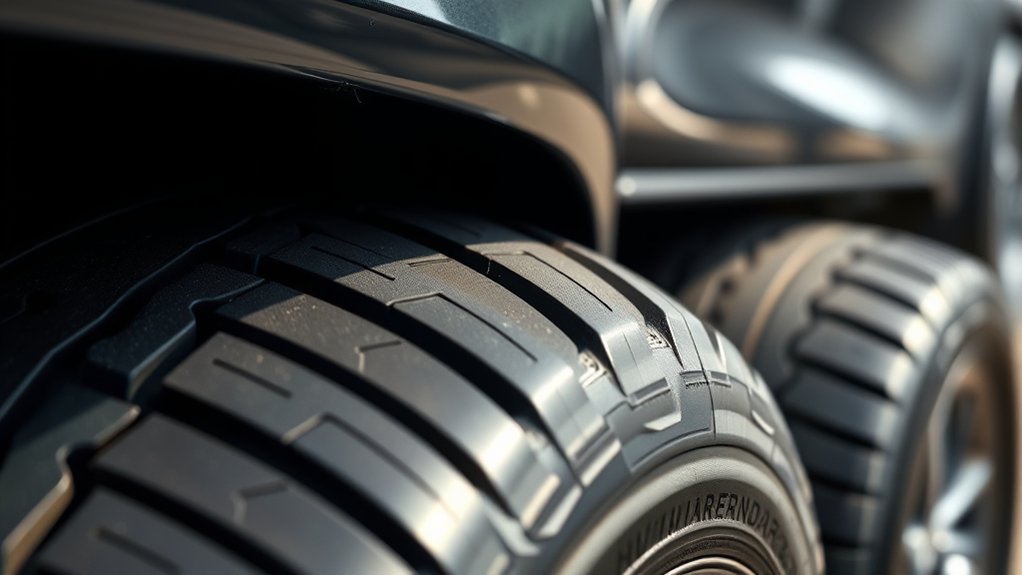
Directional tires work best for drivers who value wet traction and confident steering. They often suit performance-focused sedans, sporty tire packages, and rainy climates.
Symmetrical tires use the same tread pattern across the whole tire. They usually offer simple rotation options and steady daily driving performance.
Asymmetrical tires use different inner and outer tread zones. They can balance wet grip, dry grip, and cornering support, but they still need correct inside-outside mounting.
| Tire Type | Best For | Rotation Notes |
|---|---|---|
| Directional | Wet grip and sporty steering | Front to rear on the same side |
| Symmetrical | Simple daily driving and easy rotation | Usually the most flexible |
| Asymmetrical | Balanced wet and dry performance | Keep the outside sidewall facing out |
Directional tires can cost more than basic touring tires, depending on the brand and model. Compare tread life warranty, wet traction rating, road noise, and ride comfort before you buy.
[Products Worth Considering]

Monitor tire tread wear with a smart, color-coded depth gauge that shows clear condition ranges at a glance. The bar is range marked for fast, easy readings, helping you maintain safer traction and performance. Each gauge is portable with a pocket clip, and the set includes 20 units for daily use and sharing.

Measure tyre tread depth precisely with a digital gauge that reads in both MM and inches, helping you monitor safe driving conditions. The large LCD screen is easy to operate, and the compact tool fits for cars, trucks, and motorcycles. It provides high accuracy with a 0-25.4mm range and includes a 1-year warranty for added peace of mind.

Accurately measure tire tread depth with a calibrated gauge marked from 0 to 1 inch in 1/32 inch increments. The color-coded bar helps you quickly identify tread condition ranges, supporting safe driving for trucks, motorcycles, automobiles, and passenger vehicles.
When Directional Tires Make Sense for a Hyundai Sonata
Directional tires make sense if you drive often in rain or want a more planted feel on wet roads. They can also fit well if your Sonata has larger wheels or a sport-oriented tire package.
They may not be the best choice if you want the easiest rotation pattern or the longest possible tread life for basic commuting. A quality symmetrical or asymmetrical touring tire may suit you better in that case.
Your climate, driving style, road surface, and budget should guide your choice. A tire professional can help you compare options that match your Sonata’s trim and wheel size.
Maintaining Directional Tires for Longevity and Performance
Directional tires can perform well for many miles when you maintain them with care. Small habits, like checking pressure and tread wear, make a real difference.
Focus on these maintenance steps:
- Install them correctly: Keep the sidewall arrows facing the forward rolling direction.
- Rotate them properly: Move them front to rear on the same side.
- Check inflation: Use the pressure listed on your Sonata’s tire placard.
- Watch tread wear: Look for uneven wear before it becomes a safety issue.
- Drive smoothly: Avoid hard launches, sharp cornering, and sudden braking when possible.
Seasonal tire changes can also help if you drive in snow or freezing temperatures. Winter tires usually provide better cold-weather traction than all-season directional tires.
Frequently Asked Questions
What Is the Purpose of Directional Tires?
Directional tires improve wet-road performance by moving water away from the contact patch. Their one-way tread pattern can also support sharper steering and more stable handling.
How to Do Hyundai Tire Rotation?
For directional tires, rotate the front tire to the rear on the same side and move the rear tire to the front on that side. Do not cross them left to right unless a tire shop remounts them so the arrows still point forward.
Can You Put Directional Tires on Backward?
You can physically mount them backward, but you should not drive that way. Backward directional tires may move water poorly, reduce wet traction, and wear unevenly.
Are Directional Tires Good for Daily Driving?
Directional tires can work well for daily driving, especially in wet climates. If you want simple rotations and quiet comfort above all else, compare them with touring or asymmetrical tires before buying.
Do Directional Tires Wear Faster?
Directional tires do not have to wear faster, but their rotation limits can make uneven wear harder to correct. Proper pressure, alignment, and same-side rotation help extend tread life.
Conclusion
Directional tires can make your Hyundai Sonata feel safer and more confident on wet roads when you install and rotate them correctly. Before you buy, match the tire size and ratings to your Sonata and think about your local weather. After installation, check the sidewall arrows, tire pressure, and tread wear on a regular schedule. With the right care, directional tires can help your Sonata deliver steady grip and a smoother drive.