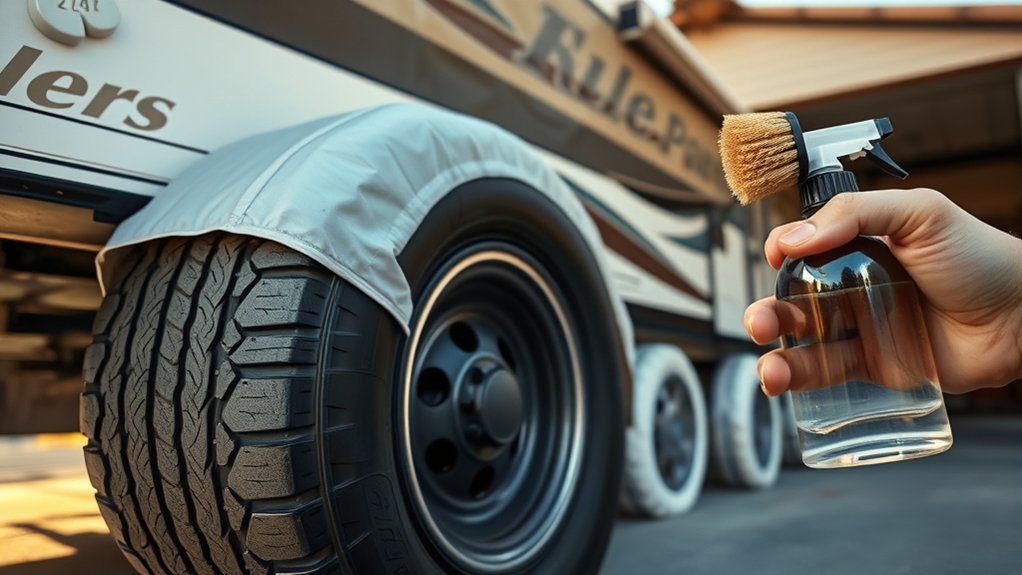
You cannot stop trailer tire aging completely, but you can slow the cracking often called dry rot. The biggest controls are simple: limit sunlight, heat, ozone, underinflation, contamination, and long periods of loaded storage. Keep the tires clean, use the trailer maker’s cold-pressure recommendation, inspect them often, and follow the tire and trailer manufacturers’ service-life guidance.
Quick Answer
You can slow trailer tire dry rot by limiting sunlight, heat, ozone, moisture, underinflation, and long periods of loaded storage. Keep tires clean and correctly inflated, use opaque vented covers, store in a cool, dry place, inspect routinely, and follow the tire and trailer manufacturers’ age and replacement guidance.
Key Takeaways
- Store trailer tires indoors when possible, or use opaque, waterproof, vented covers outdoors.
- Keep tires at the cold inflation pressure listed on the trailer placard, certification label, or owner’s manual; do not use the sidewall maximum as the default target.
- Keep stored tires off heat-absorbing or poorly drained surfaces, and remove tire load when the trailer manufacturer provides a safe way to support the trailer.
- Clean with soap, water, and a soft brush or cloth; avoid petroleum-based dressings and harsh cleaners.
- Treat cracks, bulges, exposed cords, or repeated pressure loss as safety warnings, and use the DOT date code plus manufacturer guidance to judge age.
At a Glance
| Time Required | About 20–30 minutes for a routine pressure check, cleaning, and visual inspection; longer if you are setting up long-term storage. |
| Difficulty | Easy for cleaning and inspection; lifting or supporting a trailer requires the manufacturer’s approved procedure and properly rated equipment. |
| Tools Needed | Accurate tire-pressure gauge, mild soap, water, soft brush or cloth, opaque vented tire covers, wheel chocks, and approved support equipment if the trailer will be lifted. |
| Cost | Low to moderate; it depends on whether you already have covers, a pressure gauge, and manufacturer-approved support equipment. |
Why Do Trailer Tires Dry Rot?
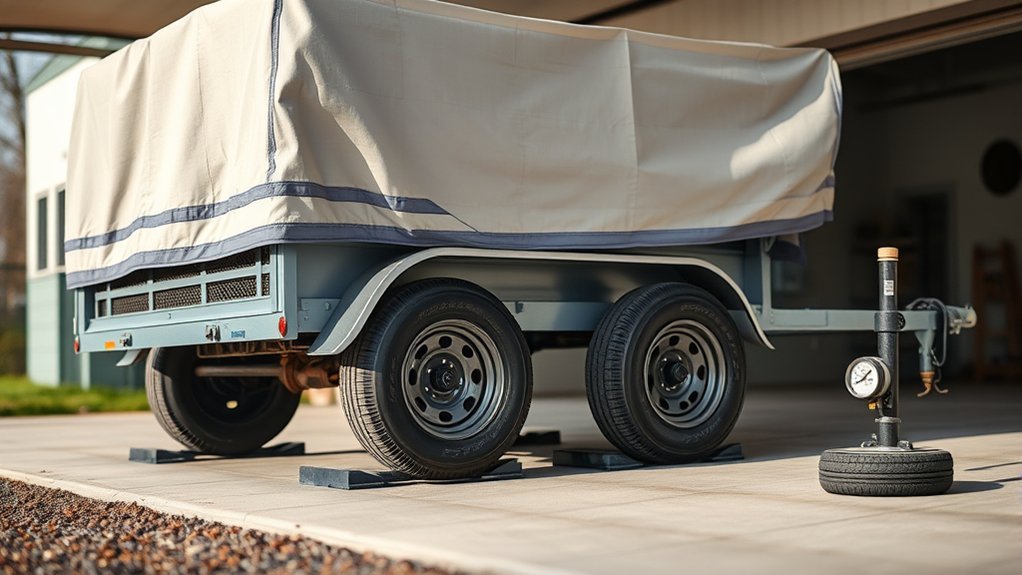
Trailer tires can develop age-related cracking because rubber and other tire materials change over time. USTMA tire-care guidance uses terms such as weather checking and ozone cracking; “dry rot” is the common everyday term.
Sunlight, high heat, ozone, storage conditions, underinflation, and overloading can all increase stress or speed deterioration. Ozone-producing equipment such as electric motors, battery chargers, generators, and welding equipment is a specific storage concern.
Sunlight, heat, and ozone can accelerate weather checking, while underinflation adds heat and structural stress during use.
Long idle periods matter for another reason: if a loaded trailer sits in one position for months, the same part of each tire stays deflected. That can contribute to flat spotting and concentrates stress in one area. If the trailer cannot be stored with the tire load removed, industry guidance recommends minimizing the load and periodically changing the tire flex area.
These effects reduce tire durability over time. You cannot reverse aging once the material has degraded, so prevention is mostly about reducing exposure and catching damage before towing.
Store Trailer Tires Out of the Sun
Keeping trailer tires out of direct sunlight is one of the simplest ways to reduce environmental aging. Indoor storage is best when it is clean, dry, cool, and well ventilated. If indoor storage is not possible, choose deep shade and cover the tires.
For outdoor storage, use an opaque, waterproof cover with ventilation. A cover that traps heat and moisture can create the storage equivalent of a “heat box” or “steam bath,” so a tightly sealed plastic wrap is not a good substitute.
If the tires remain on the ground, use a firm, reasonably level, well-drained surface. Keep them away from black asphalt and other heat-absorbing surfaces when practical. A smooth board or mat can create a cleaner barrier, but the reason is not that concrete “pulls oils” or moisture out of rubber.
Note: The “concrete sucks moisture from tires” explanation is not supported by the storage guidance used here. The practical concerns are heat, standing moisture, contamination, surface damage, and long-term deflection.
Inspect the sidewalls during storage. Fading or fine surface checking can be a warning sign, but appearance alone cannot prove that a tire is safe or unsafe internally.
Keep Trailer Tires Properly Inflated
Correct inflation reduces excess flex and heat buildup. Use the recommended cold pressure on the trailer’s tire placard, certification label, or owner’s manual. The pressure molded on the tire sidewall is a maximum limit for the tire under specified conditions; it is not automatically the correct operating pressure for every trailer.
Check pressure with an accurate gauge when the tires are cold. For RV and trailer use, USTMA recommends checking at least monthly and before each trip. Do not bleed pressure from a hot tire just because the reading increased during driving.
| Check Point | Action | Result |
|---|---|---|
| Pressure source | Use trailer placard, certification label, or owner’s manual | Correct cold-pressure target |
| Gauge use | Check cold pressure monthly and before trips | Earlier leak detection |
| Inflation status | Correct underinflation before towing | Less excess flex and heat |
Correct pressure also supports predictable handling and helps limit excess rolling resistance during towing. It does not stop chemical aging, but it reduces avoidable heat and structural stress.
Pro Tip: If one tire repeatedly needs air, do not keep topping it off and assume it is normal. Have the tire, valve, wheel, and bead checked for the cause before towing.
Raise the Trailer for Storage
For extended storage, removing the trailer’s weight from the tires can reduce long-term deflection and flat spotting. However, the safe lifting and support points vary by trailer design.
Warning: Do not assume the frame or axle is a safe jack or stand location. Follow the trailer manufacturer’s lifting and support instructions, use stands rated for the loaded trailer, chock the wheels as required, and never work under a trailer supported only by a jack.
Before supporting the trailer, unload cargo when practical and confirm the tires are at the recommended cold pressure. If the manufacturer permits long-term support with the tires unloaded, keep the trailer level and stable.
- Use only manufacturer-approved lift and support points.
- Use stable support equipment with adequate load capacity.
- Inspect tread, sidewalls, valve stems, and wheels while the tires are easy to see.
- Verify the trailer is secure before leaving it in long-term storage.
Reducing tire load can help prevent flat spots and makes inspection easier, but it does not make old or damaged rubber safe again.
[Products Worth Considering]

This professional wheel and rim cleaning brush set lifts brake dust, grime, and dirt with soft, scratch-free microfiber and synthetic wool fibers. The rim brush bends up to 360 degrees for easy access to hard-to-reach areas around spokes, lips, and faces. Ideal for thorough cleaning of car, truck, motorcycle, bicycle, RV, and more wheel and tire surfaces.
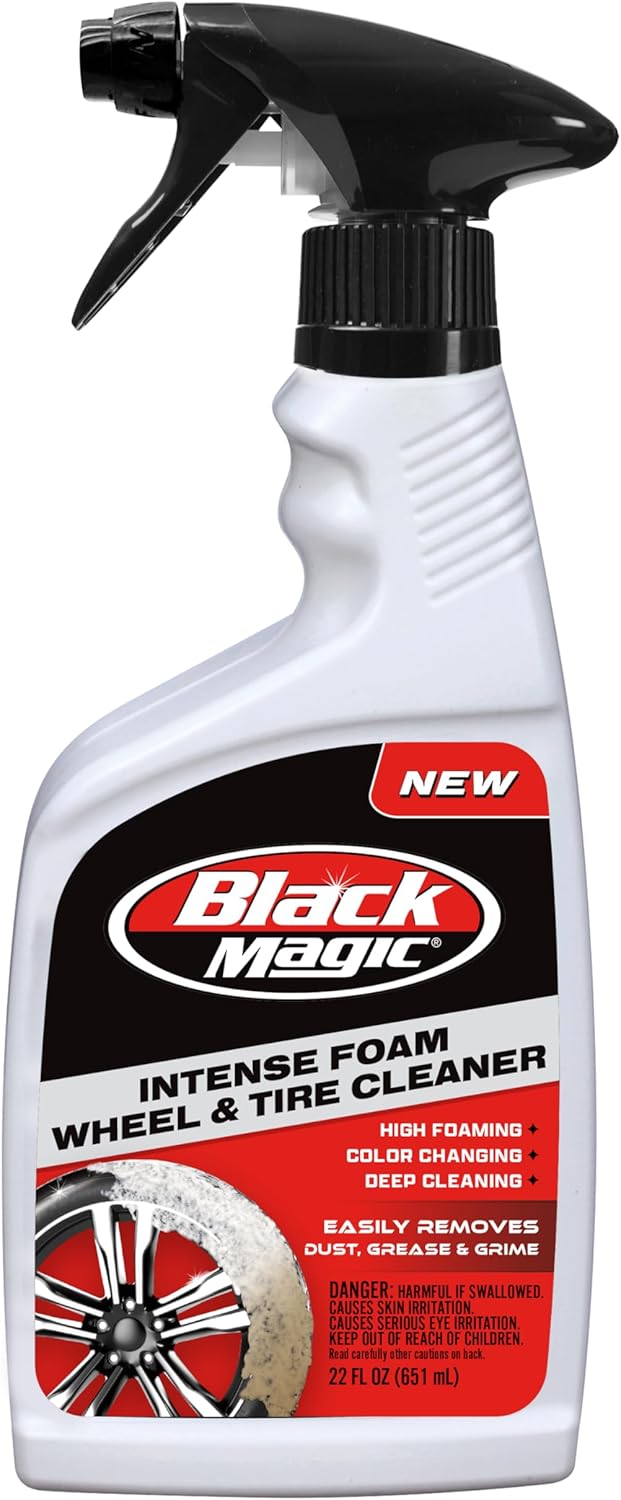
Black Magic Intense Foam Wheel & Tire Cleaner uses a high-foaming action to lift away dirt, grime, and brake dust without scrubbing. The color-changing formula helps show contaminants being dissolved as foam turns from white to brown. Safe for all wheel types and even wheel wells, it leaves a like-new, slick finish with a fresh cherry scent.

Black Magic Tire Wet delivers a deep wet-look shine that makes tires appear dark, rich, and freshly detailed. Its long-lasting formula helps resist rain, dust, and road grime for weeks of glossy protection, not days. Apply by spraying onto clean, dry tires—no buffing or wiping required—with a low-sling design to reduce splatter on paint and wheels.
If the Trailer Stays Loaded During Storage
If you cannot safely remove the trailer’s weight from the tires, unload unnecessary cargo so the tires carry as little weight as practical. Keep the tires at the recommended pressure and park on a firm, level, clean, well-drained surface.
USTMA storage guidance recommends moving a stored vehicle at least every three months so the flex area changes. This helps reduce flat spotting and repeated stress in one section of the sidewall.
Do not exceed the trailer’s GVWR, axle ratings, wheel ratings, or tire load limits. Underinflation and overloading both create excess heat, which can damage a tire even if the sidewall still looks acceptable.
Cover Trailer Tires From UV and Ozone
Once the trailer is parked for storage, protect the tires from sunlight and ozone. Use opaque, waterproof, vented tire covers that shield the sidewalls without trapping excessive heat or moisture.
If possible, store the trailer indoors or in deep shade. Keep it away from electric motors, battery chargers, generators, welding equipment, and other ozone-generating sources.
A heavy tarp can work only if it blocks light, sheds water, is secured safely, and still allows ventilation around the tires. Do not wrap tires tightly in non-vented material.
Physical protection—shade, a suitable cover, moderate temperature, and distance from ozone sources—should be your first line of defense against premature weather checking.
Clean Trailer Tires Before Storage
Before storage, wash trailer tires with soap and water and a soft-bristle brush or cloth. This removes road film, dirt, brake dust, and contaminants that can hide cracks or remain against the rubber.
Rinse thoroughly and let the tires dry before covering them. Avoid harsh cleaners, petroleum-based dressings, steam cleaners, and pressure washers unless the tire manufacturer specifically approves the method.
A clean, dry surface also gives you a better view of cuts, cracking, embedded debris, valve damage, and uneven wear.
Remove Dirt And Grime
Start with a mild soap solution and a soft brush or cloth. Scrub the sidewalls and tread gently enough to remove grime without damaging the rubber.
For heavier buildup, do not assume a stronger chemical is safer. If you use a specialty product such as Bleche-Wite Tire Cleaner, first confirm that your tire manufacturer permits that type of cleaner and follow the product label exactly.
- Lift away road film and brake dust.
- Remove dirt before long-term storage.
- Keep petroleum products and harsh solvents away from the rubber.
Do not use petroleum-based cleaners or dressings. USTMA warns that incompatible products can hasten oxidation and premature cracking.
If you want a cosmetic or UV dressing after cleaning, use one only when the tire manufacturer approves it. A cover and good storage conditions matter more than a shine product.
Clean tires give you a better inspection surface, so you can spot cracking, embedded debris, or uneven wear before the trailer sits unused.
Dry Completely Before Covering
After washing, let the trailer tires dry before you cover or store them. Trapped water does not “cause dry rot” by itself, but a damp, poorly ventilated storage pocket can encourage surface contamination and keep moisture around the wheel and valve area.
Rinse away soap or cleaner residue, wipe excess water if needed, and allow grooves, bead areas, wheels, and valve stems to dry.
Use a vented opaque cover rather than sealing wet tires inside plastic. During storage, check the area periodically for standing water, new contamination, or cover damage.
Keeping the storage area clean, dry, shaded, and ventilated reduces avoidable environmental stress.
Use UV Protectants Safely
Do not assume every “tire shine,” silicone spray, or UV protectant is suitable for trailer tires. USTMA warns that incompatible dressings and harsh cleaning agents can hasten oxidation, and it specifically advises against petroleum-based tire dressings and cleaners.
If your tire manufacturer approves a specific rubber protectant, follow that product’s directions and use it in a well-ventilated area. If the manufacturer gives no approval, rely on shade, opaque vented covers, correct pressure, and proper storage instead.
- Check the tire manufacturer’s care instructions before applying any dressing.
- Do not use a product merely because it claims to make rubber look darker or newer.
- Never treat a dressing as a repair for cracks, hardening, bulges, or pressure loss.
A protectant can change appearance, but it cannot reverse structural aging.
[Products Worth Considering]

Rubber Care delivers a beautiful dark black satin/matte finish on tires and other rubber or plastic surfaces, drying to the touch without oily shine. Its ceramic aircraft-grade formula helps repel dirt and brake dust residue, keeping surfaces cleaner longer. Triple nano ceramic polymer technology provides best-in-industry UV protection, restoring and protecting rubber while also working on weather stripping and de-ice boot care.

This VIKING tire shine applicator brush delivers an even, precise tire dressing with ultra-soft, dense bristles that glide over lettering and raised designs. The ergonomic handle makes it comfortable to use across different tire profiles. A matching storage stand is included to protect the bristles and keep your detailing kit organized.

Cristal Products Untouchable Tire Shine Spray delivers a deep, wet-look gloss that enhances your vehicle’s tires. It’s quick-drying and spreads smoothly for consistent, streak-free coverage, while forming a protective coating against UV rays, road grime, and weather. Suitable for all tire types, it helps restore dull, faded tires to a showroom-quality finish.
Check Trailer Tires for Cracks and Age
Inspect trailer tire sidewalls, tread, valve stems, and the spare regularly. Look for cracks, cuts, bulges, blisters, exposed cords, missing rubber, unusual wear, and repeated pressure loss.
Also check the DOT Tire Identification Number (TIN). The last four digits show the week and year of manufacture. Age matters, but there is no single universal rule that every trailer tire must be replaced exactly at six years.
NHTSA says some vehicle and tire manufacturers recommend replacement in the six-to-10-year range regardless of treadwear. Follow the specific tire and trailer manufacturer’s guidance. Michelin, for example, recommends annual professional inspection after five years of service and replacement by ten years from manufacture as a precaution.
Inspect Sidewalls Regularly
Even when tread depth looks good, inspect the trailer tire sidewalls in bright light and rotate the wheel when safe so you can see the full circumference.
- Fine surface checking can indicate aging and should be monitored or evaluated.
- Deep, widespread, or opening cracks require prompt professional inspection and may require removal from service.
- Bulges, blisters, exposed cords, or missing chunks are stronger signs that the tire should not be used.
Repeated air loss is another warning. It can come from a puncture, valve, bead, wheel, or tire damage and should be diagnosed rather than repeatedly topped off.
Appearance is only one part of the decision. NHTSA notes that tire aging cannot be judged by looks alone, so include age, pressure behavior, damage history, and manufacturer guidance.
Read DOT Date Codes
Find the DOT Tire Identification Number on the sidewall and look at the last four digits. The first two digits are the week, and the last two are the year. For example, 2319 means the tire was made in the 23rd week of 2019.
The full TIN may appear on only one side of the tire, so check the opposite side if you do not see the four-digit date code.
Use the date as one part of the service-life decision. Do not rely on tread depth alone, and do not treat six years as a universal legal or technical cutoff for every trailer tire.
Follow the trailer maker’s and tire maker’s replacement guidance, and have older tires inspected more closely even if they look clean and hold air.
Keep inflation correct too, because underinflation creates excess flex and heat that can cause internal damage.
Replace Cracked Tires Promptly
If you find cracking, stop and judge the severity before towing. Any visible crack deserves attention; deep or widespread cracking, cracks that open when the tire flexes, exposed cords, bulges, blisters, or missing rubber are strong reasons to remove the tire from service and have it replaced.
Check the DOT code and service history at the same time. A tire can need replacement because of condition long before it reaches an age limit.
- Deep or widespread cracking can signal significant deterioration.
- Exposed cords, bulges, blisters, or missing chunks require immediate attention.
- Correct pressure and any manufacturer-recommended rotation pattern can help limit uneven wear, but they cannot repair aged rubber.
Inspect tires before every trip and during storage. If you are unsure whether cracking is only superficial, have a qualified tire service professional inspect it before towing at highway speed.
Do not patch or coat over age-related sidewall damage as a substitute for replacement.
Replace Trailer Tires Before They Fail
Replace trailer tires based on condition, age, service history, and manufacturer guidance rather than tread depth alone. Check for weather checking, cuts, bulges, repeated pressure loss, unusual vibration, or evidence that the tire has been run underinflated or overloaded.
Use the DOT date code to track age. NHTSA notes that some manufacturers recommend replacing tires between six and 10 years old regardless of treadwear, while individual tire makers may publish their own inspection and maximum-age guidance.
Do not wait for an age deadline if the tire is already damaged. Proper inflation and storage can reduce avoidable stress, but they cannot restore degraded rubber or repair internal damage.
When replacing trailer tires, match the size, type, load range or load index, and other specifications required by the trailer manufacturer. Never exceed the tire, wheel, axle, or trailer load ratings.
[Products Worth Considering]

MORNYRAY universal tire covers help protect RV, truck, SUV, trailer, and camper tires from sun, rain, and snow with waterproof, anti-UV fabric and a soft inner lining. Elasticized bands and windproof buckle design help keep covers securely in place for easy on and off use. The set includes a storage bag for convenient handling when not in use.

This 3-piece wheel brush set makes it easy to clean wheels and tires with soft, scratch-free brushes designed for lifting brake dust and grime. The flexible rim brush bends up to 360 degrees to reach hard-to-access areas for a thorough clean, while the comfortable grip helps control during detailing. A dedicated detailing brush supports gentle cleaning for sensitive surfaces, including interior use.

This professional wheel and rim brush kit makes it easy to lift brake dust, grime, and dirt from wheels and tires without scratching finishes. The brushes feature soft, metal-free wool heads and a flexible 360-degree rim brush design for reaching hard-to-clean areas. Includes multiple brush types plus accessories for thorough car, motorcycle, and general vehicle detailing.
Before Towing After Long Storage
Before the trailer returns to service, give every tire—including the spare—a deliberate inspection. Long storage can hide pressure loss, valve problems, flat spots, or damage that was easy to miss when the trailer was parked.
- Check cold inflation pressure against the trailer placard, certification label, or owner’s manual.
- Inspect sidewalls and tread for cracks, cuts, bulges, exposed cords, or embedded objects.
- Check valve stems and caps for damage or leakage.
- Confirm the tire’s DOT date code and compare it with manufacturer service-life guidance.
- Confirm the trailer is not overloaded and the load is distributed within the trailer’s ratings.
After long-term storage, a professional inspection is a sensible extra step, especially for older tires or any tire with visible damage or recurring pressure loss.
Frequently Asked Questions
Is there something you can put on tires to prevent dry rot?
No product can stop tire aging. Your best protection is shade, an opaque vented cover, correct inflation, clean storage, and distance from ozone sources. Use a tire dressing or UV protectant only if the tire manufacturer approves it, and avoid petroleum-based dressings and cleaners.
Is it safe to run dry-rotted tires on your trailer?
Do not tow on tires with deep or widespread cracking, exposed cords, bulges, blisters, missing rubber, or other serious damage. Fine surface checking should still be evaluated, especially on an older tire. When condition is uncertain, have a qualified tire professional inspect it before towing.
Can you reverse dry rot on tires?
No. Cleaning, covers, correct inflation, and good storage can slow additional environmental damage, but they cannot reverse age-related cracking or restore weakened tire structure. A damaged tire must be inspected and replaced when it is no longer serviceable.
Is it okay to spray WD-40 on tires?
Do not use WD-40 as a tire protectant or routine tire dressing. Tire-industry guidance advises against petroleum-based tire dressings and cleaners. Wash with soap and water, then use only a treatment that your tire manufacturer specifically approves.
How often should you check trailer tire pressure during storage?
Check cold pressure at least monthly and again before towing. Use the pressure listed on the trailer placard, certification label, or owner’s manual. If a tire repeatedly loses pressure, have the tire, valve, bead, and wheel inspected for the cause.
How old is too old for a trailer tire?
There is no single universal six-year rule for every trailer tire. NHTSA says some vehicle and tire manufacturers recommend replacement between six and 10 years regardless of treadwear. Follow the specific tire and trailer maker’s guidance and replace sooner when condition or performance shows a problem.
Conclusion
To slow trailer tire dry rot, focus on what you can control: sunlight, heat, ozone exposure, storage load, cleanliness, and correct inflation. Use proper covers, follow approved lifting or support procedures, inspect the sidewalls and DOT date code, and never let good tread talk you into ignoring age or damage. A few disciplined storage habits can reduce deterioration, but no spray or cleaning trick can make an aged, structurally damaged tire safe again.
Sources
- NHTSA TireWise — tire pressure, aging, DOT date codes, inspection, and replacement guidance.
- U.S. Tire Manufacturers Association: Care and Service of Passenger and Light Truck Tires — storage, cleaning, ozone exposure, RV/trailer inflation, loading, and long-term storage practices.
- Michelin: When to Replace Tires — age-based inspection, 10-year maximum service-life guidance, DOT date code, and damage indicators.