
Hyundai Sonata Off-Season Tire Storage Tips to Extend Life

Storing your Hyundai Sonata’s tires the right way helps protect the rubber, tread, sidewalls, wheels, valve stems, and bead area during the off-season. The main goals are simple: clean and dry the tires, inspect them before they sit for months, keep them away from heat, sunlight, ozone, oil, fuel, chemicals, and moisture, and store them in the correct position based on whether they are mounted on rims.
Quick Answer
To store Hyundai Sonata tires off-season, wash and dry them, remove stones from the tread, inspect for cracks, bulges, punctures, uneven wear, and age, label each tire’s position, and keep the set indoors in a cool, dry, dark, clean place. Store tires mounted on rims stacked or hung; store unmounted tires upright.
Key Takeaways
- Clean and fully dry tires before storage so brake dust, salt, mud, road grime, and moisture do not sit on the rubber or wheels.
- Store tires indoors, away from direct sunlight, heat, ozone-generating equipment, gasoline, oil, solvents, lubricants, and sharp objects.
- Use the correct position: mounted tires can be stacked flat or hung; unmounted tires should stand upright and be turned occasionally.
- Before reinstalling, check tread depth, sidewalls, DOT/TIN age, valve stems, and the cold PSI from your Sonata’s tire placard or owner’s manual.
At a Glance
| Time Required | 30–60 minutes for a full set of four tires |
| Difficulty | Easy DIY task |
| Tools Needed | Mild soap, water, soft brush, towels, tire pressure gauge, tread depth gauge, labels or chalk, and dry tire bags, totes, or covers |
| Cost | Usually $0–$30 if you already have basic cleaning supplies; more if buying tire totes, a rack, or professional tire storage |
Why Proper Tire Storage Matters for Your Hyundai Sonata
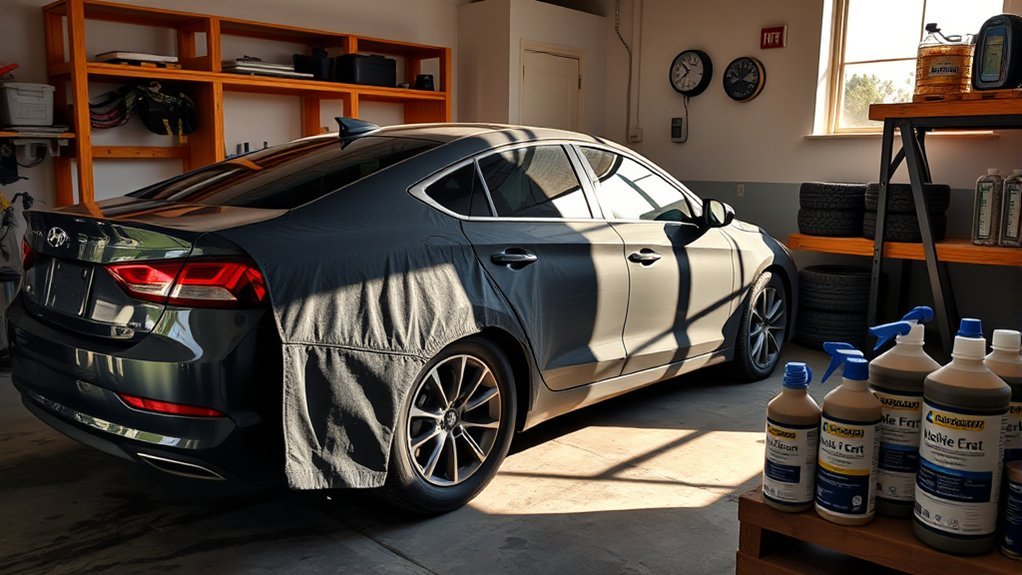
Proper tire storage matters because tires can age, dry out, crack, flatten, or become contaminated when they sit in the wrong place for months. The U.S. Tire Manufacturers Association recommends storing tires in a clean, dry, cool, well-ventilated place and keeping them away from heat, sunlight, chemicals, petroleum products, and ozone-generating equipment.
For a Hyundai Sonata, this is especially important if you switch between all-season, summer, or winter tires. Good storage helps preserve the shape and condition of the tires until they go back on the car, but it does not stop tire aging completely. Always check the tire’s DOT Tire Identification Number, tread depth, sidewalls, valve stems, and pressure before driving on a stored set again.
Warning: Do not reinstall tires that have sidewall bulges, exposed cords, deep cracking, severe uneven wear, repeated air loss, vibration, or punctures that have not been inspected by a tire professional. Storage cannot make a damaged or aged-out tire safe.
[Products Worth Considering]

The Kurgo Seasonal Tire Tote helps protect your car interior, clothes, and garage from tire grime, brake dust, and residue during seasonal tire changes. Its universal design fits most passenger tires between 22" and 31" in diameter, making storage and transport simpler with less mess. Built for rugged, repeated use, it’s machine washable for easy care and comes with a lifetime warranty.

Keep RV, trailer, or truck dual-axle tires protected with waterproof, UV-resistant covers that help guard against sunlight, snow, rust, and dirt. The dual tire covers are easy to install with a rope/bungee fastener for a stable fit that won’t easily slip. Designed for 27–30 inch diameter wheels, they help maintain tire condition through harsh weather.

RVMATE dual-axle RV tire covers help shield your tires from sunlight, snow, rust, and dirt to keep them in better condition in harsh weather. Made with heavy-duty waterproof, UV-resistant 420D Oxford fabric, they provide strong shading and help reduce wear. They install easily by placing the cover on the wheel and fastening the rope for a stable fit.
Step 1: Thoroughly Clean Your Tires for Optimal Storage
Start by cleaning each tire before it goes into storage. Dirt, brake dust, road salt, oil residue, and small stones can stay trapped in the tread and against the rubber if the tire is put away dirty. Michelin recommends cleaning wheels and tires with water, drying them well, and removing stones or debris from the grooves before storage.
| Task | What to Do |
|---|---|
| Clean the tread | Use mild soap, water, and a soft brush to remove dirt, stones, salt, brake dust, and road grime. |
| Clean the sidewalls | Wipe gently with a damp cloth. Avoid petroleum-based cleaners, harsh solvents, and strong degreasers. |
| Clean the wheels | If the tires are mounted on rims, clean and dry the wheel faces, barrels, lug areas, and valve stem area too. |
| Dry completely | Use towels and let the tires air-dry before bagging, covering, stacking, or placing them on a rack. |
| Skip tire dressing | Avoid glossy tire shine products before storage unless the tire maker specifically approves them. |
Pro Tip: Label each tire before removing it from your Sonata: front left, front right, rear left, and rear right. Also take a quick photo of the tread and sidewall so you can compare condition before reinstalling.
Step 2: Inspect for Damage, Wear, and Age
Inspect every tire before storage. It is better to find damage now than to discover it months later when you need the tires back on the road.
- Check the tread depth: Use a tread depth gauge. The National Highway Traffic Safety Administration says tires should be replaced when tread is worn to 2/32 inch.
- Look for uneven wear: Wear on one edge, cupping, feathering, or center wear can point to alignment, suspension, balance, or inflation problems.
- Inspect the sidewalls: Look for cracks, bulges, cuts, bubbles, exposed cords, or weather checking.
- Remove embedded debris: Stones can usually be removed; nails, screws, or punctures should be checked by a tire professional.
- Check the DOT/TIN date: Tire age still matters during storage. NHTSA notes that some vehicle and tire manufacturers recommend replacing tires after six to 10 years, regardless of treadwear.
- Record the tire size: Confirm that the stored set matches the tire size and load rating recommended for your exact Sonata model, trim, wheel size, and load.
Tread depth is only one part of tire safety. A stored tire can have usable tread and still be unsafe if it is cracked, bulging, punctured, losing air, or too old.
Step 3: Pick the Best Place to Store Your Tires
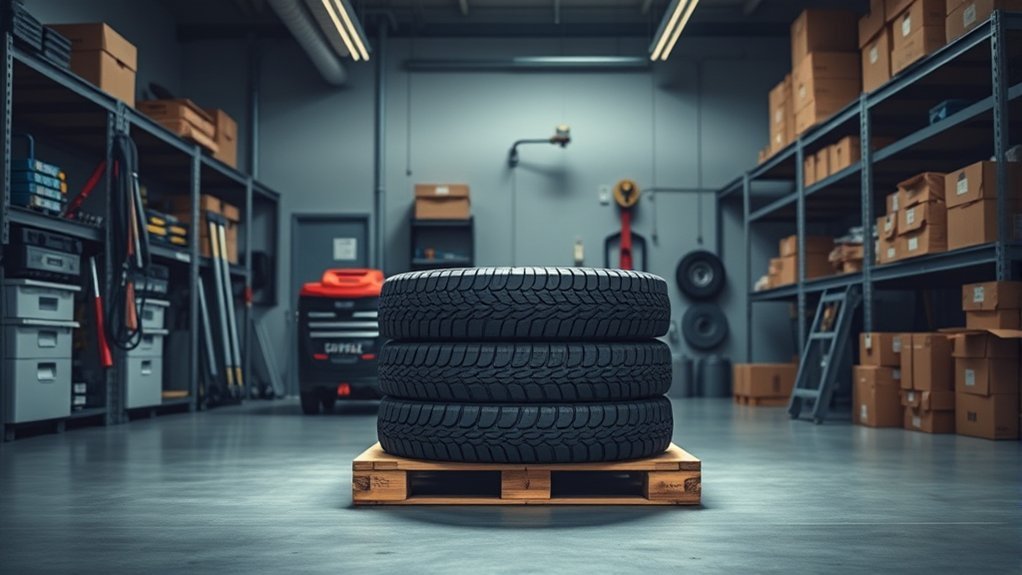
The best storage place for Hyundai Sonata tires is indoors, clean, dry, dark, and stable in temperature. A basement, interior storage room, or climate-controlled garage is usually better than a shed, exposed carport, balcony, or outdoor stack.
| Storage Factor | Best Practice |
|---|---|
| Temperature | Choose a cool, stable indoor area. Avoid high heat, freezing swings, hot pipes, heaters, and direct heat sources. |
| Light | Keep tires away from direct sunlight, windows with strong UV exposure, and outdoor exposure. |
| Moisture | Use a dry area with ventilation. Do not place tires directly on damp concrete, soil, or wet wood. |
| Chemicals | Keep away from gasoline, oil, solvents, lubricants, paint, fuel cans, and cleaning chemicals. |
| Ozone sources | Avoid electric motors, generators, battery chargers, compressors, welding equipment, and similar ozone-generating sources. |
If outdoor storage is unavoidable, keep it short-term only. Raise the tires off the ground, cover them from sun and rain, and allow ventilation so moisture does not get trapped. Michelin warns that tires left outdoors unused for long periods can dry out and develop surface cracks.
Note: A garage is not always ideal. If the area is hot, damp, sunlit, or full of fuel, oil, solvents, generators, chargers, compressors, or lawn equipment, choose a cleaner interior location instead.
Step 4: Store Mounted and Unmounted Tires the Right Way
The correct storage position depends on whether the tires are mounted on rims. This is the most important detail to get right, because mounted tires and unmounted tires carry their weight differently during storage.
| Tire Type | Best Storage Position | Avoid |
|---|---|---|
| Mounted on rims | Stack flat in a stable pile or hang from a proper wheel hanger. | Do not store upright for long periods if your tire maker advises against it. |
| Unmounted tires | Stand upright on the tread and rotate their position occasionally. | Do not hang or stack flat for long-term storage. |
This table follows Michelin’s consumer tire-storage guidance. If the tire manufacturer for your specific Sonata tire gives different instructions, follow that manufacturer’s guidance first.
Mounted Tires on Rims
If your Sonata tires are mounted on wheels, stack them horizontally in a stable pile or hang them using a proper wheel hook or rack. Keep the stack low enough that it cannot tip. If you stack them, rotate the order once during the storage season so the same tire is not always at the bottom.
Before driving on them again, inflate each tire to the cold PSI listed on your Hyundai Sonata’s tire placard or owner’s manual. Hyundai’s owner manual explains that tire pressures should be checked when the tires are cold, meaning the vehicle has not been driven for at least three hours or has been driven less than 1 mile. Do not use the maximum PSI printed on the tire sidewall as your driving pressure.
Unmounted Tires Without Rims
If the tires are not mounted on rims, stand them upright side by side. This helps protect the beads and reduces distortion. Rotate each tire a quarter turn every month or so during long storage. Keep them on a clean surface, shelf, tire rack, or piece of wood rather than directly on damp ground.
Step 5: Use Appropriate Covers for Tire Protection
Tire covers protect against dust, sunlight, and grime, but they should not trap moisture against the rubber or wheels. Choose tire bags, totes, or covers that are clean and dry before use. If you use sealed tire bags, make sure the tires are completely dry first. If the storage area is humid, breathable covers may be the safer choice.
Choose the Right Cover Material
Good tire covers should block light and dust while keeping the tire clean. Canvas, dedicated tire totes, or high-quality tire storage bags can work well. Avoid thin trash bags if they tear easily or trap moisture around a tire that was not fully dried.
Protect Against Moisture
Moisture can encourage corrosion on wheels and contribute to poor storage conditions. Dry tires fully before covering them. If storing mounted tires, make sure the wheel surface, lug area, and valve stem area are dry too.
Keep Airflow in Mind
Do not pack tires tightly into a damp corner. Leave enough space around the stack or row for air to move. If you notice condensation inside a cover, remove it, dry the tire again, and improve the storage location.
Step 6: Record, Label, and Register the Tires
Before the tires sit for months, record the details that help you reinstall and monitor them later. Write down or photograph each tire’s DOT Tire Identification Number, tire size, tread condition, and storage position label. This is also a good time to make sure newer tires were registered after purchase so the manufacturer can contact you if a safety recall applies.
- Position labels: Mark front left, front right, rear left, and rear right before the tires come off the Sonata.
- DOT/TIN code: Photograph the DOT code on the sidewall so you can check age before reinstalling.
- Condition photos: Take one photo of the tread and one photo of the sidewall for each tire.
- Pressure note: If the tires are mounted on rims, note the pressure before storage and check it again before use.
- Recall registration: If these are replacement tires, confirm that the tires were registered with the tire manufacturer or retailer after purchase.
Pro Tip: Keep the photos and tire notes in a phone album named “Sonata tires.” That makes it easier to compare wear, read the DOT date, and rotate the tires correctly next season.
Step 7: Monitor Tire Condition During Off-Season Storage
Stored tires do not need constant attention, but a quick monthly look can prevent surprises. Look for moisture, pests, cracking, bulging, flat spotting, or changes in the storage area. If the tires are mounted on rims, check pressure with a reliable gauge before storage and again before reinstalling.
For your Hyundai Sonata, do not use the maximum PSI printed on the tire sidewall as your driving pressure. Use the cold tire pressure listed on the driver’s door jamb placard or in the owner’s manual for your exact model, trim, wheel size, and load. If the tires are warm after driving, do not release air just because the pressure reads higher than the cold specification.
Note: Tire pressure naturally changes with temperature. Always make final driving-pressure adjustments when the tires are cold, not right after a drive.
What If the Tires Stay on the Sonata During Storage?
If the Sonata will sit for a long time with the tires still installed, storage becomes a little different. The vehicle’s weight can create flat spots or add stress to the tires if it sits in one position for months.
- Store the car on a clean, firm, level, dry surface.
- Remove unnecessary cargo to reduce weight on the tires.
- If safe and practical, use proper vehicle stands to take weight off the tires during long-term storage.
- If the car remains on its tires, move it occasionally when safe to do so to change the contact patch.
- Check tire pressure before parking and again before driving.
- Inspect for cracks, bulges, air loss, vibration, and flat spotting before returning to regular use.
Warning: Never work under a vehicle supported only by a jack. Use properly rated jack stands on a stable surface, and follow the Hyundai owner’s manual and jack-stand manufacturer’s instructions.
Step 8: Check Tires Before Reinstalling Them
Before the stored tires go back on your Sonata, give them one final safety check. This is especially important if they were stored for more than one season or exposed to heat, sunlight, moisture, chemicals, or outdoor conditions.
- Check tread depth across the inside, center, and outside of each tire.
- Replace tires at or below 2/32 inch tread depth, or sooner if wear, age, damage, or local driving conditions call for it.
- Inspect sidewalls for cracks, cuts, bulges, bubbles, exposed cords, and weather checking.
- Look for nails, screws, stones, or other embedded objects.
- Check the DOT/TIN date and compare it with the tire maker’s age guidance.
- Inspect valve stems and valve caps for cracking, corrosion, or missing caps.
- Inflate mounted tires to the Sonata’s recommended cold PSI before driving.
- Reinstall valve caps to help keep dirt and moisture out of the valve core.
- Use your position labels to rotate the tires correctly if appropriate.
- Have a tire professional inspect any tire that lost air, vibrates, shows unusual wear, or has been stored in poor conditions.
When Professional Tire Storage Makes Sense
Professional tire storage can make sense if you live in an apartment, do not have a cool indoor storage area, need help lifting a full mounted set, or want the tires inspected before seasonal installation. A tire shop or storage service may also keep the tires away from sunlight, heat, moisture, and garage chemicals better than a home shed or balcony.
Before paying for storage, ask how the tires are labeled, whether mounted and unmounted tires are stored differently, whether the facility is dry and away from ozone sources, and whether they inspect tread depth, sidewalls, DOT age, and pressure before reinstalling.
Common Tire Storage Mistakes to Avoid
Most storage problems come from small mistakes that are easy to prevent. Avoid these common issues:
- Storing dirty tires: Brake dust, salt, and grime can sit on the rubber and wheels for months.
- Leaving tires in the sun: UV exposure and heat can speed up surface cracking.
- Putting tires near chemicals: Gasoline, oil, solvents, lubricants, and paint products can harm rubber compounds.
- Storing near ozone sources: Electric motors, generators, battery chargers, compressors, and welding equipment can contribute to rubber deterioration.
- Using the wrong position: Mounted tires and unmounted tires should not be stored the same way.
- Trapping moisture: Covering wet tires can create condensation and corrosion problems.
- Ignoring age: Stored tires still age from the DOT manufacture date.
- Skipping pressure checks: Mounted tires should be checked and inflated to the correct cold PSI before use.
- Forgetting registration: Replacement tires should be registered so the manufacturer can notify you about safety recalls.
Frequently Asked Questions
How do you store off-season Hyundai Sonata tires?
Clean and dry the tires, inspect them for damage and age, label their positions, and store them indoors in a cool, dry, dark, clean, well-ventilated area. If the tires are mounted on rims, stack them flat or hang them. If they are unmounted, stand them upright.
How do you prevent tires from dry rotting in storage?
Keep tires away from direct sunlight, heat, ozone, petroleum products, solvents, lubricants, and moisture. Store them in a clean indoor location, use clean dry covers or bags, and inspect them before reinstalling. Proper storage helps slow deterioration, but it cannot stop tire aging completely.
Should Sonata tires be stored upright or stacked?
It depends on whether they are mounted on rims. Mounted tires can be stacked flat or hung from a proper wheel hanger. Unmounted tires should stand upright on the tread and should be rotated occasionally during long storage. Follow your tire maker’s instructions if they differ.
Can I store Hyundai Sonata tires outside?
Indoor storage is best. If outdoor storage is unavoidable, keep it short-term, raise the tires off the ground, cover them from sun and rain, and allow ventilation so moisture is not trapped. Do not leave tires exposed outdoors for months.
Should I lower tire pressure before storage?
If tires are unmounted, tire pressure does not apply. If they are mounted on rims, check pressure before storage and again before reinstalling. Before driving, inflate them to the cold PSI listed on your Sonata’s door jamb placard or owner’s manual. Do not use the sidewall maximum PSI as your driving pressure.
How long can tires sit in storage?
Well-stored tires can remain usable for a long time, but they still age from their DOT manufacture date. Inspect stored tires carefully before use, and follow the tire or vehicle manufacturer’s age and replacement guidance. Some manufacturers recommend replacement after six to 10 years regardless of treadwear.
Can I store Sonata tires on concrete?
Avoid placing tires directly on damp concrete. If the floor is clean and dry, use a tire rack, shelf, tire tote, cardboard, or a clean piece of wood as a barrier. The bigger concern is moisture, chemicals, heat, and sunlight, not dry concrete by itself.
Should I store tires in plastic bags?
Plastic tire bags can help keep tires clean and limit exposure, but only bag tires after they are fully dry. If the storage area is humid or you see condensation inside the bag, remove the bag, dry the tire again, and improve ventilation or use a breathable cover.
Conclusion
The safest way to store Hyundai Sonata tires is to clean them, dry them, inspect them, label their positions, record the DOT/TIN details, and keep them indoors in a cool, dry, dark, clean, well-ventilated space. The biggest rule is position: mounted tires can be stacked or hung, while unmounted tires should stand upright. Before they go back on your Sonata, check tread depth, sidewalls, age, valve stems, and cold tire pressure so your next drive starts on a safe set of tires.
Sources
- Michelin — Storing My Tires — supports cleaning, drying, indoor storage, short-term outdoor storage precautions, tire registration, and mounted vs. unmounted positioning guidance.
- U.S. Tire Manufacturers Association — Tire Care & Safety — supports cool, dry, clean, ventilated storage and avoiding sunlight, heat, chemicals, petroleum products, and ozone sources.
- Hyundai Owner’s Manual — Recommended Cold Tire Inflation Pressures — supports checking tire pressure cold, using recommended inflation pressure, and avoiding warm-tire pressure adjustments.
- NHTSA TireWise — Tire Safety Ratings and Awareness — supports tire age, DOT/TIN date, tread depth, pressure, tire placard, and safety inspection guidance.
- Continental Tire — Tire Storage and Handling Guidelines — supports cool, dry storage, avoiding ozone and chemicals, storage-surface precautions, long-term vehicle storage guidance, and checking stored tires before service.

Related Articles

7 Winter Tires to Keep Your Hyundai Sonata Safe This Season
You rely on your Hyundai Sonata every day, and winter roads can turn routine drives into risky trips. Choosing the right tires improves safety,…
Read More
7 Snow Tires That Will Transform Your Hyundai Sonata This Season
You rely on your Hyundai Sonata for daily drives, and winter changes everything about traction and stopping distance. Choosing the right tire is one…
Read More
10 Must-Have Summer Tires for Your Hyundai Sonata This Spring
You want a safe, quiet and predictable ride when the temperatures rise, and choosing the right set of summer or touring tires makes a…
Read More